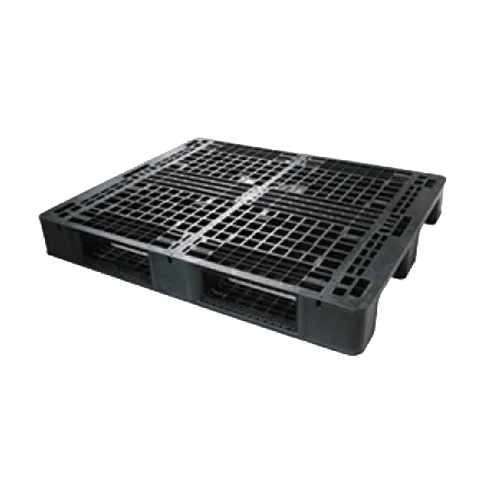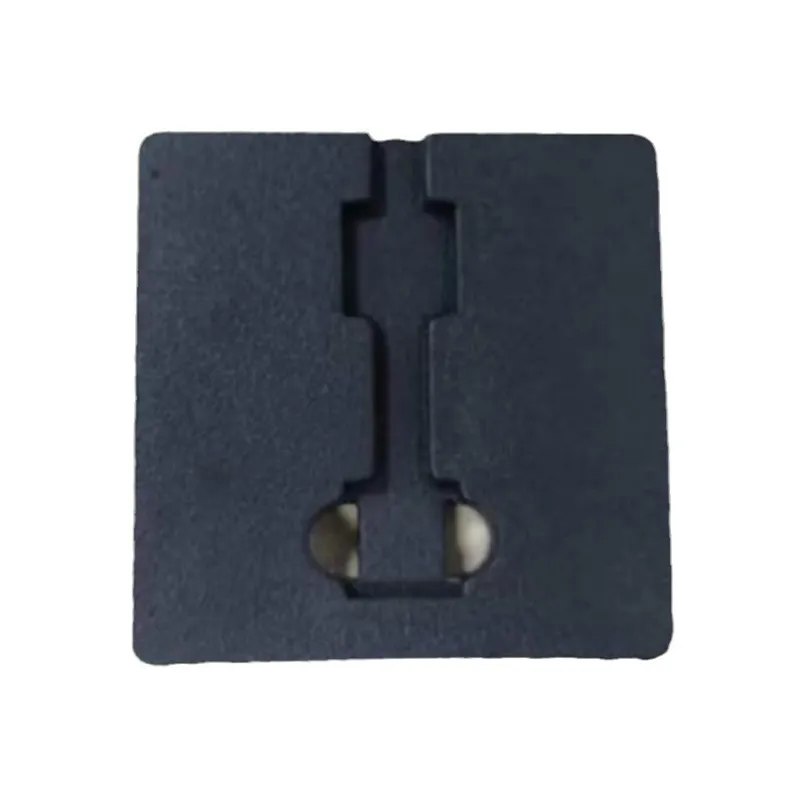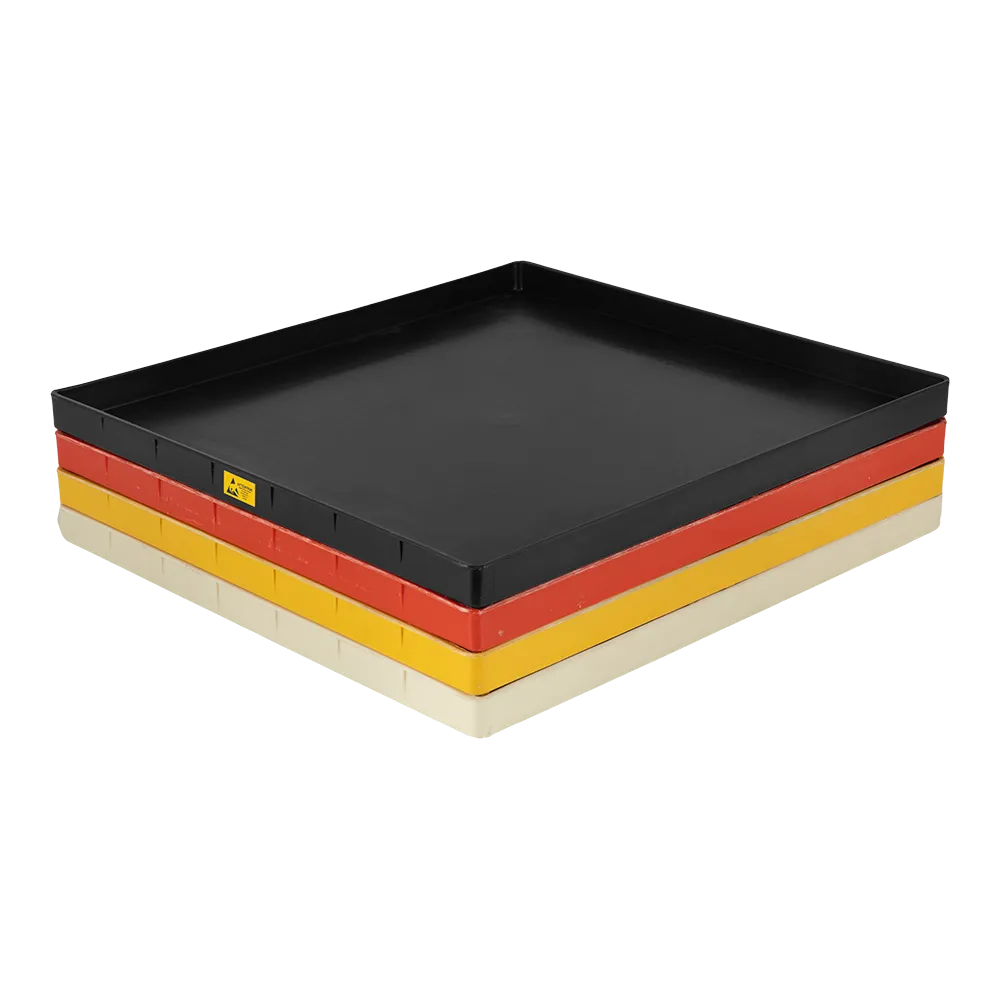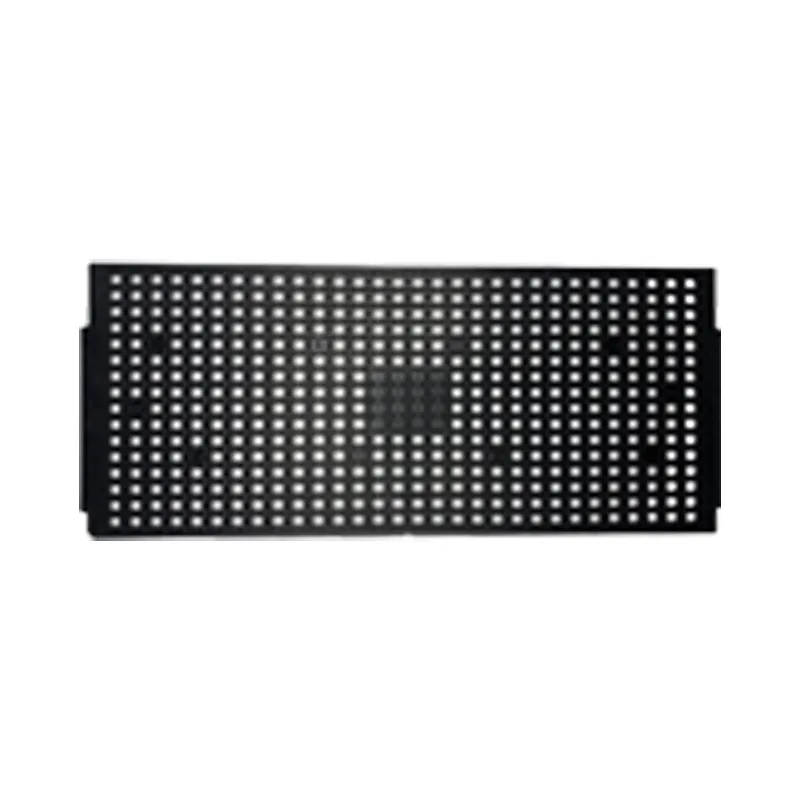
IC Trays for Semiconductor and BGA Packaging
Visão geral:
Review IC tray options for BGA and QFN devices. Request pocket drawings, material specifications, ESD evidence and samples for your handling process.
IC Trays for Semiconductor Handling and Packaging
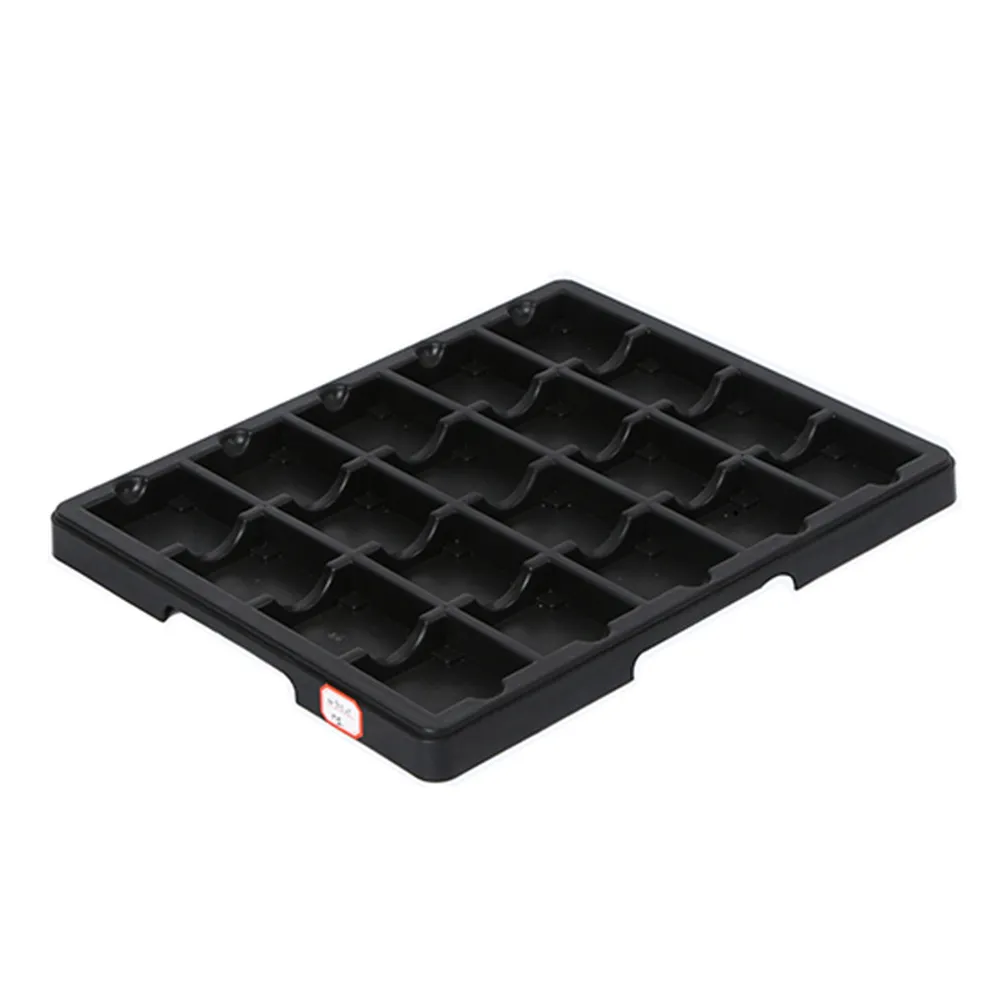
IC trays locate packaged semiconductor devices for controlled storage, inspection and handling. Select the pocket layout for the actual device package, permitted support areas and pickup process. SWESD’s catalogue on this page includes BGA and QFN tray options; confirm the current drawing and supplied configuration for the model you intend to purchase.
A tray’s appearance or an ESD description does not establish every required protective function. Ask for the relevant material and test evidence under your ESD control plan. Packaging used outside an ESD protected area may require discharge shielding as part of the complete package. See the EOS/ESD Association’s control principles for that distinction.
What to Confirm Before Ordering an IC Tray
- Device package drawing, pocket geometry, orientation and permitted contact surfaces.
- Tray outline, stacking interface and compatibility with the actual handling equipment.
- Material grade and the relevant electrical test method, conditions and results.
- Any required thermal exposure, its duration and the permitted supplier-defined conditions. Do not assume every device needs baking or every tray supports the same cycle.
- Sample acceptance, labeling, cleanliness, repeat supply and change notification requirements.
If JEDEC compatibility is required, specify the applicable current drawing or standard and request supporting evidence for the exact model. Confirming a tray outline does not by itself qualify the pocket, material or complete packaging arrangement for your device.
Utilize tray drawing review guide, pocket tolerance checklist e guia de RFQ para tabuleiros de circuitos integrados personalizados to prepare a sample request. For the wider carrier range, browse SWESD ESD trays.
The catalogue figures below are product-listing information. Request the current supplier drawing, material specification, relevant test conditions and approved use limits before accepting a particular model for production. For a quotation, send your device drawing, handling route, quantity and evidence requirements through the SWESD inquiry page.
Especificação Técnica
Scroll the specification tables horizontally to compare all listed models.
| Nome do produto | Tabuleiro de circuitos integrados | ||||
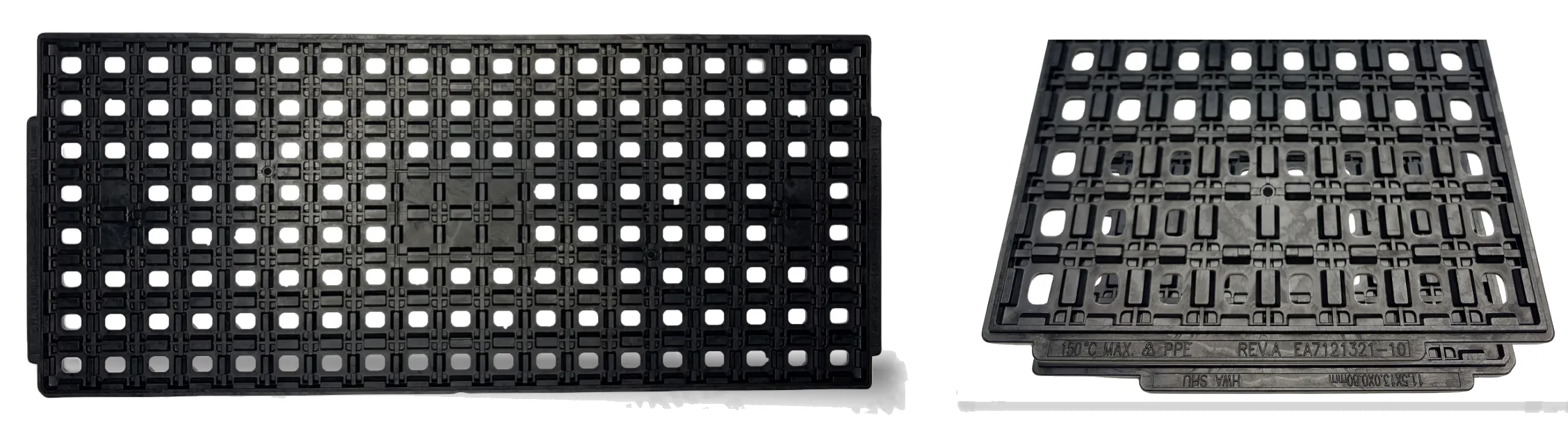
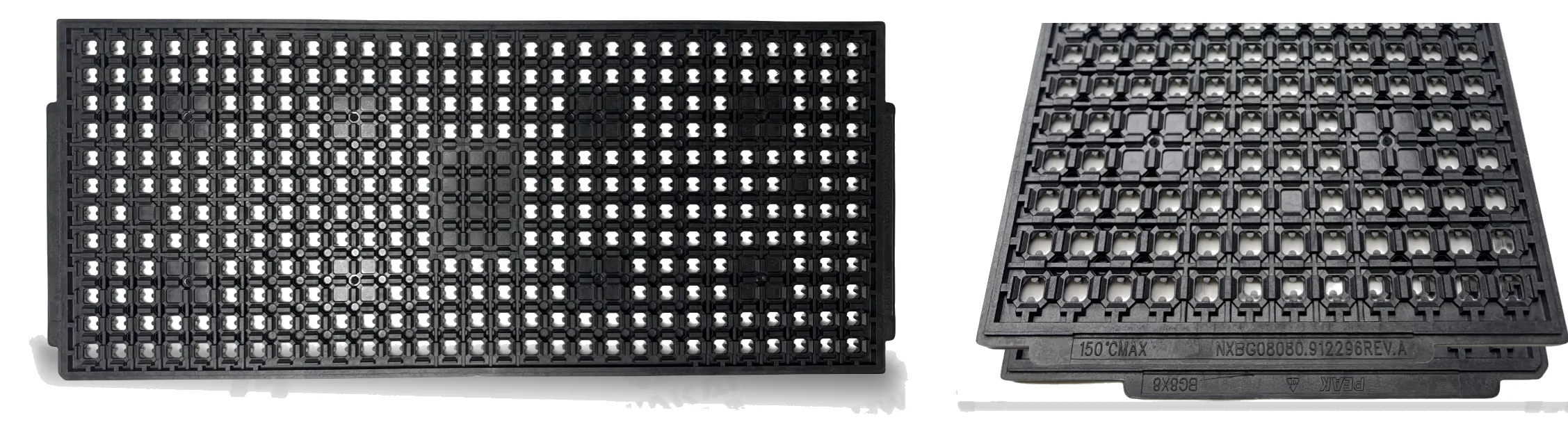
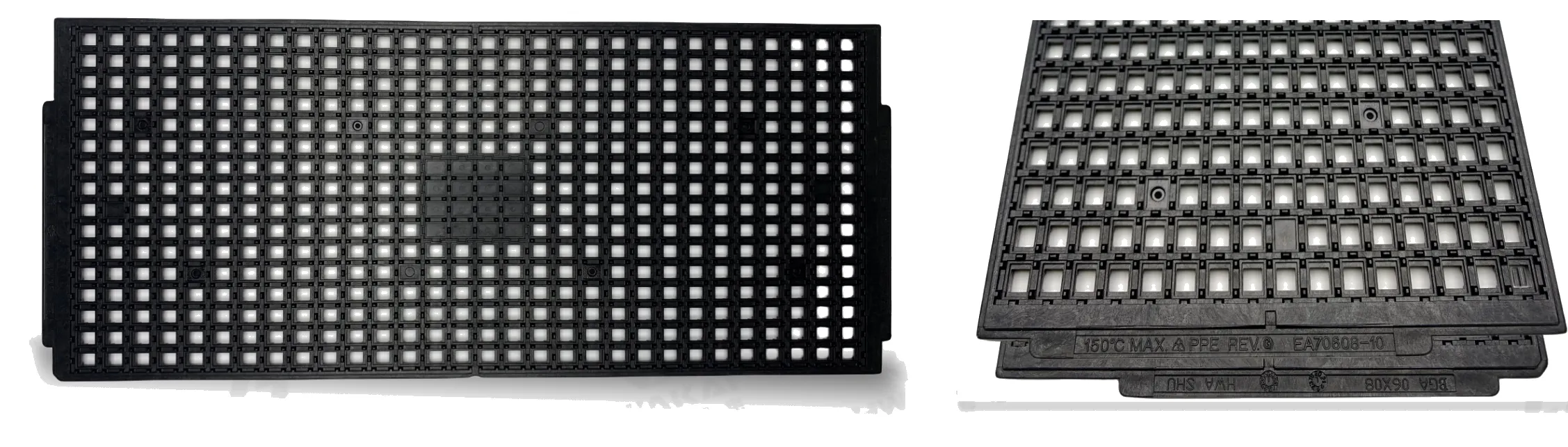
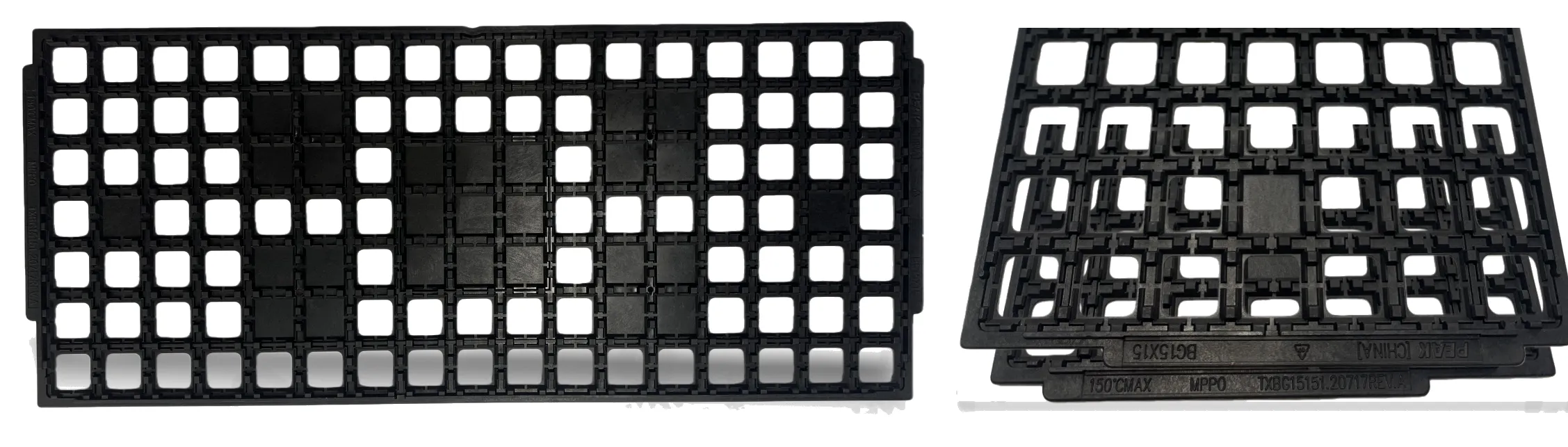
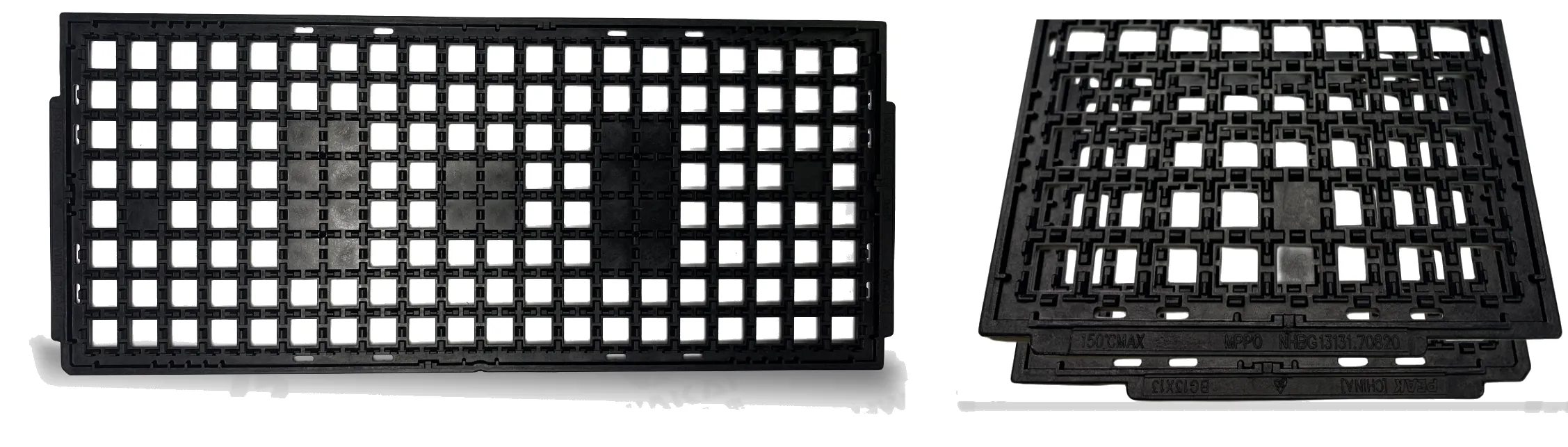
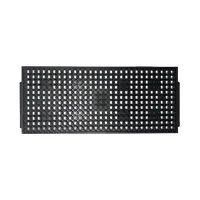
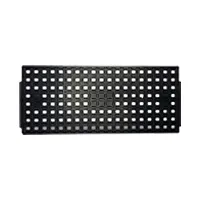
| Modelo de produto | BGA6x8 | BGA8x8 | BGA11.5×13 | BGA13x13 | |
 |
 |
 |
 |
||
| Parâmetros de especificação | ●Model | EA70608-10 | NXBG08080.912296REV.A | EA7121321-10 | NHBG13131.70820 |
| ●Tray cavity design | BGA | BGA | BGA | BGA | |
| ●Specifications | 6*8 | 8*8 | 11.5*13*0.8 | 13*13 | |
| ●Matrix | 16*30=480 | 12*29=348 | 8*19=152 | 8*20=160 | |
| ●Temperature MAX (℃) | 150 | 150 | 150 | 150 | |
| ●Surface Resistance | 10^5(Ω)~10^11(Ω) | 10^5(Ω)~10^11(Ω) | 10^5(Ω)~10^11(Ω) | 10^5(Ω)~10^11(Ω) | |
| ●Weight (g) | 138.5 | 162.4 | 125 | 110 | |
| Nome do produto | Tabuleiro de circuitos integrados | ||
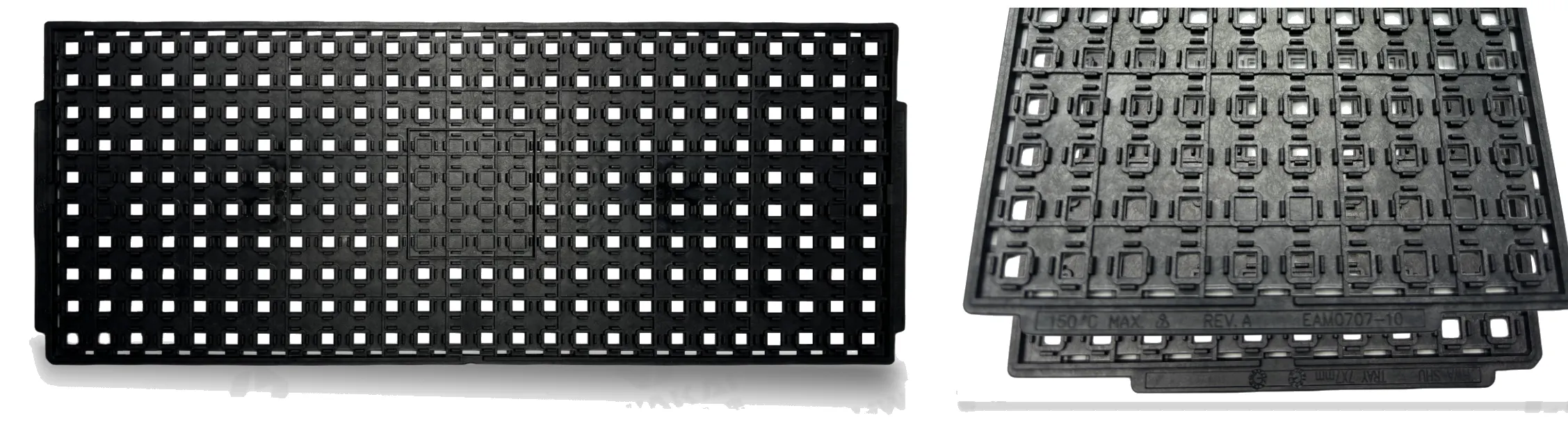
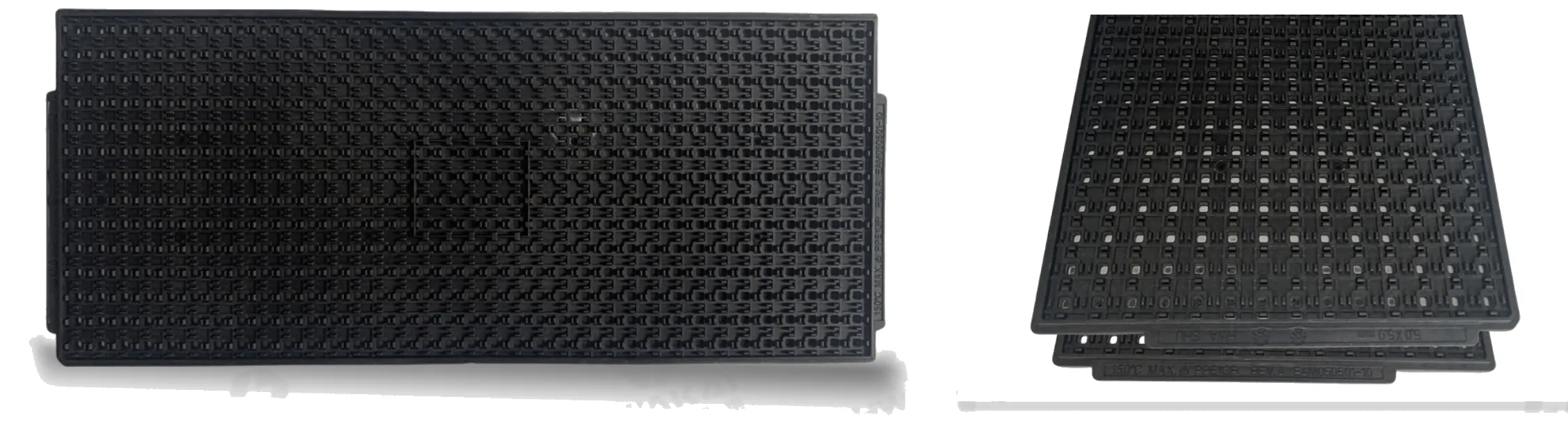
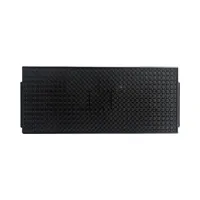
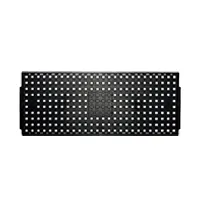
| Modelo de produto | QFN5x5 | QFN7x7 | |
 |
 |
||
| Parâmetros de especificação | ●Model | EAM050501-10 | EAM0707-10 |
| ●Tray cavity design | QFN | QFN | |
| ●Specifications | 5*5 | 7*7 | |
| ●Matrix | 14*35=490 | 10*26=260 | |
| ●Temperature MAX (℃) | 150 | 150 | |
| ●Surface Resistance | 10^5(Ω)~10^11(Ω) | 10^4(Ω)~10^11(Ω) | |
| ●Weight (g) | 183.9 | 148 | |
Capacidade de Fabrico ESD de Classe Mundial
Ao recorrer à Sanwei, está a fazer uma parceria direta com um fabricante OEM/ODM líder de mercado. Operamos um serviço topo de gama Instalação de produção integrada com mais de 70.000 m² no Parque Industrial Central de Yueqing, em Zhejiang, gerindo cada processo individual, desde a formulação de material próprio até à moldagem final de alta precisão.
Balança integrada
Instalação avançada com mais de 70.000 m², equipada com máquinas de moldagem por injeção de precisão para trabalhos pesados, capaz de gerir encomendas grossistas em grandes quantidades com prazos de entrega estáveis.
Controlo de Cadeia Completa
Controlo interno completo que abrange a I&D de material antiestático proprietário, engenharia de moldes estruturais, fabrico automatizado e entrega logística global rápida.
Inspecção Rigorosa
Os rigorosos testes às matérias-primas, combinados com medições multiponto da resistividade superficial na linha de produção, garantem a conformidade do 100% com as diretrizes das normas internacionais de ESD.
Anti-estático Produtos e Soluções
Fornecer proteção eletrostática abrangente em todo o seu ciclo de vida de fabrico e operacional.
Equipamento SMT
Caixas de recolha e suportes anti-estáticos para linhas automatizadas.

Armazenamento e Logística
Carrinhos de rotação, prateleiras, caixas, tabuleiros e contentores de componentes.

Posto de trabalho e EPI
Cadeiras anti-estáticas, tapetes, braceletes e proteção pessoal.
Desenvolvimento à medida
Desenvolvimento de moldes personalizados e materiais anti-estáticos especiais.
AS NOSSAS VANTAGENS OEM/ODM

Investigação e Desenvolvimento Avançados e Inovação de Materiais
Materiais antiestáticos desenvolvidos internamente com patentes de invenção nacionais e resistência ao calor até 200℃. Nós não nos limitamos a moldar — formulamos compostos.

Capacidade de Produção em Escala Total
Fábrica de 30.000 m² com sistemas completos de moldagem por injeção, granulação e processamento de apoio para um fornecimento estável e eficiente.

Personalização de Processo Completo
Resistividade do material, cor, tamanho, logótipo, embalagem e certificações — personalizáveis para cumprir as normas IEC61340-5-1, ANSI/ESD S20.20 ou normas militares.

Qualidade Certificada e Conformidade Global
“A Sanwei desenvolveu com sucesso tabuleiros personalizados de cor natural limpa, resistentes a altas temperaturas, para a nossa linha de montagem de semicondutores, substituindo produtos importados, garantindo uma excelente segurança ESD e cumprindo os elevados requisitos de limpeza da oficina.”
UTILIZADO POR LÍDERES GLOBAIS DA FORTUNE 500
As nossas soluções proprietárias de ESD estão implementadas em instalações de produção de elite em todo o mundo, incluindo: Intel, Motorola, Siemens, IBM, Panasonic, Nokia e Dell.
Procura tamanhos personalizados ou preços de revenda por grosso?
Apoiada pela nossa robusta equipa interna de I&D, a Sanwei disponibiliza opções completas de OEM/ODM adaptadas às suas linhas de produção SMT específicas ou ao layout do seu armazém. Contacte hoje os nossos especialistas para moldes personalizados, códigos de cores ou consultoria integrada de armazenamento 5S.
Perguntas Frequentes (FAQ)
1. What is an IC tray?
It’s basically a plastic tray that holds semiconductor chips during manufacturing, testing, shipping, and storage. They’re specially made to be ESD‑safe so static doesn’t fry the chips. Most of them follow standard sizes so they work with automated handling equipment.
2. What are the materials used in IC packaging?
That’s a whole “package” of stuff – you’ve got the molding compound (usually epoxy resin), a substrate (organic or ceramic), lead frames, die attach adhesives, bonding wires, and solder balls. All these materials work together to protect the chip, connect it to the circuit, and help keep it cool.
3. What material are ice trays made of?
Ice trays for your freezer are a totally different story – they’re all about food safety. The most common are food‑grade polypropylene (PP) and silicone. Silicone’s nice because it’s flexible and makes popping out the ice cubes super easy.
4. What is the standard tray size?
When people say “standard tray,” they usually mean the JEDEC size – that’s 12.7 x 5.35 inches, or about 322.6 x 136 mm. Thickness can be either 0.25 inches (thin) or 0.40 inches (thick). There’s also a common 320mm x 240mm size used internationally.
5. What is a JEDEC tray?
It’s a tray that meets the specs set by JEDEC – the group that writes standards for the semiconductor industry. Think of it as a universal container for chips (like BGA or QFP packages) so that trays from different manufacturers all fit the same machines and processes.
6. What is the tolerance of JEDEC trays?
They’re made to pretty tight tolerances to make sure chips sit exactly right. For example, the dimension accuracy is often around ±0.15 mm, and the overall flatness is kept within about 0.76 mm. That said, the exact numbers can vary a bit between suppliers – always check the data sheet.
7. What is the JEDEC standard?
JEDEC is basically the rule‑maker for the microelectronics world. They publish standards for everything from memory chips (like DDR5) to how parts are packaged and tested. It’s the common language that makes sure chips from different companies can work together.
8. What is the difference between JEDEC and IPC?
Think of it this way: JEDEC focuses on the chip itself – its electrical specs, physical dimensions, and testing. IPC, on the other hand, deals with the circuit board and assembly – how PCBs are designed, manufactured, and soldered. So JEDEC is about the silicon, IPC is about the board.