IC Trays for Semiconductor and BGA Packaging
نظرة عامة
Review IC tray options for BGA and QFN devices. Request pocket drawings, material specifications, ESD evidence and samples for your handling process.
IC Trays for Semiconductor Handling and Packaging
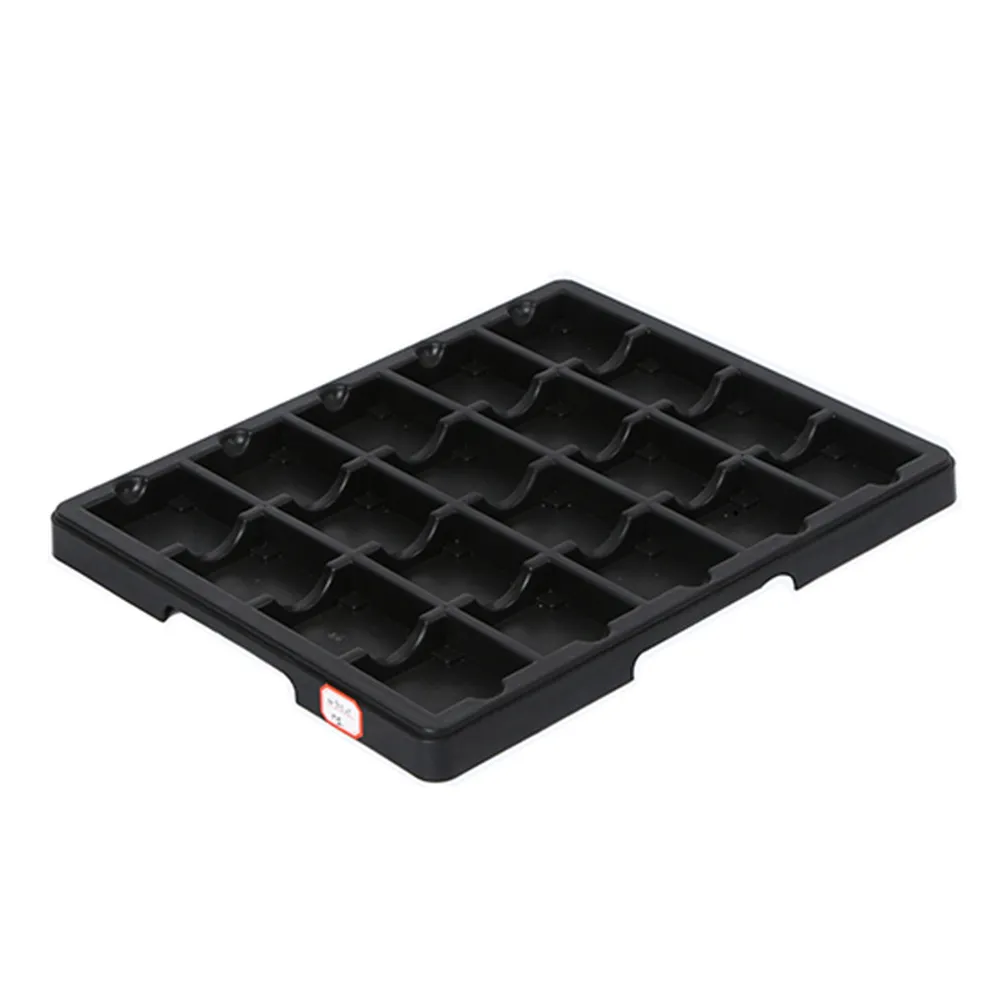
IC trays locate packaged semiconductor devices for controlled storage, inspection and handling. Select the pocket layout for the actual device package, permitted support areas and pickup process. SWESD’s catalogue on this page includes BGA and QFN tray options; confirm the current drawing and supplied configuration for the model you intend to purchase.
A tray’s appearance or an ESD description does not establish every required protective function. Ask for the relevant material and test evidence under your ESD control plan. Packaging used outside an ESD protected area may require discharge shielding as part of the complete package. See the EOS/ESD Association’s control principles for that distinction.
What to Confirm Before Ordering an IC Tray
- Device package drawing, pocket geometry, orientation and permitted contact surfaces.
- Tray outline, stacking interface and compatibility with the actual handling equipment.
- Material grade and the relevant electrical test method, conditions and results.
- Any required thermal exposure, its duration and the permitted supplier-defined conditions. Do not assume every device needs baking or every tray supports the same cycle.
- Sample acceptance, labeling, cleanliness, repeat supply and change notification requirements.
If JEDEC compatibility is required, specify the applicable current drawing or standard and request supporting evidence for the exact model. Confirming a tray outline does not by itself qualify the pocket, material or complete packaging arrangement for your device.
استخدم tray drawing review guide, pocket tolerance checklist و دليل طلب عروض الأسعار لصواني الدوائر المتكاملة المخصصة to prepare a sample request. For the wider carrier range, browse SWESD ESD trays.
The catalogue figures below are product-listing information. Request the current supplier drawing, material specification, relevant test conditions and approved use limits before accepting a particular model for production. For a quotation, send your device drawing, handling route, quantity and evidence requirements through the SWESD inquiry page.
المواصفات الفنية
Scroll the specification tables horizontally to compare all listed models.
| اسم المنتج | درج الآيس كريم | ||||
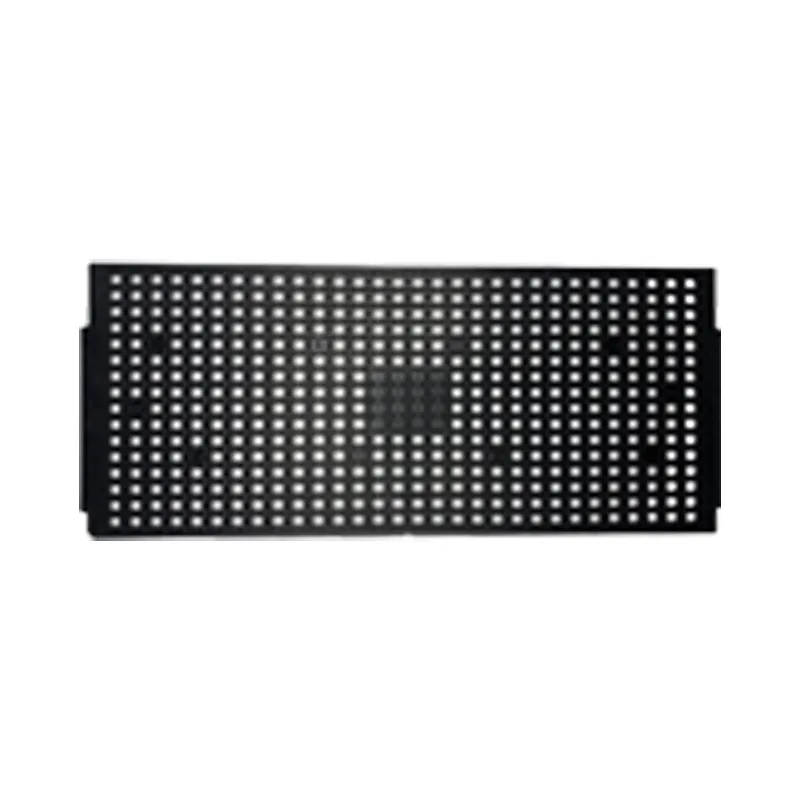
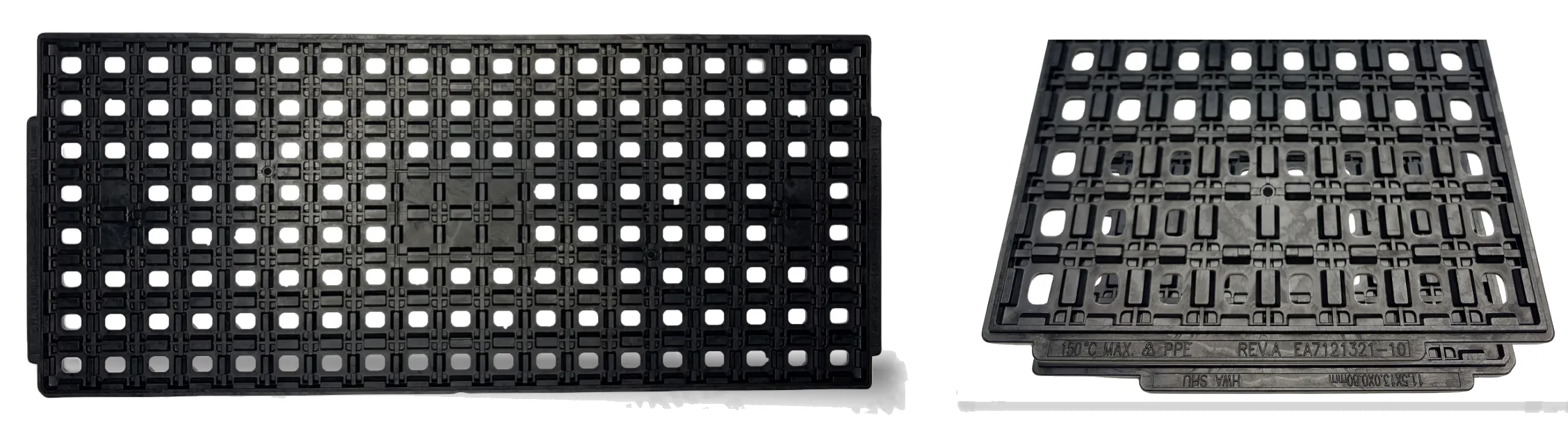
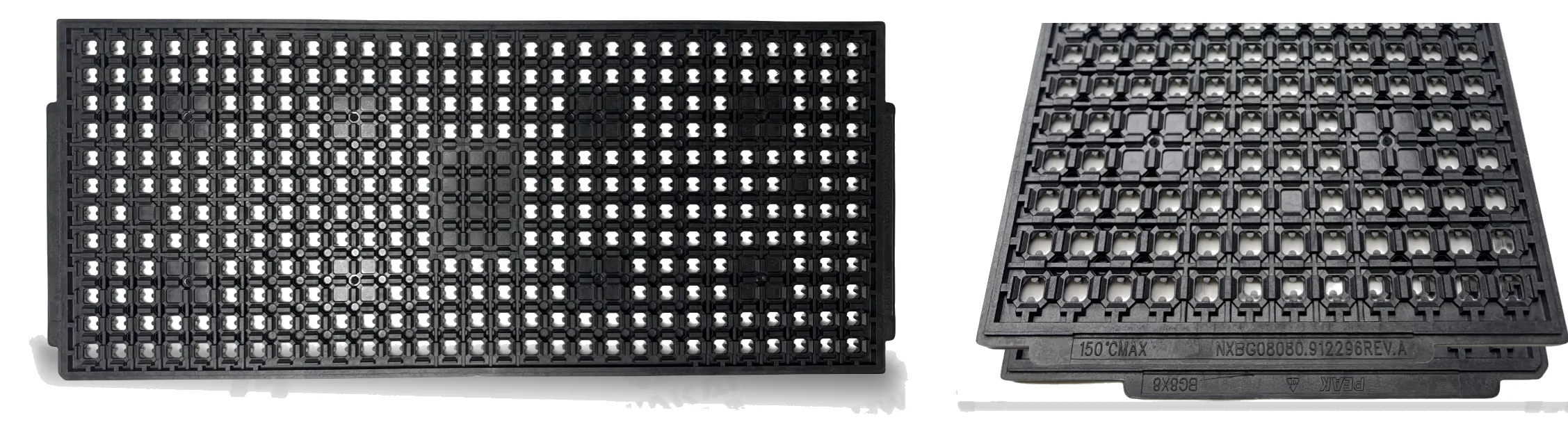
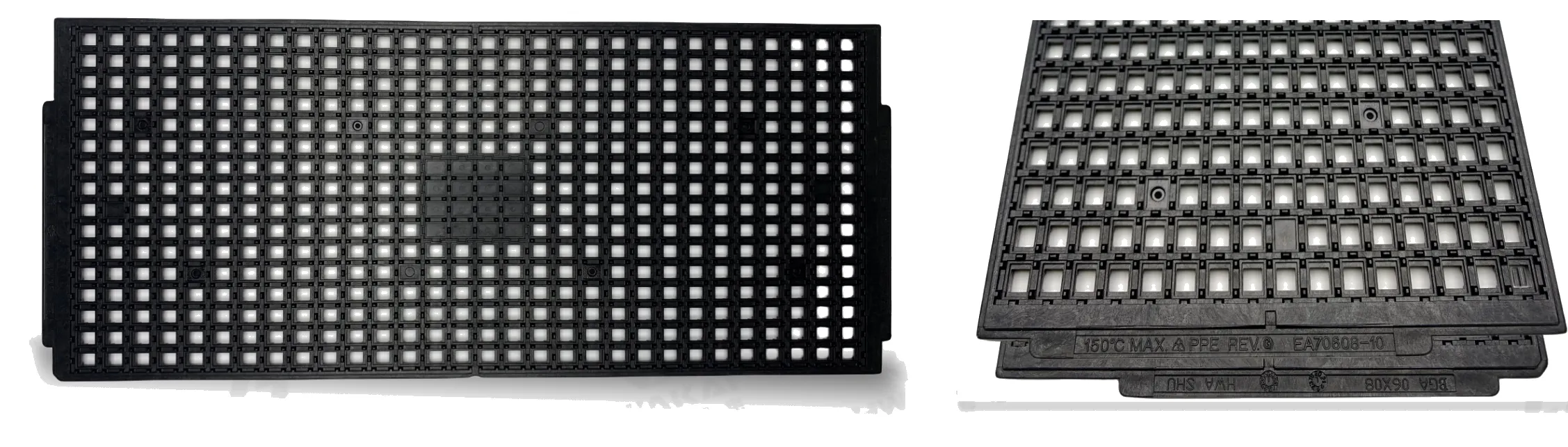
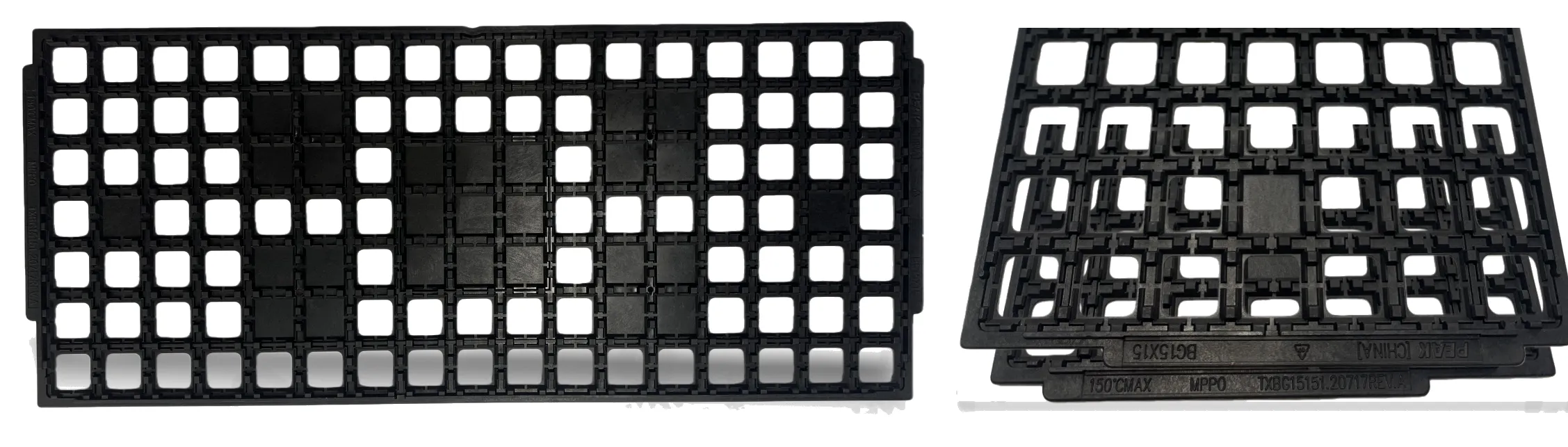
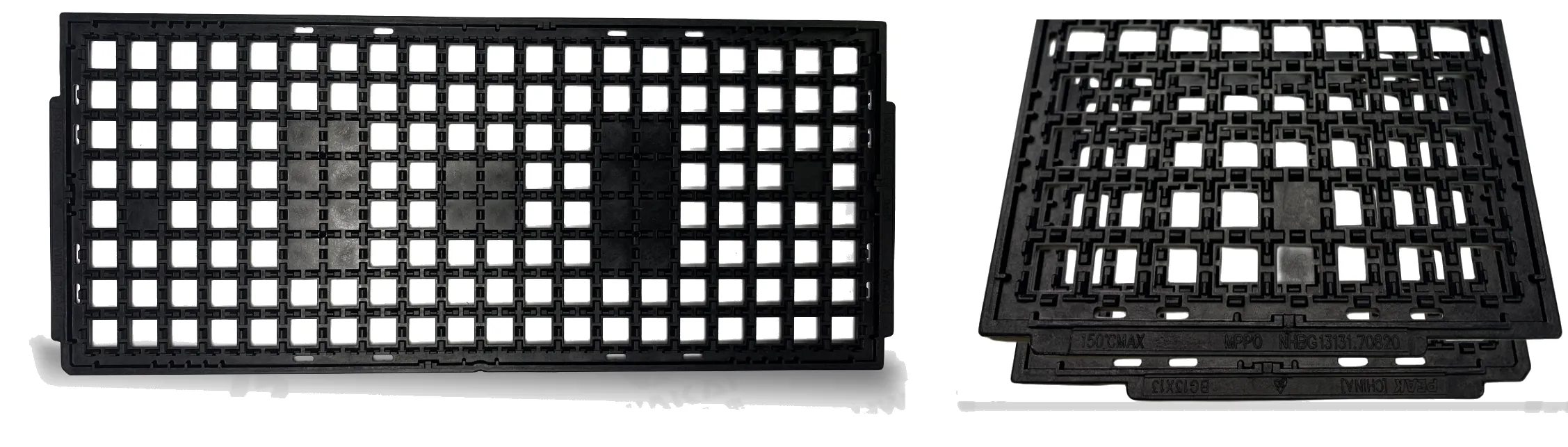
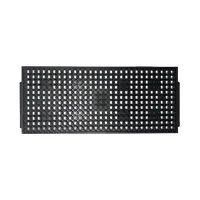
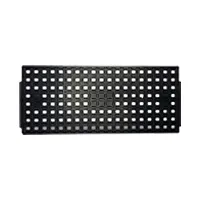
| نموذج المنتج | BGA6x8 | بي جي إيه 8 × 8 | بي جي إيه 11.5 × 13 | بي جي إيه 13 × 13 | |
 |
 |
 |
 |
||
| معايير المواصفات | ● نموذج | EA70608-10 | NXBG08080.912296REV.A | EA7121321-10 | NHBG13131.70820 |
| تصميم تجويف الدرج | بي جي إيه | بي جي إيه | بي جي إيه | بي جي إيه | |
| ●المواصفات | 6*8 | 8*8 | 11.5*13*0.8 | 13*13 | |
| ●المصفوفة | 16*30=480 | 12*29=348 | 8*19=152 | 8*20=160 | |
| ●درجة الحرارة القصوى (℃) | 150 | 150 | 150 | 150 | |
| مقاومة السطح | 10^5(أوم)~10^11(أوم) | 10^5(أوم)~10^11(أوم) | 10^5(أوم)~10^11(أوم) | 10^5(أوم)~10^11(أوم) | |
| ●الوزن (جرام) | 138.5 | 162.4 | 125 | 110 | |
| اسم المنتج | درج الآيس كريم | ||
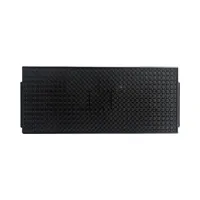
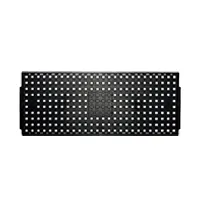
| نموذج المنتج | QFN5x5 | QFN7x7 | |
 |
 |
||
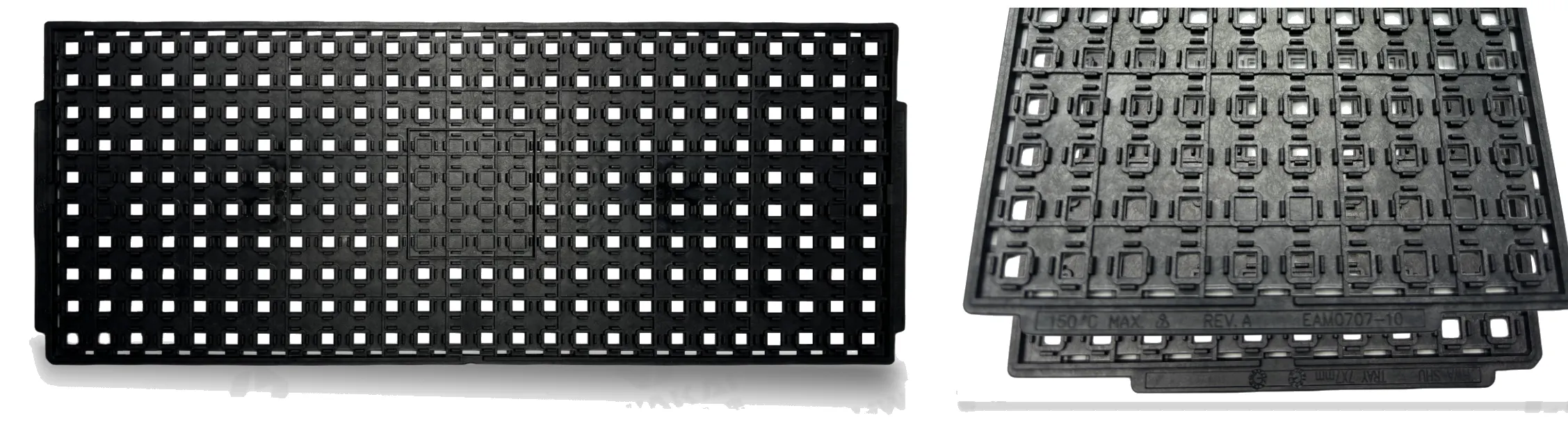
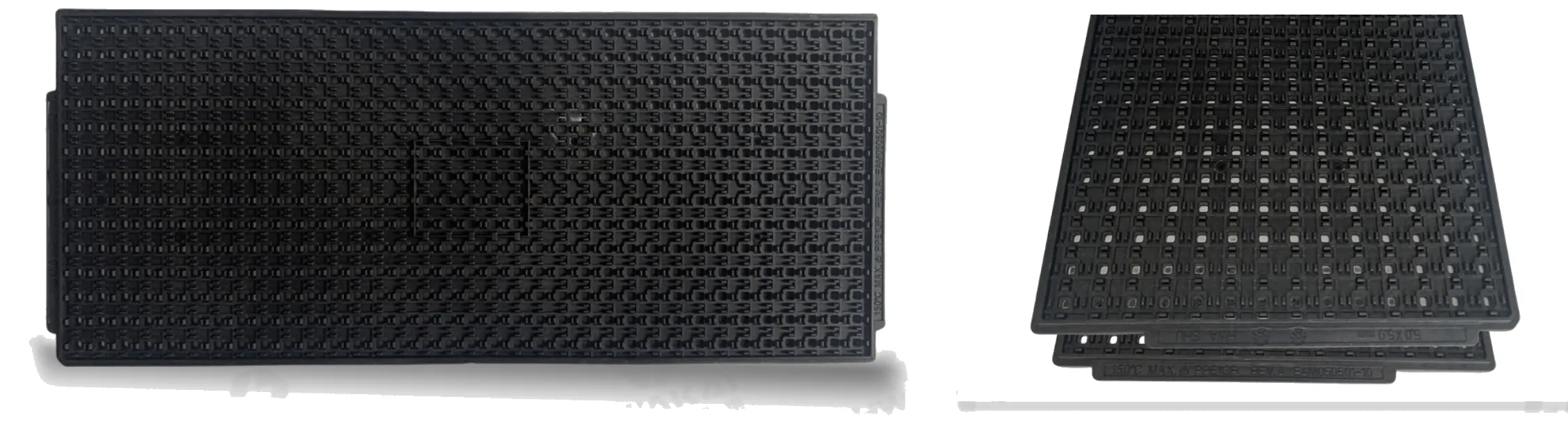
| معايير المواصفات | ● نموذج | EAM050501-10 | EAM0707-10 |
| تصميم تجويف الدرج | QFN | QFN | |
| ●المواصفات | 5*5 | 7*7 | |
| ●المصفوفة | 14*35=490 | 10*26=260 | |
| ●درجة الحرارة القصوى (℃) | 150 | 150 | |
| مقاومة السطح | 10^5(أوم)~10^11(أوم) | 10^4 (أوم) ~ 10^11 (أوم) | |
| ●الوزن (جرام) | 183.9 | 148 | |
قدرة تصنيع عالمية المستوى لمقاومة التفريغ الكهروستاتيكي
عندما تشتري من سانواي، فأنت تشارك مباشرة شركة مصنعة رائدة في مجال التصنيع الأصلي وتصميم التصنيع الأصلي (OEM/ODM). نحن نشغل مركزًا حديثًا منشأة إنتاج متكاملة مساحتها أكثر من 70,000 متر مربع في مجمع يويتشينغ المركزي الصناعي بمقاطعة تشجيانغ، حيث يتم إدارة كل عملية بدقة، بدءاً من تركيبة المواد الخاصة وحتى تشكيل المنتج النهائي عالي الدقة.
مقياس متكامل
قاعدة مصنع متطورة بمساحة تزيد عن 70,000 متر مربع مجهزة بمكائن حقن بلاستيك دقيقة وعالية التحمل للتعامل مع طلبات الجملة الكبيرة بأوقات تسليم مستقرة.
التحكم كامل السلسلة
تحكم داخلي بالكامل يشمل البحث والتطوير للمواد الخاصة المضادة للكهرباء الساكنة، هندسة القوالب الهيكلية، التصنيع الآلي، والتسليم اللوجستي العالمي السريع.
فحص دقيق
يضمن الاختبار الدقيق للمواد الخام، إلى جانب قياس المقاومة السطحية متعدد النقاط على خط الإنتاج، توافق منتج 100% مع المبادئ التوجيهية للمعايير الدولية المتعلقة بالتحميل الكهروستاتيكي (ESD).
مضاد للكهرباء الساكنة المنتجات والحلول
توفير حماية شاملة ضد الكهرباء الساكنة عبر دورة التصنيع والتشغيل بأكملها.
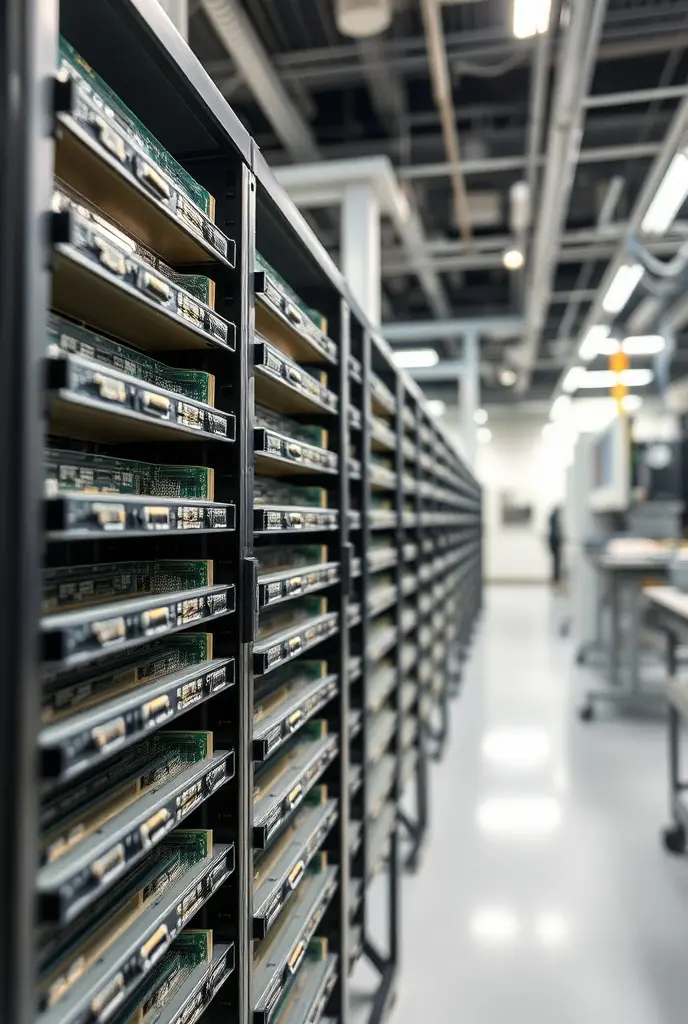
معدات SMT
صناديق ورفوف مانعة للشحنات الساكنة للخطوط المؤتمتة.

التخزين والخدمات اللوجستية
عربات دوارة، أرفف، صناديق، صواني، وحاويات مكونات.

محطة العمل ومعدات الوقاية الشخصية
كراسي مقاومة للكهرباء الساكنة، وحصائر، وأربطة معصم، وحماية شخصية.
تطوير مخصص
تطوير قوالب مخصصة ومواد خاصة مضادة للكهرباء الساكنة.
مزايا OEM/ODM لدينا

البحث والتطوير المتقدم وابتكار المواد
مواد مضادة للكهرباء الساكنة مطورة داخلياً حاصلة على براءة اختراع وطنية للاختراع ومقاومة للحرارة حتى 200 درجة مئوية. نحن لا نقوم بالتشكيل فحسب، بل نُركّب المركبات أيضاً.

الإنتاج بسعة كاملة
مصنع مساحة 30,000 متر مربع يضم أنظمة كاملة للحقن والقولبة، والحبيبات، ومعالجة داعمة لتوريد مستقر وفعال.

تخصيص العملية الكاملة
مقاومة المادة، واللون، والحجم، والشعار، والتعبئة والتغليف، والشهادات — كلها قابلة للتخصيص لتلبي معايير IEC61340-5-1، أو ANSI/ESD S20.20، أو المعايير العسكرية.

الجودة المعتمدة والامتثال العالمي
“نجحت شركة سانوي في تطوير صوانٍ مخصصة ذات لون طبيعي ونظيف ومقاومة درجات الحرارة العالية لخط تجميع أشباه الموصلات الخاص بنا، مما أدى إلى استبدال المنتجات المستوردة، وضمان سلامة ممتازة ضد التفريغ الكهروستاتيكي (ESD)، وتلبية متطلبات النظافة العالية للورشة.”
موثوق به من قبل قادة الصناعة العالمية في قائمة فورتشن 500
يتم نشر حلولنا الخاصة للتحكم في الشحنات الكهروستاتيكية (ESD) في مرافق الإنتاج النخبوية في جميع أنحاء العالم، بما في ذلك: إنتل، موتورولا، سيمنز، آي بي إم، باناسونيك، نوكيا، وديل.
هل تبحث عن مقاسات مخصصة أو أسعار الجملة للكميات الكبيرة؟
مدعومة بفريق البحث والتطوير القوي الخاص بنا، توفر سانوي خيارات تصنيع المعدات الأصلية (OEM) والتصميم الأصلي (ODM) الكاملة المصممة خصيصاً لخطوط إنتاج تقنية التثبيت السطحي (SMT) أو تخطيط المستودعات لديك. اتصل بأخصائيينا اليوم للحصول على قوالب مخصصة، أو ترميز بالألوان، أو استشارات متكاملة لتخزين نظام الـ 5S.
الأسئلة الشائعة
1. What is an IC tray?
It’s basically a plastic tray that holds semiconductor chips during manufacturing, testing, shipping, and storage. They’re specially made to be ESD‑safe so static doesn’t fry the chips. Most of them follow standard sizes so they work with automated handling equipment.
2. What are the materials used in IC packaging?
That’s a whole “package” of stuff – you’ve got the molding compound (usually epoxy resin), a substrate (organic or ceramic), lead frames, die attach adhesives, bonding wires, and solder balls. All these materials work together to protect the chip, connect it to the circuit, and help keep it cool.
3. What material are ice trays made of?
Ice trays for your freezer are a totally different story – they’re all about food safety. The most common are food‑grade polypropylene (PP) and silicone. Silicone’s nice because it’s flexible and makes popping out the ice cubes super easy.
4. What is the standard tray size?
When people say “standard tray,” they usually mean the JEDEC size – that’s 12.7 x 5.35 inches, or about 322.6 x 136 mm. Thickness can be either 0.25 inches (thin) or 0.40 inches (thick). There’s also a common 320mm x 240mm size used internationally.
5. What is a JEDEC tray?
It’s a tray that meets the specs set by JEDEC – the group that writes standards for the semiconductor industry. Think of it as a universal container for chips (like BGA or QFP packages) so that trays from different manufacturers all fit the same machines and processes.
6. What is the tolerance of JEDEC trays?
They’re made to pretty tight tolerances to make sure chips sit exactly right. For example, the dimension accuracy is often around ±0.15 mm, and the overall flatness is kept within about 0.76 mm. That said, the exact numbers can vary a bit between suppliers – always check the data sheet.
7. What is the JEDEC standard?
JEDEC is basically the rule‑maker for the microelectronics world. They publish standards for everything from memory chips (like DDR5) to how parts are packaged and tested. It’s the common language that makes sure chips from different companies can work together.
8. What is the difference between JEDEC and IPC?
Think of it this way: JEDEC focuses on the chip itself – its electrical specs, physical dimensions, and testing. IPC, on the other hand, deals with the circuit board and assembly – how PCBs are designed, manufactured, and soldered. So JEDEC is about the silicon, IPC is about the board.