IC Trays for Semiconductor and BGA Packaging
ภาพรวม:
Review IC tray options for BGA and QFN devices. Request pocket drawings, material specifications, ESD evidence and samples for your handling process.
IC Trays for Semiconductor Handling and Packaging
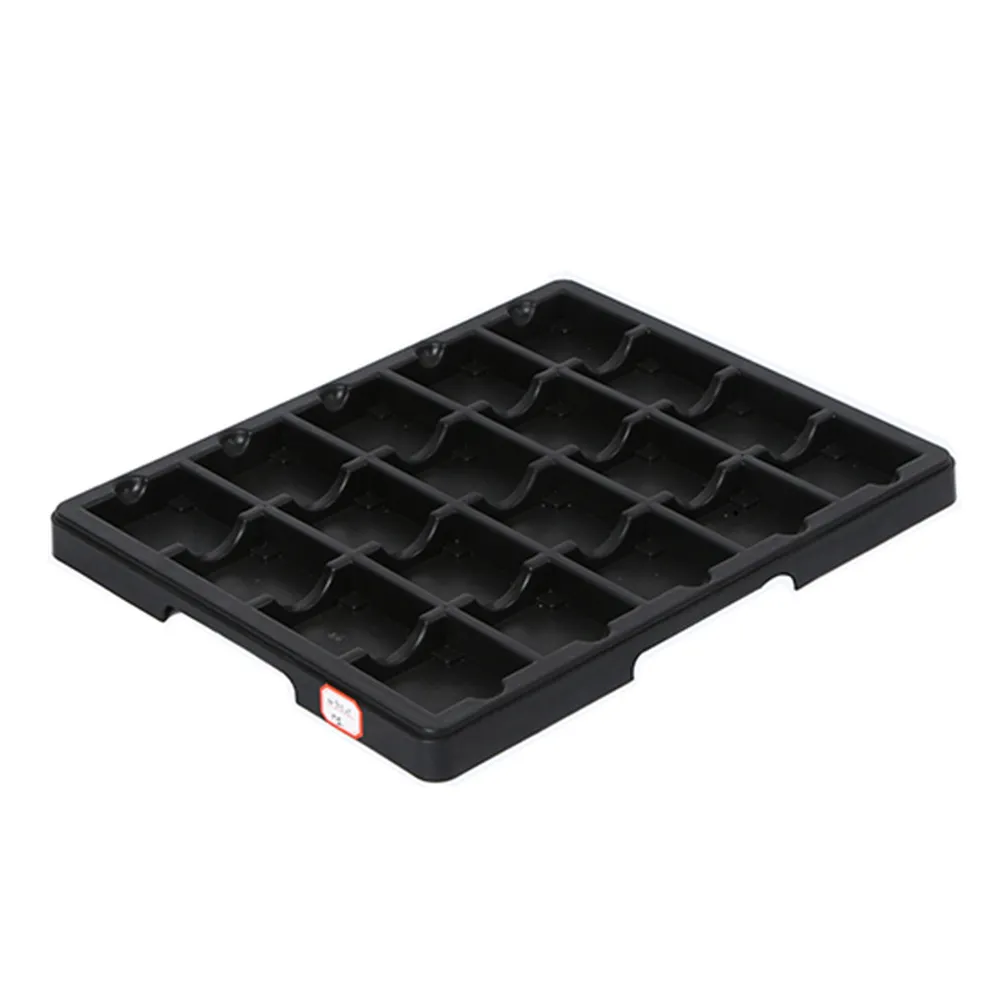
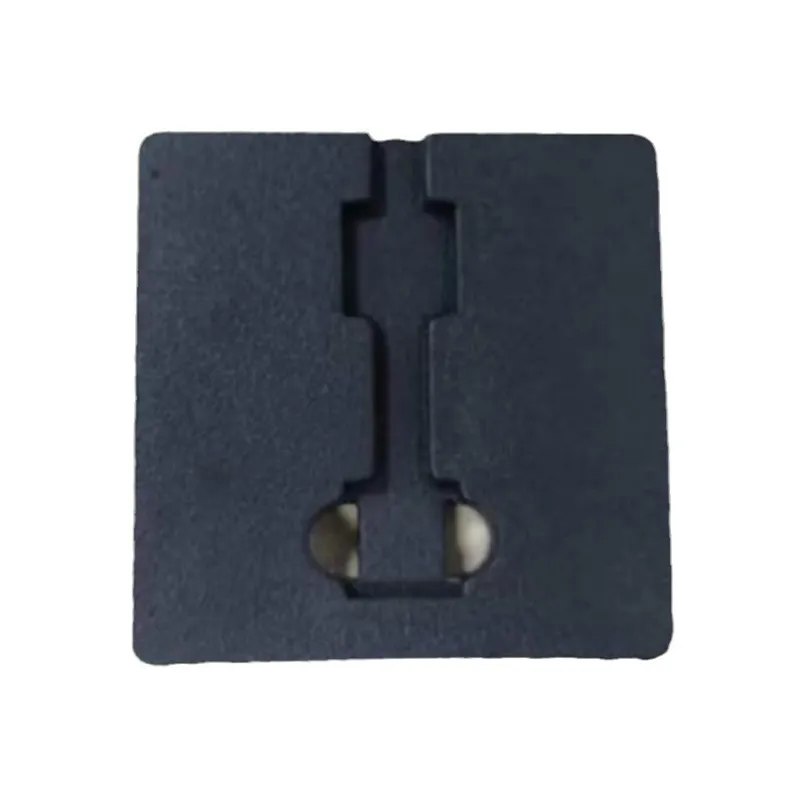
IC trays locate packaged semiconductor devices for controlled storage, inspection and handling. Select the pocket layout for the actual device package, permitted support areas and pickup process. SWESD’s catalogue on this page includes BGA and QFN tray options; confirm the current drawing and supplied configuration for the model you intend to purchase.
A tray’s appearance or an ESD description does not establish every required protective function. Ask for the relevant material and test evidence under your ESD control plan. Packaging used outside an ESD protected area may require discharge shielding as part of the complete package. See the EOS/ESD Association’s control principles for that distinction.
What to Confirm Before Ordering an IC Tray
- Device package drawing, pocket geometry, orientation and permitted contact surfaces.
- Tray outline, stacking interface and compatibility with the actual handling equipment.
- Material grade and the relevant electrical test method, conditions and results.
- Any required thermal exposure, its duration and the permitted supplier-defined conditions. Do not assume every device needs baking or every tray supports the same cycle.
- Sample acceptance, labeling, cleanliness, repeat supply and change notification requirements.
If JEDEC compatibility is required, specify the applicable current drawing or standard and request supporting evidence for the exact model. Confirming a tray outline does not by itself qualify the pocket, material or complete packaging arrangement for your device.
ใช้ tray drawing review guide, pocket tolerance checklist และ คู่มือขอใบเสนอราคาถาดไอซีสั่งทำพิเศษ to prepare a sample request. For the wider carrier range, browse SWESD ESD trays.
The catalogue figures below are product-listing information. Request the current supplier drawing, material specification, relevant test conditions and approved use limits before accepting a particular model for production. For a quotation, send your device drawing, handling route, quantity and evidence requirements through the SWESD inquiry page.
ข้อกำหนดทางเทคนิค
Scroll the specification tables horizontally to compare all listed models.
| ชื่อสินค้า | ถาดไอซี | ||||
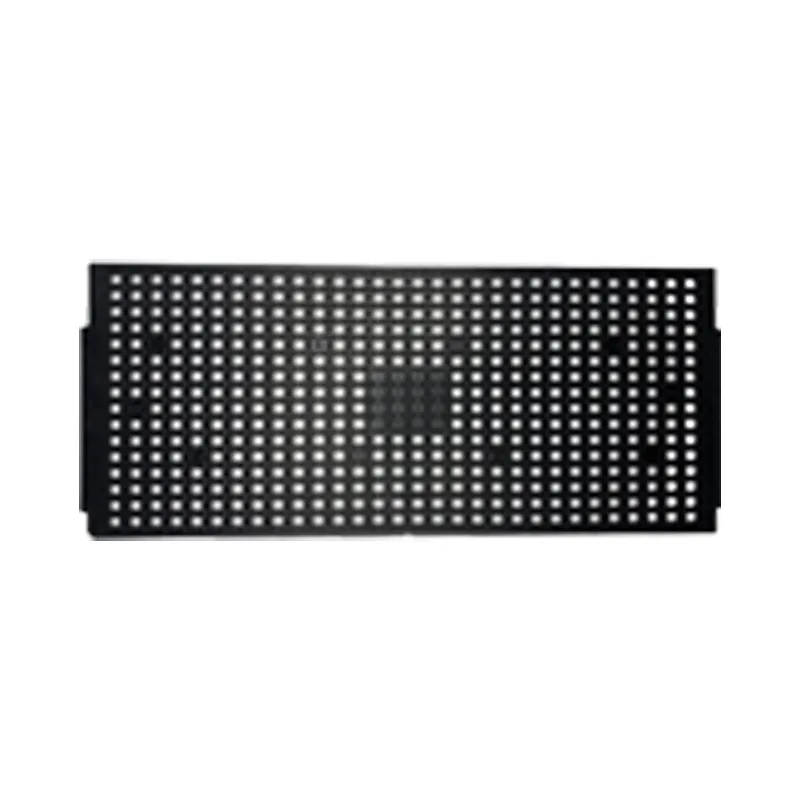
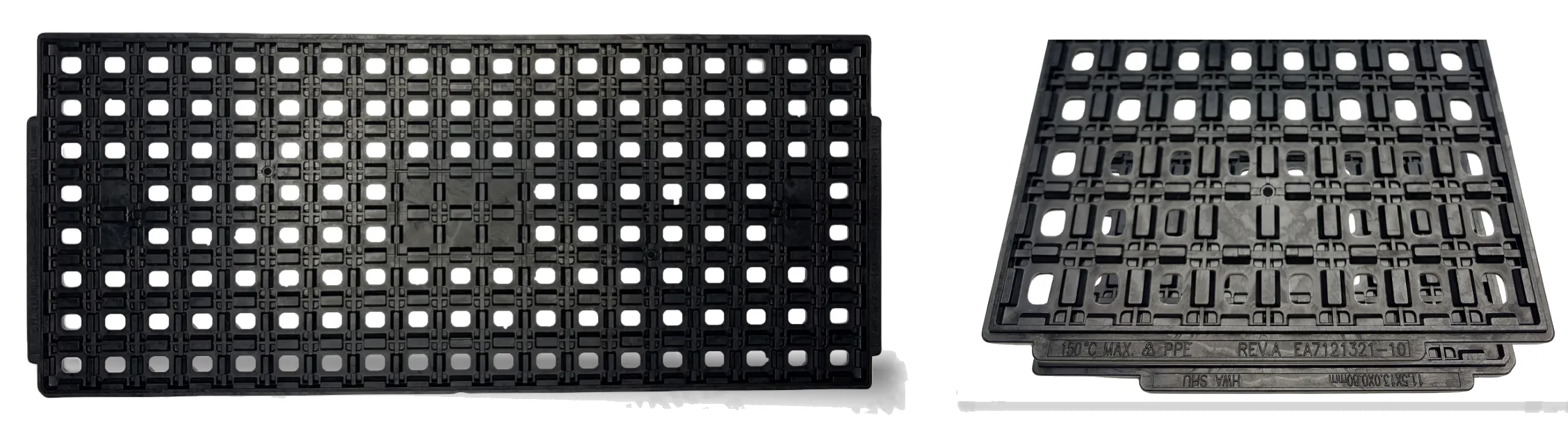
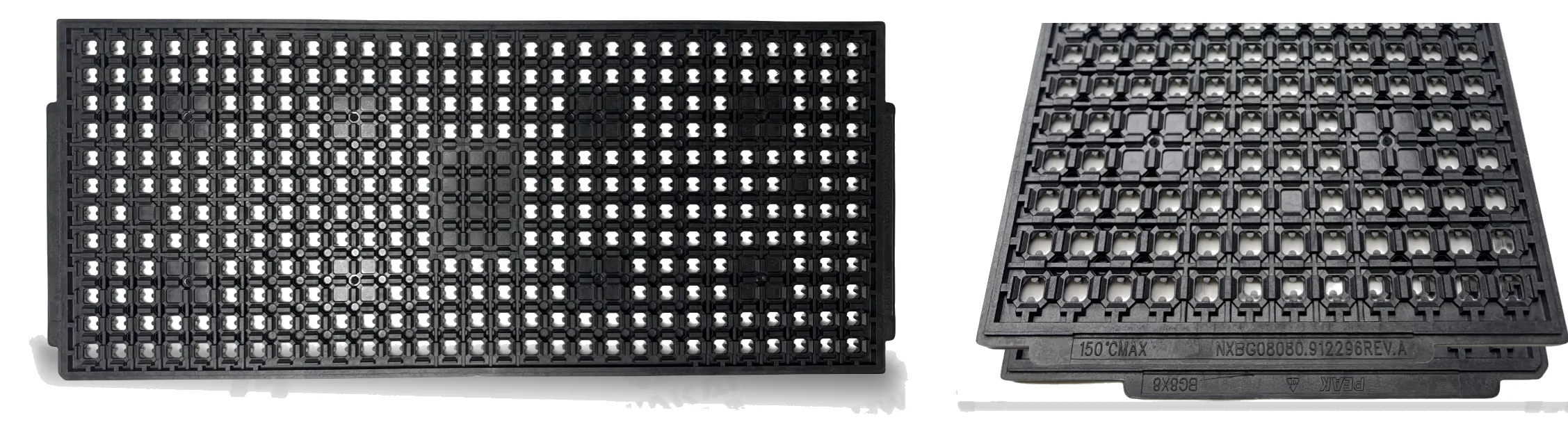
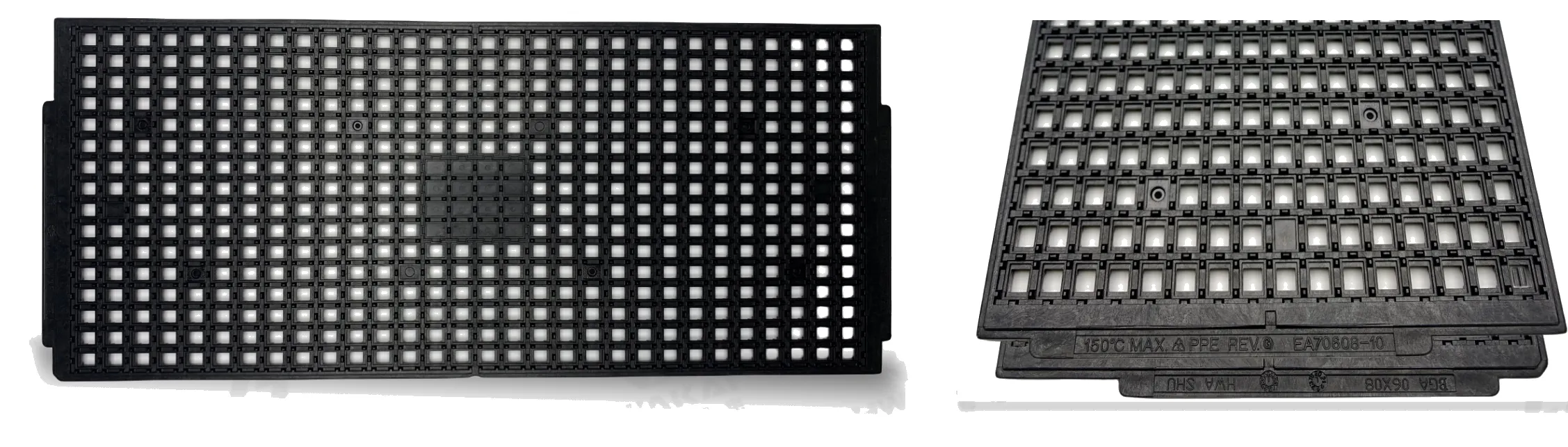
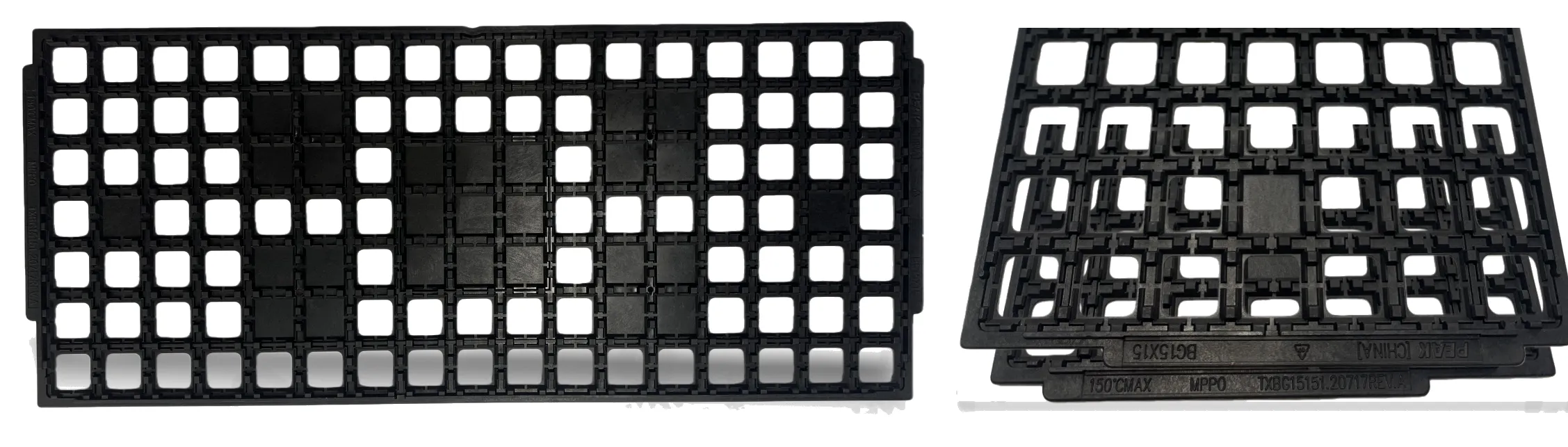
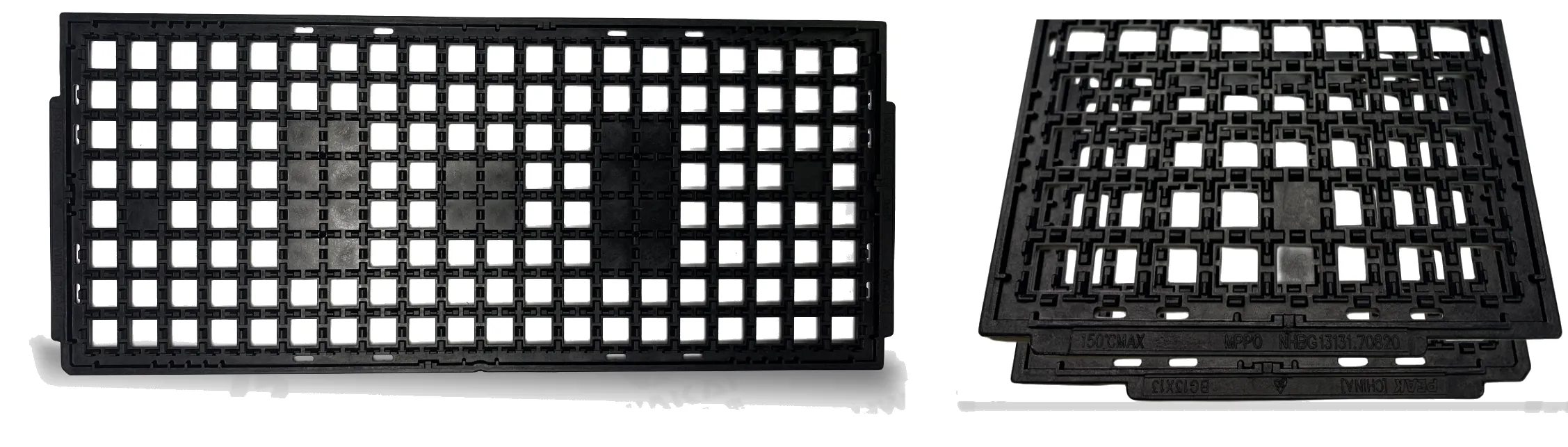
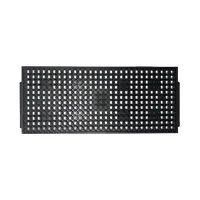
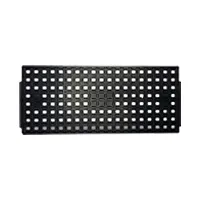
| รุ่นผลิตภัณฑ์ | BGA6x8 | BGA8x8 | BGA11.5×13 | BGA13x13 | |
 |
 |
 |
 |
||
| พารามิเตอร์ข้อกำหนดเฉพาะ | ●Model | EA70608-10 | NXBG08080.912296REV.A | EA7121321-10 | NHBG13131.70820 |
| ●Tray cavity design | BGA | BGA | BGA | BGA | |
| ●Specifications | 6*8 | 8*8 | 11.5*13*0.8 | 13*13 | |
| ●Matrix | 16*30=480 | 12*29=348 | 8*19=152 | 8*20=160 | |
| ●Temperature MAX (℃) | 150 | 150 | 150 | 150 | |
| ●Surface Resistance | 10^5(Ω)~10^11(Ω) | 10^5(Ω)~10^11(Ω) | 10^5(Ω)~10^11(Ω) | 10^5(Ω)~10^11(Ω) | |
| ●Weight (g) | 138.5 | 162.4 | 125 | 110 | |
| ชื่อสินค้า | ถาดไอซี | ||
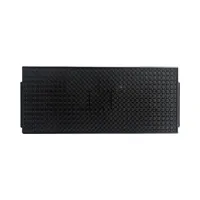
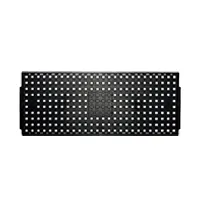
| รุ่นผลิตภัณฑ์ | QFN5x5 | QFN7x7 | |
 |
 |
||
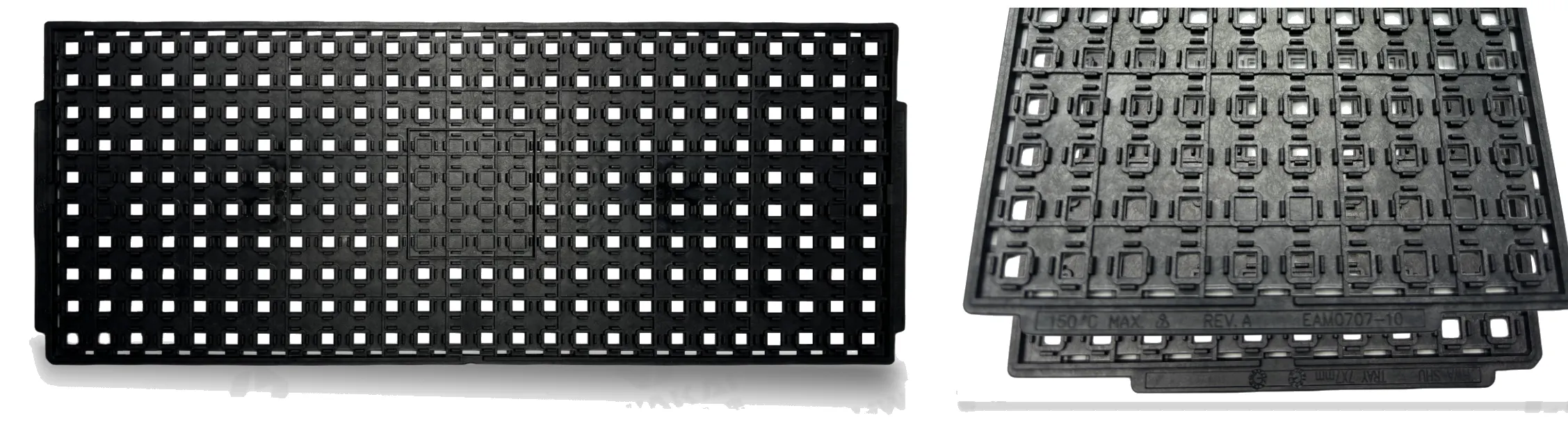
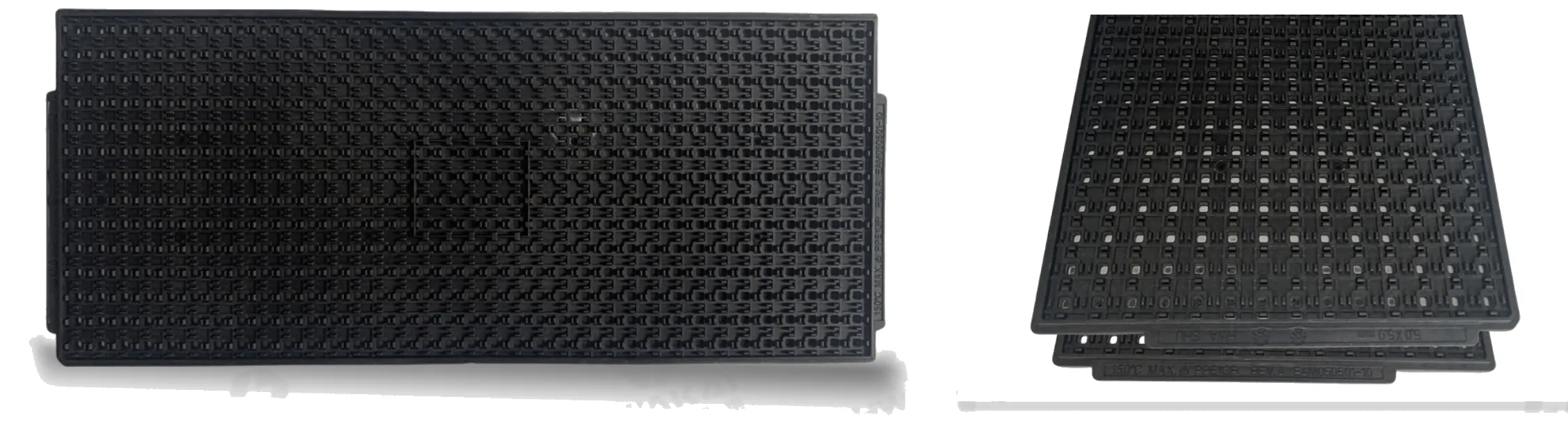
| พารามิเตอร์ข้อกำหนดเฉพาะ | ●Model | EAM050501-10 | EAM0707-10 |
| ●Tray cavity design | QFN | QFN | |
| ●Specifications | 5*5 | 7*7 | |
| ●Matrix | 14*35=490 | 10*26=260 | |
| ●Temperature MAX (℃) | 150 | 150 | |
| ●Surface Resistance | 10^5(Ω)~10^11(Ω) | 10^4(Ω)~10^11(Ω) | |
| ●Weight (g) | 183.9 | 148 | |
กำลังการผลิต ESD ระดับโลก
เมื่อคุณจัดหาจากซานเหว่ย (Sanwei) คุณกำลังร่วมมือโดยตรงกับผู้ผลิต OEM/ODM ชั้นนำในอุตสาหกรรม เราดำเนินงานด้วยความทันสมัย โรงงานผลิตแบบครบวงจรขนาดกว่า 70,000 ตารางเมตร ในนิคมอุตสาหกรรมกลางเย่ว์ชิง มณฑลเจ้อเจียง จัดการทุกกระบวนการตั้งแต่การคิดค้นสูตรวัสดุที่เป็นกรรมสิทธิ์ ไปจนถึงการขึ้นรูปผลิตภัณฑ์ที่มีความแม่นยำสูงขั้นสุดท้าย.
ตาชั่งแบบบูรณาการ
ฐานการผลิตขั้นสูงขนาดกว่า 70,000 ตารางเมตร พร้อมด้วยเครื่องฉีดพลาสติกความแม่นยำสูงสำหรับงานหนัก เพื่อรองรับคำสั่งซื้อขายส่งจำนวนมากด้วยระยะเวลาจัดส่งที่เสถียร.
การควบคุมแบบเต็มวงจร
การควบคุมภายในองค์กรแบบครบวงจร ครอบคลุมตั้งแต่การวิจัยและพัฒนาวัสดุป้องกันไฟฟ้าสถิตที่เป็นกรรมสิทธิ์, การวิศวกรรมแม่พิมพ์โครงสร้าง, การผลิตอัตโนมัติ, ไปจนถึงการจัดส่งโลจิสติกส์ระดับโลกที่รวดเร็ว.
การตรวจสอบอย่างเข้มงวด
การตรวจสอบวัตถุดิบอย่างเคร่งครัด ร่วมกับการวัดค่าความต้านทานผิวแบบหลายจุด บนสายการผลิต ช่วยให้มั่นใจว่า 100% เป็นไปตามแนวทางมาตรฐาน ESD ระดับสากล.
ป้องกันไฟฟ้าสถิต ผลิตภัณฑ์และโซลูชัน
ให้บริการการป้องกันไฟฟ้าสถิตอย่างครอบคลุมตลอดวงจรการผลิตและการดำเนินงานทั้งหมดของคุณ.
อุปกรณ์ SMT
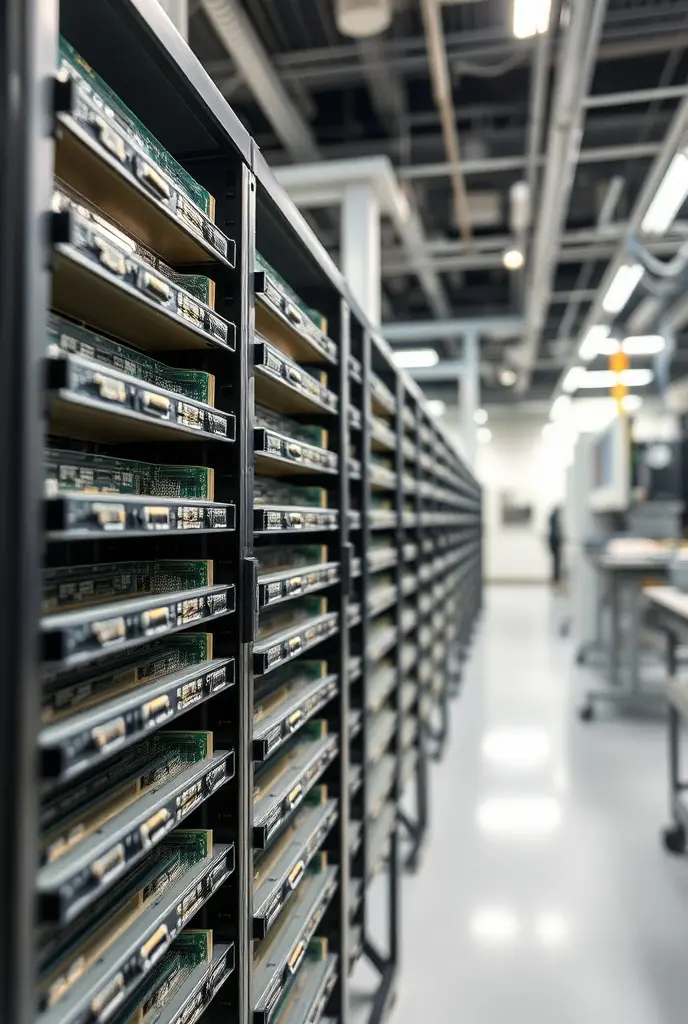
กล่องและชั้นวางป้องกันไฟฟ้าสถิตสำหรับไลน์อัตโนมัติ.

การจัดเก็บและโลจิสติกส์
รถเข็นอเนกประสงค์ ชั้นวาง กล่อง ถาด และภาชนะบรรจุชิ้นส่วน.

พื้นที่ทำงานและอุปกรณ์คุ้มครองความปลอดภัยส่วนบุคคล
เก้าอี้ป้องกันไฟฟ้าสถิต แผ่นรอง สายรัดข้อมือ และอุปกรณ์ป้องกันส่วนบุคคล.
การพัฒนาแบบกำหนดเอง
การพัฒนาแม่พิมพ์แบบกำหนดเองและวัสดุป้องกันไฟฟ้าสถิตพิเศษ.
จุดเด่นด้านบริการ OEM/ODM ของเรา

การวิจัยและพัฒนาขั้นสูงและนวัตกรรมวัสดุ
วัสดุป้องกันไฟฟ้าสถิตที่พัฒนาขึ้นเองภายในบริษัท พร้อมสิทธิบัตรการประดิษฐ์ระดับชาติ และทนความร้อนได้สูงถึง 200°C เราไม่ใช่แค่ขึ้นรูป แต่เราคิดค้นและพัฒนาสูตรคอมปาวด์เอง.

กำลังการผลิตเต็มรูปแบบ
โรงงานขนาด 30,000 ตารางเมตร พร้อมระบบการขึ้นรูปด้วยการฉีด การทำเม็ดพลาสติก และระบบประมวลผลสนับสนุนที่ครบครัน เพื่อการจัดหาที่มั่นคงและมีประสิทธิภาพ.

การปรับแต่งแบบครบวงจร
ความต้านทานของวัสดุ, สี, ขนาด, โลโก้, บรรจุภัณฑ์ และใบรับรอง — สามารถปรับแต่งได้เพื่อให้เป็นไปตามมาตรฐาน IEC61340-5-1, ANSI/ESD S20.20 หรือมาตรฐานทางทหาร.

คุณภาพที่ได้รับการรับรองและการปฏิบัติตามกฎระเบียบระดับสากล
“ซานเหว่ยประสบความสำเร็จในการพัฒนาถาดสีธรรมชาติสะอาดทนอุณหภูมิสูงแบบกำหนดเองสำหรับสายการผลิตเซมิคอนดักเตอร์ของเรา โดยทดแทนผลิตภัณฑ์นำเข้า รับประกันความปลอดภัยด้าน ESD ที่ยอดเยี่ยม และตอบสนองความต้องการด้านความสะอาดสูงของโรงงาน”
ได้รับความไว้วางใจจากผู้นำอุตสาหกรรมระดับโลก FORTUNE 500
โซลูชัน ESD ที่เป็นกรรมสิทธิ์ของเราได้รับการติดตั้งในโรงงานผลิตระดับแนวหน้าทั่วโลก รวมถึง: อินเทล, โมโตโรล่า, ซีเมนส์, ไอบีเอM, พานาโซนิค, โนเกีย และเดลล์.
กำลังมองหาขนาดพิเศษหรือราคาขายส่งจำนวนมากใช่ไหม
ด้วยการสนับสนุนจากทีมวิจัยและพัฒนาภายในองค์กรที่มีความเชี่ยวชาญของเรา ซานเหว่ย (Sanwei) จึงมีบริการ OEM/ODM ครบวงจรที่ปรับแต่งให้เข้ากับสายการผลิต SMT หรือเลย์เอาต์คลังสินค้าเฉพาะของคุณโดยเฉพาะ ติดต่อผู้เชี่ยวชาญของเราวันนี้เพื่อรับบริการแม่พิมพ์สั่งทำ การกำหนดรหัสสี หรือคำปรึกษาด้านการจัดเก็บระบบ 5ส แบบครบวงจร.
คำถามที่พบบ่อย (FAQ)
1. What is an IC tray?
It’s basically a plastic tray that holds semiconductor chips during manufacturing, testing, shipping, and storage. They’re specially made to be ESD‑safe so static doesn’t fry the chips. Most of them follow standard sizes so they work with automated handling equipment.
2. What are the materials used in IC packaging?
That’s a whole “package” of stuff – you’ve got the molding compound (usually epoxy resin), a substrate (organic or ceramic), lead frames, die attach adhesives, bonding wires, and solder balls. All these materials work together to protect the chip, connect it to the circuit, and help keep it cool.
3. What material are ice trays made of?
Ice trays for your freezer are a totally different story – they’re all about food safety. The most common are food‑grade polypropylene (PP) and silicone. Silicone’s nice because it’s flexible and makes popping out the ice cubes super easy.
4. What is the standard tray size?
When people say “standard tray,” they usually mean the JEDEC size – that’s 12.7 x 5.35 inches, or about 322.6 x 136 mm. Thickness can be either 0.25 inches (thin) or 0.40 inches (thick). There’s also a common 320mm x 240mm size used internationally.
5. What is a JEDEC tray?
It’s a tray that meets the specs set by JEDEC – the group that writes standards for the semiconductor industry. Think of it as a universal container for chips (like BGA or QFP packages) so that trays from different manufacturers all fit the same machines and processes.
6. What is the tolerance of JEDEC trays?
They’re made to pretty tight tolerances to make sure chips sit exactly right. For example, the dimension accuracy is often around ±0.15 mm, and the overall flatness is kept within about 0.76 mm. That said, the exact numbers can vary a bit between suppliers – always check the data sheet.
7. What is the JEDEC standard?
JEDEC is basically the rule‑maker for the microelectronics world. They publish standards for everything from memory chips (like DDR5) to how parts are packaged and tested. It’s the common language that makes sure chips from different companies can work together.
8. What is the difference between JEDEC and IPC?
Think of it this way: JEDEC focuses on the chip itself – its electrical specs, physical dimensions, and testing. IPC, on the other hand, deals with the circuit board and assembly – how PCBs are designed, manufactured, and soldered. So JEDEC is about the silicon, IPC is about the board.