- Tăng áp
- Blog
An ESD pallet is a reusable logistics platform intended to move electrostatic-discharge-sensitive materials without introducing an uncontrolled packaging layer. Selection is not simply a choice between black and ordinary plastic. Buyers must define the ESD function, load case, deck and runner geometry, equipment interface, cleaning method, route outside or inside an ESD protected area, and the evidence required from the supplier. The pallet also works with boxes, trays, bags, stretch materials, racks, and lift equipment, so its performance cannot be judged in isolation. This guide provides a practical specification, qualification, incoming-inspection, and RFQ framework for electronics factories and warehouses.
Define the pallet’s role in the material route
Start by mapping every transfer from receiving to line-side use. Record whether sensitive devices are sealed in protective packaging, exposed in trays, or carried inside conductive containers. A pallet under closed shielding packages performs a different role from one carrying exposed assemblies inside an EPA. The required packaging boundary must remain intact during forklift pickup, staging, storage, and unpacking.
Also identify the uncontrolled portions of the route. A material described as conductive or dissipative does not automatically provide electrostatic shielding. NASA workmanship guidance treats transport, grounding, and protective packaging as coordinated controls. Define which layer supplies physical support, which limits charge generation, and which provides any required field shielding.

Separate ESD behavior from load performance
The electrical claim and the mechanical rating answer different questions. Ask for a declared test method, conditioning, test locations, acceptance criteria, and traceable results for the supplied material. Do not approve a pallet from color or resin name alone. Additives, contamination, wear, humidity, and production variation may affect measured behavior.
Mechanical qualification must address the real load: uniformly distributed cartons behave differently from point loads, drums, racks, or containers with small feet. Confirm static storage, dynamic handling, racking support, impact, deck deflection, runner integrity, and the intended lift direction with the responsible packaging engineer. Never copy an attractive load number from another pallet geometry.
Match deck and runner geometry to equipment
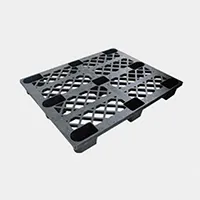
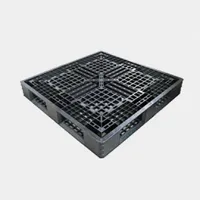
Review pallet width, length, height, entry direction, fork opening, runner pattern, deck openings, edge lips, and nesting or stacking behavior. Check all forklifts, pallet jacks, conveyors, lifts, racks, and automated systems that will touch the pallet. Small dimensional differences can create unsafe fork engagement or unstable conveyor travel.
Closed decks can reduce the chance of small items falling through and may simplify some cleaning tasks, while open decks may reduce mass and improve drainage. The correct choice depends on contamination controls and the load. Ribbing, anti-slip features, rims, and retaining edges should be reviewed with the actual boxes or totes rather than from a catalogue image.
Control every layer above the pallet
An ESD pallet does not correct an uncontrolled load. Ordinary stretch film, insulating straps, nonqualified foam, loose labels, or damaged boxes can remain charge-generating materials near sensitive hardware. List each packaging layer and decide whether it is inside or outside the protection boundary.
Confirm how loads are bonded, grounded, enclosed, or separated where required by the facility control plan. If the pallet is used only as a mechanical carrier for closed protective packages, state that limitation. If it is expected to participate in a conductive path, verify contacts and interfaces in the loaded configuration rather than measuring an isolated clean surface.
Plan cleaning, inspection and retirement
Document an approved cleaning method and verify compatibility before release. Residue, dust, oils, and aggressive chemicals can change both handling and electrical behavior. Cleaners should not be adopted from a generic plastic-care procedure without checking the pallet material, workplace requirements, and ESD plan.
Create visual retirement criteria for cracked runners, excessive deck deformation, damaged lips, exposed sharp edges, embedded contamination, illegible identification, and repairs that change construction. Define the ESD retest interval from risk, use frequency, environment, historical variation, and the organization’s control program rather than assuming indefinite performance.
Bảng lựa chọn và sơ tuyển
| Route question | Tại sao điều đó quan trọng | Tài liệu cần yêu cầu |
|---|---|---|
| Inside or outside an EPA? | Determines the protective packaging boundary | Route map and package configuration |
| What load and support pattern? | Controls deflection and structural risk | Load drawing and handling trial |
| Which handling equipment? | Controls fork entry and conveyor fit | Interface dimensions and trial |
| What ESD function is claimed? | Prevents vague “anti-static” approval | Test method, conditions and results |
| How is it cleaned and reused? | Affects contamination and lifecycle performance | Approved procedure and inspection criteria |
Chạy thử nghiệm sản phẩm mẫu đầu tiên có kiểm soát
Sử dụng mẫu đã được ghi chép đại diện cho quá trình thi công sản xuất đề xuất. So sánh nó với hạng mục hiện tại đã được phê duyệt nếu có. Ghi lại nhận dạng, phiên bản, lô nhà cung cấp, điều kiện môi trường, thiết bị, người vận hành và các quan sát. Một đợt thử nghiệm nên bao gồm khâu tiếp nhận, lưu trữ, chuẩn bị, sử dụng bình thường, làm sạch nếu có, và xử lý hoặc trả lại. Dừng thử nghiệm nếu hạng mục làm hỏng sản phẩm, tạo ra sự ô nhiễm, cản trở thiết bị, hoặc xung đột với quy trình ESD hoặc an toàn.
Tách biệt các tiêu chí đạt chuẩn khỏi các quan sát. Kích thước, nhãn mác, độ vừa vặn, tay nghề chế tác, bằng chứng vật liệu và hành vi chức năng có thể yêu cầu các kiểm tra khác nhau. Giải quyết các sai lệch trước khi phê duyệt số lượng sản xuất, đồng thời lưu giữ bản vẽ được kiểm soát, báo cáo và mẫu phê duyệt. Yêu cầu nhà cung cấp thông báo trước khi có bất kỳ thay đổi nào đối với nguồn vật liệu, chất phụ gia, chất kết tinh, kết cấu, dụng cụ, quy trình hoặc kích thước quan trọng.
Kiểm tra đầu vào và kiểm soát thường xuyên
- Khớp mặt hàng, lần sửa đổi bản vẽ, số lượng, lô của nhà cung cấp và nhãn bao bì với đơn hàng.
- Kiểm tra sự ô nhiễm, hư hỏng, tay nghề kém, kích thước không chính xác và thiếu nhận diện.
- Tiến hành lấy mẫu và xác minh theo thỏa thuận bằng một phương pháp có tài liệu hướng dẫn và thiết bị hiệu chuẩn trong trường hợp yêu cầu đo lường.
- Cách ly các thay đổi không rõ nguyên nhân về màu sắc, mùi, kết cấu, độ dính, độ vừa vặn, kiểu quấn, hình học hoặc hiệu suất.
- Lưu giữ hồ sơ nghiệm thu và liên kết các khiếu nại hoặc lỗi với lô hàng bị ảnh hưởng.
- Xem xét lại đặc tả kỹ thuật khi có thay đổi về sản phẩm, thiết bị, tuyến đường, phương pháp vệ sinh hoặc kế hoạch kiểm soát.
Danh sách kiểm tra RFQ dành cho người mua
Nêu rõ ứng dụng, ranh giới bảo vệ, giao diện thiết bị hoặc bộ phận, kích thước và dung sai, cấu trúc vật liệu, chức năng yêu cầu, phương pháp thử nghiệm và tiêu chuẩn chấp nhận, các yêu cầu về độ sạch và tay nghề, bao bì, nhãn mác, khả năng truy xuất nguồn gốc, số lượng mẫu, kỳ vọng về sản phẩm mẫu đầu tiên (first-article), tài liệu, thông báo thay đổi, và số lượng giao hàng. Tham chiếu SWESD anti-static logistics pallet product cho loại sản phẩm hiện đang hiển thị, và sử dụng Trung tâm sản phẩm SWESD để phối hợp nó với các thiết bị xử lý liên quan.
Yêu cầu nhà cung cấp liệt kê các giả định và ngoại lệ. Tránh sao chép các tuyên bố chưa được xác minh từ catalogue vào một thông số kỹ thuật được kiểm soát. Các giới hạn kỹ thuật, chứng nhận và tuyên bố tuân thủ cần được xem xét đối với mặt hàng thực tế được cung cấp và ứng dụng của bên mua.
So sánh các mẫu dưới cùng điều kiện
Một phép so sánh hữu ích chỉ thay đổi một quyết định tại một thời điểm. Sử dụng các bộ phận đại diện, thao tác, thiết bị, tuyến đường, bước chuẩn bị làm sạch và khoảng thời gian quan sát giống nhau cho mỗi ứng dụng viên. Dán nhãn các mẫu để người đánh giá không nhầm lẫn danh tính nhà cung cấp, phiên bản hoặc trình tự thử nghiệm. Khi thực tế cho phép, hãy đưa mặt hàng hiện đang được phê duyệt vào làm đường cơ sở. Ghi lại cả hành vi thành công lẫn công sức cần thiết để đạt được điều đó, chẳng hạn như điều chỉnh thêm, làm sạch lặp lại, xử lý chậm hơn hoặc sự can thiệp của người vận hành.
Không gộp các kết luận về điện, cơ khí, độ sạch và thương mại thành một điểm số chung chung. Một ứng viên có thể phù hợp nhưng thiếu bằng chứng vật lý có thể truy xuất, hoặc có tài liệu mạnh nhưng vận hành kém trên máy. Duy trì các tiêu chí đạt riêng biệt cho an toàn, kiểm soát ESD, bảo vệ sản phẩm, khả năng tương thích của thiết bị, độ nhiễm bẩn, khả năng sử dụng, tài liệu và chi phí vòng đời. Bất kỳ lỗi nghiêm trọng nào cũng phải được giải quyết thay vì bị che giấu bởi điểm trung bình cao.
So sánh thương mại nên sử dụng chi phí của một quy trình hoàn chỉnh và được nghiệm thu, không chỉ là giá trên từng sản phẩm. Cần tính đến công sức kiểm tra, thời gian chuyển đổi, phế liệu, vệ sinh, thay thế, rủi ro dừng máy, logistics thu hồi, tài liệu, và ảnh hưởng của các lô hàng không đồng nhất. Các yếu tố này không biện minh cho việc bịa đặt ra một tuyên bố về tuổi thọ dịch vụ; chúng giúp người mua thiết kế một cuộc thử nghiệm nhằm đo lường các điều kiện thực sự tạo ra chi phí.
Các tài nguyên lập kế hoạch SWESD liên quan
- planning combined trolley, box, and rack transport
- defining load requirements for ESD transport carts
- selecting the corrugated boxes used above a pallet
Educational video: Fundamentals of Electrostatic Discharge by Maxim Integrated
This electronics education video explains the discharge risk that an ESD logistics system is intended to control. The written guide remains complete without the video.
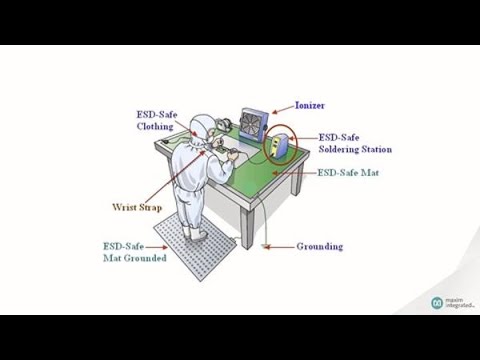
Open this video from Maxim Integrated on YouTube.
Các câu hỏi thường gặp
Is a black plastic pallet automatically ESD safe?
No. Color is not evidence. Approve the declared function using a relevant method, documented conditions, traceable results, and the supplied construction.
Can an ESD pallet replace shielding packaging?
Not automatically. A pallet can support controlled logistics, but shielding requirements must be met by a qualified packaging system for the actual route.
What should be tested first?
Confirm equipment fit and representative load behavior, then perform the agreed ESD verification at defined locations and conditions.
When should a pallet be retired?
Retire or quarantine it when structural damage, deformation, contamination, unauthorized repair, lost traceability, or failed verification violates the approved criteria.
Tài liệu tham khảo có thẩm quyền
Bài đăng gần đây
-
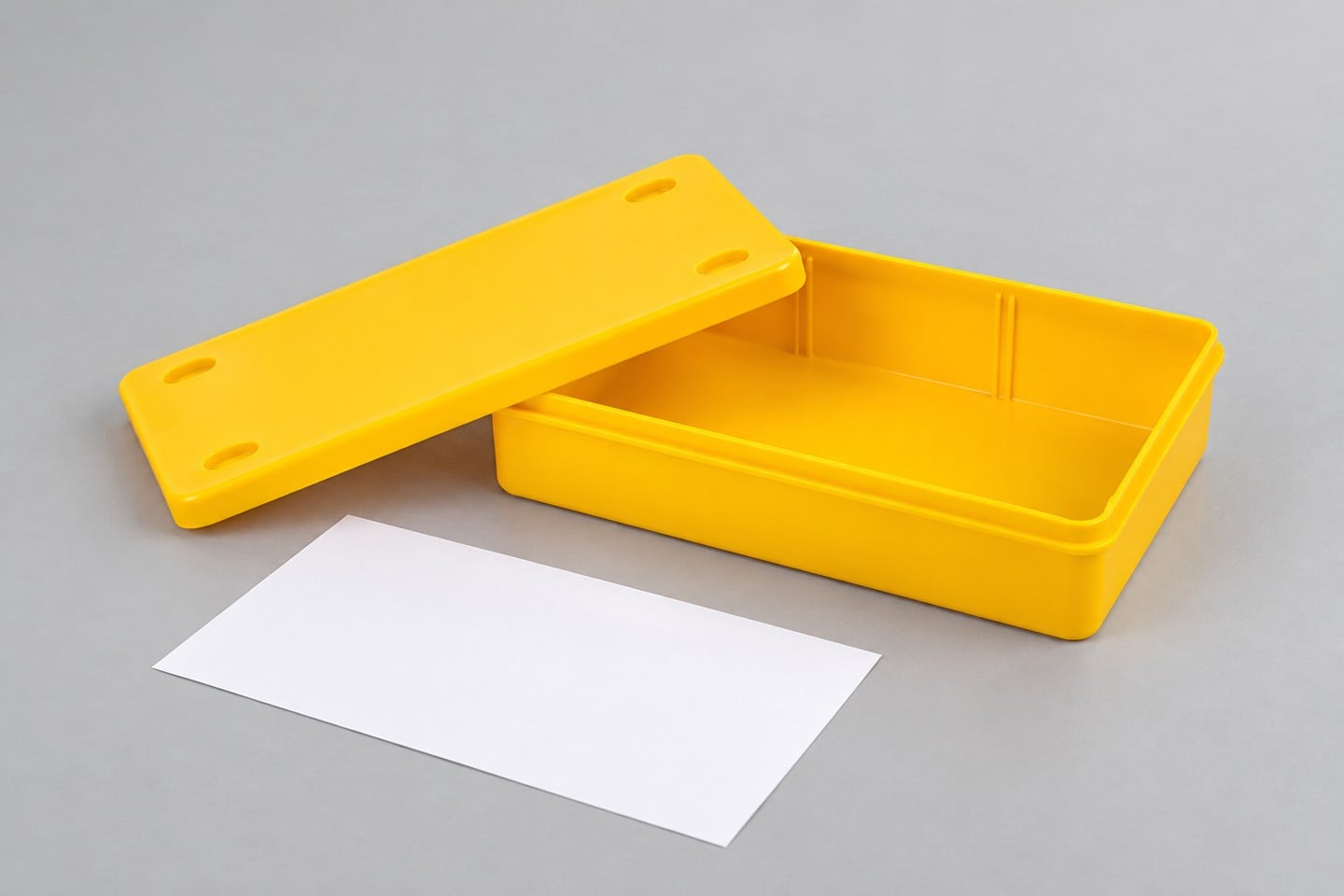 Kiểm tra độ lệch của hộp ESD: Đo kích thước phù hợp trước khi phát hành22 tháng 10 năm 2026
-
 Kiểm tra điện trở bề mặt khay JEDEC: Hình dạng, tiếp xúc và báo cáo22 tháng 10 năm 2026
-

Để lại phản hồi