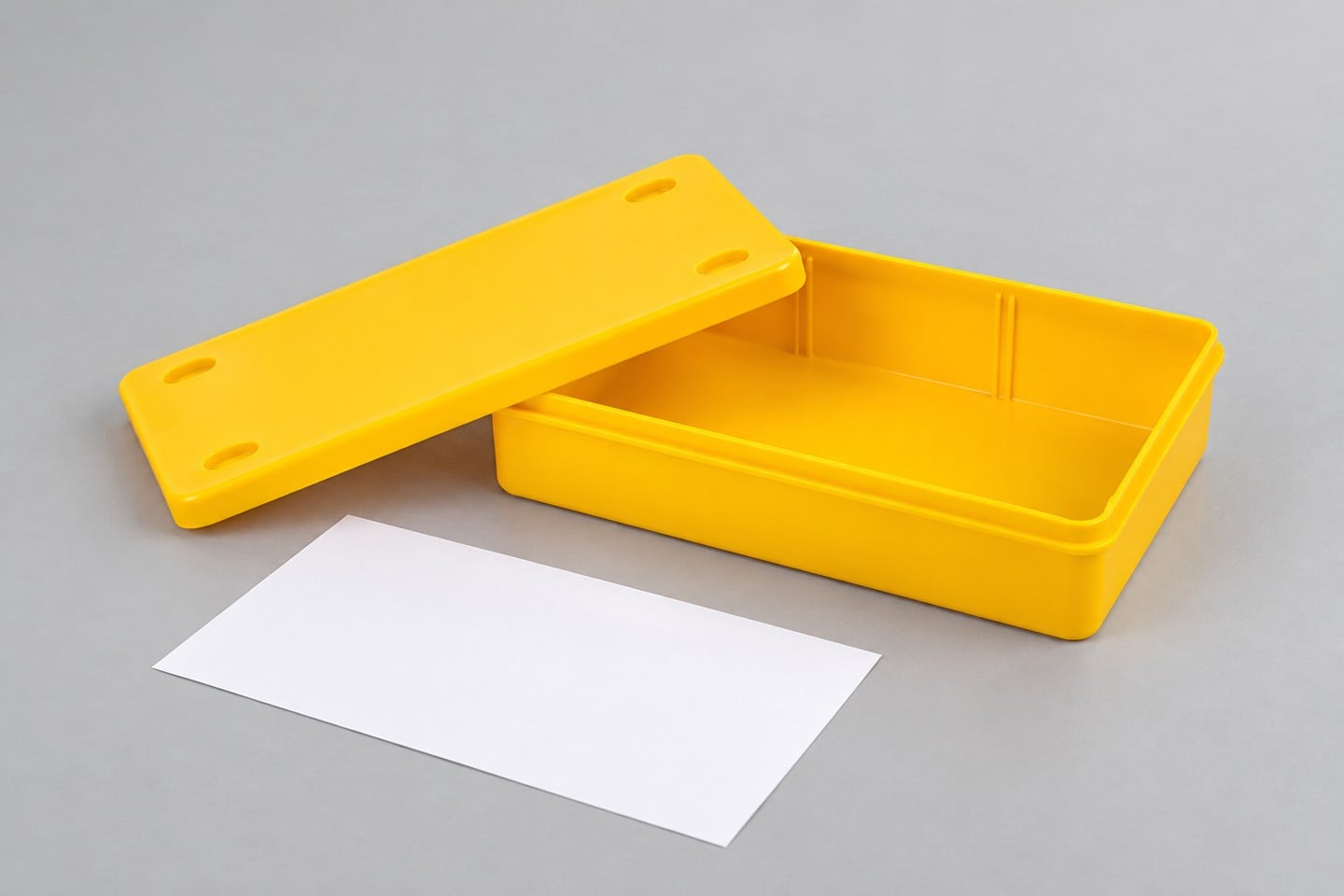
Kiểm tra sự biến dạng của hộp ESD bằng cách sử dụng các tọa độ được kiểm soát, hỗ trợ và trạng thái mẫu vật, sau đó đánh giá sự phù hợp của nắp và phần tiếp xúc mà không cần phát minh ra các dung sai chung hoặc các biện pháp sửa chữa.
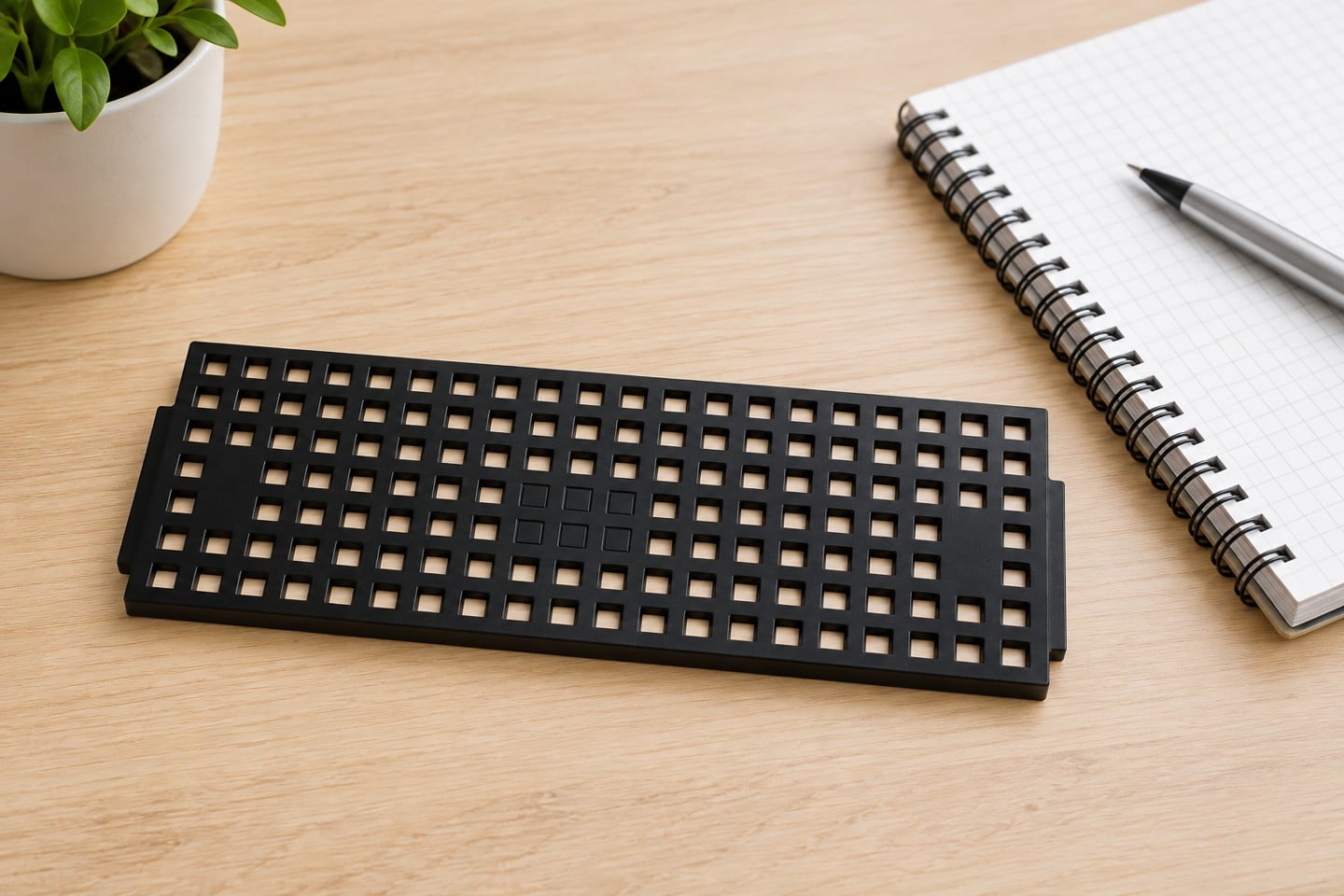
Lập kế hoạch đo điện trở khay JEDEC với các thuộc tính được xác định, phương pháp áp dụng, vị trí tiếp xúc, điều kiện và báo cáo nhằm bảo tồn hình dạng và phạm vi đo.
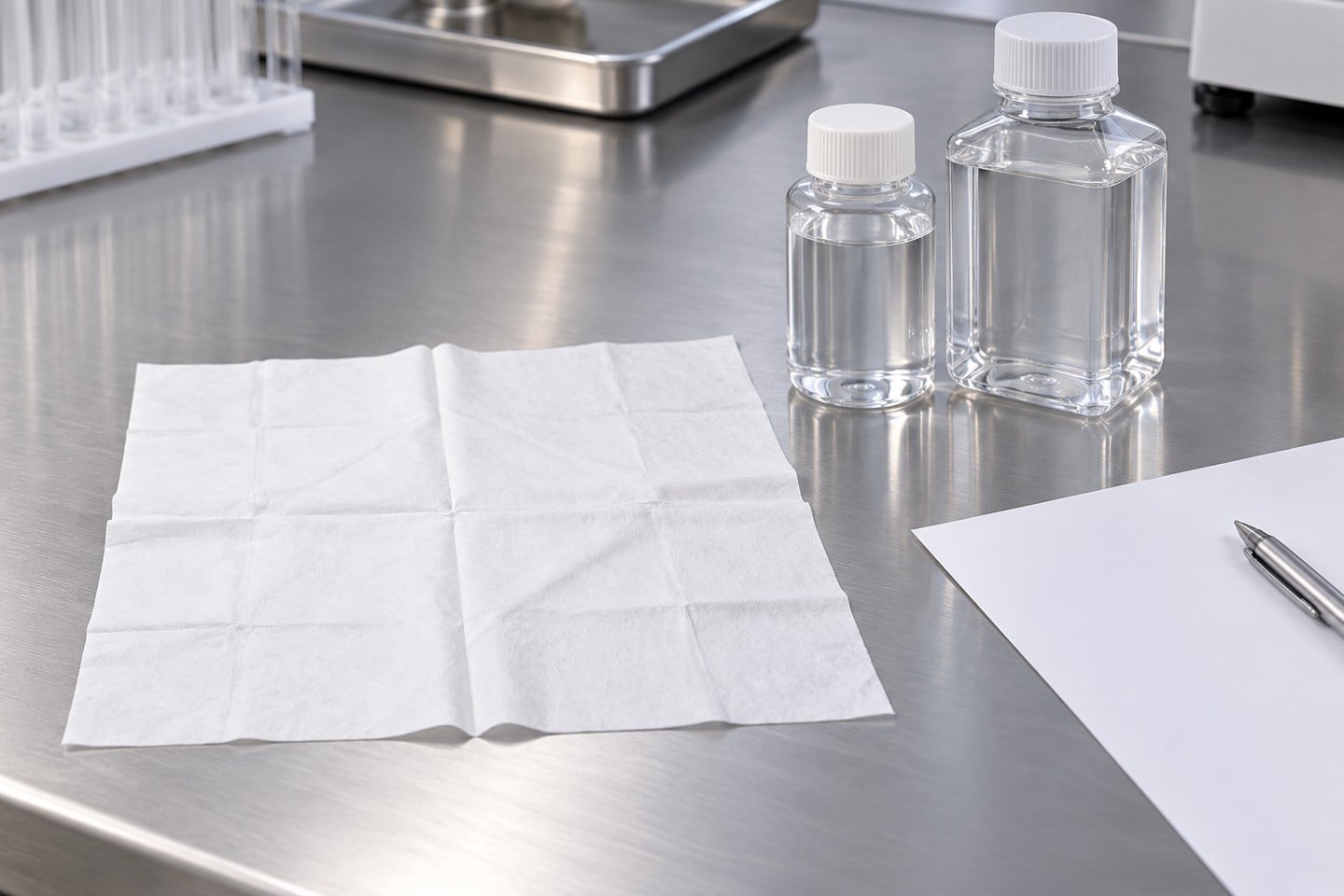
Xác nhận kết quả của việc làm sạch hoàn toàn, sử dụng các hạn chế của nhà sản xuất, việc tiếp xúc mẫu vật được kiểm soát và thử nghiệm làm sạch được ghi chép đầy đủ.
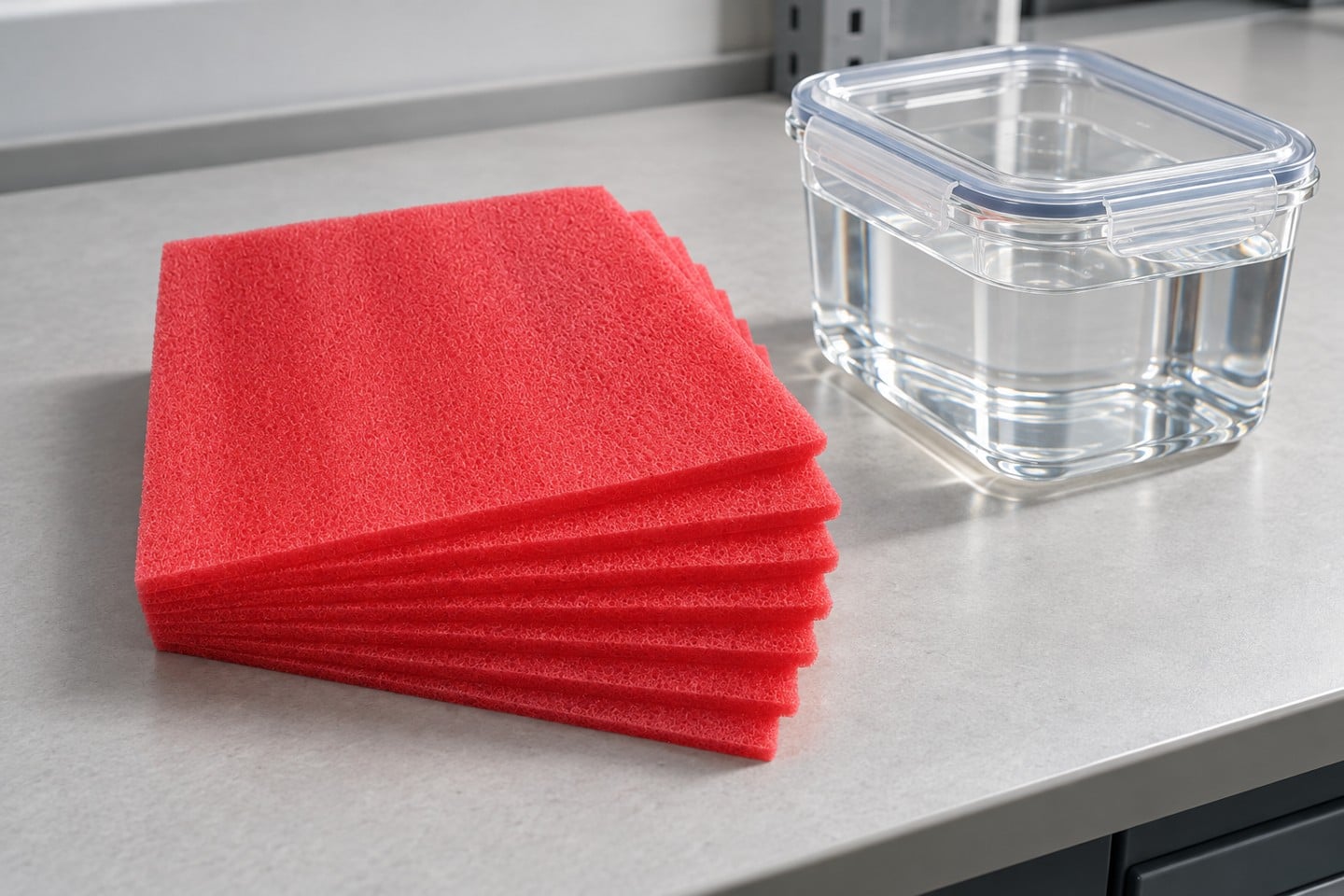
Đánh giá khả năng hấp thụ nước của xốp ESD bằng các quy trình riêng cho từng vật liệu, cách xử lý mẫu được kiểm soát và các kiểm tra riêng về cơ học, điện và bảo vệ bao bì.
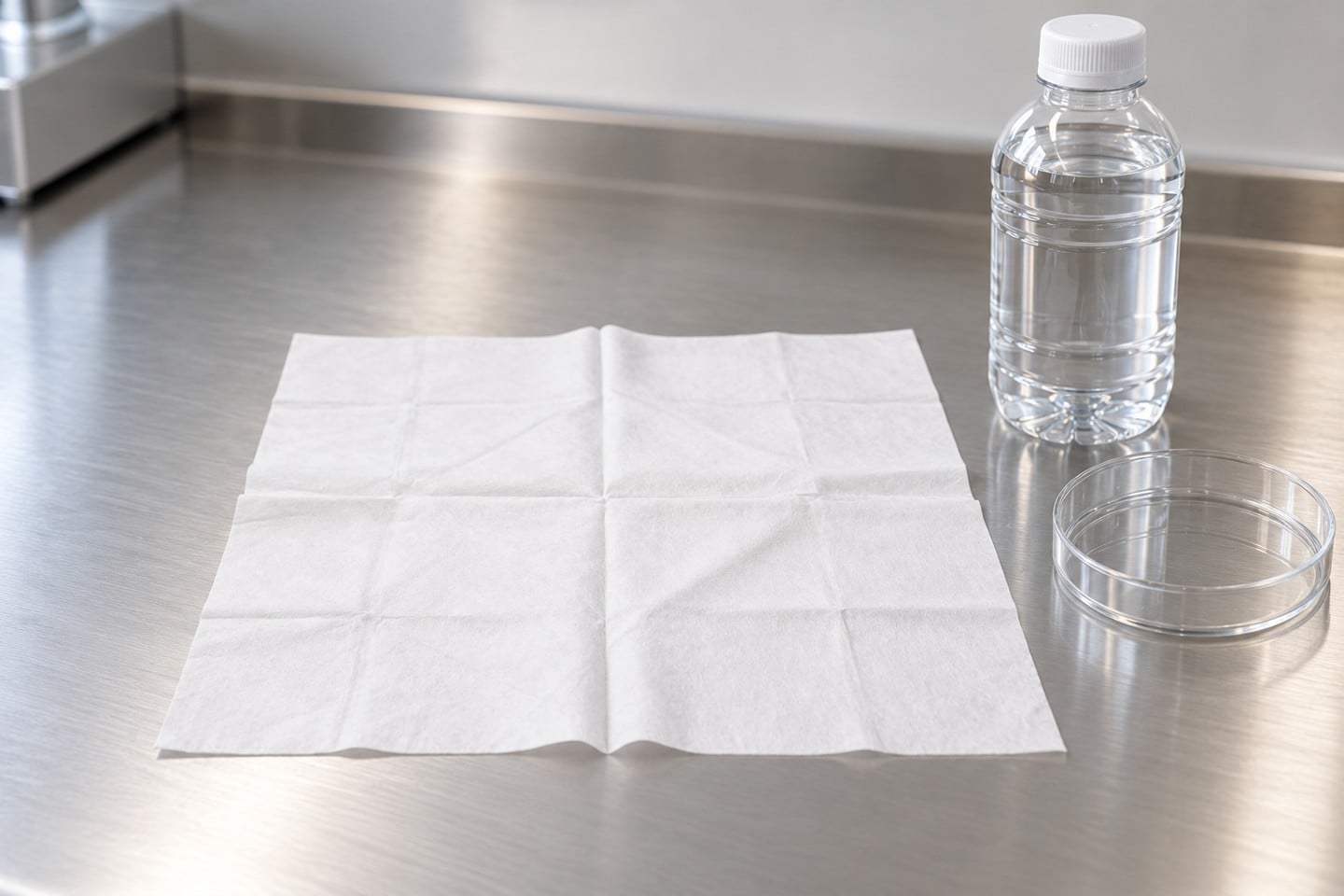
Compare cleanroom wipe capacity and wetting behavior with matched methods, explicit units and an application trial using the intended liquid and surface.
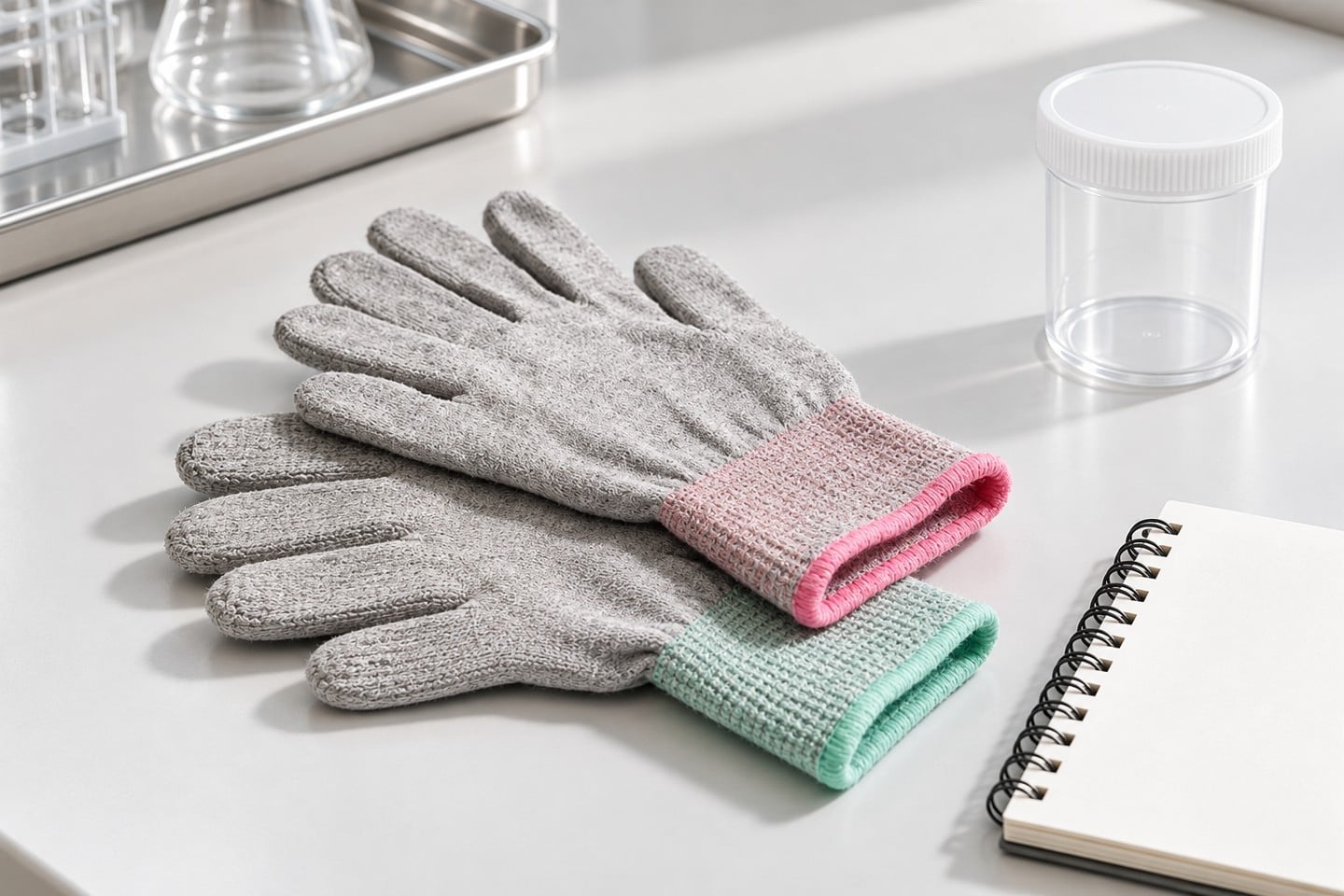
Qualify ESD glove particle shedding using exact construction, defined sampling conditions, background controls and a task-specific handling trial.

Specify ESD foam density and firmness separately, compare material-specific reports and validate component support without confusing mechanical and electrical properties.
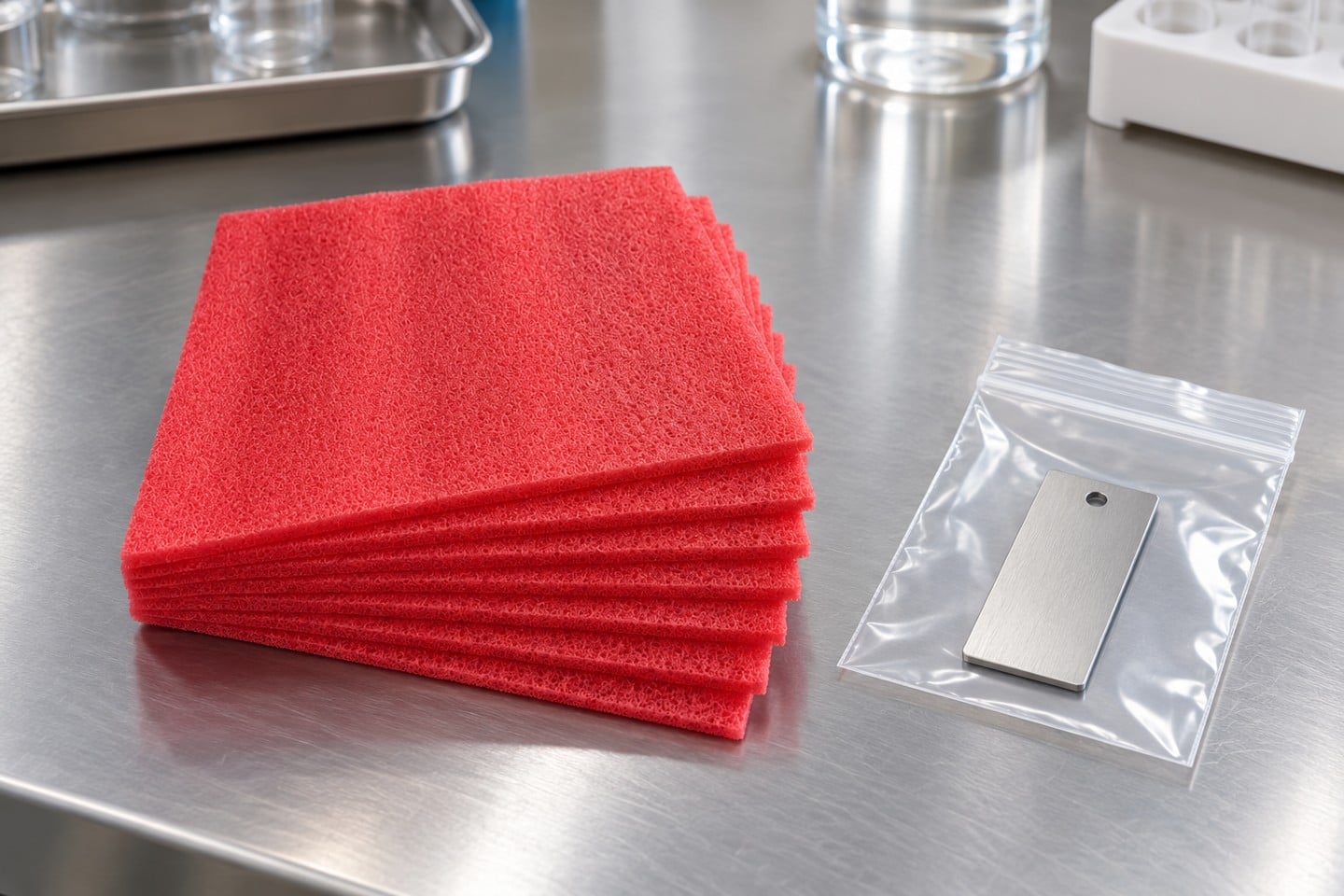
Review ESD foam corrosion compatibility with exact material and metal identity, controlled exposure, representative specimens and evidence-based release rules.
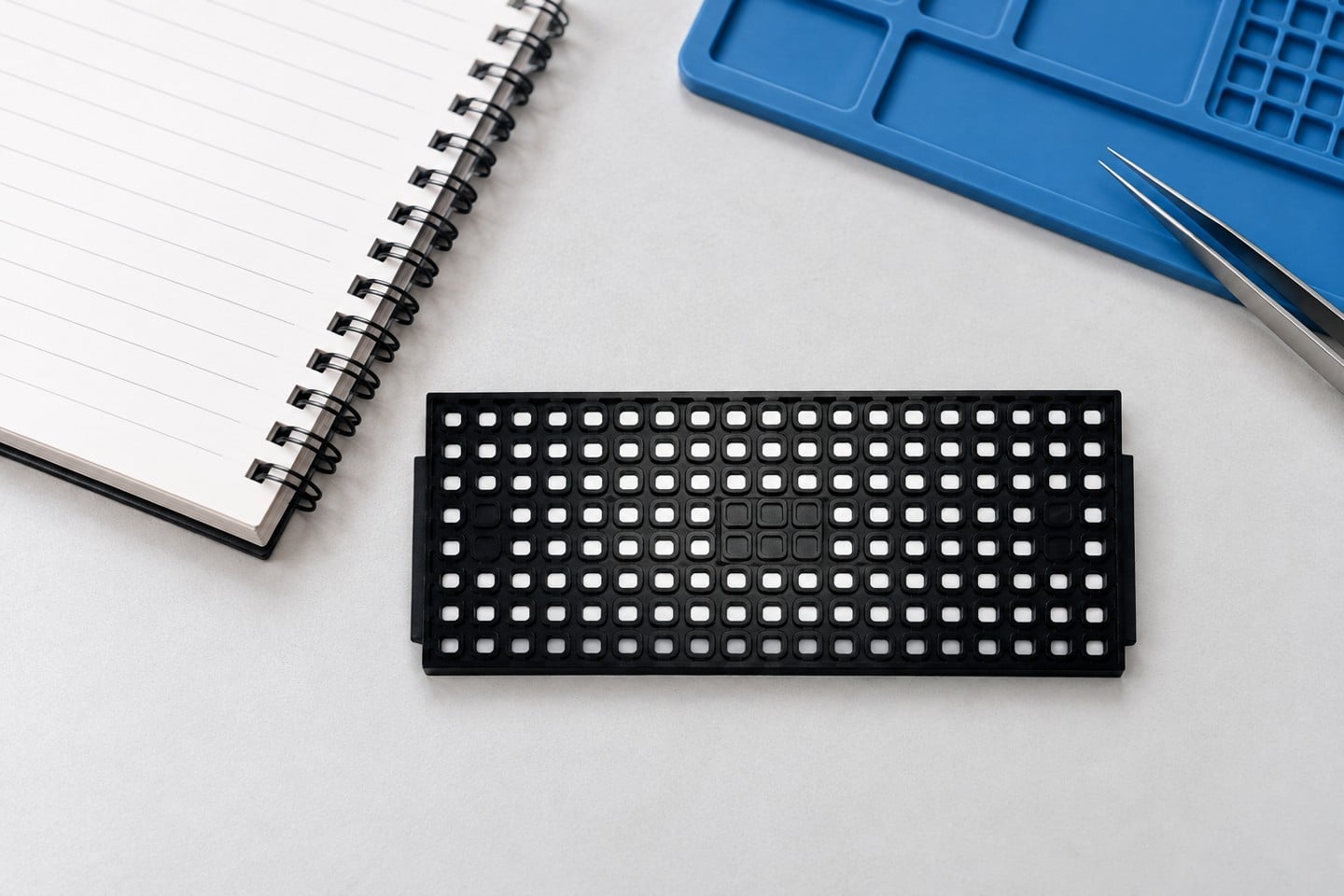
Troubleshoot JEDEC tray pickup and release by separating package guidance, nozzle condition, tray seating, pocket fit and machine observations in a controlled trial.
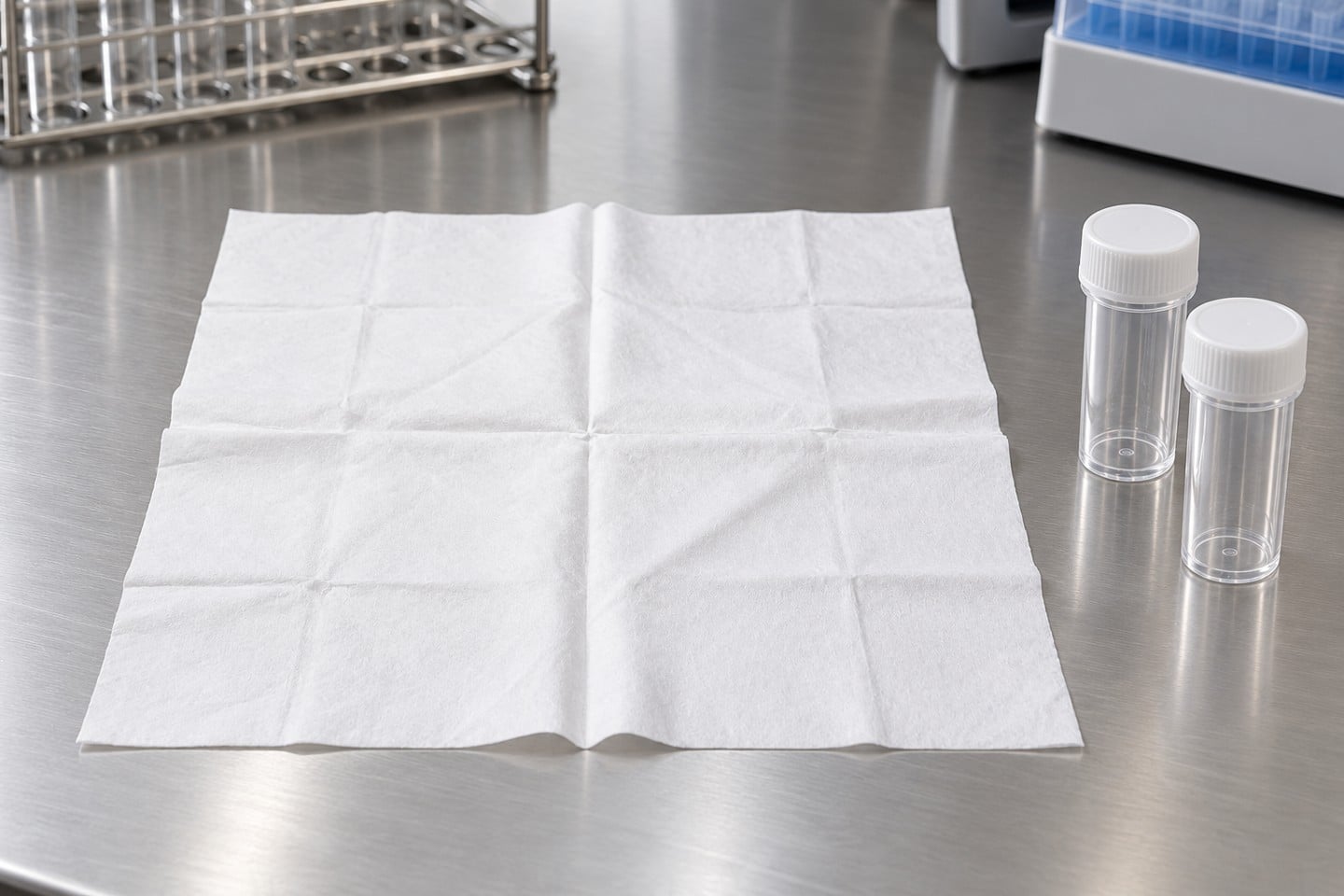
Compare cleanroom wipe ionic contamination and extractables using traceable samples, extraction conditions, reporting limits and application-specific criteria.
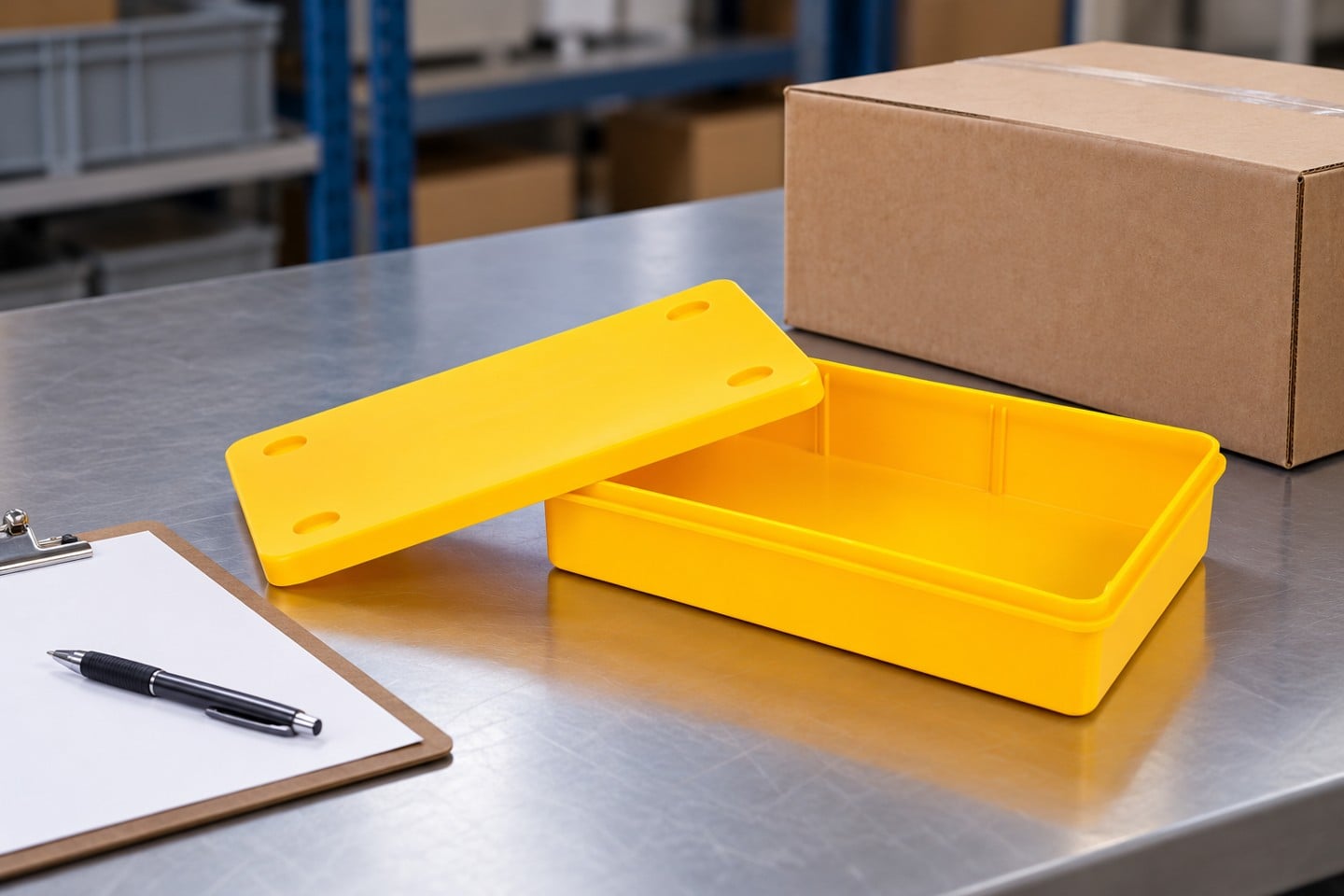
Inspect delivered ESD bin lots using traceable identity, an approved sampling plan, dimensional and lid-fit checks, electrical evidence and controlled disposition.
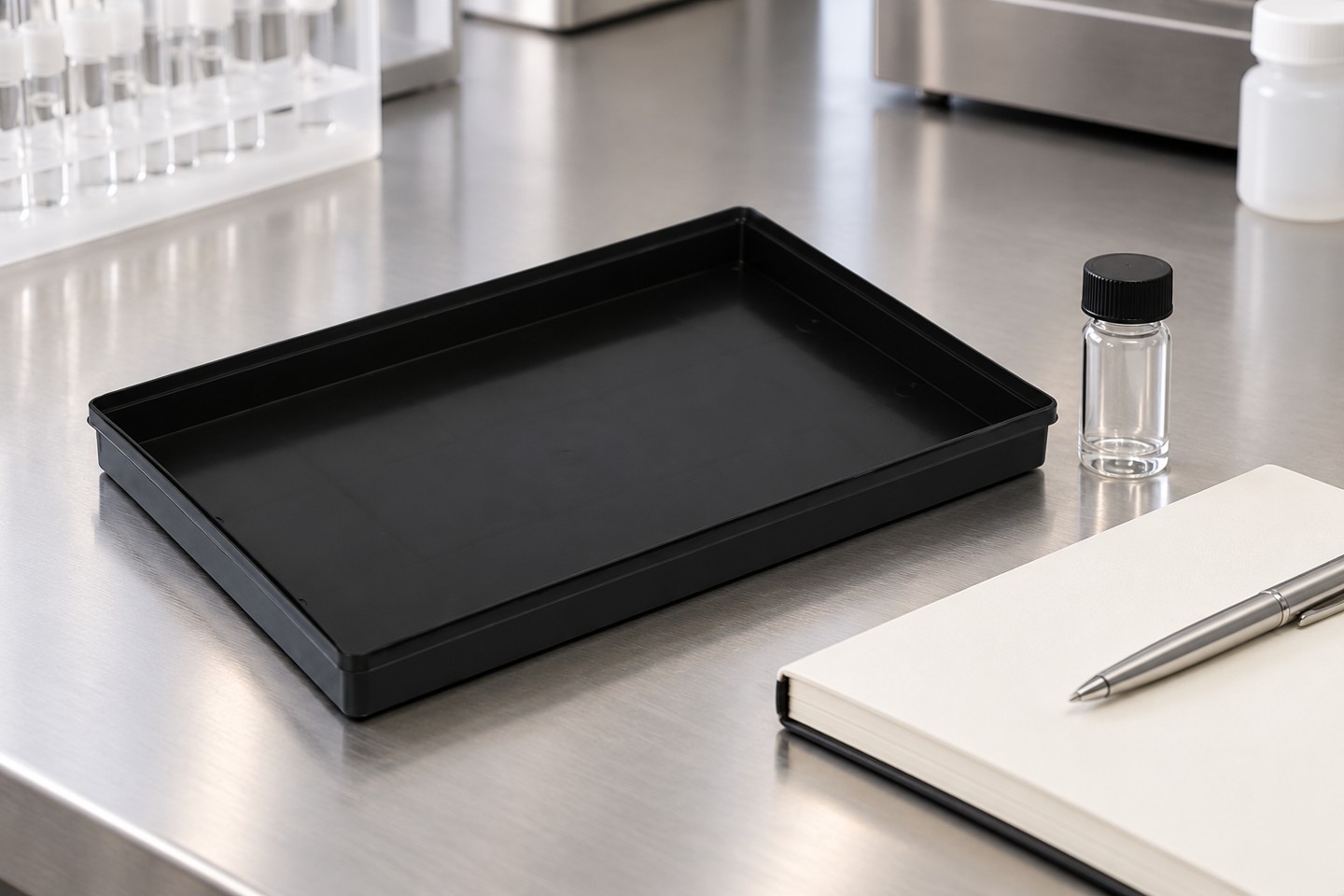
Qualify ESD tray outgassing with exact material identity, appropriate laboratory methods and a clear distinction between vacuum data and cleanroom suitability.