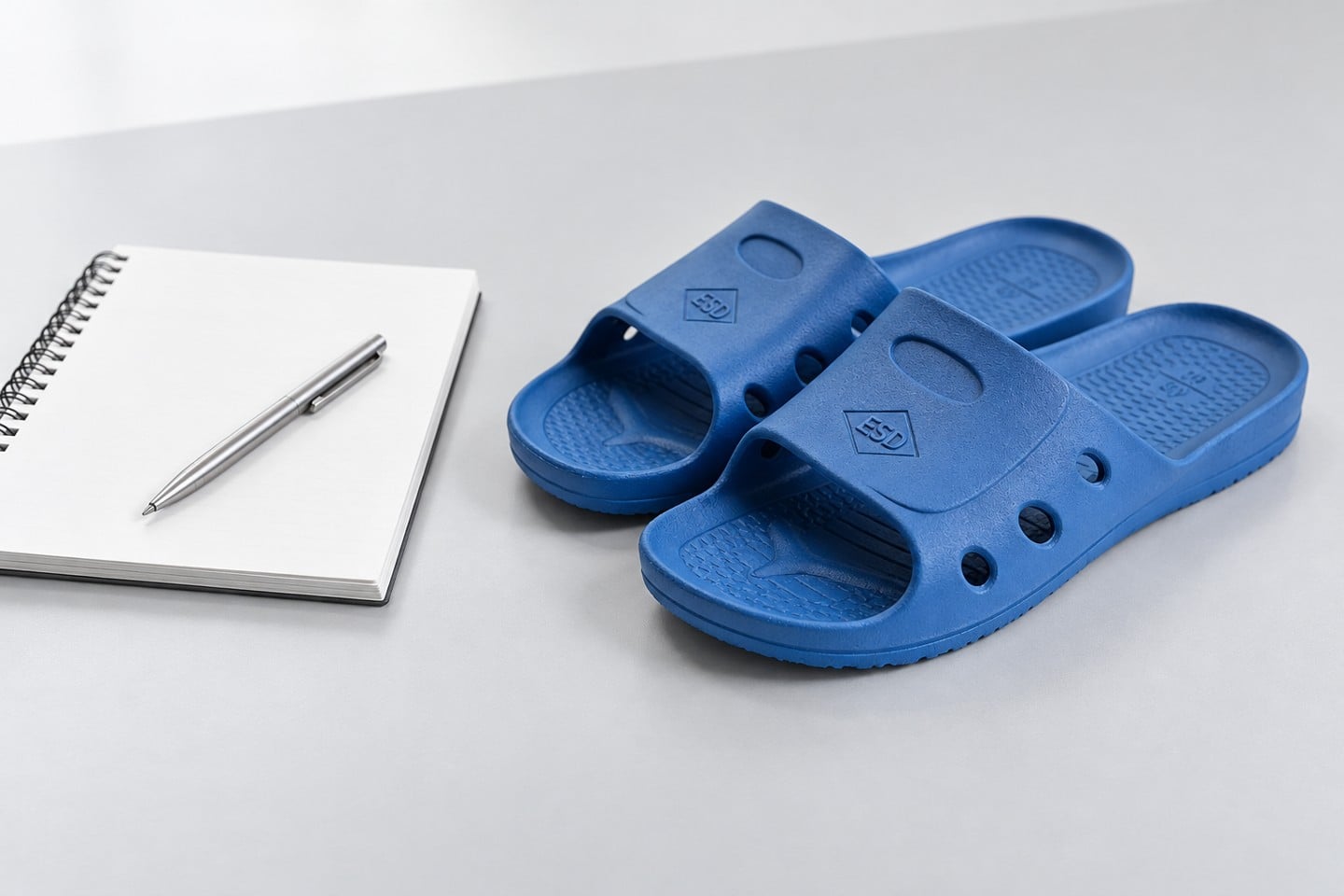
Compare ESD slippers and safety shoes through workplace hazards, protective evidence, grounding-system qualification and a task-based footwear approval matrix.
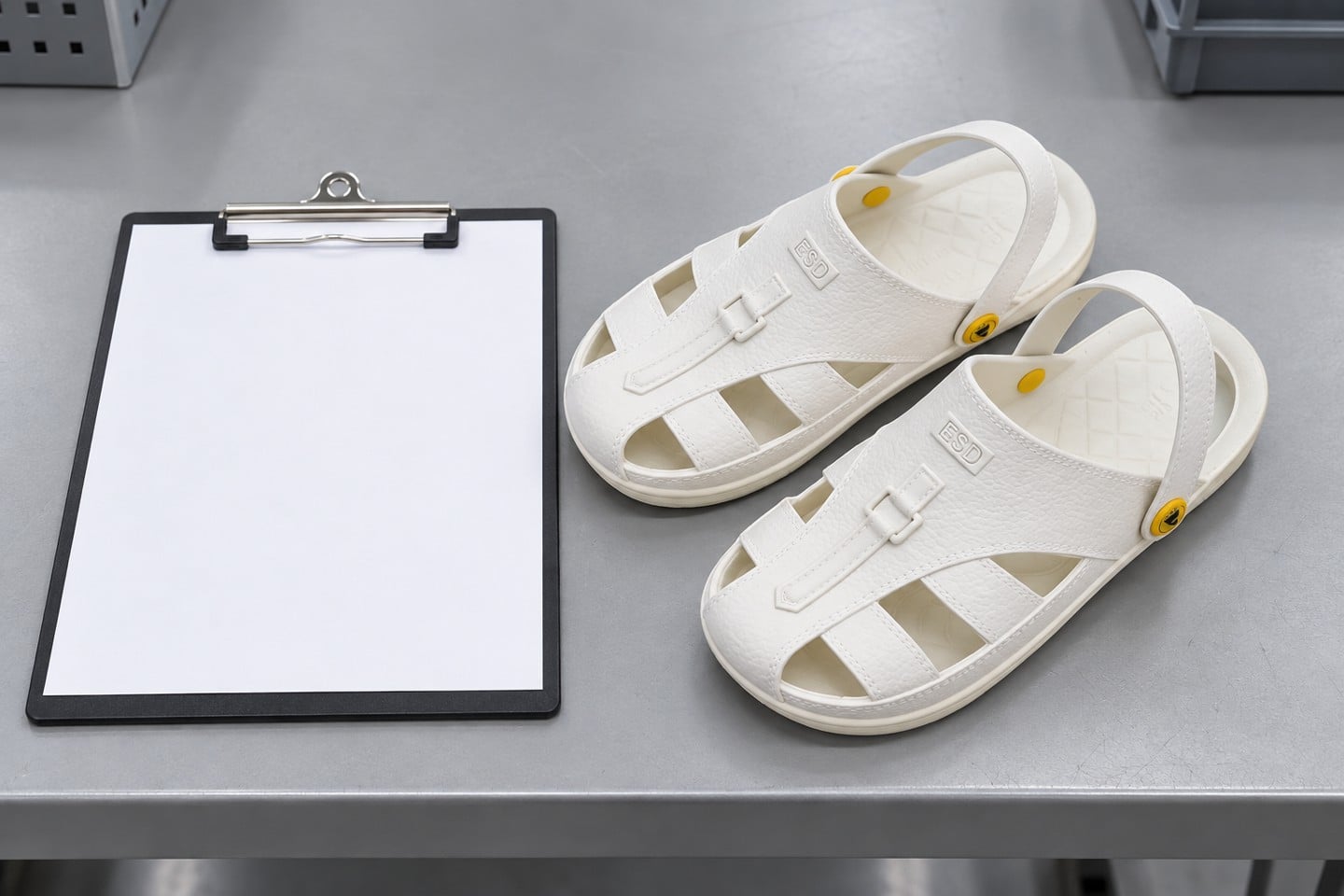
Interpret ESD footwear resistance tests by separating specimen, wearer and floor-system evidence, defining the method and reviewing acceptance criteria.

Evaluate cleanroom sticky mat effectiveness with comparable baseline sampling, controlled traffic, sheet-life observations and a documented acceptance decision.
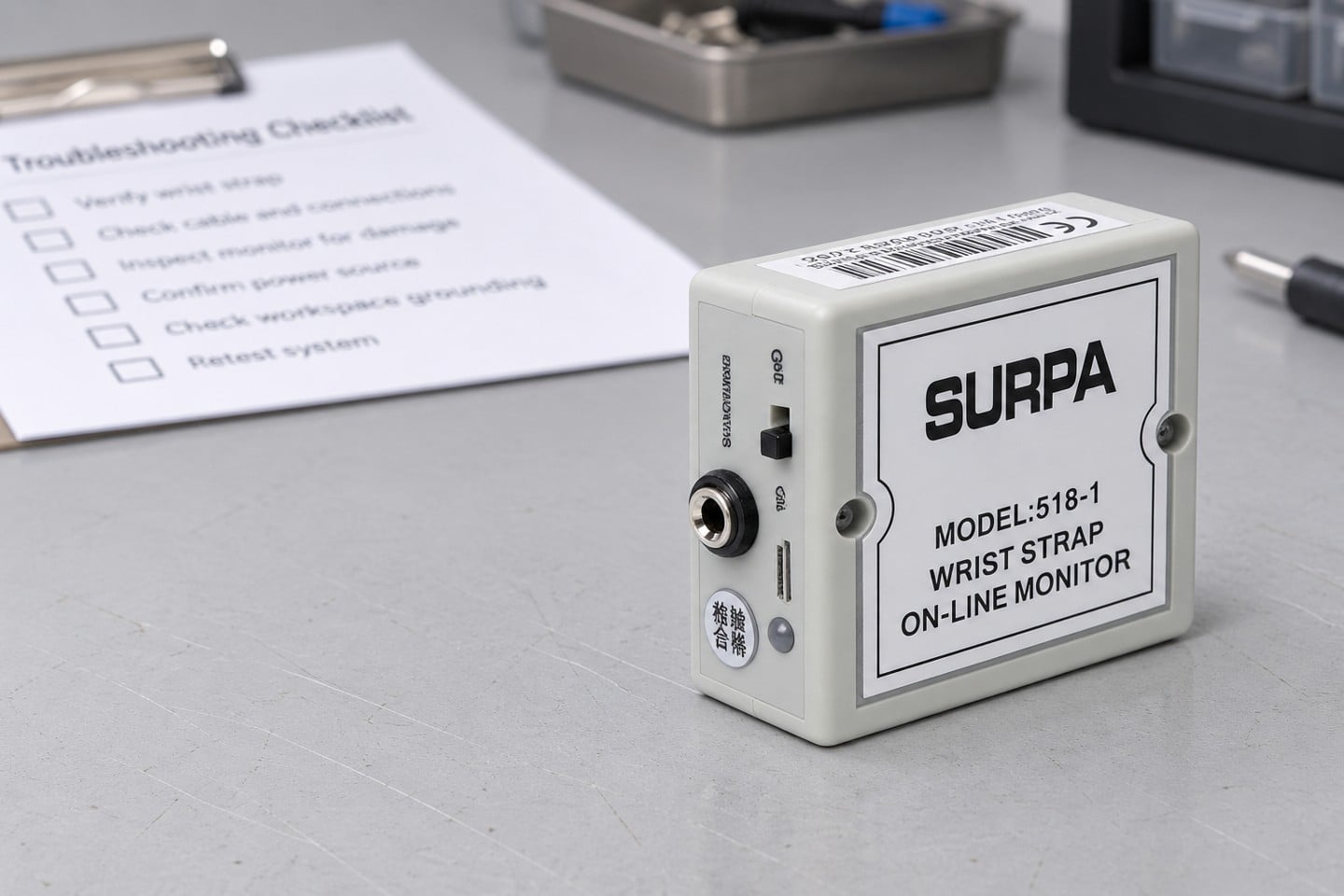
Troubleshoot wrist strap monitor alarms with a controlled contact, cord, connection and verification sequence, plus records for safe workstation release.
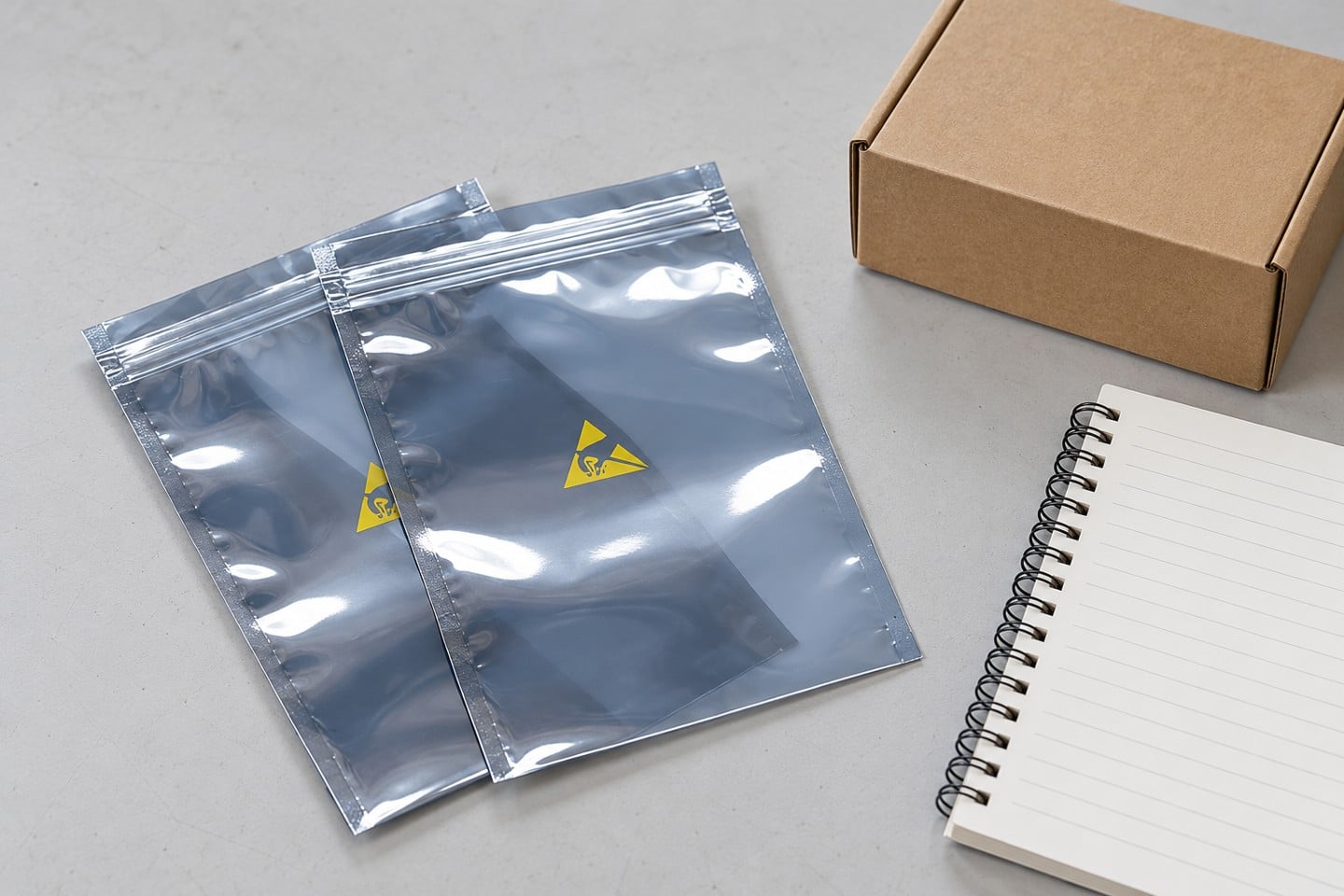
Reduce ESD packaging costs through measured process improvements, qualified sizing, controlled reuse decisions and comparable protection-preserving pilots.
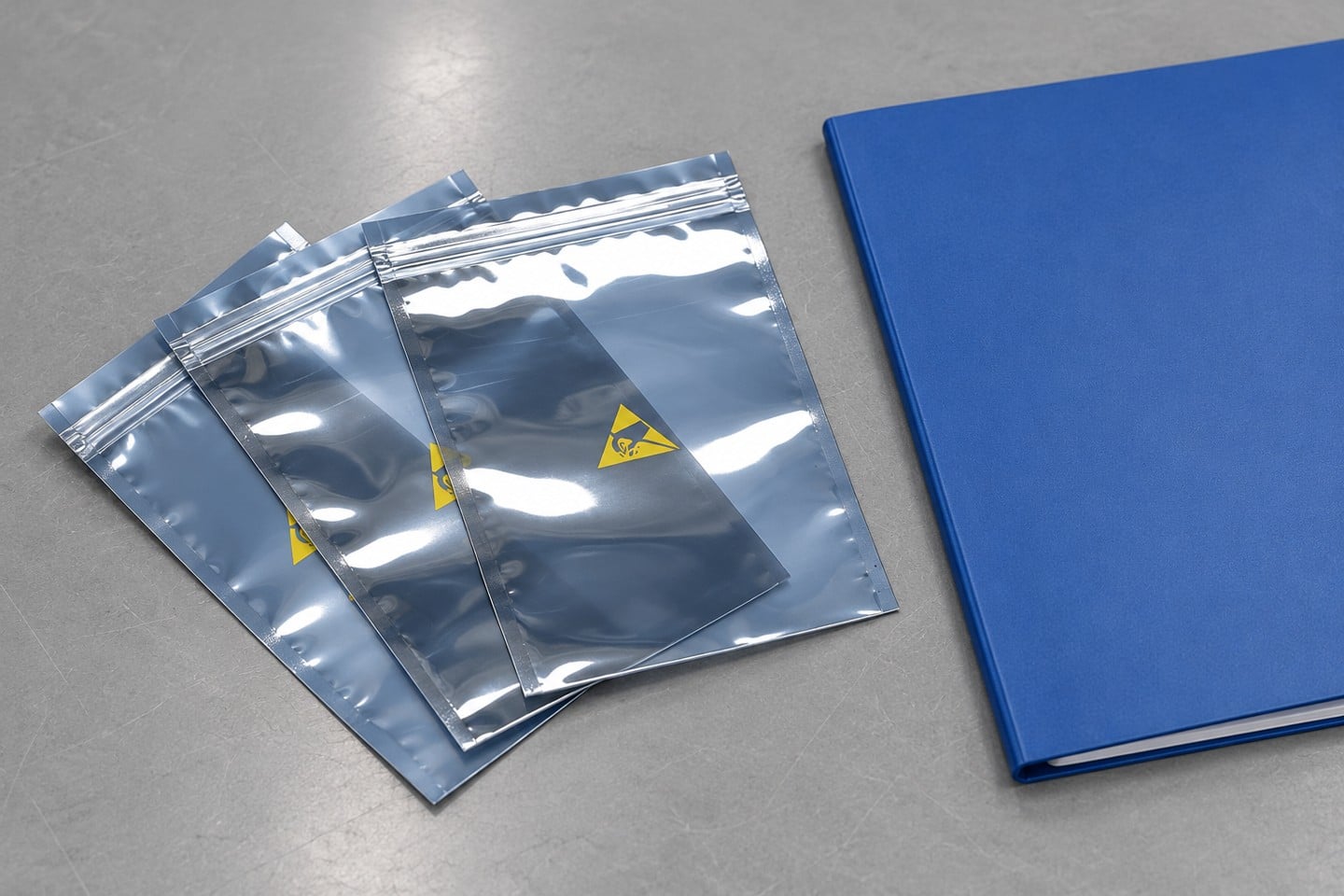
Qualify a new ESD packaging supplier using exact product identity, relevant test reports, representative sample trials and controlled approval boundaries.
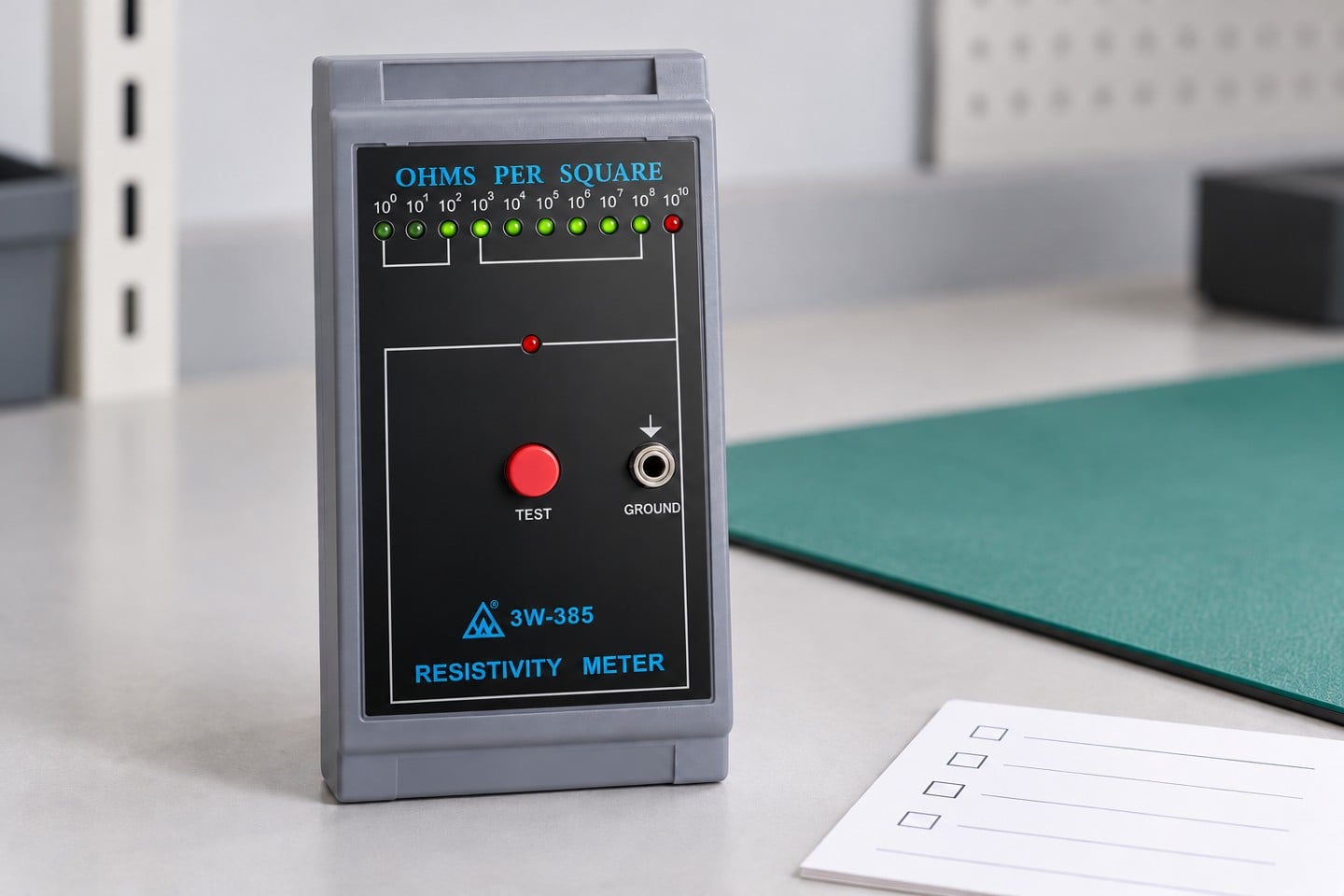
Investigate ESD grounding test failures with method checks, safe fault isolation, verified corrective actions and traceable retest records.
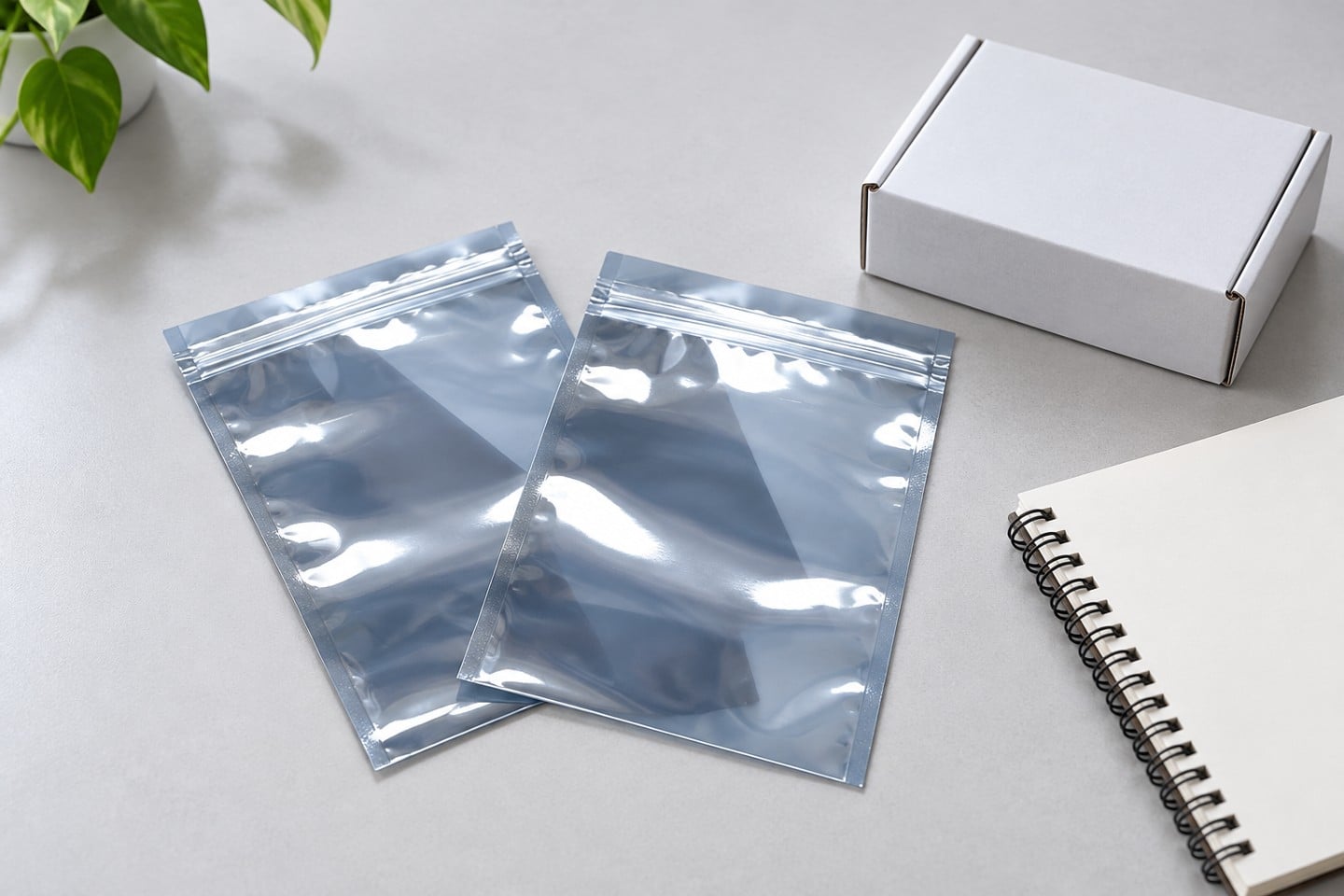
Protect semiconductor engineering samples with verified ESD packaging, revision and lot identity, split-shipment records and controlled receiving procedures.
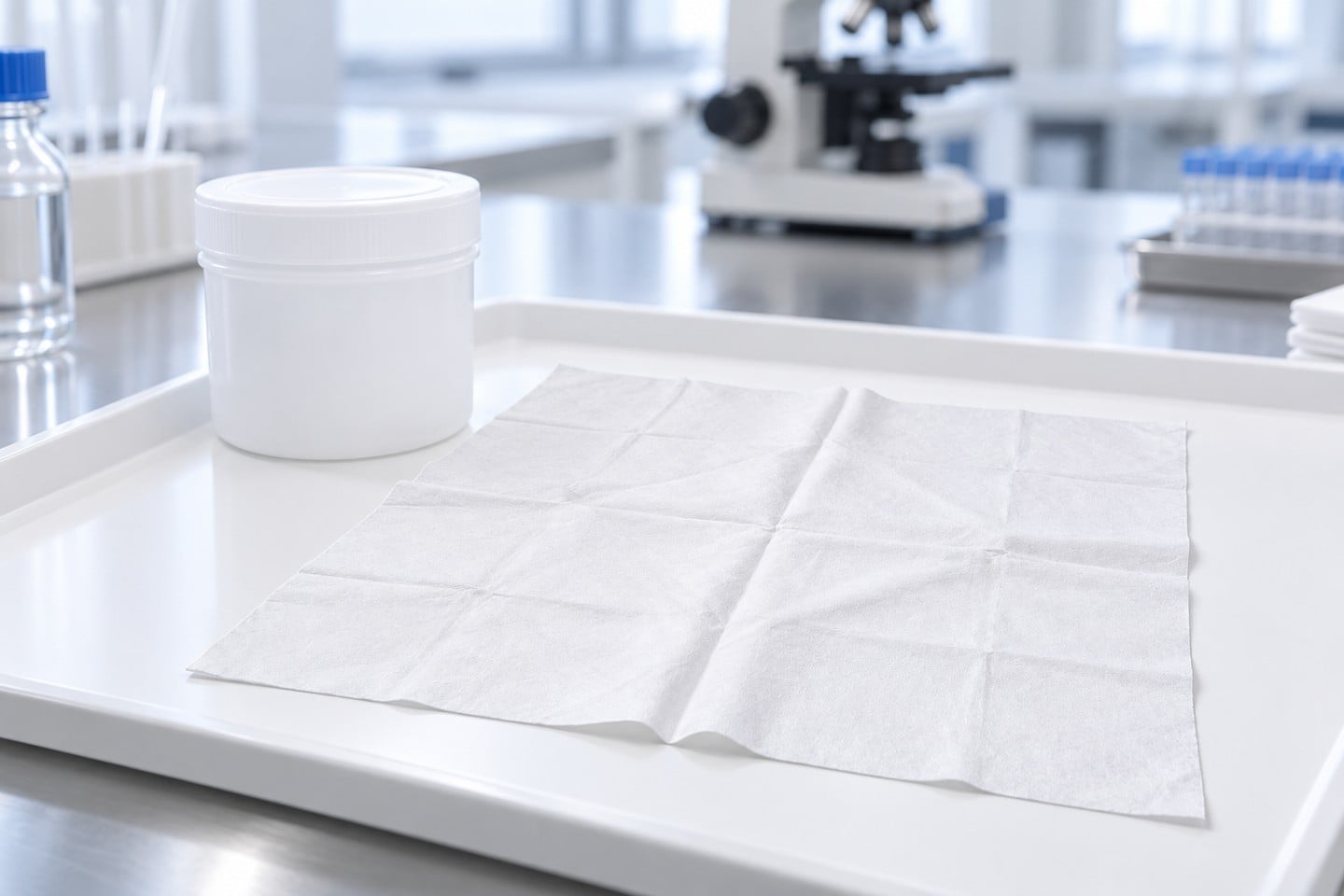
Interpret cleanroom wipe particle reports, compare methods and blanks, set application-specific acceptance rules and validate the actual cleaning task.
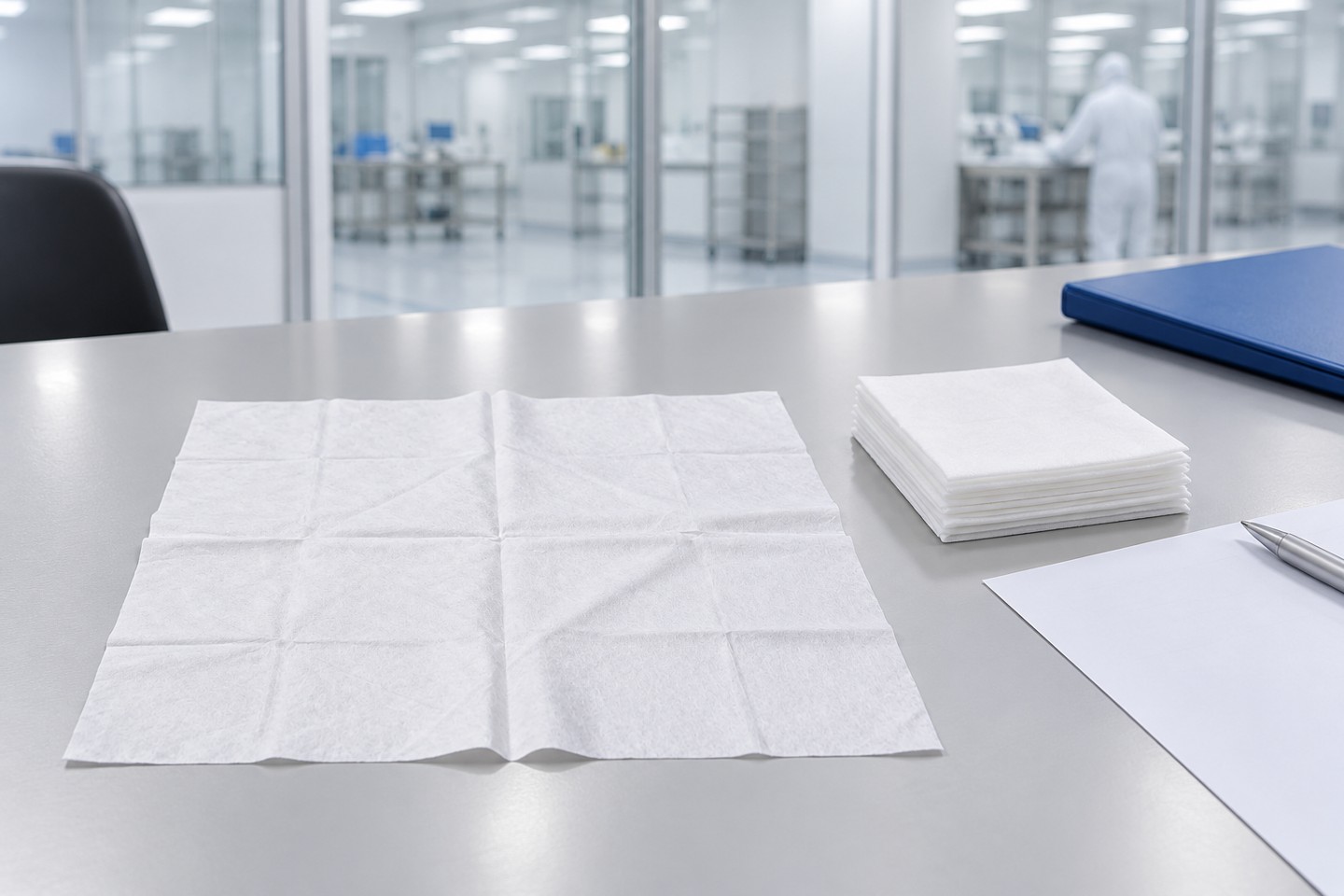
Audit ESD cleanroom consumables suppliers with item-level evidence, sample qualification, lot traceability, receiving checks and controlled change notifications.
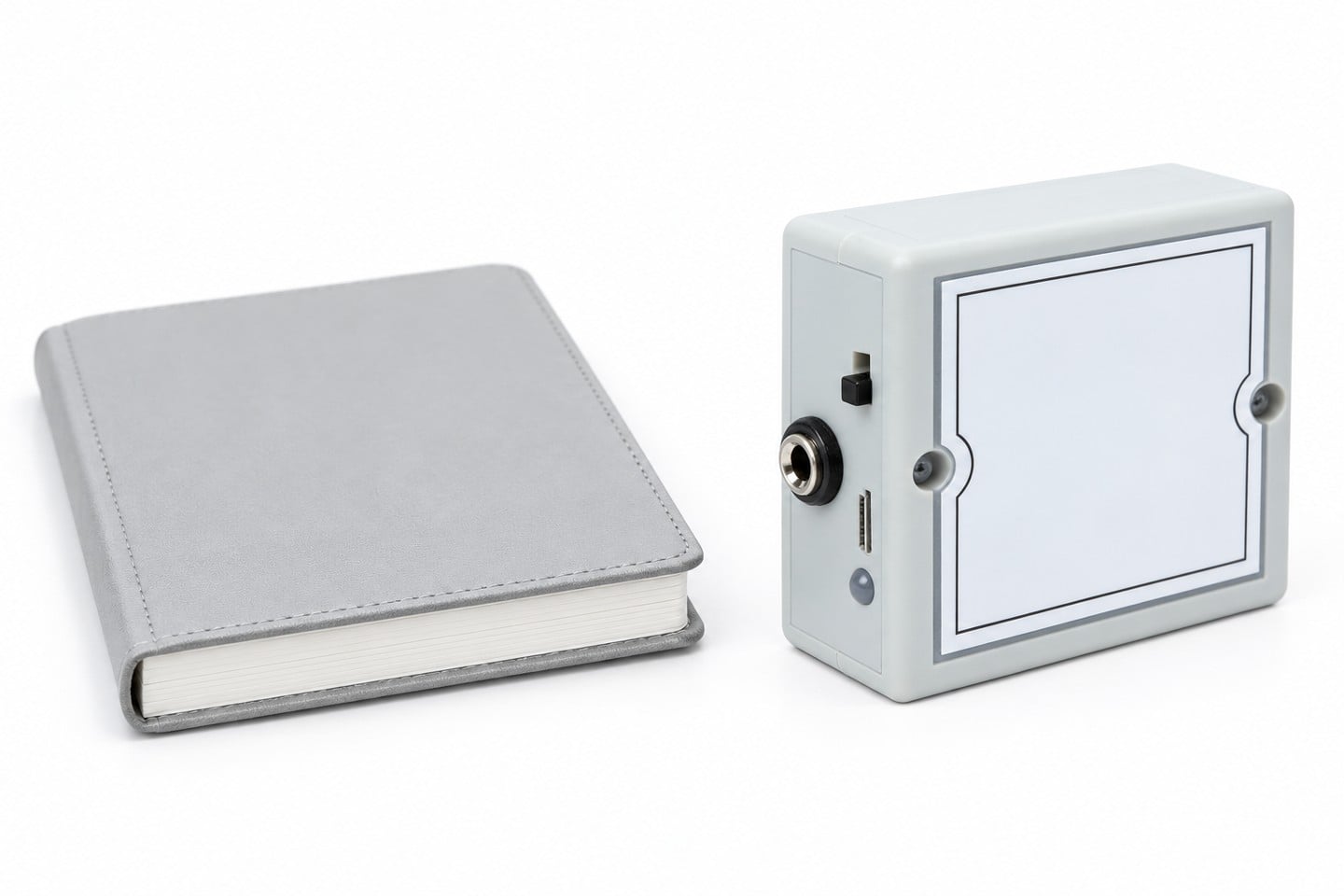
Set a documented ESD wrist strap verification schedule, distinguish periodic tests from continuous monitoring and retain useful failure and correction records.
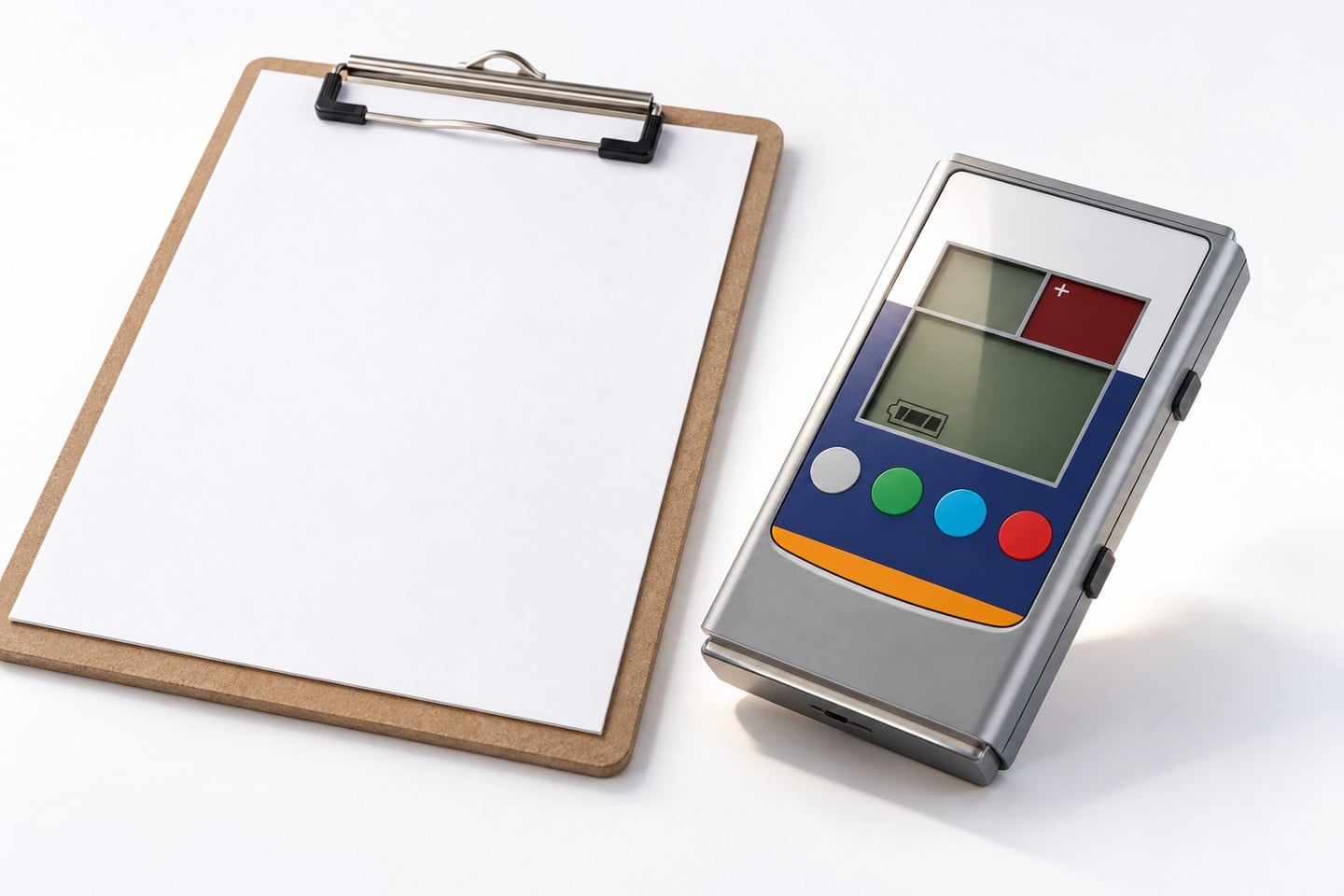
Compare handheld surveys with fixed electrostatic monitoring by coverage, measurement geometry, recording needs and procurement evidence for production.