- توربو
- مدونة
أن ESD pallet is a reusable logistics platform intended to move electrostatic-discharge-sensitive materials without introducing an uncontrolled packaging layer. Selection is not simply a choice between black and ordinary plastic. Buyers must define the ESD function, load case, deck and runner geometry, equipment interface, cleaning method, route outside or inside an ESD protected area, and the evidence required from the supplier. The pallet also works with boxes, trays, bags, stretch materials, racks, and lift equipment, so its performance cannot be judged in isolation. This guide provides a practical specification, qualification, incoming-inspection, and RFQ framework for electronics factories and warehouses.
Define the pallet’s role in the material route
Start by mapping every transfer from receiving to line-side use. Record whether sensitive devices are sealed in protective packaging, exposed in trays, or carried inside conductive containers. A pallet under closed shielding packages performs a different role from one carrying exposed assemblies inside an EPA. The required packaging boundary must remain intact during forklift pickup, staging, storage, and unpacking.
Also identify the uncontrolled portions of the route. A material described as conductive or dissipative does not automatically provide electrostatic shielding. NASA workmanship guidance treats transport, grounding, and protective packaging as coordinated controls. Define which layer supplies physical support, which limits charge generation, and which provides any required field shielding.

Separate ESD behavior from load performance
The electrical claim and the mechanical rating answer different questions. Ask for a declared test method, conditioning, test locations, acceptance criteria, and traceable results for the supplied material. Do not approve a pallet from color or resin name alone. Additives, contamination, wear, humidity, and production variation may affect measured behavior.
Mechanical qualification must address the real load: uniformly distributed cartons behave differently from point loads, drums, racks, or containers with small feet. Confirm static storage, dynamic handling, racking support, impact, deck deflection, runner integrity, and the intended lift direction with the responsible packaging engineer. Never copy an attractive load number from another pallet geometry.
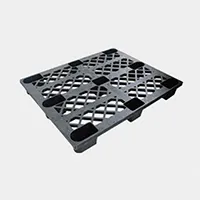
Match deck and runner geometry to equipment
Review pallet width, length, height, entry direction, fork opening, runner pattern, deck openings, edge lips, and nesting or stacking behavior. Check all forklifts, pallet jacks, conveyors, lifts, racks, and automated systems that will touch the pallet. Small dimensional differences can create unsafe fork engagement or unstable conveyor travel.
Closed decks can reduce the chance of small items falling through and may simplify some cleaning tasks, while open decks may reduce mass and improve drainage. The correct choice depends on contamination controls and the load. Ribbing, anti-slip features, rims, and retaining edges should be reviewed with the actual boxes or totes rather than from a catalogue image.
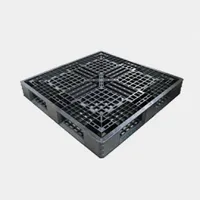
Control every layer above the pallet
An ESD pallet does not correct an uncontrolled load. Ordinary stretch film, insulating straps, nonqualified foam, loose labels, or damaged boxes can remain charge-generating materials near sensitive hardware. List each packaging layer and decide whether it is inside or outside the protection boundary.
Confirm how loads are bonded, grounded, enclosed, or separated where required by the facility control plan. If the pallet is used only as a mechanical carrier for closed protective packages, state that limitation. If it is expected to participate in a conductive path, verify contacts and interfaces in the loaded configuration rather than measuring an isolated clean surface.
Plan cleaning, inspection and retirement
Document an approved cleaning method and verify compatibility before release. Residue, dust, oils, and aggressive chemicals can change both handling and electrical behavior. Cleaners should not be adopted from a generic plastic-care procedure without checking the pallet material, workplace requirements, and ESD plan.
Create visual retirement criteria for cracked runners, excessive deck deformation, damaged lips, exposed sharp edges, embedded contamination, illegible identification, and repairs that change construction. Define the ESD retest interval from risk, use frequency, environment, historical variation, and the organization’s control program rather than assuming indefinite performance.
جدول الاختيار والتأهيل
| Route question | لماذا يهم الأمر | أدلة للطلب |
|---|---|---|
| Inside or outside an EPA? | Determines the protective packaging boundary | Route map and package configuration |
| What load and support pattern? | Controls deflection and structural risk | Load drawing and handling trial |
| Which handling equipment? | Controls fork entry and conveyor fit | Interface dimensions and trial |
| What ESD function is claimed? | Prevents vague “anti-static” approval | Test method, conditions and results |
| How is it cleaned and reused? | Affects contamination and lifecycle performance | Approved procedure and inspection criteria |
أجرِ تجربة أولى مضبوطة للقطع الإنتاجية
استخدم عينة موثقة تمثل بناء الإنتاج المقترح. قارنها بالعنصر المعتمد الحالي إن وجد. سجِّل التعريف، والمراجعة، ودفعة المورد، والظروف البيئية، والمعدات، والمشغلين، والملاحظات. يجب أن تغطي التجربة الاستلام، والتخزين، والتحضير، والاستخدام العادي، والتنظيف إن أمكن، والتخلص أو الإرجاع. أوقف التجربة إذا أدى العنصر إلى إتلاف منتج، أو تسبب في التلوث، أو تداخل مع المعدات، أو تعارض مع إجراءات التفريغ الإلكتروستاتيكي (ESD) أو السلامة.
افصل معايير الاجتياز عن الملاحظات. قد تتطلب الأبعاد، والتسميات، والمقاسات، وجودة التصنيع، والأدلة المادية، والسلوك الوظيفي فحوصات مختلفة. قم بحل الانحرافات قبل الموافقة على كميات الإنتاج، واحتفظ بالرسم المتحكم فيه، والتقرير، وعينة الموافقة. استلزم إشعار المورد قبل أي تغيير في مصدر المواد، أو المواد المضافة، أو المواد اللاصقة، أو البناء، أو الأدوات، أو العملية، أو البعد الحرج.
الفحص الوارد والرقابة المستمرة
- طابق العنصر، ومراجعة الرسم، والكمية، ورقم تشغيل المورد، وملصق التعبئة مع الطلب.
- فحص التلوث، والتلف، وسوء المصنعية، والأبعاد غير الصحيحة، وفياب التعريف.
- قم بإجراء أخذ العينات والتحقق المتفق عليه باستخدام طريقة موثقة ومعدات معايرة حيثما كان القياس مطلوباً.
- ضع في الحجر الصحي أي تغييرات غير تفسيرية في اللون، أو الرائحة، أو القوام، أو اللزوجة، أو المقاس، أو اللف، أو الشكل الهندسي، أو الأداء.
- احتفظ بسجلات القبول وقم بربط الشكاوى أو الإخفاقات بالدفعة المتأثرة.
- راجع المواصفات عند تغير المنتج أو المعدات أو المسار أو طريقة التنظيف أو خطة التحكم.
قائمة التحقق من طلب تقديم العروض (RFQ) للمشترين
اذكر التطبيق، وحدود الحماية، وواجهة المعدات أو الجزء، والأبعاد والتفاوتات، ومادة البناء، ووظيفة المطلوب، وطريقة الاختبار ومعايير القبول، ومتطلبات النظافة والصناعة، والتعبئة والتغليف، والوسم، وإمكانية التتبع، كمية العينة، وتوقعات القطعة الأولى، والتوثيق، وإشعار التغيير، وكمية التسليم. اشر إلى SWESD anti-static logistics pallet product لننوع المنتج المعروض حالياً، واستخدم مركز منتجات سويسد لتنسيقها مع معدات المناولة ذات الصلة.
اطلب من المورد سرد الافتراضات والاستثناءات. وتجنب نسخ ادعاءات الكتالوج غير المتحقق منها في مواصفات خاضعة للرقابة. يجب مراجعة الحدود التقنية، والشهادات، وبيانات الامتثال مقابل العنصر الفعلي المورد وتطبيق المشتري.
قارن العينات تحت نفس الظروف
تغيير مقارنة مفيدة قرارًا واحدًا في كل مرة. استخدم نفس الأجزاء التمثيلية، والمشغلين، والمعدات، والمسار، وتجهيزات التنظيف، وفترة الملاحظة لكل مرشح. قم بتسمية العينات بحيث لا يخلط المراجعون بين هوية المورد، أو المراجعة، أو تسلسل الاختبار. وحيثما كان ذلك عمليًا، قم بتضمين العنصر المعتمد حاليًا كخط أساس. سجل كلًا من السلوك الناجح والعمل اللازم لتحقيقه، مثل الضبط الإضافي، أو التنظيف المتكرر، أو المناولة الأبطأ، أو تدخل المشغل.
لا تدمج النتائج الكهربائية، والميكانيكية، ونظافة البيئة، والتجارية في درجة واحدة مبهمة. فقد يكون المرشح مناسباً تماماً ولكنه يفتقر إلى أدلة مادية يمكن تتبعها، أو قد يمتلك توثيقاً قوياً ولكنه يؤدي بشكل ضعيف داخل الآلة. احتفظ بمعايير اجتياز منفصلة لكل من السلامة، ومراقبة التفريغ الكهروستاتيكي (ESD)، حماية المنتجات، توافق المعدات، التلوث، قابلية الاستخدام، التوثيق، وتكلفة دورة الحياة. يجب حل أي إخفاق جسيم بدلاً من إخفائه بمتوسط درجات مرتفع.
يجب أن تستخدم المقارنة التجارية تكلفة عملية مكتملة ومقبولة، وليس فقط السعر لكل قطعة. ويجب أن تشمل جهد الفحص، ووقت تغيير الأداة، والنفايات، والتنظيف، والاستبدال، ومخاطر توقف العمل، لوجستيات الإرجاع، والتوثيق، وتأثير الدفعات غير المتسقة. لا تبرر هذه العوامل اختراع ادعاء بعمر الخدمة؛ بل تساعد المشتري على تصميم تجربة تقيس الظروف التي تخلق التكلفة بالفعل.
موارد التخطيط ذات الصلة بـ SWESD
- planning combined trolley, box, and rack transport
- defining load requirements for ESD transport carts
- selecting the corrugated boxes used above a pallet
Educational video: Fundamentals of Electrostatic Discharge by Maxim Integrated
This electronics education video explains the discharge risk that an ESD logistics system is intended to control. The written guide remains complete without the video.
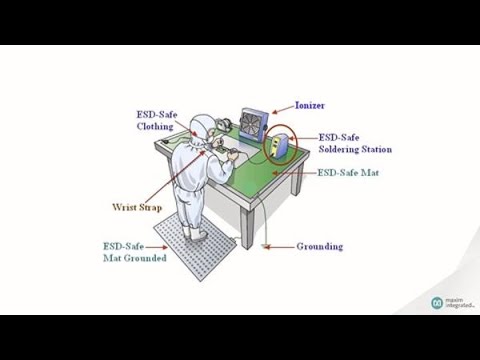
Open this video from Maxim Integrated on YouTube.
الأسئلة الشائعة
Is a black plastic pallet automatically ESD safe?
No. Color is not evidence. Approve the declared function using a relevant method, documented conditions, traceable results, and the supplied construction.
Can an ESD pallet replace shielding packaging?
Not automatically. A pallet can support controlled logistics, but shielding requirements must be met by a qualified packaging system for the actual route.
What should be tested first?
Confirm equipment fit and representative load behavior, then perform the agreed ESD verification at defined locations and conditions.
When should a pallet be retired?
Retire or quarantine it when structural damage, deformation, contamination, unauthorized repair, lost traceability, or failed verification violates the approved criteria.
مراجع موثوقة
أحدث مشاركة
-
 ESD Cleanroom Consumables Supplier Audit Checklist13 أكتوبر,2026
 -
 ESD Wrist Strap Test Frequency and Recordkeeping12 أكتوبر,2026
 -
 Handheld vs Fixed Electrostatic Field Meters12 أكتوبر,2026
اترك ردًا