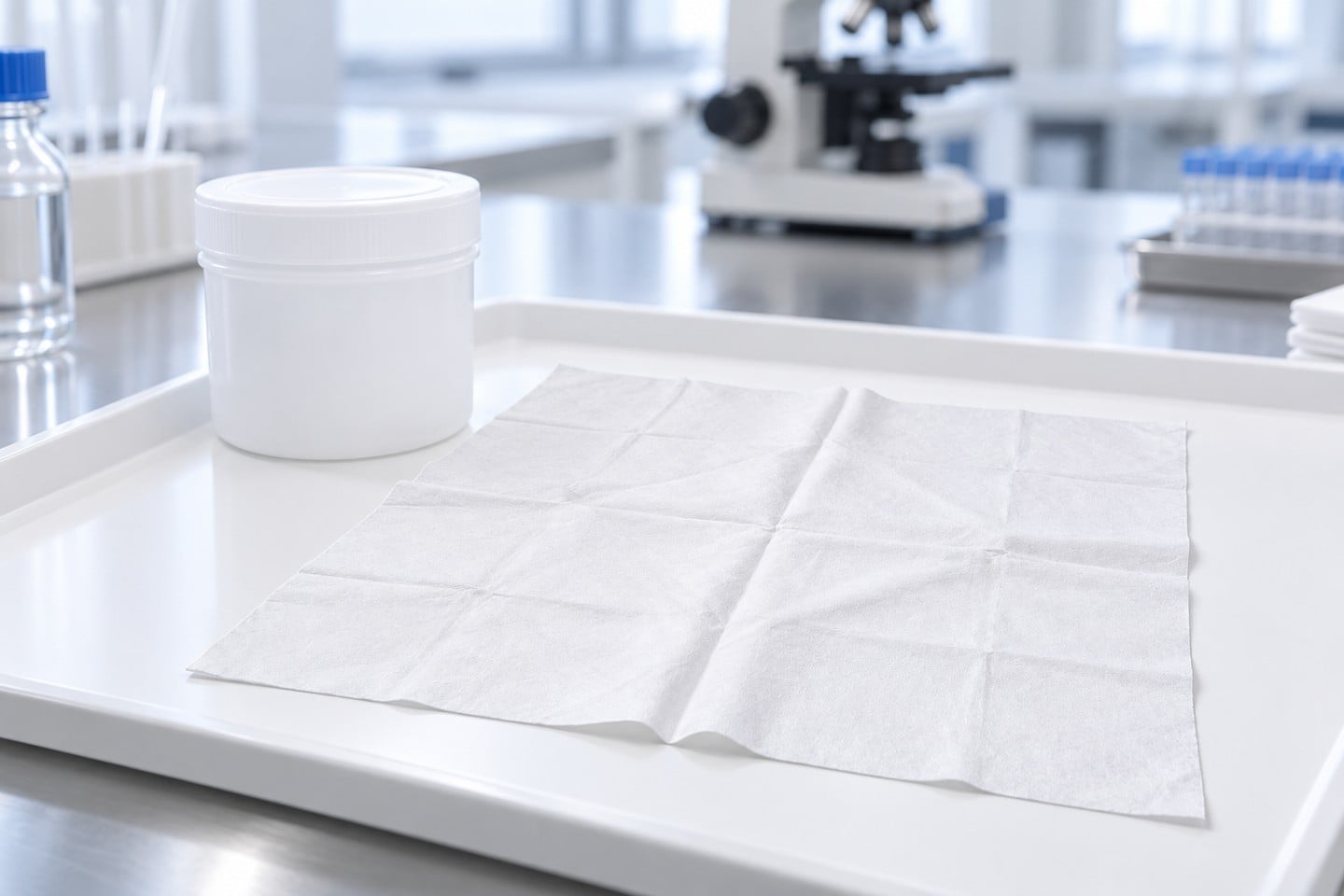
Cleanroom Wipe Particle Testing and Acceptance Criteria
Interpret cleanroom wipe particle reports, compare methods and blanks, set application-specific acceptance rules and validate the actual cleaning task.
Interpret cleanroom wipe particle reports, compare methods and blanks, set application-specific acceptance rules and validate the actual cleaning task.
Audit ESD cleanroom consumables suppliers with item-level evidence, sample qualification, lot traceability, receiving checks and controlled change notifications.
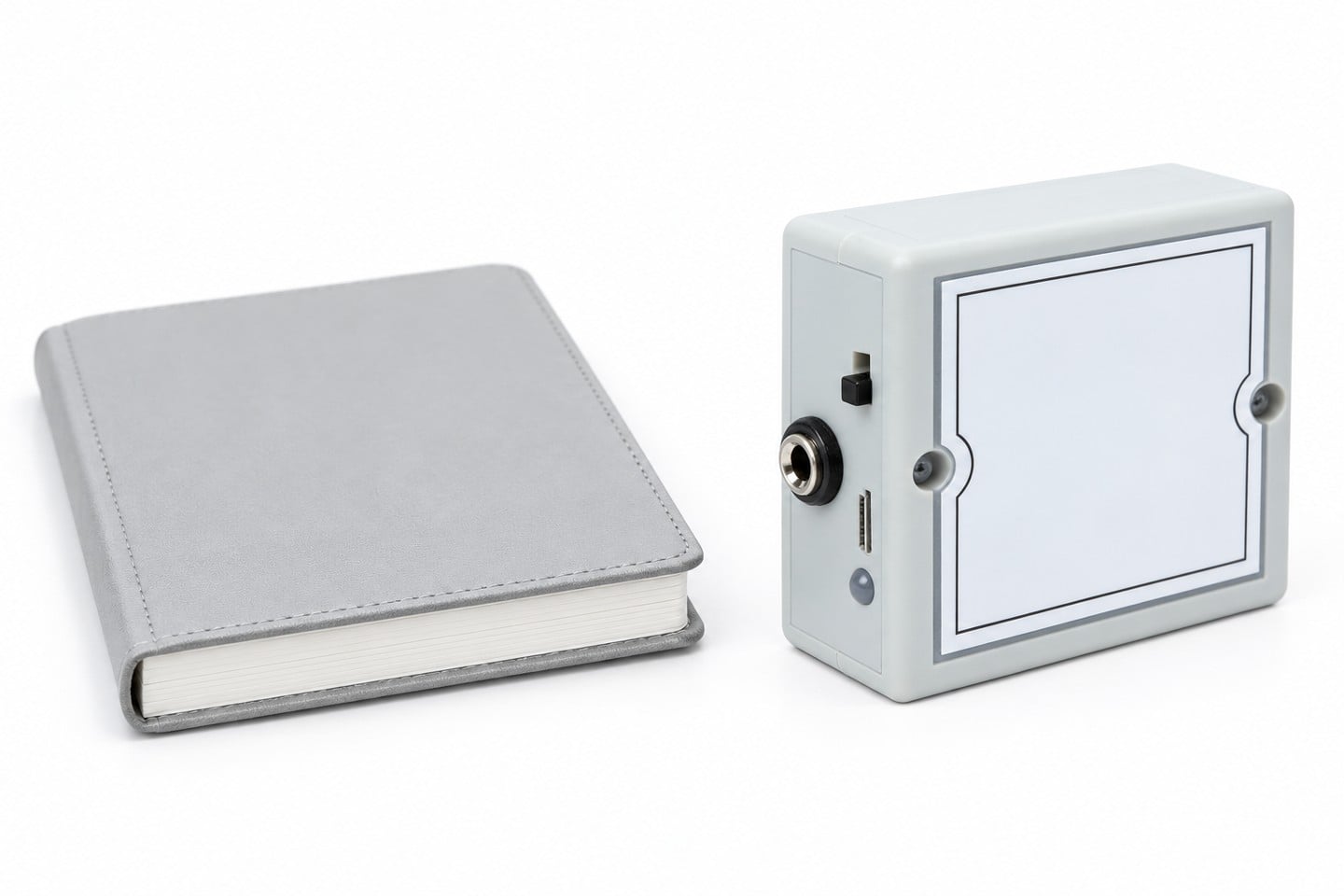
Set a documented ESD wrist strap verification schedule, distinguish periodic tests from continuous monitoring and retain useful failure and correction records.
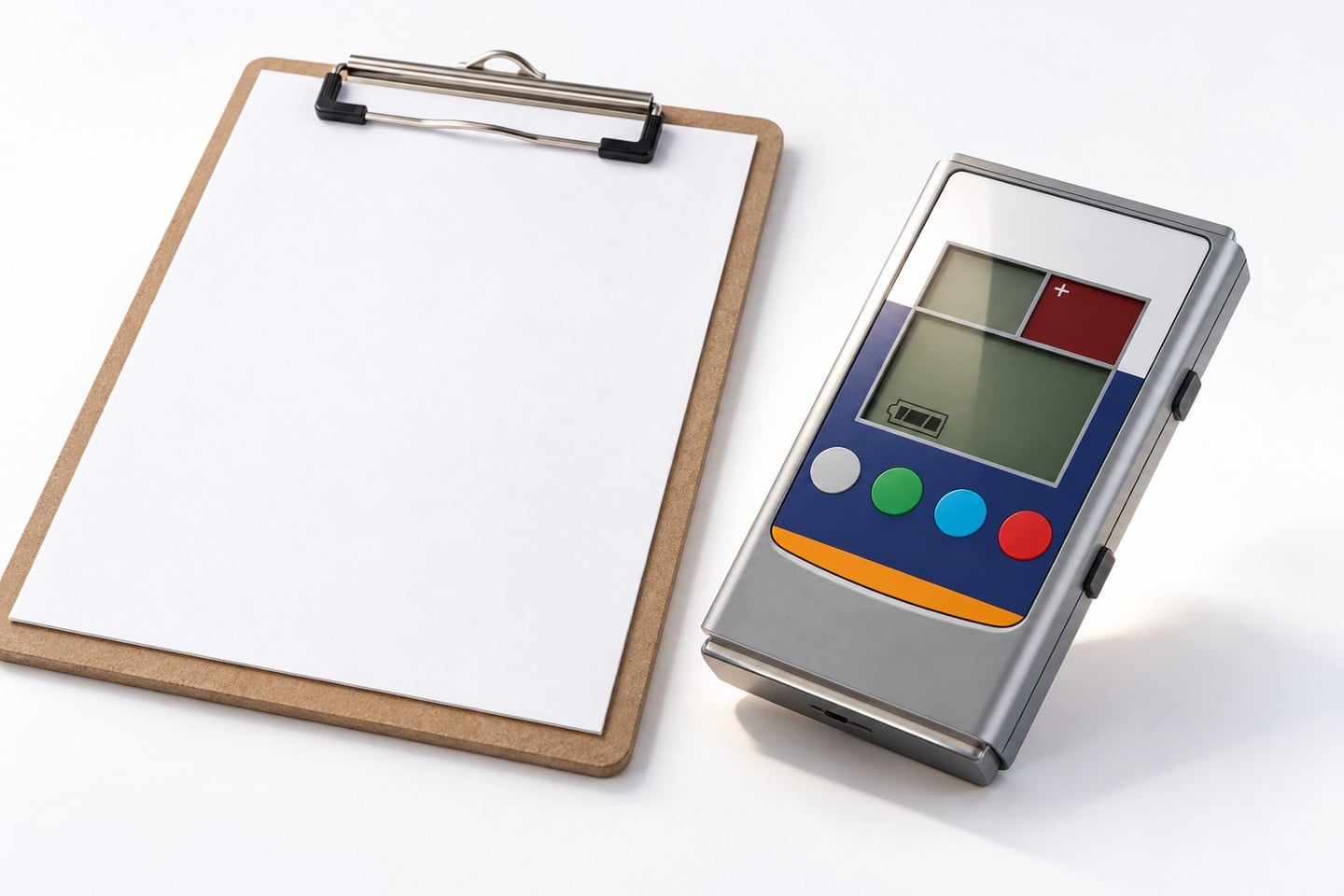
Compare handheld surveys with fixed electrostatic monitoring by coverage, measurement geometry, recording needs and procurement evidence for production.
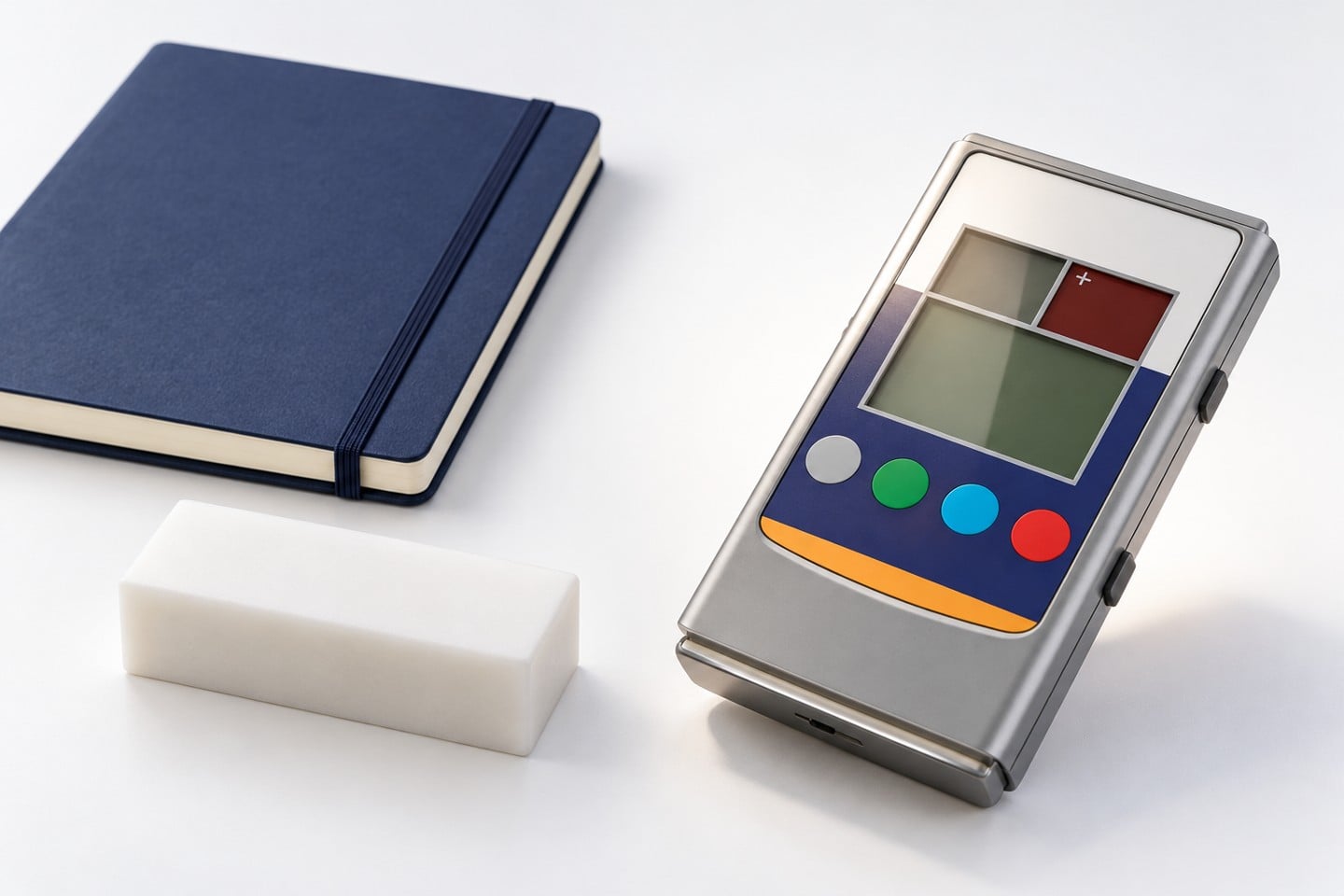
Control electrostatic field meter distance, target geometry and positioning; identify unsupported corrections and build repeatable packaging measurement records.
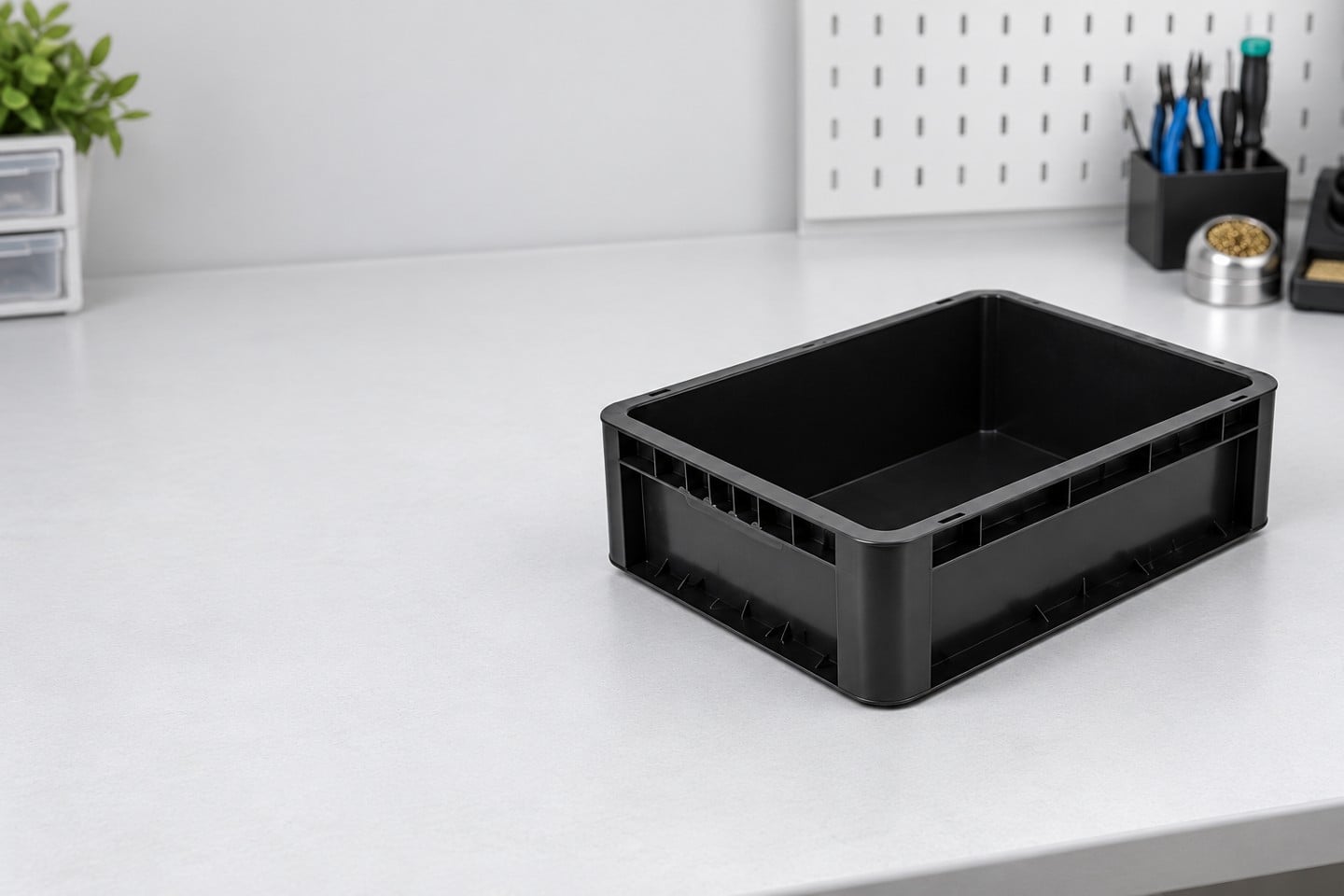
Plan ESD protection for PCB repair returns with board identity, accepted support, receiving checks, package reuse review and dispatch records.
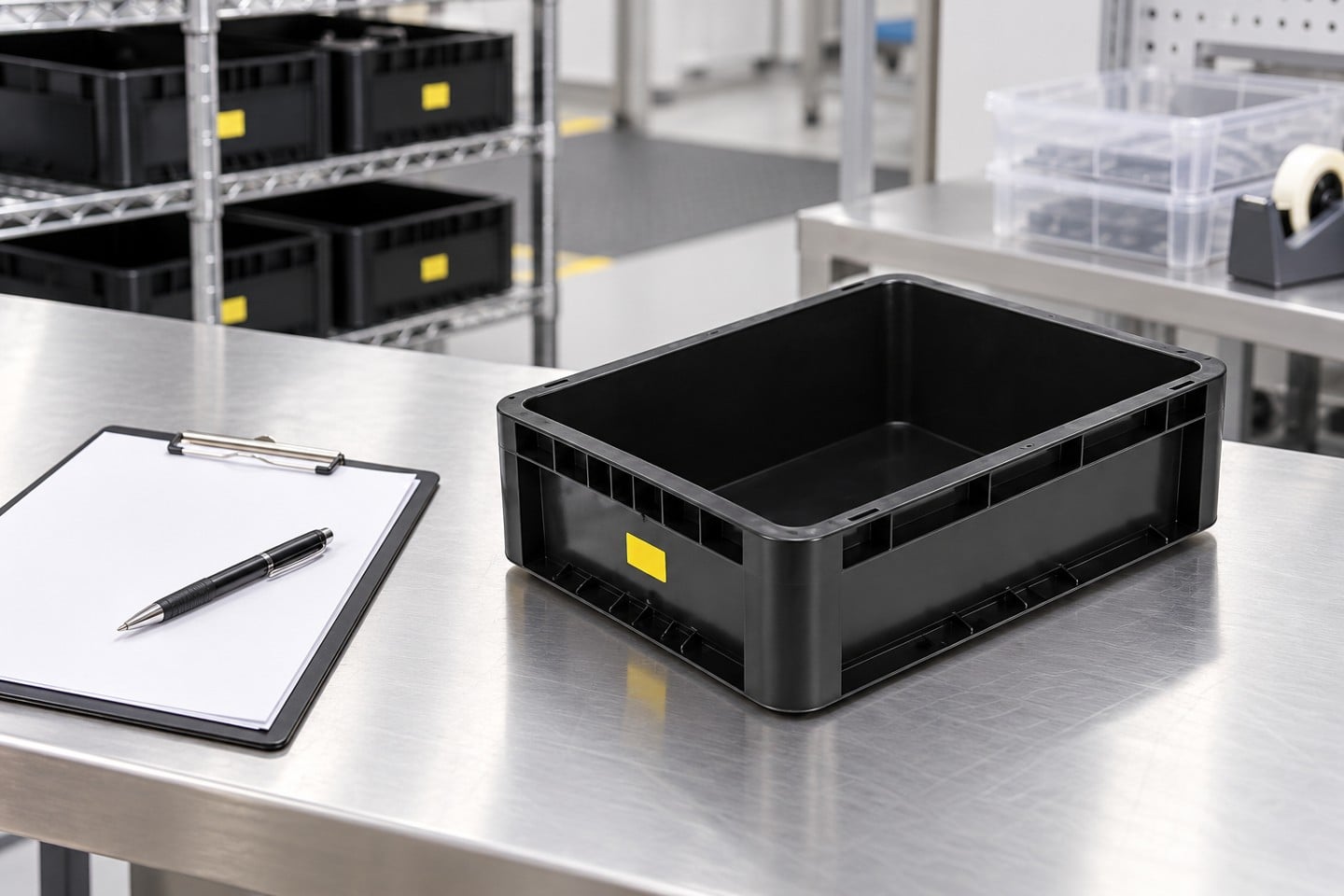
Control customer-owned components in contract manufacturing with approved ESD packaging, ownership records, receiving decisions and partial-lot returns.
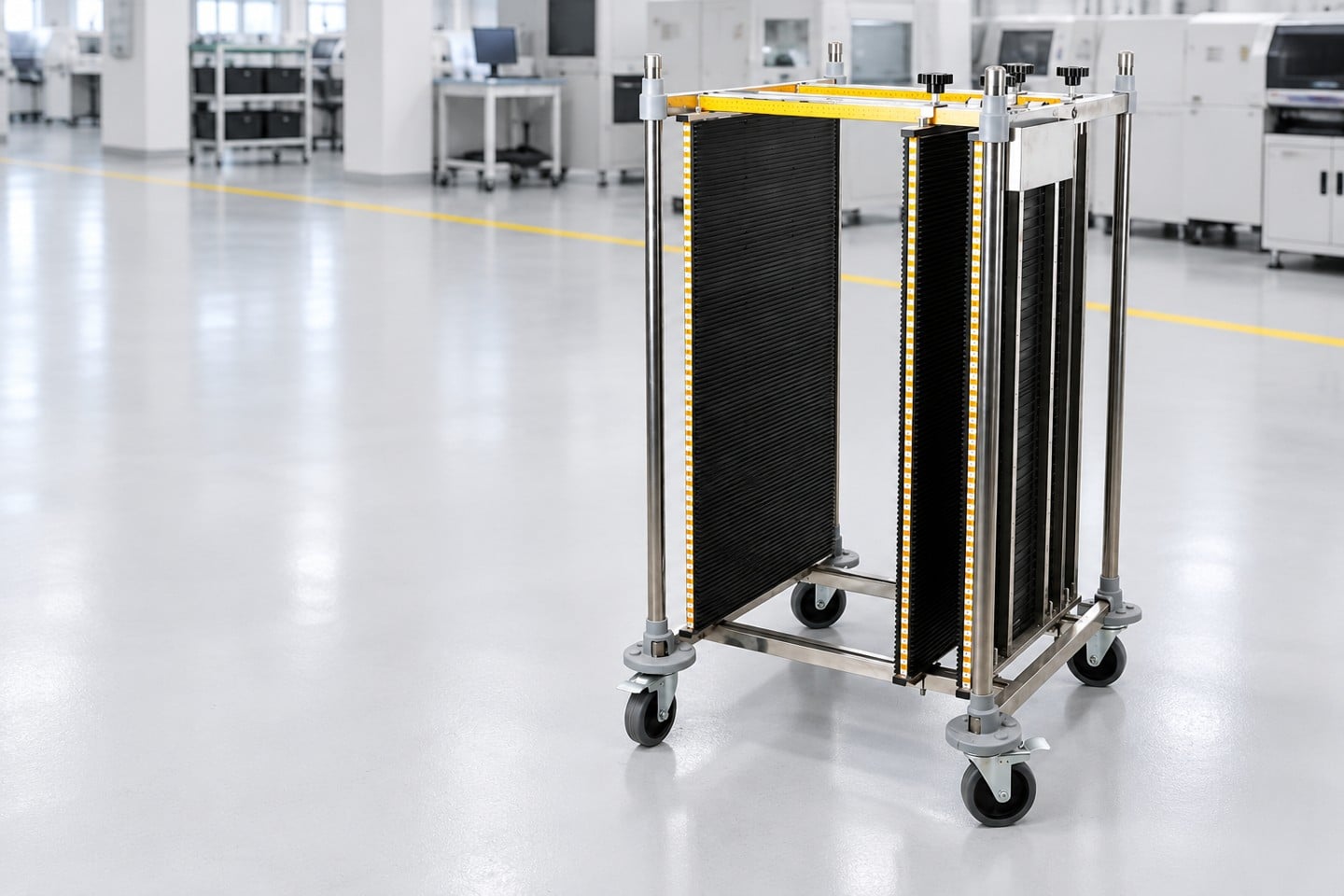
Plan PCB magazine trolley use for high-mix jobs with board-family fit checks, controlled changeovers, status handovers and acceptance evidence.
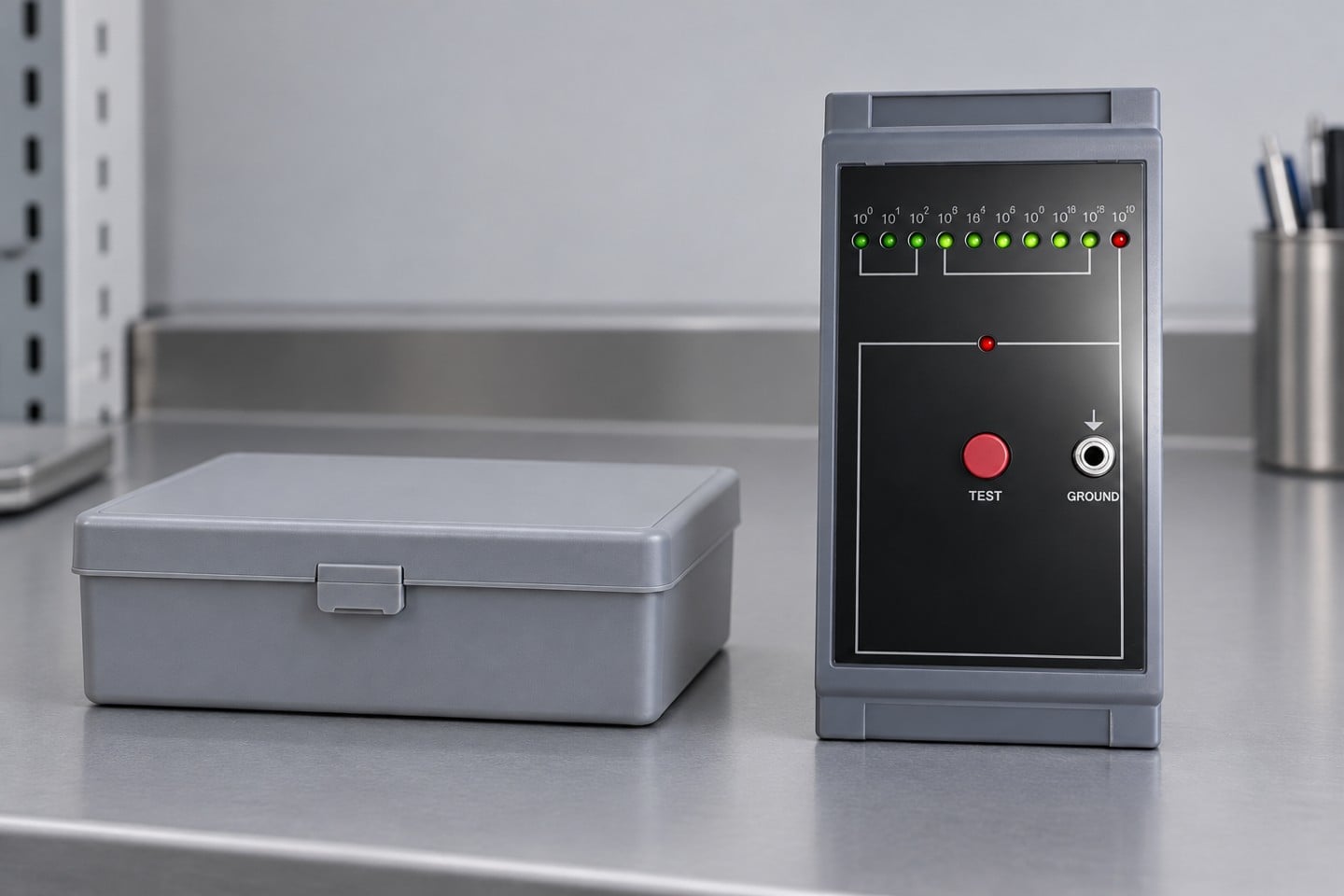
Control humidity comparisons in ESD surface-resistance testing with specimen conditioning, consistent methods, individual results and supplier evidence.
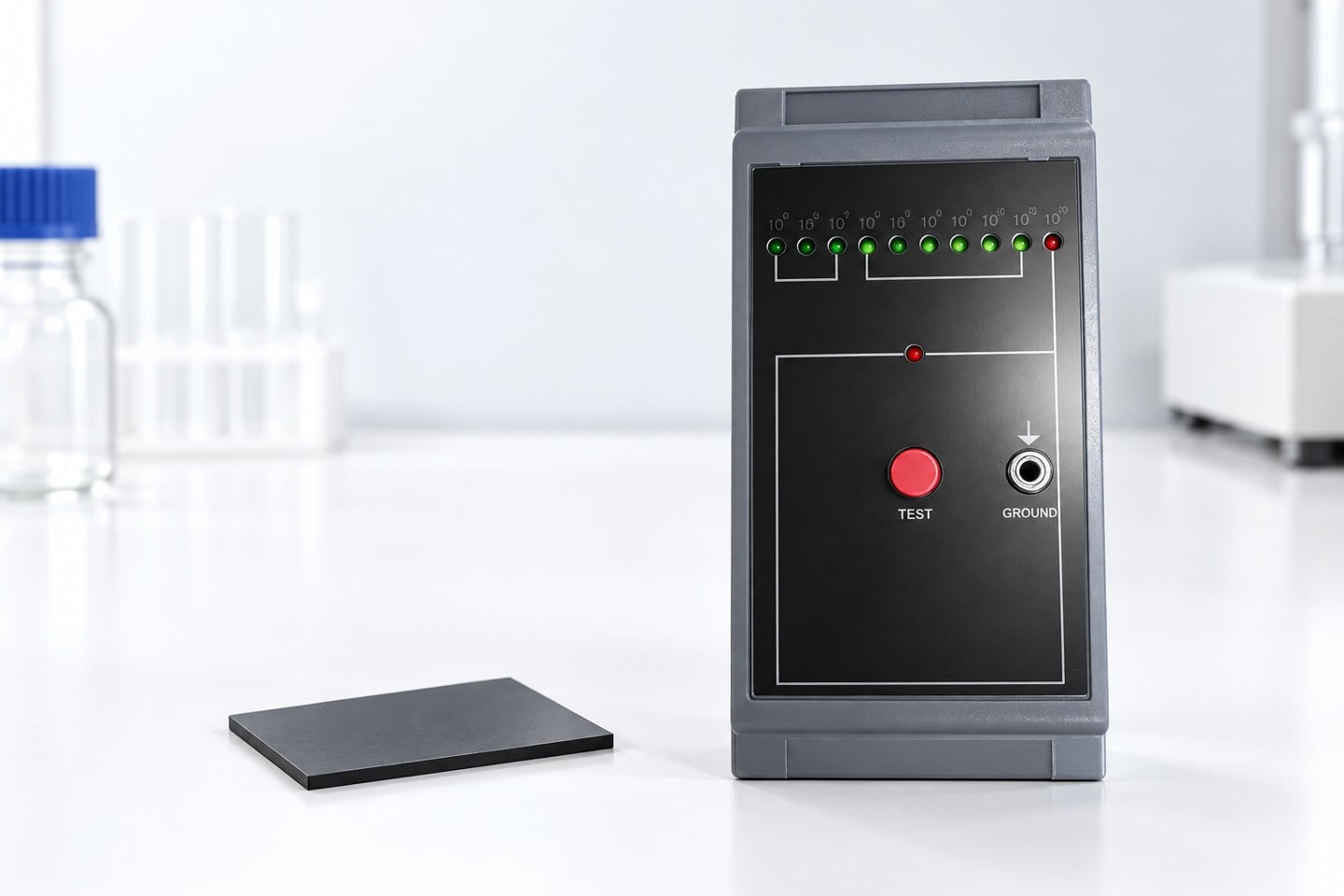
Compare two-point probes and concentric electrodes by measurement quantity, contact geometry, specimen limits and instrument compatibility.
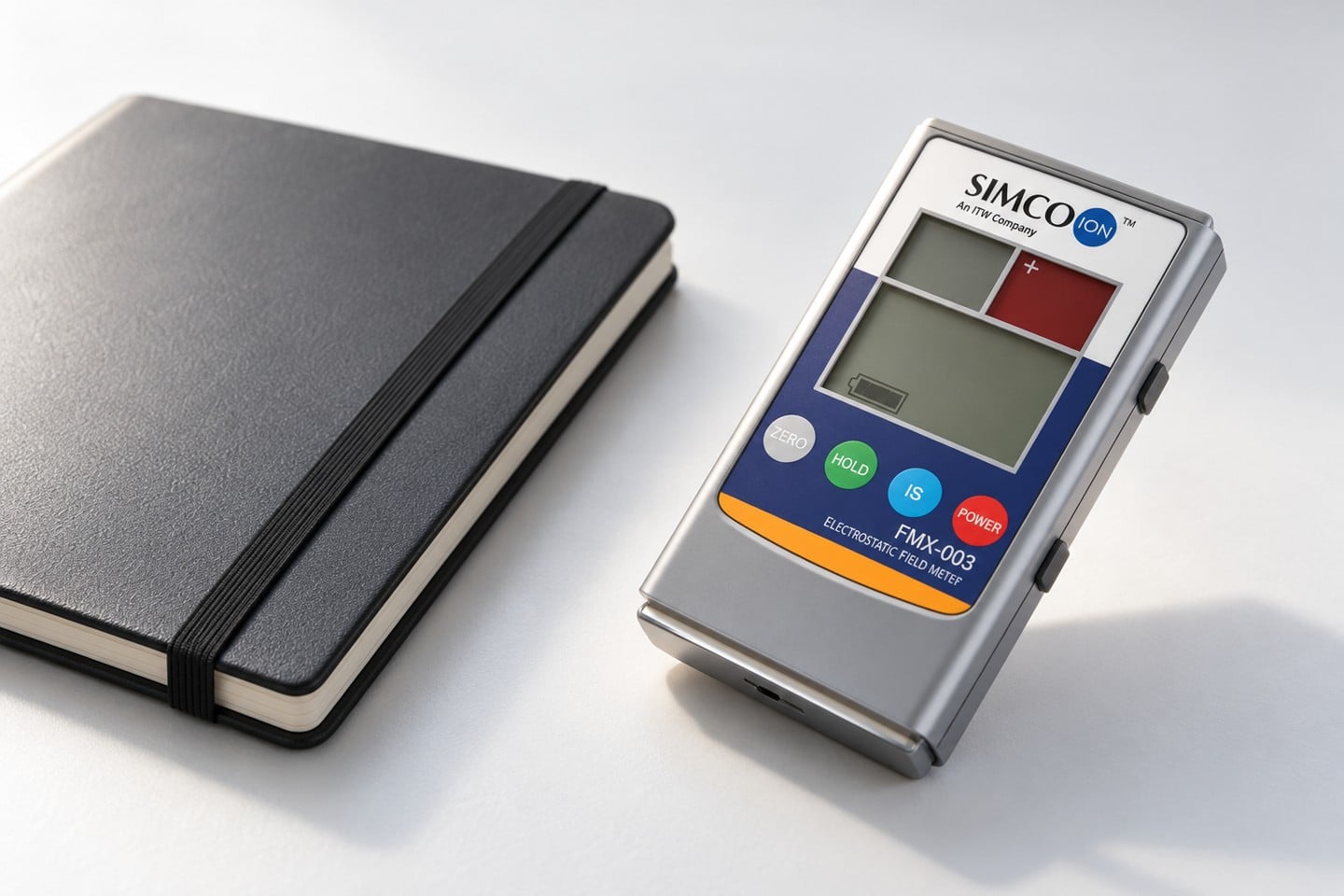
Plan electrostatic field meter checks between calibrations with controlled references, repeatable geometry, records and clear failure decisions.
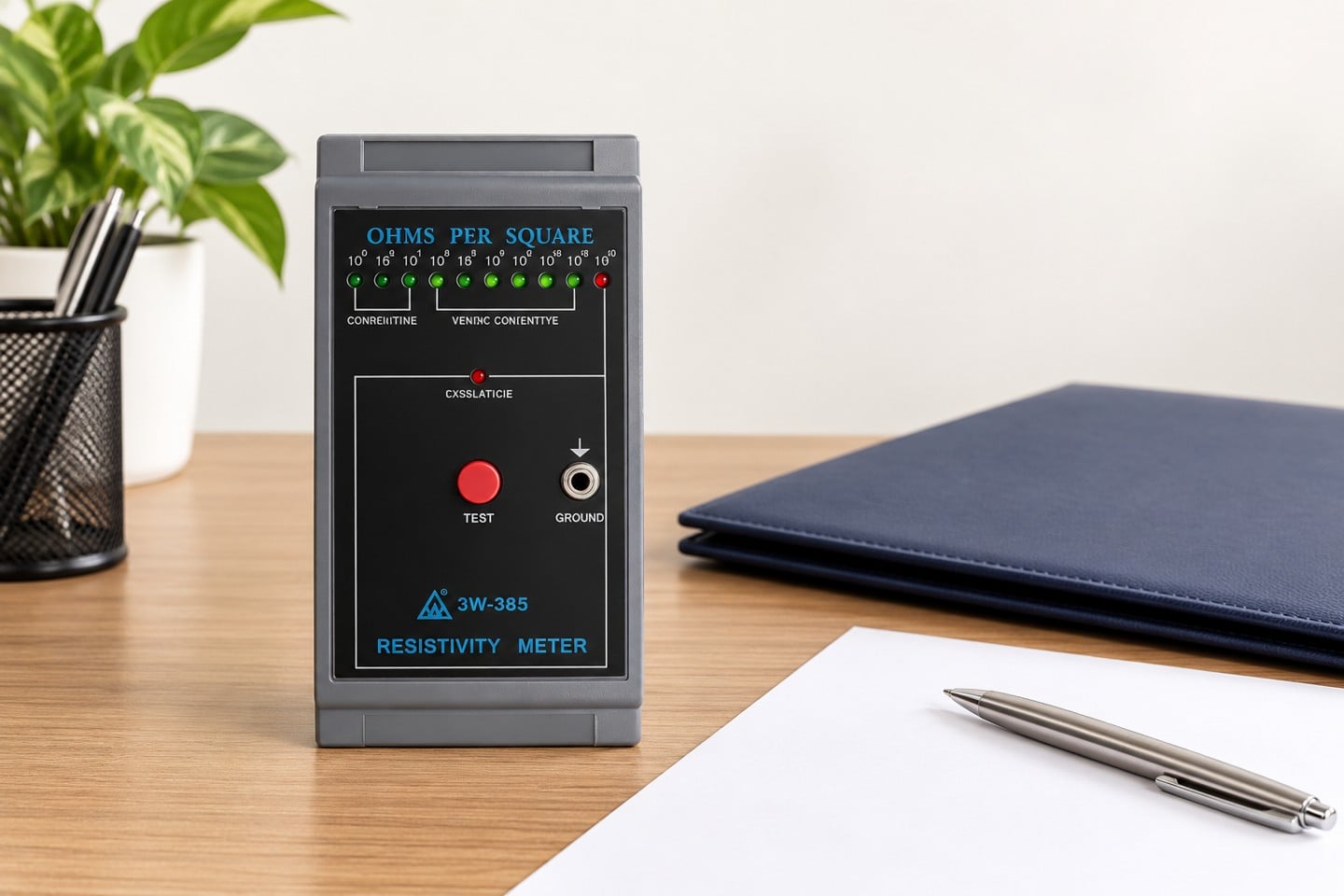
Review an ESD test report with sample identity, test scope, conditions, measurement evidence, acceptance rules and a practical procurement checklist.