- ターボ
- ブログ
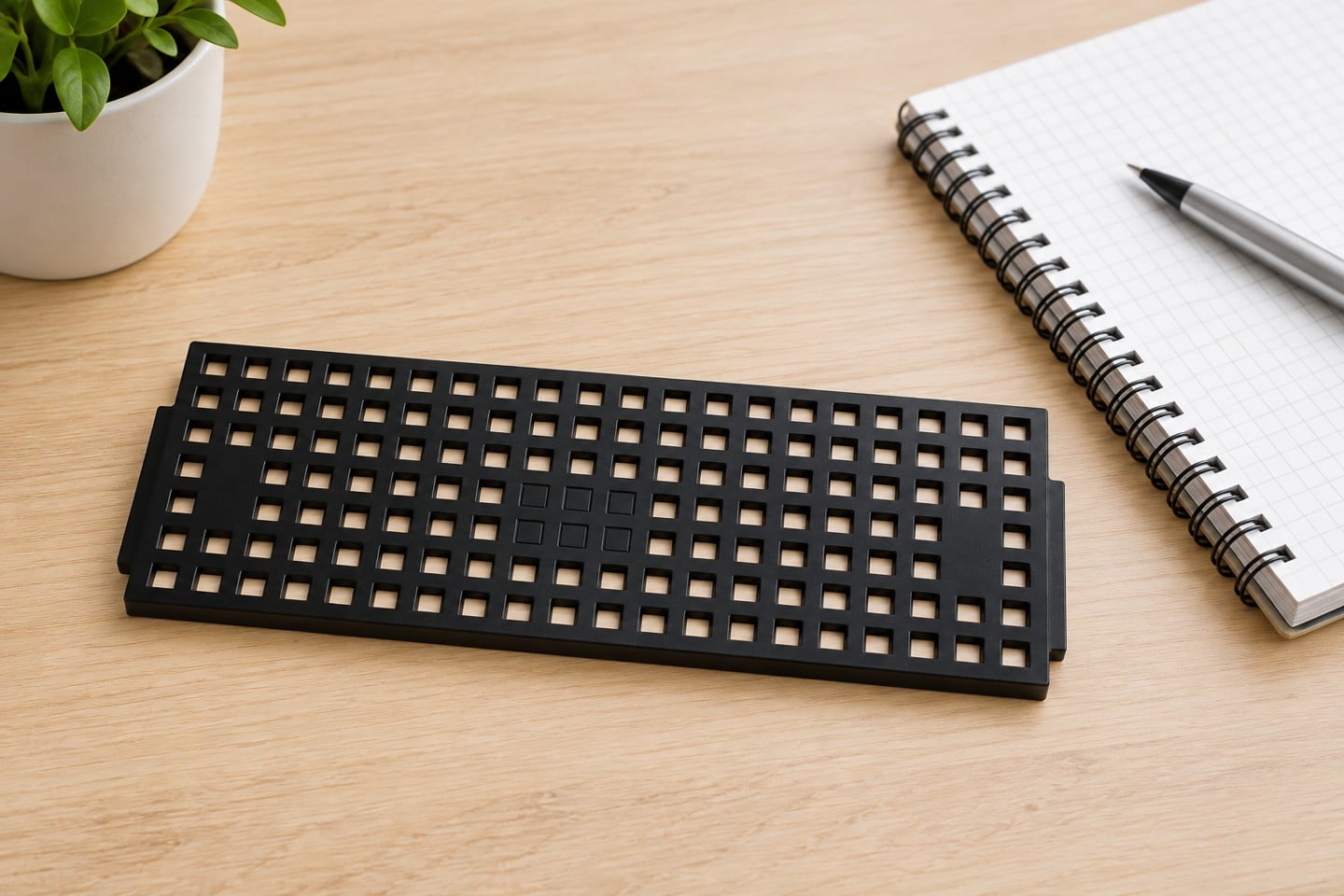
アン ESD pallet is a reusable logistics platform intended to move electrostatic-discharge-sensitive materials without introducing an uncontrolled packaging layer. Selection is not simply a choice between black and ordinary plastic. Buyers must define the ESD function, load case, deck and runner geometry, equipment interface, cleaning method, route outside or inside an ESD protected area, and the evidence required from the supplier. The pallet also works with boxes, trays, bags, stretch materials, racks, and lift equipment, so its performance cannot be judged in isolation. This guide provides a practical specification, qualification, incoming-inspection, and RFQ framework for electronics factories and warehouses.
Define the pallet’s role in the material route
Start by mapping every transfer from receiving to line-side use. Record whether sensitive devices are sealed in protective packaging, exposed in trays, or carried inside conductive containers. A pallet under closed shielding packages performs a different role from one carrying exposed assemblies inside an EPA. The required packaging boundary must remain intact during forklift pickup, staging, storage, and unpacking.
Also identify the uncontrolled portions of the route. A material described as conductive or dissipative does not automatically provide electrostatic shielding. NASA workmanship guidance treats transport, grounding, and protective packaging as coordinated controls. Define which layer supplies physical support, which limits charge generation, and which provides any required field shielding.

Separate ESD behavior from load performance
The electrical claim and the mechanical rating answer different questions. Ask for a declared test method, conditioning, test locations, acceptance criteria, and traceable results for the supplied material. Do not approve a pallet from color or resin name alone. Additives, contamination, wear, humidity, and production variation may affect measured behavior.
Mechanical qualification must address the real load: uniformly distributed cartons behave differently from point loads, drums, racks, or containers with small feet. Confirm static storage, dynamic handling, racking support, impact, deck deflection, runner integrity, and the intended lift direction with the responsible packaging engineer. Never copy an attractive load number from another pallet geometry.
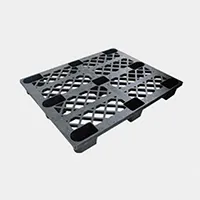
Match deck and runner geometry to equipment
Review pallet width, length, height, entry direction, fork opening, runner pattern, deck openings, edge lips, and nesting or stacking behavior. Check all forklifts, pallet jacks, conveyors, lifts, racks, and automated systems that will touch the pallet. Small dimensional differences can create unsafe fork engagement or unstable conveyor travel.
Closed decks can reduce the chance of small items falling through and may simplify some cleaning tasks, while open decks may reduce mass and improve drainage. The correct choice depends on contamination controls and the load. Ribbing, anti-slip features, rims, and retaining edges should be reviewed with the actual boxes or totes rather than from a catalogue image.
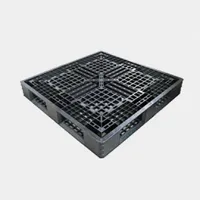
Control every layer above the pallet
An ESD pallet does not correct an uncontrolled load. Ordinary stretch film, insulating straps, nonqualified foam, loose labels, or damaged boxes can remain charge-generating materials near sensitive hardware. List each packaging layer and decide whether it is inside or outside the protection boundary.
Confirm how loads are bonded, grounded, enclosed, or separated where required by the facility control plan. If the pallet is used only as a mechanical carrier for closed protective packages, state that limitation. If it is expected to participate in a conductive path, verify contacts and interfaces in the loaded configuration rather than measuring an isolated clean surface.
Plan cleaning, inspection and retirement
Document an approved cleaning method and verify compatibility before release. Residue, dust, oils, and aggressive chemicals can change both handling and electrical behavior. Cleaners should not be adopted from a generic plastic-care procedure without checking the pallet material, workplace requirements, and ESD plan.
Create visual retirement criteria for cracked runners, excessive deck deformation, damaged lips, exposed sharp edges, embedded contamination, illegible identification, and repairs that change construction. Define the ESD retest interval from risk, use frequency, environment, historical variation, and the organization’s control program rather than assuming indefinite performance.
選定および資格審査表
| Route question | なぜそれが重要なのか | 請求する証拠 |
|---|---|---|
| Inside or outside an EPA? | Determines the protective packaging boundary | Route map and package configuration |
| What load and support pattern? | Controls deflection and structural risk | Load drawing and handling trial |
| Which handling equipment? | Controls fork entry and conveyor fit | Interface dimensions and trial |
| What ESD function is claimed? | Prevents vague “anti-static” approval | Test method, conditions and results |
| How is it cleaned and reused? | Affects contamination and lifecycle performance | Approved procedure and inspection criteria |
管理された初回試作トライアルを実施する
提案された本生産構造を代表する文書化されたサンプルを使用する。存在する場合には、現在承認されている品目と比較する。識別情報、リビジョン、サプライヤーロット、環境条件、設備、作業者、および観察結果を記録する。試行では、受け入れ、保管、準備、通常の使用、該当する場合は洗浄、および廃棄または返却を網羅する必要がある。品目が製品に損傷を与えたり、汚染を引き起こしたり、設備に干渉したり、ESDまたは安全手順に抵触したりした場合は、試行を中止する。.
合格基準を観察結果から分離すること。寸法、ラベリング、フィット感、出来栄え、材料の証拠、および機能的挙動には、それぞれ異なる確認が必要となる場合がある。量産を承認する前に乖離を解消し、管理図面、レポート、および承認サンプルを保管すること。材料の供給元、添加剤、接着剤、構造、金型、工程、または重要寸法に変更を加える前に、サプライヤーからの通知を必須とすること。.
受入検査と継続的管理
- 品目、図面改訂版、数量、サプライヤーロット、梱包ラベルを発注と突合してください。.
- 汚染、損傷、不良な仕上がり、不正確な寸法、および識別表示の欠落について検査してください。.
- 測定が必要な場合は、文書化された方法および校正済みの機器を使用して、合意されたサンプリングと検証を実施すること。.
- 色、におい、質感、ベタつき、フィット感、巻き、形状、または性能における説明のつかない変化が見られた場合は、隔離してください。.
- 受入記録を保管し、苦情や不具合を影響を受けたロットに紐付ける。.
- 製品、設備、経路、清掃方法、または管理計画に変更があった場合は、仕様を見直してください。.
バイヤー向けRFQチェックリスト
用途、保護境界、機器または部品のインターフェース、寸法と公差、材料構成、要求機能、試験方法と合格基準、清浄度および製造品質の要件、包装、表示、トレーサビリティ、サンプル数量、初期製品(ファースト・アーティクル)への期待、文書化、変更通知、および納入数量を明記してください。 SWESD anti-static logistics pallet product 現在表示されている商品タイプについて、そしてを使用する SWESD製品センター 関連する荷役機器と連携させるため。.
サプライヤーに対し、前提条件と例外事項をリストアップするよう依頼してください。未検証のカタログの記載を管理仕様書にそのまま転記することは避けてください。技術的限界、認証、およびコンプライアンスに関する表明事項については、実際に納入される品目および買い手の用途に照らし合わせて確認する必要があります。.
同じ条件でサンプルを比較する
有用な比較では、一度に1つの決定事項のみを変更します。各候補に対して、同じ代表部品、作業員、設備、経路、洗浄準備、観察期間を使用してください。レビュアーがサプライヤーの身元、リビジョン、テストの順序を混同しないようにサンプルにラベルを貼ってください。実用的な場合は、現在承認されている品目を基準として含めてください。正常な動作と、それを達成するために必要な作業(追加の調整、繰り返しの洗浄、より低速な取り扱い、作業員の介入など)の両方を記録してください。.
電気的、機械的、清潔度、商業的結論を1つの曖昧なスコアに統合してはならない。候補者は適合していても追跡可能な物体的証拠が欠けている場合や、強力な文書はあるが実機でのパフォーマンスが低い場合がある。安全性、ESD制御、製品保護、設備適合性、汚染、使いやすさ、文書化、およびライフサイクルコストについては、個別の合格基準を維持すること。重大な不合格事項は、高い平均スコアによって隠蔽されるのではなく、解決されるべきである。.
商業上の比較では、単なる1個あたりの価格ではなく、完了し受入られたプロセスのコストを使用すべきである。検査の手間、段取り替えの時間、廃棄、清掃、交換、ダウンタイムのリスク、返品の物流、文書化、および不均一なロッドの影響を含めるべきである。これらの要因は、耐用年数の主張を捏造することを正当化するものではなく、バイヤーが実際にコストを生み出す条件を測定する試行を設計するのに役立つ。.
関連するSWESD計画リソース
- planning combined trolley, box, and rack transport
- defining load requirements for ESD transport carts
- selecting the corrugated boxes used above a pallet
Educational video: Fundamentals of Electrostatic Discharge by Maxim Integrated
This electronics education video explains the discharge risk that an ESD logistics system is intended to control. The written guide remains complete without the video.
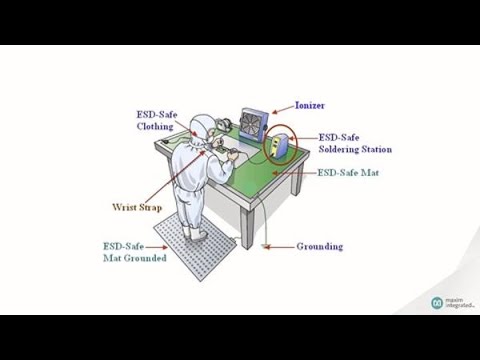
Open this video from Maxim Integrated on YouTube.
よくある質問
Is a black plastic pallet automatically ESD safe?
No. Color is not evidence. Approve the declared function using a relevant method, documented conditions, traceable results, and the supplied construction.
Can an ESD pallet replace shielding packaging?
Not automatically. A pallet can support controlled logistics, but shielding requirements must be met by a qualified packaging system for the actual route.
What should be tested first?
Confirm equipment fit and representative load behavior, then perform the agreed ESD verification at defined locations and conditions.
When should a pallet be retired?
Retire or quarantine it when structural damage, deformation, contamination, unauthorized repair, lost traceability, or failed verification violates the approved criteria.
信頼できる参考文献
最近の投稿
-
 ESDボックスの歪み検査:リリース前にフィット度を測定22 10月,2026
-
 JEDEC トレイ表面抵抗試験:ジオメトリ、接触、およびレポート22 10月,2026
-
 クリーンルーム用ワイプ用溶剤適合性:完全なワイプ処理プロセスを認定22 10月,2026
コメントを送信