- 터보
- 블로그
안 ESD pallet is a reusable logistics platform intended to move electrostatic-discharge-sensitive materials without introducing an uncontrolled packaging layer. Selection is not simply a choice between black and ordinary plastic. Buyers must define the ESD function, load case, deck and runner geometry, equipment interface, cleaning method, route outside or inside an ESD protected area, and the evidence required from the supplier. The pallet also works with boxes, trays, bags, stretch materials, racks, and lift equipment, so its performance cannot be judged in isolation. This guide provides a practical specification, qualification, incoming-inspection, and RFQ framework for electronics factories and warehouses.
Define the pallet’s role in the material route
Start by mapping every transfer from receiving to line-side use. Record whether sensitive devices are sealed in protective packaging, exposed in trays, or carried inside conductive containers. A pallet under closed shielding packages performs a different role from one carrying exposed assemblies inside an EPA. The required packaging boundary must remain intact during forklift pickup, staging, storage, and unpacking.
Also identify the uncontrolled portions of the route. A material described as conductive or dissipative does not automatically provide electrostatic shielding. NASA workmanship guidance treats transport, grounding, and protective packaging as coordinated controls. Define which layer supplies physical support, which limits charge generation, and which provides any required field shielding.

Separate ESD behavior from load performance
The electrical claim and the mechanical rating answer different questions. Ask for a declared test method, conditioning, test locations, acceptance criteria, and traceable results for the supplied material. Do not approve a pallet from color or resin name alone. Additives, contamination, wear, humidity, and production variation may affect measured behavior.
Mechanical qualification must address the real load: uniformly distributed cartons behave differently from point loads, drums, racks, or containers with small feet. Confirm static storage, dynamic handling, racking support, impact, deck deflection, runner integrity, and the intended lift direction with the responsible packaging engineer. Never copy an attractive load number from another pallet geometry.
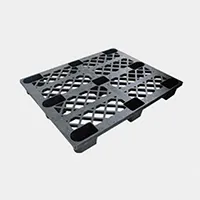
Match deck and runner geometry to equipment
Review pallet width, length, height, entry direction, fork opening, runner pattern, deck openings, edge lips, and nesting or stacking behavior. Check all forklifts, pallet jacks, conveyors, lifts, racks, and automated systems that will touch the pallet. Small dimensional differences can create unsafe fork engagement or unstable conveyor travel.
Closed decks can reduce the chance of small items falling through and may simplify some cleaning tasks, while open decks may reduce mass and improve drainage. The correct choice depends on contamination controls and the load. Ribbing, anti-slip features, rims, and retaining edges should be reviewed with the actual boxes or totes rather than from a catalogue image.
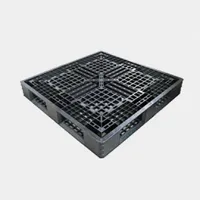
Control every layer above the pallet
An ESD pallet does not correct an uncontrolled load. Ordinary stretch film, insulating straps, nonqualified foam, loose labels, or damaged boxes can remain charge-generating materials near sensitive hardware. List each packaging layer and decide whether it is inside or outside the protection boundary.
Confirm how loads are bonded, grounded, enclosed, or separated where required by the facility control plan. If the pallet is used only as a mechanical carrier for closed protective packages, state that limitation. If it is expected to participate in a conductive path, verify contacts and interfaces in the loaded configuration rather than measuring an isolated clean surface.
Plan cleaning, inspection and retirement
Document an approved cleaning method and verify compatibility before release. Residue, dust, oils, and aggressive chemicals can change both handling and electrical behavior. Cleaners should not be adopted from a generic plastic-care procedure without checking the pallet material, workplace requirements, and ESD plan.
Create visual retirement criteria for cracked runners, excessive deck deformation, damaged lips, exposed sharp edges, embedded contamination, illegible identification, and repairs that change construction. Define the ESD retest interval from risk, use frequency, environment, historical variation, and the organization’s control program rather than assuming indefinite performance.
선정 및 자격 요건 표
| Route question | 그것이 왜 중요한가 | 요청할 증거 |
|---|---|---|
| Inside or outside an EPA? | Determines the protective packaging boundary | Route map and package configuration |
| What load and support pattern? | Controls deflection and structural risk | Load drawing and handling trial |
| Which handling equipment? | Controls fork entry and conveyor fit | Interface dimensions and trial |
| What ESD function is claimed? | Prevents vague “anti-static” approval | Test method, conditions and results |
| How is it cleaned and reused? | Affects contamination and lifecycle performance | Approved procedure and inspection criteria |
통제된 초도품 시험 생산을 실행하세요
제안된 양산 제조 공정을 나타내는 문서화된 샘플을 사용하십시오. 존재하는 경우 현재 승인된 품목과 비교하십시오. 식별 정보, 개정 번호, 공급업체 로트, 환경 조건, 장비, 작업자 및 관찰 내용을 기록하십시오. 시험에는 입고, 보관, 준비, 정상 사용, 해당되는 경우 세척, 그리고 폐기 또는 반품이 포함되어야 합니다. 해당 품목이 제품에 손상을 주거나, 오염을 유발하거나, 장비에 지장을 주거나, ESD 또는 안전 절차와 저촉되는 경우 시험을 중단하십시오.
합격 기준을 관찰 결과와 분리하십시오. 치수, 라벨링, 적합성, 제작 완성도, 자재 증거, 기능적 거동은 서로 다른 검토가 필요할 수 있습니다. 양산 수량을 승인하기 전에 편차를 해결하고, 제어 도면, 보고서 및 승인 샘플을 보관하십시오. 자재 공급원, 첨가제, 접착제, 구조, 금형, 공정 또는 주요 치수의 변경 전에 공급업체 통지를 요구하십시오.
수입검사 및 진행 중 관리
- 품목, 도면 개정 번호, 수량, 공급업체 로트 번호, 포장 라벨을 주문서와 대조하세요.
- 오염, 손상, 불량한 제작 상태, 잘못된 치수, 누락된 식별 표시를 검사하십시오.
- 측정이 필요한 경우, 문서화된 방법과 교정된 장비를 사용하여 합의된 시료 채취 및 검증을 수행하십시오.
- 색상, 냄새, 질감, 끈적임, 치수, 권취(와인딩), 형상 또는 성능의 설명할 수 없는 변화는 격리하십시오.
- 인수 기록을 유지하고 불만 사항이나 고장을 해당 로트에 연결하십시오.
- 제품, 장비, 경로, 세척 방법 또는 관리 계획이 변경될 때 시방서를 검토하십시오.
구매자를 위한 견적요청서(RFQ) 체크리스트
용도, 보호 경계, 장비 또는 부품 인터페이스, 치수 및 공차, 재질 구조, 요구 기능, 시험 방법 및 합격 기준, 청결도 및 제작 기술 요구사항, 포장, 라벨링, 추적성, 시료 수량, 초도품 기대치, 문서화, 변경 통지, 납품 수량을 명시하십시오. 다음을 참조하십시오: SWESD anti-static logistics pallet product 현재 표시된 제품 유형에 대해 그리고 사용하세요 SWESD 제품 센터 관련 취급 장비와 연동하기 위하여.
공급업체에 가정 사항과 예외 사항을 나열해달라고 요청하십시오. 검증되지 않은 카탈로그 주장을 통제된 시양서에 그대로 복사하는 것을 피하십시오. 기술적 한계, 인증, 그리고 규정 준수 진술은 실제 공급된 품목과 구매자의 용도에 비추어 검토되어야 합니다.
동일한 조건에서 샘플들을 비교하세요
유용한 비교는 한 번에 하나의 결정만 변경합니다. 각 후보에 대해 동일한 대표 부품, 작업자, 장비, 경로, 세척 준비 및 관찰 기간을 사용하십시오. 검토자가 공급업체 신원, 리비전 또는 테스트 순서를 혼동하지 않도록 시료에 레이블을 부착하십시오. 실용적인 경우, 현재 승인된 품목을 기준선으로 포함하십시오. 성공적인 동작과 추가 조정, 반복된 세척, 느린 취급 또는 작업자 개입과 같이 이를 달성하는 데 필요한 작업을 모두 기록하십시오.
전기적, 기계적, 청결도, 상업적 결론을 하나의 모호한 점수로 통합하지 마십시오. 후보자는 적합하지만 추적 가능한 물증이 부족하거나, 문서는 강력하지만 장비 성능이 저조할 수 있습니다. 안전, ESD 제어, 제품 보호, 장비 호환성, 오염, 사용성, 문서화 및 수명 주기 비용에 대해 각각 별도의 합격 기준을 유지하십시오. 어떠한 치명적 결함(하드 패러)도 높은 평균 점수에 가려지지 않고 해결되어야 합니다.
상업적 비교는 개당 가격뿐만 아니라 완료 및 수락된 공정의 비용을 사용해야 합니다. 검사 노력, 교체 시간, 폐기물, 세척, 교체, 가동 중단 위험, 반품 물류, 문서화, 그리고 불일치하는 로트의 영향을 포함하십시오. 이러한 요소들은 수명 주기에 대한 주장을 조작하는 것을 정당화하지 않으며, 구매자가 실제로 비용을 발생하는 조건을 측정하는 테스트를 설계하는 데 도움을 줍니다.
관련 SWESD 계획 리소스
- planning combined trolley, box, and rack transport
- defining load requirements for ESD transport carts
- selecting the corrugated boxes used above a pallet
교육용 비디오: 맥심 인테그레이티드의 정전기 방전 기초
This electronics education video explains the discharge risk that an ESD logistics system is intended to control. The written guide remains complete without the video.
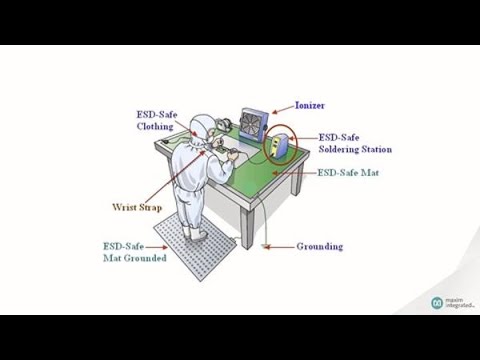
YouTube에서 Maxim Integrated의 이 동영상을 엽니다..
자주 묻는 질문
Is a black plastic pallet automatically ESD safe?
No. Color is not evidence. Approve the declared function using a relevant method, documented conditions, traceable results, and the supplied construction.
Can an ESD pallet replace shielding packaging?
Not automatically. A pallet can support controlled logistics, but shielding requirements must be met by a qualified packaging system for the actual route.
What should be tested first?
Confirm equipment fit and representative load behavior, then perform the agreed ESD verification at defined locations and conditions.
When should a pallet be retired?
Retire or quarantine it when structural damage, deformation, contamination, unauthorized repair, lost traceability, or failed verification violates the approved criteria.
공신력 있는 참고 문헌
최근 게시물
-
 ESD 박스 변형 검사: 출시 전 적합성 측정22 10월, 2026
-
 JEDEC 트레이 표면 저항 테스트: 기하학, 접촉 및 보고22 10월, 2026
-
 클린룸용 닦음용 용제 호환성: 완전한 닦음 프로세스 인증22 10월, 2026
댓글 남기기