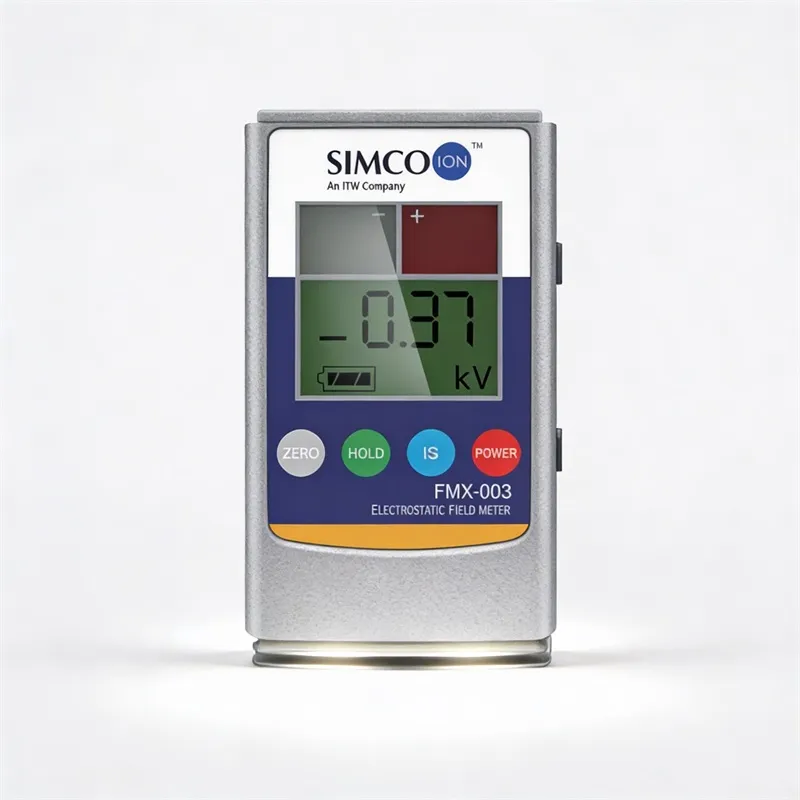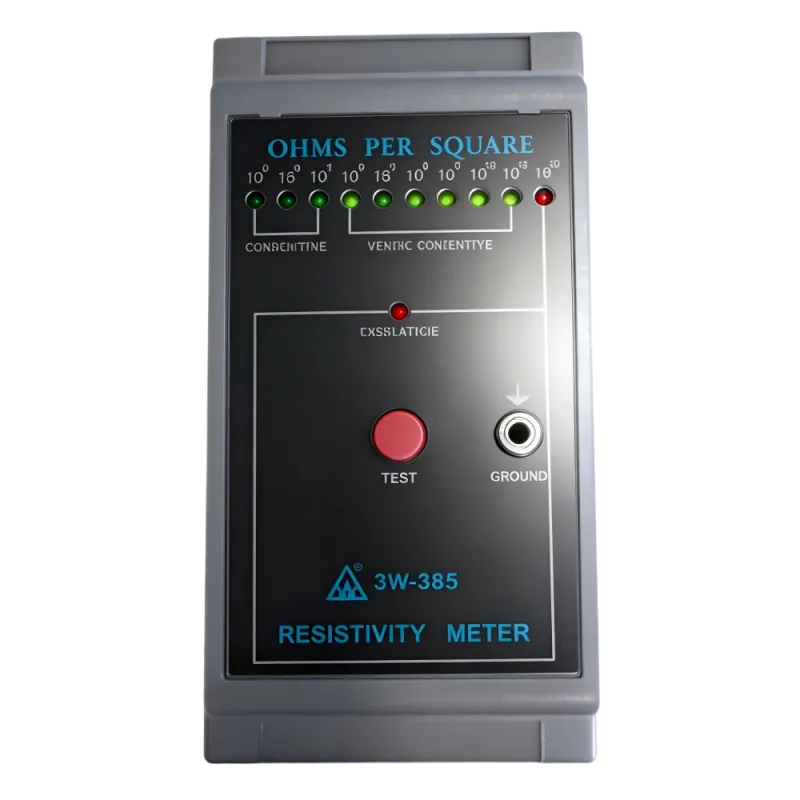
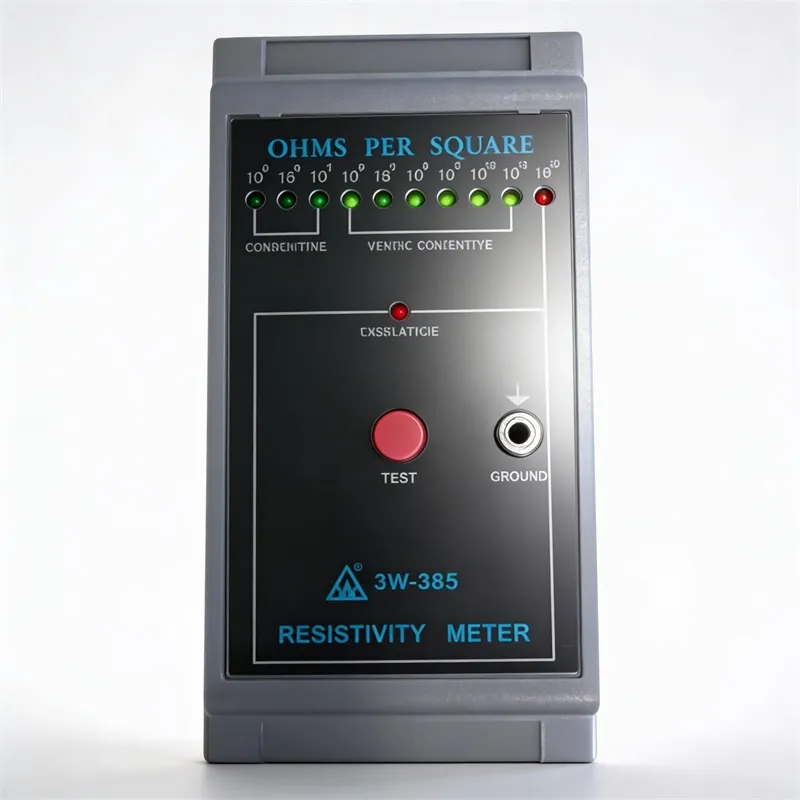
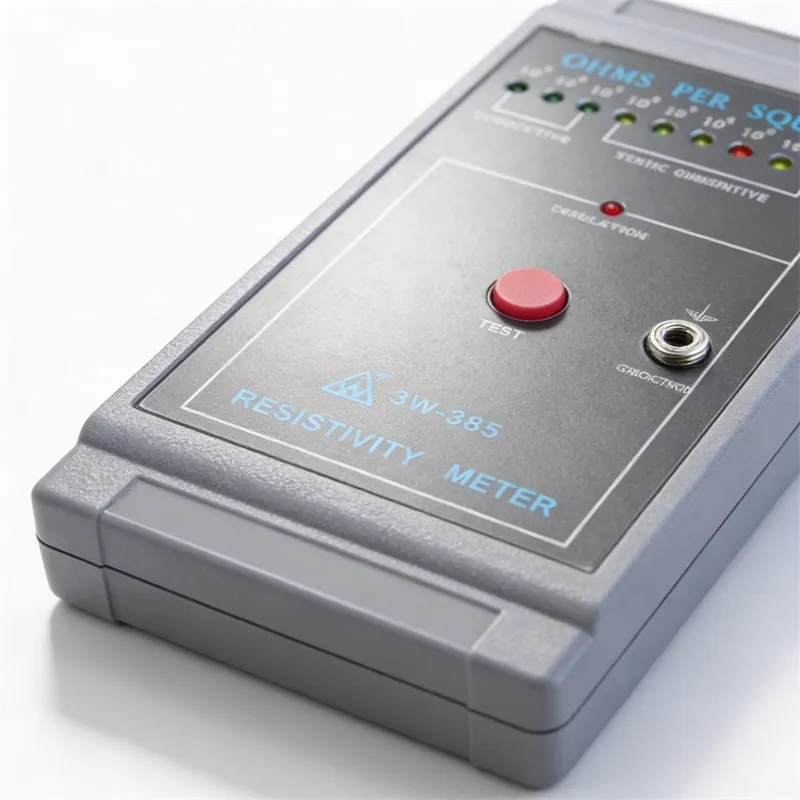
Surface Resistance Tester Handheld ESD Resistivity Measuring Instrument
Aperçu
La testeur de résistance de surface (also referred to as an Testeur de résistance de surface ESD or surface resistivity tester) is a dedicated measurement instrument designed to accurately determine the surface resistance value of materials, thereby evaluating their conductive properties, static dissipative capability, and insulating characteristics.
Working Principle and Core Technology
The surface resistance tester operates on the principle of DC voltage resistance measurement. It applies a known voltage to the surface of the material under test and measures the resulting current flowing across the surface. The resistance value is then calculated according to Ohm’s law. Most modern instruments offer two test voltages – 10 V and 100 V – with automatic range switching: for example, when the resistance is ≥1×10⁶ Ω, the instrument applies 100 V; when the resistance lies between 1×10⁴ Ω and 1×10⁶ Ω, it uses 10 V. This ensures optimal measurement accuracy across different material types.
Wide Measurement Range and Precision Classification
A high‑quality surface resistance tester typically covers a broad measurement range from 10³ Ω to 10¹² Ω, making it suitable for testing everything from conductive materials to insulators. Different models feature various display methods – some use LED indicators to visually show the resistance range: green for conductive (10³–10⁶ Ω), yellow for static‑dissipative (10⁷–10¹¹ Ω), and red for insulative (≥10¹² Ω). Others employ LCD or OLED digital displays for more precise numeric readings. Measurement accuracy generally reaches ±10 %, with high‑end models achieving up to ±0.5 order of magnitude.
Flexible Test Methods and Electrode Configurations
La surface resistivity test method complies with multiple international standards, including ASTM D257, IEC 62631‑3‑2, et GB/T 1410. To accommodate diverse testing scenarios, a surface resistance tester is usually equipped with or offers optional electrodes: parallel electrodes for rapid screening, weighted electrodes (2.27 kg or 2.5 kg) for point‑to‑point surface resistance measurement, concentric ring electrodes for surface resistivity testing in accordance with EOS/ESD S11.11, and two‑point electrodes for small‑area measurements. The dimensions, contact pressure, and material of these electrodes are specified by the relevant standards to ensure consistency and repeatability of test results.
Multi‑Scenario Applications and Industry Value
Surface resistivity testing plays an indispensable role across various industries:
-
Fabrication électronique – inspecting the surface resistance of anti‑static workstations, ESD flooring, and packaging materials to safeguard the production environment.
-
Semiconductor and precision instrumentation – testing wafer carriers, PCB protective coatings, and containers for static‑sensitive devices to prevent electrostatic damage.
-
Laboratories and R&D – studying the static performance of new materials and characterising their surface resistivity.
-
Warehousing and logistics – verifying the resistance of ESD trays, tote boxes, and shipping tubes to avoid electrostatic discharge during storage and transport.
-
Medical and aerospace – measuring the surface resistance of equipment housings and operating tables to ensure user safety and operational reliability.
Portable Design and Smart Features
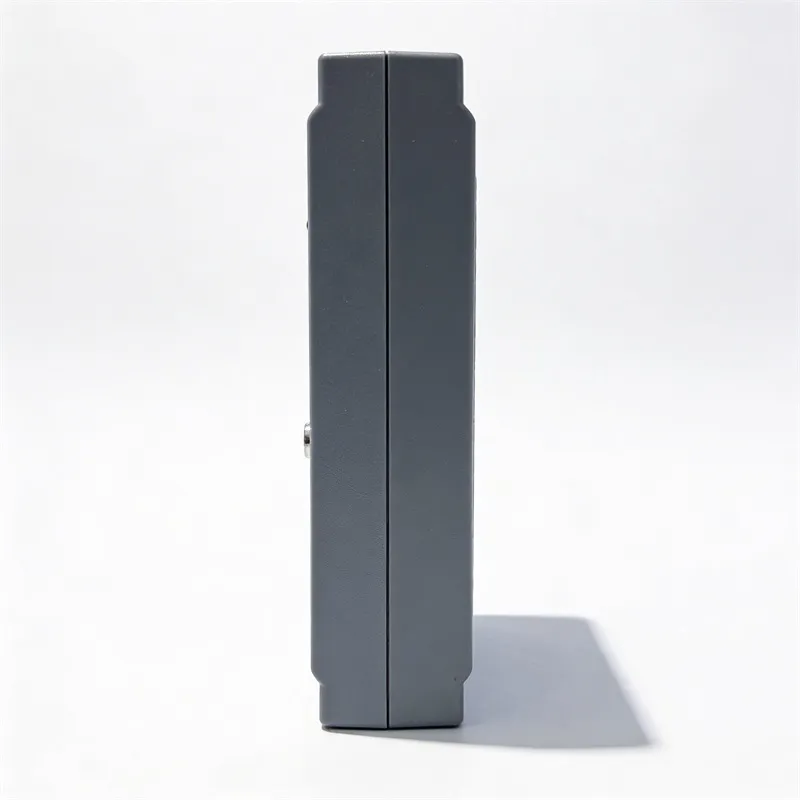
Modern surface resistance testers are typically designed to be compact and lightweight (often 120–170 g), allowing for easy on‑site testing. Many models also incorporate data logging and transfer capabilities – exporting data via USB, generating comprehensive test reports with companion software, and some advanced versions even storing up to 50,000 measurement records. Built‑in environmental temperature and humidity sensors further enhance traceability, ensuring that every test is performed under documented conditions.
Spécification technique
| Plage de mesure | 10³-10¹² Ω |
| Exactitude | ±0,5 |
| Taille (L×l×H) | 70*27*130mm |
| Poids | 0,14 G |
| Alimentation électrique | 9V |
Capacité de fabrication ESD de classe mondiale
En vous approvisionnant auprès de Sanwei, vous vous associez directement à un fabricant OEM/ODM leader de l'industrie. Nous exploitons un site de pointe Installation de production intégrée de plus de 70 000 m² dans le parc industriel central de Yueqing, dans le Zhejiang, en gérant chaque processus, de la formulation des matériaux propriétaires au moulage final de produits de haute précision.
Échelle intégrée
Base de production avancée de plus de 70 000 m² équipée de machines de moulage par injection de haute précision pour charges lourdes afin de traiter les commandes en gros avec des délais stables.
Contrôle de bout en bout
Maîtrise interne complète couvrant la R&D de matériaux antistatiques propriétaires, l'ingénierie des moules structurels, la fabrication automatisée et la livraison logistique mondiale rapide.
Inspection rigoureuse
Des contrôles rigoureux des matières premières, associés à des mesures multipoints de la résistivité de surface effectuées sur la chaîne de production, garantissent la conformité du 100% aux directives des normes internationales en matière d'ESD.
Antistatique Produits et Solutions
Fournir une protection électrostatique complète tout au long de votre cycle de fabrication et d'exploitation.
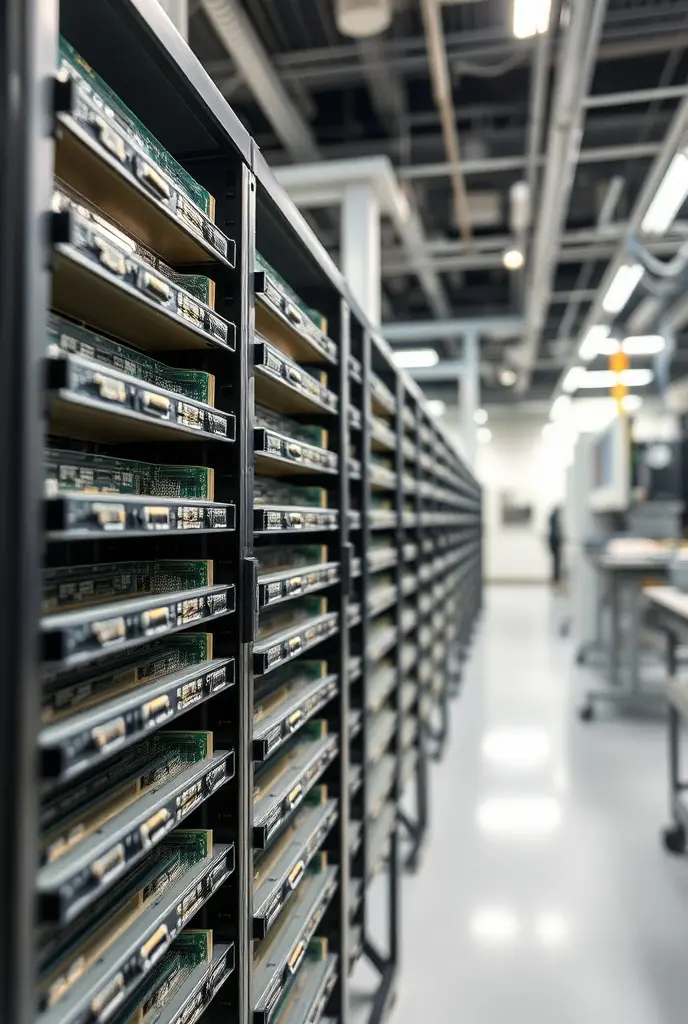
Matériel SMT
Boîtes et racks antistatiques pour lignes automatisées.

Stockage et Logistique
Chariots de manutention, étagères, boîtes, plateaux et conteneurs de composants.
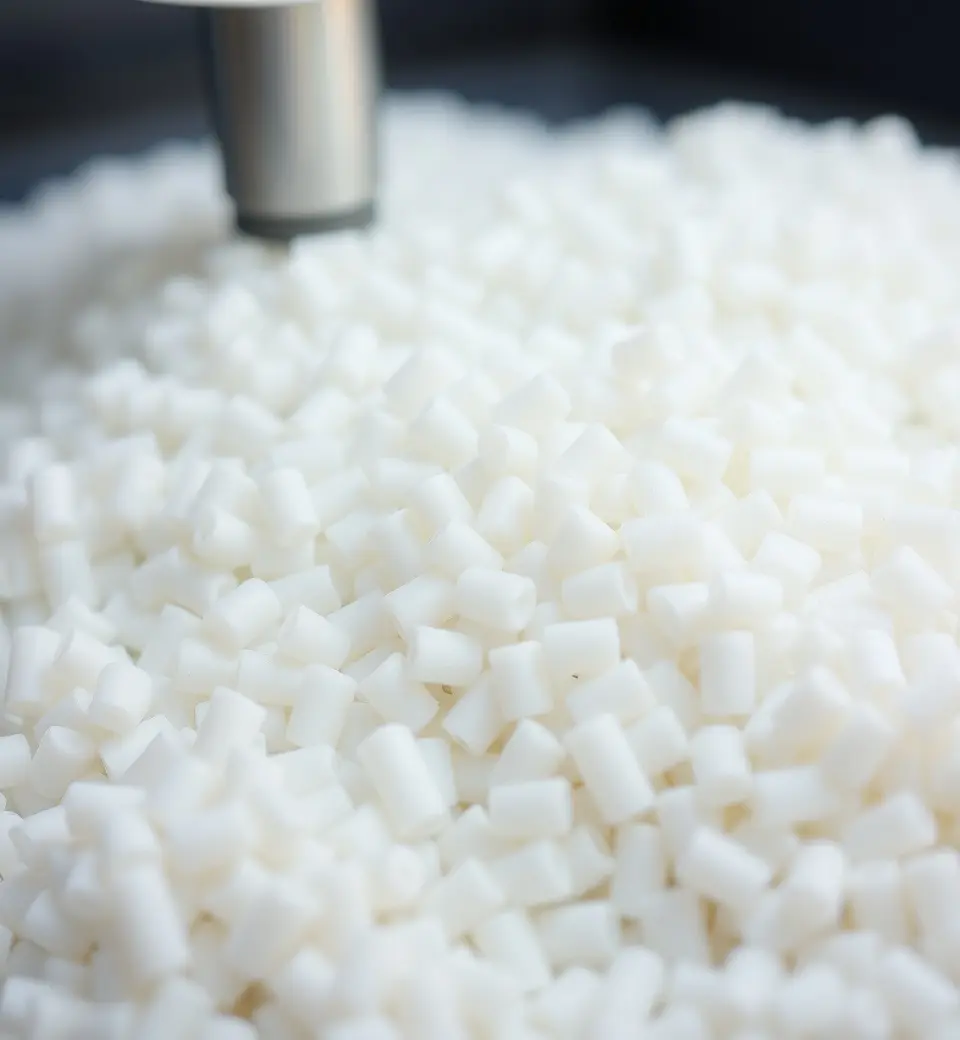
Poste de travail & EPI
Chaises antistatiques, tapis, bracelets antistatiques et protection personnelle.
Développement personnalisé
Développement de moules sur mesure et matériaux antistatiques spéciaux.
NOS AVANTAGES OEM/ODM

R&D Avancé & Innovation en Matériaux
Matériaux antistatiques développés en interne bénéficiant de brevets d'invention nationaux et d'une résistance à la chaleur allant jusqu'à 200 °C. Nous ne faisons pas que mouler, nous formulons des composés.

Capacité de production à grande échelle
Usine de 30 000 m² dotée de systèmes complets de moulage par injection, de granulation et de traitement auxiliaire pour un approvisionnement stable et efficace.

Personnalisation complète du processus
Résistivité du matériau, couleur, taille, logo, emballage et certifications — personnalisables pour répondre aux normes CEI 61340-5-1, ANSI/ESD S20.20 ou militaires.

Qualité Certifiée & Conformité Globale
“Sanwei a développé avec succès des plateaux sur mesure résistants aux hautes températures, de couleur naturelle propre, pour notre chaîne d'assemblage de semi-conducteurs, remplaçant ainsi des produits importés, garantissant une excellente sécurité ESD et répondant aux exigences élevées de propreté de l'atelier.”
LA CONFIANCE DES LEADERS MONDIAUX DU FORTUNE 500
Nos solutions ESD propriétaires sont déployées dans des usines de production d'élite du monde entier, notamment : Intel, Motorola, Siemens, IBM, Panasonic, Nokia et Dell.
Vous recherchez des tailles sur mesure ou des tarifs de gros ?
Soutenue par notre solide équipe interne de R&D, Sanwei propose des options complètes d'OEM/ODM adaptées à vos lignes de production SMT ou à la disposition de votre entrepôt. Contactez nos spécialistes dès aujourd'hui pour des moules sur mesure, un code couleur ou un conseil en stockage 5S intégré.
Foire aux questions (FAQ)
1. What is the standard for surface resistivity?
The primary standards for measuring surface resistivity are ASTM D257 et IEC 62631-3-2. ASTM D257 is a key standard that details techniques for measuring both surface and volume resistivity using a guarded electrode system. IEC 62631-3-2 serves as the international equivalent.
2. What is surface insulation resistance?
Surface Insulation Resistance (SIR) is a measure of the electrical resistance across the surface of an insulating material between two conductors. It is a key indicator of a material’s ability to resist electrical leakage and electrochemical failures, especially under humid conditions.
3. What equipment is used to test insulation resistance?
The most common equipment used to test insulation resistance is an insulation resistance tester, often generically called a Megger. These are portable, high-range resistance meters (ohmmeters) with a built-in DC generator that provide direct readings of insulation resistance.
4. What is the surface insulation resistance test?
La surface insulation resistance test is a method used to measure the resistance across a material’s surface. It’s a non-destructive test often used to evaluate the reliability of electronic assemblies. The test typically involves measuring the resistance between two comb-shaped electrodes on a test board under controlled conditions.
5. What is the surface resistance instrument?
A surface resistance instrument (or tester) is a device used to measure the electrical resistance directly on the surface of a material. It expresses resistance in ohms (Ω) and is commonly used for field audits of ESD workstations, mats, and floors to determine if materials are conductive or static dissipative.