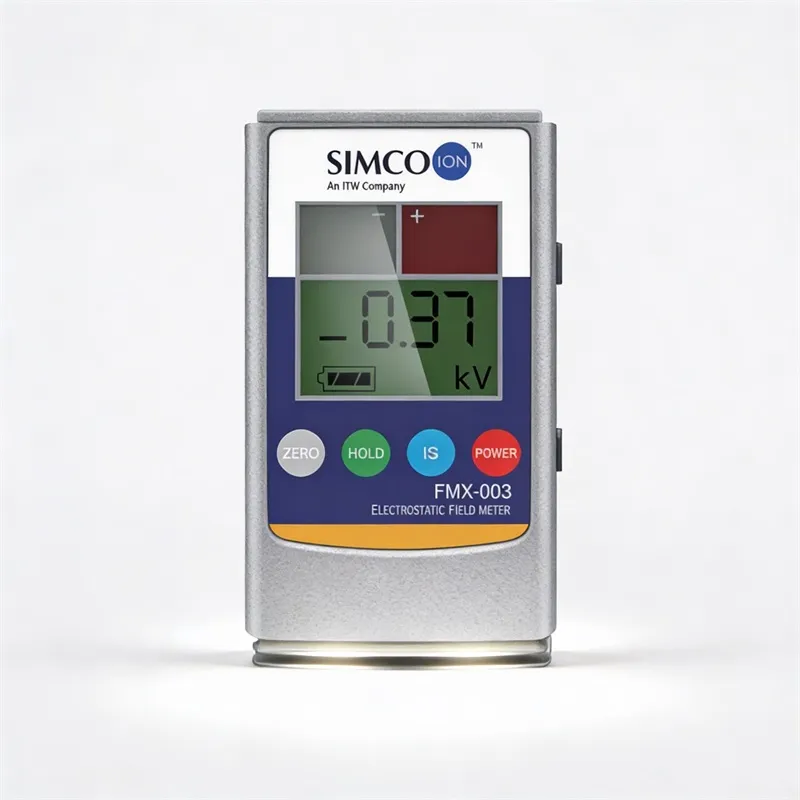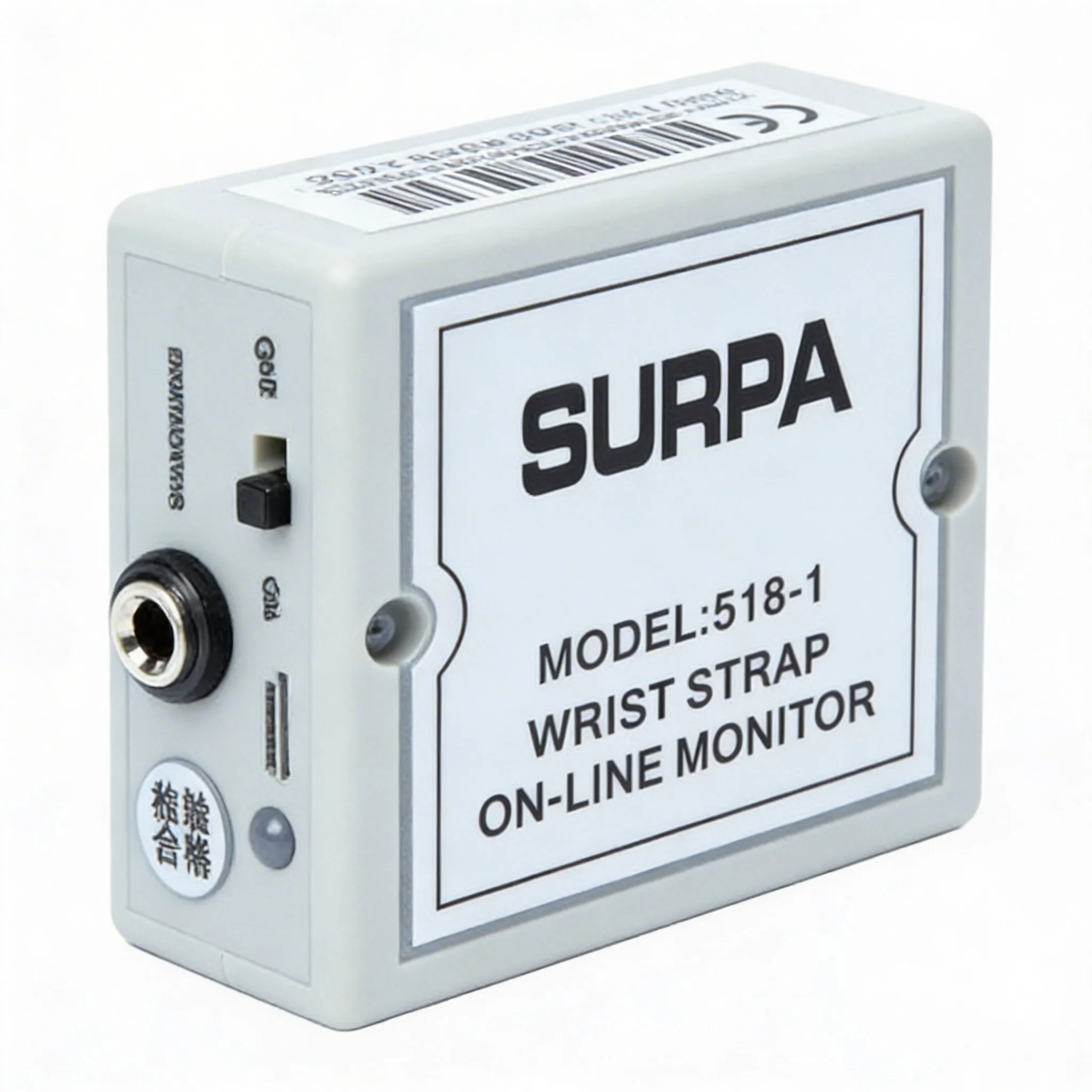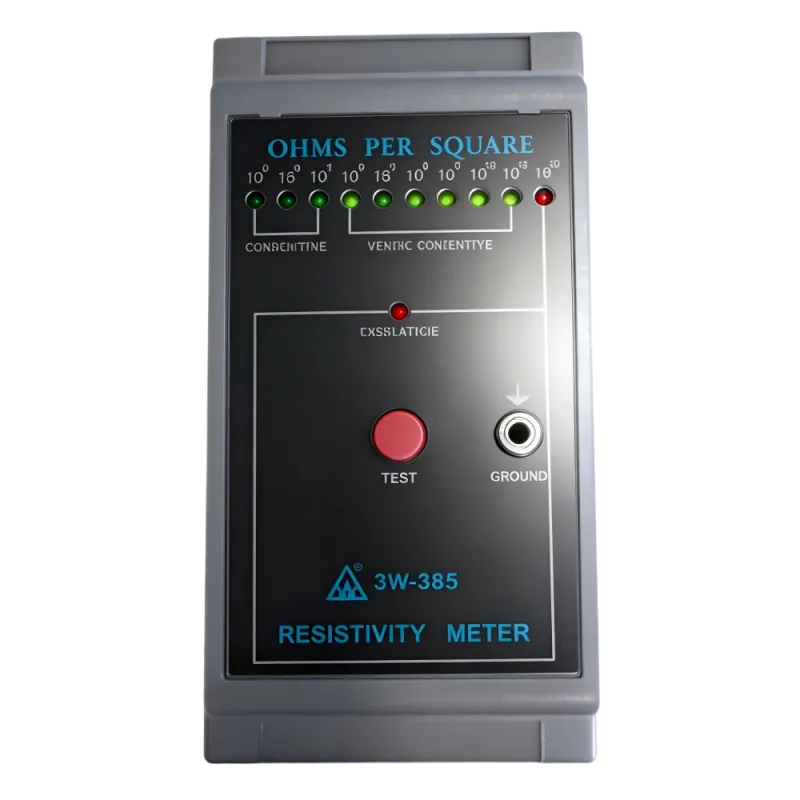
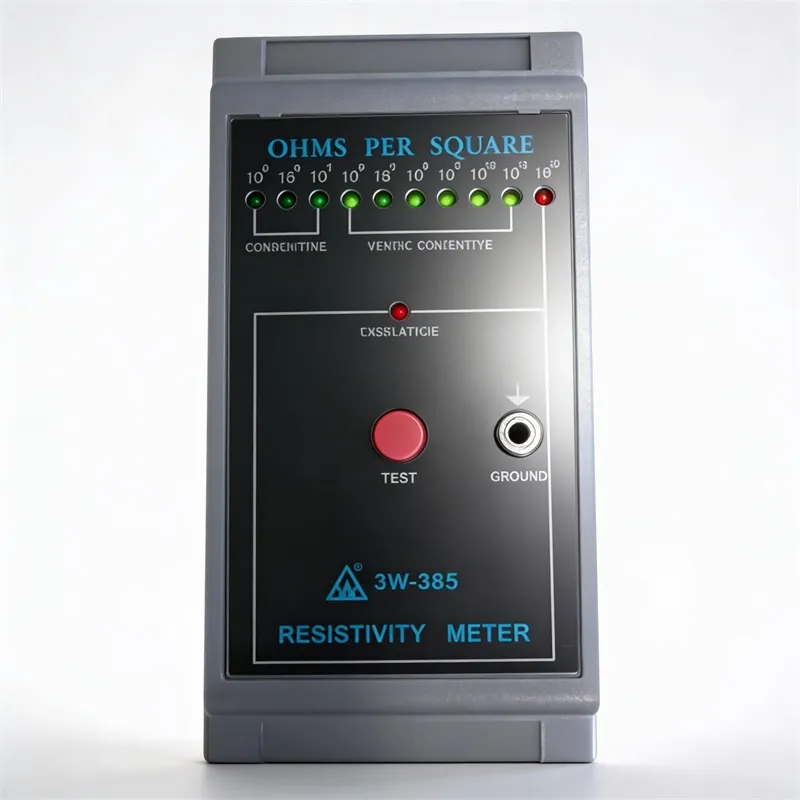
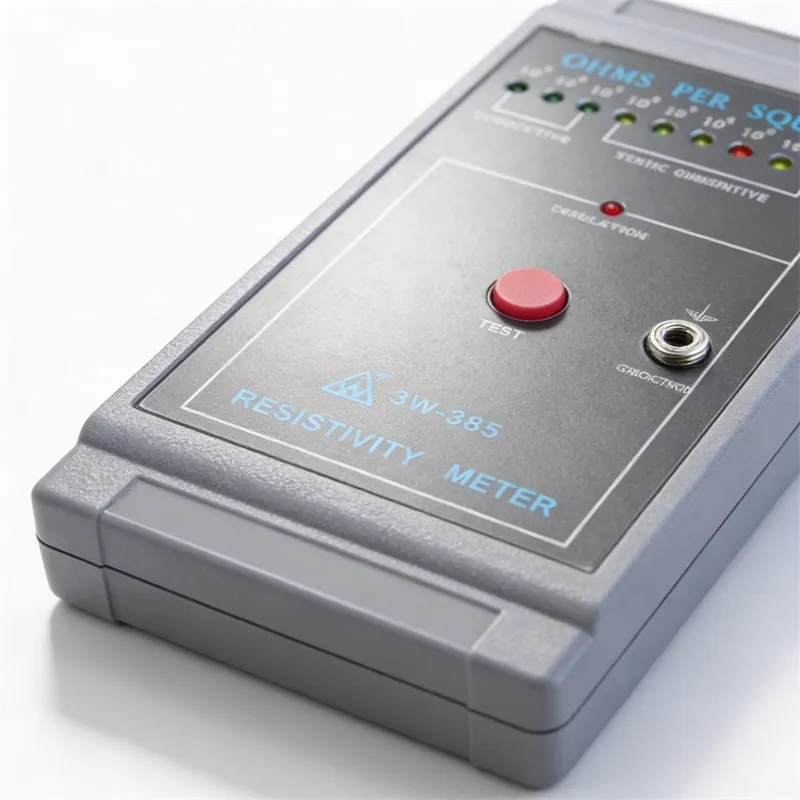
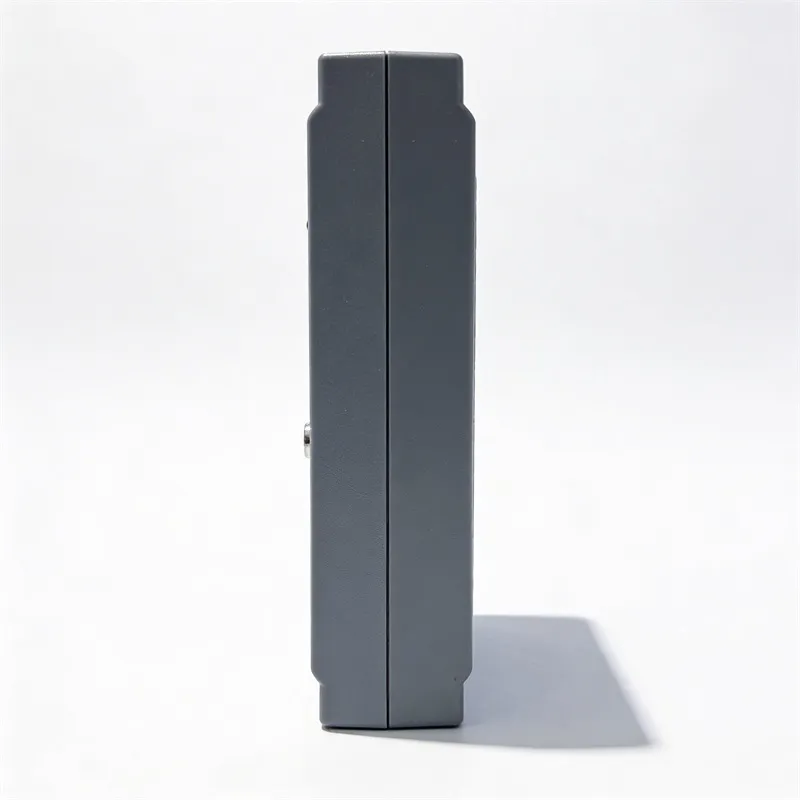
Surface Resistance Tester Handheld ESD Resistivity Measuring Instrument
Обзор
Земля тестер поверхностного сопротивления (also referred to as an Тестер поверхностного сопротивления ESD or surface resistivity tester) is a dedicated measurement instrument designed to accurately determine the surface resistance value of materials, thereby evaluating their conductive properties, static dissipative capability, and insulating characteristics.
Working Principle and Core Technology
The surface resistance tester operates on the principle of DC voltage resistance measurement. It applies a known voltage to the surface of the material under test and measures the resulting current flowing across the surface. The resistance value is then calculated according to Ohm’s law. Most modern instruments offer two test voltages – 10 V and 100 V – with automatic range switching: for example, when the resistance is ≥1×10⁶ Ω, the instrument applies 100 V; when the resistance lies between 1×10⁴ Ω and 1×10⁶ Ω, it uses 10 V. This ensures optimal measurement accuracy across different material types.
Wide Measurement Range and Precision Classification
A high‑quality surface resistance tester typically covers a broad measurement range from 10³ Ω to 10¹² Ω, making it suitable for testing everything from conductive materials to insulators. Different models feature various display methods – some use LED indicators to visually show the resistance range: green for conductive (10³–10⁶ Ω), yellow for static‑dissipative (10⁷–10¹¹ Ω), and red for insulative (≥10¹² Ω). Others employ LCD or OLED digital displays for more precise numeric readings. Measurement accuracy generally reaches ±10 %, with high‑end models achieving up to ±0.5 order of magnitude.
Flexible Test Methods and Electrode Configurations
Земля surface resistivity test method complies with multiple international standards, including ASTM D257, IEC 62631‑3‑2, и GB/T 1410. To accommodate diverse testing scenarios, a surface resistance tester is usually equipped with or offers optional electrodes: parallel electrodes for rapid screening, weighted electrodes (2.27 kg or 2.5 kg) for point‑to‑point surface resistance measurement, concentric ring electrodes for surface resistivity testing in accordance with EOS/ESD S11.11, and two‑point electrodes for small‑area measurements. The dimensions, contact pressure, and material of these electrodes are specified by the relevant standards to ensure consistency and repeatability of test results.
Multi‑Scenario Applications and Industry Value
Surface resistivity testing plays an indispensable role across various industries:
-
Electronics manufacturing – inspecting the surface resistance of anti‑static workstations, ESD flooring, and packaging materials to safeguard the production environment.
-
Semiconductor and precision instrumentation – testing wafer carriers, PCB protective coatings, and containers for static‑sensitive devices to prevent electrostatic damage.
-
Laboratories and R&D – studying the static performance of new materials and characterising their surface resistivity.
-
Warehousing and logistics – verifying the resistance of ESD trays, tote boxes, and shipping tubes to avoid electrostatic discharge during storage and transport.
-
Medical and aerospace – measuring the surface resistance of equipment housings and operating tables to ensure user safety and operational reliability.
Portable Design and Smart Features
Modern surface resistance testers are typically designed to be compact and lightweight (often 120–170 g), allowing for easy on‑site testing. Many models also incorporate data logging and transfer capabilities – exporting data via USB, generating comprehensive test reports with companion software, and some advanced versions even storing up to 50,000 measurement records. Built‑in environmental temperature and humidity sensors further enhance traceability, ensuring that every test is performed under documented conditions.
Техническая спецификация
| Диапазон измерений | 10³-10¹² Ом |
| Точность | ±0,5 |
| Размер (Д×Ш×В) | 70*27*130мм |
| Вес | 0,14G |
| Блок питания | 9В |
Производственные мощности мирового класса по защите от электростатических разрядов
При сотрудничестве с Sanwei вы напрямую взаимодействуете с ведущим в отрасли OEM/ODM-производителем. Мы управляем высокотехнологичным предприятием Интегрированный производственный комплекс площадью более 70 000 м² в Центральном индустриальном парке Юэцин провинции Чжэцзян, управляя каждым отдельным процессом от разработки собственной рецептуры материалов до окончательного формирования высокоточного изделия.
Интегрированная шкала
Передовой заводской комплекс площадью более 70 000 кв. м, оснащенный тяжелыми прецизионными литьевыми машинами для выполнения крупных оптовых заказов со стабильными сроками поставки.
Управление по всей цепочке
Полный производственный цикл собственными силами: от разработки собственных антистатических материалов и проектирования пресс-форм до автоматизированного производства и оперативной глобальной логистики.
Тщательная проверка
Строгий контроль сырья в сочетании с многоточечным измерением поверхностного удельного сопротивления на производственной линии гарантирует соответствие модели 100% требованиям международных стандартов по электростатической разрядке (ESD).
Антистатический Продукты и решения
Обеспечение комплексной электростатической защиты на всех этапах вашего производственного и операционного жизненного цикла.
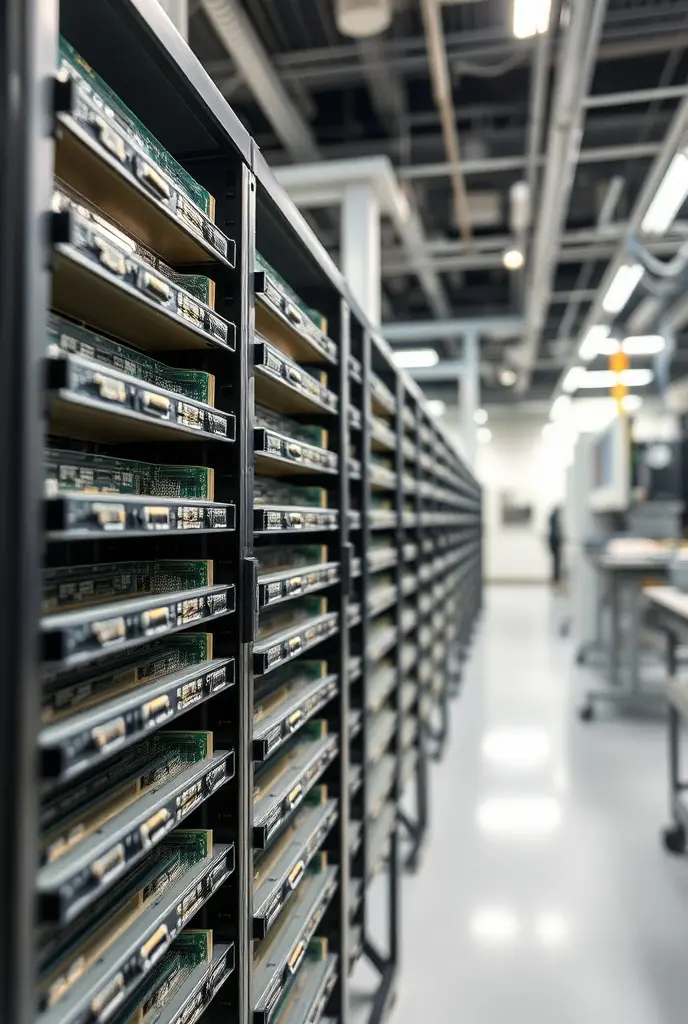
SMT Оборудование
Антистатические накопительные ящики и стеллажи для автоматизированных линий.

Хранение и логистика
Тележки для оборота, стеллажи, коробки, лотки и контейнеры для комплектующих.
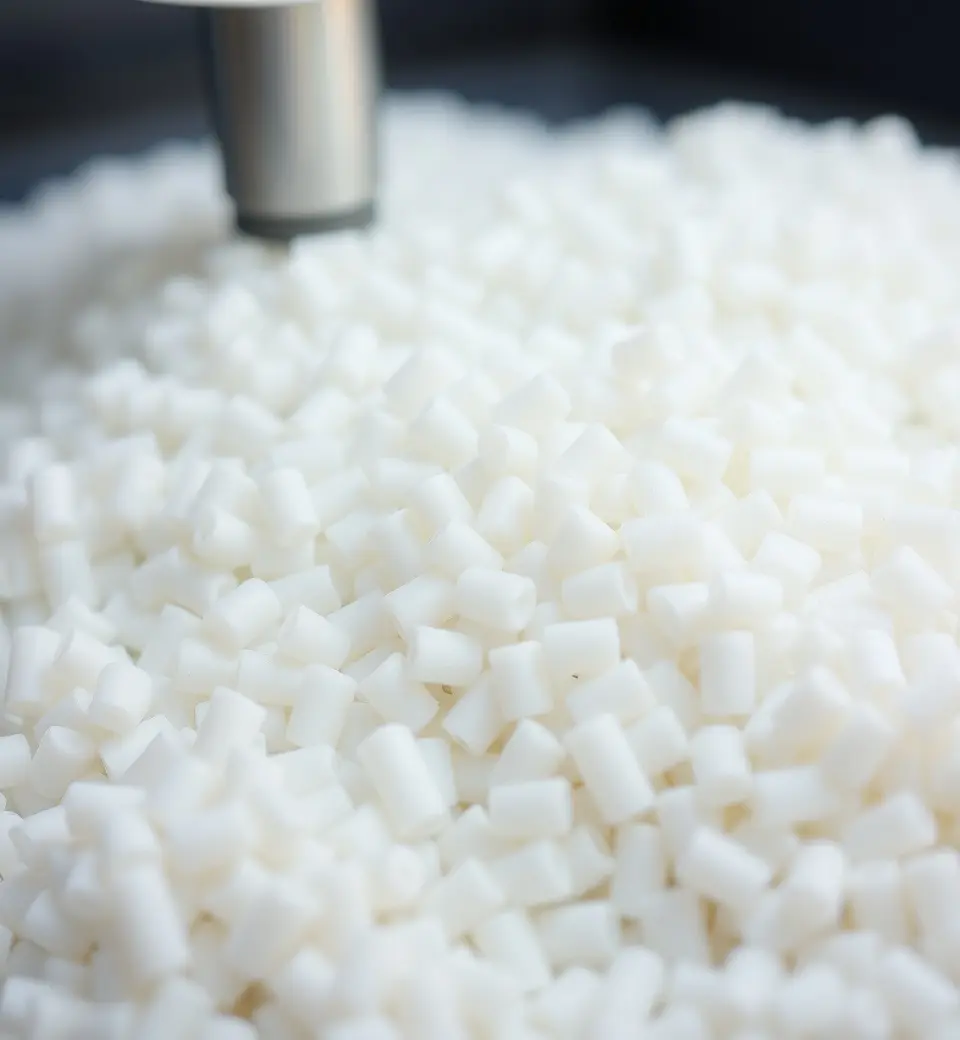
Рабочее место и СИЗ
Антистатические кресла, коврики, наручные ремни и средства индивидуальной защиты.
Заказная разработка
Разработка кастомных пресс-форм и специальные антистатические материалы.
Наши преимущества OEM/ODM

Передовые исследования и разработки и инновации в области материалов
Собственные антистатические материалы собственной разработки, защищенные национальными патентами на изобретения, с термостойкостью до 200℃. Мы не просто производим литье — мы создаем компаунды.

Производственная мощность в полном объеме
Завод площадью 30 000 кв. м с полным циклом систем литья под давлением, грануляции и вспомогательной обработки для обеспечения стабильных и эффективных поставок.

Полномасштабная кастомизация
Удельное электрическое сопротивление материалов, цвет, размер, логотип, упаковка и сертификаты могут быть адаптированы в соответствии с требованиями стандартов IEC61340-5-1, ANSI/ESD S20.20 или военных стандартов.

Сертифицированное качество и глобальное соответствие
“Компания Sanwei успешно разработала изготовленные по индивидуальному заказу термостойкие чистые поддоны натурального цвета для нашей линии сборки полупроводников, заменив импортную продукцию, обеспечив превосходную защиту от электростатических разрядов (ESD) и выполнив высокие требования чистоты цеха.”
НАМ ДОВЕРЯЮТ МИРОВЫЕ ЛИДЕРЫ ИНДУСТРИИ ИЗ СПИСКА FORTUNE 500
Наши запатентованные решения для защиты от электростатических разрядов используются на передовых производственных предприятиях по всему миру, включая: Intel, Motorola, Siemens, IBM, Panasonic, Nokia и Dell.
Ищете нестандартные размеры или оптовые цены?
Опираясь на нашу надежную собственную научно-исследовательскую группу, компания Sanwei предлагает полный спектр услуг OEM/ODM, адаптированных под ваши конкретные линии поверхностного монтажа (SMT) или планировку склада. Свяжитесь с нашими специалистами сегодня для заказа нестандартных пресс-форм, цветовой маркировки или комплексных консультаций по организации хранения по системе 5S.
Часто задаваемые вопросы (FAQ)
1. What is the standard for surface resistivity?
The primary standards for measuring surface resistivity are ASTM D257 и IEC 62631-3-2. ASTM D257 is a key standard that details techniques for measuring both surface and volume resistivity using a guarded electrode system. IEC 62631-3-2 serves as the international equivalent.
2. What is surface insulation resistance?
Surface Insulation Resistance (SIR) is a measure of the electrical resistance across the surface of an insulating material between two conductors. It is a key indicator of a material’s ability to resist electrical leakage and electrochemical failures, especially under humid conditions.
3. What equipment is used to test insulation resistance?
The most common equipment used to test insulation resistance is an insulation resistance tester, often generically called a Megger. These are portable, high-range resistance meters (ohmmeters) with a built-in DC generator that provide direct readings of insulation resistance.
4. What is the surface insulation resistance test?
Земля surface insulation resistance test is a method used to measure the resistance across a material’s surface. It’s a non-destructive test often used to evaluate the reliability of electronic assemblies. The test typically involves measuring the resistance between two comb-shaped electrodes on a test board under controlled conditions.
5. What is the surface resistance instrument?
A surface resistance instrument (or tester) is a device used to measure the electrical resistance directly on the surface of a material. It expresses resistance in ohms (Ω) and is commonly used for field audits of ESD workstations, mats, and floors to determine if materials are conductive or static dissipative.