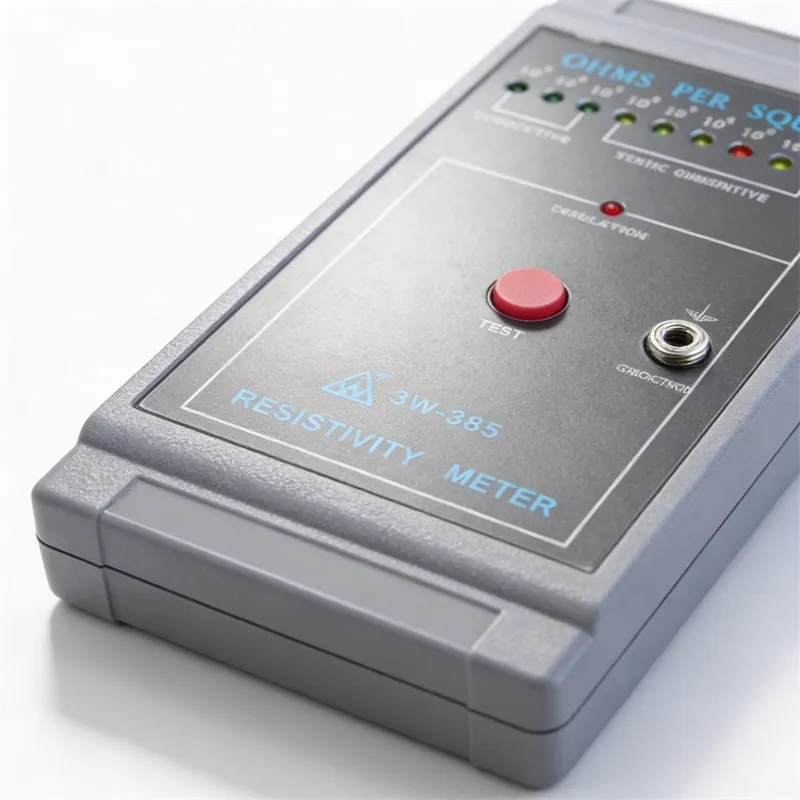
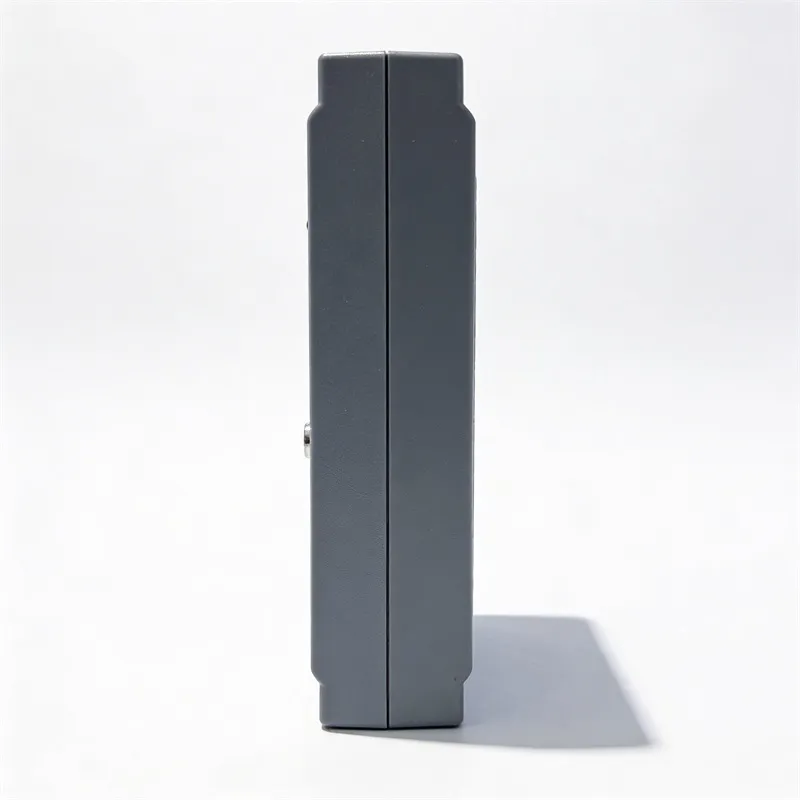
Surface Resistance Tester Handheld ESD Resistivity Measuring Instrument
개요:
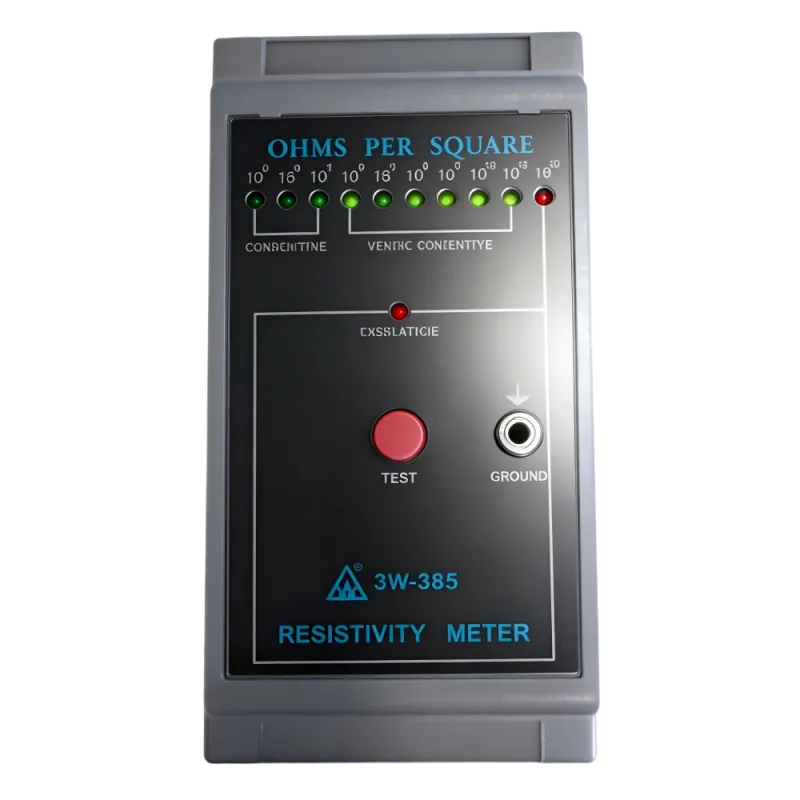
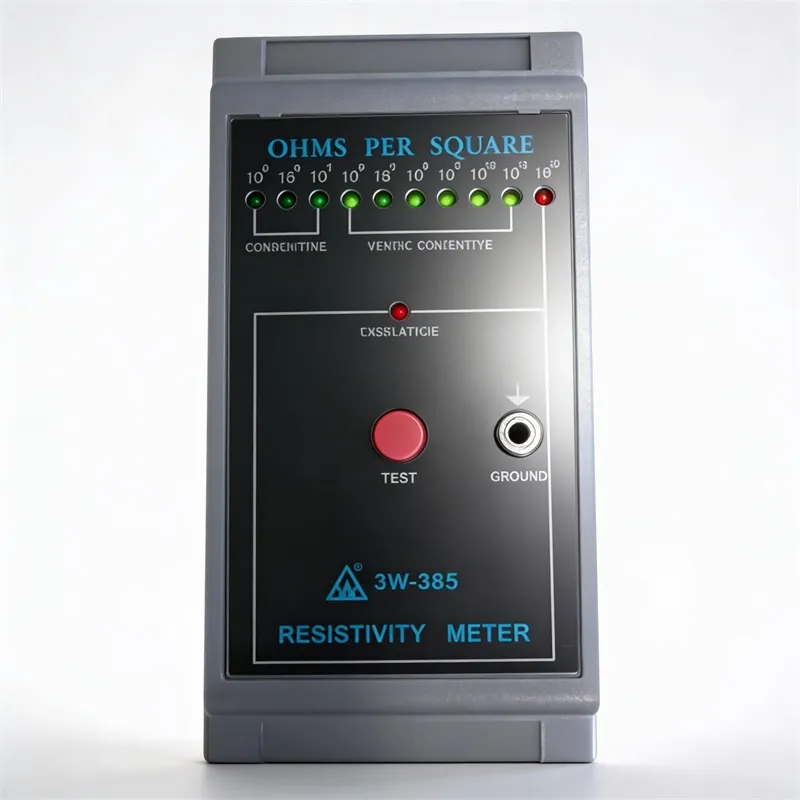
그 표면 저항 측정기 (also referred to as an ESD surface resistance tester or surface resistivity tester) is a dedicated measurement instrument designed to accurately determine the surface resistance value of materials, thereby evaluating their conductive properties, static dissipative capability, and insulating characteristics.
Working Principle and Core Technology
The surface resistance tester operates on the principle of DC voltage resistance measurement. It applies a known voltage to the surface of the material under test and measures the resulting current flowing across the surface. The resistance value is then calculated according to Ohm’s law. Most modern instruments offer two test voltages – 10 V and 100 V – with automatic range switching: for example, when the resistance is ≥1×10⁶ Ω, the instrument applies 100 V; when the resistance lies between 1×10⁴ Ω and 1×10⁶ Ω, it uses 10 V. This ensures optimal measurement accuracy across different material types.
Wide Measurement Range and Precision Classification
A high‑quality surface resistance tester typically covers a broad measurement range from 10³ Ω to 10¹² Ω, making it suitable for testing everything from conductive materials to insulators. Different models feature various display methods – some use LED indicators to visually show the resistance range: green for conductive (10³–10⁶ Ω), yellow for static‑dissipative (10⁷–10¹¹ Ω), and red for insulative (≥10¹² Ω). Others employ LCD or OLED digital displays for more precise numeric readings. Measurement accuracy generally reaches ±10 %, with high‑end models achieving up to ±0.5 order of magnitude.
Flexible Test Methods and Electrode Configurations
그 surface resistivity test method complies with multiple international standards, including ASTM D257, IEC 62631‑3‑2, and GB/T 1410. To accommodate diverse testing scenarios, a surface resistance tester is usually equipped with or offers optional electrodes: parallel electrodes for rapid screening, weighted electrodes (2.27 kg or 2.5 kg) for point‑to‑point surface resistance measurement, concentric ring electrodes for surface resistivity testing in accordance with EOS/ESD S11.11, and two‑point electrodes for small‑area measurements. The dimensions, contact pressure, and material of these electrodes are specified by the relevant standards to ensure consistency and repeatability of test results.
Multi‑Scenario Applications and Industry Value
Surface resistivity testing plays an indispensable role across various industries:
-
Electronics manufacturing – inspecting the surface resistance of anti‑static workstations, ESD flooring, and packaging materials to safeguard the production environment.
-
Semiconductor and precision instrumentation – testing wafer carriers, PCB protective coatings, and containers for static‑sensitive devices to prevent electrostatic damage.
-
Laboratories and R&D – studying the static performance of new materials and characterising their surface resistivity.
-
Warehousing and logistics – verifying the resistance of ESD trays, tote boxes, and shipping tubes to avoid electrostatic discharge during storage and transport.
-
Medical and aerospace – measuring the surface resistance of equipment housings and operating tables to ensure user safety and operational reliability.
Portable Design and Smart Features
Modern surface resistance testers are typically designed to be compact and lightweight (often 120–170 g), allowing for easy on‑site testing. Many models also incorporate data logging and transfer capabilities – exporting data via USB, generating comprehensive test reports with companion software, and some advanced versions even storing up to 50,000 measurement records. Built‑in environmental temperature and humidity sensors further enhance traceability, ensuring that every test is performed under documented conditions.
기술 사양서
| Measurement Range | 10³-10¹²Ω |
| Accuracy | ±0.5 |
| Size (L×W×H) | 70*27*130mm |
| Weight | 0.14G |
| Power Supply | 9V |
세계 최고 수준의 ESD 제조 역량
삼웨이(Sanwei)에서 소싱하시면, 업계 선두의 OEM/ODM 제조업체와 직접 파트너십을 맺게 되는 것입니다. 당사는 최첨단 70,000제곱미터 이상 규모의 통합 생산 시설 저장성 웨칭 중앙 산업단지에서 독자적인 소재 배합부터 최종 고정밀 제품 성형에 이르기까지 모든 공정을 관리합니다.
통합 저울
7만 제곱미터 이상의 첨단 공장 기지에 대형 정밀 사출기를 갖추어, 안정적인 납기로 대량 도매 주문을 처리합니다.
전 과정 제어
독자적인 정전기 방지 소재 연구개발, 구조용 금형 엔지니어링, 자동화 제조, 그리고 신속한 글로벌 물류 배송에 이르는 완벽한 자체 통합 제어.
엄격한 검사
엄격한 원자재 검사 및 생산 라인에서의 다점 표면 저항률 측정을 통해 100% 제품이 국제 ESD 표준 지침을 준수함을 보장합니다.
정전기 방지 제품 및 솔루션
제조 및 운영 수명 주기 전반에 걸쳐 포괄적인 정전기 보호를 제공합니다.
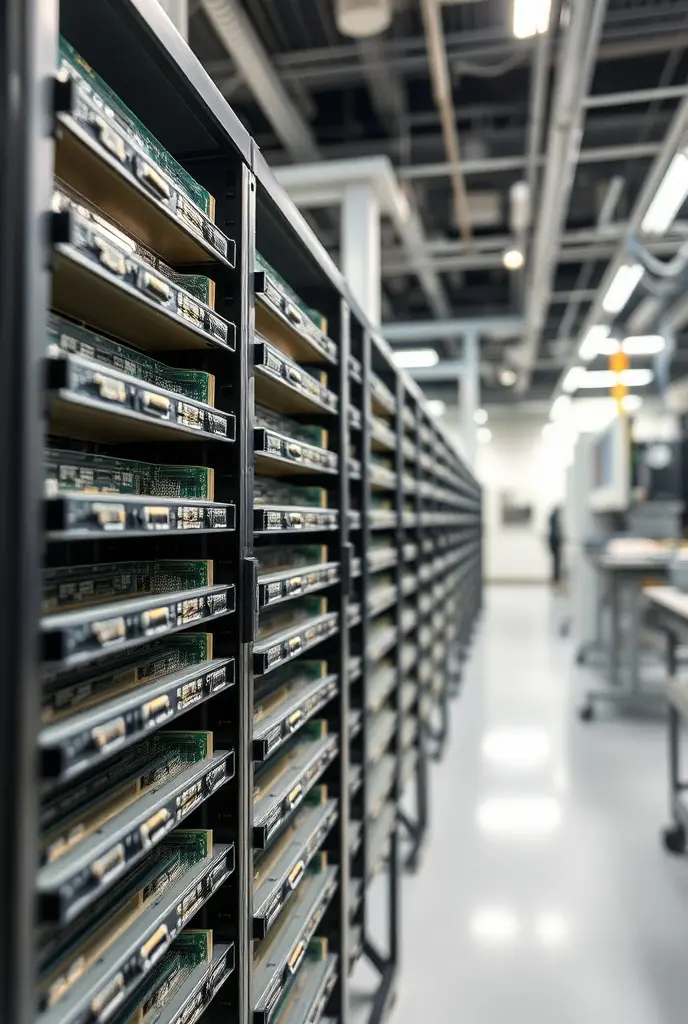
SMT 장비
자동화 라인용 제전 수납함 및 랙.

보관 및 물류
대차, 선반, 상자, 트레이 및 부품 용기.

작업대 및 개인 보호 장구
정전기 방지 의자, 매트, 손목 스트랩 및 개인 보호구.
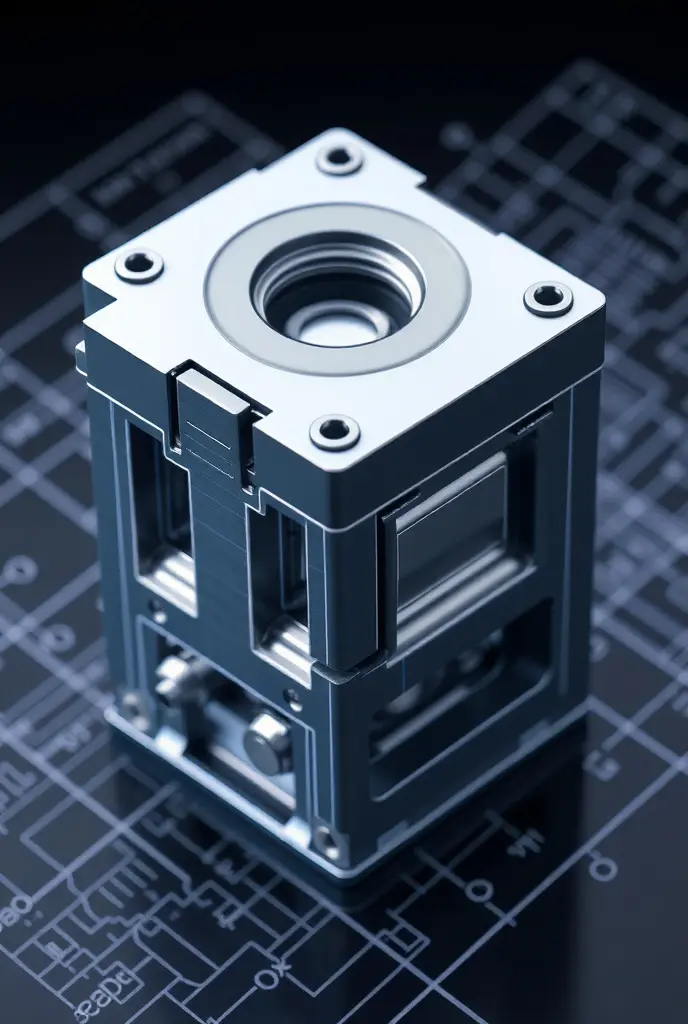
맞춤형 개발
맞춤형 금형 개발 및 특수 제전 소재.
당사의 OEM/ODM 장점

첨단 R&D 및 소재 혁신
국가 발명 특허를 보유하고 최대 200℃의 내열성을 갖춘 자체 개발 대전방지 소재. 당사는 단순 성형에 그치지 않고 컴파운드를 직접 배합합니다.

양산 능력
안정적이고 효율적인 공급을 위해 완전 사출 성형, 조립 및 부대 가공 시스템을 갖춘 30,000㎡ 규모의 공장.

전 과정 맞춤 제작
재질 저항률, 색상, 크기, 로고, 포장 및 인증 — IEC61340-5-1, ANSI/ESD S20.20 또는 군사 규격에 맞게 맞춤 제작 가능합니다.

공인된 품질 및 글로벌 컴플라이언스
“산웨이는 반도체 조립 라인을 위한 맞춤형 고내열성 클린 내추럴 컬러 트레이를 성공적으로 개발하여 수입 제품을 대체하고, 우수한 ESD 안전성을 확보하며, 작업장의 높은 청정도 요구 사항을 충족했습니다.”
글로벌 포춘 500대 업계 리더들이 신뢰하는 기업
당사의 독자적인 ESD 솔루션은 다음을 포함하여 전 세계의 우수 생산 시설에 구축되어 있습니다. 인텔, 모토로라, 지멘스, IBM, 파나소닉, 노키아, 델.
맞춤 제작 사이즈나 대량 도매 가격을 찾고 계신가요?
당사의 강력한 자체 R&D 팀을 바탕으로, 싼웨이는 귀사의 특정 SMT 생산 라인 또는 창고 레이아웃에 맞춤화된 완전한 OEM/ODM 옵션을 제공합니다. 맞춤형 금형, 색상 코딩 또는 통합 5S 보관 컨설팅을 위해 지금 당사 전문가에게 문의하십시오.
자주 묻는 질문 (FAQ)
1. What is the standard for surface resistivity?
The primary standards for measuring surface resistivity are ASTM D257 그리고 IEC 62631-3-2. ASTM D257 is a key standard that details techniques for measuring both surface and volume resistivity using a guarded electrode system. IEC 62631-3-2 serves as the international equivalent.
2. What is surface insulation resistance?
Surface Insulation Resistance (SIR) is a measure of the electrical resistance across the surface of an insulating material between two conductors. It is a key indicator of a material’s ability to resist electrical leakage and electrochemical failures, especially under humid conditions.
3. What equipment is used to test insulation resistance?
The most common equipment used to test insulation resistance is an insulation resistance tester, often generically called a Megger. These are portable, high-range resistance meters (ohmmeters) with a built-in DC generator that provide direct readings of insulation resistance.
4. What is the surface insulation resistance test?
그 surface insulation resistance test is a method used to measure the resistance across a material’s surface. It’s a non-destructive test often used to evaluate the reliability of electronic assemblies. The test typically involves measuring the resistance between two comb-shaped electrodes on a test board under controlled conditions.
5. What is the surface resistance instrument?
A surface resistance instrument (or tester) is a device used to measure the electrical resistance directly on the surface of a material. It expresses resistance in ohms (Ω) and is commonly used for field audits of ESD workstations, mats, and floors to determine if materials are conductive or static dissipative.