- Turbo
- Blog
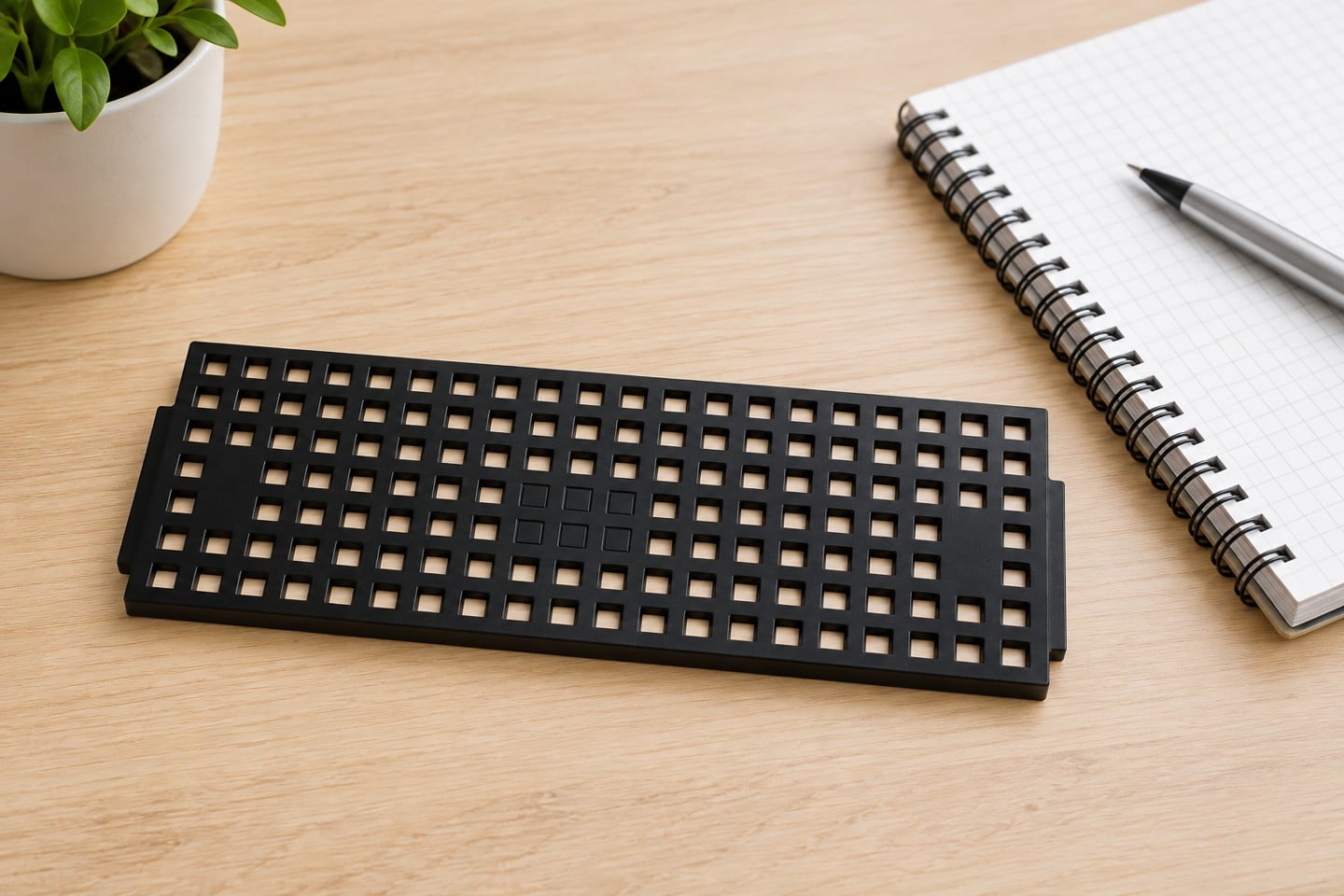
Bir ESD pallet is a reusable logistics platform intended to move electrostatic-discharge-sensitive materials without introducing an uncontrolled packaging layer. Selection is not simply a choice between black and ordinary plastic. Buyers must define the ESD function, load case, deck and runner geometry, equipment interface, cleaning method, route outside or inside an ESD protected area, and the evidence required from the supplier. The pallet also works with boxes, trays, bags, stretch materials, racks, and lift equipment, so its performance cannot be judged in isolation. This guide provides a practical specification, qualification, incoming-inspection, and RFQ framework for electronics factories and warehouses.
Define the pallet’s role in the material route
Start by mapping every transfer from receiving to line-side use. Record whether sensitive devices are sealed in protective packaging, exposed in trays, or carried inside conductive containers. A pallet under closed shielding packages performs a different role from one carrying exposed assemblies inside an EPA. The required packaging boundary must remain intact during forklift pickup, staging, storage, and unpacking.
Also identify the uncontrolled portions of the route. A material described as conductive or dissipative does not automatically provide electrostatic shielding. NASA workmanship guidance treats transport, grounding, and protective packaging as coordinated controls. Define which layer supplies physical support, which limits charge generation, and which provides any required field shielding.

Separate ESD behavior from load performance
The electrical claim and the mechanical rating answer different questions. Ask for a declared test method, conditioning, test locations, acceptance criteria, and traceable results for the supplied material. Do not approve a pallet from color or resin name alone. Additives, contamination, wear, humidity, and production variation may affect measured behavior.
Mechanical qualification must address the real load: uniformly distributed cartons behave differently from point loads, drums, racks, or containers with small feet. Confirm static storage, dynamic handling, racking support, impact, deck deflection, runner integrity, and the intended lift direction with the responsible packaging engineer. Never copy an attractive load number from another pallet geometry.
Match deck and runner geometry to equipment
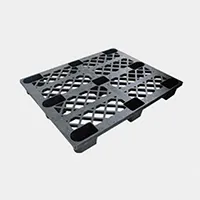
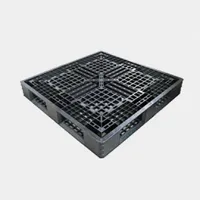
Review pallet width, length, height, entry direction, fork opening, runner pattern, deck openings, edge lips, and nesting or stacking behavior. Check all forklifts, pallet jacks, conveyors, lifts, racks, and automated systems that will touch the pallet. Small dimensional differences can create unsafe fork engagement or unstable conveyor travel.
Closed decks can reduce the chance of small items falling through and may simplify some cleaning tasks, while open decks may reduce mass and improve drainage. The correct choice depends on contamination controls and the load. Ribbing, anti-slip features, rims, and retaining edges should be reviewed with the actual boxes or totes rather than from a catalogue image.
Control every layer above the pallet
An ESD pallet does not correct an uncontrolled load. Ordinary stretch film, insulating straps, nonqualified foam, loose labels, or damaged boxes can remain charge-generating materials near sensitive hardware. List each packaging layer and decide whether it is inside or outside the protection boundary.
Confirm how loads are bonded, grounded, enclosed, or separated where required by the facility control plan. If the pallet is used only as a mechanical carrier for closed protective packages, state that limitation. If it is expected to participate in a conductive path, verify contacts and interfaces in the loaded configuration rather than measuring an isolated clean surface.
Plan cleaning, inspection and retirement
Document an approved cleaning method and verify compatibility before release. Residue, dust, oils, and aggressive chemicals can change both handling and electrical behavior. Cleaners should not be adopted from a generic plastic-care procedure without checking the pallet material, workplace requirements, and ESD plan.
Create visual retirement criteria for cracked runners, excessive deck deformation, damaged lips, exposed sharp edges, embedded contamination, illegible identification, and repairs that change construction. Define the ESD retest interval from risk, use frequency, environment, historical variation, and the organization’s control program rather than assuming indefinite performance.
Seçim ve yeterlilik tablosu
| Route question | Neden önemli | İstenmesi gereken delil |
|---|---|---|
| Inside or outside an EPA? | Determines the protective packaging boundary | Route map and package configuration |
| What load and support pattern? | Controls deflection and structural risk | Load drawing and handling trial |
| Which handling equipment? | Controls fork entry and conveyor fit | Interface dimensions and trial |
| What ESD function is claimed? | Prevents vague “anti-static” approval | Test method, conditions and results |
| How is it cleaned and reused? | Affects contamination and lifecycle performance | Approved procedure and inspection criteria |
Kontrollü bir ilk ürün denemesi çalıştırın
Önerilen üretim konstrüksiyonunu temsil eden dokumente edilmiş bir numune kullanın. Varsa, mevcut onaylanmış öğeyle karşılaştırın. Tanımlamayı, revizyonu, tedarikçi lotunu, çevre koşullarını, ekipmanı, operatörleri ve gözlemleri kaydedin. Bir deneme; kabul, depolama, hazırlık, normal kullanım, geçerli olduğu durumlarda temizlik ve imha etme veya iade etmeyi kapsamalıdır. Öğenin bir ürüne zarar vermesi, kontaminasyon oluşturması, ekipmana müdahale etmesi veya ESD veya güvenlik prosedürüyle çelişmesi durumunda denemeyi durdurun.
Onay kriterlerini gözlemlerden ayırın. Boyutlar, etiketleme, uyum, işçilik, malzeme kanıtı ve işlevsel davranış farklı kontroller gerektirebilir. Üretim miktarlarını onaylamadan önce sapmaları giderin ve kontrollü teknik resmi, raporu ve onay numunesini saklayın. Malzeme kaynağında, katkı maddesinde, yapıştırıcıda, konstrüksiyonda, kalıpta, süreçte veya kritik boyutta bir değişiklik yapılmadan önce tedarikçinin bilgilendirilmesini zorunlu kılın.
Giriş kontrolü ve devam eden kontrol
- Kalemi, teknik resim revizyonunu, miktarı, tedarikçi partisini ve ambalaj etiketini siparişle eşleştirin.
- Kontaminasyon, hasar, kötü işçilik, yanlış boyutlar ve eksik kimlik bilgisi açısından inceleyin.
- Ölçümün gerekli olduğu durumlarda, üzerinde anlaşmaya varılan numune alma ve doğrulama işlemini belgelenmiş bir yöntemle ve kalibre edilmiş ekipmanla gerçekleştirin.
- Renk, koku, doku, yapışkanlık, uyum, sarım, geometri veya performans ile ilgili açıklanamayan değişiklikleri karantinaya alın.
- Kabul kayıtlarını tutun ve şikayetleri veya hataları ilgili partiye bağlayın.
- Ürün, ekipman, rota, temizlik yöntemi veya kontrol planı değiştiğinde şartnameyi gözden geçirin.
Alıcılar için RFQ kontrol listesi
Uygulamayı, koruma sınırını, ekipman veya parça arayüzünü, boyutları ve toleransları, malzeme konstrüksiyonunu, gerekli işlevi, test yöntemini ve kabul kriterlerini, temizlik ve işçilik gereksinimlerini, paketlemeyi, etiketlemeyi, izlenebilirliği, numune miktarını, ilk numune beklentilerini, dokümantasyonu, değişiklik bildirimini ve teslimat miktarını belirtin. Şuna atıfta bulunun: SWESD anti-static logistics pallet product şu anda görüntülenen ürün türü için ve şunu kullanın SWESD ürün merkezi İlgili elleçleme ekipmanıyla koordine etmek için.
Tedarikçiden varsayımları ve istisnaları listelettirin. Doğrulanmamış katalog iddialarını kontrollü bir şartnameye kopyalamaktan kaçının. Teknik limitler, sertifikalar ve uygunluk beyanları, fiilen tedarik edilen ürün ve alıcının uygulaması açısından gözden geçirilmelidir.
Örnekleri aynı koşullar altında karşılaştırın
Yararlı bir karşılaştırma, aynı anda tek bir kararı değiştirir. Her bir aday için aynı temsilî parçaları, operatörleri, ekipmanı, rotayı, temizlik hazırlığını ve gözlem süresini kullanın. İnceleme yapanların tedarikçi kimliğini, revizyonu veya test sırasını karıştırmaması için numuneleri etiketleyin. Uygulanabilir olduğu durumlarda, halihazırda onaylanmış olan öğeyi baz alınan referans olarak dahil edin. Hem başarılı davranışı hem de ekstra ayar, tekrarlanan temizlik, daha yavaş taşıma veya operatör müdahalesi gibi bunu elde etmek için gereken çalışmayı kaydedin.
Elektriksel, mekanik, temizlik ve ticari sonuçları belirsiz tek bir puanda birleştirmeyin. Bir aday iyi uyum sağlayabilir ancak izlenebilir somit kanıttan yoksun olabilir veya güçlü belgelere sahip olup makinede zayıf performans gösterebilir. Güvenlik, ESD kontrolü, ürün koruması, ekipman uyumluluğu, kontaminasyon, kullanılabilirlik, dokümantasyon ve yaşam döngüsü maliyeti için ayrı geçiş kriterleri tutun. Herhangi bir kritik hata, yüksek bir ortalama puanla gizlenmek yerine çözülmelidir.
Ticari karşılaştırma, yalnızca parça başına fiyatı değil, tamamlanmış ve kabul edilmiş bir sürecin maliyetini kullanmalıdır. Muayene çabasını, ayar süresini, atığı, temizliği, değişimi, duruş süresi riskini, iade lojistiğini, belgelendirmeyi ve tutarsız partilerin etkisini dahil edin. Bu faktörler, uydurulmuş bir hizmet ömrü iddiasını haklı çıkarmaz; alıcının, maliyeti gerçekten yaratan koşulları ölçen bir deneme tasarlamasına yardımcı olur.
İlgili SWESD planlama kaynakları
- planning combined trolley, box, and rack transport
- defining load requirements for ESD transport carts
- selecting the corrugated boxes used above a pallet
Educational video: Fundamentals of Electrostatic Discharge by Maxim Integrated
This electronics education video explains the discharge risk that an ESD logistics system is intended to control. The written guide remains complete without the video.
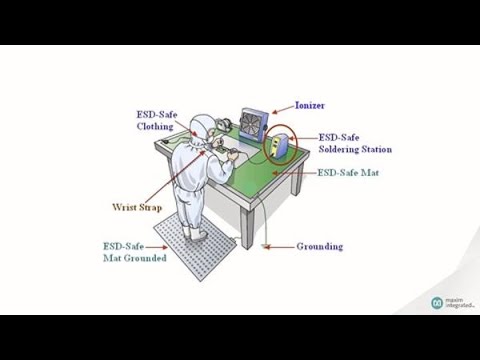
Open this video from Maxim Integrated on YouTube.
Sık sorulan sorular
Is a black plastic pallet automatically ESD safe?
No. Color is not evidence. Approve the declared function using a relevant method, documented conditions, traceable results, and the supplied construction.
Can an ESD pallet replace shielding packaging?
Not automatically. A pallet can support controlled logistics, but shielding requirements must be met by a qualified packaging system for the actual route.
What should be tested first?
Confirm equipment fit and representative load behavior, then perform the agreed ESD verification at defined locations and conditions.
When should a pallet be retired?
Retire or quarantine it when structural damage, deformation, contamination, unauthorized repair, lost traceability, or failed verification violates the approved criteria.

Bir Yorum Bırakın