- توربو
- مدونة
A ماسحة الاستنسل هي لفافة الاستهلاك المستخدمة في نظام التنظيف السفلي لطابعة تقنية التثبيت السطحي (SMT) لإزالة معجون اللحام والتلوث من الاستنسل. يجب أن تتوافق اللفافة الصحيحة ماديًا مع الجهاز، وأن تقدم بشكل موثوق، وأن تعمل مع تسلسل التنظيف الجاف أو بالتفريغ أو الرطب للطابعة، وأن تتجنب الوبر، أو التمزق، أو عدم توافق المذيبات، أو التشبع المبكر. طراز الطابعة وحدها لا يكفي لأن القلب، العرض، الطول، اتجاه اللف، فتحات التفريغ، وإعدادات العملية يمكن أن تختلف. يمنح هذا الدليل مهندسي العمليات والمشترين طريقة محكومة لتحديد، وتجربة، وفحص، وشراء لفائف مسح الاستنسل دون الاعتماد على ادعاءات غامضة مثل عالمي أو خالي من الوبر.“
ابدأ بالطابعة والرفة المعتمدة الموجودة
سجل الشركة المصنعة للطابعة والطراز، ورقم جزء الرفة الحالي، وعرض الويب، وطول الرفة، ومادة القلب، والقطر الداخلي للقلب، والقطر الخارجي الإجمالي، واتجاه اللف، وطريقة التثبيت، وأي واجهة تفريغ. قس رفة معتمدة وقارنها بدليل الجهاز بدلاً من الاعتماد فقط على مرجع تقاطع المورد.
تأكد من وجود الخلوص المناسب عند التركيب وطوال عملية اللف الكاملة. إن اللفافة التي تناسب المكان مبدئياً قد تتعرض للاستعصاء مع تقدمها، أو تتداخل طبقاتها، أو تتجعد، أو ينحرف مسارها، أو تطلق إنذار انتهاء اللفافة بشكل خاطئ. قم بتضمين عمليات التحميل والإزالة بواسطة العمال العاديين ضمن التجربة.

مطابقة المادة مع تسلسل التنظيف
قد تستخدم عملية تنظيف ما تحت الإستنسل المسح الجاف، أو التطهير بالفرغ (الشفط)، أو الترطيب، أو مجموعات مختارة من قبل المسؤول عن العملية. يجب أن ينقل الشريط سائل التنظيف المعتمد عند استخدامه، وأن يلامس الإستنسل بشكل ثابت، وأن ينفصل عن الآلة دون تمزق أو ترك ألياف.
اطلب تحديد التركيب المادي وضوابط الاتساق ذات الصلة. “غير المنسوج” يصف عائلة واسعة، وليس نتيجة عملية مضمونة. يمكن أن تؤثر الامتصاص والقوة والسمك وملمس السطح جودة الحافة وشد اللف والنظافة على أداء المسح. تحقق من التسلسل الكامل باستخدام المعجون الفعلي، الاستنسل، الطابعة، والسائل المعتمد.
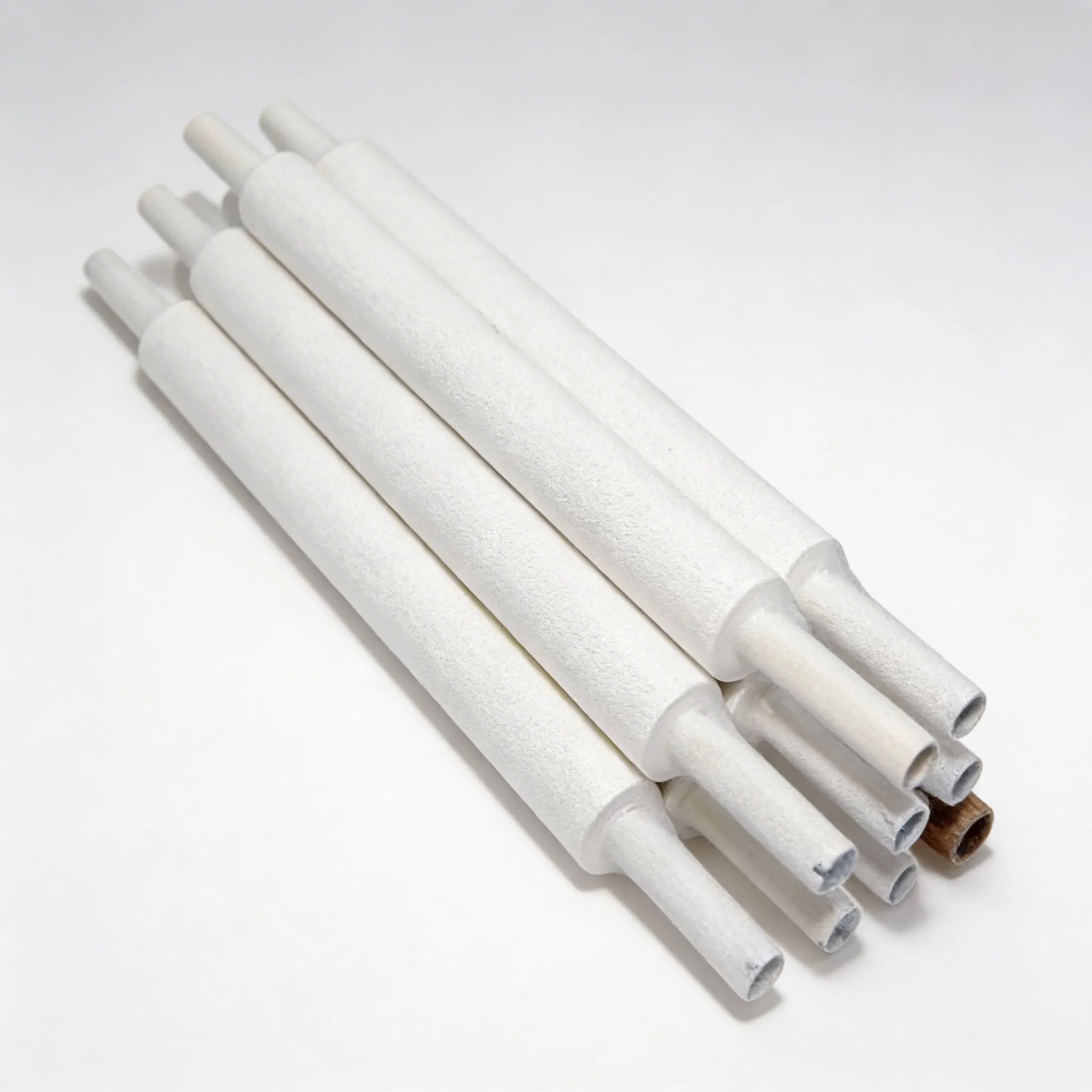
تقييم النسالة والحطام والبقايا في العملية
قد يصف المورد الماسحة بأنها خالية من الوبر، لكن المشتري يحتاج مع ذلك إلى طريقة قبول يمكن ملاحظتها. افحص الحواف، وسحب الشبكة، وغبار القلب، والأفاضل السائبة، والوصلات، والتجاعيد، والتلوث، والتعبئة والتغليف. وأثناء التجربة، افحص الجانب السفلي من الاستنسل، ومنطقة الطابعة، ومسار التفريغ، واللوحات المطبوعة بحثاً عن الحطام المنقول.
يمكن أن تنتج المخلفات عن المعجون، أو سائل التنظيف، أو مادة الأنسجة، أو التغليف، أو الإعدادات غير الصحيحة. تحقق من المصدر قبل تغيير معدل مسح أو تطبيق المزيد من السائل. يؤكد إرشادات IPC للتنظيف على التحكم في العمليات والنظافة؛ إذ لا يمكن لأي مادة استهلاكية تعويض سوء الصيانة أو كيمياء التنظيف غير المناسبة.
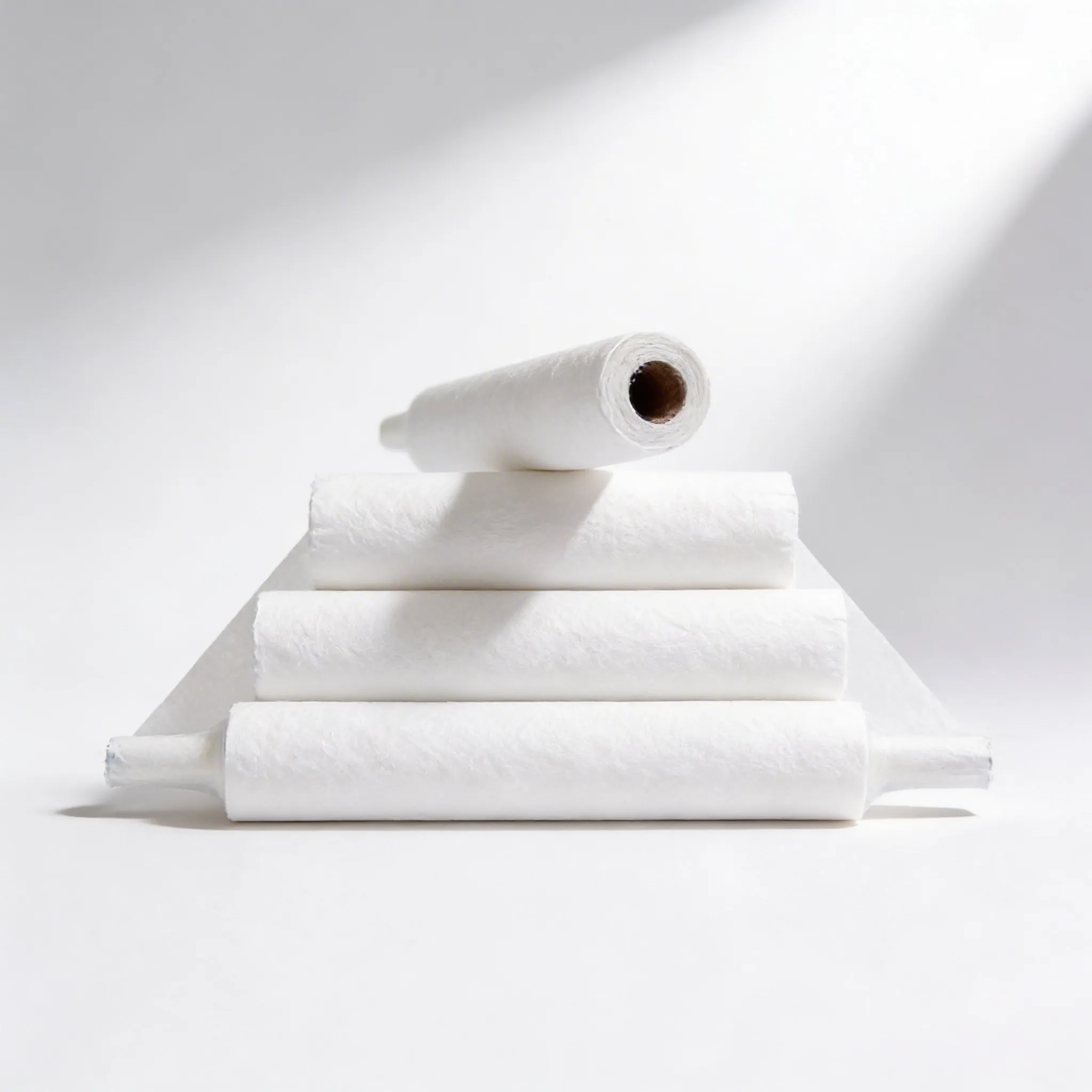
التحقق من نتائج الطباعة بدلاً من مظهر الممسحة فقط
الغرض من تنظيف الجانب السفلي هو ضمان استقرار الطباعة، وليس مجرد الحصول على لفة نظيفة بصرياً. قم بتحديد ملاحظات التجربة مثل حالة الفتحات، وتلطخ المعجون، وتلوث الجانب السفلي، وتقدم الويب، وسلوك الفراغ، والإنذارات، وتدخل المشغل، وفحص الطباعة في المراحل اللاحقة. استخدم مقاييس العملية المعمول بها في الموقع حيثما توفرت.
قم بتشغيل دورات كافية لملاحظة سلوك التحميل والدوران الطبيعي. قارن بالخط الأساسي المعتمد في ظل إعدادات خاضعة للرقابة. تجنب الوعد بتقليص عالمي في العيوب أو تكرار التنظيف؛ فالصمغ، وتصميم الفتحات، والبيئة، وإعدادات الطابعة، ودعم اللوحة، والصيانة، كلها تؤثر على النتيجة.
التحكم في التخزين والتركيب والتبديل
ابقِ اللفائف في عبواتها الواقية حتى الاستخدام واتبع شروط التخزين المعتمدة. حدد توافق الطابعة، ورقم تشفيرة المورد، وتاريخ الاستلام، والحالة. احمِ سطح اللفائف والقلب من ملامسة الأرضيات أو الطاولات غير المتحكم بها أثناء التركيب.
تعليمات التغيير: يجب على المشغلين اتباع الخطوات التالية بدقة: ضبط اتجاه اللف، طريقة التثبيت، مسار الويب، الشد، إعداد الفراغ، التقدم الأولي، والتخلص من النفايات. كما يجب إيقاف وعزل اللفات التي تحتوي على قلوب محطمة، أو حواف تالفة، أو تجاعيد، أو تلوث، أو عرض غير صحيح، أو لف غير متناسق.
جدول الاختيار والتأهيل
| حقل طلب عرض سعر | ماذا تحديداً | كيفية التحقق |
|---|---|---|
| توافق الطابعة | الشركة المصنعة، الطراز والمرجع المعتمد | التركيب والتجربة الشاملة للتشغيل |
| هندسة الأسطوانة | العرض، الطول، القلب والقطر الأقصى | قياس وارد |
| إنشاء المواقع الإلكترونية | المادة، والطبقات، وحالة الحافة | إقرار المورد والفحص |
| وضع التنظيف | التجفيف، التنظيف بالمكنسة الكهربائية، التنظيف الرطب أو التسلسل المعتمد | تجربة تعادل بيئة الإنتاج |
| النظافة | معايير الألياف، والشوائب، والمخلفات، والتغليف | التفتيش البصري والعملياتي |
| إمكانية التتبع | تحديد القطعة والمراجعة والرقم التسلسلي (أو الدفعة) | بطاقة وسجل الاستلام |
أجرِ تجربة أولى مضبوطة للقطع الإنتاجية
استخدم عينة موثقة تمثل بناء الإنتاج المقترح. قارنها بالعنصر المعتمد الحالي إن وجد. سجِّل التعريف، والمراجعة، ودفعة المورد، والظروف البيئية، والمعدات، والمشغلين، والملاحظات. يجب أن تغطي التجربة الاستلام، والتخزين، والتحضير، والاستخدام العادي، والتنظيف إن أمكن، والتخلص أو الإرجاع. أوقف التجربة إذا أدى العنصر إلى إتلاف منتج، أو تسبب في التلوث، أو تداخل مع المعدات، أو تعارض مع إجراءات التفريغ الإلكتروستاتيكي (ESD) أو السلامة.
افصل معايير الاجتياز عن الملاحظات. قد تتطلب الأبعاد، والتسميات، والمقاسات، وجودة التصنيع، والأدلة المادية، والسلوك الوظيفي فحوصات مختلفة. قم بحل الانحرافات قبل الموافقة على كميات الإنتاج، واحتفظ بالرسم المتحكم فيه، والتقرير، وعينة الموافقة. استلزم إشعار المورد قبل أي تغيير في مصدر المواد، أو المواد المضافة، أو المواد اللاصقة، أو البناء، أو الأدوات، أو العملية، أو البعد الحرج.
الفحص الوارد والرقابة المستمرة
- طابق العنصر، ومراجعة الرسم، والكمية، ورقم تشغيل المورد، وملصق التعبئة مع الطلب.
- فحص التلوث، والتلف، وسوء المصنعية، والأبعاد غير الصحيحة، وفياب التعريف.
- قم بإجراء أخذ العينات والتحقق المتفق عليه باستخدام طريقة موثقة ومعدات معايرة حيثما كان القياس مطلوباً.
- ضع في الحجر الصحي أي تغييرات غير تفسيرية في اللون، أو الرائحة، أو القوام، أو اللزوجة، أو المقاس، أو اللف، أو الشكل الهندسي، أو الأداء.
- احتفظ بسجلات القبول وقم بربط الشكاوى أو الإخفاقات بالدفعة المتأثرة.
- راجع المواصفات عند تغير المنتج أو المعدات أو المسار أو طريقة التنظيف أو خطة التحكم.
قائمة التحقق من طلب تقديم العروض (RFQ) للمشترين
اذكر التطبيق، وحدود الحماية، وواجهة المعدات أو الجزء، والأبعاد والتفاوتات، ومادة البناء، ووظيفة المطلوب، وطريقة الاختبار ومعايير القبول، ومتطلبات النظافة والصناعة، والتعبئة والتغليف، والوسم، وإمكانية التتبع، كمية العينة، وتوقعات القطعة الأولى، والتوثيق، وإشعار التغيير، وكمية التسليم. اشر إلى منتج ماسحة استنسل إس دับลิว إي إس دي إس إم تي (SWESD SMT) لننوع المنتج المعروض حالياً، واستخدم مركز منتجات سويسد لتنسيقها مع معدات المناولة ذات الصلة.
اطلب من المورد سرد الافتراضات والاستثناءات. وتجنب نسخ ادعاءات الكتالوج غير المتحقق منها في مواصفات خاضعة للرقابة. يجب مراجعة الحدود التقنية، والشهادات، وبيانات الامتثال مقابل العنصر الفعلي المورد وتطبيق المشتري.
قارن العينات تحت نفس الظروف
تغيير مقارنة مفيدة قرارًا واحدًا في كل مرة. استخدم نفس الأجزاء التمثيلية، والمشغلين، والمعدات، والمسار، وتجهيزات التنظيف، وفترة الملاحظة لكل مرشح. قم بتسمية العينات بحيث لا يخلط المراجعون بين هوية المورد، أو المراجعة، أو تسلسل الاختبار. وحيثما كان ذلك عمليًا، قم بتضمين العنصر المعتمد حاليًا كخط أساس. سجل كلًا من السلوك الناجح والعمل اللازم لتحقيقه، مثل الضبط الإضافي، أو التنظيف المتكرر، أو المناولة الأبطأ، أو تدخل المشغل.
لا تدمج النتائج الكهربائية، والميكانيكية، ونظافة البيئة، والتجارية في درجة واحدة مبهمة. فقد يكون المرشح مناسباً تماماً ولكنه يفتقر إلى أدلة مادية يمكن تتبعها، أو قد يمتلك توثيقاً قوياً ولكنه يؤدي بشكل ضعيف داخل الآلة. احتفظ بمعايير اجتياز منفصلة لكل من السلامة، ومراقبة التفريغ الكهروستاتيكي (ESD)، حماية المنتجات، توافق المعدات، التلوث، قابلية الاستخدام، التوثيق، وتكلفة دورة الحياة. يجب حل أي إخفاق جسيم بدلاً من إخفائه بمتوسط درجات مرتفع.
يجب أن تستخدم المقارنة التجارية تكلفة عملية مكتملة ومقبولة، وليس فقط السعر لكل قطعة. ويجب أن تشمل جهد الفحص، ووقت تغيير الأداة، والنفايات، والتنظيف، والاستبدال، ومخاطر توقف العمل، لوجستيات الإرجاع، والتوثيق، وتأثير الدفعات غير المتسقة. لا تبرر هذه العوامل اختراع ادعاء بعمر الخدمة؛ بل تساعد المشتري على تصميم تجربة تقيس الظروف التي تخلق التكلفة بالفعل.
موارد التخطيط ذات الصلة بـ SWESD
- مقارنة بين مواد مسح التفريغ الكهروستاتيكي (ESD) وغرف الأبحاث
- التحقق من إمدادات تقنية التثبيت السطحي المتوافقة مع تفريغ الكهرباء الساكنة
- إعداد قائمة توريدات تقنية التثبيت السطحي (SMT) المتوافقة مع تفريغ الشحنات الكهربائية (ESD)
فيديو تعليمي: عملية طباعة معجون اللحام IPC SMT والعيوب الشائعة
يوضح فيديو تدريب العمليات هذا سياق طباعة معجون اللحام الذي يجب أن تعمل ضمنه عملية تنظيف الجانب السفلي للمنشارة (الاستنسل). يظل الدليل المكتوب كاملاً بدون الفيديو.
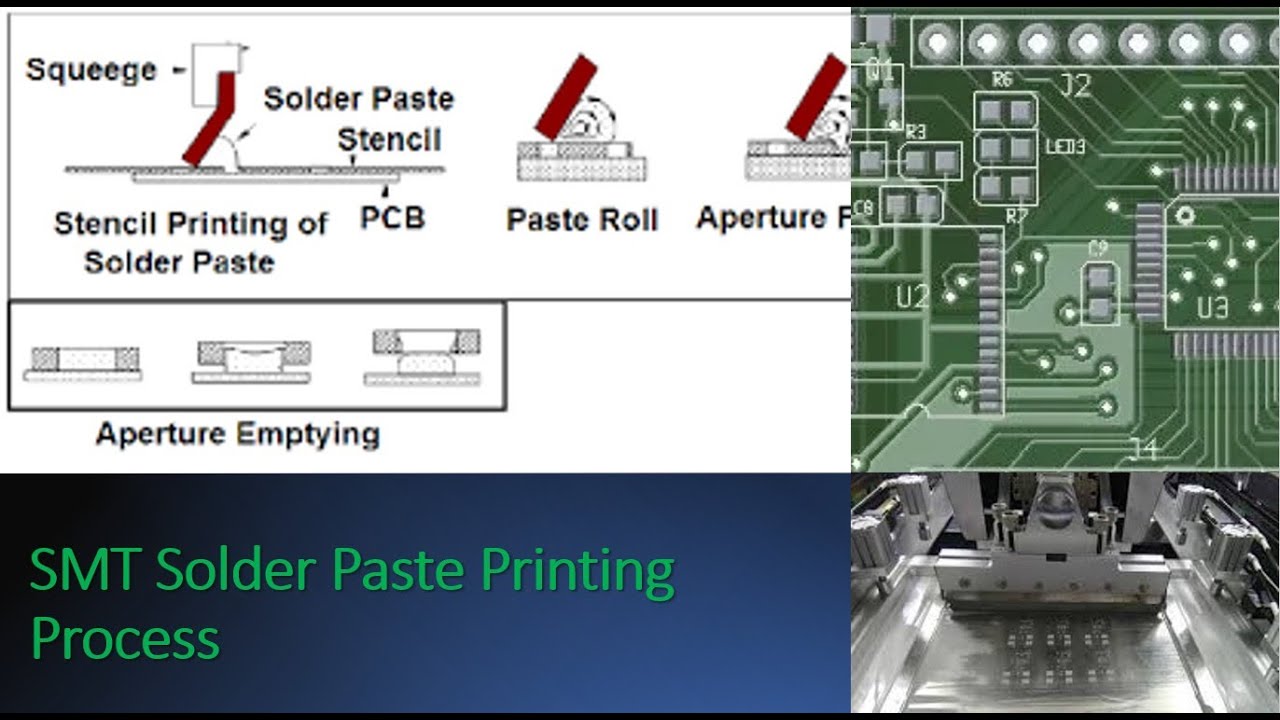
افتح هذا الفيديو من تدريب لين سิกس سيغما على يوتيوب.
الأسئلة الشائعة
هل لفائف مساحات الاستنسل عالمية؟
لا. يجب أن تتوافق الطابعة، والقلب، والعرض، واللف، واجهة التفريغ، وبناء الويب، وإعدادات العملية مع التطبيق المعتمد.
هل تعني عبارة "خالي من النسالة" خلوها التام من الجسيمات؟
اعتبر عبارة خالية من الوبر ادعاءً من المورد لا يزال بحاجة إلى طريقة قبول وتحقق مكافئ للإنتاج.
كيف ينبغي تأهيل لفة جديدة؟
تحقق من الشكل الهندسي والتركيب، ونفذ تسلسل التنظيف المعتمد، وراقب تتبع الشريط (الويب) وسلوك الفراغ، وقارن نتائج الاستنسل والطباعة بخط الأساس الخاضع للرقابة.
هل يمكن للمشتري الاختيار بناءً على القدرة على الامتصاص وحدها؟
لا. القوة، والسمك، والملمس، والنظافة، والتوافق مع المذيبات، جودة الحواف، واللف، وسلوك الآلة مهمة أيضاً أيضاً.
مراجع موثوقة
أحدث مشاركة
-
 Wrist Strap Monitor Alarm Troubleshooting Guide15 أكتوبر,2026
 -
 ESD Packaging Cost Reduction Without Losing Protection14 أكتوبر,2026
 -
 ESD Packaging Qualification Tests for New Suppliers14 أكتوبر,2026
اترك ردًا