- Turbo
- Blog
Correct ESD heel straps instructions must cover more than fastening a band around a shoe. A heel grounder works only when its conductive contact reaches the wearer, the cup stays against the heel, the strap interfaces with an approved ESD floor, and the complete person-footwear-floor system passes the facility test. Fit, walking style, socks, contamination, damaged components, and an unsuitable floor can all interrupt the path. This guide gives operators and ESD coordinators a practical sequence for fitting, testing, daily use, troubleshooting, cleaning, inspection, and replacement without assuming that every heel strap or workplace uses the same resistance limits.
Understand what a heel strap can and cannot do
A heel grounder is a personnel-grounding device intended for use while a person is standing or walking on a compatible controlled floor. It does not make an ordinary floor conductive, protect a seated operator who lifts both feet, or replace a wrist strap where the written procedure requires one. The local ESD control plan decides the approved device and test limits.
The conductive ribbon or contact tab normally provides the connection from the wearer to the grounder. The outer cup and contact element then interface with the floor through the shoe. Because the complete path matters, approving a loose strap on a bench is not the same as verifying the worn system.

Fit the heel grounder in the correct sequence
Start with a clean, dry, approved shoe. Place the cup firmly around the heel so its contact surface can meet the floor through a normal walking step. Route the contact ribbon exactly as the manufacturer specifies, usually inside the shoe where it can contact the wearer. Do not fold, trim, knot, or place it over an insulating sock unless the approved design specifically permits that arrangement.
Fasten the strap snugly enough to stay in position but not so tightly that it creates discomfort or a safety problem. Loose hardware can rotate to the side, miss the floor, or catch on surrounding objects. Use one or two grounders according to the site rule; do not assume a single grounder is acceptable simply because one foot passed once.

Test before entry and respond to a failure
Use the facility-approved footwear tester and follow its posted sequence. Stand as instructed, place each foot on the proper plate, avoid leaning on grounded objects, and wait for a clear result. Record or acknowledge the test where required. Test limits and frequency belong to the site program and the applicable equipment instructions, not to a generic internet chart.
If the result fails, stop before entering the EPA. Refit the ribbon and heel cup, confirm the correct footwear and device are being used, check for obvious dirt or damage, and retest. If it still fails, quarantine or replace the grounder and notify the responsible coordinator. Never bypass a failed test by wetting the skin, changing tester settings, or touching grounded metal.

Walk and work without defeating the path
A heel strap depends on repeated floor contact. Normal heel-to-toe walking provides more consistent contact than walking on the toes, pushing a wheeled chair with both feet raised, or standing on insulating mats. Seated tasks may require a wrist strap or another approved method because the footwear path can be intermittent.
Keep the device inside its approved area. Outdoor grit, oils, water and uncontrolled cleaning products can contaminate the contact surfaces. Observe local rules at stairs, ladders and machinery: any device that affects traction, catches, or becomes loose must be removed from service safely. ESD control never overrides general workplace safety.
Clean, inspect and replace using written criteria
Inspect the ribbon, fastener, heel cup, conductive contact, seams and identification before use. Look for stretching, tears, embedded debris, worn contact material, loss of elasticity and parts that will not remain positioned. Clean only with a method compatible with the product and site; household polishes or residue-forming cleaners can change the contact path.
Set replacement criteria from inspection, test history and manufacturer guidance instead of promising a universal lifespan. Repeated failures, physical damage, uncontrolled modification, lost traceability or inability to stay fitted are reasons to remove the item. Store clean grounders so the ribbon and contact surface are protected.
Praktyczna tabela kontrolna
| Punkt kontrolny | Correct action | Stop condition |
|---|---|---|
| Shoe and floor | Use the approved combination | Unapproved or visibly contaminated surface |
| Contact ribbon | Position as instructed against the wearer | Folded, cut, missing or misplaced ribbon |
| Heel cup | Keep centered and secure | Loose, rotated or damaged cup |
| Entry test | Test each required foot or pair | Fail or unclear result |
| Daily use | Maintain floor contact and follow EPA rules | Loose device or loss of safe traction |
Stwórz kontrolowaną procedurę i próbkę zatwierdzenia
Skonwertuj instrukcje dostawcy i te ramy planowania w krótką procedurę stanowiskową zawierającą: właściciela, zatwierdzone materiały, kolejność czynności, kryteria zaliczenia, warunki wstrzymania oraz dokumentację. Użyj wskazanego wzorca zatwierdzenia lub zestawu fotograficznego, aby operatorzy znali oczekiwaną konfigurację. Przeprowadź szkolenie przy użyciu rzeczywistej trasy i sprzętu, a następnie zaobserwuj kilka normalnych cykli roboczych. Procedura powinna określać, co operator może poprawić natychmiast, a co wymaga kwarantanny i przeglądu.
Oddziel bezpieczeństwo, czystość, działanie mechaniczne i weryfikację ESD. Pojedyncza kontrola wizualna nie jest w stanie objąć każdego ryzyka, a jeden pomiar elektryczny nie potwierdzi czystości ani integralności mechanicznej. Jeśli wymagany jest pomiar, należy określić przyrząd, metodę, miejsca, środowisko i granice akceptacji. Kalibracja sprzętu i szkolenia personelu muszą być na bieżąco utrzymywane w ramach systemu obiektu.
Kontrola dostaw i zarządzanie zmianami
Przy odbiorze należy dopasować pozycję, ilość, rewizję, partię dostawcy oraz etykietę opakowania do zamówienia zakupu. Skontrolować pod kątem uszkodzeń, zanieczyszczeń, braku identyfikacji oraz nieoczekiwanych różnic w kolorze, fakturze, geometrii, zapachu, osprzęcie lub opakowaniu. Pobrać próby wymiarów i atrybutów funkcjonalnych zgodnie z uzgodnionym planem. Odizolować niewyjaśnione zmiany w kwarantannie, zamiast pozwalać, aby presja produkcyjna zmieniła odstępstwo w nieudokumentowane zatwierdzenie.
Wymagaj powiadomienia przed wprowadzeniem zmian w materiale źródłowym, dodatku, kleju, przyrządach, wymiarach, środku czyszczącym, konstrukcji lub kluczowych elementach złącznych. Ponowna kwalifikacja powinna skupiać się na funkcjach dotkniętych zmianą, ale powinna również sprawdzać interakcje. Silniejszy klej może wpłynąć na usuwalność; nowe kółko może wpłynąć na prowadzenie i ścieżki elektryczne; nowy środek czyszczący może wpłynąć na etykiety i zachowanie powierzchni.
Próba kwalifikacyjna i rekordy
Przeprowadź próbę w reprezentatywnych warunkach środowiskowych i operacyjnych. Zarejestruj datę, lokalizację, operatorów, próbki, numery serii, sprzęt, przygotowanie do czyszczenia, trasę, obserwacje oraz odchylenia. Jeśli to możliwe, uwzględnij obecną zatwierdzoną pozycję jako punkt odniesienia. Nie ukrywaj poważnej awarii w średnim wyniku. Wymagania dotyczące bezpieczeństwa, ochrony produktu, zanieczyszczeń, użyteczności, dokumentacji i wyładowań elektrostatycznych (ESD) muszą mieć własne decyzje o zaliczeniu.
Przejrzyj wyniki po wystarczającej liczbie cykli, aby ujawnić normalną zmienność. Pojedyncza udana demonstracja może pominąć różnice w obsłudze, szczyty natężenia ruchu, zużycie, wpływ załadunku i czyszczenia. Raport powinien określać ograniczenia: co nie zostało przetestowane, które twierdzenia pozostają deklaracjami dostawcy i które wnioski dotyczą wyłącznie przetestowanej konfiguracji. Zachowaj dowody wraz z zapisem przedmiotu lub procesu, aby przyszłe zespoły mogły zrozumieć podstawę zatwierdzenia.
Przeprowadzić audyt procesu po wdrożeniu
Obserwuj proces podczas normalnej pracy po wdrożeniu, a nie tylko podczas planowanej demonstracji. Potwierdź, że użytkownicy przestrzegają zatwierdzonej sekwencji, materiały pozostają dostępne, etykiety są czytelne, a warunki zatrzymania są zrozumiałe. Przeanalizuj wybrane zapisy pod kątem brakujących wyników, powtarzających się awarii i niewyjaśnionych zastępstw. Zapytaj operatorów, w których miejscach procedura jest trudna, ponieważ obejścia często ujawniają problem z dopasowaniem, dostępem, przepływem lub szkoleniem, zanim staną się wadą produktu.
Analiza trendów niepowodzeń według pozycji, lokalizacji, zmiany i partii dostawcy, o ile dostępne zapisy na to pozwalają. Powtarzające się problemy powinny być powodem do przeglądu przyczyn, a nie tylko częstszej wymiany. Zaktualizuj procedurę w przypadku zmiany produktu, hali, sprzętu, środka czyszczącego, trasy komunikacyjnej, opakowania lub planu kontroli. Utrzymuj widoczną datę aktualizacji i wycofuj przestarzałe kopie, aby zatwierdzona metoda pozostawała jednoznaczna.
Lista kontrolna zapytania ofertowego (RFQ) dla kupujących
Zastosowanie elementu, środowisko, wymiary, interfejsy, konstrukcja, wymagana funkcja, metoda badania, kryteria akceptacji, czystość, pakowanie, etykietowanie, identyfikowalność, wielkość próby, dokumentacja i powiadamianie o zmianach. Przejrzyj SWESD ESD footwear range i drugie Centrum produktów SWESD jako punkty wyjścia; ostateczne zatwierdzenie musi być zgodne z dostarczonym przedmiotem oraz własnym programem kontrolnym kupującego.
- Opisz rzeczywistą trasę użytkowania i chroniony produkt.
- Zidentyfikuj kryteria bezwzględnego odrzucenia oraz dopuszczalne dowody.
- Zamów rysunki, materiały oraz wyniki badań z możliwością identyfikacji pochodzenia, jeśli dotyczy.
- Określ liczebność sztuk wzorcowych i pierwszego artykułu przed rozpoczęciem produkcji.
- Wymień zatwierdzone założenia dotyczące czyszczenia, inspekcji i wymiany.
- Wymagaj pisemnego ujawnienia odstępstw i zmian.
Powiązane zasoby SWESD
- using a wrist strap and footwear tester
- understanding ESD footwear
- coordinating clothing and footwear controls
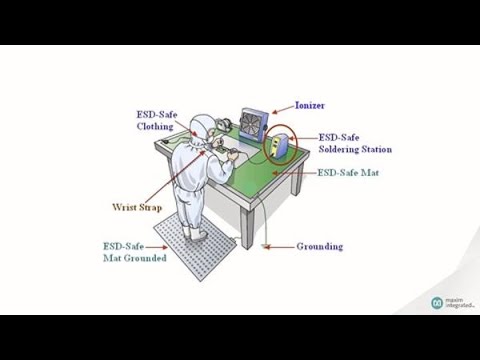
Educational video: Fundamentals of Electrostatic Discharge
This neutral educational video from Maxim Integrated provides background for the controlled process. The written guide remains complete without it.
Często zadawane pytania
Should heel straps be worn on both feet?
Follow the facility control plan and product instructions. Many programs require two grounders for more continuous contact, but the approved system and test define the rule.
Can a heel strap work on any floor?
No. It must be used with a compatible, qualified flooring system and verified as the complete person-footwear-floor path.
What should I do after a failed test?
Stop before entering the EPA, refit and inspect the device, retest, and quarantine or replace it if the failure remains.
Can heel straps replace wrist straps at a seated bench?
Only if the documented ESD program has approved that method for the task. Foot contact may be intermittent while seated.

Napisz odpowiedź