- ターボ
- ブログ
Correct ESD heel straps instructions must cover more than fastening a band around a shoe. A heel grounder works only when its conductive contact reaches the wearer, the cup stays against the heel, the strap interfaces with an approved ESD floor, and the complete person-footwear-floor system passes the facility test. Fit, walking style, socks, contamination, damaged components, and an unsuitable floor can all interrupt the path. This guide gives operators and ESD coordinators a practical sequence for fitting, testing, daily use, troubleshooting, cleaning, inspection, and replacement without assuming that every heel strap or workplace uses the same resistance limits.
Understand what a heel strap can and cannot do
A heel grounder is a personnel-grounding device intended for use while a person is standing or walking on a compatible controlled floor. It does not make an ordinary floor conductive, protect a seated operator who lifts both feet, or replace a wrist strap where the written procedure requires one. The local ESD control plan decides the approved device and test limits.
The conductive ribbon or contact tab normally provides the connection from the wearer to the grounder. The outer cup and contact element then interface with the floor through the shoe. Because the complete path matters, approving a loose strap on a bench is not the same as verifying the worn system.

Fit the heel grounder in the correct sequence
Start with a clean, dry, approved shoe. Place the cup firmly around the heel so its contact surface can meet the floor through a normal walking step. Route the contact ribbon exactly as the manufacturer specifies, usually inside the shoe where it can contact the wearer. Do not fold, trim, knot, or place it over an insulating sock unless the approved design specifically permits that arrangement.
Fasten the strap snugly enough to stay in position but not so tightly that it creates discomfort or a safety problem. Loose hardware can rotate to the side, miss the floor, or catch on surrounding objects. Use one or two grounders according to the site rule; do not assume a single grounder is acceptable simply because one foot passed once.

Test before entry and respond to a failure
Use the facility-approved footwear tester and follow its posted sequence. Stand as instructed, place each foot on the proper plate, avoid leaning on grounded objects, and wait for a clear result. Record or acknowledge the test where required. Test limits and frequency belong to the site program and the applicable equipment instructions, not to a generic internet chart.
If the result fails, stop before entering the EPA. Refit the ribbon and heel cup, confirm the correct footwear and device are being used, check for obvious dirt or damage, and retest. If it still fails, quarantine or replace the grounder and notify the responsible coordinator. Never bypass a failed test by wetting the skin, changing tester settings, or touching grounded metal.

Walk and work without defeating the path
A heel strap depends on repeated floor contact. Normal heel-to-toe walking provides more consistent contact than walking on the toes, pushing a wheeled chair with both feet raised, or standing on insulating mats. Seated tasks may require a wrist strap or another approved method because the footwear path can be intermittent.
Keep the device inside its approved area. Outdoor grit, oils, water and uncontrolled cleaning products can contaminate the contact surfaces. Observe local rules at stairs, ladders and machinery: any device that affects traction, catches, or becomes loose must be removed from service safely. ESD control never overrides general workplace safety.
Clean, inspect and replace using written criteria
Inspect the ribbon, fastener, heel cup, conductive contact, seams and identification before use. Look for stretching, tears, embedded debris, worn contact material, loss of elasticity and parts that will not remain positioned. Clean only with a method compatible with the product and site; household polishes or residue-forming cleaners can change the contact path.
Set replacement criteria from inspection, test history and manufacturer guidance instead of promising a universal lifespan. Repeated failures, physical damage, uncontrolled modification, lost traceability or inability to stay fitted are reasons to remove the item. Store clean grounders so the ribbon and contact surface are protected.
実践管理表
| チェックポイント | Correct action | Stop condition |
|---|---|---|
| Shoe and floor | Use the approved combination | Unapproved or visibly contaminated surface |
| Contact ribbon | Position as instructed against the wearer | Folded, cut, missing or misplaced ribbon |
| Heel cup | Keep centered and secure | Loose, rotated or damaged cup |
| Entry test | Test each required foot or pair | Fail or unclear result |
| Daily use | Maintain floor contact and follow EPA rules | Loose device or loss of safe traction |
管理された手順と承認のサンプルを作成する
サプライヤーの指示書と計画フレームワークを基に、担当者、承認済み材料、施工手順、合否基準、作業停止条件、記録を明記した簡潔な現場手順書を作成してください。作業員が期待される構成を把握できるよう、承認済みの見本または写真セットを指定してください。実際のルートと設備で訓練を行った後、通常の作業サイクルを複数回観察してください。手順書には、作業員が直ちに修正できる事項と、隔離およびレビューが必要な事項を明確に記載してください。.
安全性、清浄度、機械的機能、およびESDの検証はそれぞれ分けて行ってください。単一の目視確認ではすべてのリスクを網羅できず、1つの電気的測定値では清浄度や機械的完全性を証明できません。測定が必要な場合は、測定器、方法、場所、環境、および許容限界を特定してください。施設のシステムのもとで、機器の校正と作業者の訓練を常に最新の状態に維持してください。.
受入検査および変更管理
受入時に、品目、数量、リビジョン、サプライヤーロット、および梱包ラベルを発注書と照合します。損傷、異物混入、識別表示の欠落、ならびに色、質感、形状、臭い、ハードウェア、梱包における予期しない差異がないか検査します。合意された計画に従って、寸法および機能特性をサンプリングします。生産のプレッシャーに屈して例外を文書化されていない承認として処理するのではなく、原因不明の変化については、隔離してください。.
材料の供給元、添加剤、接着剤、金型、寸法、洗浄剤、構造、または重要なハードウェアを変更する前に、通知を義務付ける。再適格性評価は変更の影響を受ける機能に焦点を当てるべきであるが、相互作用の確認も行う必要がある。より強力な接着剤は剥離性に影響を与える可能性があり、新しいキャスターは走行性や電気的経路に影響を与える可能性があり、新しい洗浄剤はラベルや表面挙動に影響を与える可能性がある。.
予選会と記録
代表的な環境および運用条件下でトライアルを実施してください。日付、場所、オペレーター、サンプル、ロット番号、機器、洗浄準備、経路、観察結果、および逸脱を記録してください。可能な場合は、基準として現在承認されているアイテムを含めてください。深刻な不具合を平均スコアの中に隠さないでください。安全性、製品保護、汚染、使いやすさ、文書化、およびESD(静電気放電)の要件には、それぞれ個別の合格判定が必要です。.
通常のばらつきが表面化するのに十分なサイクル数を経た後のレビュー結果。1回の成功した実演では、オペレーターの違い、トラフィックのピーク、摩耗、負荷、洗浄の効果を見落とす可能性があります。レポートには限界(テストされなかった項目、サプライヤーの宣言のままとなっている主張、およびテストされた構成にのみ適用される結論)を記載する必要があります。将来のチームが承認の根拠を理解できるように、証拠をアイテムまたはプロセスの記録とともに保管してください。.
リリース後のプロセスを監査する
計画されたデモンストレーション時だけでなく、リリース後の通常の作業中のプロセスも観察してください。ユーザーが承認された手順に従っていること、材料が引き続き利用可能であること、ラベルが判読可能であること、および停止条件が理解されていることを確認してください。結果の欠落、繰り返される失敗、および説明のつかない代替については、記録をサンプリングしてください。作業員に手順が難しい箇所を尋ねてください。回避策は、製品の欠陥になる前に、適合性、アクセス、動線、またはトレーニングの問題を明らかにすることが多いためです。.
利用可能な記録がその分析を裏付ける場合、品目、場所、シフト、サプライヤーロット別に傾向の不具合を分析する。繰り返される問題については、単なる頻繁な交換ではなく、原因の調査を誘発(トリガー)させるべきである。製品、フロア、設備、清掃員、動線、包装、管理計画に変更が生じた場合は、手順書を更新する。承認された方法が明確であるよう、改訂日を見えるように維持し、旧版のコピーを回収する。.
バイヤー向けRFQチェックリスト
用途、環境、寸法、インターフェース、構造、要求機能、試験方法、合否基準、清浄度、梱包、表示、トレーサビリティ、サンプル数量、文書化、および変更通知。レビューせよ SWESD ESD footwear range そして SWESD製品センター 開始点として、最終的な承認は、支給された品物および買い手自身の管理プログラムと一致している必要があります。.
- 実際の使用経路と保護された製品について説明してください。.
- 絶対不合格の基準と受け入れ可能な証拠を特定する.
- 該当する場合、図面、材料、およびトレーサブルなテスト結果を要求してください。.
- 生産前に、サンプルおよび初品(ファーストアート)の数量を決定してください。.
- 承認済みの清掃、点検、および交換の前提条件を一覧表示する.
- 例外事項および変更点については、書面による開示を義務付けてください。.
関連するSWESDリソース
- using a wrist strap and footwear tester
- understanding ESD footwear
- coordinating clothing and footwear controls
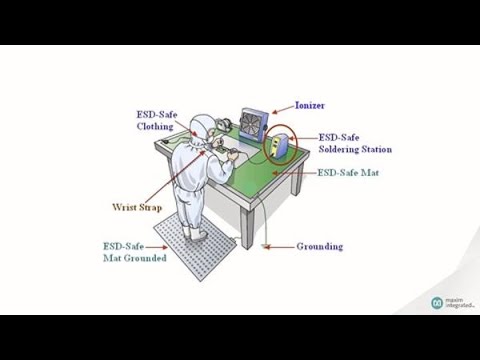
Educational video: Fundamentals of Electrostatic Discharge
This neutral educational video from Maxim Integrated provides background for the controlled process. The written guide remains complete without it.
よくある質問
Should heel straps be worn on both feet?
Follow the facility control plan and product instructions. Many programs require two grounders for more continuous contact, but the approved system and test define the rule.
Can a heel strap work on any floor?
No. It must be used with a compatible, qualified flooring system and verified as the complete person-footwear-floor path.
What should I do after a failed test?
Stop before entering the EPA, refit and inspect the device, retest, and quarantine or replace it if the failure remains.
Can heel straps replace wrist straps at a seated bench?
Only if the documented ESD program has approved that method for the task. Foot contact may be intermittent while seated.
信頼できる参考文献
最近の投稿
-
 ESDボックスの歪み検査:リリース前にフィット度を測定22 10月,2026
-
 JEDEC トレイ表面抵抗試験:ジオメトリ、接触、およびレポート22 10月,2026
-
 クリーンルーム用ワイプ用溶剤適合性:完全なワイプ処理プロセスを認定22 10月,2026
コメントを送信