- Turbo
- Blog
Correct ESD heel straps instructions must cover more than fastening a band around a shoe. A heel grounder works only when its conductive contact reaches the wearer, the cup stays against the heel, the strap interfaces with an approved ESD floor, and the complete person-footwear-floor system passes the facility test. Fit, walking style, socks, contamination, damaged components, and an unsuitable floor can all interrupt the path. This guide gives operators and ESD coordinators a practical sequence for fitting, testing, daily use, troubleshooting, cleaning, inspection, and replacement without assuming that every heel strap or workplace uses the same resistance limits.
Understand what a heel strap can and cannot do
A heel grounder is a personnel-grounding device intended for use while a person is standing or walking on a compatible controlled floor. It does not make an ordinary floor conductive, protect a seated operator who lifts both feet, or replace a wrist strap where the written procedure requires one. The local ESD control plan decides the approved device and test limits.
The conductive ribbon or contact tab normally provides the connection from the wearer to the grounder. The outer cup and contact element then interface with the floor through the shoe. Because the complete path matters, approving a loose strap on a bench is not the same as verifying the worn system.

Fit the heel grounder in the correct sequence
Start with a clean, dry, approved shoe. Place the cup firmly around the heel so its contact surface can meet the floor through a normal walking step. Route the contact ribbon exactly as the manufacturer specifies, usually inside the shoe where it can contact the wearer. Do not fold, trim, knot, or place it over an insulating sock unless the approved design specifically permits that arrangement.
Fasten the strap snugly enough to stay in position but not so tightly that it creates discomfort or a safety problem. Loose hardware can rotate to the side, miss the floor, or catch on surrounding objects. Use one or two grounders according to the site rule; do not assume a single grounder is acceptable simply because one foot passed once.

Test before entry and respond to a failure
Use the facility-approved footwear tester and follow its posted sequence. Stand as instructed, place each foot on the proper plate, avoid leaning on grounded objects, and wait for a clear result. Record or acknowledge the test where required. Test limits and frequency belong to the site program and the applicable equipment instructions, not to a generic internet chart.
If the result fails, stop before entering the EPA. Refit the ribbon and heel cup, confirm the correct footwear and device are being used, check for obvious dirt or damage, and retest. If it still fails, quarantine or replace the grounder and notify the responsible coordinator. Never bypass a failed test by wetting the skin, changing tester settings, or touching grounded metal.

Walk and work without defeating the path
A heel strap depends on repeated floor contact. Normal heel-to-toe walking provides more consistent contact than walking on the toes, pushing a wheeled chair with both feet raised, or standing on insulating mats. Seated tasks may require a wrist strap or another approved method because the footwear path can be intermittent.
Keep the device inside its approved area. Outdoor grit, oils, water and uncontrolled cleaning products can contaminate the contact surfaces. Observe local rules at stairs, ladders and machinery: any device that affects traction, catches, or becomes loose must be removed from service safely. ESD control never overrides general workplace safety.
Clean, inspect and replace using written criteria
Inspect the ribbon, fastener, heel cup, conductive contact, seams and identification before use. Look for stretching, tears, embedded debris, worn contact material, loss of elasticity and parts that will not remain positioned. Clean only with a method compatible with the product and site; household polishes or residue-forming cleaners can change the contact path.
Set replacement criteria from inspection, test history and manufacturer guidance instead of promising a universal lifespan. Repeated failures, physical damage, uncontrolled modification, lost traceability or inability to stay fitted are reasons to remove the item. Store clean grounders so the ribbon and contact surface are protected.
Tabel kontrol praktis
| Pos pemeriksaan | Correct action | Kondisi berhenti |
|---|---|---|
| Shoe and floor | Use the approved combination | Unapproved or visibly contaminated surface |
| Contact ribbon | Position as instructed against the wearer | Folded, cut, missing or misplaced ribbon |
| Heel cup | Keep centered and secure | Loose, rotated or damaged cup |
| Entry test | Test each required foot or pair | Fail or unclear result |
| Daily use | Maintain floor contact and follow EPA rules | Loose device or loss of safe traction |
Buatlah sampel prosedur dan persetujuan yang terkontrol
Ubah instruksi pemasok dan kerangka perencanaan ini menjadi prosedur situs yang ringkas dengan pemilik, bahan yang disetujui, urutan, kriteria kelulusan, kondisi penghentian, dan catatan. Gunakan sampel persetujuan atau set foto yang teridentifikasi agar operator mengetahui konfigurasi yang diharapkan. Latih dengan rute dan peralatan yang sebenarnya, lalu amati beberapa siklus normal. Prosedur tersebut harus menyatakan apa yang boleh segera diperbaiki oleh operator dan apa yang memerlukan karantina dan peninjauan.
Pisahkan keselamatan, kebersihan, fungsi mekanis, dan verifikasi ESD. Pemeriksaan visual tunggal tidak dapat mencakup setiap risiko, dan satu pembacaan kelistrikan tidak dapat membuktikan kebersihan atau integritas mekanis. Ketika pengukuran diperlukan, identifikasi instrumen, metode, lokasi, lingkungan, dan batas penerimaan. Jaga agar kalibrasi peralatan dan pelatihan personel tetap mutakhir di bawah sistem fasilitas.
Inspeksi kedatangan dan kontrol perubahan
Pada saat penerimaan, cocokkan item, kuantitas, revisi, lot pemasok, dan label kemasan dengan pesanan pembelian. Periksa kerusakan, kontaminasi, identifikasi yang hilang, serta perbedaan yang tidak diharapkan dalam warna, tekstur, geometri, bau, perangkat keras, atau kemasan. Ambil sampel dimensi dan atribut fungsional sesuai dengan rencana yang disepakati. Karantina perubahan yang tidak dapat dijelaskan daripada membiarkan tekanan produksi mengubah suatu pengecualian menjadi persetujuan yang tidak didokumentasikan.
Wajibkan pemberitahuan sebelum perubahan pada sumber material, aditif, perekat, perkakas, dimensi, bahan pembersih, konstruksi, atau perangkat keras penting. Reualifikasi harus berfokus pada fungsi yang terdampak oleh perubahan tersebut namun tetap harus memeriksa interaksi. Perekat yang lebih kuat dapat memengaruhi pelepasan; kastor baru dapat memengaruhi pelacakan dan jalur kelistrikan; bahan pembersih baru dapat memengaruhi label dan perilaku permukaan.
Uji kualifikasi dan catatan
Jalankan uji coba di bawah kondisi lingkungan dan operasional yang representatif. Catat tanggal, lokasi, operator, sampel, nomor lot, peralatan, persiapan pembersihan, rute, pengamatan, dan penyimpangan. Sertakan item yang disetujui saat ini sebagai garisan dasar jika memungkinkan. Jangan menyembunyikan kegagalan fatal di dalam skor rata-rata. Persyaratan keselamatan, perlindungan produk, kontaminasi, kegunaan, dokumentasi, dan ESD memerlukan keputusan kelulusannya sendiri.
Tinjau hasil setelah siklus yang cukup untuk mengekspos variasi normal. Satu demonstrasi yang sukses dapat melewatkan perbedaan operator, puncak lalu lintas, keausan, efek pemuatan dan pembersihan. Laporan harus menyatakan batasannya: apa yang tidak diuji, klaim mana yang tetap menjadi pernyataan pemasok, dan kesimpulan mana yang hanya berlaku untuk konfigurasi yang diuji. Simpan bukti dengan catatan barang atau proses agar tim masa depan dapat memahami dasar persetujuan.
Audit proses setelah rilis
Amati proses selama pekerjaan normal setelah peluncuran, bukan hanya selama demonstrasi yang direncanakan. Konfirmasikan bahwa pengguna mengikuti urutan yang disetujui, bahan tetap tersedia, label dapat dibaca, dan kondisi penghentian dipahami. Ambil sampel catatan untuk hasil yang hilang, kegagalan yang berulang, dan substitusi yang tidak dapat dijelaskan. Tanyakan kepada operator di bagian mana prosedur tersebut sulit, karena jalan pintas (workaround) sering kali mengungkapkan masalah kesesuaian, akses, lalu lintas, atau pelatihan sebelum hal itu menjadi cacat produk.
Tren kegagalan menurut item, lokasi, shift, dan lot pemasok jika catatan yang tersedia mendukung analisis tersebut. Masalah yang berulang harus memicu tinjauan penyebab, bukan sekadar penggantian yang lebih sering. Perbarui prosedur ketika produk, lantai, peralatan, pembersih, rute lalu lintas, pengemasan, atau rencana kontrol berubah. Jaga tanggal revisi tetap terlihat dan tarik salinan yang kedaluwarsa agar metode yang disetujui tetap tidak ambigu.
Daftar periksa RFQ untuk pembeli
Sebutkan aplikasi, lingkungan, dimensi, antarmuka, konstruksi, fungsi yang diperlukan, metode pengujian, kriteria penerimaan, kebersihan, pengemasan, pelabelan, keterunutan, jumlah sampel, dokumentasi, dan pemberitahuan perubahan. Tinjau SWESD ESD footwear range dan Pusat produk SWESD sebagai titik awal; persetujuan akhir harus sesuai dengan barang yang disertakan dan program kontrol pembeli sendiri.
- Jelaskan rute penggunaan sebenarnya dan produk yang dilindungi.
- Identifikasi kriteria penolakan mutlak dan bukti yang dapat diterima.
- Minta gambar, bahan, dan hasil pengujian yang dapat ditelusuri jika relevan.
- Tentukan jumlah sampel dan artikel pertama sebelum produksi.
- Daftar asumsi pembersihan, pemeriksaan, dan penggantian yang disetujui.
- Wajibkan pengungkapan tertulis atas pengecualian dan perubahan.
Sumber daya SWESD terkait
- using a wrist strap and footwear tester
- understanding ESD footwear
- coordinating clothing and footwear controls
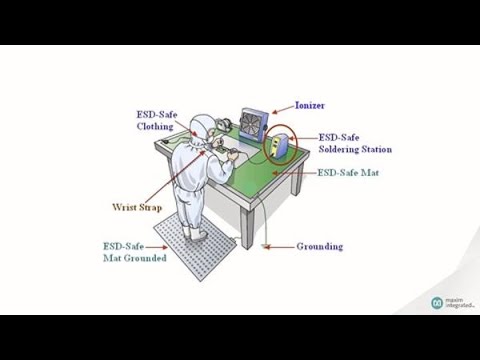
Educational video: Fundamentals of Electrostatic Discharge
This neutral educational video from Maxim Integrated provides background for the controlled process. The written guide remains complete without it.
Pertanyaan yang sering diajukan
Should heel straps be worn on both feet?
Follow the facility control plan and product instructions. Many programs require two grounders for more continuous contact, but the approved system and test define the rule.
Can a heel strap work on any floor?
No. It must be used with a compatible, qualified flooring system and verified as the complete person-footwear-floor path.
What should I do after a failed test?
Stop before entering the EPA, refit and inspect the device, retest, and quarantine or replace it if the failure remains.
Can heel straps replace wrist straps at a seated bench?
Only if the documented ESD program has approved that method for the task. Foot contact may be intermittent while seated.

Tinggalkan Balasan