- Turbo
- Blog
Correct ESD heel straps instructions must cover more than fastening a band around a shoe. A heel grounder works only when its conductive contact reaches the wearer, the cup stays against the heel, the strap interfaces with an approved ESD floor, and the complete person-footwear-floor system passes the facility test. Fit, walking style, socks, contamination, damaged components, and an unsuitable floor can all interrupt the path. This guide gives operators and ESD coordinators a practical sequence for fitting, testing, daily use, troubleshooting, cleaning, inspection, and replacement without assuming that every heel strap or workplace uses the same resistance limits.
Understand what a heel strap can and cannot do
A heel grounder is a personnel-grounding device intended for use while a person is standing or walking on a compatible controlled floor. It does not make an ordinary floor conductive, protect a seated operator who lifts both feet, or replace a wrist strap where the written procedure requires one. The local ESD control plan decides the approved device and test limits.
The conductive ribbon or contact tab normally provides the connection from the wearer to the grounder. The outer cup and contact element then interface with the floor through the shoe. Because the complete path matters, approving a loose strap on a bench is not the same as verifying the worn system.

Fit the heel grounder in the correct sequence
Start with a clean, dry, approved shoe. Place the cup firmly around the heel so its contact surface can meet the floor through a normal walking step. Route the contact ribbon exactly as the manufacturer specifies, usually inside the shoe where it can contact the wearer. Do not fold, trim, knot, or place it over an insulating sock unless the approved design specifically permits that arrangement.
Fasten the strap snugly enough to stay in position but not so tightly that it creates discomfort or a safety problem. Loose hardware can rotate to the side, miss the floor, or catch on surrounding objects. Use one or two grounders according to the site rule; do not assume a single grounder is acceptable simply because one foot passed once.

Test before entry and respond to a failure
Use the facility-approved footwear tester and follow its posted sequence. Stand as instructed, place each foot on the proper plate, avoid leaning on grounded objects, and wait for a clear result. Record or acknowledge the test where required. Test limits and frequency belong to the site program and the applicable equipment instructions, not to a generic internet chart.
If the result fails, stop before entering the EPA. Refit the ribbon and heel cup, confirm the correct footwear and device are being used, check for obvious dirt or damage, and retest. If it still fails, quarantine or replace the grounder and notify the responsible coordinator. Never bypass a failed test by wetting the skin, changing tester settings, or touching grounded metal.

Walk and work without defeating the path
A heel strap depends on repeated floor contact. Normal heel-to-toe walking provides more consistent contact than walking on the toes, pushing a wheeled chair with both feet raised, or standing on insulating mats. Seated tasks may require a wrist strap or another approved method because the footwear path can be intermittent.
Keep the device inside its approved area. Outdoor grit, oils, water and uncontrolled cleaning products can contaminate the contact surfaces. Observe local rules at stairs, ladders and machinery: any device that affects traction, catches, or becomes loose must be removed from service safely. ESD control never overrides general workplace safety.
Clean, inspect and replace using written criteria
Inspect the ribbon, fastener, heel cup, conductive contact, seams and identification before use. Look for stretching, tears, embedded debris, worn contact material, loss of elasticity and parts that will not remain positioned. Clean only with a method compatible with the product and site; household polishes or residue-forming cleaners can change the contact path.
Set replacement criteria from inspection, test history and manufacturer guidance instead of promising a universal lifespan. Repeated failures, physical damage, uncontrolled modification, lost traceability or inability to stay fitted are reasons to remove the item. Store clean grounders so the ribbon and contact surface are protected.
Pratik kontrol tablosu
| Kontrol noktası | Correct action | Stop condition |
|---|---|---|
| Shoe and floor | Use the approved combination | Unapproved or visibly contaminated surface |
| Contact ribbon | Position as instructed against the wearer | Folded, cut, missing or misplaced ribbon |
| Heel cup | Keep centered and secure | Loose, rotated or damaged cup |
| Entry test | Test each required foot or pair | Fail or unclear result |
| Daily use | Maintain floor contact and follow EPA rules | Loose device or loss of safe traction |
Kontrollü bir prosedür ve onay örneği oluşturun
Tedarikçi talimatlarını ve bu planlama çerçevesini; sorumlusu, onaylanmış malzemeleri, sırası, geçiş kriterleri, durdurma koşulları ve kayıtları bulunan kısa bir saha prosedürüne dönüştürün. Operatörlerin beklenen konfigürasyonu bilmesi için onaylanmış bir numune veya fotoğraf seti kullanın. Gerçek güzergah ve ekipmanla eğitim verin, ardından birkaç normal çevrimi gözlemleyin. Prosedür, bir operatörün derhal neyi düzeltebileceğini ve neyin karantinaya alınıp inceleme gerektirdiğini belirtmelidir.
Güvenliği, temizliği, mekanik işlevi ve ESD doğrulamasını birbirinden ayırın. Tek bir görsel kontrol her risk kapsayamaz ve tek bir elektriksel okuma temizliği veya mekanik bütünlüğü kanıtlayamaz. Bir ölçüm gerektiğinde, cihazı, yöntemi, konumları, çevreyi ve kabul sınırlarını belirleyin. Tesis sistemi altında ekipman kalibrasyonunu ve personel eğitimini güncel tutun.
Giriş kalite kontrolü ve değişiklik yönetimi
Teslim alım sırasında kalemi, miktarı, revizyonu, tedarikçi partisini ve ambalaj etiketini satın alma siparişiyle eşleştirin. Hasar, kontaminasyon, eksik tanımlama ve renk, doku, geometri, koku, donanım veya ambalajda beklenmeyen farklılıklar açısından inceleme yapın. Üzerinde anlaşmaya varılan plana göre boyutları ve işlevsel özellikleri numune alarak test edin. Üretim baskısının istisnai bir durumu belgesiz bir onay haline getirmesine izin vermek yerine, açıklanamayan değişiklikleri karantinaya alın.
Malzeme kaynağında, katkı maddesinde, yapıştırıcıda, takımda, boyutlarda, temizleyicide, yapıda veya kritik donanımda yapılacak değişikliklerden önce bildirim gereklidir. Yeniden yeterlilik (rekalifikasyon), değişiklikten etkilenen işlevlere odaklanmalı ancak yine de etkileşimleri kontrol etmelidir. Daha güçlü bir yapıştırıcı sökülebilirliği etkileyebilir; yeni bir tekerlek (caster) iz takibini ve elektrik yollarını etkileyebilir; yeni bir temizleyici etiketleri ve yüzey davranışını etkileyebilir.
Eleme denemesi ve rekorlar
Deneyi temsil edici çevresel ve çalışma koşulları altında gerçekleştirin. Tarihi, konumu, operatörleri, numuneleri, parti numaralarını, ekipmanı, temizlik hazırlığını, rotayı, gözlemleri ve sapmaları kaydedin. Mümkün olduğunda bir başlangıç̧ noktası (referans) olarak güncel ve onaylanmış bir parça dahil edin. Kesin bir hatayı ortalama bir puanın içine gizlemeyin. Güvenlik, ürün koruması, kontaminasyon, kullanılabilirlik, dokümantasyon ve ESD gereksinimlerinin her birinin ayrı bir geçiş kararını gerektirdiği unutulmamalıdır.
Normal varyasyonu ortaya çıkaracak kadar yeterli döngüden sonra inceleme sonuçları. Başarılı tek bir gösterge, operatör farklarını, trafik yoğunluğunu, aşınmayı, yükleme ve temizlik etkilerini gözden kaçırabilir. Rapor sınırları belirtmelidir: neyin test edilmediğini, hangi iddiaların tedarikçi beyanı olarak kaldığını ve hangi sonuçların yalnızca test edilen konfigürasyon için geçerli olduğunu. Gelecek ekiplerin onay temelini anlayabilmesi için kanıtları ürün veya süreç kaydıyla birlikte saklayın.
Yayın sonrası süreci denetle
Yalnızca planlı bir gösteri sırasında değil, yayın sonrasındaki normal çalışma sürecini de gözlemleyin. Kullanıcıların onaylanan sırayı takip ettiğini, malzemelerin erişilebilir kalmaya devam ettiğini, etiketlerin okunabilir olduğunu ve durdurma koşullarının anlaşıldığını doğrulayın. Eksik sonuçlar, tekrarlanan hatalar ve açıklanamayan ikameler için kayıtlardan numune alın. Operatörlere prosedürün nerede zor olduğunu sorun, çünkü geçici çözümler genellikle bir ürün kusuru haline gelmeden önce uyum, erişim, trafik veya eğitim sorununu ortaya çıkarır.
Mevcut kayıtların bu analizi desteklediği durumlarda ürün, konum, vardiya ve tedarikçi partisine göre trend arızaları. Yinelenen sorunlar, yalnızca daha sık değiştirilmeyi değil, bir kök neden incelemesini tetiklemelidir. Ürün, zemin, ekipman, temizlik maddesi, trafik rotası, ambalaj veya kontrol planı değiştiğinde prosedürü güncelleyin. Onaylı yöntemin belirsiz kalmaması için revizyon tarihini görünür tutun ve geçerliliğini yitirmiş kopyaları geri çekin.
Alıcılar için RFQ kontrol listesi
Durum uygulaması, ortam, boyutlar, arayüzler, yapım, gerekli fonksiyon, test yöntemi, kabul kriterleri, temizlik, paketleme, etiketleme, izlenebilirlik, numune miktarı, belgelendirme ve değişiklik bildirimi. İnceleyin: SWESD ESD footwear range ve SWESD ürün merkezi başlangıç noktaları olarak; nihai onay, sağlanan ürün ve alıcının kendi kontrol programıyla eşleşmelidir.
- Gerçek kullanım rotasını ve korunan ürünü açıklayın.
- Kesin ret kriterlerini ve kabul edilebilir kanıtları belirleyin.
- İlgili yerlerde çizimleri, malzemeleri ve izlenebilir test sonuçlarını talep edin.
- Üretimden önce numune ve ilk ürün miktarlarını belirleyin.
- Onaylanan temizlik, inceleme ve değiştirme varsayımlarını listeleyin.
- İstisnaların ve değişikliklerin yazılı olarak bildirilmesini zorunlu kılın.
İlgili SWESD kaynakları
- using a wrist strap and footwear tester
- understanding ESD footwear
- coordinating clothing and footwear controls
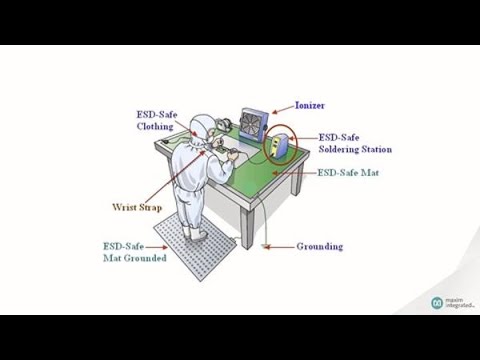
Educational video: Fundamentals of Electrostatic Discharge
This neutral educational video from Maxim Integrated provides background for the controlled process. The written guide remains complete without it.
Sık sorulan sorular
Should heel straps be worn on both feet?
Follow the facility control plan and product instructions. Many programs require two grounders for more continuous contact, but the approved system and test define the rule.
Can a heel strap work on any floor?
No. It must be used with a compatible, qualified flooring system and verified as the complete person-footwear-floor path.
What should I do after a failed test?
Stop before entering the EPA, refit and inspect the device, retest, and quarantine or replace it if the failure remains.
Can heel straps replace wrist straps at a seated bench?
Only if the documented ESD program has approved that method for the task. Foot contact may be intermittent while seated.

Bir Yorum Bırakın