- Turbo
- Blog
Correct ESD heel straps instructions must cover more than fastening a band around a shoe. A heel grounder works only when its conductive contact reaches the wearer, the cup stays against the heel, the strap interfaces with an approved ESD floor, and the complete person-footwear-floor system passes the facility test. Fit, walking style, socks, contamination, damaged components, and an unsuitable floor can all interrupt the path. This guide gives operators and ESD coordinators a practical sequence for fitting, testing, daily use, troubleshooting, cleaning, inspection, and replacement without assuming that every heel strap or workplace uses the same resistance limits.
Understand what a heel strap can and cannot do
A heel grounder is a personnel-grounding device intended for use while a person is standing or walking on a compatible controlled floor. It does not make an ordinary floor conductive, protect a seated operator who lifts both feet, or replace a wrist strap where the written procedure requires one. The local ESD control plan decides the approved device and test limits.
The conductive ribbon or contact tab normally provides the connection from the wearer to the grounder. The outer cup and contact element then interface with the floor through the shoe. Because the complete path matters, approving a loose strap on a bench is not the same as verifying the worn system.

Fit the heel grounder in the correct sequence
Start with a clean, dry, approved shoe. Place the cup firmly around the heel so its contact surface can meet the floor through a normal walking step. Route the contact ribbon exactly as the manufacturer specifies, usually inside the shoe where it can contact the wearer. Do not fold, trim, knot, or place it over an insulating sock unless the approved design specifically permits that arrangement.
Fasten the strap snugly enough to stay in position but not so tightly that it creates discomfort or a safety problem. Loose hardware can rotate to the side, miss the floor, or catch on surrounding objects. Use one or two grounders according to the site rule; do not assume a single grounder is acceptable simply because one foot passed once.

Test before entry and respond to a failure
Use the facility-approved footwear tester and follow its posted sequence. Stand as instructed, place each foot on the proper plate, avoid leaning on grounded objects, and wait for a clear result. Record or acknowledge the test where required. Test limits and frequency belong to the site program and the applicable equipment instructions, not to a generic internet chart.
If the result fails, stop before entering the EPA. Refit the ribbon and heel cup, confirm the correct footwear and device are being used, check for obvious dirt or damage, and retest. If it still fails, quarantine or replace the grounder and notify the responsible coordinator. Never bypass a failed test by wetting the skin, changing tester settings, or touching grounded metal.

Walk and work without defeating the path
A heel strap depends on repeated floor contact. Normal heel-to-toe walking provides more consistent contact than walking on the toes, pushing a wheeled chair with both feet raised, or standing on insulating mats. Seated tasks may require a wrist strap or another approved method because the footwear path can be intermittent.
Keep the device inside its approved area. Outdoor grit, oils, water and uncontrolled cleaning products can contaminate the contact surfaces. Observe local rules at stairs, ladders and machinery: any device that affects traction, catches, or becomes loose must be removed from service safely. ESD control never overrides general workplace safety.
Clean, inspect and replace using written criteria
Inspect the ribbon, fastener, heel cup, conductive contact, seams and identification before use. Look for stretching, tears, embedded debris, worn contact material, loss of elasticity and parts that will not remain positioned. Clean only with a method compatible with the product and site; household polishes or residue-forming cleaners can change the contact path.
Set replacement criteria from inspection, test history and manufacturer guidance instead of promising a universal lifespan. Repeated failures, physical damage, uncontrolled modification, lost traceability or inability to stay fitted are reasons to remove the item. Store clean grounders so the ribbon and contact surface are protected.
Jadual kawalan praktikal
| Sekatan jalan raya | Correct action | Syarat berhenti |
|---|---|---|
| Shoe and floor | Use the approved combination | Unapproved or visibly contaminated surface |
| Contact ribbon | Position as instructed against the wearer | Folded, cut, missing or misplaced ribbon |
| Heel cup | Keep centered and secure | Loose, rotated or damaged cup |
| Entry test | Test each required foot or pair | Fail or unclear result |
| Daily use | Maintain floor contact and follow EPA rules | Loose device or loss of safe traction |
Bina prosedur terkawal dan sampel kelulusan
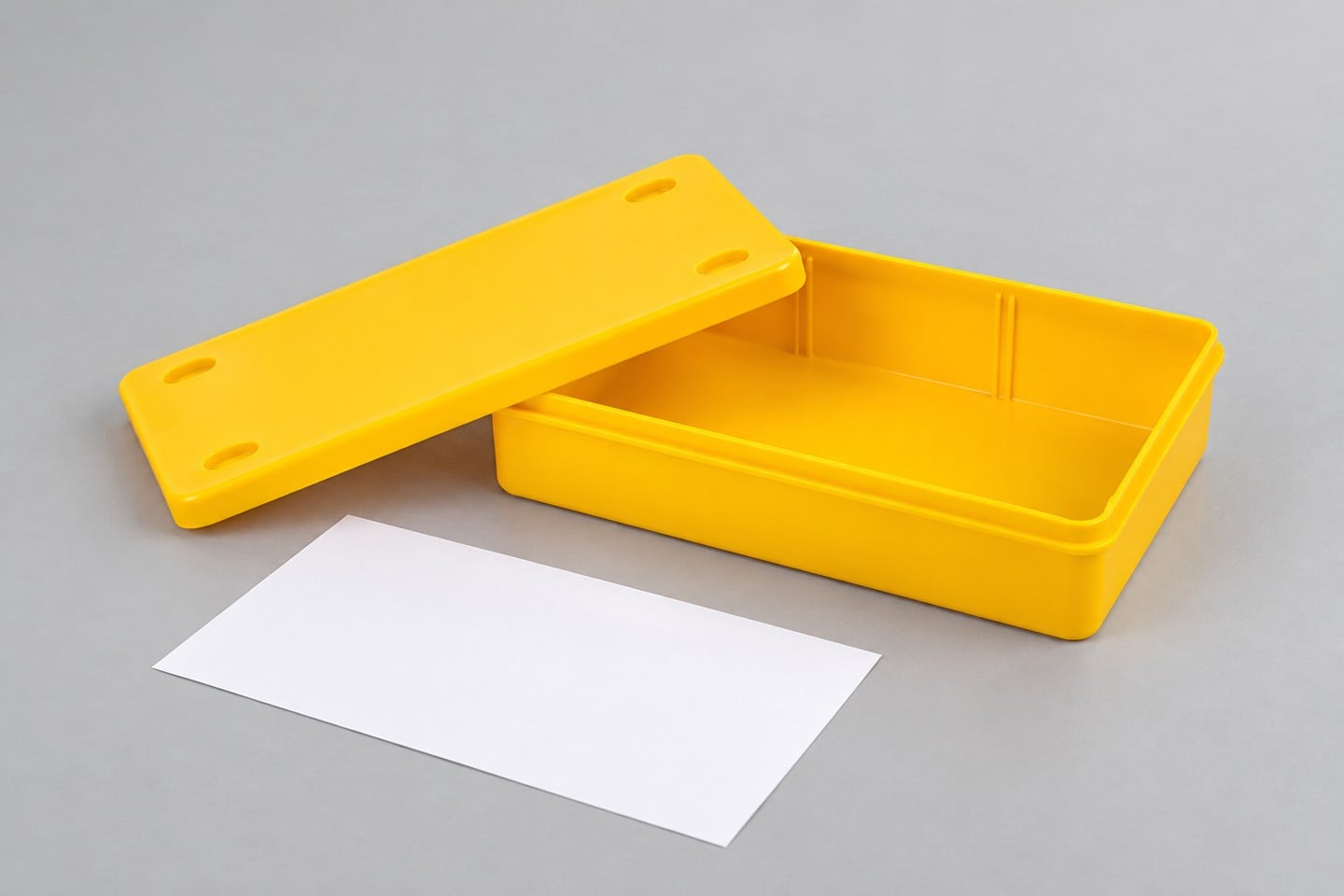
**Prosedur Tapak Ringkas** * **Pemilik:** [Namakan Pemilik] * **Bahan Diluluskan:** Rujuk sampel kelulusan atau set foto yang dikenal pasti untuk konfigurasi yang dijangkakan. * **Urutan Kerja:** Latihan dijalankan menggunakan laluan dan peralatan sebenar, diikuti dengan pemerhatian terhadap beberapa kitaran normal. * **Kriteria Lulus:** Mematuhi konfigurasi yang ditunjukkan dalam sampel atau foto yang diluluskan. * **Syarat Henti Kerja:** Sebarang penyelewengan daripada konfigurasi yang diluluskan. * **Tindakan Pembetulan & Kuarantin:** Nyatakan perkara yang boleh dibetulkan serta-merta oleh pengendali berbanding perkara yang memerlukan kuarantin dan semakan. * **Rekod:** Simpan rekod latihan, pemerhatian kitaran, dan sebarang tindakan kuarantin/semakan.
Asingkan keselamatan, kebersihan, fungsi mekanikal dan pengesahan ESD. Satu pemeriksaan visual tunggal tidak boleh merangkumi setiap risiko, dan satu bacaan elektrik tidak boleh membuktikan kebersihan atau integriti mekanikal. Apabila pengukuran diperlukan, kenal pasti instrumen, kaedah, lokasi, persekitaran dan had penerimaan. Pastikan penentukuran peralatan dan latihan kakitangan sentiasa terkini di bawah sistem fasiliti.
Pemeriksaan masuk dan kawalan perubahan
Semasa penerimaan, padankan item, kuantiti, semakan, lot pembekal dan label pembungkusan dengan pesanan belian. Periksa kerosakan, pencemaran, pengenalan yang hilang dan perbezaan yang tidak dijangka dalam warna, tekstur, geometri, bau, perkakasan atau pembungkusan. Sampel dimensi dan atribut fungsi mengikut pelan yang dipersetujui. Kuarantin perubahan yang tidak dapat dijelaskan daripada membenarkan tekanan pengeluaran mengubah pengecualian menjadi kelulusan yang tidak didokumenkan.
Memerlukan pemberitahuan sebelum sebarang perubahan pada sumber bahan, bahan tambah, pelekat, perkakas, dimensi, pencuci, binaan atau perkakasan kritikal. Kelayakan semula harus tumpu pada fungsi yang terjejas akibat perubahan tersebut tetapi tetap perlu menyemak interaksi. Pelekat yang lebih kuat mungkin menjejaskan proses penanggalan; roda baharu mungkin menjejaskan pengesanan dan laluan elektrik; pencuci baharu mungkin menjejaskan label dan kelakuan permukaan.
Percubaan kelayakan dan rekod
Jalankan percubaan di bawah keadaan persekitaran dan operasi yang mewakili. Rekodkan tarikh, lokasi, pengendali, sampel, nombor lot, peralatan, penyediaan pembersihan, laluan, pemerhatian dan sisihan. Sertakan item diluluskan semasa sebagai garis dasar jika boleh. Jangan sembunyikan kegagalan ketara di dalam skor purata. Keselamatan, perlindungan produk, pencemaran, kebolehgunaan, dokumentasi dan keperluan ESD memerlukan keputusan lulus masing-masing.
Semak keputusan selepas kitaran yang mencukupi untuk mendedahkan variasi biasa. Satu demonstrasi yang berjaya boleh terlepas perbezaan pengendali, puncak trafik, kesan kehausan, pemuatan dan pembersihan. Laporan harus menyatakan had: apa yang tidak diuji, tuntutan yang kekal sebagai pengisytiharan pembekal dan kesimpulan yang hanya terpakai kepada konfigurasi yang diuji. Simpan bukti bersama rekod item atau proses supaya pasukan masa depan boleh memahami asas kelulusan.
Audit proses selepas pelancaran
Amati proses semasa kerja biasa selepas pelancaran, bukan hanya semasa demonstrasi yang dirancang. Sahkan bahawa pengguna mengikut urutan yang diluluskan, bahan kekal tersedia, label boleh dibaca dan syarat penhentian difahami. Sampelkan rekod untuk keputusan yang hilang, kegagalan berulang dan penggantian yang tidak dapat dijelaskan. Tanya pengendali di mana prosedur itu sukar, kerana penyelesaian sementara selalunya mendedahkan masalah kesesuaian, akses, trafik atau latihan sebelum ia menjadi kecacatan produk.
Trend kegagalan mengikut item, lokasi, syif dan lot pembekal di mana rekod yang tersedia menyokong analisis tersebut. Isu berulang harus mencetuskan semakan punca, bukan sekadar penggantian yang lebih kerap. Kemas kini prosedur apabila produk, lantai, peralatan, pencuci, laluan lalu lintas, pembungkusan atau pelan kawalan berubah. Pastikan tarikh semakan sentiasa kelihatan and tarik balik salinan lapuk supaya kaedah yang diluluskan kekal jelas.
Senarai semak RFQ untuk pembeli
Nyatakan aplikasi, persekitaran, dimensi, antara muka, pembinaan, fungsi yang diperlukan, kaedah ujian, kriteria penerimaan, kebersihan, pembungkusan, pelabelan, kebolehkesanan, kuantiti sampel, dokumentasi dan pemberitahuan perubahan. Semak SWESD ESD footwear range dan Pusat produk SWESD sebagai titik permulaan; kelulusan akhir mesti sepadan dengan item yang dibekalkan dan program kawalan pembeli sendiri.
- Terangkan laluan penggunaan sebenar dan produk terlindung.
- Kenal pasti kriteria tapisan lepass dan bukti yang boleh diterima.
- Minta lukisan, bahan dan keputusan ujian yang boleh dikesan jika berkaitan.
- Tentukan kuantiti sampel dan artikel pertama sebelum pengeluaran.
- Senaraikan andaian pembersihan, pemeriksaan dan penggantian yang diluluskan.
- Perlukan pendedahan bertulis mengenai pengecualian dan perubahan.
Sumber SWESD yang berkaitan
- using a wrist strap and footwear tester
- understanding ESD footwear
- coordinating clothing and footwear controls
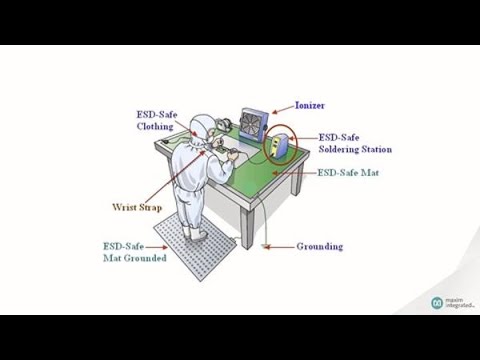
Educational video: Fundamentals of Electrostatic Discharge
This neutral educational video from Maxim Integrated provides background for the controlled process. The written guide remains complete without it.
Soalan Lazim
Should heel straps be worn on both feet?
Follow the facility control plan and product instructions. Many programs require two grounders for more continuous contact, but the approved system and test define the rule.
Can a heel strap work on any floor?
No. It must be used with a compatible, qualified flooring system and verified as the complete person-footwear-floor path.
What should I do after a failed test?
Stop before entering the EPA, refit and inspect the device, retest, and quarantine or replace it if the failure remains.
Can heel straps replace wrist straps at a seated bench?
Only if the documented ESD program has approved that method for the task. Foot contact may be intermittent while seated.

Tinggalkan Balasan