- 터보
- 블로그
Correct ESD heel straps instructions must cover more than fastening a band around a shoe. A heel grounder works only when its conductive contact reaches the wearer, the cup stays against the heel, the strap interfaces with an approved ESD floor, and the complete person-footwear-floor system passes the facility test. Fit, walking style, socks, contamination, damaged components, and an unsuitable floor can all interrupt the path. This guide gives operators and ESD coordinators a practical sequence for fitting, testing, daily use, troubleshooting, cleaning, inspection, and replacement without assuming that every heel strap or workplace uses the same resistance limits.
Understand what a heel strap can and cannot do
A heel grounder is a personnel-grounding device intended for use while a person is standing or walking on a compatible controlled floor. It does not make an ordinary floor conductive, protect a seated operator who lifts both feet, or replace a wrist strap where the written procedure requires one. The local ESD control plan decides the approved device and test limits.
The conductive ribbon or contact tab normally provides the connection from the wearer to the grounder. The outer cup and contact element then interface with the floor through the shoe. Because the complete path matters, approving a loose strap on a bench is not the same as verifying the worn system.

Fit the heel grounder in the correct sequence
Start with a clean, dry, approved shoe. Place the cup firmly around the heel so its contact surface can meet the floor through a normal walking step. Route the contact ribbon exactly as the manufacturer specifies, usually inside the shoe where it can contact the wearer. Do not fold, trim, knot, or place it over an insulating sock unless the approved design specifically permits that arrangement.
Fasten the strap snugly enough to stay in position but not so tightly that it creates discomfort or a safety problem. Loose hardware can rotate to the side, miss the floor, or catch on surrounding objects. Use one or two grounders according to the site rule; do not assume a single grounder is acceptable simply because one foot passed once.

Test before entry and respond to a failure
Use the facility-approved footwear tester and follow its posted sequence. Stand as instructed, place each foot on the proper plate, avoid leaning on grounded objects, and wait for a clear result. Record or acknowledge the test where required. Test limits and frequency belong to the site program and the applicable equipment instructions, not to a generic internet chart.
If the result fails, stop before entering the EPA. Refit the ribbon and heel cup, confirm the correct footwear and device are being used, check for obvious dirt or damage, and retest. If it still fails, quarantine or replace the grounder and notify the responsible coordinator. Never bypass a failed test by wetting the skin, changing tester settings, or touching grounded metal.

Walk and work without defeating the path
A heel strap depends on repeated floor contact. Normal heel-to-toe walking provides more consistent contact than walking on the toes, pushing a wheeled chair with both feet raised, or standing on insulating mats. Seated tasks may require a wrist strap or another approved method because the footwear path can be intermittent.
Keep the device inside its approved area. Outdoor grit, oils, water and uncontrolled cleaning products can contaminate the contact surfaces. Observe local rules at stairs, ladders and machinery: any device that affects traction, catches, or becomes loose must be removed from service safely. ESD control never overrides general workplace safety.
Clean, inspect and replace using written criteria
Inspect the ribbon, fastener, heel cup, conductive contact, seams and identification before use. Look for stretching, tears, embedded debris, worn contact material, loss of elasticity and parts that will not remain positioned. Clean only with a method compatible with the product and site; household polishes or residue-forming cleaners can change the contact path.
Set replacement criteria from inspection, test history and manufacturer guidance instead of promising a universal lifespan. Repeated failures, physical damage, uncontrolled modification, lost traceability or inability to stay fitted are reasons to remove the item. Store clean grounders so the ribbon and contact surface are protected.
실용 제어표
| 검문소 | Correct action | Stop condition |
|---|---|---|
| Shoe and floor | Use the approved combination | Unapproved or visibly contaminated surface |
| Contact ribbon | Position as instructed against the wearer | Folded, cut, missing or misplaced ribbon |
| Heel cup | Keep centered and secure | Loose, rotated or damaged cup |
| Entry test | Test each required foot or pair | Fail or unclear result |
| Daily use | Maintain floor contact and follow EPA rules | Loose device or loss of safe traction |
통제된 절차 및 승인 샘플 구축
공급업체 지침과 계획 프레임워크를 바탕으로 한 현장 절차서는 다음과 같습니다. 1. 담당자 (Owner): - 공정 담당 작업자 및 현장 감독관 2. 승인된 자재 (Approved Materials): - 승인된 샘플 또는 사진 세트에 명시된 자재 및 장비 3. 작업 순서 (Sequence): - 실제 경로와 장비를 활용한 사전 교육 실시 - 정상적인 작업 사이클 수회 참관 및 검증 - 표준 작업 절차 수행 4. 합격 기준 (Pass Criteria): - 승인된 샘플 또는 사진 세트의 예상 구성과 일치할 것 5. 중단 조건 (Stop Conditions): - 승인된 구성과 불일치 발생 시, 안전 위험 감지 시, 장비 오작동 시 즉시 작업 중단 6. 기록 (Records): - 작업 및 검사 결과 기록서 보관 7. 조치 사항 (Correction & Quarantine): - 작업자가 즉시 수정할 수 있는 사항과 격리(Quarantine) 후 검토가 필요한 사항을 명확히 구분하여 규정 준수.
안전, 청결, 기계적 기능, 그리고 ESD 검증은 각각 분리하여 수행하십시오. 단 한 번의 육안 검사로 모든 위험을 커버할 수 없으며, 하나의 전기적 측정값만으로는 청결도나 기계적 무결성을 증명할 수 없습니다. 측정이 필요한 경우, 사용 장비, 측정 방법, 측정 위치, 주변 환경 및 허용 기준을 명시하십시오. 시설 시스템에 따라 장비 교정과 작업자 교육이 최신 상태로 유지되도록 관리하십시오.
수입 검사 및 변경 관리
입고 시 품목, 수량, 리비전, 공급업체 로트 및 포장 라벨을 구매 주문서와 대조하십시오. 손상, 오염, 식별 정보 누락, 그리고 색상, 질감, 형상, 냄새, 하드웨어 또는 포장에서의 예상치 못한 차이가 있는지 검사하십시오. 합의된 계획에 따라 치수와 기능적 특성을 샘플링하십시오. 생산 압박으로 인해 예외 사항이 문서화되지 않은 승인으로 변질되도록 방치하는 대신, 설명되지 않는 변경 사항은 격리 조치하십시오.
자재 소스, 첨가제, 접착제, 금형, 치수, 세척제, 구조 또는 주요 하드웨어의 변경 시 사전 통지가 필요합니다. 재인증은 변경의 영향을 받는 기능에 초점을 맞추어야 하지만 상호작용도 여전히 확인해야 합니다. 더 강력한 접착제는 제거에 영향을 미칠 수 있고, 새로운 캐스터는 주행 및 전기 경로에 영향을 미칠 수 있으며, 새로운 세척제는 라벨 및 표면 거동에 영향을 미칠 수 있습니다.
자격 심판 및 기록
대표적인 환경 및 작동 조건에서 시험을 실행하십시오. 날짜, 장소, 작업자, 시료, 로트 번호, 장비, 세척 준비, 경로, 관찰 사항 및 이탈 사항을 기록하십시오. 가능한 경우 현재 승인된 품목을 기준선으로 포함하십시오. 평균 점수 내에 심각한 결함을 숨기지 마십시오. 안전, 제품 보호, 오염, 사용성, 문서화 및 ESD 요구사항은 각각 독립적인 합격 판정을 받아야 합니다.
정상적인 변동이 나타날 수 있도록 충분한 주기를 거친 후의 검토 결과입니다. 단 한 번의 성공적인 시연으로는 운전자 간의 차이, 트래픽 피크, 마모, 하중 및 청소 효과를 놓칠 수 있습니다. 보고서에는 테스트되지 않은 사항, 공급업체의 선언으로 남는 주장, 그리고 테스트된 구성에만 적용되는 결론 등의 한계를 명시해야 합니다. 향후 팀이 승인 근거를 이해할 수 있도록 증거를 해당 품목 또는 공정 기록과 함께 보관하십시오.
릴리스 후 프로세스를 감사하세요
계획된 시연 때뿐만 아니라 릴리스 후 실제 정상 업무 중에도 과정을 관찰하십시오. 사용자가 승인된 절차를 준수하는지, 자재가 계속 제공되는지, 라벨을 읽을 수 있는지, 중단 조건이 이해되었는지 확인하십시오. 누락된 결과, 반복되는 실패, 그리고 설명되지 않는 대체 사항에 대한 기록을 샘플링하십시오. 작업자에게 절차가 어려운 부분이 어디인지 물어보십시오. 왜냐하면 임시 방편은 제품 결함으로 이어지기 전에 적합성, 접근성, 작업량 또는 교육 문제를 드러내는 경우가 많기 때문입니다.
사용 가능한 기록이 그러한 분석을 뒷받침하는 경우, 품목, 장소, 교대 근무 및 공급업체 로트별 트렌드 부적합 사항을 파악하십시오. 반복되는 문제는 단순한 빈번한 교체가 아니라 원인 검토로 이어져야 합니다. 제품, 현장, 장비, 세척제, 이동 경로, 포장 또는 관리 계획이 변경될 때 절차를 업데이트하십시오. 승인된 방법이 명확하게 유지되도록 개정일이 보이게 유지하고 구버전 사본은 회수하십시오.
구매자를 위한 견적요청서(RFQ) 체크리스트
상태 응용 프로그램, 환경, 치수, 인터페이스, 구조, 요구 기능, 시험 방법, 판정 기준, 청정도, 포장, 라벨링, 이력 추적성, 시료 수량, 문서화 및 변경 통보. 검토하시오. SWESD ESD footwear range 그리고 SWESD 제품 센터 시작점으로 삼아, 최종 승인은 제공된 품목 및 구매자의 자체 제어 프로그램과 일치해야 합니다.
- 실제 사용 경로와 보호된 제품을 설명하세요.
- 탈락 조건과 허용 가능한 증거를 식별하세요.
- 관련된 경우 도면, 자재 및 추적 가능한 시험 성적서를 요청하십시오.
- 생산 전에 샘플 및 초도품 수량을 정의하십시오.
- 승인된 세척, 검사 및 교체 가정 사항 목록.
- 예외 사항과 변경 사항은 서면으로 공개할 것을 요구합니다.
관련 SWESD 리소스
- using a wrist strap and footwear tester
- understanding ESD footwear
- coordinating clothing and footwear controls
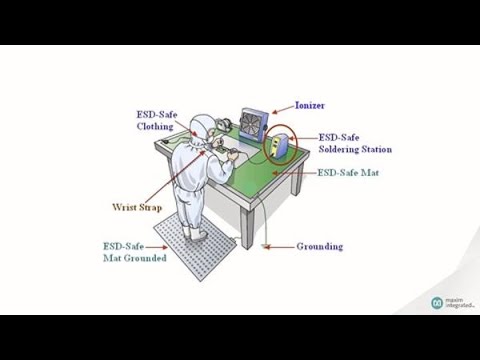
Educational video: Fundamentals of Electrostatic Discharge
This neutral educational video from Maxim Integrated provides background for the controlled process. The written guide remains complete without it.
자주 묻는 질문
Should heel straps be worn on both feet?
Follow the facility control plan and product instructions. Many programs require two grounders for more continuous contact, but the approved system and test define the rule.
Can a heel strap work on any floor?
No. It must be used with a compatible, qualified flooring system and verified as the complete person-footwear-floor path.
What should I do after a failed test?
Stop before entering the EPA, refit and inspect the device, retest, and quarantine or replace it if the failure remains.
Can heel straps replace wrist straps at a seated bench?
Only if the documented ESD program has approved that method for the task. Foot contact may be intermittent while seated.
공신력 있는 참고 문헌
최근 게시물
-
 ESD 박스 변형 검사: 출시 전 적합성 측정22 10월, 2026
-
 JEDEC 트레이 표면 저항 테스트: 기하학, 접촉 및 보고22 10월, 2026
-
 클린룸용 닦음용 용제 호환성: 완전한 닦음 프로세스 인증22 10월, 2026
댓글 남기기