- เทอร์โบ
- บล็อก
แอน ESD EVA foam tray combines shaped cushioning with an electrostatic-control claim, but those two functions must be specified and verified separately. The tray must fit the actual part, support approved surfaces, limit damaging movement, permit safe loading and removal, and remain suitable for the intended ESD protected or transport environment. A black foam appearance, density description, or generic “anti-static” label is not enough to approve it. Buyers need traceable material evidence, a controlled cavity drawing, a representative fit test, cleanliness and shedding checks, and lifecycle criteria. This guide explains how to turn a custom foam-tray request into a verifiable electronics packaging specification.
Clarify whether the tray is cushioning, positioning, or primary protection
A foam tray may prevent part-to-part contact, hold orientation, cushion shock, or serve as a work-in-process carrier. State which function is essential. If the tray directly contacts an unprotected sensitive device, its electrical and contamination behavior becomes part of the ESD control plan. If sealed shielding bags surround every item, the foam may play primarily a mechanical role.
Do not assume that cushioning equals shielding. Electrostatic field protection, low charge generation, resistance behavior, and mechanical energy absorption are different properties. Assign each requirement to a packaging layer and make the boundary clear on the drawing and process instruction.
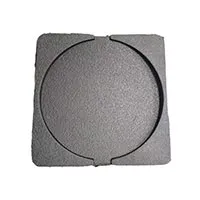
Design cavities from the component—not from a generic sample
Use current part data, approved contact areas, keep-out zones, connector locations, lead or pin protection, polarity, orientation, and removal sequence. Provide finger access or a suitable removal feature so operators do not pull on sensitive leads or scratch functional surfaces. Evaluate tolerance stack-up between the part, cavity, and any cover.
The cavity should retain the part during the defined route without excessive compression. Foam that is too tight can stress the part or shed during loading; foam that is too loose allows impact and rubbing. Prototype with production-representative parts and observe loading, removal, inversion, vibration exposure, and operator variation.
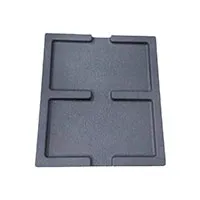
Specify material evidence precisely
EVA describes a polymer family, not an ESD performance category. Ask the supplier to identify the material construction, claimed electrical behavior, applicable test method, conditioning environment, specimen preparation, measured result, and lot traceability. If layers, coatings, laminations, or adhesives are used, identify each one.
A report for a flat raw sheet may not fully represent a molded or machined tray. Heat, machining, skin formation, adhesives, contamination, and cleaning can affect the finished item. Agree whether qualification and periodic checks apply to raw material, finished cavities, contact surfaces, or all three.
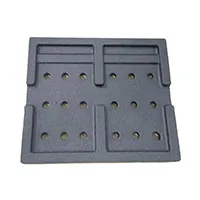
Evaluate cleanliness, shedding and chemical compatibility
Inspect cut edges and cavities for loose particles, dust, odor, residue, and torn surfaces. Cleanroom or high-reliability applications may require tighter controls than general warehouse packaging. The buyer should define the allowed preparation and cleaning method rather than letting each operator improvise.
Check compatibility with component finishes, optics, labels, bags, and any approved cleaning agent. Do not claim low outgassing, chemical resistance, cleanroom classification, or long-term stability without applicable evidence. Where those properties are critical, make them separate qualification items with an agreed method.
Control tooling, revisions and replacement
Custom cavities are controlled features. Record drawing revision, cavity dimensions, tray orientation, tooling identity, material specification, date or lot code, and approval sample. Require notification before changes to foam source, additive system, color, adhesive, manufacturing process, or tooling.
Define what constitutes damage: crushed cavities, permanent set, tears, contamination, lost labels, warped trays, or failed verification. Reuse should be based on inspection and risk, not appearance alone. A replacement plan is especially important when the tray becomes part of automated loading or tightly fitted racks.
ตารางการคัดเลือกและคุณสมบัติ
| Specification item | Question for the buyer | Qualification evidence |
|---|---|---|
| Protection role | What must the tray physically and electrically do? | Packaging boundary and process map |
| Cavity geometry | Where may the foam touch the part? | Controlled drawing and fit trial |
| วัสดุ | Which construction is actually supplied? | Declaration, method and traceable results |
| ความสะอาด | What residue or shedding is unacceptable? | Visual criteria and approved cleaning trial |
| Lifecycle | How will wear and changes be controlled? | Inspection, retest and change-notice plan |
ดำเนินการทดลองชิ้นงานตัวอย่างแรกแบบควบคุม
ใช้ตัวอย่างที่มีเอกสารประกอบซึ่งแสดงถึงการสร้างภาคการผลิตที่เสนอ เปรียบเทียบกับรายการที่ได้รับการอนุมัติในปัจจุบันที่มีอยู่ บันทึกการระบุ, การแก้ไข,ล็อตของซัพพลายเออร์, สภาพแวดล้อม, อุปกรณ์, ผู้ปฏิบัติงาน และข้อสังเกต การทดลองควรครอบคลุมถึงการรับเข้า, การจัดเก็บ, การเตรียม, การใช้งานปกติ, การทำความสะอาดในกรณีที่ทำได้ และการกำจัดหรือการส่งคืน ให้หยุดการทดลองหากรายการดังกล่าวทำให้ผลิตภัณฑ์เสียหาย, ทำให้เกิดการปาลเปื้อน, รบกวนอุปกรณ์, หรือขัดแย้งกับขั้นตอนด้าน ESD หรือความปลอดภัย.
แยกเกณฑ์การผ่านออกจากข้อสังเกต มิติ, การติดฉลาก, ความพอดี, ฝีมือการผลิต, หลักฐานด้านวัสดุ และพฤติกรรมการทำงานอาจต้องมีการตรวจสอบที่แตกต่างกัน แก้ไขความเบี่ยงเบนก่อนอนุมัติปริมาณการผลิต และจัดเก็บแบบสั่งงานที่มีการควบคุม, รายงาน และตัวอย่างที่อนุมัติไว้ ต้องให้ซัพพลายเออร์แจ้งให้ทราบล่วงหน้าก่อนเปลี่ยนแปลงแหล่งที่มาของวัสดุ, สารเติมแต่ง, กาว, โครงสร้าง, เครื่องมือ, กระบวนการ หรือมิติที่สำคัญ.
การตรวจสอบขาเข้าและการควบคุมอย่างต่อเนื่อง
- จับคู่รายการ, ฉบับแก้ไขของแบบวาด, จำนวน, ล็อตของซัพพลายเออร์ และป้ายบรรจุภัณฑ์เข้ากับคำสั่งซื้อ.
- ตรวจสอบการปนเปื้อน ความเสียหาย ฝีมือแรงงานที่ไม่ได้มาตรฐาน ขนาดที่ไม่ถูกต้อง และการระบุตัวตนที่ขาดหายไป.
- ทำการสุ่มตัวอย่างและการทวนสอบตามที่ตกลงกันไว้ ด้วยวิธีที่จัดทำเป็นเอกสารและใช้อุปกรณ์ที่ได้รับการสอบเทียบแล้วในกรณีที่จำเป็นต้องมีการวัด.
- กักกันความผิดปกติที่อธิบายไม่ได้ในด้านสี กลิ่น เนื้อสัมผัส ความเหนียว การประกอบ การกรอ รูปทรงเรขาคณิต หรือประสิทธิภาพ.
- เก็บบันทึกการรับเข้าและเชื่อมโยงข้อร้องเรียนหรือความล้มเหลวเข้ากับล็อตที่ได้รับผลกระทบ.
- ทบทวนข้อกำหนดเมื่อผลิตภัณฑ์ อุปกรณ์ เส้นทาง วิธีการทำความสะอาด หรือแผนการควบคุมเปลี่ยนแปลงไป.
รายการตรวจสอบ RFQ สำหรับผู้ซื้อ
ระบุการใช้งาน ขอบเขตการป้องกัน ส่วนต่อประสานของอุปกรณ์หรือชิ้นส่วน ขนาดและค่าความเผื่อ วัสดุก่อสร้าง ฟังก์ชันที่ต้องการ วิธีการทดสอบและเกณฑ์การยอมรับ ข้อกำหนดด้านความสะอาดและฝีมือการผลิต บรรจุภัณฑ์ การติดฉลาก การสอบย้อนกลับ ปริมาณตัวอย่าง ความคาดหวังสำหรับชิ้นงานตัวแรก เอกสาร การแจ้งเตือนการเปลี่ยนแปลง และปริมาณการจัดส่ง อ้างอิงถึง SWESD EVA integrated molding tray range สำหรับประเภทสินค้าที่แสดงอยู่ปัจจุบัน และใช้ ศูนย์ผลิตภัณฑ์ SWESD เพื่อประสานงานกับอุปกรณ์การจัดการที่เกี่ยวข้อง.
ขอให้ซัพพลายเออร์ระบุข้อสมมติฐานและข้อยกเว้น หลีกเลี่ยงการคัดลอกคำกล่าวอ้างในแคตตาล็อกที่ยังไม่ได้ตรวจสอบลงในข้อกำหนดที่มีการควบคุม ขีดจำกัดทางเทคนิค ใบรับรอง และคำแถลงการปฏิบัติตามข้อกำหนด ควรได้รับการตรวจสอบเทียบกับสินค้าที่จัดส่งจริงและการใช้งานของผู้ซื้อ.
เปรียบเทียบตัวอย่างภายใต้เงื่อนไขเดียวกัน
การเปรียบเทียบที่มีประโยชน์จะเปลี่ยนการตัดสินใจทีละหนึ่งรายการ ใช้ชิ้นส่วนตัวแทน ผู้ปฏิบัติงาน อุปกรณ์ เส้นทาง การเตรียมความพร้อมในการทำความสะอาด และระยะเวลาในการสังเกตชุดเดียวกันสำหรับผู้สมัครแต่ละราย ติดป้ายกำกับตัวอย่างเพื่อให้ผู้ตรวจสอบไม่สับสนเกี่ยวกับตัวตนของผู้จัดจำหน่าย ฉบับแก้ไข หรือลำดับการทดสอบ หากทำได้ ให้รวมรายการที่ได้รับการอนุมัติในปัจจุบันไว้เป็นเกณฑ์มาตรฐาน บันทึกทั้งพฤติกรรมการทำงานที่ประสบความสำเร็จและงานที่ต้องทำเพื่อให้บรรลุผลสำเร็จ เช่น การปรับแต่งเพิ่มเติม การทำความสะอาดซ้ำ การจัดการที่ช้าลง หรือการแทรกแซงของผู้ปฏิบัติงาน.
ห้ามรวมข้อสรุปด้านไฟฟ้า เครื่องจักร ความสะอาด และเชิงพาณิชย์เข้าเป็นคะแนนกว้างๆ เพียงคะแนนเดียว ผู้สมัครอาจเหมาะสมดีแต่ขาดหลักฐานที่เป็นวัสดุซึ่งตรวจสอบย้อนกลับได้ หรือมีเอกสารประกอบที่แข็งแกร่งแต่ปฏิบัติงานกับเครื่องจักรได้ไม่ดี ให้แยกเกณฑ์การผ่านสำหรับความปลอดภัย การควบคุม ESD การปกป้องผลิตภัณฑ์ ความเข้ากันได้ของอุปกรณ์ การปนเปื้อน การใช้งาน เอกสาร และต้นทุนตลอดอายุการใช้งานออกจากกัน ความล้มเหลวที่สำคัญใดๆ ควรได้รับการแก้ไขแทนที่จะซ่อนไว้ด้วยคะแนนเฉลี่ยที่สูง.
การเปรียบเทียบเชิงพาณิชย์ควรใช้ต้นทุนของกระบวนการที่เสร็จสมบูรณ์และเป็นที่ยอมรับ ไม่ใช่แค่ราคาต่อชิ้นเท่านั้น ให้รวมถึงความพยายามในการตรวจสอบ เวลาในการเปลี่ยนรุ่น ของเสีย การทำความสะอาด การเปลี่ยนทดแทน ความเสี่ยงจากเวลาหยุดทำงาน Logistics ขา ำกลับ เอกสาร และผลกระทบจากล็อตที่ไม่สม่ำเสมอ ปัจจัยเหล่านี้ไม่ได้เป็นข้ออج้างในการสร้างข้อกล่าวอ้างเรื่องอายุการใช้งานขึ้นมา แต่ช่วยให้ผู้ซื้อออกแบบการทดลองที่วัดเงื่อนไขที่ก่อให้เกิดต้นทุนจริงๆ ได้.
ทรัพยากรการวางแผน SWESD ที่เกี่ยวข้อง
- comparing custom thermoformed ESD trays
- choosing between IC and logistics trays
- reviewing temperature exposure for ESD trays
Educational video: Fundamentals of Electrostatic Discharge by Maxim Integrated
This educational video provides the device-level ESD background needed to define why direct-contact tray materials must be controlled. The written guide remains complete without the video.
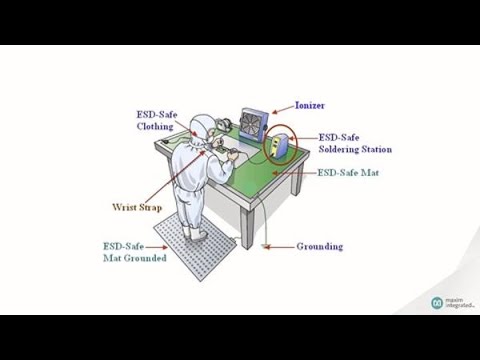
Open this video from Maxim Integrated on YouTube.
คำถามที่มักถูกถาม
Is every black EVA foam tray conductive?
No. Appearance does not prove electrical behavior. Require the claimed property, test method, conditions, results, and traceability for the supplied construction.
Does an ESD foam tray provide shielding?
Not automatically. Direct-contact and resistance properties do not by themselves establish electrostatic shielding performance.
Should the tray grip the component tightly?
Only within an approved mechanical design. Excessive compression can stress parts or create particles, while loose cavities permit movement and rubbing.
What belongs on the controlled drawing?
Include cavity dimensions, contact and keep-out areas, orientation, material, layers or adhesive, identification, tolerances, cleaning assumptions, revision, and approval criteria.

แสดงความคิดเห็น