- Турбо
- Блог
Ан Ложемент из ЭВА с защитой от электростатического разряда сочетает амортизацию сложной формы с заявлением об электростатическом контроле, однако эти две функции должны быть определены и проверены по отдельности. Ложемент должен соответствовать конкретной детали, поддерживать одобренные поверхности, ограничивать вредные перемещения, обеспечивать безопасную загрузку и извлечение, а также оставаться пригодным для предполагаемой зоны, защищенной от электростатического разряда (EPA), или среды транспортировки. Черный внешний вид пеноматериала, описание плотности или общая “антистатическая” маркировка недостаточны для его утверждения. Покупателям необходимы прослеживаемые подтверждения материала, чертеж ячеек с контролируемыми размерами, репрезентативный тест на посадку, проверки на чистоту и осыпаемость, а также критерии жизненного цикла. В этом руководстве объясняется, как превратить запрос на индивидуальный ложемент из пеноматериала в проверяемую спецификацию упаковки для электроники.
Уточните, выполняет ли лоток функции амортизации, позиционирования или является основным средством защиты
Поднос из пеноматериала может предотвращать контакт деталей друг с другом, удерживать ориентацию, смягчать удары или служить носителем в незавершенном производстве. Укажите, какая функция является основной. Если лоток непосредственно контактирует с незащищенным чувствительным устройством, его электрические свойства и характеристики загрязнения становятся частью плана контроля электростатического разряда. Если каждый предмет помещен в герметичный экранирующий пакет, пеноматериал может выполнять в основном механическую роль.
Не предполагайте, что амортизация равна экранированию. Защита от электростатического поля, низкое генерирование заряда, резистивное поведение и поглощение механической энергии — это разные свойства. Распределите каждое требование по слоям упаковки и четко обозначьте границы на чертеже и в технологической инструкции.
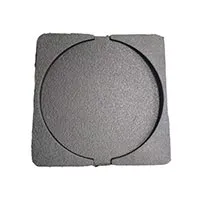
Проектируйте полости на основе конкретного компонента, а не стандартного образца
Используйте актуальные данные о детали, утвержденные зоны контакта, запретные зоны, расположение разъемов, защиту выводов или контактов, полярность, ориентацию и последовательность извлечения. Обеспечьте доступ для пальцев или подходящий элемент для извлечения, чтобы операторы не тянули за чувствительные выводы и не царапали функциональные поверхности. Оцените накопление допусков между деталью, полостью и любой крышкой.
Полость должна удерживать изделие на заданном маршруте без чрезмерного сжатия. Слишком плотный пеноматериал может создавать напряжение в изделии или крошиться при укладке; слишком свободный — допускает ударные нагрузки и трение. Проведите прототипирование с деталями, соответствующими серийным, и понаблюдайте за процессами укладки, извлечения, переворачивания, воздействия вибрации и вариативностью действий оператора.
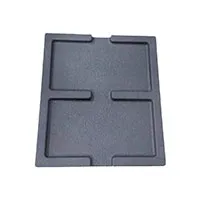
Укажите вещественные доказательства точнее
ЭВА описывает семейство полимеров, а не категорию защитных свойств от электростатического разряда (ESD). Попросите поставщика указать состав материала, заявляемое электрическое поведение, применимый метод испытаний, условия кондиционирования, подготовку образцов, полученный результат и прослеживаемость партии. Если используются слои, покрытия, ламинация или клеи, укажите каждый из них.
Отчет по плоскому необработанному листу может не в полной мере отражать характеристики формованного или обработанного лотка. На готовое изделие могут влиять нагрев, механическая обработка, образование поверхностной корки, клеи, загрязнения и очистка. Согласуйте, применяются ли квалификация и периодические проверки к сырью, готовым полостям, контактным поверхностям или ко всем трем пунктам.
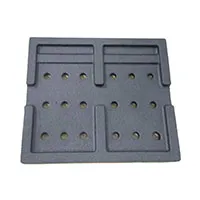
Оценить чистоту, выпадение волокон (или линьку) и химическую совместимость
Осмотрите обрезанные края и полости на наличие рыхлых частиц, пыли, запаха, остатков и поврежденных поверхностей. В условиях чистых помещений или применений с повышенной надежностью могут потребоваться более строгие меры контроля, чем при обычной складской упаковке. Покупатель должен определить допустимый метод подготовки и очистки, а не позволять каждому оператору действовать импровизированно.
Проверьте совместимость с отделкой компонентов, опцией, этикетками, пакетами и любыми утвержденными чистящими средствами. Не заявляйте о низком газовыделении, химической стойкости, классификации чистых помещений или долгосрочной стабильности без соответствующих подтверждений. Если эти свойства критически важны, выделите их в отдельные пункты квалификации с согласованным методом проверки.
Контроль оснастки, ревизии и замена
Изготавливаемые по заказу полости являются контролируемыми элементами. Фиксируйте ревизию чертежа, размеры полостей, ориентацию ложемента, идентификационные данные оснастки, спецификацию материала, дату или код партии и эталонный образец, подлежащий утверждению. Требуйте уведомления до внесения изменений в источник пеноматериала, систему добавок, цвет, клей, производственный процесс или оснастку.
Определите, что является повреждением: раздавленные полости, остаточная деформация, разрывы, загрязнение, утерянные этикетки, деформированные лотки или неудачная проверка. Повторное использование должно основываться на результатах осмотра и оценке рисков, а не только на внешнем виде. План замены особенно важен, когда лоток становится частью автоматической загрузки или плотно подогнанных стеллажей.
Таблица отбора и квалификации
| Пункт спецификации | Вопрос покупателю | Подтверждение квалификации |
|---|---|---|
| Роль защиты | Что поднос должен делать физически и электрически? | Граница упаковки и технологическая карта процесса |
| Геометрия полости | Где пена может соприкасаться с деталью? | Контрольная примерка и подгонка |
| Материал | Какая именно конструкция поставляется на самом деле? | Декларация, метод и прослеживаемые результаты |
| Чистота | Какой остаток или шелушение неприемлемы? | Визуальные критерии и утвержденное испытание по очистке |
| Жизненный цикл | Как будут контролироваться износ и изменения? | План инспекций, повторных испытаний и извещений об изменениях |
Провести контролируемое испытание первой партии изделий
Используйте документированный образец, который представляет предлагаемую производственную конструкцию. Сравните его с текущим утвержденным изделием, если таковое имеется. Зафиксируйте идентификационные данные, ревизию, партию поставщика, условия окружающей среды, оборудование, операторов и замечания. Испытание должно охватывать приемку, хранение, подготовку, нормальное использование, очистку (где применимо), а также утилизацию или возврат. Прекратите испытание, если изделие повреждает продукцию, создает загрязнение, создает помехи для оборудования или противоречит процедуре ESD или безопасности.
Отделите критерии прохождения от наблюдений. Размеры, маркировка, посадка, качество изготовления, материальные свидетельства и функциональное поведение могут потребовать различных проверок. Устраните отклонения перед утверждением производственных объемов и сохраните контролируемый чертеж, отчет и утвержденный образец. Требуйте уведомления от поставщика перед любым изменением источника материала, добавки, клея, конструкции, оснастки, процесса или критического размера.
Входной контроль и текущий контроль
- Сопоставьте изделие, ревизию чертежа, количество, лот поставщика и упаковочную этикетку с заказом.
- Проверить на наличие загрязнений, повреждений, некачественного изготовления, несоответствия размеров и отсутствия маркировки.
- Выполните согласованный отбор проб и проверку с использованием документированного метода и калиброванного оборудования там, где требуется измерение.
- Изолируйте необъяснимые изменения цвета, запаха, текстуры, липкости, посадки, намотки, геометрии или характеристик.
- Вести учет записей о приемке и связывать жалобы или отказы с затронутой партией.
- Пересматривайте спецификацию при изменении продукта, оборудования, маршрута, метода очистки или плана контроля.
Чек-лист запроса коммерческих предложений для покупателей
Укажите область применения, границу защиты, интерфейс оборудования или детали, размеры и допуски, материал изготовления, требуемую функцию, метод испытаний и критерии приемки, требования к чистоте и качеству изготовления, упаковку, маркировку, прослеживаемость, количество образцов, требования к первому изделию, документацию, уведомление об изменениях и количество поставки. Ссылайтесь на Линейка формованных лотков SWESD EVA с интегрированной конструкцией для текущего отображаемого типа продукта и используйте Центр продуктов SWESD согласовать его со смежным подъемно-транспортным оборудованием.
Попросите поставщика перечислить допущения и исключения. Избегайте включения неподтвержденных заявлений из каталога в контролируемую спецификацию. Технические ограничения, сертификаты и заявления о соответствии должны быть проверены на соответствие фактически поставляемому изделию и задачам покупателя.
Сравните образцы в одинаковых условиях
Полезное сравнение изменяет только одно решение за раз. Используйте одинаковые репрезентативные детали, операторов, оборудование, маршрут, подготовку к очистке и период наблюдения для каждого кандидата. Маркируйте образцы так, чтобы рецензенты не путали идентификатор поставщика, ревизию или последовательность испытаний. Там, где это практично, включайте текущий утвержденный элемент в качестве базовой линии. Фиксируйте как успешное поведение, так и работу, необходимую для его достижения, такую как дополнительная регулировка, повторная очистка, более медленное обращение или вмешательство оператора.
Не объединяйте электрические, механические, технологические и коммерческие выводы в один расплывчатый балл. Кандидат может хорошо подходить, но не иметь проверяемых материальных доказательств, либо иметь сильную документацию, но плохо показывать себя на оборудовании. Сохраняйте раздельные критерии прохождения по безопасности, защите от электростатического разряда (ESD), защите продукции, совместимости оборудования, загрязнению, удобству использования, документации и стоимости жизненного цикла. Любой критический сбой должен быть устранен, а не замаскирован высоким средним баллом.
Коммерческое сравнение должно использовать стоимость завершенного и принятого процесса, а не только цену за штуку. Включите затраты на контроль, время переналадки, отходы, очистку, замену, риск простоя, логистику возврата, документацию и влияние нестабильных партий. Эти факторы не оправдывают выдумывание заявлений о сроке службы; они помогают покупателю разработать испытание, измеряющее условия, которые реально формируют затраты.
Связанные ресурсы по планированию SWESD
- сравнение заказных термоформованных антистатических лотков
- выбор между ИС и логистическими лотками
- анализ температурного воздействия на антистатические лотки
Обучающее видео: Основы электростатического разряда от Maxim Integrated
Это обучающее видео предоставляет базовые сведения об электростатическом разряде (ESD) на уровне устройств, необходимые для обоснования необходимости контроля материалов лотков при непосредственном контакте. Письменное руководство остается полным и без видео.
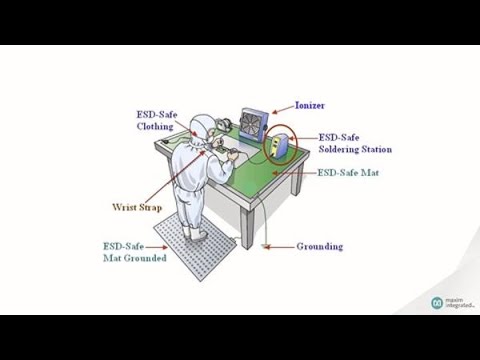
Откройте это видео от Maxim Integrated на YouTube.
Часто задаваемые вопросы
Не каждый черный поддон из пеноматериала EVA является электропроводным.
Нет. Внешний вид не доказывает электрическое поведение. Требуйте заявленное свойство, метод испытания, условия, результаты и прослеживаемость для поставляемой конструкции.
Обеспечивает ли ложемент из антистатического (ESD) пеноматериала экранирование?
Не автоматически. Свойства прямого контакта и сопротивления сами по себе не определяют эффективность электростатического экранирования.
Должен ли лоток плотно удерживать компонент?
Только в рамках утвержденной механической конструкции. Чрезмерное сжатие может привести к напряжению деталей или образованию частиц, в то время как слишком свободные полости допускают движение и трение.
Что должно быть на контролируемом чертеже?
Включите размеры полости, контактные зоны и зоны запрета размещения, ориентацию, материал, слои или клей, маркировку, допуски, допущения по очистке, редакцию и критерии приемки.
Оставить ответ