- Turbo
- Blog
Bir ESD EVA foam tray combines shaped cushioning with an electrostatic-control claim, but those two functions must be specified and verified separately. The tray must fit the actual part, support approved surfaces, limit damaging movement, permit safe loading and removal, and remain suitable for the intended ESD protected or transport environment. A black foam appearance, density description, or generic “anti-static” label is not enough to approve it. Buyers need traceable material evidence, a controlled cavity drawing, a representative fit test, cleanliness and shedding checks, and lifecycle criteria. This guide explains how to turn a custom foam-tray request into a verifiable electronics packaging specification.
Clarify whether the tray is cushioning, positioning, or primary protection
A foam tray may prevent part-to-part contact, hold orientation, cushion shock, or serve as a work-in-process carrier. State which function is essential. If the tray directly contacts an unprotected sensitive device, its electrical and contamination behavior becomes part of the ESD control plan. If sealed shielding bags surround every item, the foam may play primarily a mechanical role.
Do not assume that cushioning equals shielding. Electrostatic field protection, low charge generation, resistance behavior, and mechanical energy absorption are different properties. Assign each requirement to a packaging layer and make the boundary clear on the drawing and process instruction.
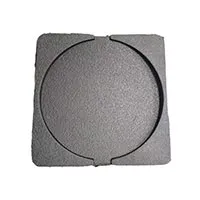
Design cavities from the component—not from a generic sample
Use current part data, approved contact areas, keep-out zones, connector locations, lead or pin protection, polarity, orientation, and removal sequence. Provide finger access or a suitable removal feature so operators do not pull on sensitive leads or scratch functional surfaces. Evaluate tolerance stack-up between the part, cavity, and any cover.
The cavity should retain the part during the defined route without excessive compression. Foam that is too tight can stress the part or shed during loading; foam that is too loose allows impact and rubbing. Prototype with production-representative parts and observe loading, removal, inversion, vibration exposure, and operator variation.
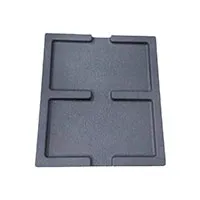
Specify material evidence precisely
EVA describes a polymer family, not an ESD performance category. Ask the supplier to identify the material construction, claimed electrical behavior, applicable test method, conditioning environment, specimen preparation, measured result, and lot traceability. If layers, coatings, laminations, or adhesives are used, identify each one.
A report for a flat raw sheet may not fully represent a molded or machined tray. Heat, machining, skin formation, adhesives, contamination, and cleaning can affect the finished item. Agree whether qualification and periodic checks apply to raw material, finished cavities, contact surfaces, or all three.
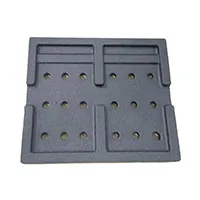
Evaluate cleanliness, shedding and chemical compatibility
Inspect cut edges and cavities for loose particles, dust, odor, residue, and torn surfaces. Cleanroom or high-reliability applications may require tighter controls than general warehouse packaging. The buyer should define the allowed preparation and cleaning method rather than letting each operator improvise.
Check compatibility with component finishes, optics, labels, bags, and any approved cleaning agent. Do not claim low outgassing, chemical resistance, cleanroom classification, or long-term stability without applicable evidence. Where those properties are critical, make them separate qualification items with an agreed method.
Control tooling, revisions and replacement
Custom cavities are controlled features. Record drawing revision, cavity dimensions, tray orientation, tooling identity, material specification, date or lot code, and approval sample. Require notification before changes to foam source, additive system, color, adhesive, manufacturing process, or tooling.
Define what constitutes damage: crushed cavities, permanent set, tears, contamination, lost labels, warped trays, or failed verification. Reuse should be based on inspection and risk, not appearance alone. A replacement plan is especially important when the tray becomes part of automated loading or tightly fitted racks.
Seçim ve yeterlilik tablosu
| Specification item | Question for the buyer | Qualification evidence |
|---|---|---|
| Protection role | What must the tray physically and electrically do? | Packaging boundary and process map |
| Cavity geometry | Where may the foam touch the part? | Controlled drawing and fit trial |
| Malzeme | Which construction is actually supplied? | Declaration, method and traceable results |
| Temizlik | What residue or shedding is unacceptable? | Visual criteria and approved cleaning trial |
| Lifecycle | How will wear and changes be controlled? | Inspection, retest and change-notice plan |
Kontrollü bir ilk ürün denemesi çalıştırın
Önerilen üretim konstrüksiyonunu temsil eden dokumente edilmiş bir numune kullanın. Varsa, mevcut onaylanmış öğeyle karşılaştırın. Tanımlamayı, revizyonu, tedarikçi lotunu, çevre koşullarını, ekipmanı, operatörleri ve gözlemleri kaydedin. Bir deneme; kabul, depolama, hazırlık, normal kullanım, geçerli olduğu durumlarda temizlik ve imha etme veya iade etmeyi kapsamalıdır. Öğenin bir ürüne zarar vermesi, kontaminasyon oluşturması, ekipmana müdahale etmesi veya ESD veya güvenlik prosedürüyle çelişmesi durumunda denemeyi durdurun.
Onay kriterlerini gözlemlerden ayırın. Boyutlar, etiketleme, uyum, işçilik, malzeme kanıtı ve işlevsel davranış farklı kontroller gerektirebilir. Üretim miktarlarını onaylamadan önce sapmaları giderin ve kontrollü teknik resmi, raporu ve onay numunesini saklayın. Malzeme kaynağında, katkı maddesinde, yapıştırıcıda, konstrüksiyonda, kalıpta, süreçte veya kritik boyutta bir değişiklik yapılmadan önce tedarikçinin bilgilendirilmesini zorunlu kılın.
Giriş kontrolü ve devam eden kontrol
- Kalemi, teknik resim revizyonunu, miktarı, tedarikçi partisini ve ambalaj etiketini siparişle eşleştirin.
- Kontaminasyon, hasar, kötü işçilik, yanlış boyutlar ve eksik kimlik bilgisi açısından inceleyin.
- Ölçümün gerekli olduğu durumlarda, üzerinde anlaşmaya varılan numune alma ve doğrulama işlemini belgelenmiş bir yöntemle ve kalibre edilmiş ekipmanla gerçekleştirin.
- Renk, koku, doku, yapışkanlık, uyum, sarım, geometri veya performans ile ilgili açıklanamayan değişiklikleri karantinaya alın.
- Kabul kayıtlarını tutun ve şikayetleri veya hataları ilgili partiye bağlayın.
- Ürün, ekipman, rota, temizlik yöntemi veya kontrol planı değiştiğinde şartnameyi gözden geçirin.
Alıcılar için RFQ kontrol listesi
Uygulamayı, koruma sınırını, ekipman veya parça arayüzünü, boyutları ve toleransları, malzeme konstrüksiyonunu, gerekli işlevi, test yöntemini ve kabul kriterlerini, temizlik ve işçilik gereksinimlerini, paketlemeyi, etiketlemeyi, izlenebilirliği, numune miktarını, ilk numune beklentilerini, dokümantasyonu, değişiklik bildirimini ve teslimat miktarını belirtin. Şuna atıfta bulunun: SWESD EVA integrated molding tray range şu anda görüntülenen ürün türü için ve şunu kullanın SWESD ürün merkezi İlgili elleçleme ekipmanıyla koordine etmek için.
Tedarikçiden varsayımları ve istisnaları listelettirin. Doğrulanmamış katalog iddialarını kontrollü bir şartnameye kopyalamaktan kaçının. Teknik limitler, sertifikalar ve uygunluk beyanları, fiilen tedarik edilen ürün ve alıcının uygulaması açısından gözden geçirilmelidir.
Örnekleri aynı koşullar altında karşılaştırın
Yararlı bir karşılaştırma, aynı anda tek bir kararı değiştirir. Her bir aday için aynı temsilî parçaları, operatörleri, ekipmanı, rotayı, temizlik hazırlığını ve gözlem süresini kullanın. İnceleme yapanların tedarikçi kimliğini, revizyonu veya test sırasını karıştırmaması için numuneleri etiketleyin. Uygulanabilir olduğu durumlarda, halihazırda onaylanmış olan öğeyi baz alınan referans olarak dahil edin. Hem başarılı davranışı hem de ekstra ayar, tekrarlanan temizlik, daha yavaş taşıma veya operatör müdahalesi gibi bunu elde etmek için gereken çalışmayı kaydedin.
Elektriksel, mekanik, temizlik ve ticari sonuçları belirsiz tek bir puanda birleştirmeyin. Bir aday iyi uyum sağlayabilir ancak izlenebilir somit kanıttan yoksun olabilir veya güçlü belgelere sahip olup makinede zayıf performans gösterebilir. Güvenlik, ESD kontrolü, ürün koruması, ekipman uyumluluğu, kontaminasyon, kullanılabilirlik, dokümantasyon ve yaşam döngüsü maliyeti için ayrı geçiş kriterleri tutun. Herhangi bir kritik hata, yüksek bir ortalama puanla gizlenmek yerine çözülmelidir.
Ticari karşılaştırma, yalnızca parça başına fiyatı değil, tamamlanmış ve kabul edilmiş bir sürecin maliyetini kullanmalıdır. Muayene çabasını, ayar süresini, atığı, temizliği, değişimi, duruş süresi riskini, iade lojistiğini, belgelendirmeyi ve tutarsız partilerin etkisini dahil edin. Bu faktörler, uydurulmuş bir hizmet ömrü iddiasını haklı çıkarmaz; alıcının, maliyeti gerçekten yaratan koşulları ölçen bir deneme tasarlamasına yardımcı olur.
İlgili SWESD planlama kaynakları
- comparing custom thermoformed ESD trays
- choosing between IC and logistics trays
- reviewing temperature exposure for ESD trays
Educational video: Fundamentals of Electrostatic Discharge by Maxim Integrated
This educational video provides the device-level ESD background needed to define why direct-contact tray materials must be controlled. The written guide remains complete without the video.
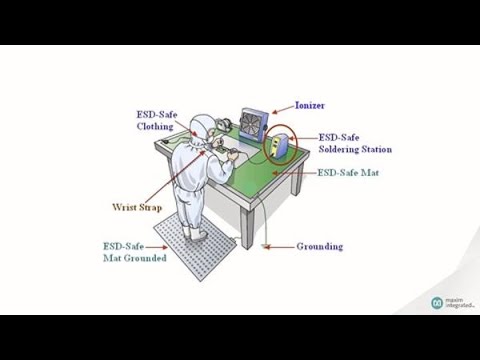
Open this video from Maxim Integrated on YouTube.
Sık sorulan sorular
Is every black EVA foam tray conductive?
No. Appearance does not prove electrical behavior. Require the claimed property, test method, conditions, results, and traceability for the supplied construction.
Does an ESD foam tray provide shielding?
Not automatically. Direct-contact and resistance properties do not by themselves establish electrostatic shielding performance.
Should the tray grip the component tightly?
Only within an approved mechanical design. Excessive compression can stress parts or create particles, while loose cavities permit movement and rubbing.
What belongs on the controlled drawing?
Include cavity dimensions, contact and keep-out areas, orientation, material, layers or adhesive, identification, tolerances, cleaning assumptions, revision, and approval criteria.

Bir Yorum Bırakın