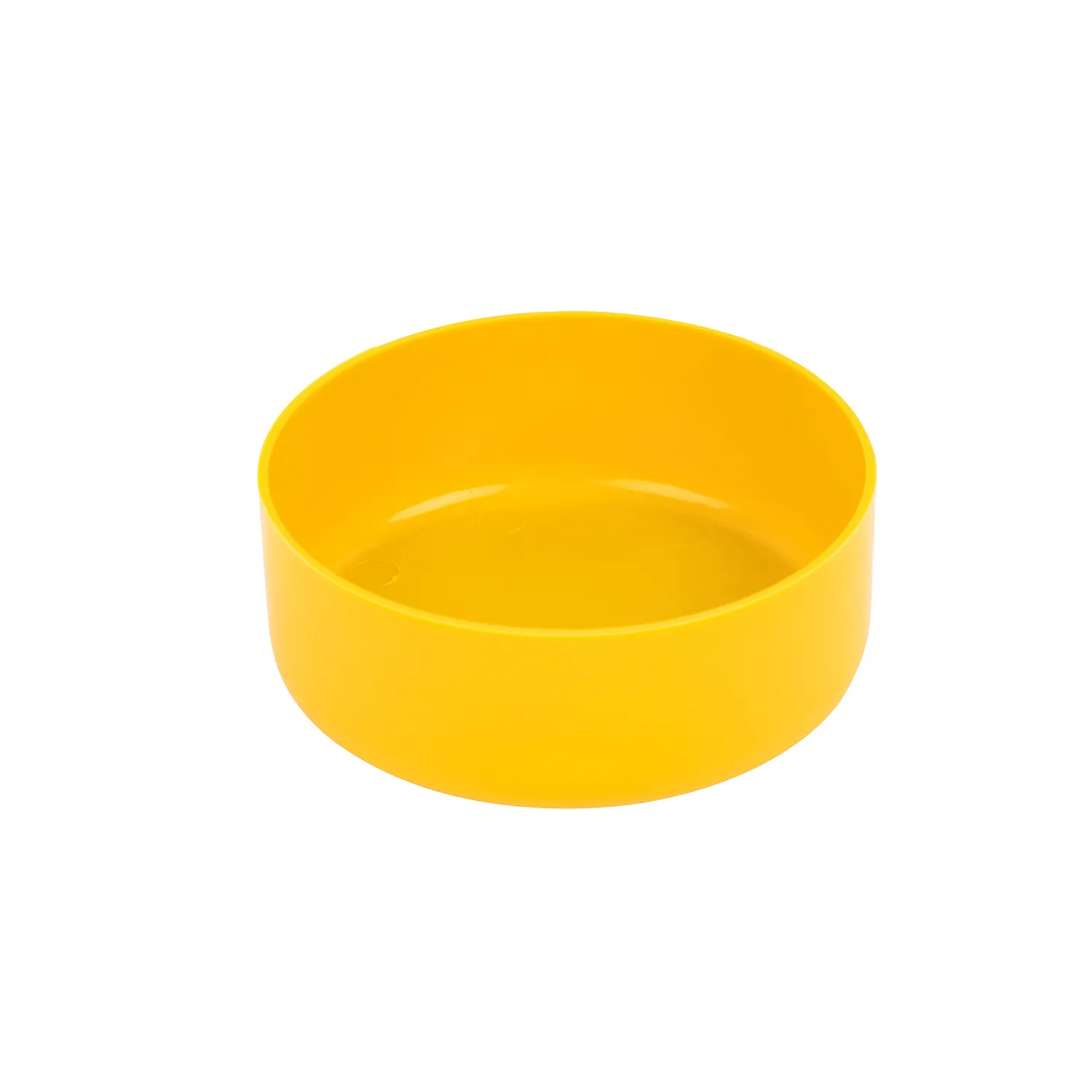


ESD Round Component Bin
Overview:
Anti-static component bin, also known as anti-static parts bin, is a container used to store electronic components and other items. It can prevent the generation and accumulation of static electricity, thereby protecting the stored items from damage by static electricity.
Product Introduction
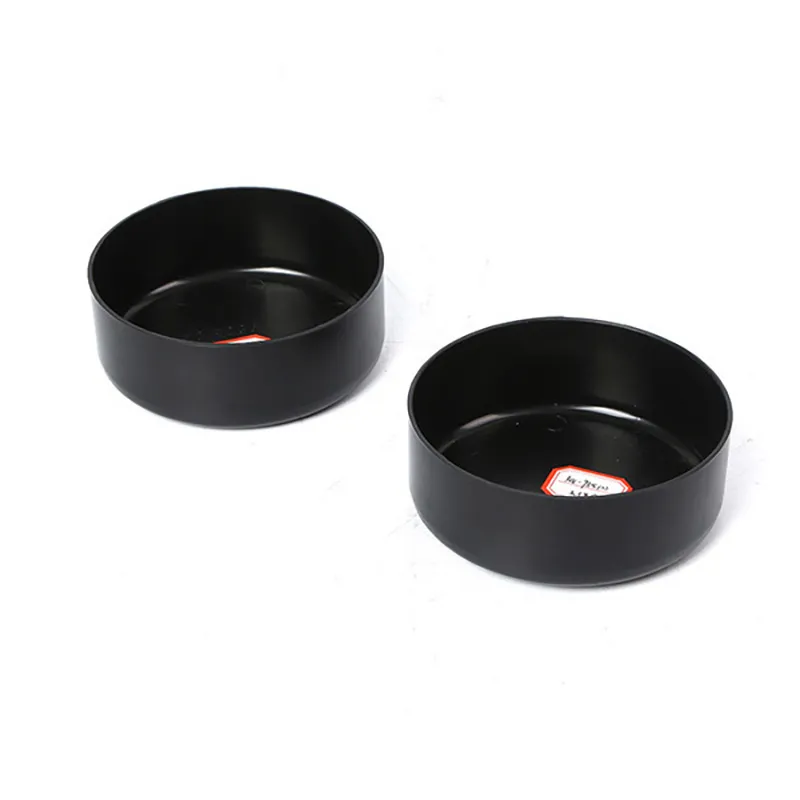
ESD Round Component Bin, also known as an anti-static parts bin, is a specialized storage container designed for electronic components, precision parts, and industrial materials. As one type of ESD safe bins, it helps prevent the generation and accumulation of static electricity, effectively protecting sensitive components from electrostatic discharge (ESD) damage during storage, handling, and transportation.
Applications
ESD round component bins are widely used in electronics manufacturing, automotive, machinery, home appliances, light industry, and other industrial fields. They are suitable for various production processes, including component storage, material distribution, transportation, and circulation management.
These bins can be used together with logistics containers, shelves, workstations, and warehouse management systems, providing an efficient storage solution for factories, assembly lines, and electronic component handling areas.
Product Features
1. Excellent Anti-Static Performance
The ESD round component bin is designed with anti-static materials that effectively dissipate surface charges, preventing static electricity accumulation and reducing the risk of high-voltage differences that may damage sensitive electronic components.
2. Durable Material Properties
Made from high-quality engineering plastics, the bins feature excellent performance including:
-
Non-toxic and odorless characteristics
-
Moisture resistance and corrosion resistance
-
Lightweight design with high durability
-
High mechanical strength and impact resistance
-
Superior wear resistance for long-term industrial use
Certain material options can provide enhanced hardness, toughness, and flame-retardant properties to meet different application requirements.
3. Flexible and Space-Saving Design
ESD round component bins are available in various specifications, sizes, and colors to meet different storage needs. Customized options such as covers, identification labels, digital markings, and special structures are available.
The stackable design allows multiple bins to be securely combined, maximizing storage space and improving warehouse organization efficiency.
Classification
1. Classification by Application
According to different usage scenarios, ESD component bins can be classified into:
-
Anti-static component bins
-
Conductive component bins
-
Flame-retardant component bins
-
Spare parts component bins
-
IC component bins
-
General-purpose component bins
-
Red defective component bins
2. Classification by Structural Design
Based on structural characteristics, component bins include:
-
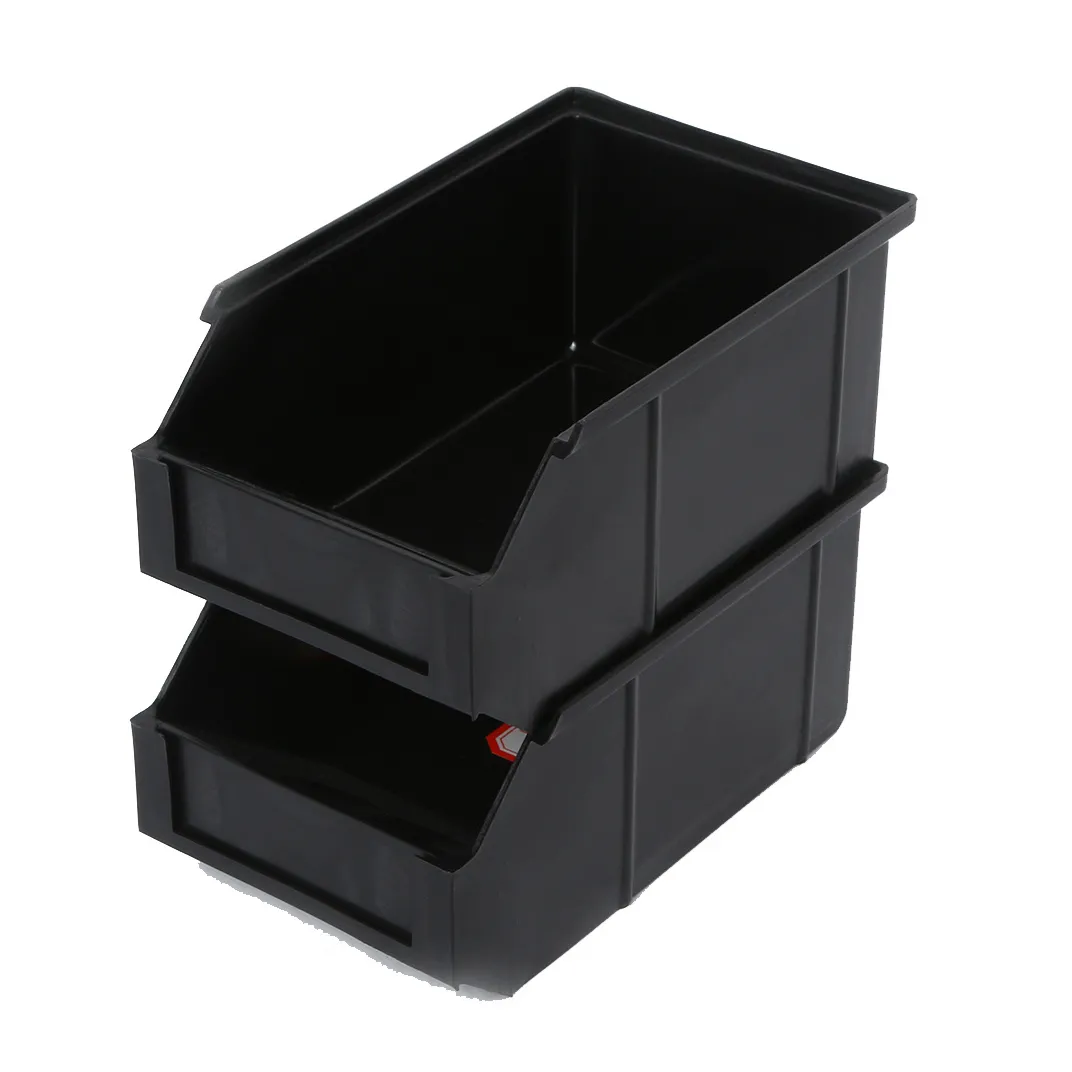
Stackable component bins
-
Hanging component bins
-
Flip-top component bins
-
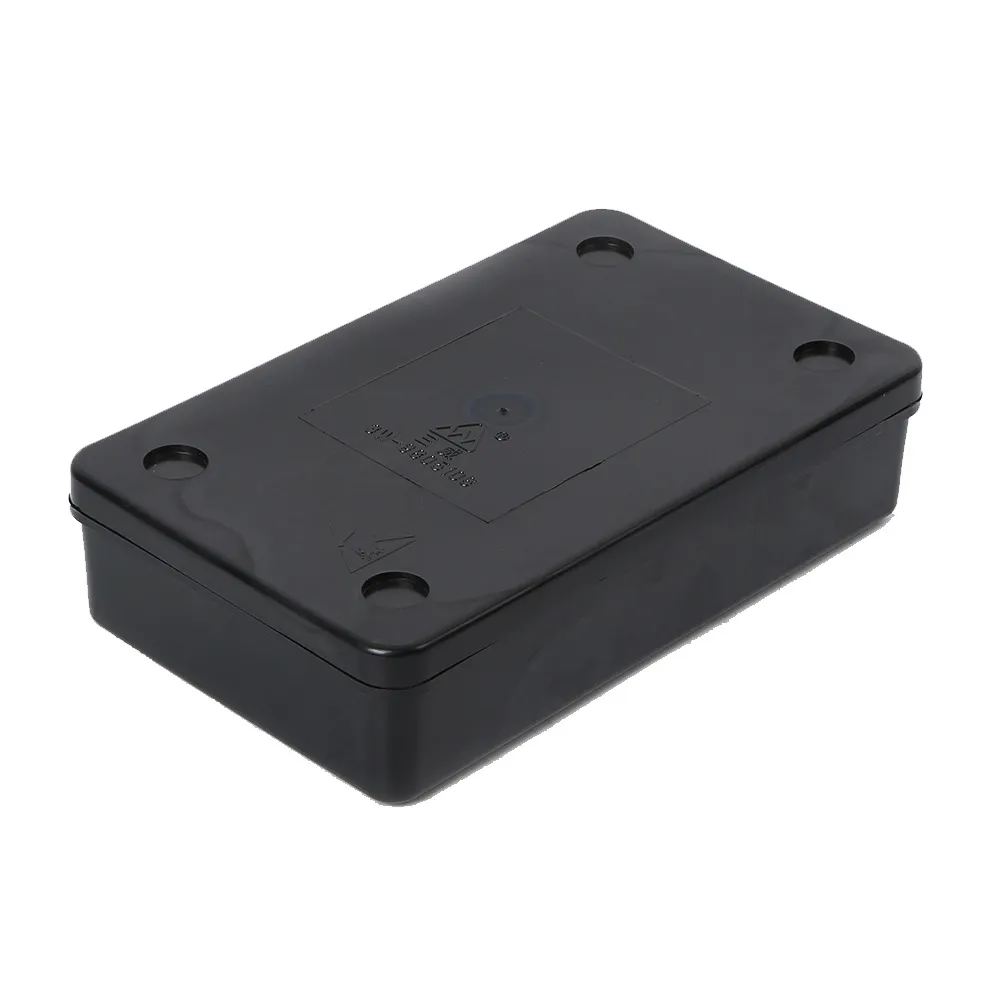
Component bins with covers
-
Slanted-mouth component boxes
-
Flat-mouth component boxes
-
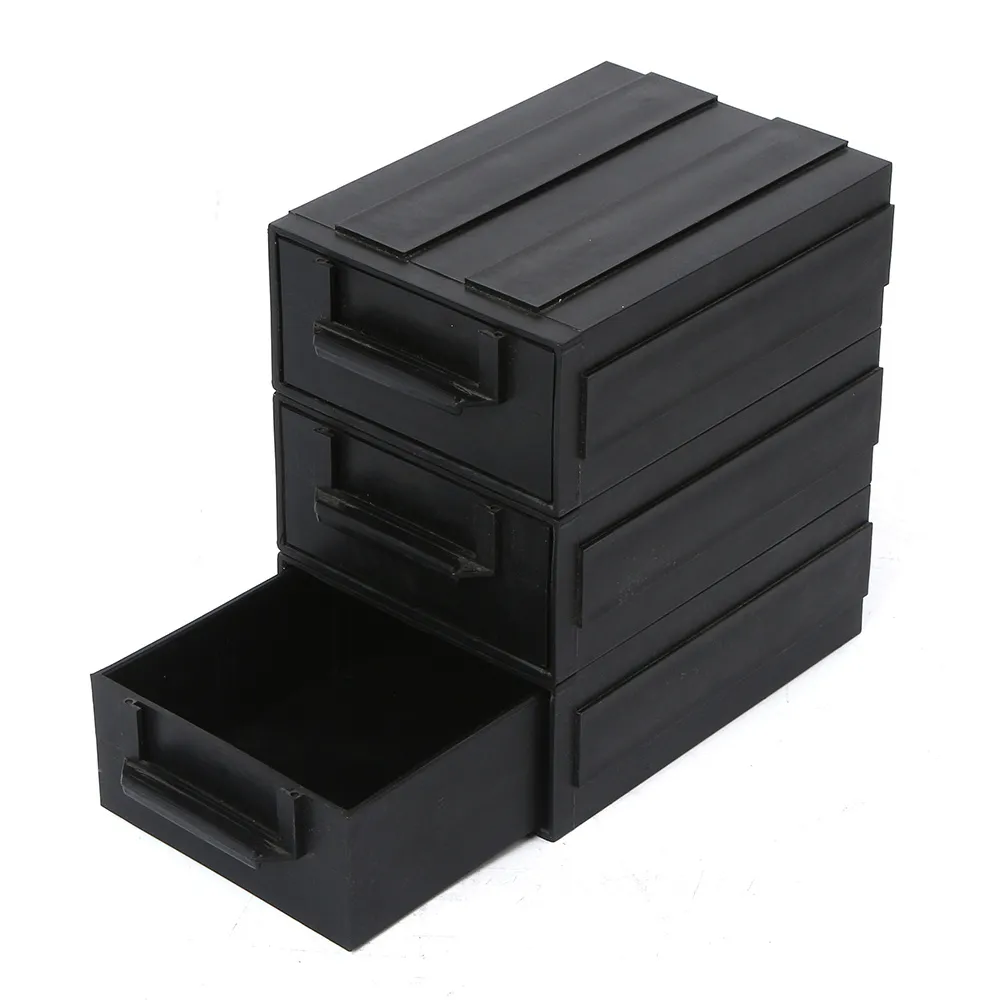
Drawer-type component boxes
-
Digital drawer component boxes
Different structures provide flexible solutions for production lines, warehouses, and electronic assembly environments.
3. Classification by Electrical Properties
According to surface resistance characteristics, ESD storage bins can be divided into:
-
Anti-static type: Surface resistance from 10⁶ to 10⁹ Ω
-
Conductive type: Surface resistance below 10⁶ Ω
-
Insulating type: Surface resistance above 10¹² Ω
With reliable static control performance and versatile designs, these ESD safe storage bins provide an ideal solution for protecting electronic components throughout manufacturing, storage, and logistics processes.
Technical Specification
| Product name | ESD Bin | ||
| Product model | 3W-9805102 | 3W-9805102-2 | |
 |
 |
||
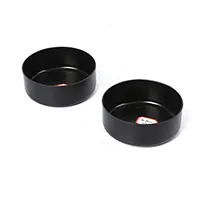
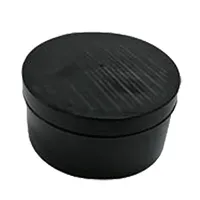
| Specification parameters | ●External dimensions: | φ 120*45mm | Ø81*40mm |
| ●Inner rulerinch: | φ 116*42.5mm | Ø77*37mm | |
| ●Wall: | 2mm | 2mm | |
| ●Bottom wall: | 2mm | 2mm | |
| ●Weight: | 0.1kg | 0.1kg | |
| Product description | ◆Can be hung (material hanging board) | ||
| ◆Can be stacked, can be connected left and right | |||
| ◆Static index: 10e4-10e8Ω | |||
| Temperature resistance customization | 口120°C 口150°C | ||
| Color customization | 口 口 口  口 口  口other 口other |
||
| Optional accessories | 口Anti-static label | ||
*Temperature resistance refers to the set temperature at which the product can enter the oven
World-Class ESD Manufacturing Capacity
When you source from Sanwei, you are partnering directly with an industry-leading OEM/ODM manufacturer. We operate a state-of-the-art 70,000+ m² integrated production facility in Yueqing Central Industrial Park, Zhejiang, managing every single process from proprietary material formulation to final high-precision product molding.
Integrated Scale
70,000+ m² advanced plant base equipped with heavy-duty precision injection molding machines to handle bulk wholesale orders with stable lead times.
Full-Chain Control
Complete in-house control spanning proprietary anti-static material R&D, structural mold engineering, automated manufacturing, and swift global logistics delivery.
Rigorous Inspection
Strict raw material testing combined with multi-point surface resistivity metering on the production line ensures 100% compliance with international ESD standard guidelines.
Anti-Static Products and Solutions
Delivering comprehensive electrostatic protection across your entire manufacturing and operational lifecycle.
SMT Equipment
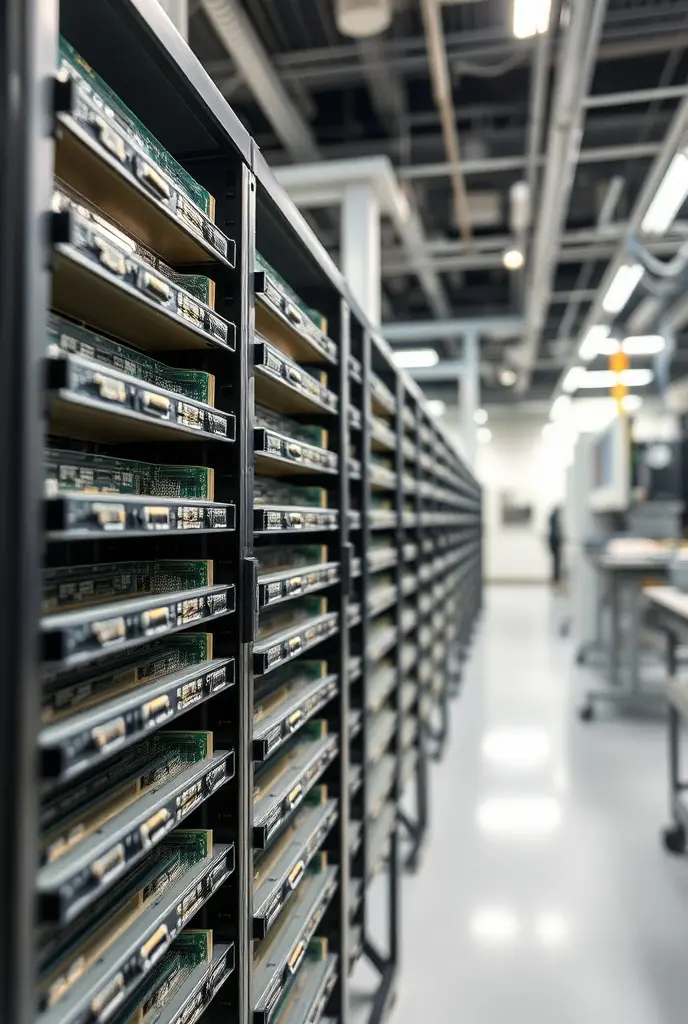
Anti-static collection boxes and racks for automated lines.

Storage & Logistics
Turnover carts, shelves, boxes, trays, and component containers.
Workstation & PPE
Anti-static chairs, mats, wrist straps, and personal protection.
Custom Development
Custom mold development and special anti-static materials.
OUR OEM/ODM ADVANTAGES

Advanced R&D & Material Innovation
In-house developed anti-static materials with national invention patents and heat resistance up to 200℃. We do not just mold — we formulate compounds.

Full-Scale Production Capacity
30,000㎡ plant with complete injection molding, granulation and supporting processing systems for stable and efficient supply.

Full-Process Customization
Material resistivity, color, size, logo, packaging and certifications — customizable to meet IEC61340-5-1, ANSI/ESD S20.20 or military standards.

Certified Quality & Global Compliance
“Sanwei successfully developed custom high-temperature resistant clean natural color trays for our semiconductor assembly line, replacing imported products, ensuring excellent ESD safety, and meeting the high cleanliness requirements of the workshop.”
TRUSTED BY GLOBAL FORTUNE 500 INDUSTRY LEADERS
Our proprietary ESD solutions are deployed in elite production facilities worldwide, including: Intel, Motorola, Siemens, IBM, Panasonic, Nokia, and Dell.
Looking for Custom Sizes or Bulk Wholesale Pricing?
Backed by our robust in-house R&D team, Sanwei provides complete OEM/ODM options tailored to your specific SMT production lines or warehouse layout. Contact our specialists today for custom molds, color coding, or integrated 5S storage consulting.
Frequently Asked Questions (FAQ)
1. What are ESD safe bins and why are they important?
ESD safe bins are specialized storage containers designed to protect sensitive electronic components from electrostatic discharge (ESD) damage. They are made from anti-static or conductive materials that help dissipate static charges and prevent voltage buildup on the surface of stored items.
These bins are widely used in electronics manufacturing, semiconductor production, automotive electronics, and industrial assembly environments where static control is critical.
2. What are ESD safe storage bins used for?
ESD safe storage bins are mainly used for storing, organizing, and transporting static-sensitive components such as IC chips, PCBs, semiconductors, connectors, and precision electronic parts.
They are commonly applied in:
-
Electronics assembly lines
-
SMT production workshops
-
Semiconductor factories
-
Electronic component warehouses
-
Repair and maintenance facilities
By providing reliable static protection and organized storage, ESD bins help reduce component failure caused by electrostatic discharge.
3. How do ESD component bins protect electronic components?
ESD component bins protect sensitive parts by controlling static electricity on the container surface. The anti-static material allows accumulated charges to safely dissipate, preventing sudden electrostatic discharge between the bin and electronic components.
Compared with ordinary plastic storage boxes, ESD safe bins provide better protection against:
-
Static charge accumulation
-
High-voltage discharge
-
Component damage during handling and transportation
4. What is the difference between anti-static, conductive, and insulating component bins?
The main difference is their electrical resistance range:
-
Anti-static bins: Surface resistance typically ranges from 10⁶ to 10⁹ Ω, preventing static generation and allowing controlled discharge.
-
Conductive bins: Surface resistance is below 10⁶ Ω, providing faster static dissipation.
-
Insulating bins: Surface resistance is above 10¹² Ω and generally do not provide static protection.
The right choice depends on the level of ESD protection required for your electronic components and manufacturing environment.
5. Can ESD safe bins be customized for different industrial applications?
Yes. ESD safe bins can be customized according to different storage and production requirements.
Customization options include:
-
Different sizes and specifications
-
Various colors for component classification
-
Covers and protective accessories
-
Digital labels and identification markings
-
Stackable or hanging designs
Customized ESD storage solutions help manufacturers improve warehouse organization and production efficiency.
6. How should I choose the right ESD bin for electronic component storage?
When selecting an ESD bin, consider factors such as component type, storage environment, required protection level, and handling method.
Important selection criteria include:
-
Surface resistance requirements
-
Bin size and capacity
-
Stackability and storage layout
-
Compatibility with shelves and workstations
-
Material durability and chemical resistance