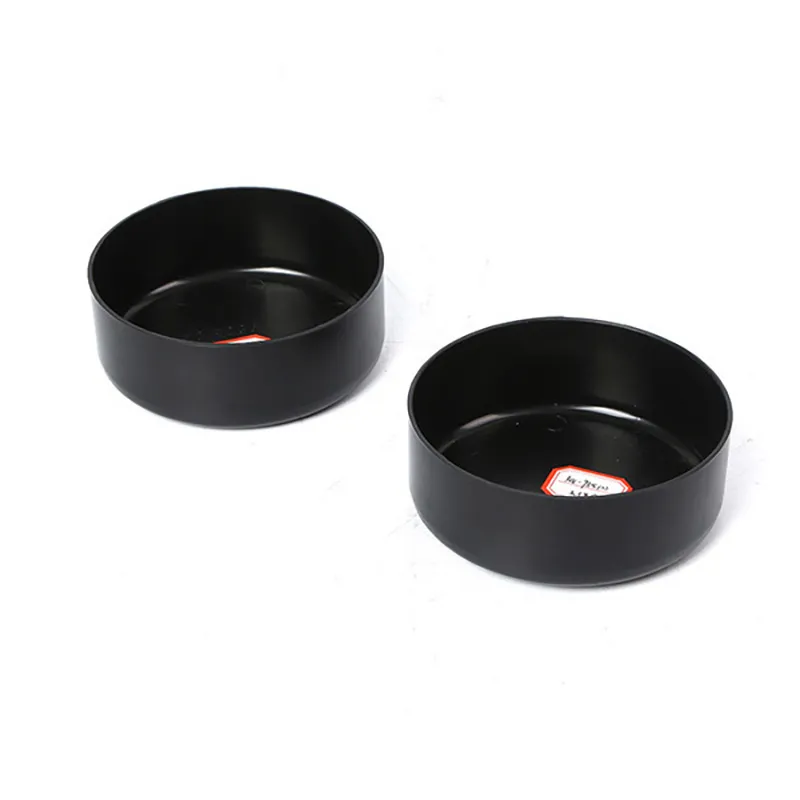
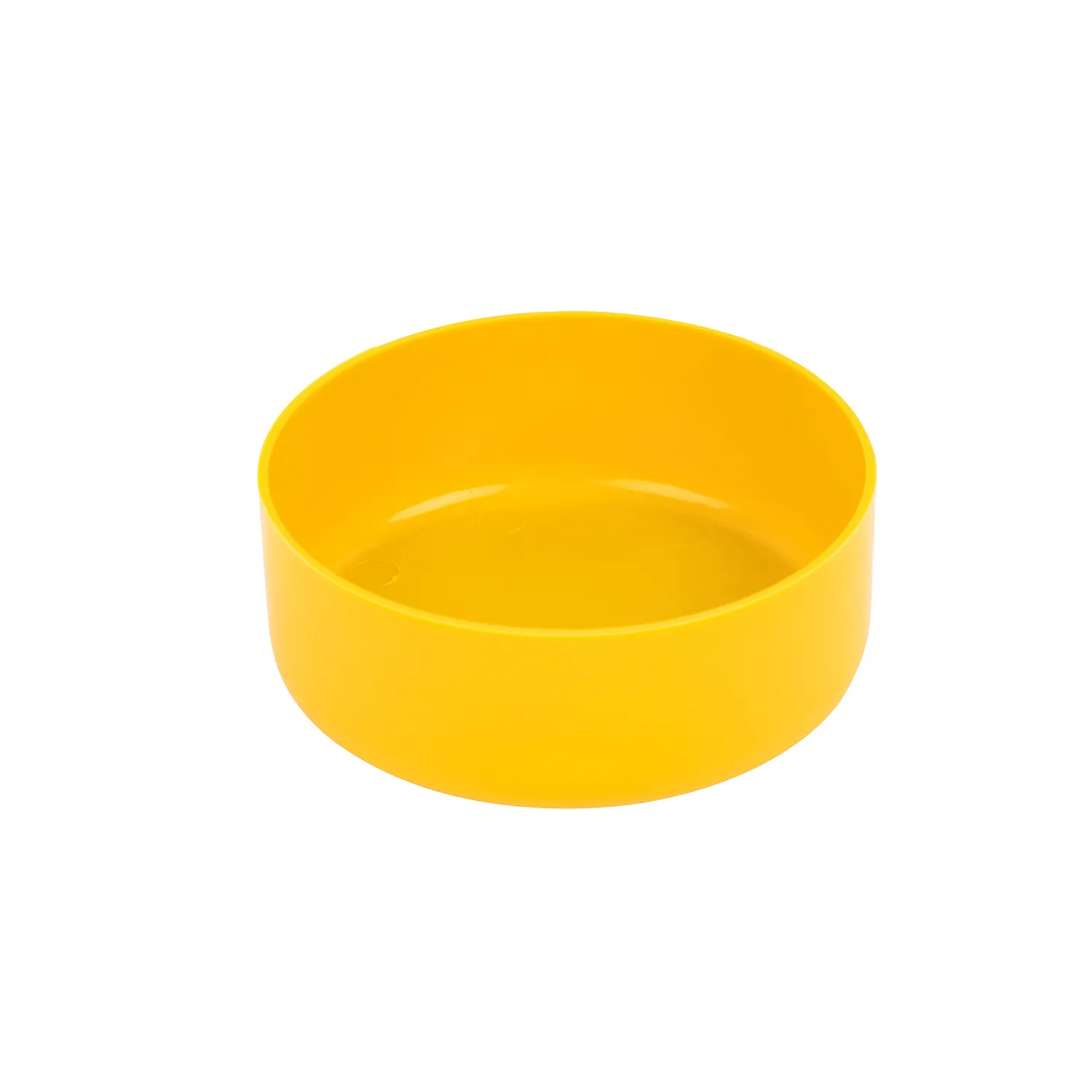


Bac à composants ESD rond
Aperçu
Bac de composants antistatique, également connu sous le nom de boîte de pièces antistatique, est un conteneur utilisé pour stocker des composants électroniques et d'autres articles. Il peut empêcher la génération et l'accumulation d'électricité statique, protégeant ainsi les articles stockés des dommages causés par l'électricité statique.
Présentation du produit
ESD Round Component Bin, also known as an anti-static parts bin, is a specialized storage container designed for electronic components, precision parts, and industrial materials. As one type of ESD safe bins, it helps prevent the generation and accumulation of static electricity, effectively protecting sensitive components from electrostatic discharge (ESD) damage during storage, handling, and transportation.
Applications
ESD round component bins are widely used in electronics manufacturing, automotive, machinery, home appliances, light industry, and other industrial fields. They are suitable for various production processes, including component storage, material distribution, transportation, and circulation management.
These bins can be used together with logistics containers, shelves, workstations, and warehouse management systems, providing an efficient storage solution for factories, assembly lines, and electronic component handling areas.
Caractéristiques du produit
1. Excellent Anti-Static Performance
La ESD round component bin is designed with anti-static materials that effectively dissipate surface charges, preventing static electricity accumulation and reducing the risk of high-voltage differences that may damage sensitive electronic components.
2. Durable Material Properties
Made from high-quality engineering plastics, the bins feature excellent performance including:
-
Non-toxic and odorless characteristics
-
Moisture resistance and corrosion resistance
-
Lightweight design with high durability
-
High mechanical strength and impact resistance
-
Superior wear resistance for long-term industrial use
Certain material options can provide enhanced hardness, toughness, and flame-retardant properties to meet different application requirements.
3. Flexible and Space-Saving Design
ESD round component bins are available in various specifications, sizes, and colors to meet different storage needs. Customized options such as covers, identification labels, digital markings, and special structures are available.
The stackable design allows multiple bins to be securely combined, maximizing storage space and improving warehouse organization efficiency.
Classification
1. Classification by Application
According to different usage scenarios, ESD component bins can be classified into:
-
Anti-static component bins
-
Conductive component bins
-
Flame-retardant component bins
-
Spare parts component bins
-
IC component bins
-
General-purpose component bins
-
Red defective component bins
2. Classification by Structural Design
Based on structural characteristics, component bins include:
-
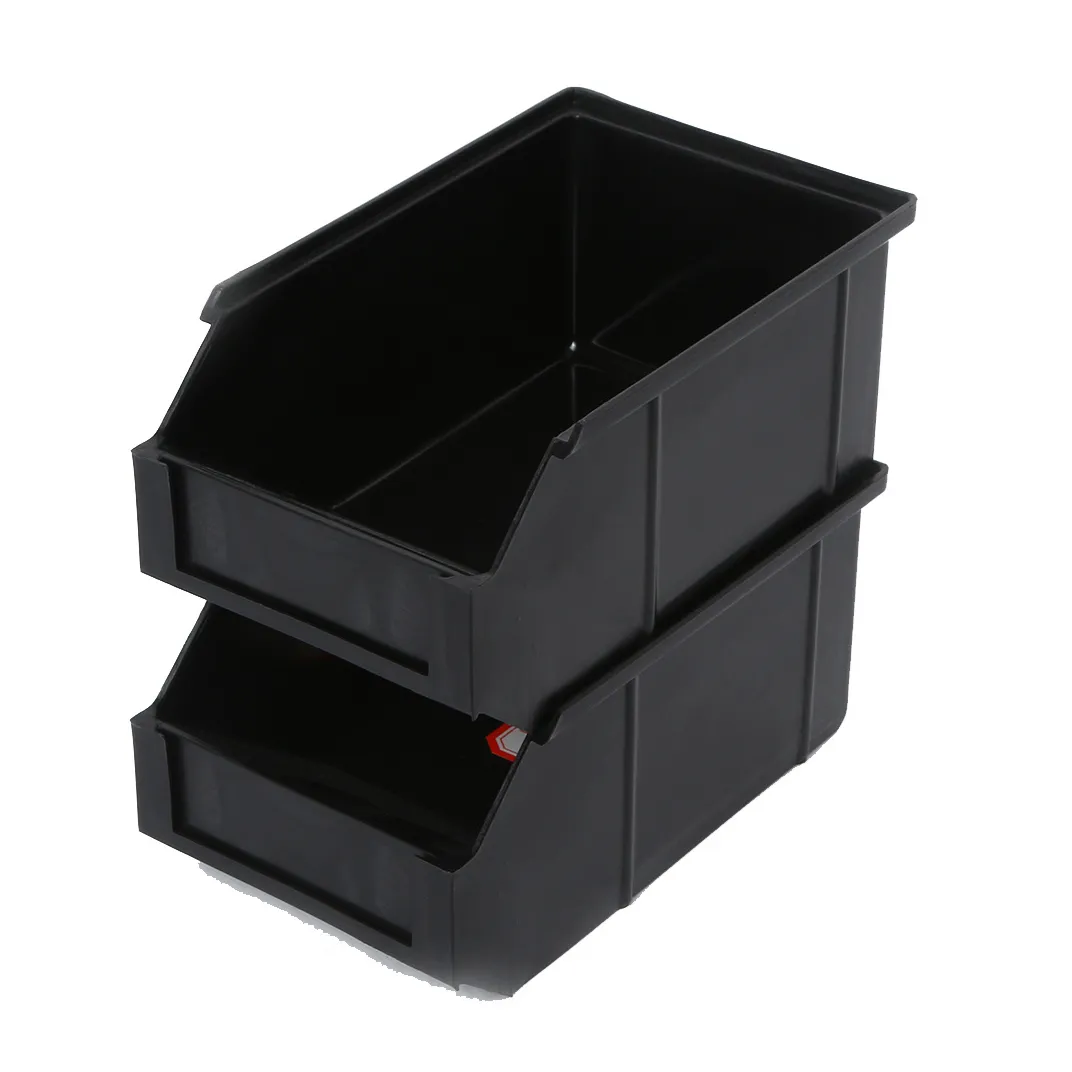
Stackable component bins
-
Hanging component bins
-
Flip-top component bins
-
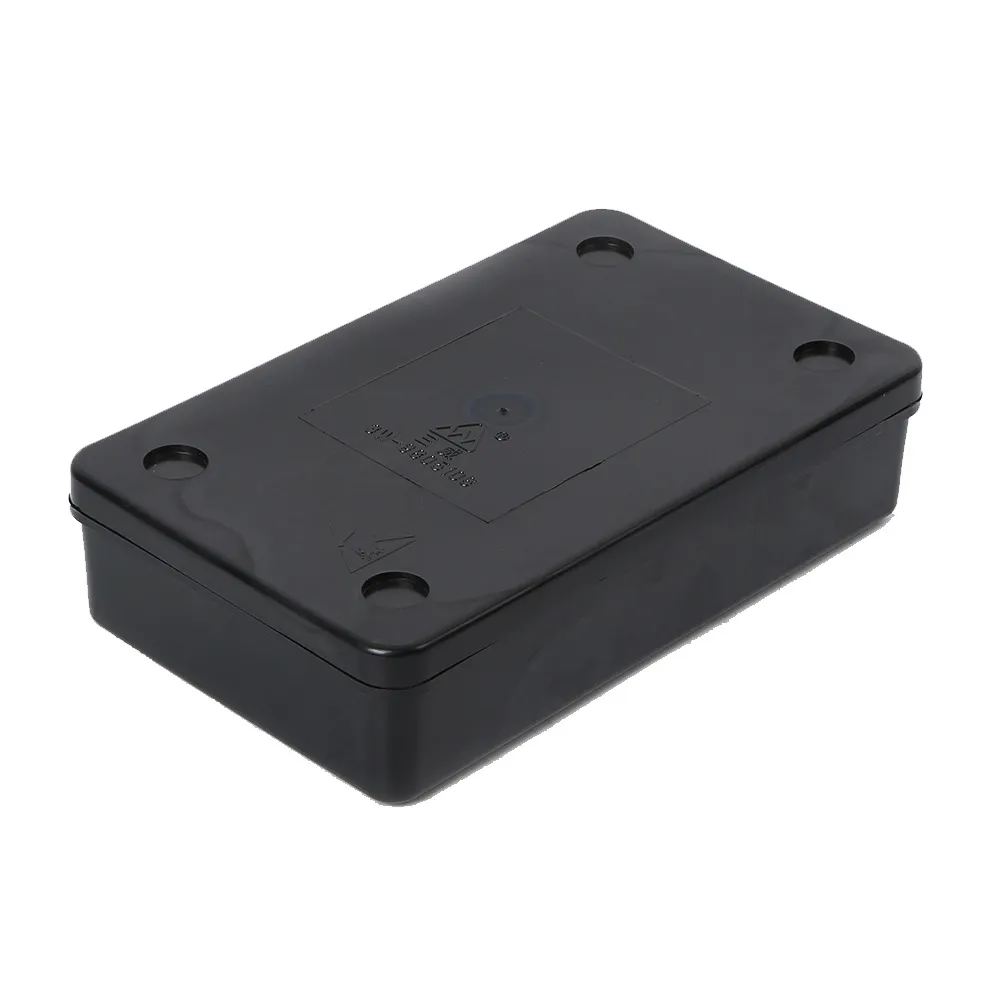
Component bins with covers
-
Slanted-mouth component boxes
-
Flat-mouth component boxes
-
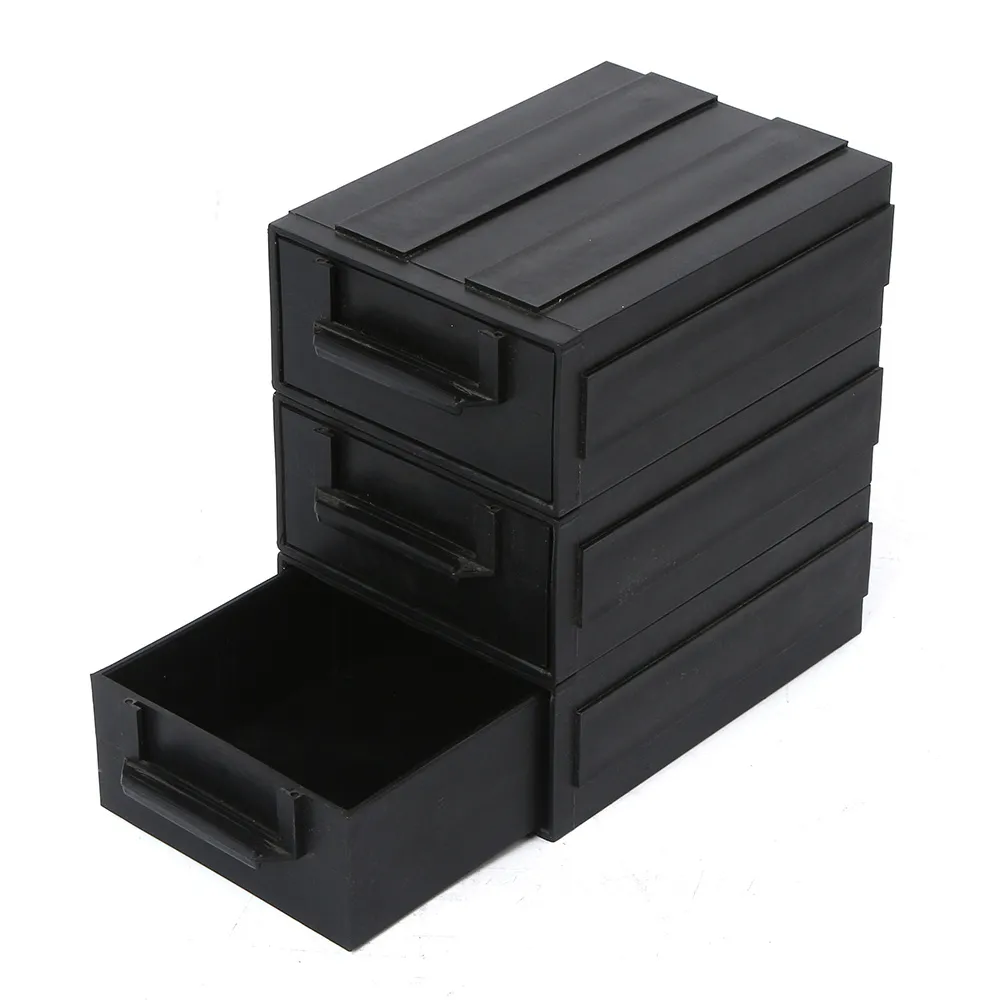
Drawer-type component boxes
-
Digital drawer component boxes
Different structures provide flexible solutions for production lines, warehouses, and electronic assembly environments.
3. Classification by Electrical Properties
According to surface resistance characteristics, ESD storage bins can be divided into:
-
Anti-static type: Surface resistance from 10⁶ to 10⁹ Ω
-
Conductive type: Surface resistance below 10⁶ Ω
-
Insulating type: Surface resistance above 10¹² Ω
With reliable static control performance and versatile designs, these ESD safe storage bins provide an ideal solution for protecting electronic components throughout manufacturing, storage, and logistics processes.
Spécification technique
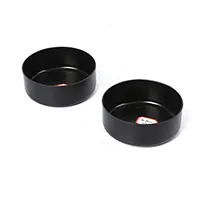
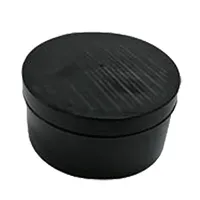
| Nom du produit | Bac ESD | ||
| Modèle de produit | 3W-9805102 | 3W-9805102-2 | |
 |
 |
||
| Paramètres de spécification | ●Dimensions extérieures : | Ø 120 * 45 mm | Ø81*40mm |
| ●Règle intérieure (pouce) | φ 116*42.5mm | Ø 77 mm * 37 mm | |
| Mur | 2 millimètres | 2 millimètres | |
| Mur du fond : | 2 millimètres | 2 millimètres | |
| ●Poids : | 0,1 kg | 0,1 kg | |
| Description du produit | Peut être accroché (panneau de suspension en matériau) | ||
| Peut être empilé, peut être connecté à gauche et à droite | |||
| Indice statique : 10e4-10e8Ω | |||
| Personnalisation de la résistance à la température | 口120°C 口150°C | ||
| Personnalisation de la couleur | 口 口 口  口 口  ouvert ouvert |
||
| Accessoires optionnels | Étiquette antistatique | ||
La résistance à la température fait référence à la température réglée à laquelle le produit peut entrer au four
Capacité de fabrication ESD de classe mondiale
En vous approvisionnant auprès de Sanwei, vous vous associez directement à un fabricant OEM/ODM leader de l'industrie. Nous exploitons un site de pointe Installation de production intégrée de plus de 70 000 m² dans le parc industriel central de Yueqing, dans le Zhejiang, en gérant chaque processus, de la formulation des matériaux propriétaires au moulage final de produits de haute précision.
Échelle intégrée
Base de production avancée de plus de 70 000 m² équipée de machines de moulage par injection de haute précision pour charges lourdes afin de traiter les commandes en gros avec des délais stables.
Contrôle de bout en bout
Maîtrise interne complète couvrant la R&D de matériaux antistatiques propriétaires, l'ingénierie des moules structurels, la fabrication automatisée et la livraison logistique mondiale rapide.
Inspection rigoureuse
Des contrôles rigoureux des matières premières, associés à des mesures multipoints de la résistivité de surface effectuées sur la chaîne de production, garantissent la conformité du 100% aux directives des normes internationales en matière d'ESD.
Antistatique Produits et Solutions
Fournir une protection électrostatique complète tout au long de votre cycle de fabrication et d'exploitation.
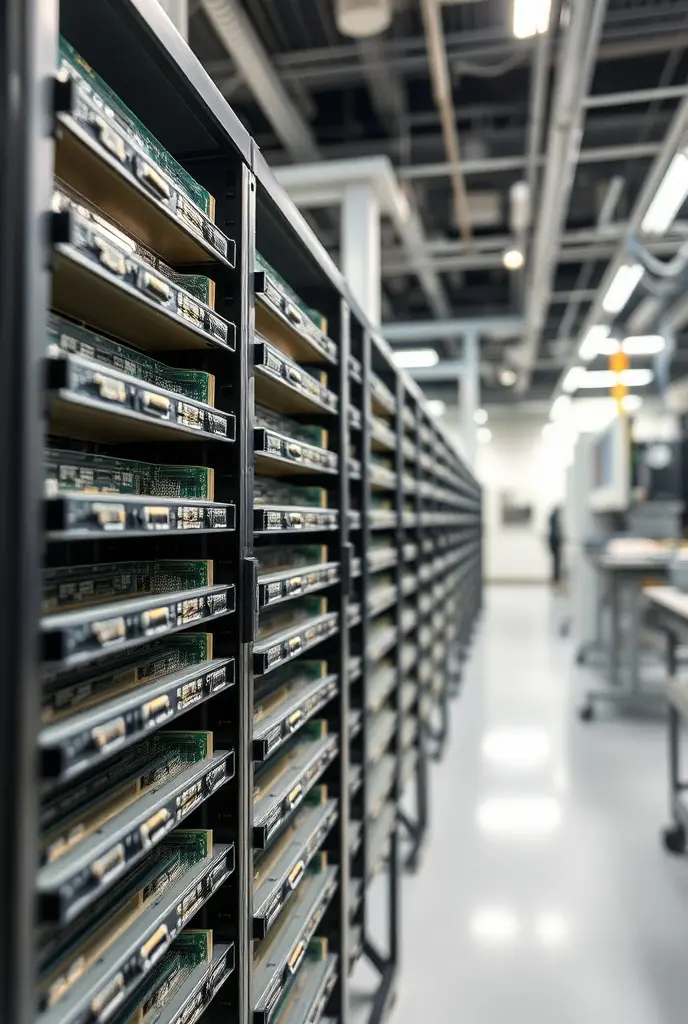
Matériel SMT
Boîtes et racks antistatiques pour lignes automatisées.

Stockage et Logistique
Chariots de manutention, étagères, boîtes, plateaux et conteneurs de composants.
Poste de travail & EPI
Chaises antistatiques, tapis, bracelets antistatiques et protection personnelle.
Développement personnalisé
Développement de moules sur mesure et matériaux antistatiques spéciaux.
NOS AVANTAGES OEM/ODM

R&D Avancé & Innovation en Matériaux
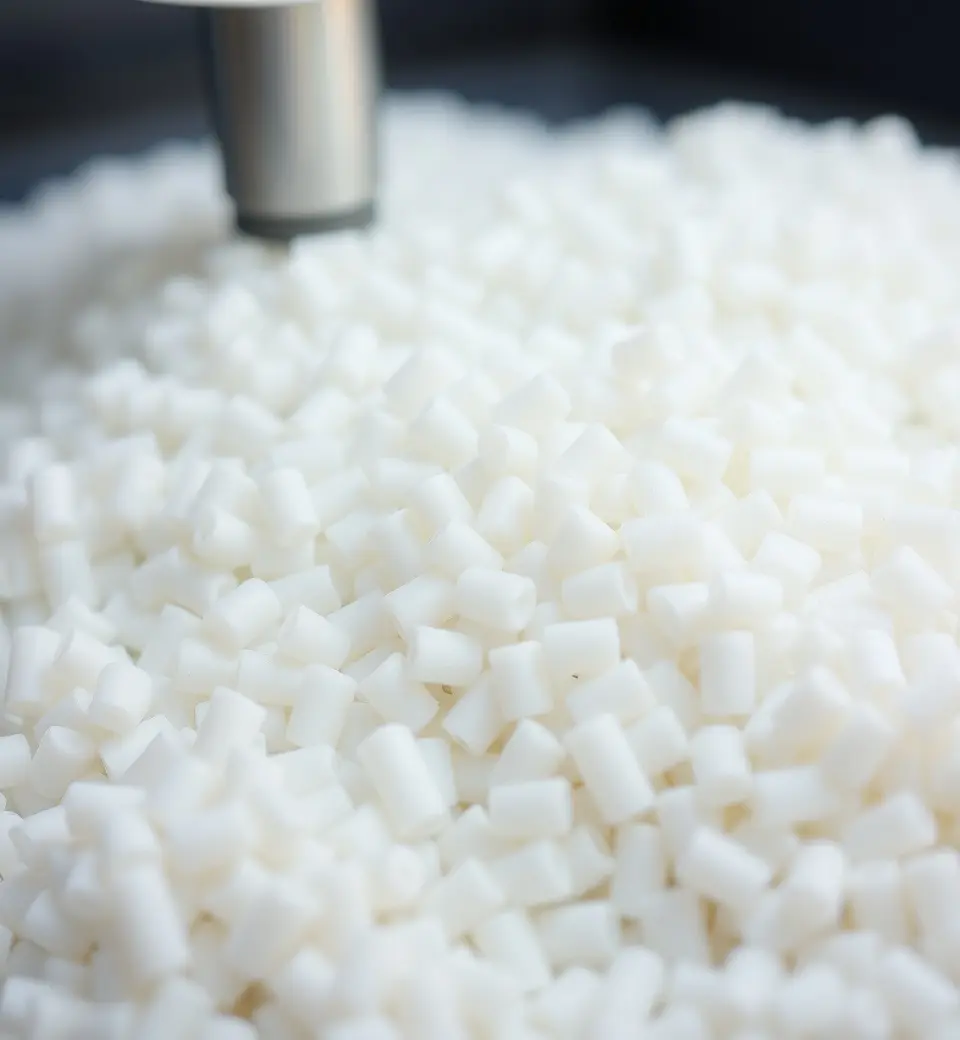
Matériaux antistatiques développés en interne bénéficiant de brevets d'invention nationaux et d'une résistance à la chaleur allant jusqu'à 200 °C. Nous ne faisons pas que mouler, nous formulons des composés.

Capacité de production à grande échelle
Usine de 30 000 m² dotée de systèmes complets de moulage par injection, de granulation et de traitement auxiliaire pour un approvisionnement stable et efficace.

Personnalisation complète du processus
Résistivité du matériau, couleur, taille, logo, emballage et certifications — personnalisables pour répondre aux normes CEI 61340-5-1, ANSI/ESD S20.20 ou militaires.

Qualité Certifiée & Conformité Globale
“Sanwei a développé avec succès des plateaux sur mesure résistants aux hautes températures, de couleur naturelle propre, pour notre chaîne d'assemblage de semi-conducteurs, remplaçant ainsi des produits importés, garantissant une excellente sécurité ESD et répondant aux exigences élevées de propreté de l'atelier.”
LA CONFIANCE DES LEADERS MONDIAUX DU FORTUNE 500
Nos solutions ESD propriétaires sont déployées dans des usines de production d'élite du monde entier, notamment : Intel, Motorola, Siemens, IBM, Panasonic, Nokia et Dell.
Vous recherchez des tailles sur mesure ou des tarifs de gros ?
Soutenue par notre solide équipe interne de R&D, Sanwei propose des options complètes d'OEM/ODM adaptées à vos lignes de production SMT ou à la disposition de votre entrepôt. Contactez nos spécialistes dès aujourd'hui pour des moules sur mesure, un code couleur ou un conseil en stockage 5S intégré.
Foire aux questions (FAQ)
1. What are ESD safe bins and why are they important?
ESD safe bins are specialized storage containers designed to protect sensitive electronic components from electrostatic discharge (ESD) damage. They are made from anti-static or conductive materials that help dissipate static charges and prevent voltage buildup on the surface of stored items.
These bins are widely used in electronics manufacturing, semiconductor production, automotive electronics, and industrial assembly environments where static control is critical.
2. What are ESD safe storage bins used for?
ESD safe storage bins are mainly used for storing, organizing, and transporting static-sensitive components such as IC chips, PCBs, semiconductors, connectors, and precision electronic parts.
They are commonly applied in:
-
Electronics assembly lines
-
SMT production workshops
-
Semiconductor factories
-
Electronic component warehouses
-
Repair and maintenance facilities
By providing reliable static protection and organized storage, ESD bins help reduce component failure caused by electrostatic discharge.
3. How do ESD component bins protect electronic components?
ESD component bins protect sensitive parts by controlling static electricity on the container surface. The anti-static material allows accumulated charges to safely dissipate, preventing sudden electrostatic discharge between the bin and electronic components.
Compared with ordinary plastic storage boxes, ESD safe bins provide better protection against:
-
Static charge accumulation
-
High-voltage discharge
-
Component damage during handling and transportation
4. What is the difference between anti-static, conductive, and insulating component bins?
The main difference is their electrical resistance range:
-
Anti-static bins: Surface resistance typically ranges from 10⁶ to 10⁹ Ω, preventing static generation and allowing controlled discharge.
-
Conductive bins: Surface resistance is below 10⁶ Ω, providing faster static dissipation.
-
Insulating bins: Surface resistance is above 10¹² Ω and generally do not provide static protection.
The right choice depends on the level of ESD protection required for your electronic components and manufacturing environment.
5. Can ESD safe bins be customized for different industrial applications?
Yes. ESD safe bins can be customized according to different storage and production requirements.
Customization options include:
-
Different sizes and specifications
-
Various colors for component classification
-
Covers and protective accessories
-
Digital labels and identification markings
-
Stackable or hanging designs
Customized ESD storage solutions help manufacturers improve warehouse organization and production efficiency.
6. How should I choose the right ESD bin for electronic component storage?
When selecting an ESD bin, consider factors such as component type, storage environment, required protection level, and handling method.
Important selection criteria include:
-
Surface resistance requirements
-
Bin size and capacity
-
Stackability and storage layout
-
Compatibility with shelves and workstations
-
Material durability and chemical resistance