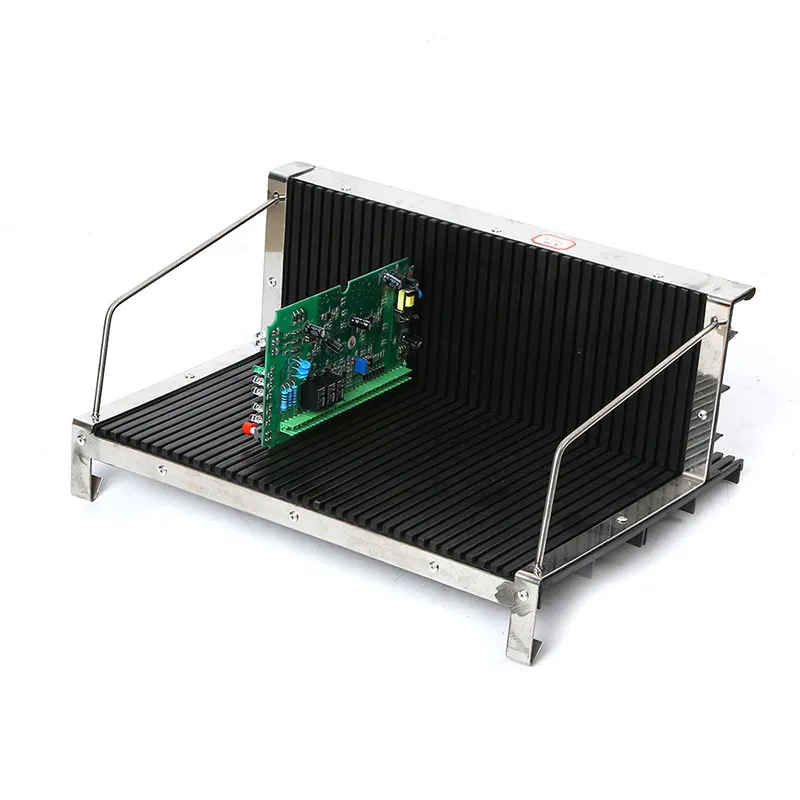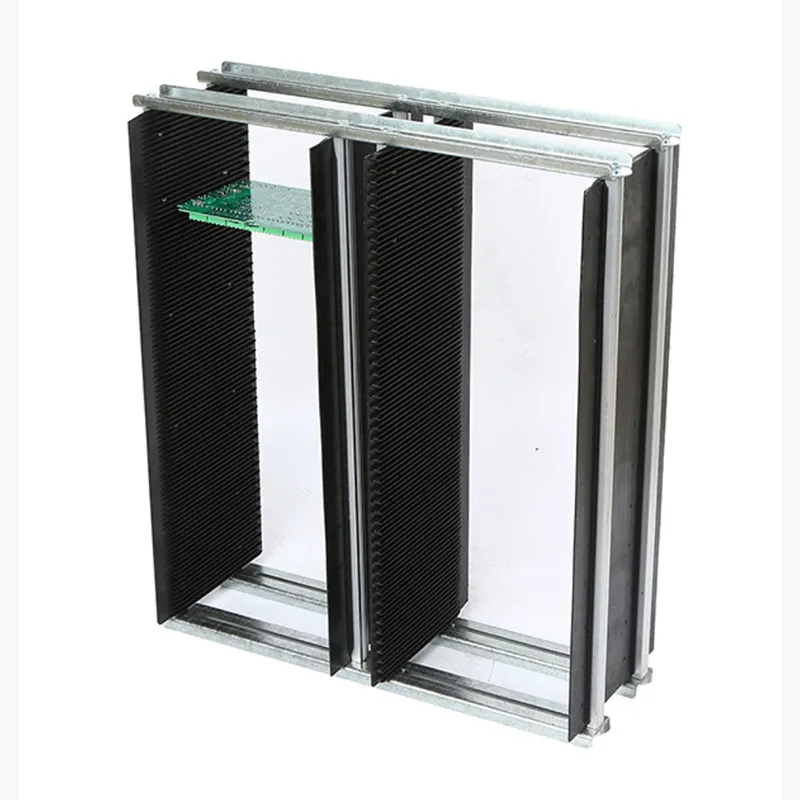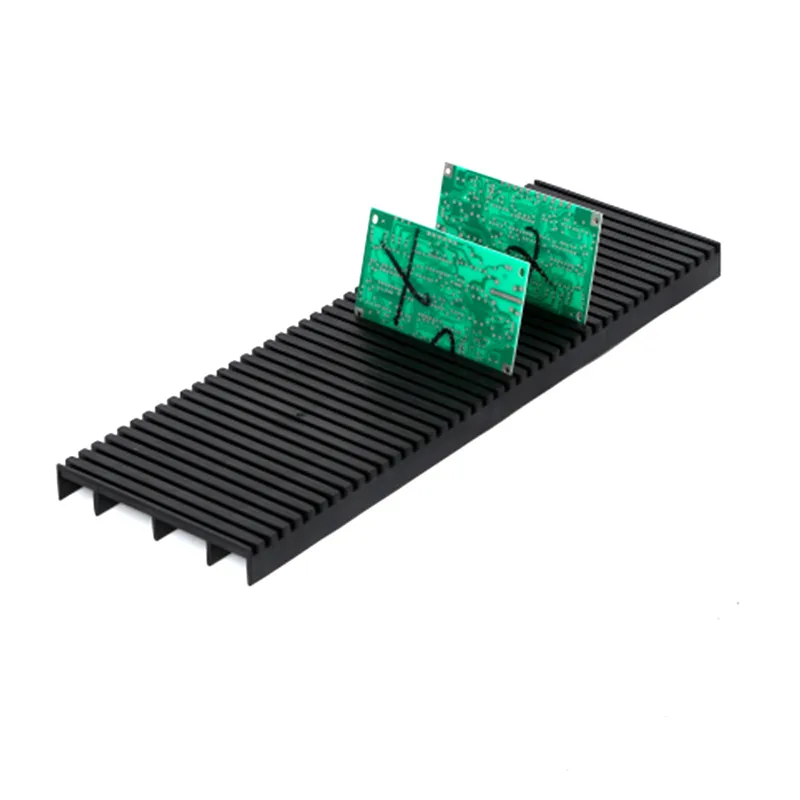


ESD PCB Storage Racks 405-1\406\406-2\406-3
Overview:
Product Introduction
Anti-static racks are storage devices designed to prevent static electricity buildup and discharge during storage, handling, and transfer. They are widely used in electronics, semiconductor, medical, and other static-sensitive industries. By reducing the risk of electrostatic damage, they help protect stored items while improving workplace safety, organization, and operating efficiency. These racks are also known as tray racks, anti-static tray racks, or anti-static turnover racks.
For electronic production environments, ESD PCB storage racks provide a practical solution for keeping PCBs and sensitive components separated, organized, and protected throughout the workflow.
Application Scenarios
Electronics manufacturing: Suitable for temporary storage and transfer of SMT components such as chips, LEDs, capacitors, and resistors, helping reduce static damage during production.
Laboratory: Used for dust-proof and anti-static storage of precision instruments, optical lenses, and medical consumables.
Warehousing and logistics: Helps classify and circulate static-sensitive products in different areas, improving workshop organization and 6S management. ESD PCB storage racks are also suitable for controlled storage areas where PCB protection and efficient handling are required.
Technical Specification
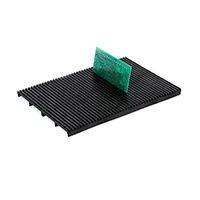
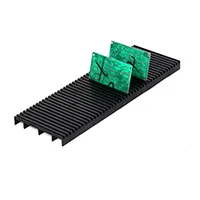
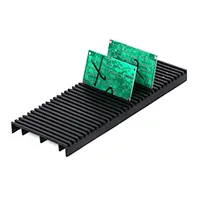
| Product name | ESD Rack | ||||
| Product model | 3W-9805405-1 | 3W-9805406 | 3W-9805406-2 | 3W-9805406-3 | |
 |
 |
 |
 |
||
| Specification parameters | ●External dimensions: | 190*250*95mm | 410*280*22mm | 410*138*22mm | 340* 130*22mm |
| ●Groove depth: | 3mm | 5mm | 5mm | 5mm | |
| ●Groove width: | 3mm | 2.8mm | 3mm | 3mm | |
| ●Pitch: | 8mm | 10mm | 10mm | 10mm | |
| ●Number of slots: | 30 | 42 | 42 | 34 | |
| ●Weight: | 0.41kg | 0.72kg | 0.44kg | 0.33kg | |
| Product description | ◆Static index: 10e4-10e8Ω | ||||
| Temperature resistance options | □ 120°C □ 150°C | ||||
| Color customization | □  □ □  □ □  □other □other |
||||
| Optional accessories | □Anti-static label | ||||
World-Class ESD Manufacturing Capacity
When you source from Sanwei, you are partnering directly with an industry-leading OEM/ODM manufacturer. We operate a state-of-the-art 70,000+ m² integrated production facility in Yueqing Central Industrial Park, Zhejiang, managing every single process from proprietary material formulation to final high-precision product molding.
Integrated Scale
70,000+ m² advanced plant base equipped with heavy-duty precision injection molding machines to handle bulk wholesale orders with stable lead times.
Full-Chain Control
Complete in-house control spanning proprietary anti-static material R&D, structural mold engineering, automated manufacturing, and swift global logistics delivery.
Rigorous Inspection
Strict raw material testing combined with multi-point surface resistivity metering on the production line ensures 100% compliance with international ESD standard guidelines.
Anti-Static Products and Solutions
Delivering comprehensive electrostatic protection across your entire manufacturing and operational lifecycle.
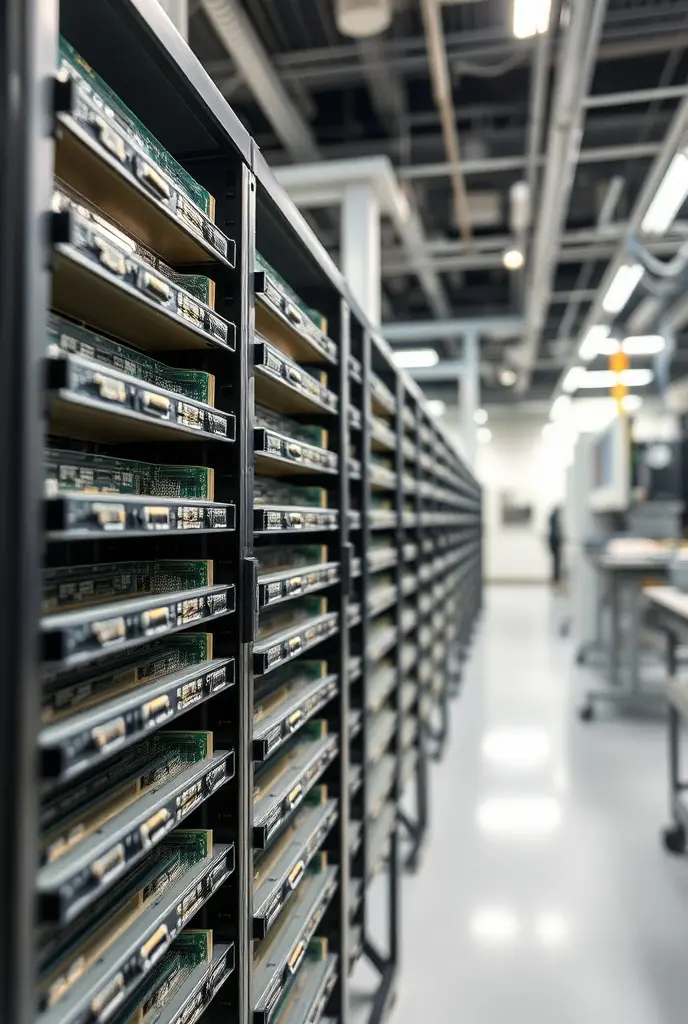
SMT Equipment
Anti-static collection boxes and racks for automated lines.

Storage & Logistics
Turnover carts, shelves, boxes, trays, and component containers.

Workstation & PPE
Anti-static chairs, mats, wrist straps, and personal protection.
Custom Development
Custom mold development and special anti-static materials.
OUR OEM/ODM ADVANTAGES

Advanced R&D & Material Innovation
In-house developed anti-static materials with national invention patents and heat resistance up to 200℃. We do not just mold — we formulate compounds.

Full-Scale Production Capacity
30,000㎡ plant with complete injection molding, granulation and supporting processing systems for stable and efficient supply.

Full-Process Customization
Material resistivity, color, size, logo, packaging and certifications — customizable to meet IEC61340-5-1, ANSI/ESD S20.20 or military standards.

Certified Quality & Global Compliance
“Sanwei successfully developed custom high-temperature resistant clean natural color trays for our semiconductor assembly line, replacing imported products, ensuring excellent ESD safety, and meeting the high cleanliness requirements of the workshop.”
TRUSTED BY GLOBAL FORTUNE 500 INDUSTRY LEADERS
Our proprietary ESD solutions are deployed in elite production facilities worldwide, including: Intel, Motorola, Siemens, IBM, Panasonic, Nokia, and Dell.
Looking for Custom Sizes or Bulk Wholesale Pricing?
Backed by our robust in-house R&D team, Sanwei provides complete OEM/ODM options tailored to your specific SMT production lines or warehouse layout. Contact our specialists today for custom molds, color coding, or integrated 5S storage consulting.
Frequently Asked Questions (FAQ)
Why are racks used in PCB storage?
Racks keep PCBs organized, separated, and easy to handle during storage and transfer. They also reduce the risk of scratches, bending, contamination, and electrostatic damage.
How to protect PCB from ESD?
Use ESD-safe racks, trays, bags, and grounded workstations. Avoid direct contact with sensitive areas, control humidity when possible, and make sure operators follow proper grounding practices.
What materials are used for ESD safe storage of components?
Common materials include anti-static plastic, conductive plastic, polypropylene with ESD treatment, metal with proper grounding, and anti-static foam or inserts for added protection.
What are the guidelines for PCB storage?
Store PCBs in a clean, dry, and controlled environment. Keep them separated, avoid pressure or stacking damage, and use ESD protection during handling, transfer, and storage.
How long can PCB be stored?
The storage time depends on the PCB type, surface finish, packaging, and environment. In a well-controlled, dry, and sealed ESD-safe setting, PCBs can often be stored for a long time, but moisture-sensitive boards should follow the manufacturer’s recommended limits.
What is the 20h rule in PCB?
The 20h rule usually refers to a time limit for exposing moisture-sensitive PCBs to factory floor conditions before they need to be baked or repackaged. It is used to reduce the risk of moisture absorption and related assembly defects.