- Blog
An ESD circulation box can make the handoff from SMT to assembly visible when every box has a defined WIP state, entry rule, receiving owner, and exit destination. It is a physical part of the route, not a substitute for the manufacturing system that controls release status and traceability.
Commencez par le Catégorie de boîtes ESD to review the product cluster. This guide focuses on route control between process steps. For material and EPA context, use the related material and EPA staging guidance after the process team has defined the handoff.
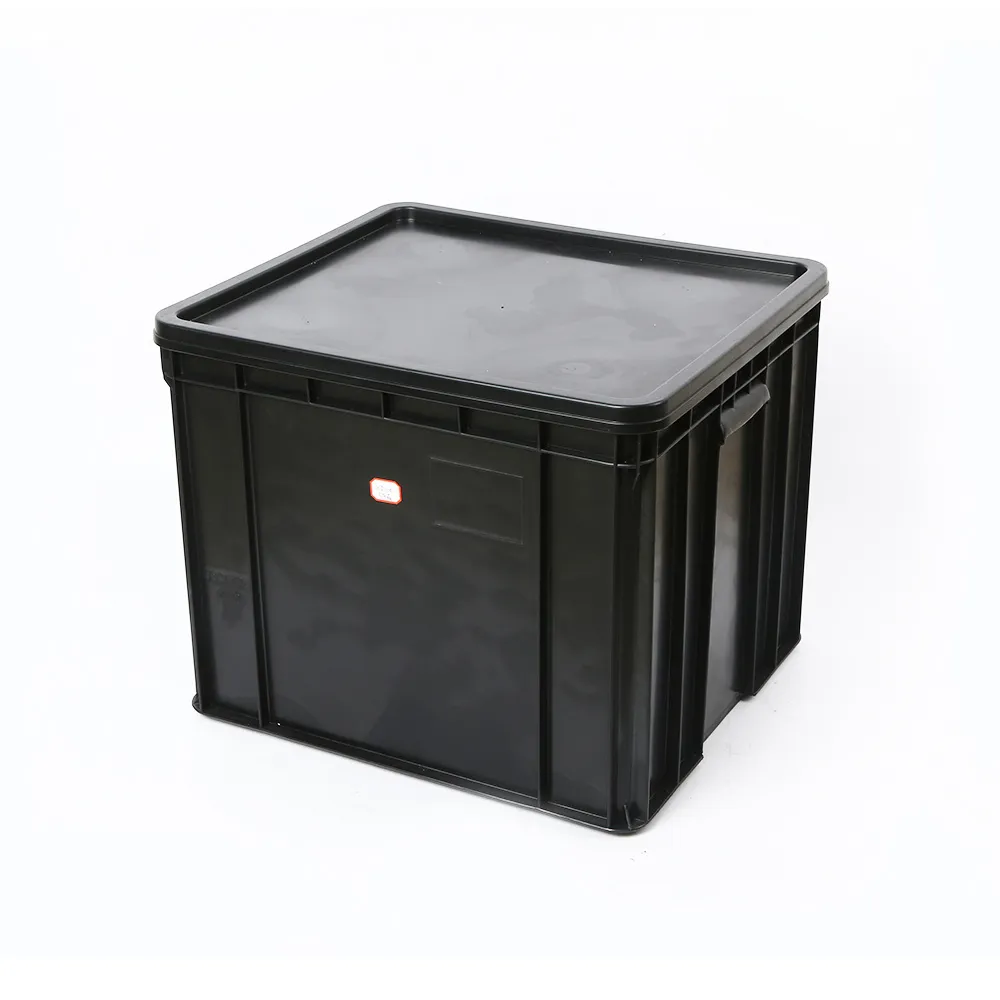
Part 1. Define the circulation-box job
A circulation box has a job in a route: it carries a defined workpiece state from one named point to another. That is different from an open storage box that can receive any item from any process. Before choosing a product, identify the source process, the expected next process, the person or system that accepts the handoff, and the action if acceptance cannot happen.
The box should represent a controlled handoff, not a hidden queue. A growing collection of boxes at an assembly entrance may show an unresolved release, staffing, material, or equipment issue. Give the route an escalation rule so the team investigates the cause instead of simply adding more containers.
| Route question | Rule to define | Pourquoi c'est important |
|---|---|---|
| Source | Which SMT operation may release the workpiece | Prevents an undefined item from entering the route |
| Permitted state | What status may travel in the box | Keeps released, held, and rework WIP distinct |
| Destination | Which assembly point receives it | Makes the next owner visible |
| Handoff owner | Who confirms receipt or exception | Avoids unowned WIP |
| Exit | Where an accepted box goes next | Stops a completed handoff becoming storage |
| Escalation | What happens when the handoff cannot continue | Exposes a route problem early |
Part 2. Map WIP states between SMT and assembly
The route should describe the workpiece state, not only the physical location. For example, a board awaiting assembly, an inspected board awaiting release, and a board directed to rework may all need different entry conditions. The manufacturing team decides those states and their evidence; the circulation box carries the item under that rule.
Map the route at each transfer. Record the source, destination, allowed state, route identifier, and owner. If the same physical box can be used for more than one state, the procedure still needs a clear method to prevent a previous label or status from being mistaken for the next one.
| Handoff | Example permitted state | Owner to define | Ne présumez rien |
|---|---|---|---|
| SMT output to inspection | Work awaiting the site’s inspection step | Inspection receiving owner | That all SMT output is released |
| Inspection to assembly | Work released under the site’s instruction | Assembly receiving owner | That arrival equals acceptance |
| Assembly to test | Work awaiting the defined test step | Test receiving owner | That a box label proves test status |
| Rework return | Work with a documented rework disposition | Rework owner | That it can enter the normal forward lane |
| Material return | Empty or reusable route equipment | Logistics owner | That it may carry product WIP on the return trip |
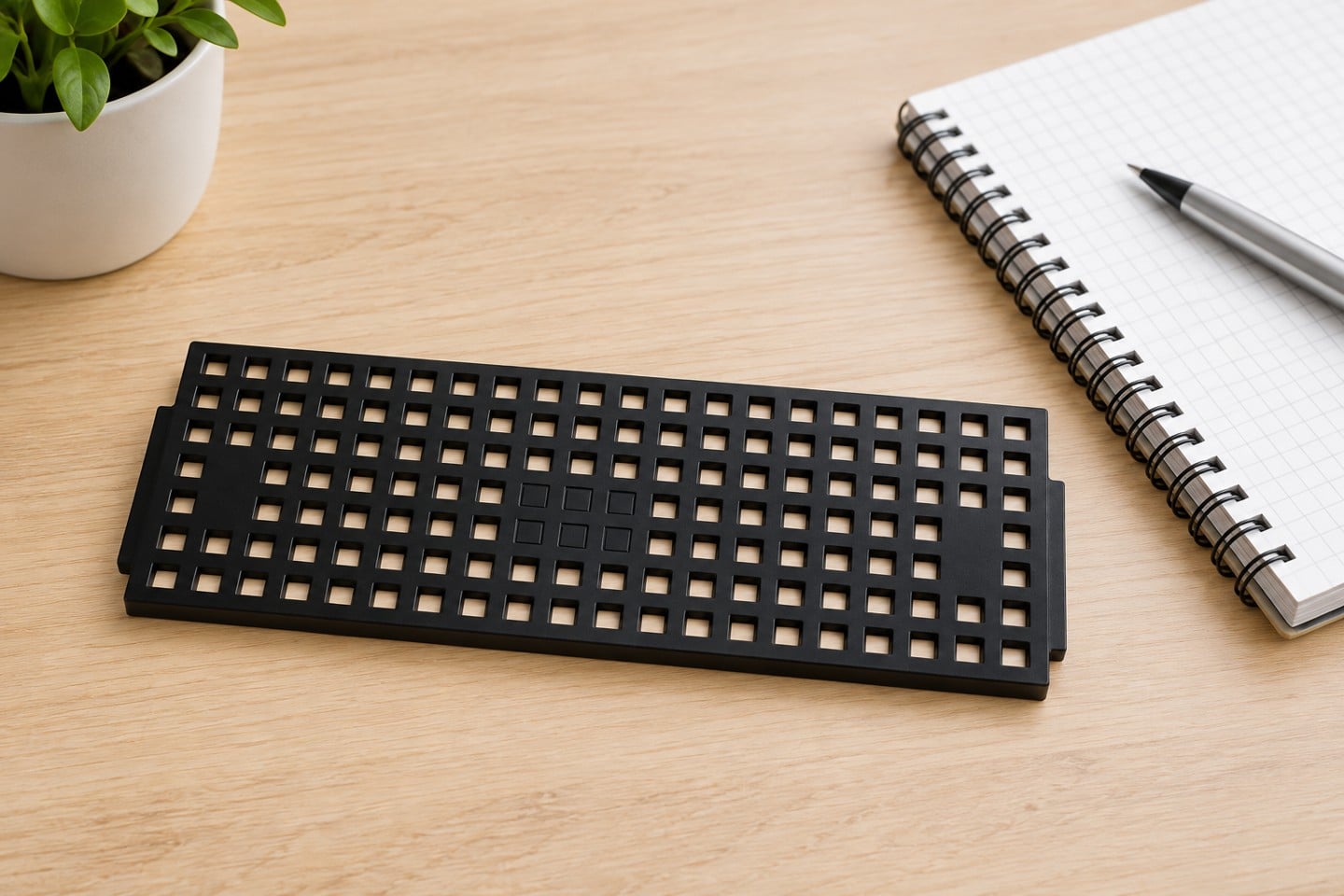
For compartment design where components must remain separated, use the component-segregation RFQ checklist. It addresses how a cell layout supports separation; the route rule still decides what may enter the box.
Part 3. Set entry, handoff, and exit rules
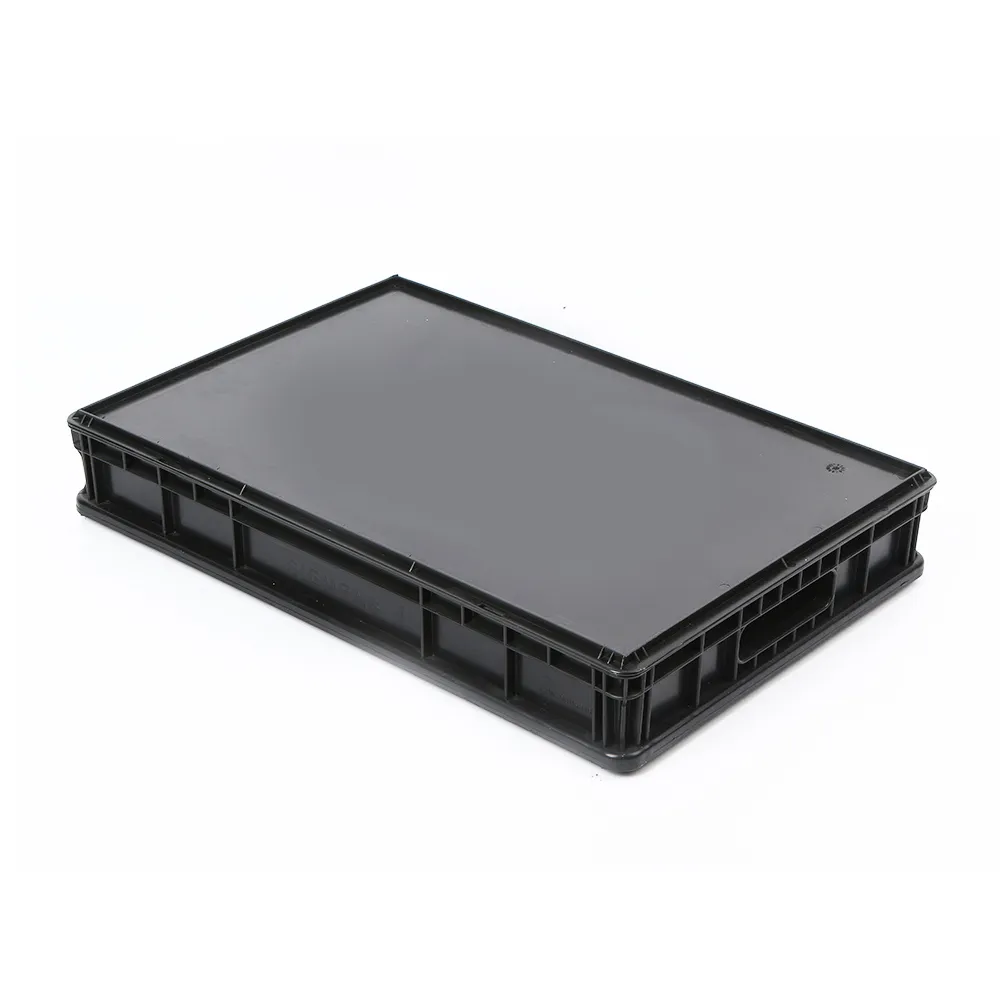
At entry, the operator needs a simple decision: may this WIP state enter this route now? Define the identifier, allowed item type, source confirmation, and destination before the box leaves SMT. The rule should point to the buyer’s own traveler, label, work order, or electronic record rather than claiming that the box itself provides traceability.
Receiving is a separate control point. Assembly should be able to accept the intended state, redirect an exception, or decline a box that lacks the required identification. An exit rule then closes the handoff by sending the accepted workpiece to the next defined station or to a separate exception lane.
| Point de contrôle | Minimum question | Example action |
|---|---|---|
| Entry | Is this WIP state permitted on this route? | Load only after the source rule is met |
| Departure | Is the destination and route identification present? | Send to the named receiving point |
| Reçu | Can the receiving owner accept this state? | Accept, redirect, or place in the exception lane |
| Exit | What is the next controlled destination? | Move to the next process or return equipment |
Do not rely on an unreadable label, a verbal handoff, or a box color as the only route control. Those cues can support an approved work instruction, but they are not a substitute for the record and ownership defined by the manufacturing system.
Part 4. Separate exceptions, returns, and rework
Normal WIP, held work, and rework need different routes or unmistakable state controls. If a receiving team cannot accept a box, the item should move to the designated exception point with an owner and disposition path. It should not wait in the same lane as released WIP.
The return path needs the same care. A reusable box returning to SMT or logistics should be identified as equipment return, inspected according to the site’s procedure, and kept separate from product-carrying WIP until it is cleared for reuse. This prevents an empty-container route from becoming an uncontrolled shortcut.
| Situation | Controlled response | Éviter |
|---|---|---|
| Incorrect WIP state arrives | Move it to the named exception process | Placing it behind accepted assembly WIP |
| Receiving owner is unavailable | Apply the route’s escalation or holding rule | Leaving the box at an unowned doorway |
| Rework is required | Use the documented rework state and destination | Sending it back through the normal forward route |
| Box returns empty | Follow the buyer’s return and reuse check | Treating a return box as automatically ready |
| Identifier is missing or unclear | Stop the handoff and resolve the record | Guessing from box appearance |
Part 5. Confirm box configuration and ESD evidence
Choose the box after the route is known. The workpiece envelope, required separation, access side, identification position, and intended interfaces with a cart, rack, or workstation determine what must be checked. A product photo cannot confirm those details for a specific line.
Sanwei Solution de boîtes et de plateaux ESD lists material options, a customizable resistance range, custom dimensions, compartments, dividers, and labels. The Famille de produits de boîtes ESD Sanwei lists covers, partitions, labels, and slots on selected models. Confirm the selected configuration and requested evidence in the quotation rather than extending a family-page statement to every route.
Use the buyer’s ESD-control program to define the required test method, conditions, and acceptance evidence. CEI 61340-5-1 et Informations sur les normes de l'ESD Association provide program context; neither source approves a particular box, route, or manufacturing state.
For any covered configuration, the stacking and label-orientation guide helps review access and label visibility. Confirm those features for the exact selected model and the actual route.
Part 6. Build the RFQ and route-trial plan
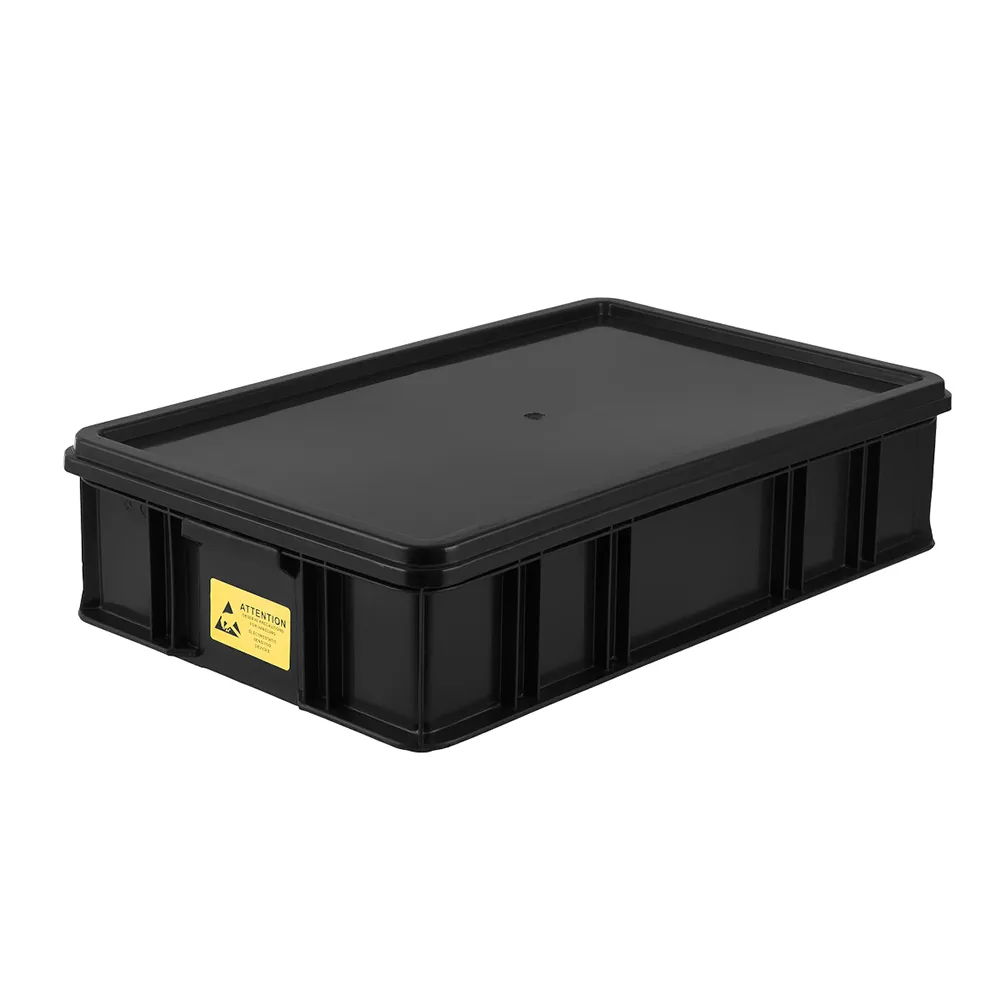
Put the process requirement and the container requirement in the same RFQ attachment. This lets the supplier review the requested box configuration while the buyer retains ownership of WIP status, route rules, and acceptance criteria.
| RFQ or route-trial input | Buyer should define |
|---|---|
| Process map | Source, handoff, destination, and return points |
| Permitted WIP states | Which status may use each route |
| Handoff ownership | Who sends, receives, redirects, and escalates |
| Workpiece and configuration | Envelope, contact constraints, compartment need, access side, and accessories |
| Identification method | The buyer’s label, traveler, work order, or electronic-record connection |
| Exception logic | Hold, rework, missing-identifier, and receiving-failure actions |
| Exigence ESD | Material requirement, test method, conditions, locations, and required evidence |
| Route trial | Defined sample route, observations, and acceptance criteria |
| Quantity planning | Required quantity bands after the route and configuration are confirmed |
Recommandation de produit
Utilisez Famille de produits de boîtes ESD Sanwei as a starting point after the buyer has documented the route, workpiece envelope, required accessories, material requirement, ESD evidence, and route-trial criteria. For a published footprint and depth family, review the Boîte ESD 600 × 400 mm only after confirming that the selected configuration fits the intended use.
Ajuster la limite
| Situation de l'acheteur | Chemin approprié | Éviter |
|---|---|---|
| Named SMT-to-assembly handoff | Define entry, receipt, exit, and escalation rules | Using open storage as a default handoff point |
| Multiple WIP states | Separate the states through route rules and identification | Relying on box color alone |
| Rework or hold condition | Use a dedicated disposition route | Returning it through the normal forward lane |
| New box configuration | Confirm the quoted model and run a route trial | Treating an image as proof of operational fit |
| Need for material or ESD evidence | State the requirement and acceptance method | Inferring a result from a generic product claim |
Send the process map, WIP-state rules, route identification method, workpiece details, configuration needs, ESD requirement, and trial criteria through Contacter Sanwei for a configuration discussion.
FAQ
What is an ESD circulation box used for?
It can serve as a controlled physical handoff container for a defined WIP state between named process points. The process team must still define the state, owner, identifier, and exit rule.
How should WIP move from SMT to assembly?
Map the source, permitted state, route identifier, receiving owner, and exit destination. If the receiver cannot accept the item, use the documented exception route instead of an informal holding area.
Does an ESD box provide traceability by itself?
No. The box can carry or display the buyer’s identification method, but traceability remains a function of the manufacturing system, work instruction, and associated record.
How can mixed WIP be prevented at a handoff?
Define permitted states for each route and separate normal WIP, held work, rework, and equipment return. Stop and resolve any box with a missing or unclear identifier.
Can one circulation box serve every process state?
Only if the buyer’s procedure clearly controls identification, cleaning or reuse, and state changes. A single physical box does not remove the need to prevent status mix-ups.
What should be checked before a box returns to the route?
Follow the buyer’s return and reuse procedure. Confirm the box is assigned to the correct return path and is suitable for the next intended use before it carries product WIP again.
What ESD evidence should be requested?
Request the material requirement, electrical target, test method, conditions, test locations, and evidence format needed by the buyer’s ESD-control program for the selected configuration.
What belongs in a circulation-box RFQ?
Include the route map, permitted WIP states, ownership, workpiece envelope, configuration needs, identification method, exception logic, ESD requirement, route-trial criteria, and quantity bands.


Laisser un commentaire