- توربو
- مدونة
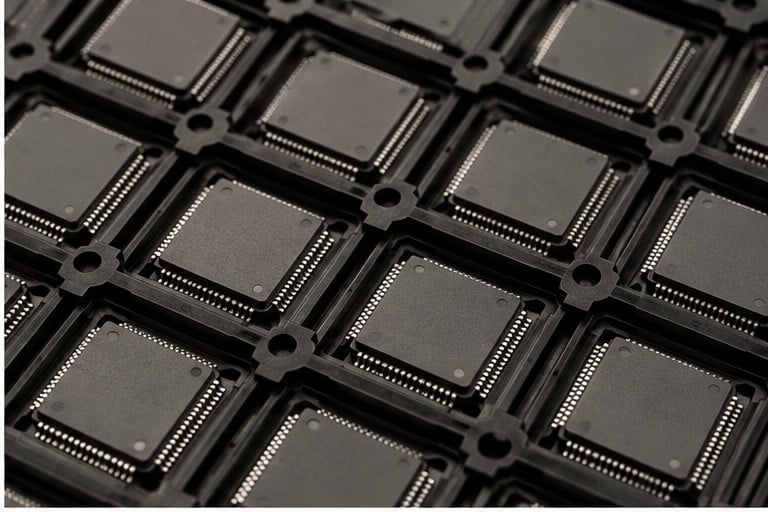
يجب اختيار صواني شحن أشباه الموصلات كجزء من عملية محددة لتداول الإلكترونيات، وليس كعنصر كتالوج عام. إن المواصفات الصحيحة تربط بين هندسة المكونات، وظيفة التفريغ الكهروستاتيكي (ESD)، الحماية الميكانيكية، وصول المشغل، واجهات المعدات، التنظيف والتحقق. يُظهر هذا الدليل للمهندسين والمشترين كيفية تحويل تلك الاحتياجات إلى طلب عرض أسعار (RFQ)، وخطة اعتماد عينات، وفحص استلام قابل للتكرار. كما يوضح المكان الذي تناسب فيه صواني الدوائر المتكاملة (IC) ضمن نظام التحكم الأوسع في التفريغ الكهروستاتيكي دون افتراض أن اللون أو اسم المواد أو نتيجة اختبار واحدة تثبت الملائمة لكل جهاز ومسار.
ما يجب أن يفعله المنتج في سير العمل الحقيقي
الغرض العملي هو حماية الأجهزة المعبأة أثناء النقل الداخلي أو الشحن مع التحكم في الحركة، والتلوث، والتعرض للتفريغ الكهروستاتيكي (ESD)، والعد. تلك الجملة هي المتطلبات الأساسية. المواصفات المفيدة تسمي العنصر المراد حمايته، والمكان الذي يدخل فيه العملية، وكل عملية تسليم، والمعدات التي يلامسها، ومدة بقائه في العبوة، وما يمكن أن يحدث من خطأ. بدون هذه الخريطة، يمكن لصينية، أو مندوب، أو جهاز اختبار، أو عربة أن تجتاز المراجعة المكتبية ومع ذلك تفشل في بيئة الإنتاج.
فصل مشكلة الحماية إلى ثلاث طبقات. أولاً، منع التلامس الميكانيكي، والحركة غير المنضبطة، والاختلاط. ثانياً، تحديد الوظيفة الإلكتروستاتيكية المطلوبة وربطها ببرنامج التحكم في المنشأة. ثالثاً، جعل الحل قابلاً للاستخدام: يجب على المشغلين تحميل القطع، وتحديدها، وفحصها، وتفريغها دون إنشاء مخاطر جديدة. لذلك ينبغي على المشترين إشراك هندسة العمليات، والجودة، ومنسق التفريغ الكهروستاتيكي (ESD) قبل تثبيت مواصفات الشراء.
إنشاء ورقة متطلبات قبل طلب السعر
يمكن للمورد تقديم تسعير دقيق فقط عندما يُميز طلب عرض الأسعار (RFQ) بين معايير القبول الإلزامية والتفضيلات. قم بإرفاق رسومات خاضعة للتحكم بدلاً من لقطات الشاشة، وحدد المراجعات، واذكر ما إذا كانت الأبعاد تشير إلى خصائص مرجعية أو خصائص فحص. صف البيئة الحقيقية، بما في ذلك مواد التنظيف، والتعرض لدرجات الحرارة، ونطاق الرطوبة، ومدى فترة التخزين، وأي واجهة مؤتمتة. وحيثما لم يُعرف الحد المطلوب بعد، اطلب تجربة عينة بدلاً من اختراع رقم.
| منطقة القرار | ما الذي ينبغي توضيحه؟ | كيفية التحقق |
|---|---|---|
| تقيد الجهاز | مقاس ملائم للجيب وتثبيت عمودي | محاكاة الإمالة والتوجيه |
| حماية المكدس | الغطاء، التداخل، الأشرطة ودعم الحواف | فحص الحزمة بالكامل |
| البيئة | حدود النظافة والرطوبة ودرجة الحرارة | تحديد من احتياجات الجهاز |
| إمكانية التتبع | الدفعة، الكمية، الاتجاه وحالة الختم | قائمة التحقق من الاستلام |
الجدول يركز بشكل متعمد على المنهجية. يجب أن تأتي حدود القبول العددية من رسم المنتج المعمول به، أو بيانات الجهاز، أو خطة التحكم في التفريغ الكهروستاتيكي (ESD)، وطريقة الاختبار المشار إليها. إن الرقم المنقول من ورقة بيانات مورِّد غير ذي صلة قد يستخدم تكييفاً، أو هندسة، أو جهداً مختلفاً، وقد يخلق ثقة زائفة.
ابدأ بالعنصر المحمي، وليس الحاوية
سجِّل أقصى حالة مادية للعنصر المحمي، والخصائص القابلة للكسر، ومناطق التلامس المسموح بها، واتجاهه، واحتياجات التعرُّف عليه. بالنسبة للوحات الإلكترونية، قد تتطلب الموصلات، ومفاصل اللحام، والأطراف المكشوفة، والمكونات الطويلة مناطق حظر لا تكون واضحة من خلال الطول والعرض الخارجيين. وإذا كان هناك عدة أرقام أجزاء تشترك في حل واحد، فاختبر التكوينات الأصغر والأكبر والأكثر عرضة للتلف بدلاً من اختيار متوسط ملائم.
العينات الفيزيائية قيمة، لكنها لا تستبدل البيانات المحكومة. العينة تمثل نتيجة إنتاج واحدة وقد لا تكشف عن نطاق التفاوت الكامل. استخدم الرسومات لتحديد الحدود، والعينات لفهم التداول، وتجربة المسار لإثبات الوظيفة. عندما يتغير تعديل الصنف، قم بإجراء مراجعة توافق موثقة قبل الاستمرار في استخدام التغليف القديم أو تعليمات العمل.
تحديد وظيفة التفريغ الكهروستاتيكي (ESD) وحدود الاختبار
تصف مصطلحات مثل مضاد للكهرباء الساكنة، ومتبدد للشحنات الساكنة، وموصل، مفاهيم مختلفة وغالباً ما تُستخدم بشكل فضفاض. يجب أن يحدد طلب عرض الأسعار (RFQ) أسطح التلامس، وظيفة التحكم في الشحنة المقصودة، الطريقة المعمول بها، التكييف، جهد الاختبار أو الإعداد، نطاق القبول، وخطة أخذ العينات. يعتمد المتطلب الصحيح على حساسية الجهاز، والقرب، والتأريض، وما إذا كان المسار بحاجة إلى حماية فضلاً عن التبدد المتحكم فيه.
اختبر النظام المُجَمَّع عندما تكون الواجهات ذات أهمية. لا يمكن لعينة مادة أن تكشف عن سوء التلامس بين قطعة مُدْرَجَة وصينية خارجية، أو رف معزول، أو عجلة ملوثة، أو طلاء مُتآكل عند نقطة مناولة. ينبغي تسجيل الظروف البيئية ونظافة الأسطح لأنها يمكن أن تؤثر على القياسات. تكون النتائج قابلة للمقارنة فقط عندما تكون الطريقة والظروف قابلة للمقارنة.
التحقق من التوافق الميكانيكي وإمكانية الوصول وتوافق العمليات
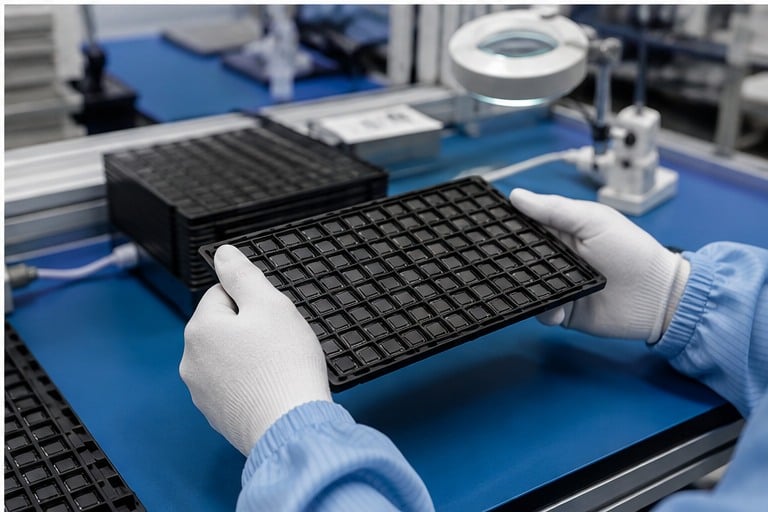
يجب أن يُعيد فحص الملائمة إنتاج عمليات التحميل، والنقل العادي، والتكديس أو الاصطفاف، والتفريغ. ابحث عن الاهتزاز، أو القرص, أو التلامس الأمامي، أو انحراف اللوحة، أو التحرير العرضي، أو التداخل مع القفازات، أو الملقط، أو الالتقاط بالشفط، أو الفحص. إذا دخل المحلول إلى المعدات، فقم باختبار الفهرسة، وأجهزة الاستشعار، والقضبان، والخلوصات باستخدام التكديس والاتجاه المقصودين. إن العرض التوضيحي الفردي باليد لا يُعد مؤهلاً للمعدات.
توافق العملية يتضمن أكثر من الأبعاد. قدهاجمكبياءالتنظيفالبوليمروتيتركبوايا.تعرضالحرارةيمكنأنغيرالاستواء.التداولالمتكرركانيآكلأجزاءالتحديد.الملصقاتيمكنأنتهربأوتحجب الفحص أو تترك مواد لاصقة. وثق هذه الواجهات لكي يتمكن المورد من التوصية بمادة وبناء للمراجعة، ثم تحقق من صحة تلك التوصية في العملية الفعلية.
تسلسل النموذج الأولي والاعتماد
- مراجعة مكتبية: تأكيد الرسومات، والمراجعات، والمادة المحمية، والمسار، ووظيفة الإيقاف الطارئ (ESD)، وخطة القبول.
- المقال الأول: فحص الهوية وجودة الصناعة والأبعاد الحرجة قبل إدخال الأجهزة القيمة.
- تجربة المقاس تحميل العناصر التمثيلية والتحقق من الاتصال المسموح به، والخلوص، والاتجاه، والإزالة.
- تجربة المسار: إعادة إنتاج التكديس، والمناولة، والنقل، وواجهة المعدات، والتنظيف والتخزين.
- مراجعة الأدلة: فحص إقرارات المواد وتقارير الاختبار للتحقق من الطريقة، والتكييف، وهوية العينة، وإمكانية التتبع.
- إصدار تسجيل العينة المعتمدة، الرسم الهندسي، الانحرافات، الصور، وفحوصات الاستلام.
تمنع هذه السلسلة المحكومة تحول نموذج أولي جذاب إلى معيار إنتاج غير خاضع للرقابة. يجب أن يحدد أي انحراف الشخص الذي قبله، ولأي جزء ولمدة كم، وكيف سيتم التحكم في المخزون المتأثر. عند تغير المورد أو المواد، يجب تكرار عمليات التحقق المتأثرة بهذا التغيير.
فحص المواد الواردة والتحقق المستمر
يجب أن يكون فحص الاستلام متناسباً مع المخاطر وسجل المورد. قم بتأكيد هوية المشتريات والمراجعة أولاً، ثم تحقق من التلف الظاهر، والتلوث، والتشوه، والتجميع، والملصقات، والواجهات الحرجة. استخدم خطوة أخذ العينات المتفق عليها للأبعاد والفحوصات الكهربائية. ضع الدفعات المشتبه بها في الحجر الصحي قبل خلطها بالمخزون المقبول، واحتفظ بمعلومات كافية لتتبع النتيجة وصولاً إلى دفعة المورد ومعدات الاختبار.
يجب أن تركز عمليات الفحص المستمرة على الخصائص التي يمكن أن تتغير بمرور الوقت نتيجة الاستخدام: النظافة، التآكل، التشوّه، الفواصل التالفة، القطع المفكوكة، حالة الأقطاب الكهربائية، أو مسارات التأريض التالفة. حدد معايير التنظيف والإخراج من الخدمة بمصطلحات قابلة للملاحظة. “الاستخدام حتى تلف الشيء تماماً” ليس معيناً؛ ومن الأمثلة على ذلك: جيب متصدع، كومة غير مستقرة، هوية غير مقروءة، مخلفات لا يمكن إزالتها بالطريقة المعتمدة، أو فشل في التحقق.
أخطاء المواصفات الشائعة
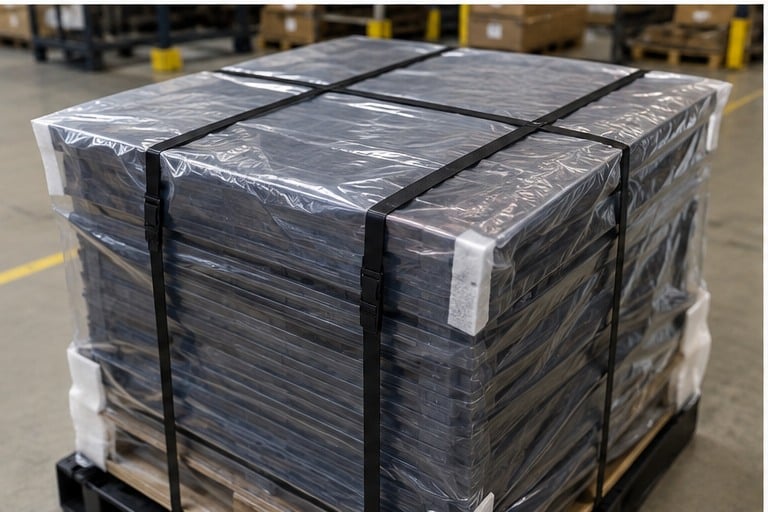
- استخدام فيلم التمدد أو الأربطة التي تشوه الصواني أو أجهزة التحميل. امنع ذلك من خلال ربط القرار برسم، أو طريقة اختبار، أو تجربة مسار، والاحتفاظ بأدلة الموافقة.
- ترك طبقة مكدسة مفتوحة بحيث يكون لطبقة الجهاز العليا حماية مختلفة. امنع ذلك من خلال ربط القرار برسم، أو طريقة اختبار، أو تجربة مسار، والاحتفاظ بأدلة الموافقة.
- قبول طرد شحن دون إجراء فحص استلام وقواعد تصرف. امنع ذلك من خلال ربط القرار برسم، أو طريقة اختبار، أو تجربة مسار، والاحتفاظ بأدلة الموافقة.
خطأ متكرر آخر هو السماح لعلامة تسويقية بأن تحل محل خطة القبول. يمكن لاسم المنتج أن يساعد في البحث والتواصل، لكن قرارات الجودة تتطلب أدلة خاضعة للتحكم. يجب أن يتفق المشتري والمورد على ما سيتم فحصه، وأين يتم إجراء القياس، وأي مراجعة تنطبق، وما ماذا يحدث عندما تفشل النتيجة.
قائمة التحقق من طلب تقديم العروض
- أرقام العناصر المحمية، والرسومات، والتعديلات، والعينات، ومناطق الاتصال المسموح بها.
- الكمية لكل حاوية أو طبقة، والاتجاه، وطريقة تتبع الأثر.
- مسار العمليات الكامل، المشغلون، واجهات المعدات، ظروف التراكد والنقل.
- وظيفة التفريغ الكهروستاتيكي، الطريقة المُشار إليها، التكييف، حدود القبول وسجلات الاختبار.
- قيود المواد، النظافة، كيمياء التنظيف، والتعرضات البيئية.
- الأبعاد الحرجة، التفاوتات، وخطة أخذ عينات القطعة الأولى.
- كمية النماذج الأولية، تسلسل الموافقة، ومسؤولية التغييرات.
- طلب الإنتاج، التعبئة والتغليف، قطع الغيار، دورة الحياة وتوقعات التسليم.
لمناقشة مع المورد، اربط هذه المتطلبات بالجانب ذات الصلة درج الآيس كريم واستخدم تغليف مضاد للكهرباء الساكنة لمصنعي لوحات الدوائر المطبوعة دليل لوضع القرار ضمن نظام التعامل الأوسع. هذا يتجنب معاملة مكون واحد على أنه برنامج ESD الكامل.
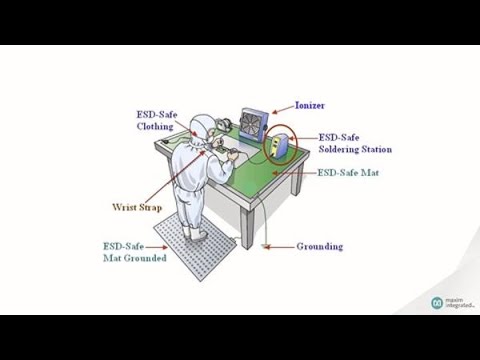
فيديو تدريبي: سياق التفريغ الكهروستاتيكي
يدعم هذا الفيديو التعليمي المحايث سياق التحكم في التفريغ الكهروستاتيكي (ESD). وهو لا يغني عن التحقق الخاص بالمنتج والموضح أعلاه.
الأدلة ذات الصلة
- اختيار المواد الآمنة من التفريغ الكهروستاتيكي
- التخزين المتبدد مقابل التخزين الموصل
- قائمة التحقق لطلب عرض أسعار تغليف الحماية من التفريغ الكهروستاتيكي
أسئلة متكررة
هل صينية الشحن هي نفسها صينية المعالجة؟
أحياناً، ولكن الشحن يفرض قيوداً، ومتطلبات للغطاء، والترصيف، والتوجيه قد لا تلبيها صينية جانب خط الانتاج. يجب توثيق القاعدة النهائية للجهاز المحدد، والمنشأة، وخطة التحكم.
هل الصواني كافية بدون غلاف خارجي؟
عادةً ما تكون رزمة الصواني طبقة واحدة من نظام التعبئة والتغليف. تعتمد الحماية الخارجية على مسار المناولة والمخاطر البيئية. يجب توثيق القاعدة النهائية للجهاز المحدد والمنشأة وخطة التحكم.
كيف ينبغي تأمين الأكوام؟
استخدم غطاءً وقيداً معتمدين يحافظان على تجميع الطبقات معاً دون ثني الصواني أو ملامسة الأجهزة. يجب توثيق القاعدة النهائية للجهاز المحدد والمرفق وخطة التحكم.
ما الذي يجب على الاستلام فحصه أولاً؟
فحص سلامة الحزمة، والهوية، والكمية، والاتجاه، وتلف الصينية، والتلوث، وأي دليل على حركة الجهاز. يجب توثيق القاعدة النهائية للجهاز المحدد والمرفق وخطة التحكم.
هل يمكن إعادة استخدام صواني الشحن؟
تستلزم إعادة الاستخدام معايير للنظافة، والتلف، والأبعاد، والأداء الكهربائي، وإمكانية التتبع؛ إذ لا يكفي المظهر وحده. يجب توثيق القاعدة النهائية للجهاز المحدد، والمنشأة، وخطة التحكم.
المراجع الموثوقة
- جمعية التفريغ الكهروستاتيكي: أساسيات التفريغ الكهروستاتيكي
- NASA-STD-8739.6B: التحكم في التفريغ الكهروستاتيكي
- برنامج جودة التصنيع لناسا
ملاحظة تطبيقية يجب أنتبع الحدود النهائية وفترات التحقق برنامج المنشأة المعتمد، ومتطلبات الجهاز، والمعايير الحالية، وتعليمات الشركة المصنعة، وطرق الاختبار المؤهلة. يُعد هذا الدليل أداة مساعدة للمشتريات وتخطيط العمليات، وليس بديلاً عن تلك المستندات الخاضعة للرقابة.
أحدث مشاركة
-
 فحص تشوه الصندوق الكهربائي ESD: قياس المقاس قبل الإطلاق22 أكتوبر,2026
 -
 اختبار مقاومة سطح صينية JEDEC: الهندسة، والاتصال، والإبلاغ22 أكتوبر,2026
 -
اترك ردًا