- توربو
- مدونة
A cleanroom sticky mat removes loose particles from footwear and cart wheels at a controlled transition, but it cannot compensate for poor gowning, inadequate housekeeping, or uncontrolled material flow. Selection requires more than choosing a color and nominal size. Buyers should define the entry route, traffic, wheel geometry, floor finish, tack level, layer construction, packaging cleanliness, removal method, and evidence used to decide when a layer is spent. Placement and operator behavior then determine whether users make enough contact without creating a slip, trip, residue, or congestion problem. This guide provides a practical specification, installation, inspection, and replacement framework for electronics and clean manufacturing areas.
Map the transition and contamination route
Identify which doorway, airlock, pass-through or material entrance the mat supports and what crosses it. Footwear traffic differs from narrow cart wheels, pallet jacks or heavy equipment. Record direction of travel, peak traffic, available floor area, cleaning schedule and whether users can pause without blocking an exit.
A sticky mat collects only material that contacts its tacky surface and releases under the applied load. It is one control in a broader zoning plan. Keep gowning, hand hygiene, packaging, wheel cleaning, pressure differentials and room cleaning under their own procedures.

Select dimensions from stride and wheel contact
Choose length and width so normal users and approved carts make repeated full contact before entering the cleaner zone. A small mat that can be stepped over or avoided will not provide consistent control. Larger dimensions may improve coverage but can interfere with doors, turning paths or emergency access.
For carts, evaluate every wheel path and turning behavior. Narrow casters can concentrate load, tear a layer or track adhesive. Heavy equipment may require another engineered cleaning approach. Trial the real footwear and wheels rather than relying on a catalogue photograph.

Balance tack, release and surface compatibility
Higher tack is not automatically better. Excessive adhesion can pull shoe covers, affect gait, lift weak floor coatings, transfer residue or damage wheels. Too little tack may fail to retain loose particles. Request a representative sample and test under the actual temperature, humidity, traffic and cleaning conditions.
Review base adhesion and peel behavior separately from the exposed collection surface. The base must remain flat without leaving unacceptable residue when removed. Confirm compatibility with sealed concrete, epoxy, tile or other actual floor finish and with approved cleaning agents.

Install and peel layers without spreading debris
Prepare the floor using the approved procedure and let it dry. Position the mat square to travel, smooth it flat and keep every edge secure. Do not bridge joints, damaged flooring or moisture. Mark the intended crossing route where needed and train users not to jump over the mat.
When a layer is loaded, control the peel so captured particles remain on the removed sheet. Avoid snapping or shaking it. Fold the dirty surface inward, dispose of it under the facility waste rule and confirm the next layer is intact. Numbered layers support traceability but do not replace a condition-based rule.
Inspect performance and set replacement criteria
Check surface loading, tears, wrinkles, lifting edges, transferred residue, missed wheel paths and changes in user behavior. A dirty layer may still look tacky while redepositing particles; a visually clean layer may be damaged by a wheel. Define who can peel a layer and how that action is recorded.
Replace the entire mat when layers are exhausted, the base moves, edges remain unsafe, residue cannot be controlled, the product is contaminated outside its intended use, or performance no longer meets the approved observation method. Never promise a fixed number of crossings without trial evidence.
جدول تحكم عملي
| Selection field | Buyer decision | Qualification check |
|---|---|---|
| Location | Entry, airlock or material transition | Route observation |
| Traffic | People, carts and peak crossings | Representative trial |
| حجم | Required foot and wheel contacts | Floor layout and crossing test |
| Tack | Particle pickup without unsafe pull | Footwear and wheel compatibility |
| Layers | Count, numbering and peel design | Controlled peel trial |
| Floor interface | Finish, cleaner and residue limit | Installation and removal test |
إعداد إجراء مُحكم ونوذج موافقة
إجراء الموقع: - المسؤول: المشرف المسؤول - المواد المعتمدة: المواد المطابقة للمواصفات والمُعتمدة مسبقاً مع عينة الموافقة أو مجموعة الصور المرجعية - تسلسل العمل: التدريب على المسار والمعدات الحقيقية، ثم مراقبة عدة دورات تشغيلية عادية - معايير القبول: التطابق التام مع التهيئة المتوقعة الموضحة في عينة الموافقة أو مجموعة الصور - حالات التوقف: أي انحراف عن التهيئة المتوقعة أو تعطل المعدات - السجلات: سجلات التدريب والمراقبة ودورات التشغيل - إجراءات التصحيح: - يُسمح للمشغل بتصحيح الأخطاء البسيطة فوراً. - ما يتطلب الحجر الصحي والمراجعة: أي عيوب أو انحرافات غير قابلة للتصحيح الفوري وفقاً لتعليمات المورد.
افصل بين السلامة والنظافة والوظيفة الميكانيكية والتحقق من تفريغ الشحنات الكهربائية (ESD). لا يمكن للفحص البصري الفردي تغطية كل مخاطر، كما لا يمكن لقراءة كهربائية واحدة إثبات النظافة أو السلامة الميكانيكية. عندما يكون القياس مطلوباً، حدد الجهاز والطريقة والمواقع والبيئة حدود القبول. حافظ على تحديث معايرة المعدات وتدريب الأفراد ضمن نظام المنشأة.
الinspection الوارد وإدارة التغيير
عند الاستلام، طابق الصنف، والكمية، والمراجعة، ورقم تشغيلية المورد، وملصق التعبئة مع أمر الشراء. افحص بحثاً عن التلف، والتلوث، ونقص التعريف، والاختلافات غير المتوقعة في اللون، أو القوام، أو الهندسة، أو الرائحة، أو الأجهزة، أو التعبئة والتغليف. خذ عينات من الأبعاد والسمات الوظيفية وفقاً للخطة المتفق عليها. احجز التغييرات غير المبررة في الحجر الصحي بدلاً من السماح لضغط الإنتاج بتحويل الاستثناء إلى موافقة غير موثقة.
يلزم الإشعار قبل إجراء أي تغييرات على المصدر المادي، أو المادة المضافة، أو اللاصق، أو أدوات التصنيع، أو الأبعاد، أو المنظف، أو التركيب، أو القطع الحرجة. يجب أن تركز إعادة التأهيل على الوظائف المتأثرة بالتغيير ولكن يجب مع ذلك التحقق من التفاعلات. قد يؤثر اللاصق الأقوى على الإزالة؛ وقد تؤثر عجلة القيادة (الرول) الجديدة على التتبع والمسارات الكهربائية؛ وقد يؤثر المنظف الجديد على الملصقات والسلوك السطحي.
تجربة التأهل والسجلات
قم بإجراء التجربة في ظل ظروف بيئية وتشغيلية ممثلة. قم بتسجيل التاريخ، والموقع، والمسؤولين عن التشغيل، والعينات، وأرقام التشغيلات، والمعدات، وتحضيرات التنظيف، والمسار، والملاحظات، والحيود. قم بتضمين عنصر معتمد حالي كخط أساس حيثما أمكن ذلك. لا تقم بإخفاء فشل ذريع داخل متوسط الدرجات. تتطلب متطلبات السلامة، وحماية المنتجات، والتلوث، قابلية الاستخدام، والتوثيق، والتفريغ الكهروستاتيكي (ESD) قرارات نجاح خاصة بها.
مراجعة النتائج بعد دورات كافية لكشف التباين الطبيعي. قد يفوت العرض الناجح الواحد اختلافات المشغل، وذروة حركة المرور، والتآكل، وتأثيرات التحميل والتنظيف. يجب أن يوضح التقرير الحدود: ما لم يتم اختباره، وأي الادعاءات تظل إعلانات من المورد، وأي الاستنتاجات تنطبق فقط على التكوين المختبر. الاحتفاظ بالأدلة مع سجل العنصر أو العملية حتى تتمكن الفرق المستقبلية من فهم أساس الموافقة.
تدقيق العملية بعد الإطلاق
راقب العملية أثناء العمل الطبيعي بعد الإطلاق، وليس فقط خلال العرض التجريبي المخطط له. أكد أن المستخدمين يتبعون التسلسل المعتمد، وتظل المواد متاحة، وتكون الملصقات مقروءة ويتم فهم شروط التوقف. اعتبر عينات السجلات للنتائج المفقودة، والإخفاقات المتكررة، والبدائل غير المبررة. اسأل المشغلين عن الأماكن التي تواجههم صعوبة في الإجراء، لأن الحلول البديلة غالباً ما تكشف عن مشكلة في التوافق، أو الوصول، أو الحركة، أو التدريب قبل أن تصبح عيباً في المنتج.
تتبع حالات الفشل حسب الصنف، والموقع، والوردية، ورقم تشقيمة المورد حيثما تدعم السجلات المتاحة هذا التحليل. يجب أن تؤدي المشكلات المتكررة إلى مراجعة الأسباب، وليس مجرد الاستبدال المتكرر. قم بتحديث الإجراء عندما يتغير المنتج، أو طابق الإنتاج، أو المعدات، أو مادة التنظيف، أو مسار الحركة، أو التعبئة والتغليف، أو خطة التحكم. حافظ على تاريخ المراجعة مرئياً واسحب النسخ الملغاة لتبقى الطريقة المعتمدة واضحة لا لبس فيها.
قائمة التحقق من طلب تقديم العروض (RFQ) للمشترين
التطبيق، والبيئة، والأبعاد، والواجهات، والإنشاء، والوظيفة المطلوبة، وطريقة الاختبار، ومعايير القبول، والنظافة، والتعبئة، والوسم، وإمكانية التتبع، وكمية العينات، والتوثيق، وإشعار التغيير. راجع الـ SWESD cleanroom sticky mat product و مركز منتجات سويسد كpunkte انطلاق؛ يجب أن يطابق الاعتماد النهائي العنصر المُرَد والمبدأ التحكمي الخاص بالمشتري.
- صف مسار الاستخدام الحقيقي والمنتج المحمي.
- تحديد معايير الرفض القاطع والأدلة المقبولة.
- اطلب الرسومات والمواد ونتائج الاختبارات القابلة للتتبع حيثما كان ذلك مناسباً.
- حدد كميات العينات والقطعة الأولى قبل الإنتاج.
- قائمة افتراضات التنظيف والفحص والاستبدال المعتمدة.
- طلب الكشف كتابةً عن الاستثناءات والتغييرات.
الموارد ذات الصلة بـ SWESD
- selecting a sticky roller for controlled surfaces
- planning sticky mat replacement frequency
- comparing sticky and tacky mat terminology
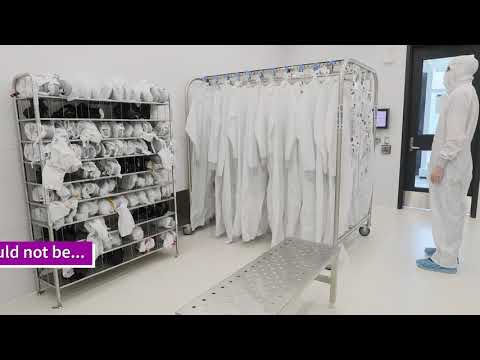
Educational video: MIT.nano Cleanroom Gowning Procedure
This neutral educational video from MIT.nano provides background for the controlled process. The written guide remains complete without it.
الأسئلة الشائعة
How often should a sticky mat layer be changed?
Use observed loading and the approved facility rule. Traffic, contamination and wheel behavior make a universal time or crossing count unreliable.
Should a mat have the highest available tack?
No. Tack must collect particles without creating unsafe pull, residue, shoe-cover lift or wheel damage.
Can carts cross the same mat as people?
Only after a representative trial confirms size, load, wheel contact, layer durability and safe traffic flow.
Does a sticky mat replace cleanroom cleaning?
No. It is a transition control and must work with gowning, housekeeping and material-flow procedures.
مراجع موثوقة
أحدث مشاركة
-
 فحص تشوه الصندوق الكهربائي ESD: قياس المقاس قبل الإطلاق22 أكتوبر,2026
-
 اختبار مقاومة سطح صينية JEDEC: الهندسة، والاتصال، والإبلاغ22 أكتوبر,2026
-
اترك ردًا