- Turbo
- Blog
A cleanroom sticky mat removes loose particles from footwear and cart wheels at a controlled transition, but it cannot compensate for poor gowning, inadequate housekeeping, or uncontrolled material flow. Selection requires more than choosing a color and nominal size. Buyers should define the entry route, traffic, wheel geometry, floor finish, tack level, layer construction, packaging cleanliness, removal method, and evidence used to decide when a layer is spent. Placement and operator behavior then determine whether users make enough contact without creating a slip, trip, residue, or congestion problem. This guide provides a practical specification, installation, inspection, and replacement framework for electronics and clean manufacturing areas.
Map the transition and contamination route
Identify which doorway, airlock, pass-through or material entrance the mat supports and what crosses it. Footwear traffic differs from narrow cart wheels, pallet jacks or heavy equipment. Record direction of travel, peak traffic, available floor area, cleaning schedule and whether users can pause without blocking an exit.
A sticky mat collects only material that contacts its tacky surface and releases under the applied load. It is one control in a broader zoning plan. Keep gowning, hand hygiene, packaging, wheel cleaning, pressure differentials and room cleaning under their own procedures.

Select dimensions from stride and wheel contact
Choose length and width so normal users and approved carts make repeated full contact before entering the cleaner zone. A small mat that can be stepped over or avoided will not provide consistent control. Larger dimensions may improve coverage but can interfere with doors, turning paths or emergency access.
For carts, evaluate every wheel path and turning behavior. Narrow casters can concentrate load, tear a layer or track adhesive. Heavy equipment may require another engineered cleaning approach. Trial the real footwear and wheels rather than relying on a catalogue photograph.

Balance tack, release and surface compatibility
Higher tack is not automatically better. Excessive adhesion can pull shoe covers, affect gait, lift weak floor coatings, transfer residue or damage wheels. Too little tack may fail to retain loose particles. Request a representative sample and test under the actual temperature, humidity, traffic and cleaning conditions.
Review base adhesion and peel behavior separately from the exposed collection surface. The base must remain flat without leaving unacceptable residue when removed. Confirm compatibility with sealed concrete, epoxy, tile or other actual floor finish and with approved cleaning agents.

Install and peel layers without spreading debris
Prepare the floor using the approved procedure and let it dry. Position the mat square to travel, smooth it flat and keep every edge secure. Do not bridge joints, damaged flooring or moisture. Mark the intended crossing route where needed and train users not to jump over the mat.
When a layer is loaded, control the peel so captured particles remain on the removed sheet. Avoid snapping or shaking it. Fold the dirty surface inward, dispose of it under the facility waste rule and confirm the next layer is intact. Numbered layers support traceability but do not replace a condition-based rule.
Inspect performance and set replacement criteria
Check surface loading, tears, wrinkles, lifting edges, transferred residue, missed wheel paths and changes in user behavior. A dirty layer may still look tacky while redepositing particles; a visually clean layer may be damaged by a wheel. Define who can peel a layer and how that action is recorded.
Replace the entire mat when layers are exhausted, the base moves, edges remain unsafe, residue cannot be controlled, the product is contaminated outside its intended use, or performance no longer meets the approved observation method. Never promise a fixed number of crossings without trial evidence.
Tabel kontrol praktis
| Selection field | Buyer decision | Qualification check |
|---|---|---|
| Location | Entry, airlock or material transition | Route observation |
| Traffic | People, carts and peak crossings | Representative trial |
| Size | Required foot and wheel contacts | Floor layout and crossing test |
| Tack | Particle pickup without unsafe pull | Footwear and wheel compatibility |
| Layers | Count, numbering and peel design | Controlled peel trial |
| Floor interface | Finish, cleaner and residue limit | Installation and removal test |
Buatlah sampel prosedur dan persetujuan yang terkontrol
Ubah instruksi pemasok dan kerangka perencanaan ini menjadi prosedur situs yang ringkas dengan pemilik, bahan yang disetujui, urutan, kriteria kelulusan, kondisi penghentian, dan catatan. Gunakan sampel persetujuan atau set foto yang teridentifikasi agar operator mengetahui konfigurasi yang diharapkan. Latih dengan rute dan peralatan yang sebenarnya, lalu amati beberapa siklus normal. Prosedur tersebut harus menyatakan apa yang boleh segera diperbaiki oleh operator dan apa yang memerlukan karantina dan peninjauan.
Pisahkan keselamatan, kebersihan, fungsi mekanis, dan verifikasi ESD. Pemeriksaan visual tunggal tidak dapat mencakup setiap risiko, dan satu pembacaan kelistrikan tidak dapat membuktikan kebersihan atau integritas mekanis. Ketika pengukuran diperlukan, identifikasi instrumen, metode, lokasi, lingkungan, dan batas penerimaan. Jaga agar kalibrasi peralatan dan pelatihan personel tetap mutakhir di bawah sistem fasilitas.
Inspeksi kedatangan dan kontrol perubahan
Pada saat penerimaan, cocokkan item, kuantitas, revisi, lot pemasok, dan label kemasan dengan pesanan pembelian. Periksa kerusakan, kontaminasi, identifikasi yang hilang, serta perbedaan yang tidak diharapkan dalam warna, tekstur, geometri, bau, perangkat keras, atau kemasan. Ambil sampel dimensi dan atribut fungsional sesuai dengan rencana yang disepakati. Karantina perubahan yang tidak dapat dijelaskan daripada membiarkan tekanan produksi mengubah suatu pengecualian menjadi persetujuan yang tidak didokumentasikan.
Wajibkan pemberitahuan sebelum perubahan pada sumber material, aditif, perekat, perkakas, dimensi, bahan pembersih, konstruksi, atau perangkat keras penting. Reualifikasi harus berfokus pada fungsi yang terdampak oleh perubahan tersebut namun tetap harus memeriksa interaksi. Perekat yang lebih kuat dapat memengaruhi pelepasan; kastor baru dapat memengaruhi pelacakan dan jalur kelistrikan; bahan pembersih baru dapat memengaruhi label dan perilaku permukaan.
Uji kualifikasi dan catatan
Jalankan uji coba di bawah kondisi lingkungan dan operasional yang representatif. Catat tanggal, lokasi, operator, sampel, nomor lot, peralatan, persiapan pembersihan, rute, pengamatan, dan penyimpangan. Sertakan item yang disetujui saat ini sebagai garisan dasar jika memungkinkan. Jangan menyembunyikan kegagalan fatal di dalam skor rata-rata. Persyaratan keselamatan, perlindungan produk, kontaminasi, kegunaan, dokumentasi, dan ESD memerlukan keputusan kelulusannya sendiri.
Tinjau hasil setelah siklus yang cukup untuk mengekspos variasi normal. Satu demonstrasi yang sukses dapat melewatkan perbedaan operator, puncak lalu lintas, keausan, efek pemuatan dan pembersihan. Laporan harus menyatakan batasannya: apa yang tidak diuji, klaim mana yang tetap menjadi pernyataan pemasok, dan kesimpulan mana yang hanya berlaku untuk konfigurasi yang diuji. Simpan bukti dengan catatan barang atau proses agar tim masa depan dapat memahami dasar persetujuan.
Audit proses setelah rilis
Amati proses selama pekerjaan normal setelah peluncuran, bukan hanya selama demonstrasi yang direncanakan. Konfirmasikan bahwa pengguna mengikuti urutan yang disetujui, bahan tetap tersedia, label dapat dibaca, dan kondisi penghentian dipahami. Ambil sampel catatan untuk hasil yang hilang, kegagalan yang berulang, dan substitusi yang tidak dapat dijelaskan. Tanyakan kepada operator di bagian mana prosedur tersebut sulit, karena jalan pintas (workaround) sering kali mengungkapkan masalah kesesuaian, akses, lalu lintas, atau pelatihan sebelum hal itu menjadi cacat produk.
Tren kegagalan menurut item, lokasi, shift, dan lot pemasok jika catatan yang tersedia mendukung analisis tersebut. Masalah yang berulang harus memicu tinjauan penyebab, bukan sekadar penggantian yang lebih sering. Perbarui prosedur ketika produk, lantai, peralatan, pembersih, rute lalu lintas, pengemasan, atau rencana kontrol berubah. Jaga tanggal revisi tetap terlihat dan tarik salinan yang kedaluwarsa agar metode yang disetujui tetap tidak ambigu.
Daftar periksa RFQ untuk pembeli
Sebutkan aplikasi, lingkungan, dimensi, antarmuka, konstruksi, fungsi yang diperlukan, metode pengujian, kriteria penerimaan, kebersihan, pengemasan, pelabelan, keterunutan, jumlah sampel, dokumentasi, dan pemberitahuan perubahan. Tinjau SWESD cleanroom sticky mat product dan Pusat produk SWESD sebagai titik awal; persetujuan akhir harus sesuai dengan barang yang disertakan dan program kontrol pembeli sendiri.
- Jelaskan rute penggunaan sebenarnya dan produk yang dilindungi.
- Identifikasi kriteria penolakan mutlak dan bukti yang dapat diterima.
- Minta gambar, bahan, dan hasil pengujian yang dapat ditelusuri jika relevan.
- Tentukan jumlah sampel dan artikel pertama sebelum produksi.
- Daftar asumsi pembersihan, pemeriksaan, dan penggantian yang disetujui.
- Wajibkan pengungkapan tertulis atas pengecualian dan perubahan.
Sumber daya SWESD terkait
- selecting a sticky roller for controlled surfaces
- planning sticky mat replacement frequency
- comparing sticky and tacky mat terminology
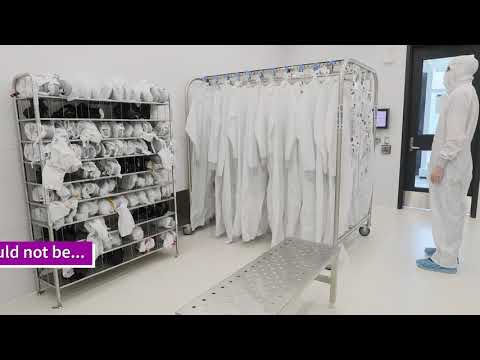
Educational video: MIT.nano Cleanroom Gowning Procedure
This neutral educational video from MIT.nano provides background for the controlled process. The written guide remains complete without it.
Pertanyaan yang sering diajukan
How often should a sticky mat layer be changed?
Use observed loading and the approved facility rule. Traffic, contamination and wheel behavior make a universal time or crossing count unreliable.
Should a mat have the highest available tack?
No. Tack must collect particles without creating unsafe pull, residue, shoe-cover lift or wheel damage.
Can carts cross the same mat as people?
Only after a representative trial confirms size, load, wheel contact, layer durability and safe traffic flow.
Does a sticky mat replace cleanroom cleaning?
No. It is a transition control and must work with gowning, housekeeping and material-flow procedures.
Tinggalkan Balasan