- ターボ
- ブログ
A cleanroom sticky mat removes loose particles from footwear and cart wheels at a controlled transition, but it cannot compensate for poor gowning, inadequate housekeeping, or uncontrolled material flow. Selection requires more than choosing a color and nominal size. Buyers should define the entry route, traffic, wheel geometry, floor finish, tack level, layer construction, packaging cleanliness, removal method, and evidence used to decide when a layer is spent. Placement and operator behavior then determine whether users make enough contact without creating a slip, trip, residue, or congestion problem. This guide provides a practical specification, installation, inspection, and replacement framework for electronics and clean manufacturing areas.
Map the transition and contamination route
Identify which doorway, airlock, pass-through or material entrance the mat supports and what crosses it. Footwear traffic differs from narrow cart wheels, pallet jacks or heavy equipment. Record direction of travel, peak traffic, available floor area, cleaning schedule and whether users can pause without blocking an exit.
A sticky mat collects only material that contacts its tacky surface and releases under the applied load. It is one control in a broader zoning plan. Keep gowning, hand hygiene, packaging, wheel cleaning, pressure differentials and room cleaning under their own procedures.

Select dimensions from stride and wheel contact
Choose length and width so normal users and approved carts make repeated full contact before entering the cleaner zone. A small mat that can be stepped over or avoided will not provide consistent control. Larger dimensions may improve coverage but can interfere with doors, turning paths or emergency access.
For carts, evaluate every wheel path and turning behavior. Narrow casters can concentrate load, tear a layer or track adhesive. Heavy equipment may require another engineered cleaning approach. Trial the real footwear and wheels rather than relying on a catalogue photograph.

Balance tack, release and surface compatibility
Higher tack is not automatically better. Excessive adhesion can pull shoe covers, affect gait, lift weak floor coatings, transfer residue or damage wheels. Too little tack may fail to retain loose particles. Request a representative sample and test under the actual temperature, humidity, traffic and cleaning conditions.
Review base adhesion and peel behavior separately from the exposed collection surface. The base must remain flat without leaving unacceptable residue when removed. Confirm compatibility with sealed concrete, epoxy, tile or other actual floor finish and with approved cleaning agents.

Install and peel layers without spreading debris
Prepare the floor using the approved procedure and let it dry. Position the mat square to travel, smooth it flat and keep every edge secure. Do not bridge joints, damaged flooring or moisture. Mark the intended crossing route where needed and train users not to jump over the mat.
When a layer is loaded, control the peel so captured particles remain on the removed sheet. Avoid snapping or shaking it. Fold the dirty surface inward, dispose of it under the facility waste rule and confirm the next layer is intact. Numbered layers support traceability but do not replace a condition-based rule.
Inspect performance and set replacement criteria
Check surface loading, tears, wrinkles, lifting edges, transferred residue, missed wheel paths and changes in user behavior. A dirty layer may still look tacky while redepositing particles; a visually clean layer may be damaged by a wheel. Define who can peel a layer and how that action is recorded.
Replace the entire mat when layers are exhausted, the base moves, edges remain unsafe, residue cannot be controlled, the product is contaminated outside its intended use, or performance no longer meets the approved observation method. Never promise a fixed number of crossings without trial evidence.
実践管理表
| Selection field | Buyer decision | Qualification check |
|---|---|---|
| Location | Entry, airlock or material transition | Route observation |
| Traffic | People, carts and peak crossings | Representative trial |
| Size | Required foot and wheel contacts | Floor layout and crossing test |
| Tack | Particle pickup without unsafe pull | Footwear and wheel compatibility |
| Layers | Count, numbering and peel design | Controlled peel trial |
| Floor interface | Finish, cleaner and residue limit | Installation and removal test |
管理された手順と承認のサンプルを作成する
サプライヤーの指示書と計画フレームワークを基に、担当者、承認済み材料、施工手順、合否基準、作業停止条件、記録を明記した簡潔な現場手順書を作成してください。作業員が期待される構成を把握できるよう、承認済みの見本または写真セットを指定してください。実際のルートと設備で訓練を行った後、通常の作業サイクルを複数回観察してください。手順書には、作業員が直ちに修正できる事項と、隔離およびレビューが必要な事項を明確に記載してください。.
安全性、清浄度、機械的機能、およびESDの検証はそれぞれ分けて行ってください。単一の目視確認ではすべてのリスクを網羅できず、1つの電気的測定値では清浄度や機械的完全性を証明できません。測定が必要な場合は、測定器、方法、場所、環境、および許容限界を特定してください。施設のシステムのもとで、機器の校正と作業者の訓練を常に最新の状態に維持してください。.
受入検査および変更管理
受入時に、品目、数量、リビジョン、サプライヤーロット、および梱包ラベルを発注書と照合します。損傷、異物混入、識別表示の欠落、ならびに色、質感、形状、臭い、ハードウェア、梱包における予期しない差異がないか検査します。合意された計画に従って、寸法および機能特性をサンプリングします。生産のプレッシャーに屈して例外を文書化されていない承認として処理するのではなく、原因不明の変化については、隔離してください。.
材料の供給元、添加剤、接着剤、金型、寸法、洗浄剤、構造、または重要なハードウェアを変更する前に、通知を義務付ける。再適格性評価は変更の影響を受ける機能に焦点を当てるべきであるが、相互作用の確認も行う必要がある。より強力な接着剤は剥離性に影響を与える可能性があり、新しいキャスターは走行性や電気的経路に影響を与える可能性があり、新しい洗浄剤はラベルや表面挙動に影響を与える可能性がある。.
予選会と記録
代表的な環境および運用条件下でトライアルを実施してください。日付、場所、オペレーター、サンプル、ロット番号、機器、洗浄準備、経路、観察結果、および逸脱を記録してください。可能な場合は、基準として現在承認されているアイテムを含めてください。深刻な不具合を平均スコアの中に隠さないでください。安全性、製品保護、汚染、使いやすさ、文書化、およびESD(静電気放電)の要件には、それぞれ個別の合格判定が必要です。.
通常のばらつきが表面化するのに十分なサイクル数を経た後のレビュー結果。1回の成功した実演では、オペレーターの違い、トラフィックのピーク、摩耗、負荷、洗浄の効果を見落とす可能性があります。レポートには限界(テストされなかった項目、サプライヤーの宣言のままとなっている主張、およびテストされた構成にのみ適用される結論)を記載する必要があります。将来のチームが承認の根拠を理解できるように、証拠をアイテムまたはプロセスの記録とともに保管してください。.
リリース後のプロセスを監査する
計画されたデモンストレーション時だけでなく、リリース後の通常の作業中のプロセスも観察してください。ユーザーが承認された手順に従っていること、材料が引き続き利用可能であること、ラベルが判読可能であること、および停止条件が理解されていることを確認してください。結果の欠落、繰り返される失敗、および説明のつかない代替については、記録をサンプリングしてください。作業員に手順が難しい箇所を尋ねてください。回避策は、製品の欠陥になる前に、適合性、アクセス、動線、またはトレーニングの問題を明らかにすることが多いためです。.
利用可能な記録がその分析を裏付ける場合、品目、場所、シフト、サプライヤーロット別に傾向の不具合を分析する。繰り返される問題については、単なる頻繁な交換ではなく、原因の調査を誘発(トリガー)させるべきである。製品、フロア、設備、清掃員、動線、包装、管理計画に変更が生じた場合は、手順書を更新する。承認された方法が明確であるよう、改訂日を見えるように維持し、旧版のコピーを回収する。.
バイヤー向けRFQチェックリスト
用途、環境、寸法、インターフェース、構造、要求機能、試験方法、合否基準、清浄度、梱包、表示、トレーサビリティ、サンプル数量、文書化、および変更通知。レビューせよ SWESD cleanroom sticky mat product そして SWESD製品センター 開始点として、最終的な承認は、支給された品物および買い手自身の管理プログラムと一致している必要があります。.
- 実際の使用経路と保護された製品について説明してください。.
- 絶対不合格の基準と受け入れ可能な証拠を特定する.
- 該当する場合、図面、材料、およびトレーサブルなテスト結果を要求してください。.
- 生産前に、サンプルおよび初品(ファーストアート)の数量を決定してください。.
- 承認済みの清掃、点検、および交換の前提条件を一覧表示する.
- 例外事項および変更点については、書面による開示を義務付けてください。.
関連するSWESDリソース
- selecting a sticky roller for controlled surfaces
- planning sticky mat replacement frequency
- comparing sticky and tacky mat terminology
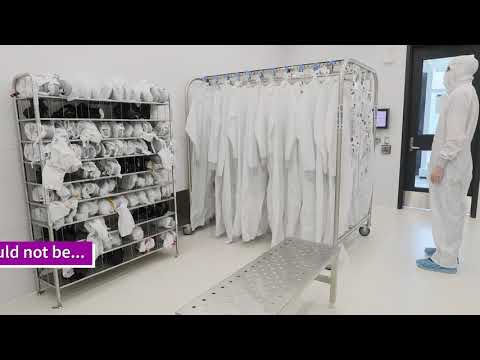
Educational video: MIT.nano Cleanroom Gowning Procedure
This neutral educational video from MIT.nano provides background for the controlled process. The written guide remains complete without it.
よくある質問
How often should a sticky mat layer be changed?
Use observed loading and the approved facility rule. Traffic, contamination and wheel behavior make a universal time or crossing count unreliable.
Should a mat have the highest available tack?
No. Tack must collect particles without creating unsafe pull, residue, shoe-cover lift or wheel damage.
Can carts cross the same mat as people?
Only after a representative trial confirms size, load, wheel contact, layer durability and safe traffic flow.
Does a sticky mat replace cleanroom cleaning?
No. It is a transition control and must work with gowning, housekeeping and material-flow procedures.
信頼できる参考文献
最近の投稿
-
 ESDボックスの歪み検査:リリース前にフィット度を測定22 10月,2026
-
 JEDEC トレイ表面抵抗試験:ジオメトリ、接触、およびレポート22 10月,2026
-
 クリーンルーム用ワイプ用溶剤適合性:完全なワイプ処理プロセスを認定22 10月,2026
コメントを送信