- Tăng áp
- Blog
An ESD storage rack load rating is meaningful only when it identifies the complete configuration and the conditions under which the load is supported. Buyers need separate evidence for individual shelves, the frame and the installed assembly, together with approved load distribution and installation instructions. Do not infer capacity from shelf dimensions, wire thickness or a photograph. Anchoring is also a design and site decision: the correct arrangement depends on the rack configuration, floor, location and intended use. Obtain a written installation specification and have the responsible owner approve it before loading the rack with production inventory.
Start with the supported load, not a catalog maximum
List what will actually sit on the shelves. Record each container’s total loaded mass, contact footprint, orientation and permitted stacking arrangement. Include fixtures, liners and other retained equipment. A container’s external dimensions help assess fit, but they do not describe how its base transfers weight into a wire shelf.
For mixed inventory, define the heaviest permitted arrangement rather than the average daily load. Identify whether operators can place a heavy container near an edge or concentrate several loads on one level. Ask the supplier to review those arrangements against the intended rack. Keep prohibited loading patterns visible in the operating instruction. A rating that assumes a different distribution cannot be adopted unchanged just because the sum of the weights looks acceptable.
Distinguish shelf, frame and assembly ratings
A shelf statement concerns that shelf under specified support and load conditions. A frame statement can concern the complete structure and its approved configuration. The installed assembly also includes joints, feet or other supports, any specified restraints and the site conditions. Ask the supplier to state what each figure includes and which requirement governs the offered rack.
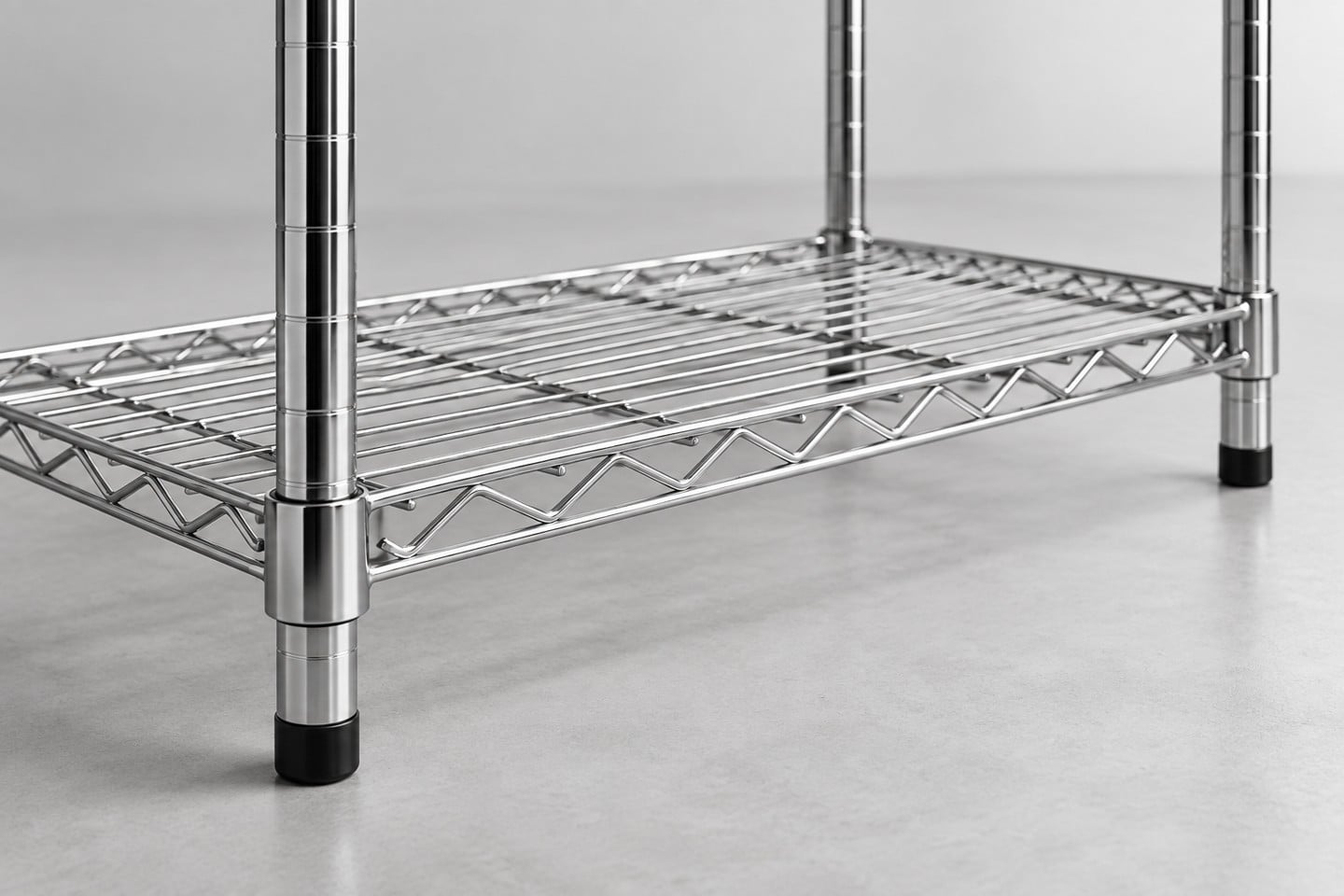
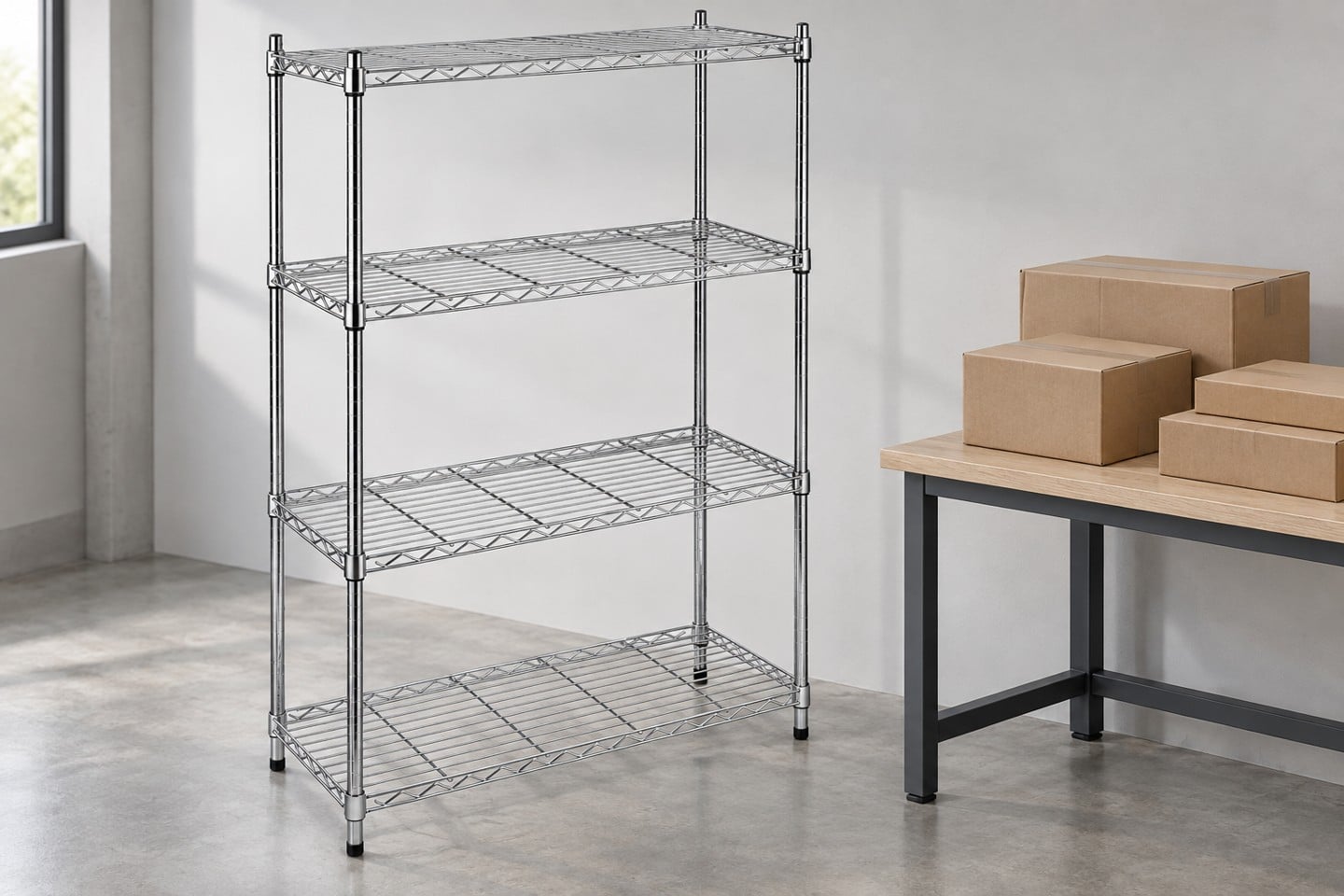
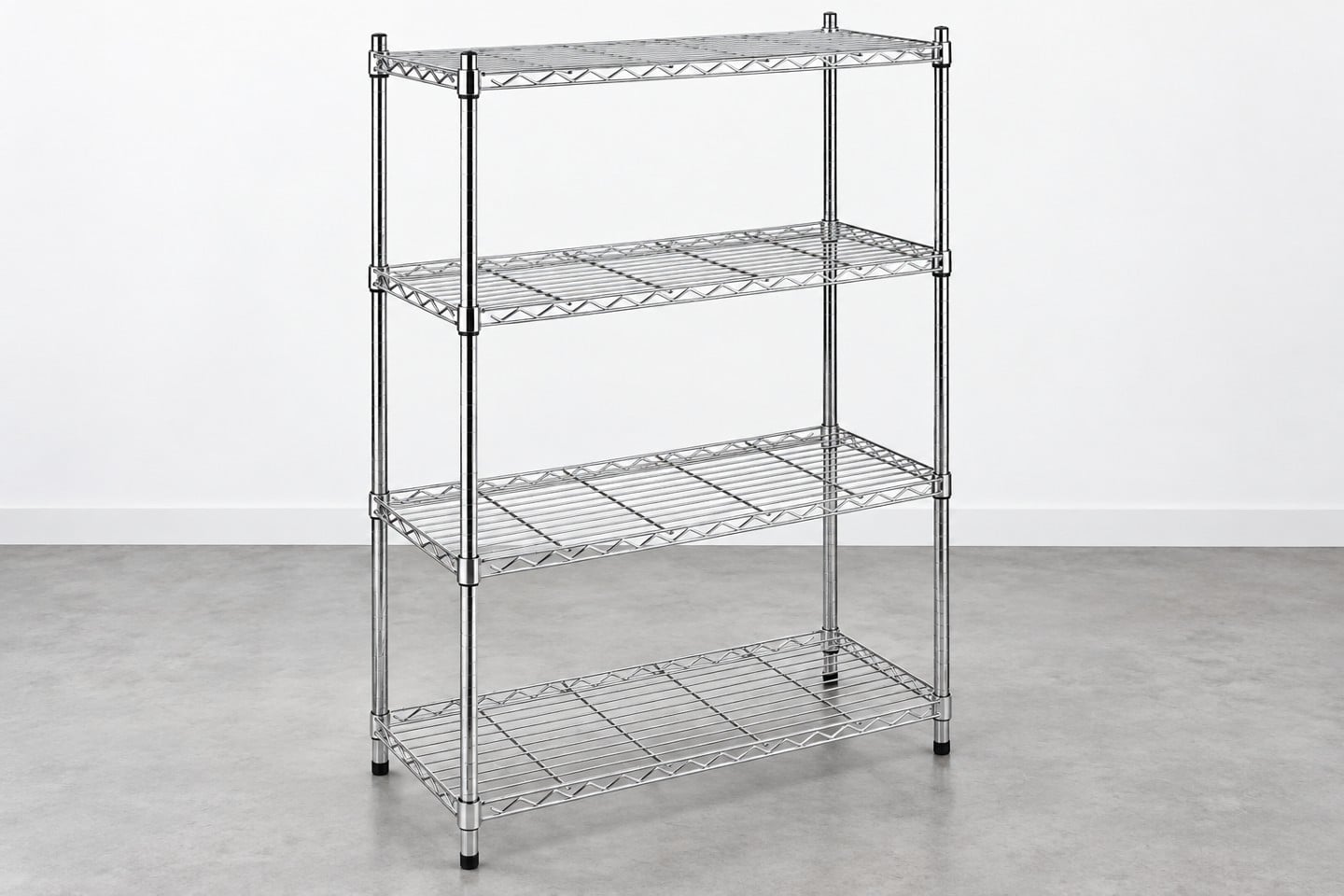
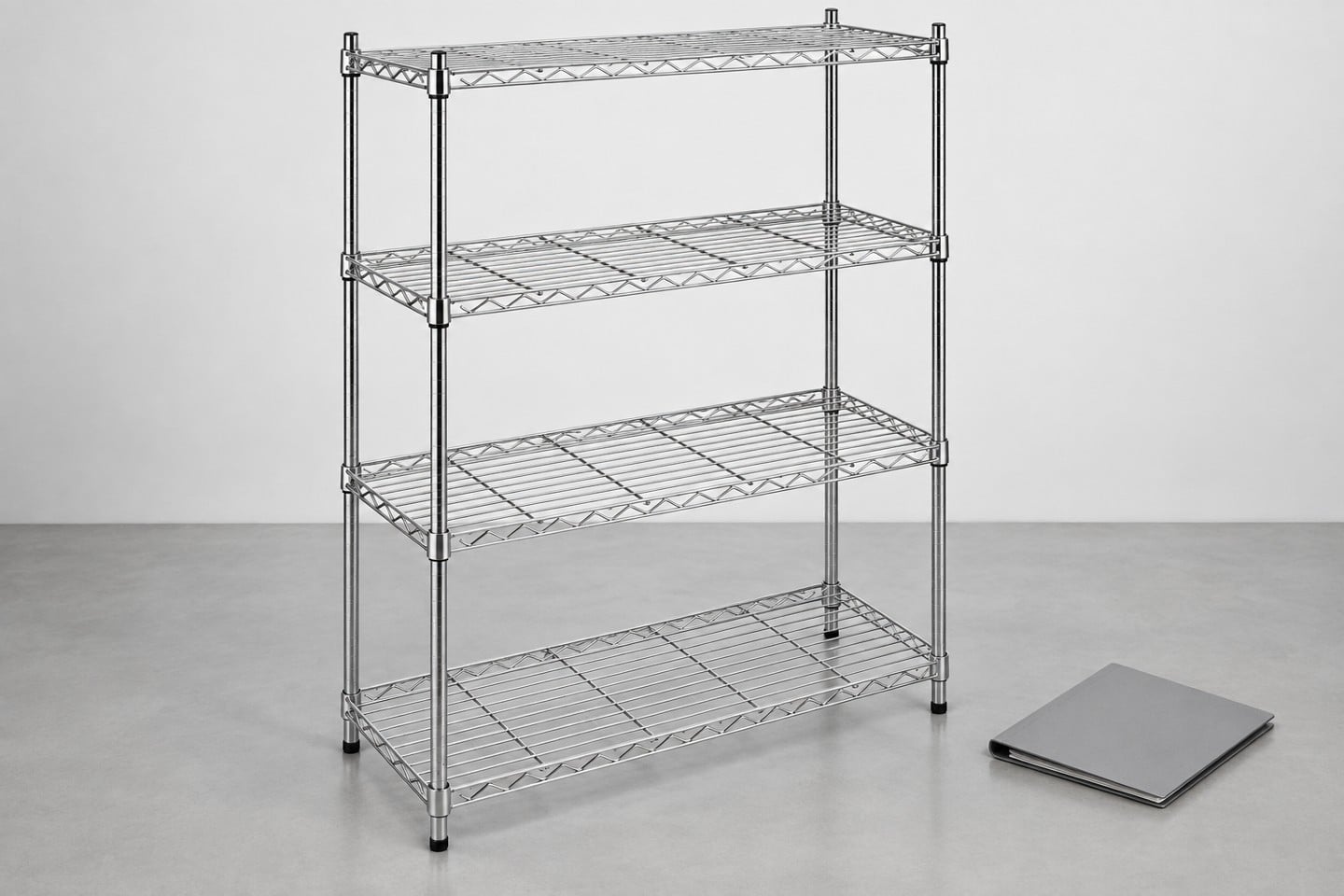
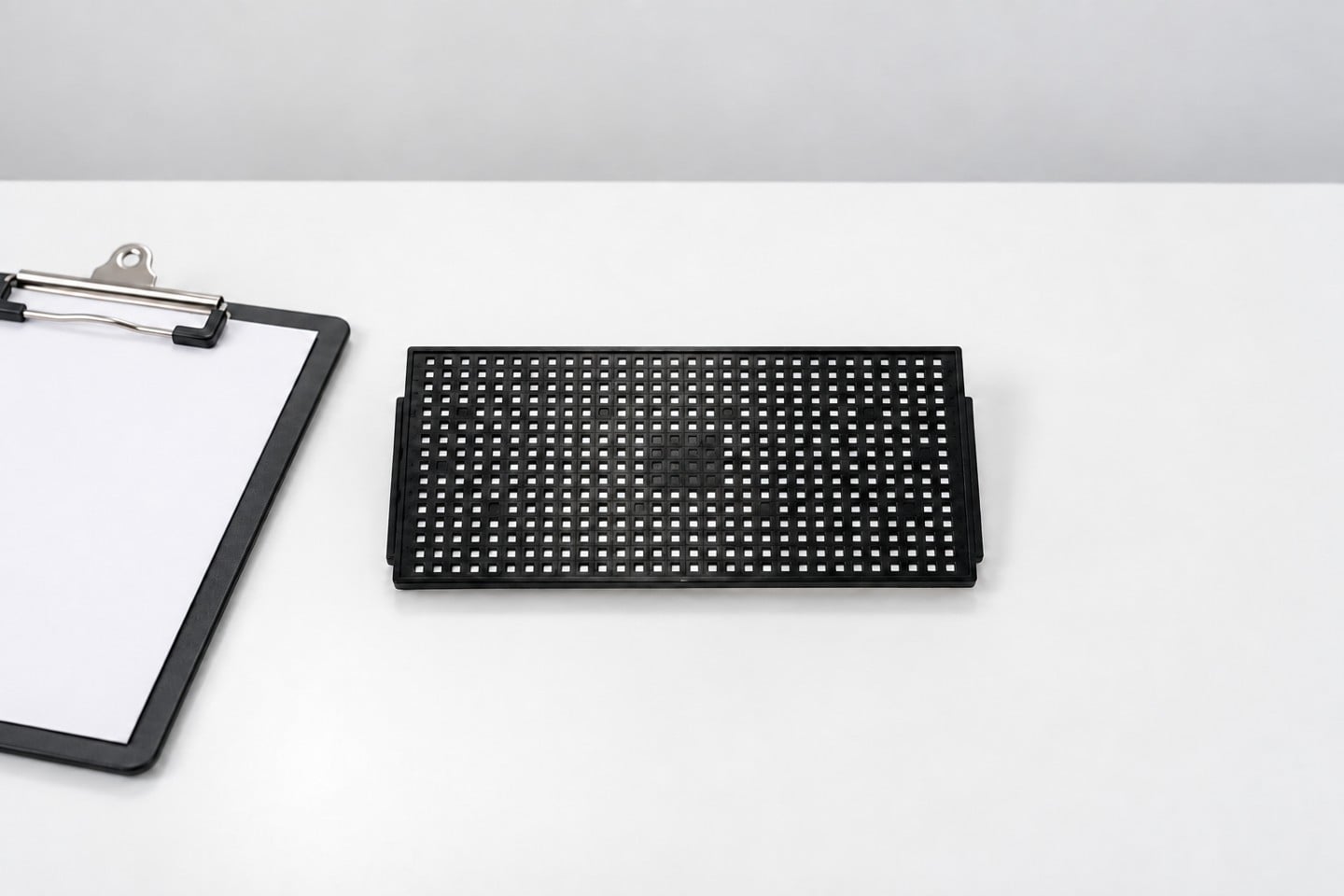
The SWESD chrome wire shelving product provides a real structural reference for discussing shelves, posts and support locations. The photograph does not establish capacity or an anchoring arrangement. Request the exact assembly drawing and accepted instructions for the delivered configuration. If the quotation combines a shelf number with a frame claim without explaining their relationship, obtain clarification before comparing it with another proposal.
Record the configuration behind the rating
Specify the rack dimensions and revision, shelf identities, level locations, post arrangement and support components. Confirm which adjustments are permitted and whether changing shelf heights or removing a level changes the accepted configuration. A convenient layout change should not silently become an unreviewed structural change.
Document optional accessories separately. Liners, dividers, side panels, hanging containers and cable attachments can change contact conditions or add loads at different points. Ask the designer which are permitted and how their contribution is handled. Do not assume that a matching brand or compatible mounting size establishes capacity. An accepted sample should become a controlled configuration record, allowing receiving and installation teams to confirm that the purchased parts match what was reviewed.
Use a load and installation review table
This table is a purchasing checklist rather than a set of engineering limits. The supplier and site owner must provide the actual values, conditions and acceptance criteria. Assign a named reviewer to each unresolved item so a missing installation detail cannot disappear during order processing.
| Requirement | Tài liệu cần yêu cầu | Question to resolve |
|---|---|---|
| Shelf payload | Rating and supported load arrangement | Does container footprint match the rated case? |
| Frame capacity | Complete configuration declaration | Which total and partial-load patterns apply? |
| Installation | Accepted support and restraint instructions | Is the actual floor and location suitable? |
| Accessories | Approved optional components | Do they change load or stability conditions? |
| Trial | Controlled method and acceptance criteria | Does the trial reproduce permitted use? |
| Bảo trì | Inspection and change procedure | Which changes require renewed acceptance? |
A complete response explains how the evidence applies to the proposed storage pattern. If a test report describes evenly distributed loads, identify whether your containers reproduce that condition. If the report concerns an empty assembled rack, do not treat it as a loaded service trial. The decision needs a clear chain from the proposed use to the configuration and acceptance evidence.
Treat anchoring as a site-specific requirement
Ask the rack designer to state whether the proposed installation needs anchoring, another restraint arrangement or a defined placement restriction. Where anchoring is required, the specification should identify the accepted attachment system and the information the installer needs. The floor condition and suitability require review by the responsible site professional.
Do not choose a bolt size, drill pattern or anchor from an online photograph. Do not attach the rack to an adjacent machine or wall because that appears convenient. Such work can affect the surrounding equipment and its own restrictions. Preserve the installation evidence, including the approved location and completion record. If the floor or layout changes, refer the installation for review rather than treating the original acceptance as transferable to every area.
Plan the occupied layout and access route
Evaluate the rack as part of the storage area. Define where people stand, how packages are retrieved and how handling equipment approaches. Keep the intended access route and clearances consistent with the approved layout. Consider whether an open drawer, package overhang or temporary cart can obstruct normal movement.
The federal materials-handling rule in the eCFR addresses clear access and stable storage in its applicable setting. It does not supply a product-specific rack rating or universal anchor specification. Use the relevant local requirements and the rack designer’s instructions for the installation decision. For complementary layout questions, review ESD storage cabinets versus open shelving.
Check stability under the permitted loading patterns
Have the responsible owner define which normal and partial-load arrangements need evaluation. The acceptance plan should cover the configurations operators are allowed to create, including the retrieval sequence where relevant. A balanced full load may not represent an arrangement with the heaviest inventory concentrated on a different level.
Testing must follow an approved method and controlled conditions. Do not improvise an overload test, climb on the rack or recruit operators to push a loaded structure to see when it moves. The purpose is to establish acceptance against defined requirements without exposing people or inventory to an uncontrolled failure. Record the tested configuration, observation points, results and disposition. If the test reveals movement or damage, isolate the assembly and obtain the designer’s decision.
Verify electrical suitability separately
A mechanically acceptable rack can still require electrical qualification under the site’s ESD plan. Identify the relevant shelf surfaces, connections and handling environment, then use the approved verification method. Mechanical capacity evidence does not establish those properties, and electrical measurements do not authorize an unsupported loading arrangement.
The EOS/ESD Association principles of ESD control explain the broader protected-environment context. Keep the electrical and mechanical acceptance records associated with the same rack identity. If a shelf support, liner or foot is changed, ask which checks are affected. The educational video below supports ESD handling awareness; it does not prescribe a mechanical test or certify the rack’s payload.

Make the loading rule usable for operators
Translate the approved specification into clear instructions at the storage point. Identify permitted containers and placements, the applicable limits and the route for reporting a damaged shelf or loose joint. The label should reflect the accepted configuration and should not conflict with an older supplier sticker left on a replacement component.
Operators need to know what happens when a container changes. An additional internal fixture, altered packaging or heavier contents can affect the load while leaving the external box unchanged. Require review of those changes before routine use. For a comparison with transport equipment, see the PCB transport cart load-rating RFQ guide. A mobile cart’s accepted conditions should not be transferred to a stationary rack without evidence.
Keep inspection and change records connected
Include shelves, joints, supports and specified restraints in the condition-inspection plan. Define the reporting route for deformation, instability, impact damage and missing components. Hold a questionable rack from use until the responsible person determines its disposition. A replacement shelf that fits physically still needs to match the accepted configuration.
Retain the original drawing, supplier declarations, installation record, trial results and subsequent changes together. If the assembly is moved, reconfigured or repaired, review the affected acceptance conditions. The multi-layer handling-equipment selection guide provides a complementary purchasing framework for equipment that shares containers with the rack. Keeping these records current protects both repeat purchasing and routine storage decisions.
Các câu hỏi thường gặp
Can shelf ratings simply be added together?
Do not infer complete assembly capacity from the sum. The frame, joints, supports, stability and rated loading conditions need their own acceptance evidence.
Does every storage rack need the same anchors?
No. The designer and site owner must determine the accepted installation for the actual configuration and floor. Do not improvise anchor sizes or attachments.
Can a distributed rating cover a concentrated fixture?
Only if the approved conditions explicitly cover that contact arrangement. Ask the supplier to assess the actual footprint and placement.
Should partial loads be evaluated?
Include the permitted arrangements identified by the responsible owner. A balanced full load may not represent normal retrieval and uneven loading patterns.
Does a mechanical trial prove ESD suitability?
No. Verify affected electrical properties separately under the site plan and keep both records linked to the same accepted rack configuration.
Để lại phản hồi