- Turbo
- Blog
ESD floor tape identifies a controlled boundary, aisle, workstation zone, or handling instruction in an electrostatic protected area. It is primarily a communication and floor-marking product; it does not by itself ground personnel, dissipate charge, or make an uncontrolled floor into an ESD control system. A successful installation connects the tape wording and color to the site’s documented rules, uses an adhesive compatible with the floor and cleaning process, remains visible under traffic, and avoids loose edges that create a safety hazard. This guide helps ESD coordinators, facility teams, and buyers specify, trial, install, inspect, and replace floor tape without confusing a visual boundary with electrical protection.
Define the message before selecting the tape
State what the line means: entry into an EPA, an aisle boundary, a keep-clear zone, a cart location, or a transition where personnel checks are required. The exact wording should match the facility control plan, signs, training, and audit language. A decorative stripe with no agreed behavior does not create control.
Limit the number of colors and messages so workers can recognize them consistently. OSHA’s archived interpretation notes that aisle lines may use different colors as long as they clearly define the aisle; local codes and current site safety requirements still govern the installation. Do not present a company color convention as a universal legal rule.

Do not confuse marking with electrical performance
Some products are marketed as antistatic or ESD tape, while others are ordinary durable floor-marking tape printed with an ESD warning. Ask which function is claimed and what evidence supports it. Regardless of material, the visible line alone does not provide the grounding, footwear, flooring, work-surface, ionization, packaging, or personnel controls required by the ESD plan.
If the tape crosses or covers a functional ESD floor, assess whether its insulating area, adhesive residue, wear, or layout affects the approved system. The ESD coordinator and facilities owner should approve the detail. Do not extrapolate a surface claim from a small tape sample to the behavior of the entire floor-personnel system.
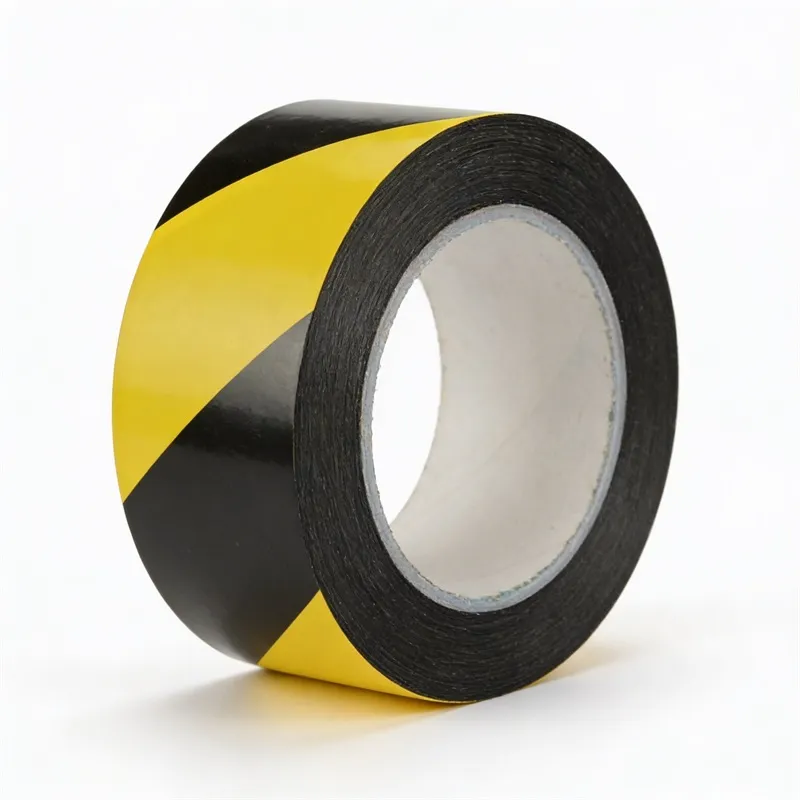
Match backing and adhesive to the floor
Document floor material, coating, texture, porosity, age, condition, cleaning chemistry, temperature, moisture exposure, and traffic. Adhesive that performs on smooth sealed concrete may behave differently on textured tile, epoxy, worn coatings, or contaminated surfaces.
Use a representative installation trial. Check initial placement, edge lift, removal, residue, print wear, cleaning compatibility, turning wheels, foot traffic, and the effect of normal environmental conditions. Do not rely only on a short hand-peel test or assume that the strongest adhesive is the safest choice.

Plan the layout around work and traffic
Create a scaled layout showing boundaries, doorways, benches, exits, fire equipment, material flow, forklift routes, and floor joints. Keep markings understandable at approach distance and avoid patterns that conflict with existing safety or logistics lines. Use signs or entry instructions where a line alone cannot communicate the required action.
At corners and transitions, avoid small loose pieces and abrupt geometry that receives concentrated wheel force. Do not cover damaged flooring or use tape as a substitute for repair. OSHA requires walking-working surfaces to be maintained in a clean and orderly condition; raised edges, wrinkles, and debris should be corrected promptly.
Inspect and replace before the boundary becomes ambiguous
Set routine checks for adhesion, edge lift, wrinkles, tears, dirt, print legibility, missing sections, adhesive residue, and conflict with changed layouts. Define who can repair the line and how temporary gaps are controlled. Random patching with a different color or wording can weaken the visual system.
Replacement timing should follow observed condition and risk rather than a universal service-life claim. Record recurring failure locations. Turning wheels, floor joints, harsh cleaning, oil, moisture, or poor preparation may require a different construction or layout—not simply more frequent replacement.
Seçim ve yeterlilik tablosu
| Planning item | Decision to document | Acceptance check |
|---|---|---|
| Boundary meaning | EPA entry, aisle, keep-clear or equipment zone | Matches procedure and signage |
| Floor condition | Material, coating, texture and contamination | Representative adhesion trial |
| Traffic | People, carts, pallet jacks or forklifts | Wear and edge-lift observation |
| Tape construction | Backing, adhesive, width, print and color | Approved sample and label |
| Maintenance | Cleaning method and inspection owner | No loose edges or unreadable message |
| Change control | Who can move or repair markings | Updated layout and training |
Kontrollü bir ilk ürün denemesi çalıştırın
Önerilen üretim konstrüksiyonunu temsil eden dokumente edilmiş bir numune kullanın. Varsa, mevcut onaylanmış öğeyle karşılaştırın. Tanımlamayı, revizyonu, tedarikçi lotunu, çevre koşullarını, ekipmanı, operatörleri ve gözlemleri kaydedin. Bir deneme; kabul, depolama, hazırlık, normal kullanım, geçerli olduğu durumlarda temizlik ve imha etme veya iade etmeyi kapsamalıdır. Öğenin bir ürüne zarar vermesi, kontaminasyon oluşturması, ekipmana müdahale etmesi veya ESD veya güvenlik prosedürüyle çelişmesi durumunda denemeyi durdurun.
Onay kriterlerini gözlemlerden ayırın. Boyutlar, etiketleme, uyum, işçilik, malzeme kanıtı ve işlevsel davranış farklı kontroller gerektirebilir. Üretim miktarlarını onaylamadan önce sapmaları giderin ve kontrollü teknik resmi, raporu ve onay numunesini saklayın. Malzeme kaynağında, katkı maddesinde, yapıştırıcıda, konstrüksiyonda, kalıpta, süreçte veya kritik boyutta bir değişiklik yapılmadan önce tedarikçinin bilgilendirilmesini zorunlu kılın.
Giriş kontrolü ve devam eden kontrol
- Kalemi, teknik resim revizyonunu, miktarı, tedarikçi partisini ve ambalaj etiketini siparişle eşleştirin.
- Kontaminasyon, hasar, kötü işçilik, yanlış boyutlar ve eksik kimlik bilgisi açısından inceleyin.
- Ölçümün gerekli olduğu durumlarda, üzerinde anlaşmaya varılan numune alma ve doğrulama işlemini belgelenmiş bir yöntemle ve kalibre edilmiş ekipmanla gerçekleştirin.
- Renk, koku, doku, yapışkanlık, uyum, sarım, geometri veya performans ile ilgili açıklanamayan değişiklikleri karantinaya alın.
- Kabul kayıtlarını tutun ve şikayetleri veya hataları ilgili partiye bağlayın.
- Ürün, ekipman, rota, temizlik yöntemi veya kontrol planı değiştiğinde şartnameyi gözden geçirin.
Alıcılar için RFQ kontrol listesi
Uygulamayı, koruma sınırını, ekipman veya parça arayüzünü, boyutları ve toleransları, malzeme konstrüksiyonunu, gerekli işlevi, test yöntemini ve kabul kriterlerini, temizlik ve işçilik gereksinimlerini, paketlemeyi, etiketlemeyi, izlenebilirliği, numune miktarını, ilk numune beklentilerini, dokümantasyonu, değişiklik bildirimini ve teslimat miktarını belirtin. Şuna atıfta bulunun: SWESD ESD floor marking tape product şu anda görüntülenen ürün türü için ve şunu kullanın SWESD ürün merkezi İlgili elleçleme ekipmanıyla koordine etmek için.
Tedarikçiden varsayımları ve istisnaları listelettirin. Doğrulanmamış katalog iddialarını kontrollü bir şartnameye kopyalamaktan kaçının. Teknik limitler, sertifikalar ve uygunluk beyanları, fiilen tedarik edilen ürün ve alıcının uygulaması açısından gözden geçirilmelidir.
Örnekleri aynı koşullar altında karşılaştırın
Yararlı bir karşılaştırma, aynı anda tek bir kararı değiştirir. Her bir aday için aynı temsilî parçaları, operatörleri, ekipmanı, rotayı, temizlik hazırlığını ve gözlem süresini kullanın. İnceleme yapanların tedarikçi kimliğini, revizyonu veya test sırasını karıştırmaması için numuneleri etiketleyin. Uygulanabilir olduğu durumlarda, halihazırda onaylanmış olan öğeyi baz alınan referans olarak dahil edin. Hem başarılı davranışı hem de ekstra ayar, tekrarlanan temizlik, daha yavaş taşıma veya operatör müdahalesi gibi bunu elde etmek için gereken çalışmayı kaydedin.
Elektriksel, mekanik, temizlik ve ticari sonuçları belirsiz tek bir puanda birleştirmeyin. Bir aday iyi uyum sağlayabilir ancak izlenebilir somit kanıttan yoksun olabilir veya güçlü belgelere sahip olup makinede zayıf performans gösterebilir. Güvenlik, ESD kontrolü, ürün koruması, ekipman uyumluluğu, kontaminasyon, kullanılabilirlik, dokümantasyon ve yaşam döngüsü maliyeti için ayrı geçiş kriterleri tutun. Herhangi bir kritik hata, yüksek bir ortalama puanla gizlenmek yerine çözülmelidir.
Ticari karşılaştırma, yalnızca parça başına fiyatı değil, tamamlanmış ve kabul edilmiş bir sürecin maliyetini kullanmalıdır. Muayene çabasını, ayar süresini, atığı, temizliği, değişimi, duruş süresi riskini, iade lojistiğini, belgelendirmeyi ve tutarsız partilerin etkisini dahil edin. Bu faktörler, uydurulmuş bir hizmet ömrü iddiasını haklı çıkarmaz; alıcının, maliyeti gerçekten yaratan koşulları ölçen bir deneme tasarlamasına yardımcı olur.
İlgili SWESD planlama kaynakları
- reviewing ESD-safe tapes used in SMT areas
- planning grounded ESD workstation surfaces
- using precise ESD procurement language
Educational video: Fundamentals of Electrostatic Discharge by Maxim Integrated
This educational video explains the hazard controlled inside an EPA and reinforces why a marked line is only one part of the control system. The written guide remains complete without the video.
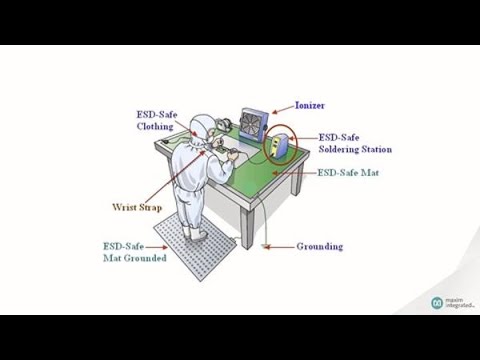
Open this video from Maxim Integrated on YouTube.
Sık sorulan sorular
Does ESD floor tape ground people or equipment?
No. Floor tape normally identifies a boundary or instruction. Grounding and charge control require the separately approved systems in the facility ESD plan.
Must all ESD floor tape be yellow?
No universal color rule should be assumed. Use a documented site convention that remains clear and does not conflict with applicable safety requirements.
How should adhesion be approved?
Install a representative trial on the actual cleaned floor and observe edge lift, residue, cleaning, traffic, print wear, and removal.
When should floor tape be replaced?
Replace it when adhesion, damage, contamination, missing sections, or poor legibility makes the boundary unclear or creates a walking-surface risk.

Bir Yorum Bırakın