- Турбо
- Блог
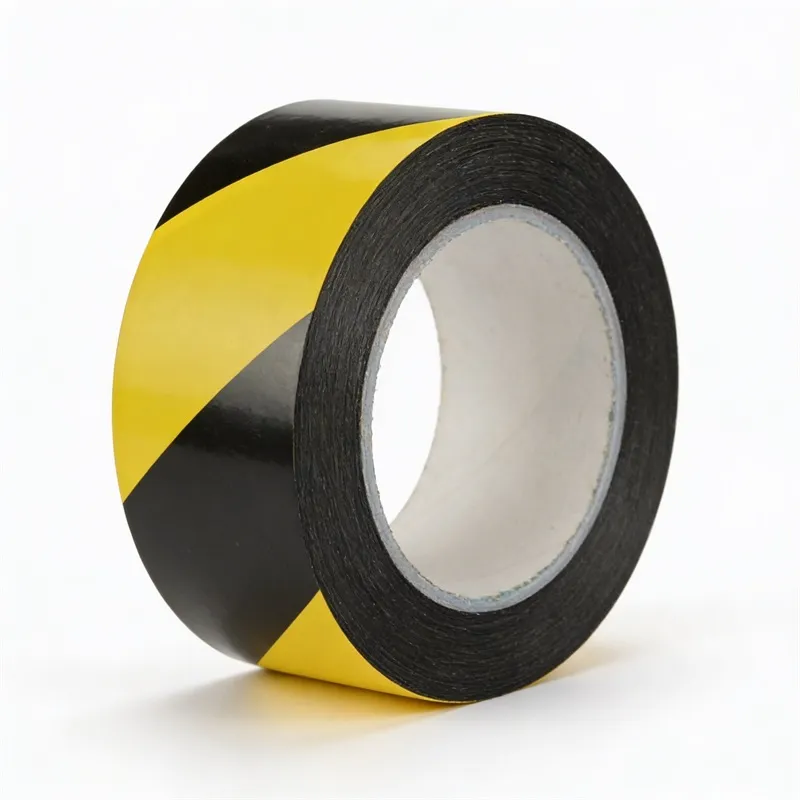
ESD floor tape identifies a controlled boundary, aisle, workstation zone, or handling instruction in an electrostatic protected area. It is primarily a communication and floor-marking product; it does not by itself ground personnel, dissipate charge, or make an uncontrolled floor into an ESD control system. A successful installation connects the tape wording and color to the site’s documented rules, uses an adhesive compatible with the floor and cleaning process, remains visible under traffic, and avoids loose edges that create a safety hazard. This guide helps ESD coordinators, facility teams, and buyers specify, trial, install, inspect, and replace floor tape without confusing a visual boundary with electrical protection.
Define the message before selecting the tape
State what the line means: entry into an EPA, an aisle boundary, a keep-clear zone, a cart location, or a transition where personnel checks are required. The exact wording should match the facility control plan, signs, training, and audit language. A decorative stripe with no agreed behavior does not create control.
Limit the number of colors and messages so workers can recognize them consistently. OSHA’s archived interpretation notes that aisle lines may use different colors as long as they clearly define the aisle; local codes and current site safety requirements still govern the installation. Do not present a company color convention as a universal legal rule.

Do not confuse marking with electrical performance
Some products are marketed as antistatic or ESD tape, while others are ordinary durable floor-marking tape printed with an ESD warning. Ask which function is claimed and what evidence supports it. Regardless of material, the visible line alone does not provide the grounding, footwear, flooring, work-surface, ionization, packaging, or personnel controls required by the ESD plan.
If the tape crosses or covers a functional ESD floor, assess whether its insulating area, adhesive residue, wear, or layout affects the approved system. The ESD coordinator and facilities owner should approve the detail. Do not extrapolate a surface claim from a small tape sample to the behavior of the entire floor-personnel system.
Match backing and adhesive to the floor
Document floor material, coating, texture, porosity, age, condition, cleaning chemistry, temperature, moisture exposure, and traffic. Adhesive that performs on smooth sealed concrete may behave differently on textured tile, epoxy, worn coatings, or contaminated surfaces.
Use a representative installation trial. Check initial placement, edge lift, removal, residue, print wear, cleaning compatibility, turning wheels, foot traffic, and the effect of normal environmental conditions. Do not rely only on a short hand-peel test or assume that the strongest adhesive is the safest choice.

Plan the layout around work and traffic
Create a scaled layout showing boundaries, doorways, benches, exits, fire equipment, material flow, forklift routes, and floor joints. Keep markings understandable at approach distance and avoid patterns that conflict with existing safety or logistics lines. Use signs or entry instructions where a line alone cannot communicate the required action.
At corners and transitions, avoid small loose pieces and abrupt geometry that receives concentrated wheel force. Do not cover damaged flooring or use tape as a substitute for repair. OSHA requires walking-working surfaces to be maintained in a clean and orderly condition; raised edges, wrinkles, and debris should be corrected promptly.
Inspect and replace before the boundary becomes ambiguous
Set routine checks for adhesion, edge lift, wrinkles, tears, dirt, print legibility, missing sections, adhesive residue, and conflict with changed layouts. Define who can repair the line and how temporary gaps are controlled. Random patching with a different color or wording can weaken the visual system.
Replacement timing should follow observed condition and risk rather than a universal service-life claim. Record recurring failure locations. Turning wheels, floor joints, harsh cleaning, oil, moisture, or poor preparation may require a different construction or layout—not simply more frequent replacement.
Таблица отбора и квалификации
| Planning item | Decision to document | Acceptance check |
|---|---|---|
| Boundary meaning | EPA entry, aisle, keep-clear or equipment zone | Matches procedure and signage |
| Floor condition | Material, coating, texture and contamination | Representative adhesion trial |
| Traffic | People, carts, pallet jacks or forklifts | Wear and edge-lift observation |
| Tape construction | Backing, adhesive, width, print and color | Approved sample and label |
| Maintenance | Cleaning method and inspection owner | No loose edges or unreadable message |
| Управление изменениями | Who can move or repair markings | Updated layout and training |
Провести контролируемое испытание первой партии изделий
Используйте документированный образец, который представляет предлагаемую производственную конструкцию. Сравните его с текущим утвержденным изделием, если таковое имеется. Зафиксируйте идентификационные данные, ревизию, партию поставщика, условия окружающей среды, оборудование, операторов и замечания. Испытание должно охватывать приемку, хранение, подготовку, нормальное использование, очистку (где применимо), а также утилизацию или возврат. Прекратите испытание, если изделие повреждает продукцию, создает загрязнение, создает помехи для оборудования или противоречит процедуре ESD или безопасности.
Отделите критерии прохождения от наблюдений. Размеры, маркировка, посадка, качество изготовления, материальные свидетельства и функциональное поведение могут потребовать различных проверок. Устраните отклонения перед утверждением производственных объемов и сохраните контролируемый чертеж, отчет и утвержденный образец. Требуйте уведомления от поставщика перед любым изменением источника материала, добавки, клея, конструкции, оснастки, процесса или критического размера.
Входной контроль и текущий контроль
- Сопоставьте изделие, ревизию чертежа, количество, лот поставщика и упаковочную этикетку с заказом.
- Проверить на наличие загрязнений, повреждений, некачественного изготовления, несоответствия размеров и отсутствия маркировки.
- Выполните согласованный отбор проб и проверку с использованием документированного метода и калиброванного оборудования там, где требуется измерение.
- Изолируйте необъяснимые изменения цвета, запаха, текстуры, липкости, посадки, намотки, геометрии или характеристик.
- Вести учет записей о приемке и связывать жалобы или отказы с затронутой партией.
- Пересматривайте спецификацию при изменении продукта, оборудования, маршрута, метода очистки или плана контроля.
Чек-лист запроса коммерческих предложений для покупателей
Укажите область применения, границу защиты, интерфейс оборудования или детали, размеры и допуски, материал изготовления, требуемую функцию, метод испытаний и критерии приемки, требования к чистоте и качеству изготовления, упаковку, маркировку, прослеживаемость, количество образцов, требования к первому изделию, документацию, уведомление об изменениях и количество поставки. Ссылайтесь на SWESD ESD floor marking tape product для текущего отображаемого типа продукта и используйте Центр продуктов SWESD согласовать его со смежным подъемно-транспортным оборудованием.
Попросите поставщика перечислить допущения и исключения. Избегайте включения неподтвержденных заявлений из каталога в контролируемую спецификацию. Технические ограничения, сертификаты и заявления о соответствии должны быть проверены на соответствие фактически поставляемому изделию и задачам покупателя.
Сравните образцы в одинаковых условиях
Полезное сравнение изменяет только одно решение за раз. Используйте одинаковые репрезентативные детали, операторов, оборудование, маршрут, подготовку к очистке и период наблюдения для каждого кандидата. Маркируйте образцы так, чтобы рецензенты не путали идентификатор поставщика, ревизию или последовательность испытаний. Там, где это практично, включайте текущий утвержденный элемент в качестве базовой линии. Фиксируйте как успешное поведение, так и работу, необходимую для его достижения, такую как дополнительная регулировка, повторная очистка, более медленное обращение или вмешательство оператора.
Не объединяйте электрические, механические, технологические и коммерческие выводы в один расплывчатый балл. Кандидат может хорошо подходить, но не иметь проверяемых материальных доказательств, либо иметь сильную документацию, но плохо показывать себя на оборудовании. Сохраняйте раздельные критерии прохождения по безопасности, защите от электростатического разряда (ESD), защите продукции, совместимости оборудования, загрязнению, удобству использования, документации и стоимости жизненного цикла. Любой критический сбой должен быть устранен, а не замаскирован высоким средним баллом.
Коммерческое сравнение должно использовать стоимость завершенного и принятого процесса, а не только цену за штуку. Включите затраты на контроль, время переналадки, отходы, очистку, замену, риск простоя, логистику возврата, документацию и влияние нестабильных партий. Эти факторы не оправдывают выдумывание заявлений о сроке службы; они помогают покупателю разработать испытание, измеряющее условия, которые реально формируют затраты.
Связанные ресурсы по планированию SWESD
- reviewing ESD-safe tapes used in SMT areas
- planning grounded ESD workstation surfaces
- using precise ESD procurement language
Обучающее видео: Основы электростатического разряда от Maxim Integrated
This educational video explains the hazard controlled inside an EPA and reinforces why a marked line is only one part of the control system. The written guide remains complete without the video.
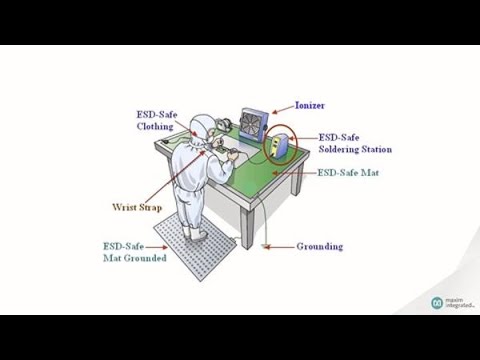
Откройте это видео от Maxim Integrated на YouTube.
Часто задаваемые вопросы
Does ESD floor tape ground people or equipment?
No. Floor tape normally identifies a boundary or instruction. Grounding and charge control require the separately approved systems in the facility ESD plan.
Must all ESD floor tape be yellow?
No universal color rule should be assumed. Use a documented site convention that remains clear and does not conflict with applicable safety requirements.
How should adhesion be approved?
Install a representative trial on the actual cleaned floor and observe edge lift, residue, cleaning, traffic, print wear, and removal.
When should floor tape be replaced?
Replace it when adhesion, damage, contamination, missing sections, or poor legibility makes the boundary unclear or creates a walking-surface risk.
Авторитетные источники
Последний пост
-
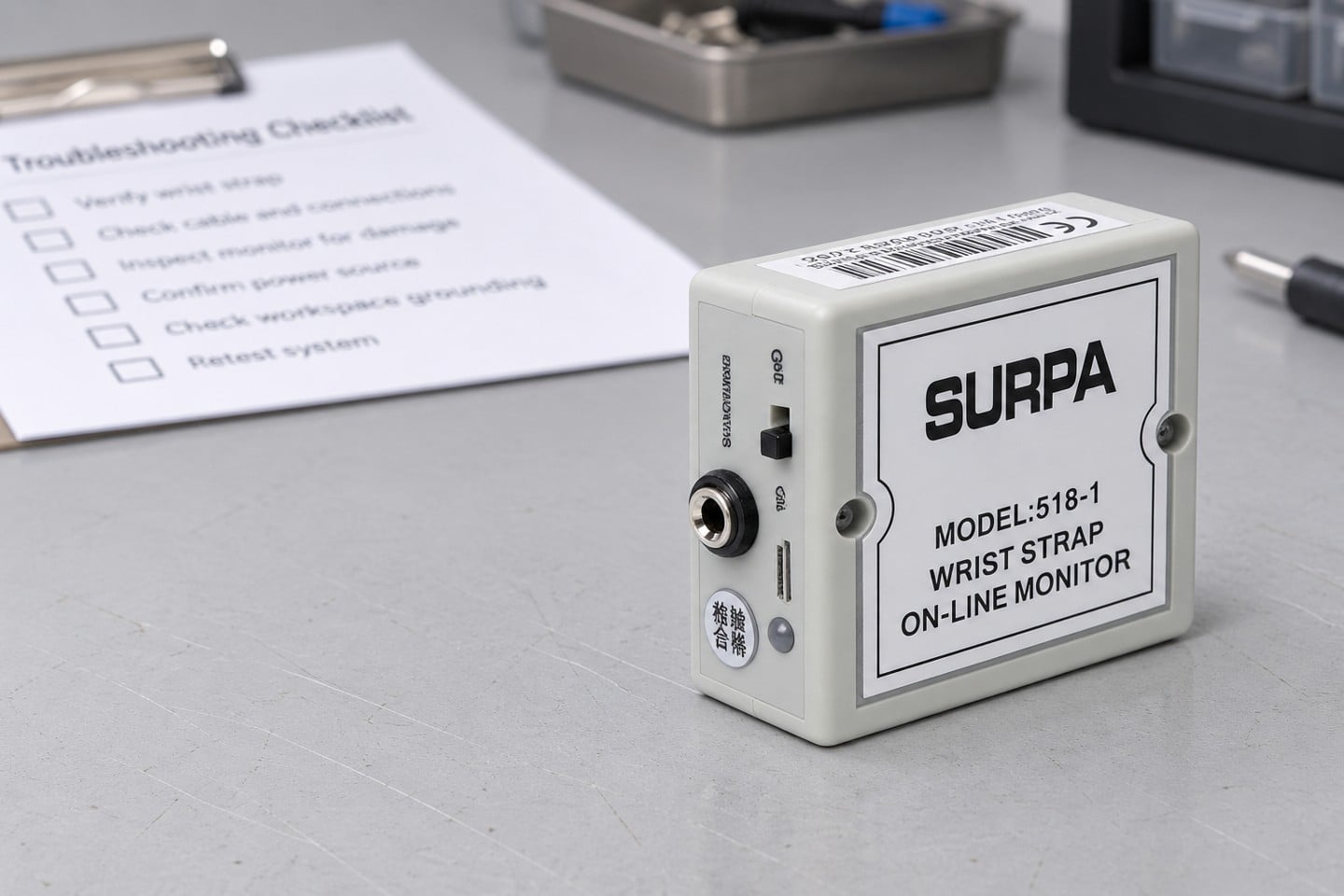 Wrist Strap Monitor Alarm Troubleshooting Guide15 Окт,2026
 -
-
Оставить ответ