- Blog
Bir taşıyıcı veya taşıyıcıyı, ana görevin belirli bir hareket veya iş parçası teslimatı olduğu durumlarda seçin; ana görevin erişilebilir kullanım noktası sunumu olduğu durumlarda bir kutu seçin. “Kutu” daha geniş bir muhafaza terimidir, bu yüzden yalnızca ekipman, parçaları sunma, malzemeyi ayırma veya belirli bir iş parçasını destekleme gerekip gerekmediği tanımlandıktan sonra kullanışlı hale gelir.
İle başla ESD Kutu kategorisi ve ESD Bölmesi kategorisi Mevcut ürün kümelerini gözden geçirmek için. Tedarikçi kataloglarındaki terimler örtüşebilir, ancak hat tarafı görevi net kalmalıdır: hareket, sunum, muhafaza veya iş parçası desteği.
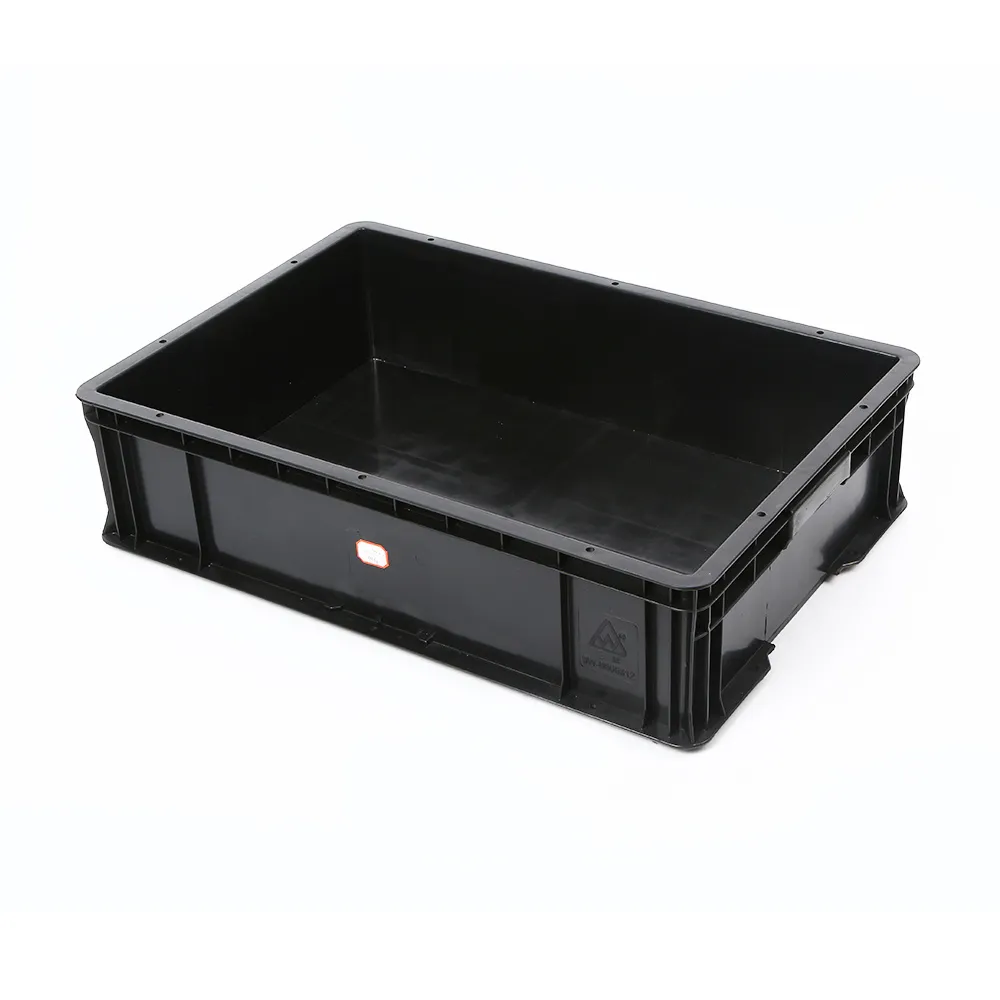
Bölüm 1. İsimleri hat tarafı göreviyle ayırın
Taşıyıcı, taşıyıcı, kutu ve kutu hepsi ESD kaplarını tanımlayabilir, ancak farklı işletme kararlarını yönlendirirler. Bir taşıyıcı genellikle belirli noktalar arasında malzeme takip eder. Bir taşıyıcı genellikle hareket halinde belirli bir iş parçasını destekler.
Bir kutu genellikle parçaları görünür ve erişilebilir tutar. Bir kutu herhangi bir muhafaza olabilir, bu yüzden rolü daha fazla detay gerektirir.
Yalnızca etiket bir seçim kuralı değildir. Operatörün yapması gerekenle başlayın: bir tahtayı adlandırılmış bir istasyona götürmek, yenilenebilir donanımı bir çalışma istasyonunda sunmak, bir lotu ayırmak veya boş ekipmanı iade etmek. Ardından öğeyi, erişim tarafını, tanımlama yöntemini, göndereni, alıcıyı ve iade işlemini kaydedin.
| Bu kılavuzdaki terim | Birincil hat tarafı görevi | Belgeleme kararı | Varsayımda bulunmayın |
|---|---|---|---|
| Taşıyıcı | Noktalar arasında belirlenmiş hareket | Ne girebilir, nereye gider ve kim alır | Yükleme derecesi veya nakliye uygunluğu |
| Taşıyıcı | Bir hareket veya teslimat sırasında adlandırılmış bir iş parçasına destek | İş parçası zarfı, temas noktaları ve teslimat kuralı | İlgisiz gevşek parçaları kabul ettiğini |
| Kutu | Erişilebilir kullanım noktası sunumu | Seçim erişimi, ikmal, tanımlama ve ayırma | Bir hat kenarı kutusunun bir hareket rotası olduğunu |
| Kutu | Kapsül veya genel konteyner | Gerçek işin hareket, depolama, sunum veya ayırma olup olmadığı | İsmin operasyonel uyumu doğruladığını |
Bölüm 2. Belirli bir hareket için bir taşıyıcı veya taşıyıcı kullanın
Bir taşıyıcı, işlem sırasında adlandırılmış bir hareket gerektiğinde kullanışlıdır. İzin verilen öğe veya WIP durumu, ayrılma noktası, varış noktası, rota tanımlayıcısı, alıcı sahibi ve istisna eylemini kutu çıkmadan önce tanımlayın. Bu, bir konteyneri alıcının malzeme akış prosedürünün kontrol edilen bir öğesine dönüştürür.
Bir taşıyıcı için ilk soru iş parçasıdır. Bir PCB, panel veya başka bir öğe, gevşek bileşenlerin ihtiyaç duymadığı belirli destek, yönlendirme veya ayırma gerektirebilir. Alıcı, genel ürün kategorisinin bu soruları yanıtladığını varsaymak yerine, örnek kullanım incelemesi sırasında iş parçası zarfını ve amaçlanan temas koşullarını doğrulamalıdır.
Hareketin her iki ucunda da bir sahibi olması gerekir. İlgili kontrollü WIP teslim kuralları Varışın kabul ile aynı olmadığını gösterir. Bir kutu veya taşıyıcı, alıcının tanımlayıcısını taşıyabilir, ancak iş talimatı ve ilişkili kayıt, serbest bırakma durumu ve izlenebilirlikten sorumludur.
Bölüm 3. Kullanım noktasında sunum için bir kutu kullanın
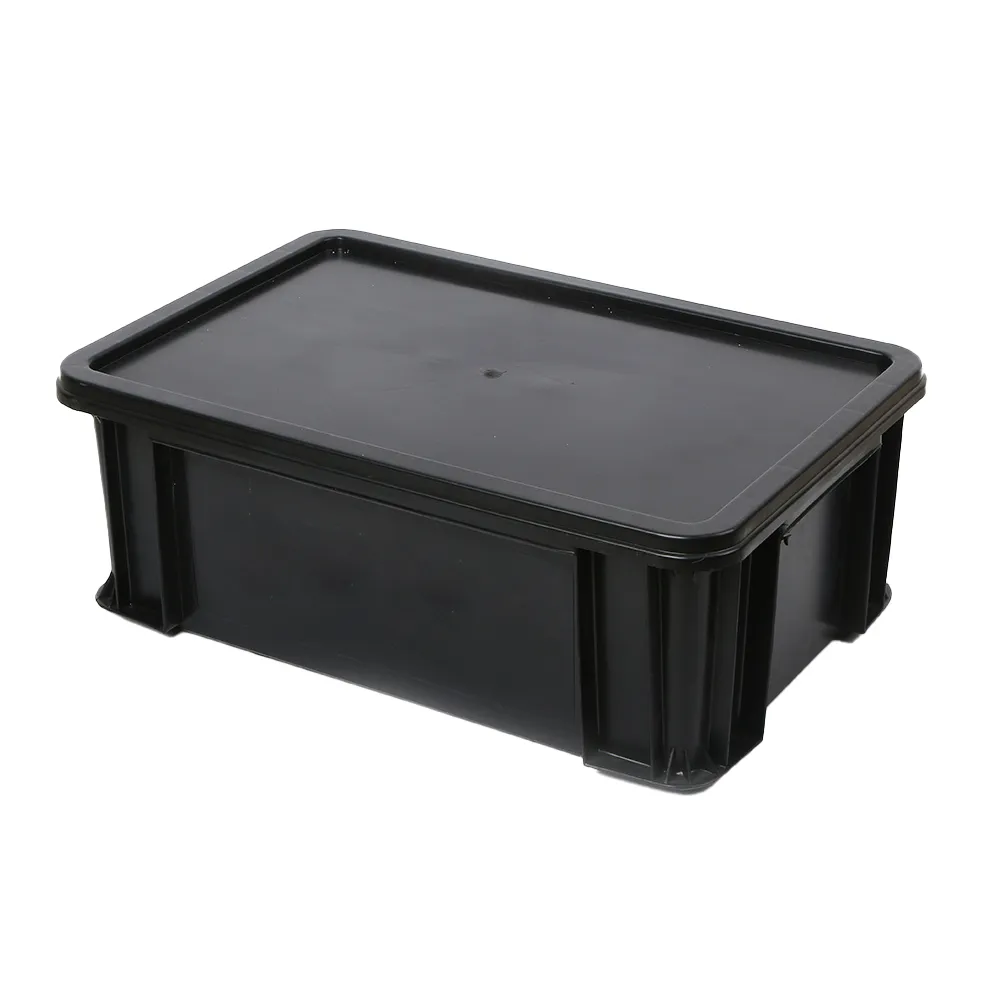
Bir çalışma istasyonunda, bir kutu genellikle erişim yoluyla yerini alır. Operatör, konumu sahiplenmeden, kullanılacak malzemeyi görebilmeli, seçmeli, ikmal etmeli ve tanımlamalıdır. Bu, parça tüketim noktasına yakın kalıyorsa ve süreçte bir ikmal kuralı varsa, kutuyu iyi bir aday yapar.
Sunumun kendi kontrolleri olmalı. Her kutu, alıcının seçtiği belirli bir öğeye, lot kuralına, etiket alanına veya yeniden doldurma sinyaline karşılık gelmelidir. Bileşenlerin kasıtlı olarak ayrılması gereken durumlarda, bileşen ayrıştırma RFQ kontrol listesi hücre düzeni sorularını çerçevelemeye yardımcı olur; ayırıcı düzen, tanımlama kuralını yerine geçmez.
| Birincil ihtiyaç… ise | İlk olarak düşünün… | Sonra tanımlayın… |
|---|---|---|
| İş istasyonunda tekrar seçim yapma | Bir kutu | Erişim, yeniden doldurma sinyali, öğe tanımlaması ve ayırma |
| Malzemeyi belirli bir varış noktasına taşımak | Bir taşıma kutusu | Rota, gönderen, alıcı, tanımlayıcı ve istisna eylemi |
| Belirli bir pano veya iş parçasını destekleme | A carrier | Envelope, orientation, support points, and handoff procedure |
| Holding a defined item while its role is still unclear | A box only after the role is specified | Whether movement, presentation, storage, or segregation is required |
Bölüm 4. Kutu rolünü belirli tutun
“Box” can describe a physical form without saying how the line will use it. A box may serve as a tote in a defined return loop, as a line-side container after a replenishment rule is set, or as an enclosure with dividers for controlled segregation. Those are different operating roles even when the same family name appears in a catalogue.
Do not use a general box name to skip the decision. If the team needs movement, document the route. If it needs point-of-use access, document the bin rule.
If the item needs workpiece-specific support, document the carrier review. For material and EPA context, use the related malzeme ve EPA hazırlık alanı kılavuzunu after the operational job is defined.
Sanwei'nin ESD Kutusu ve ESD Tepsisi çözümü malzeme seçeneklerini, özelleştirilebilir direnç aralığını, özel boyutları, bölmeleri, ayırıcıları ve etiketleri listeler. Sanwei ESD Kutu ürün ailesi lists covers, partitions, labels, and slots on selected models. Treat those as configuration topics to confirm for a selected request, not as evidence that every box fits every line task.
Bölüm 5. Yeniden stoklama, tanımlama ve iade işlemlerini kontrol edin
The choice only works when the loop around the container is clear. A tote that returns empty can carry an obsolete label; a bin can contain mixed material after an unrecorded replenishment; a carrier can arrive at the wrong station without a receiving check. Establish a simple rule for every transition.
| Kontrol noktası | Buyer-defined question | Örnek eylem |
|---|---|---|
| Fill or load | What item or state may enter? | Confirm the identifier and permitted content |
| Departure or replenishment | Where is it going, or which station is it serving? | Send to the named point or replenish the named bin |
| Receipt or use | Who accepts the item or maintains the bin? | Accept, replenish, redirect, or stop for clarification |
| İstisna | What happens if identification is missing or content is mixed? | Move to the documented exception action |
| Boş iade | How is the container reassigned for reuse? | Follow the buyer’s return and reuse rule |
A physical container should not be the only signal. Color, location, or a label can support the buyer’s procedure, but they do not independently establish content status or traceability. When a return loop is used, remove or update obsolete route information according to the site’s work instruction before the container re-enters service.
Bölüm 6. Konfigürasyonu ve ESD kanıtını doğrulayın
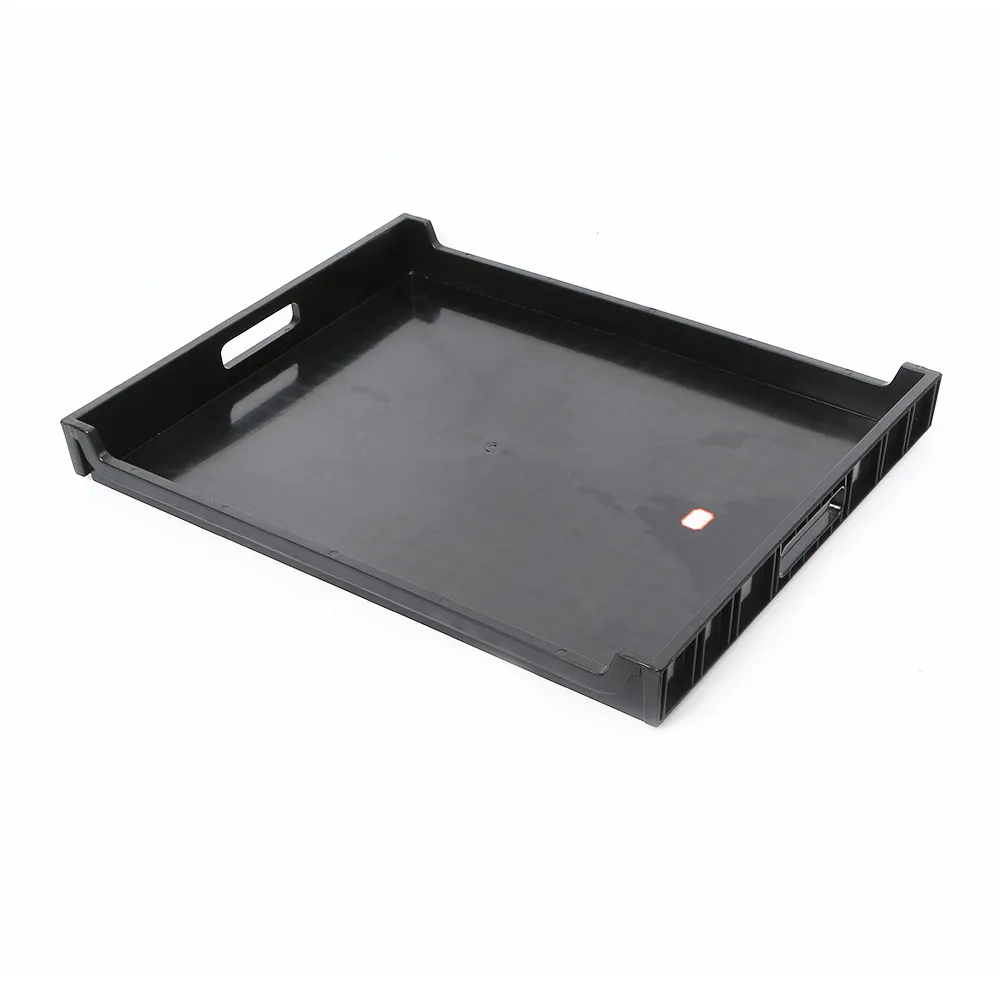
After the job is documented, review the physical configuration. The item or workpiece envelope, access direction, required separation, label position, route interface, and intended user action determine what needs confirmation. A photo or family name does not establish those details for a specific line.
Use the buyer’s ESD-control program to state the material requirement, test method, conditions, test locations, and acceptance evidence needed for the selected configuration. IEC 61340-5-1 ve ESD Derneği standartları bilgileri provide program context; neither source approves a particular container or handling workflow.
Keep unverified commercial and performance points outside the article and RFQ assumptions. Confirm any load requirement, transport requirement, MOQ, price, lead time, and model-specific evidence directly for the selected request. The supplier can respond to a defined configuration; the buyer retains responsibility for the line procedure and acceptance criteria.
Bölüm 7. Teklif talebini (RFQ) ve numune kullanım değerlendirmesini hazırlayın
An effective RFQ describes the job before the product name. It gives Sanwei enough context to discuss a selected configuration while keeping the buyer’s process ownership clear.
| RFQ veya numune kullanımına ilişkin girdi | Alıcı şunları tanımlamalıdır: |
|---|---|
| Item or workpiece | Part type, envelope, contact constraints, and required orientation |
| Line-side job | Movement, workpiece support, point-of-use presentation, enclosure, or segregation |
| Route or workstation | Source, destination, access point, receiving owner, and replenishment method |
| Kimlik | Label, traveler, work order, or electronic-record connection used by the buyer |
| Return and exception rules | Empty-return assignment, mixed-content action, and missing-identifier action |
| Konfigürasyon | Dimensions, access side, compartments, dividers, covers, label area, and other requested accessories |
| ESD kanıtları | cURL Too many subrequests by single Worker invocation. To configure this limit, refer to https://developers.cloudflare.com/workers/wrangler/configuration/#limits |
| Numune kullanımının değerlendirilmesi | cURL Too many subrequests by single Worker invocation. To configure this limit, refer to https://developers.cloudflare.com/workers/wrangler/configuration/#limits |
| Miktar planlaması | cURL Too many subrequests by single Worker invocation. To configure this limit, refer to https://developers.cloudflare.com/workers/wrangler/configuration/#limits |
Ürün önerisi
Kullan Sanwei ESD Kutu ürün ailesi cURL Too many subrequests by single Worker invocation. To configure this limit, refer to https://developers.cloudflare.com/workers/wrangler/configuration/#limits Sanwei ile İletişime Geçin cURL Too many subrequests by single Worker invocation. To configure this limit, refer to https://developers.cloudflare.com/workers/wrangler/configuration/#limits.
Sınır Uydur
| Alıcının durumu | Uygun seçenek | Kaçın |
|---|---|---|
| cURL Too many subrequests by single Worker invocation. To configure this limit, refer to https://developers.cloudflare.com/workers/wrangler/configuration/#limits | cURL Too many subrequests by single Worker invocation. To configure this limit, refer to https://developers.cloudflare.com/workers/wrangler/configuration/#limits | cURL Too many subrequests by single Worker invocation. To configure this limit, refer to https://developers.cloudflare.com/workers/wrangler/configuration/#limits |
| cURL Too many subrequests by single Worker invocation. To configure this limit, refer to https://developers.cloudflare.com/workers/wrangler/configuration/#limits | Define a bin with access and replenishment controls | Moving a mixed bin between stations without a route rule |
| Workpiece-specific handling | Review a carrier against the actual workpiece and use scenario | Treating a carrier as a general loose-parts container |
| General enclosure request | Define what the box must do before choosing a configuration | Assuming “box” describes the required line function |
| ESD gereksinimi | State the buyer’s test and evidence requirements | Inferring acceptance from an image or category name |
SSS
What is an ESD tote used for?
An ESD tote can be used as a controlled container for a defined movement or handoff. The buyer should define permitted content, route identification, sender, receiver, exception action, and return rule.
What is the difference between an ESD tote and an ESD bin?
The usual operational difference is the primary job. A tote supports a defined move between points, while a bin supports accessible point-of-use presentation. Supplier naming can overlap, so confirm the selected role in the work instruction.
When should components stay in a line-side bin?
Keep components in a line-side bin when the primary need is visible, accessible picking at a defined workstation and the process includes a replenishment, identification, and segregation rule.
Is a PCB carrier the same as a component box?
Not necessarily. A carrier may be designed around the support and orientation needs of a particular workpiece, while a component box may be intended for enclosure or segregation. Review the actual item and use scenario.
Can one container serve movement and point-of-use storage?
It can only do so under a clear buyer-defined procedure that controls content, identification, receiving, replenishment, and return. One physical container does not remove the need to separate those operating rules.
How should empty containers return to the line?
Use a documented return loop. Identify the empty container as route equipment, remove or update obsolete information as required by the site procedure, and complete the buyer’s reuse check before the next assignment.
What ESD information should be requested for a container?
Seçilen konfigürasyon için alıcının ESD kontrol programı tarafından gereken malzeme ihtiyacı, elektrik hedefi, test yöntemi, koşullar, test yerleri ve kanıt formatını talep edin.
What should a tote, carrier, or bin RFQ include?
Include the line-side job, item or workpiece details, movement or access rules, identification method, return logic, configuration needs, ESD requirement, sample-use acceptance criteria, and quantity bands.

Bir Yorum Bırakın