- Blog
Choose a tote or carrier when the primary job is a defined move or workpiece handoff; choose a bin when the primary job is accessible point-of-use presentation. “Box” is a broader enclosure term, so it becomes useful only after the team defines whether the item must move, present parts, segregate material, or support a specific workpiece.
Start with the ESD Box category and ESD Bin category to review the available product clusters. The terms in supplier catalogues can overlap, but the line-side job should stay clear: movement, presentation, enclosure, or workpiece support.
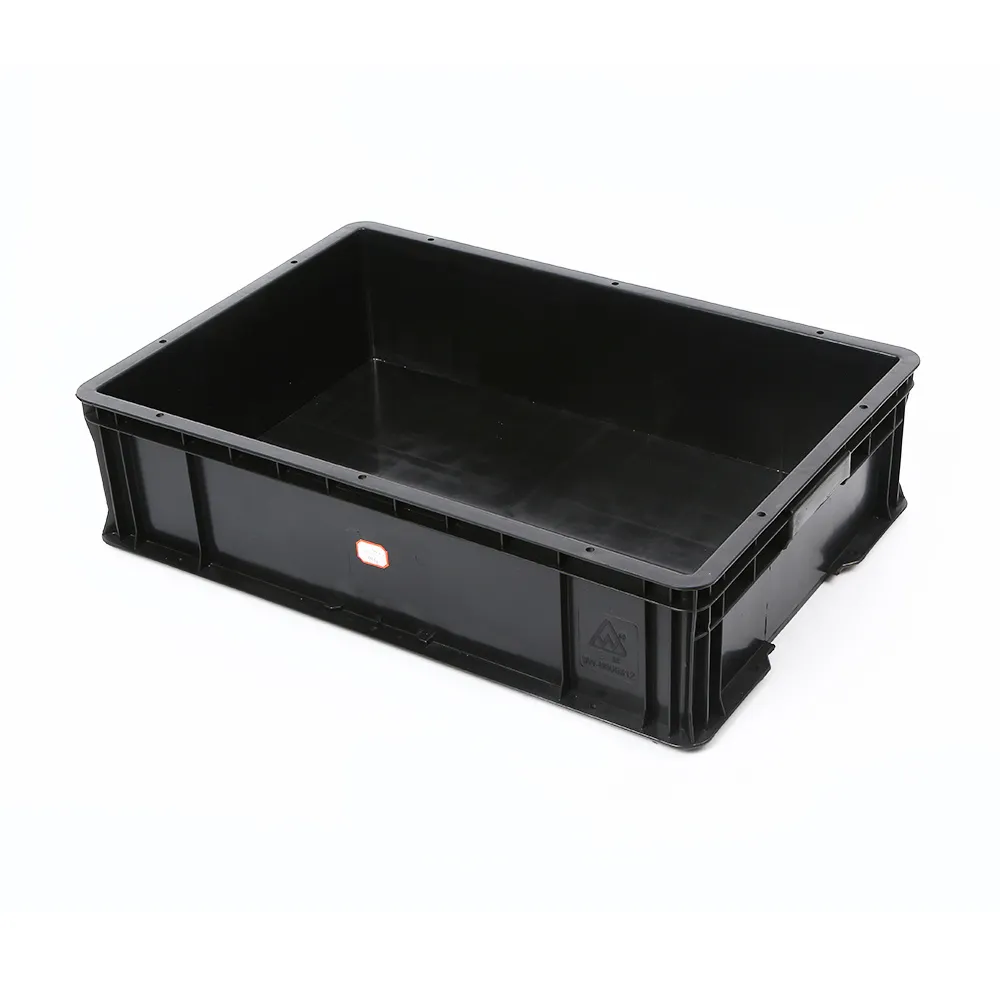
Part 1. Separate the names from the line-side job
Tote, carrier, bin, and box can all describe ESD containers, yet they guide different operating decisions. A tote commonly follows material between defined points. A carrier commonly supports a particular workpiece while it moves.
A bin commonly keeps parts visible and reachable at the point of use. A box may be any enclosure, so its role needs more detail.
The label alone is not a selection rule. Begin with what the operator must do: take a board to a named station, present replenishable hardware at a workstation, keep a lot segregated, or return empty equipment. Then record the item, access side, identification method, sender, receiver, and return action.
| Term in this guide | Primary line-side job | Decision to document | Do not infer |
|---|---|---|---|
| Tote | Defined movement between points | What may enter, where it goes, and who receives it | A load rating or shipping suitability |
| Carrier | Support for a named workpiece during a move or handoff | Workpiece envelope, contact points, and handoff rule | That it accepts unrelated loose parts |
| Bin | Accessible point-of-use presentation | Pick access, replenishment, identification, and segregation | That a line-side bin is a movement route |
| Box | Enclosure or general container | Whether the actual job is movement, storage, presentation, or segregation | That the name confirms operational fit |
Part 2. Use a tote or carrier for a defined move
A tote is useful when the process needs a named movement rather than open-ended storage. Define the permitted item or WIP state, departure point, destination, route identifier, receiving owner, and exception action before the tote leaves its source. That turns a container into one controlled element of the buyer’s material-flow procedure.
For a carrier, the first question is the workpiece. A PCB, panel, or other item may need specific support, orientation, or separation that loose components do not need. The buyer should verify the workpiece envelope and the intended contact conditions during a sample-use review instead of assuming that a general product category answers those questions.
Movement still needs an owner at both ends. The related controlled WIP handoff rules show why arrival is not the same as acceptance. A tote or carrier can carry the buyer’s identifier, but the work instruction and associated record remain responsible for release status and traceability.
Part 3. Use a bin for point-of-use presentation
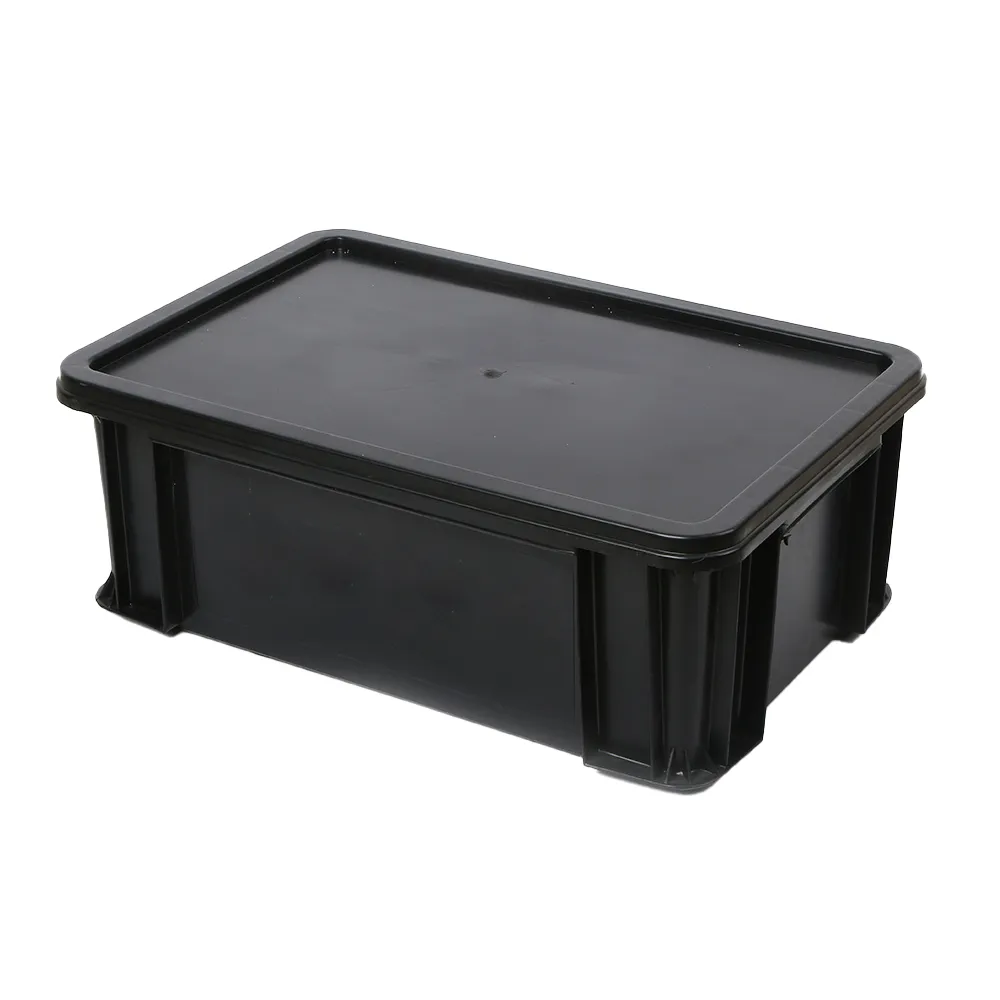
At a workstation, a bin usually earns its place through access. The operator should be able to see, pick, replenish, and identify the intended material without turning the location into an unowned holding area. This makes a bin a good candidate when the part stays near the consumption point and the process has a replenishment rule.
Presentation needs its own controls. Each bin should map to a defined item, lot rule, label field, or replenishment signal chosen by the buyer. Where components need deliberate separation, the component-segregation RFQ checklist helps frame the cell-layout questions; a divider layout does not replace the identification rule.
| If the primary need is… | Start by considering… | Then define… |
|---|---|---|
| Repeat picking at a workstation | A bin | Access, replenishment signal, item identification, and segregation |
| Moving material to a named destination | A tote | Route, sender, receiver, identifier, and exception action |
| Supporting a particular board or workpiece | A carrier | Envelope, orientation, support points, and handoff procedure |
| Holding a defined item while its role is still unclear | A box only after the role is specified | Whether movement, presentation, storage, or segregation is required |
Part 4. Keep the box role specific
“Box” can describe a physical form without saying how the line will use it. A box may serve as a tote in a defined return loop, as a line-side container after a replenishment rule is set, or as an enclosure with dividers for controlled segregation. Those are different operating roles even when the same family name appears in a catalogue.
Do not use a general box name to skip the decision. If the team needs movement, document the route. If it needs point-of-use access, document the bin rule.
If the item needs workpiece-specific support, document the carrier review. For material and EPA context, use the related material and EPA staging guidance after the operational job is defined.
Sanwei’s ESD Box & ESD Tray solution lists material options, customizable resistance range, custom dimensions, compartments, dividers, and labels. The Sanwei ESD Box product family lists covers, partitions, labels, and slots on selected models. Treat those as configuration topics to confirm for a selected request, not as evidence that every box fits every line task.
Part 5. Control replenishment, identification, and returns
The choice only works when the loop around the container is clear. A tote that returns empty can carry an obsolete label; a bin can contain mixed material after an unrecorded replenishment; a carrier can arrive at the wrong station without a receiving check. Establish a simple rule for every transition.
| Control point | Buyer-defined question | Example action |
|---|---|---|
| Fill or load | What item or state may enter? | Confirm the identifier and permitted content |
| Departure or replenishment | Where is it going, or which station is it serving? | Send to the named point or replenish the named bin |
| Receipt or use | Who accepts the item or maintains the bin? | Accept, replenish, redirect, or stop for clarification |
| Exception | What happens if identification is missing or content is mixed? | Move to the documented exception action |
| Empty return | How is the container reassigned for reuse? | Follow the buyer’s return and reuse rule |
A physical container should not be the only signal. Color, location, or a label can support the buyer’s procedure, but they do not independently establish content status or traceability. When a return loop is used, remove or update obsolete route information according to the site’s work instruction before the container re-enters service.
Part 6. Confirm configuration and ESD evidence
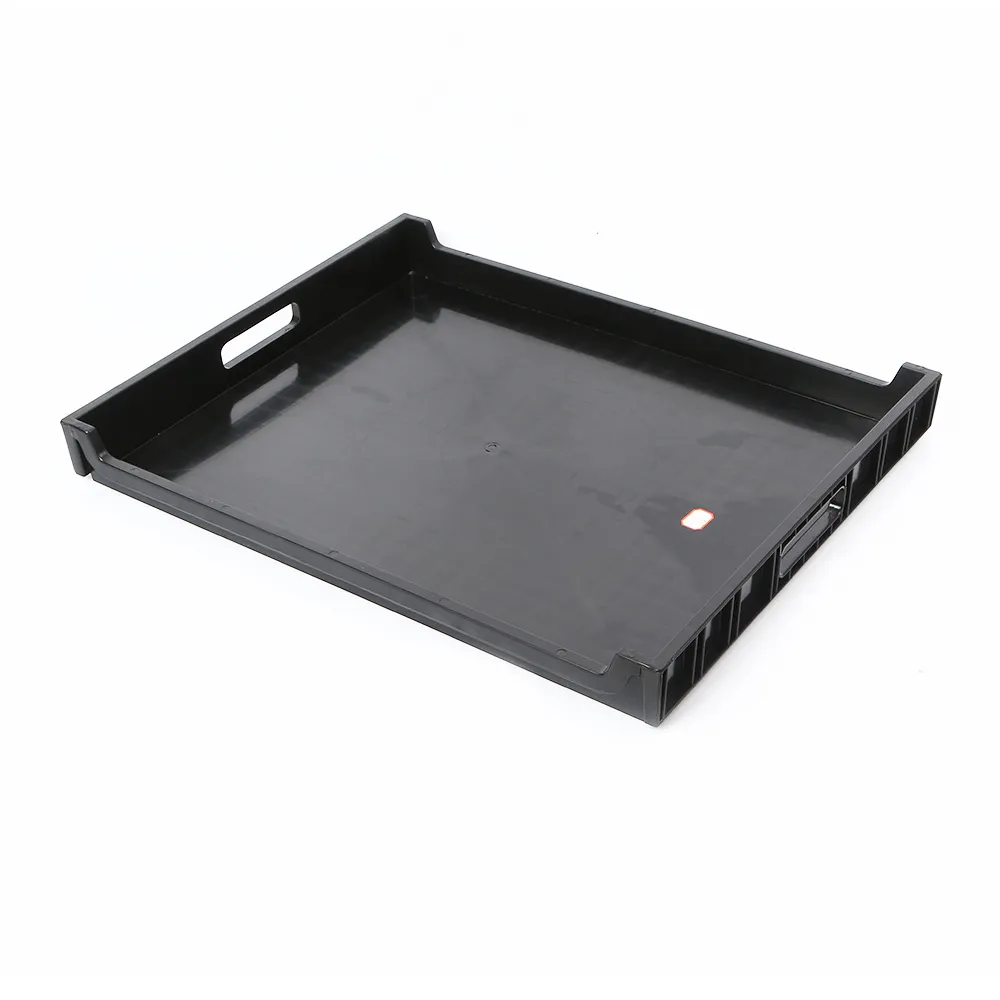
After the job is documented, review the physical configuration. The item or workpiece envelope, access direction, required separation, label position, route interface, and intended user action determine what needs confirmation. A photo or family name does not establish those details for a specific line.
Use the buyer’s ESD-control program to state the material requirement, test method, conditions, test locations, and acceptance evidence needed for the selected configuration. IEC 61340-5-1 and ESD Association standards information provide program context; neither source approves a particular container or handling workflow.
Keep unverified commercial and performance points outside the article and RFQ assumptions. Confirm any load requirement, transport requirement, MOQ, price, lead time, and model-specific evidence directly for the selected request. The supplier can respond to a defined configuration; the buyer retains responsibility for the line procedure and acceptance criteria.
Part 7. Build the RFQ and sample-use review
An effective RFQ describes the job before the product name. It gives Sanwei enough context to discuss a selected configuration while keeping the buyer’s process ownership clear.
| RFQ or sample-use input | Buyer should define |
|---|---|
| Item or workpiece | Part type, envelope, contact constraints, and required orientation |
| Line-side job | Movement, workpiece support, point-of-use presentation, enclosure, or segregation |
| Route or workstation | Source, destination, access point, receiving owner, and replenishment method |
| Identification | Label, traveler, work order, or electronic-record connection used by the buyer |
| Return and exception rules | Empty-return assignment, mixed-content action, and missing-identifier action |
| Configuration | Dimensions, access side, compartments, dividers, covers, label area, and other requested accessories |
| ESD evidence | Material requirement, test method, conditions, locations, and evidence format |
| Sample-use review | Defined scenario, observations, acceptance criteria, and responsible reviewers |
| Quantity planning | Required quantity bands after the configuration and use review are confirmed |
Product recommendation
Use the Sanwei ESD Box product family as a discovery starting point after the buyer has documented the line-side job, workpiece or item, route or access rule, configuration needs, and ESD evidence. Send that information through Contact Sanwei to discuss the selected request.
Fit Boundary
| Buyer situation | Suitable path | Avoid |
|---|---|---|
| Named material handoff | Define a tote route with sender, receiver, and exception rule | Treating a point-of-use bin as an unowned transport queue |
| Repeated workstation picking | Define a bin with access and replenishment controls | Moving a mixed bin between stations without a route rule |
| Workpiece-specific handling | Review a carrier against the actual workpiece and use scenario | Treating a carrier as a general loose-parts container |
| General enclosure request | Define what the box must do before choosing a configuration | Assuming “box” describes the required line function |
| ESD requirement | State the buyer’s test and evidence requirements | Inferring acceptance from an image or category name |
FAQ
What is an ESD tote used for?
An ESD tote can be used as a controlled container for a defined movement or handoff. The buyer should define permitted content, route identification, sender, receiver, exception action, and return rule.
What is the difference between an ESD tote and an ESD bin?
The usual operational difference is the primary job. A tote supports a defined move between points, while a bin supports accessible point-of-use presentation. Supplier naming can overlap, so confirm the selected role in the work instruction.
When should components stay in a line-side bin?
Keep components in a line-side bin when the primary need is visible, accessible picking at a defined workstation and the process includes a replenishment, identification, and segregation rule.
Is a PCB carrier the same as a component box?
Not necessarily. A carrier may be designed around the support and orientation needs of a particular workpiece, while a component box may be intended for enclosure or segregation. Review the actual item and use scenario.
Can one container serve movement and point-of-use storage?
It can only do so under a clear buyer-defined procedure that controls content, identification, receiving, replenishment, and return. One physical container does not remove the need to separate those operating rules.
How should empty containers return to the line?
Use a documented return loop. Identify the empty container as route equipment, remove or update obsolete information as required by the site procedure, and complete the buyer’s reuse check before the next assignment.
What ESD information should be requested for a container?
Request the material requirement, electrical target, test method, test conditions, test locations, and evidence format required by the buyer’s ESD-control program for the selected configuration.
What should a tote, carrier, or bin RFQ include?
Include the line-side job, item or workpiece details, movement or access rules, identification method, return logic, configuration needs, ESD requirement, sample-use acceptance criteria, and quantity bands.

Leave a Reply