- Blog
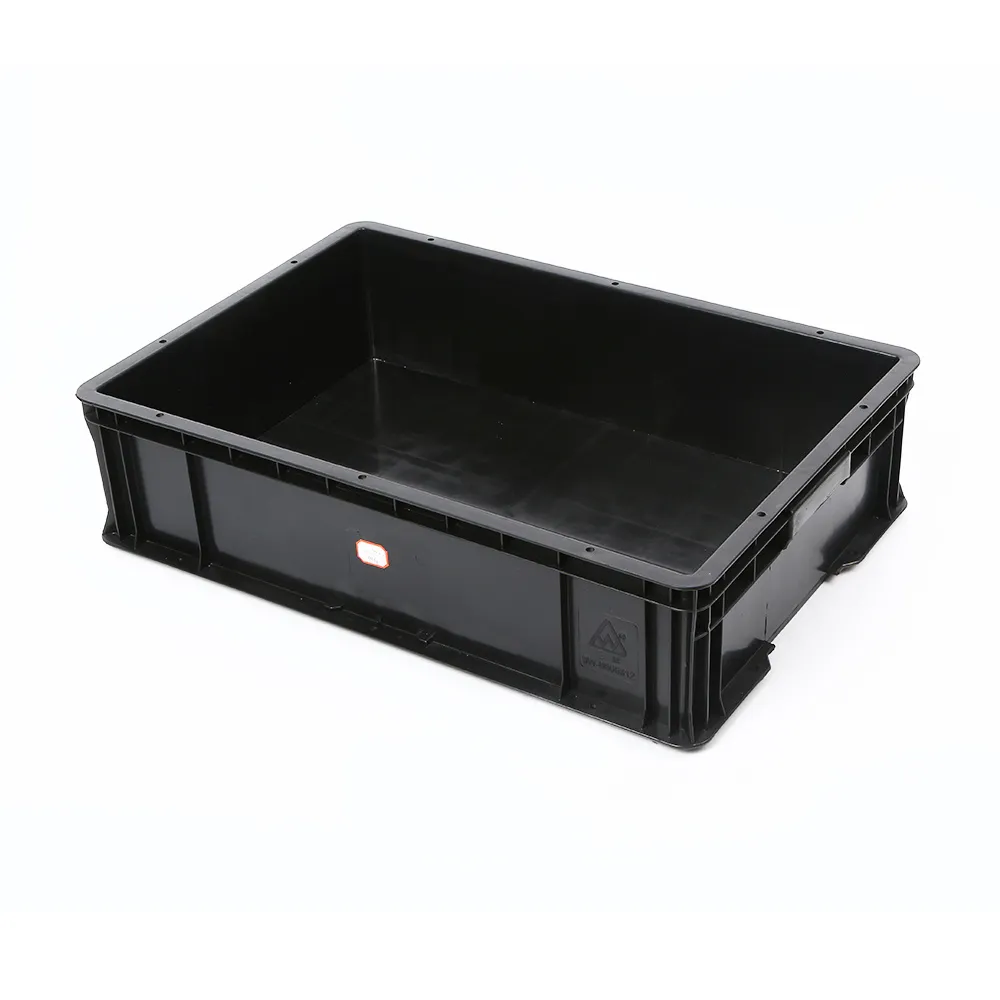
Pilih wadah atau pembawa ketika pekerjaan utama adalah pemindahan yang terdefinisi atau penyerahan bagian kerja; pilih bin ketika pekerjaan utama adalah presentasi titik penggunaan yang dapat diakses. “Kotak” adalah istilah penutup yang lebih umum, sehingga menjadi berguna hanya setelah tim menentukan apakah barang harus dipindahkan, menampilkan bagian, mengelompokkan bahan, atau mendukung bagian kerja tertentu.
Mulai dengan Kotak ESD dan Kategori Tempat Sampah ESD untuk meninjau klaster produk yang tersedia. Istilah dalam katalog pemasok bisa tumpang tindih, tetapi pekerjaan di sisi jalur harus tetap jelas: pergerakan, presentasi, penutup, atau dukungan bagian kerja.
Bagian 1. Pisahkan nama dari pekerjaan di sisi jalur
Wadah, pembawa, bin, dan kotak semuanya dapat menggambarkan wadah ESD, namun mereka membimbing keputusan operasional yang berbeda. Wadah biasanya mengikuti bahan antar titik yang terdefinisi. Pembawa biasanya mendukung bagian kerja tertentu saat bergerak.
Bin biasanya menjaga bagian tetap terlihat dan dapat dijangkau di titik penggunaan. Kotak bisa berupa penutup apa saja, jadi perannya membutuhkan detail lebih.
Label saja bukan aturan pemilihan. Mulailah dari apa yang harus dilakukan operator: ambil papan ke stasiun bernama, tampilkan perangkat keras yang dapat diisi ulang di stasiun kerja, pisahkan lot, atau kembalikan peralatan kosong. Kemudian catat item, sisi akses, metode identifikasi, pengirim, penerima, dan tindakan pengembalian.
| Istilah dalam panduan ini | Pekerjaan utama di sisi jalur | Keputusan untuk mendokumentasikan | Jangan menyimpulkan |
|---|---|---|---|
| Wadah | Pergerakan terdefinisi antar titik | Apa yang boleh masuk, ke mana tujuannya, dan siapa yang menerimanya | Kapasitas beban atau kecocokan pengiriman |
| Pembawa | Dukungan untuk benda kerja tertentu selama perpindahan atau penyerahan | Amplop benda kerja, titik kontak, dan aturan penyerahan | Bahwa wadah tersebut menerima komponen lepas yang tidak terkait |
| Baki | Penyajian di titik penggunaan yang mudah diakses | Akses ambil, pengisian ulang, identifikasi, and pemisahan | Bahwa baki di sisi jalur adalah rute perpindahan |
| Kotak | Penutup atau wadah umum | Apakah pekerjaan sebenarnya adalah perpindahan, penyimpanan, penyajian, atau pemisahan | Bahwa nama tersebut mengonfirmasi kecocokan operasional |
Bagian 2. Gunakan wadah atau pembawa untuk pemindahan yang terdefinisi
Sebuah wadah tote berguna ketika proses memerlukan perpindahan bernama alih-alih penyimpanan terbuka. Tentukan barang yang diizinkan atau status WIP, titik keberangkatan, tujuan, pengenal rute, pemilik penerima, dan tindakan pengecualian sebelum wadah tote meninggalkan sumbernya. Hal itu mengubah wadah menjadi satu elemen terkontrol dari prosedur alur material pembeli.
Untuk pembawa, pertanyaan pertama adalah benda kerja. PCB, panel, atau item lain mungkin memerlukan dukungan, orientasi, atau pemisahan khusus yang tidak diperlukan oleh komponen lepas. Pembeli harus memverifikasi amplop benda kerja dan kondisi kontak yang dimaksud selama tinjauan penggunaan sampel alih-alih berasumsi bahwa kategori produk umum menjawab pertanyaan tersebut.
Perpindahan tetap memerlukan pemilik di kedua ujungnya. Terkait aturan penyerahan WIP yang terkontrol menunjukkan mengapa kedatangan tidak sama dengan penerimaan. Sebuah wadah tote atau pembawa dapat membawa pengenal pembeli, tetapi instruksi kerja dan catatan terkait tetap bertanggung jawab atas status pelepasan dan ketertelusuran.
Bagian 3. Gunakan bin untuk presentasi titik penggunaan
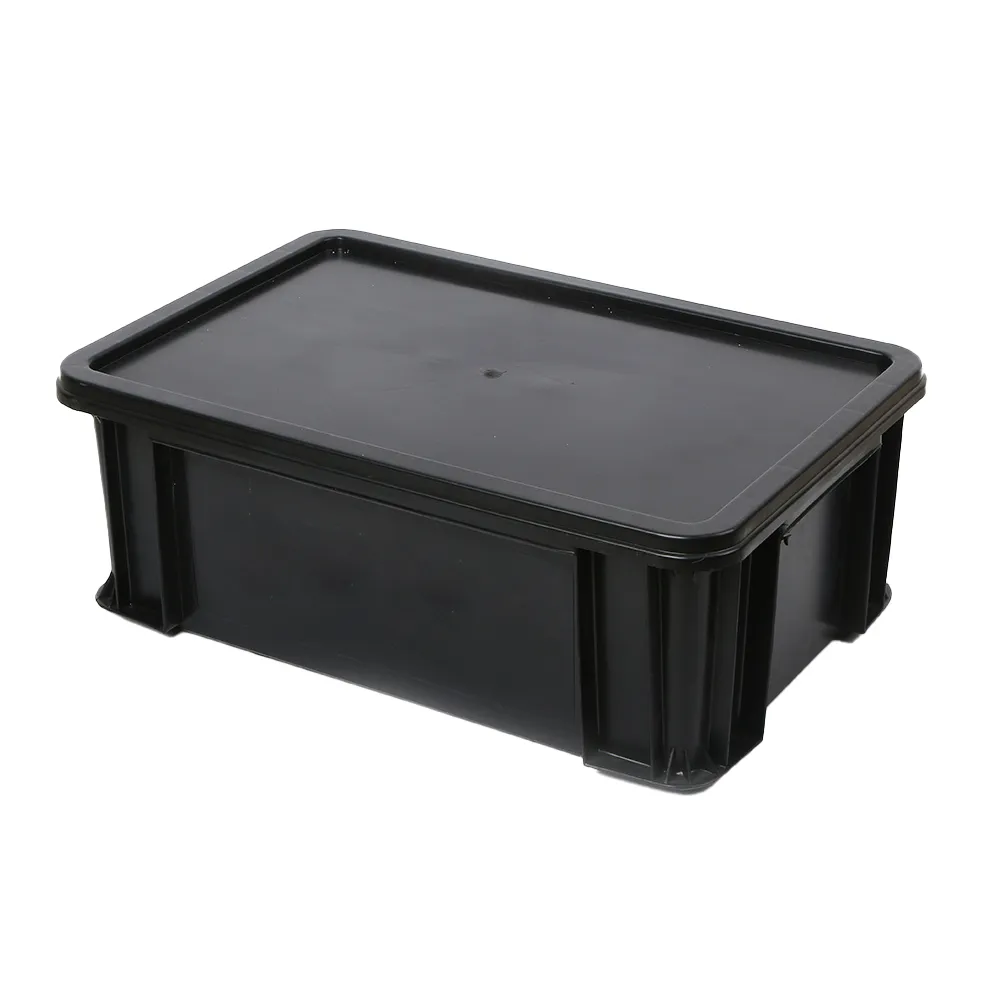
Di stasiun kerja, baki biasanya mendapatkan tempatnya melalui akses. Operator harus dapat melihat, mengambil, mengisi ulang, and mengidentifikasi material yang dimaksud tanpa mengubah lokasi menjadi area penampungan yang tidak bertuan. Hal ini menjadikan baki sebagai kandidat yang baik ketika komponen tetap berada di dekat titik konsumsi dan proses memiliki aturan pengisian ulang.
Penyajian memerlukan kontrolnya sendiri. Setiap baki harus dipetakan ke item yang ditentukan, aturan lot, bidang label, atau sinyal pengisian ulang yang dipilih oleh pembeli. Di mana komponen memerlukan pemisahan yang disengaja, daftar periksa RFQ pemisahan komponen membantu merumuskan pertanyaan tentang tata letak sel; tata letak dengan sekat tidak menggantikan aturan identifikasi.
| Jika kebutuhan utamanya adalah… | Mulailah dengan mempertimbangkan… | Kemudian tentukan… |
|---|---|---|
| Pengambilan berulang di stasiun kerja | Sebuah kotak penyimpanan | Akses, sinyal pengisian ulang, identifikasi barang, dan pemisahan |
| Memindahkan material ke tujuan yang telah ditentukan | Sebuah wadah angkut | Rute, pengirim, penerima, pengenal, dan tindakan penanganan pengecualian |
| Menopang papan atau benda kerja tertentu | Sebuah dudukan pembawa | Envelope, orientation, support points, and handoff procedure |
| Holding a defined item while its role is still unclear | A box only after the role is specified | Whether movement, presentation, storage, or segregation is required |
Bagian 4. Pertahankan peran kotak yang spesifik
“Box” can describe a physical form without saying how the line will use it. A box may serve as a tote in a defined return loop, as a line-side container after a replenishment rule is set, or as an enclosure with dividers for controlled segregation. Those are different operating roles even when the same family name appears in a catalogue.
Do not use a general box name to skip the decision. If the team needs movement, document the route. If it needs point-of-use access, document the bin rule.
If the item needs workpiece-specific support, document the carrier review. For material and EPA context, use the related panduan penempatan material dan EPA after the operational job is defined.
Milik Sanwei Solusi Kotak & Baki ESD mencantumkan pilihan material, rentang resistansi yang dapat disesuaikan, dimensi khusus, kompartemen, sekat, dan label. Keluarga produk Kotak ESD Sanwei lists covers, partitions, labels, and slots on selected models. Treat those as configuration topics to confirm for a selected request, not as evidence that every box fits every line task.
Bagian 5. Kendalikan pengisian ulang, identifikasi, dan pengembalian
The choice only works when the loop around the container is clear. A tote that returns empty can carry an obsolete label; a bin can contain mixed material after an unrecorded replenishment; a carrier can arrive at the wrong station without a receiving check. Establish a simple rule for every transition.
| Titik kontrol | Buyer-defined question | Tindakan contoh |
|---|---|---|
| Fill or load | What item or state may enter? | Confirm the identifier and permitted content |
| Departure or replenishment | Where is it going, or which station is it serving? | Send to the named point or replenish the named bin |
| Receipt or use | Who accepts the item or maintains the bin? | Accept, replenish, redirect, or stop for clarification |
| Pengecualian | What happens if identification is missing or content is mixed? | Move to the documented exception action |
| Pengembalian kosong | How is the container reassigned for reuse? | Follow the buyer’s return and reuse rule |
A physical container should not be the only signal. Color, location, or a label can support the buyer’s procedure, but they do not independently establish content status or traceability. When a return loop is used, remove or update obsolete route information according to the site’s work instruction before the container re-enters service.
Bagian 6. Konfirmasi konfigurasi dan bukti ESD
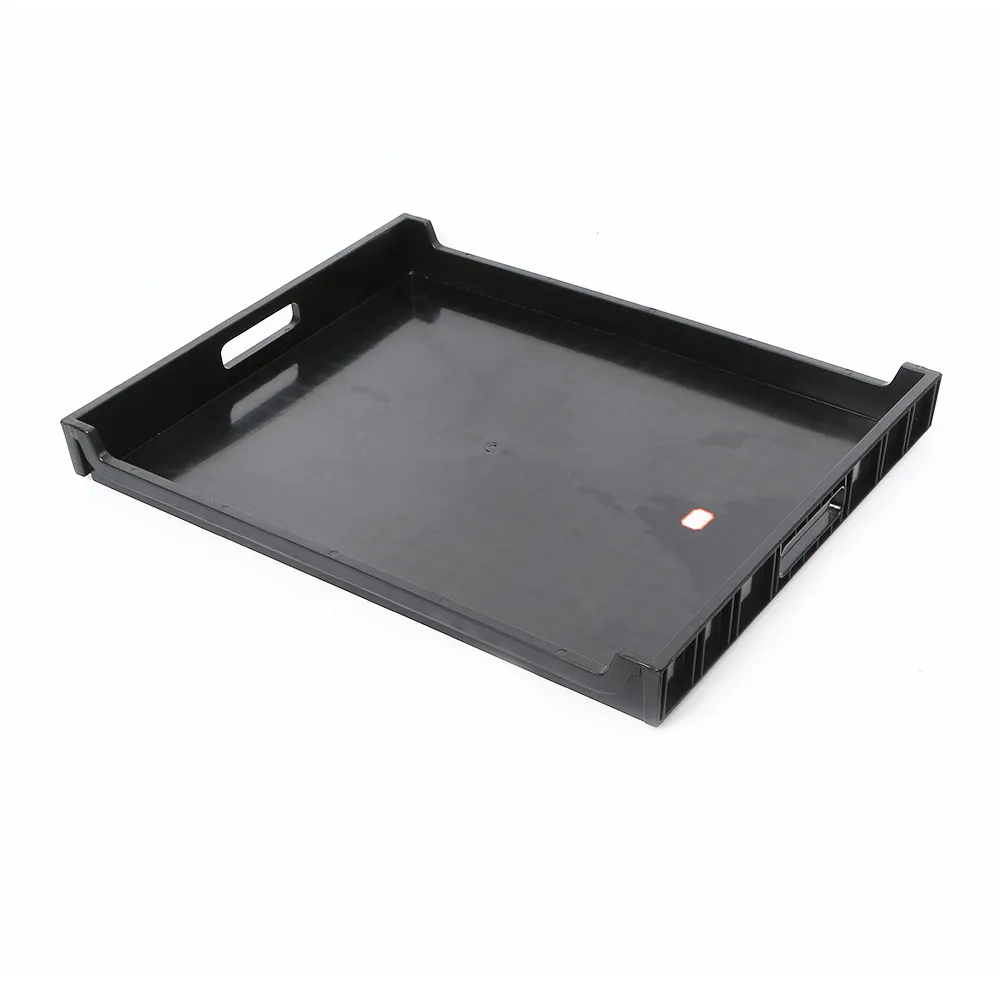
After the job is documented, review the physical configuration. The item or workpiece envelope, access direction, required separation, label position, route interface, and intended user action determine what needs confirmation. A photo or family name does not establish those details for a specific line.
Use the buyer’s ESD-control program to state the material requirement, test method, conditions, test locations, and acceptance evidence needed for the selected configuration. IEC 61340-5-1 dan Informasi standar Asosiasi ESD provide program context; neither source approves a particular container or handling workflow.
Keep unverified commercial and performance points outside the article and RFQ assumptions. Confirm any load requirement, transport requirement, MOQ, price, lead time, and model-specific evidence directly for the selected request. The supplier can respond to a defined configuration; the buyer retains responsibility for the line procedure and acceptance criteria.
Bagian 7. Susun RFQ dan evaluasi penggunaan sampel
An effective RFQ describes the job before the product name. It gives Sanwei enough context to discuss a selected configuration while keeping the buyer’s process ownership clear.
| Masukan untuk RFQ atau penggunaan sampel | Pembeli harus menentukan |
|---|---|
| Item or workpiece | Part type, envelope, contact constraints, and required orientation |
| Line-side job | Movement, workpiece support, point-of-use presentation, enclosure, or segregation |
| Route or workstation | Source, destination, access point, receiving owner, and replenishment method |
| Identifikasi | Label, traveler, work order, or electronic-record connection used by the buyer |
| Return and exception rules | Empty-return assignment, mixed-content action, and missing-identifier action |
| Konfigurasi | Dimensions, access side, compartments, dividers, covers, label area, and other requested accessories |
| Bukti ESD | Material requirement, test method, conditions, locations, and evidence format |
| Tinjauan penggunaan sampel | cURL Too many subrequests by single Worker invocation. To configure this limit, refer to https://developers.cloudflare.com/workers/wrangler/configuration/#limits |
| Perencanaan jumlah | cURL Too many subrequests by single Worker invocation. To configure this limit, refer to https://developers.cloudflare.com/workers/wrangler/configuration/#limits |
Rekomendasi produk
Gunakan Keluarga produk Kotak ESD Sanwei cURL Too many subrequests by single Worker invocation. To configure this limit, refer to https://developers.cloudflare.com/workers/wrangler/configuration/#limits Hubungi Sanwei cURL Too many subrequests by single Worker invocation. To configure this limit, refer to https://developers.cloudflare.com/workers/wrangler/configuration/#limits.
Batas Pas (Fit Boundary)
| Situasi pembeli | Jalur yang sesuai | Hindari |
|---|---|---|
| cURL Too many subrequests by single Worker invocation. To configure this limit, refer to https://developers.cloudflare.com/workers/wrangler/configuration/#limits | cURL Too many subrequests by single Worker invocation. To configure this limit, refer to https://developers.cloudflare.com/workers/wrangler/configuration/#limits | cURL Too many subrequests by single Worker invocation. To configure this limit, refer to https://developers.cloudflare.com/workers/wrangler/configuration/#limits |
| cURL Too many subrequests by single Worker invocation. To configure this limit, refer to https://developers.cloudflare.com/workers/wrangler/configuration/#limits | cURL Too many subrequests by single Worker invocation. To configure this limit, refer to https://developers.cloudflare.com/workers/wrangler/configuration/#limits | Moving a mixed bin between stations without a route rule |
| Workpiece-specific handling | Review a carrier against the actual workpiece and use scenario | Treating a carrier as a general loose-parts container |
| General enclosure request | Define what the box must do before choosing a configuration | Assuming “box” describes the required line function |
| Persyaratan ESD | State the buyer’s test and evidence requirements | Inferring acceptance from an image or category name |
FAQ
What is an ESD tote used for?
An ESD tote can be used as a controlled container for a defined movement or handoff. The buyer should define permitted content, route identification, sender, receiver, exception action, and return rule.
What is the difference between an ESD tote and an ESD bin?
The usual operational difference is the primary job. A tote supports a defined move between points, while a bin supports accessible point-of-use presentation. Supplier naming can overlap, so confirm the selected role in the work instruction.
When should components stay in a line-side bin?
Keep components in a line-side bin when the primary need is visible, accessible picking at a defined workstation and the process includes a replenishment, identification, and segregation rule.
Is a PCB carrier the same as a component box?
Not necessarily. A carrier may be designed around the support and orientation needs of a particular workpiece, while a component box may be intended for enclosure or segregation. Review the actual item and use scenario.
Can one container serve movement and point-of-use storage?
It can only do so under a clear buyer-defined procedure that controls content, identification, receiving, replenishment, and return. One physical container does not remove the need to separate those operating rules.
How should empty containers return to the line?
Use a documented return loop. Identify the empty container as route equipment, remove or update obsolete information as required by the site procedure, and complete the buyer’s reuse check before the next assignment.
What ESD information should be requested for a container?
Request the material requirement, electrical target, test method, test conditions, test locations, and evidence format required by the buyer’s ESD-control program for the selected configuration.
What should a tote, carrier, or bin RFQ include?
Include the line-side job, item or workpiece details, movement or access rules, identification method, return logic, configuration needs, ESD requirement, sample-use acceptance criteria, and quantity bands.
Tinggalkan Balasan