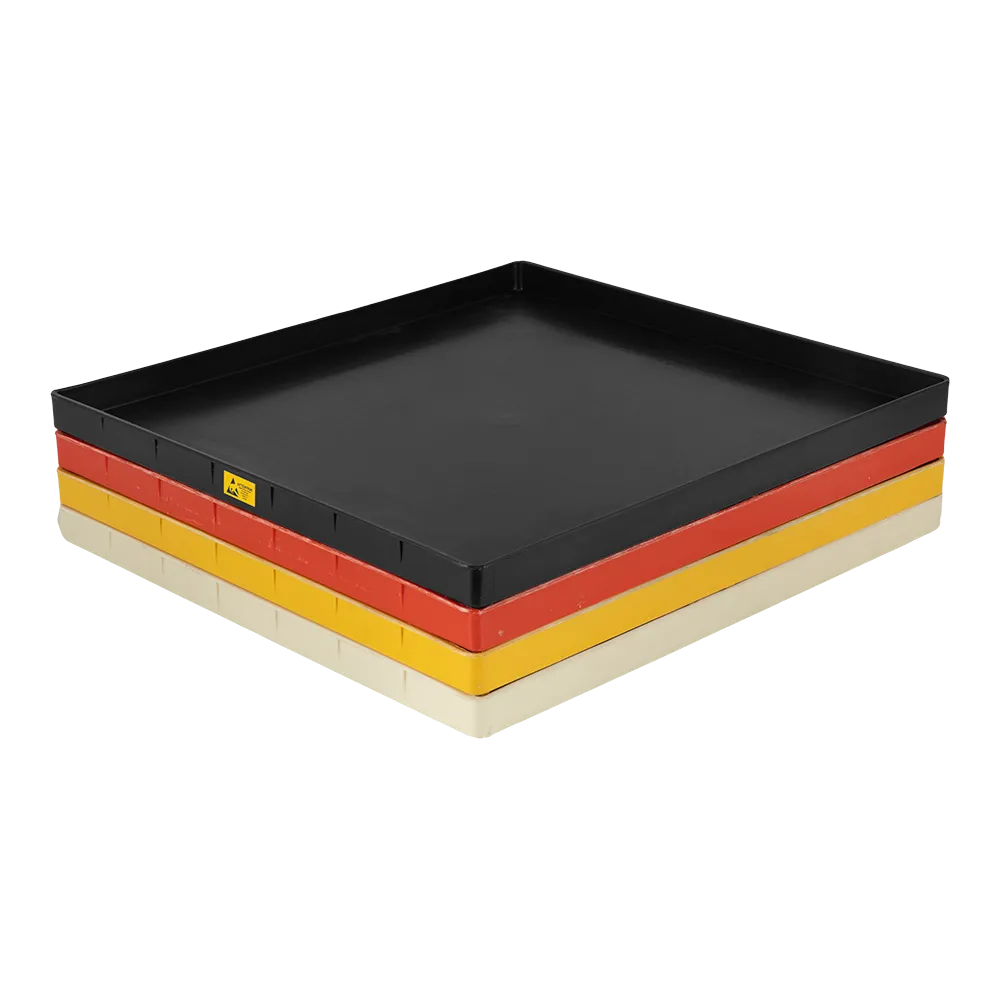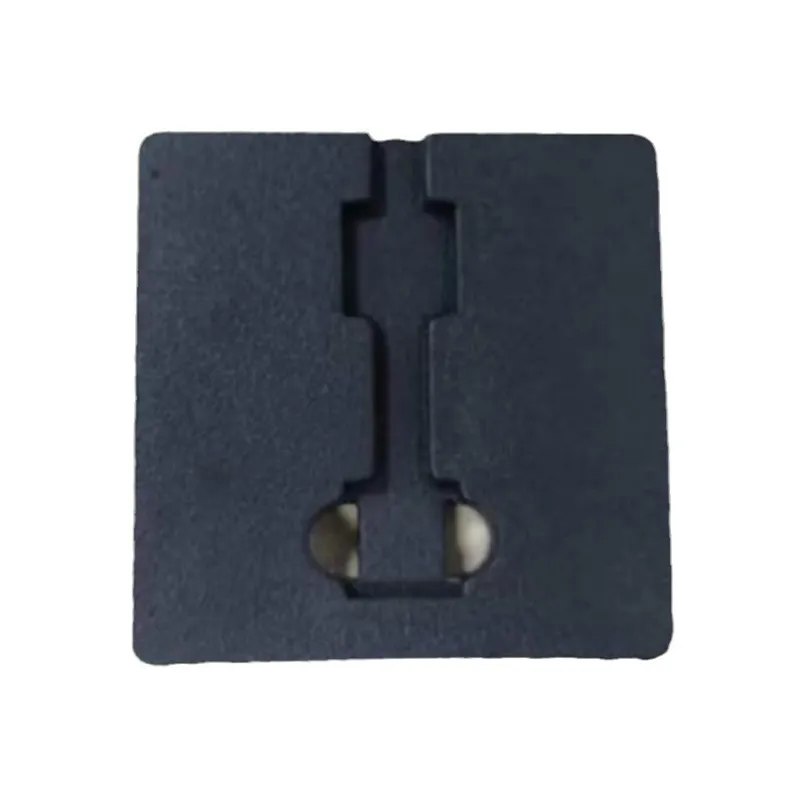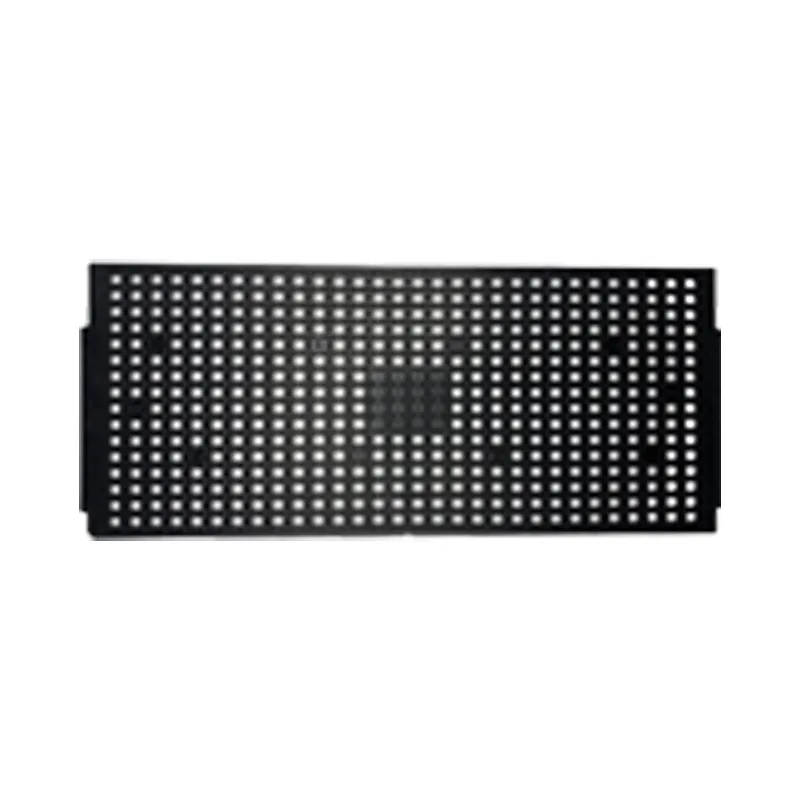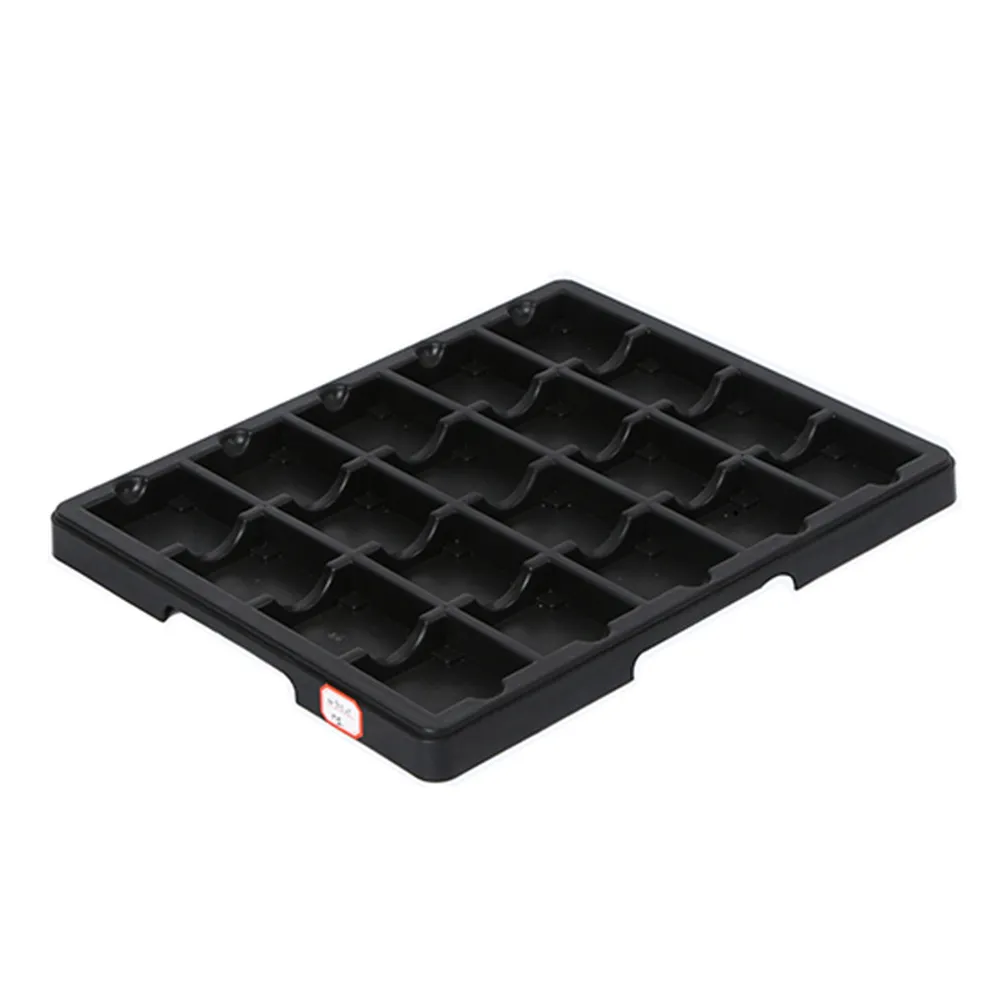
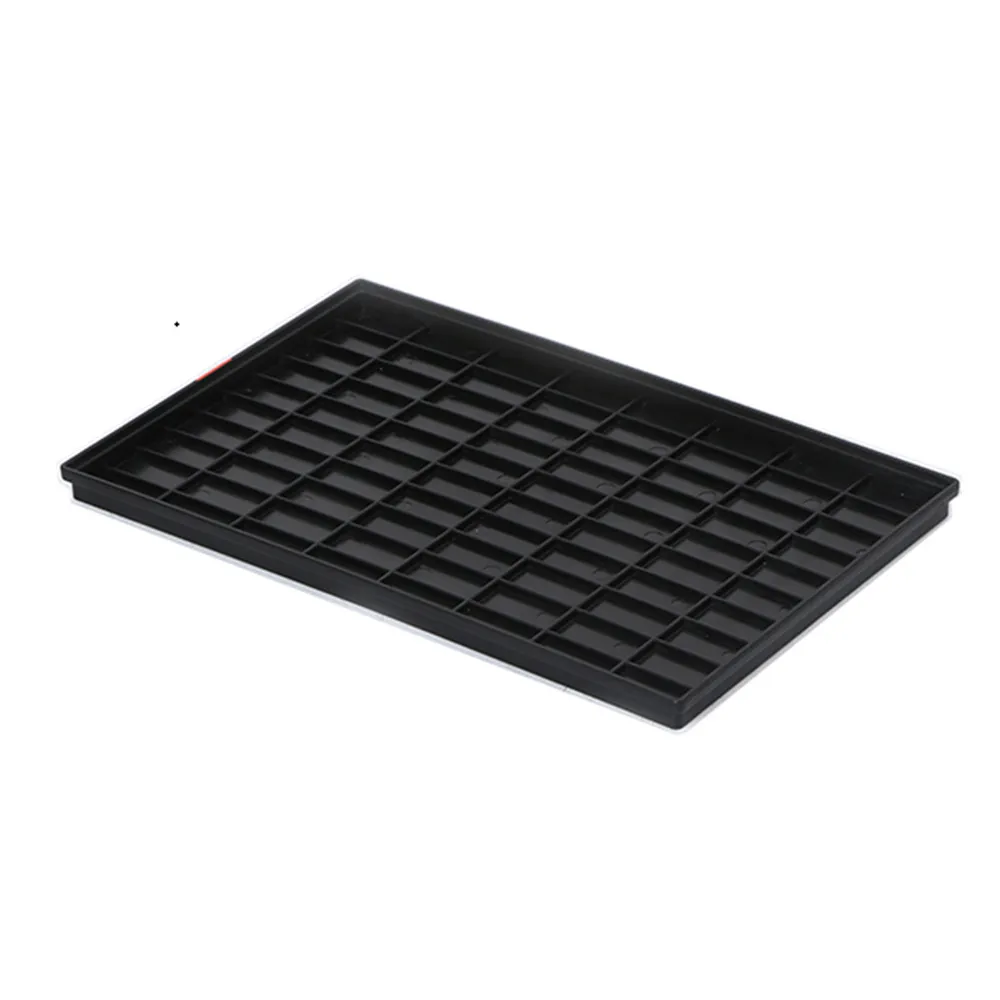
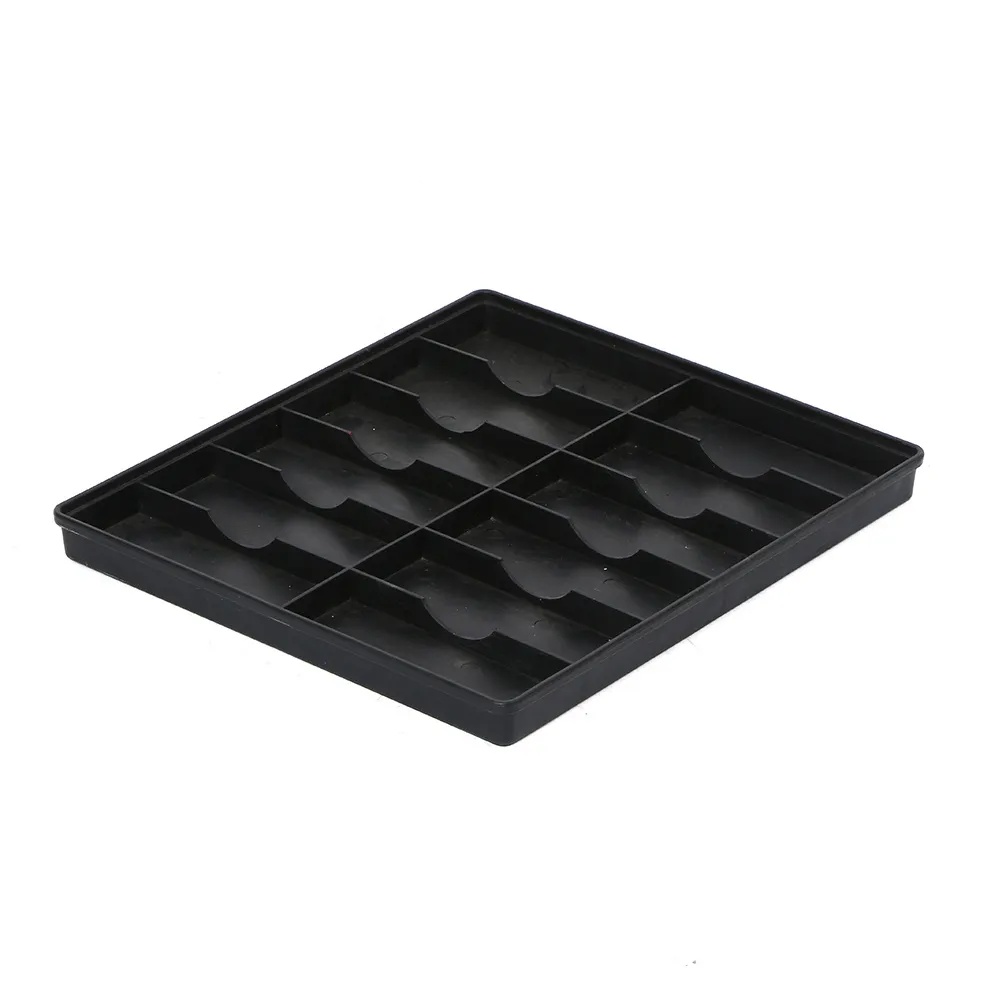
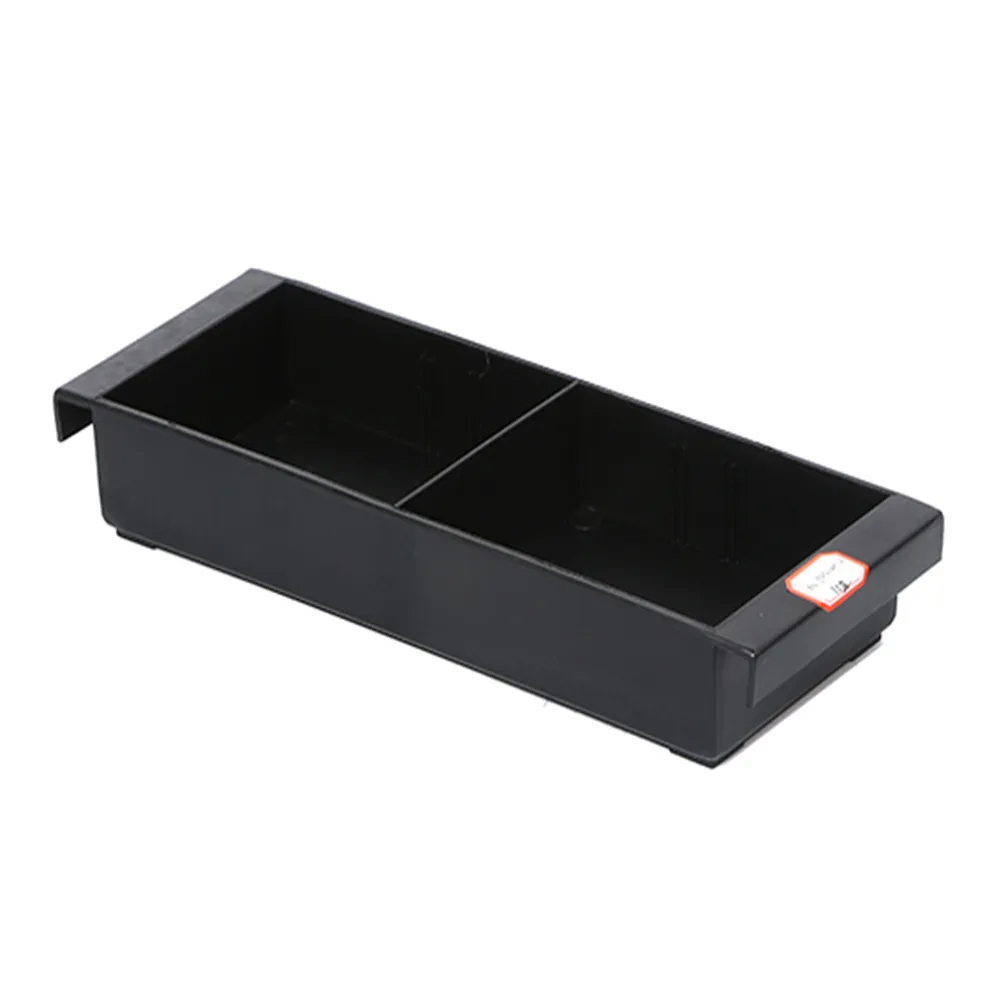
Izgaralı ESD Tepsisi, Çıkarılabilir Izgaralı Anti-Statik Bileşen Saklama Tepsisi
Genel Bakış:
Ürün Tanıtımı
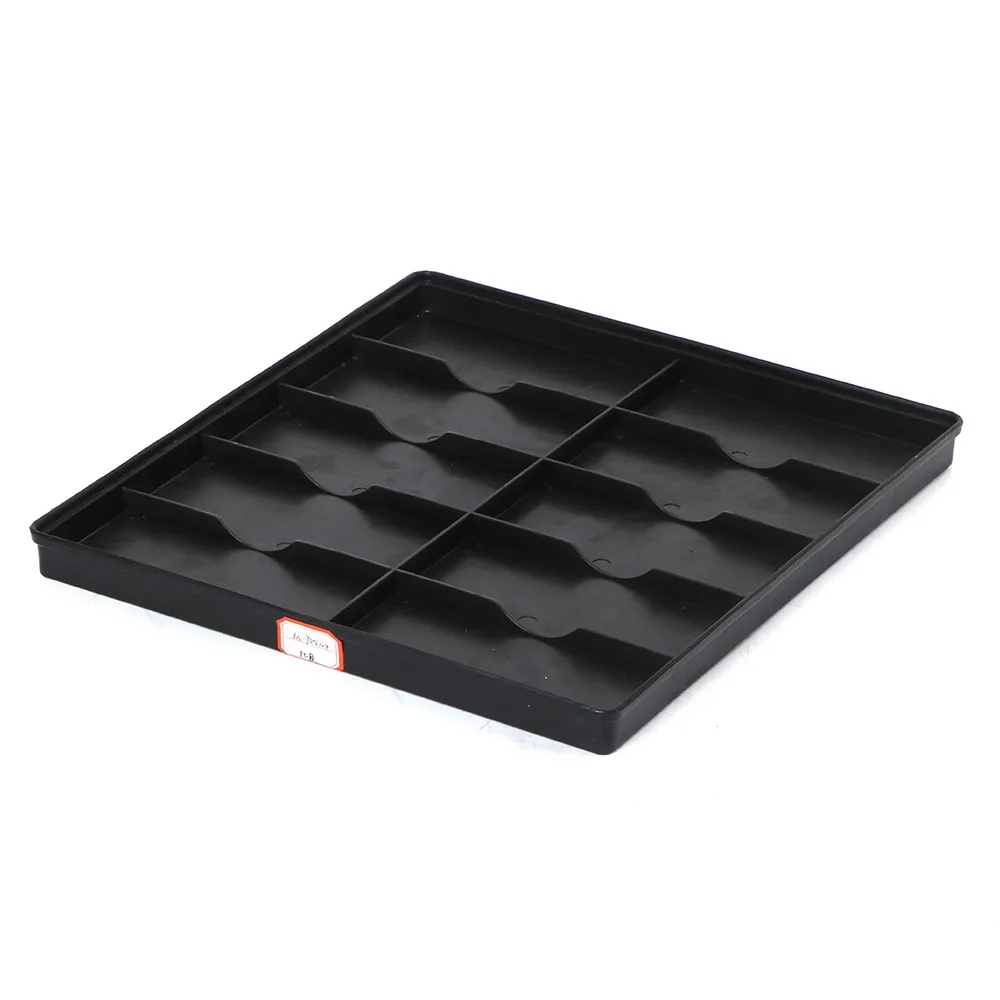
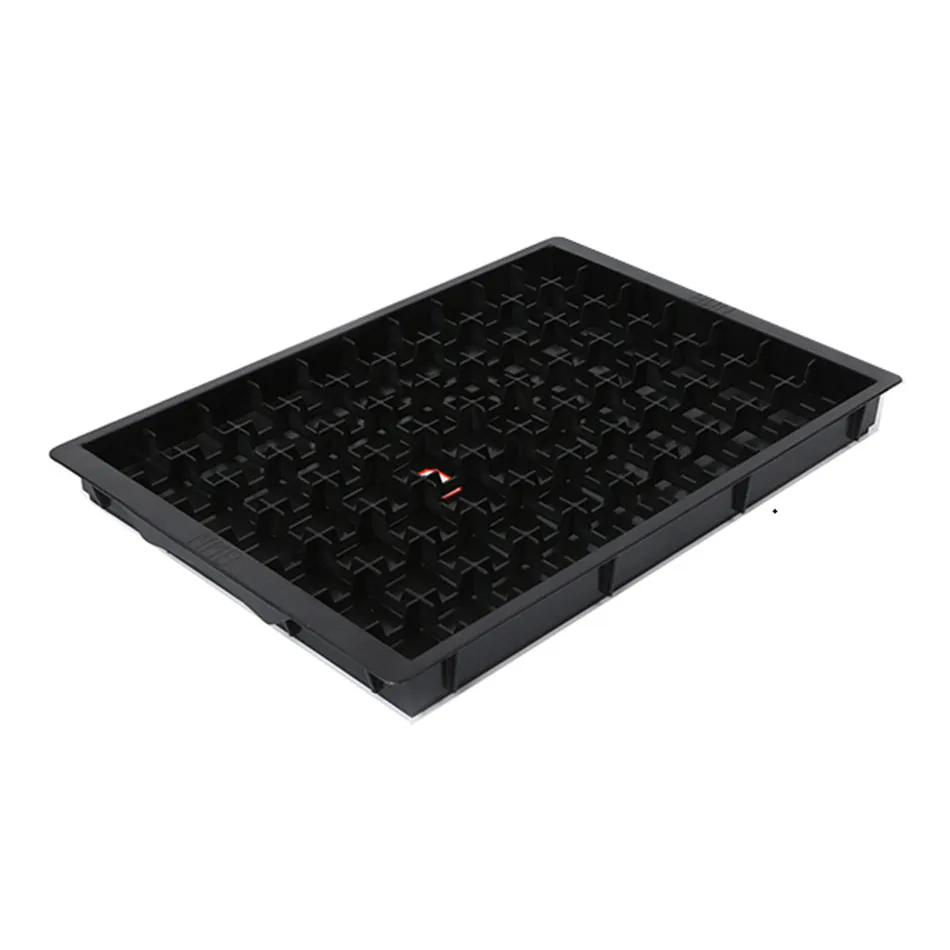
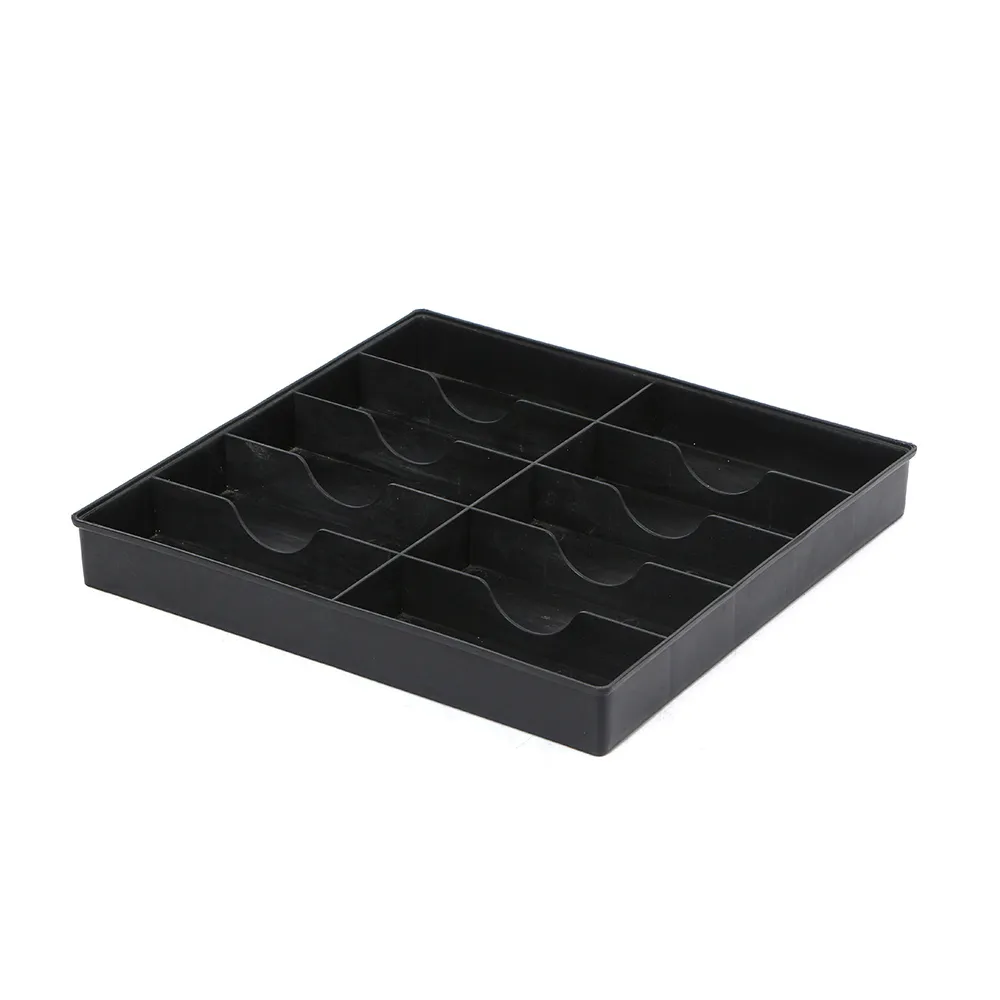
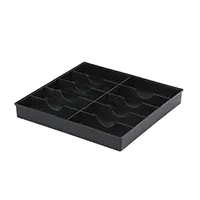
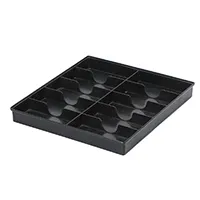
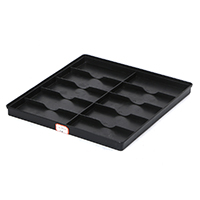
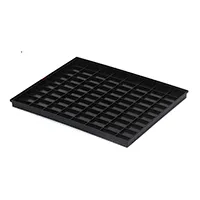
The grid-shaped anti-static tray is a tray made of special conductive material. Its surface has excellent conductive properties and can quickly release the static charge accumulated on the surface of objects, thereby preventing electrostatic discharge (ESD) from damaging electronic equipment and precision instruments. The grid design on the tray can separate different items or electronic components, play a role in classified storage, prevent collision and friction, and also facilitate sorting and counting.
Features
Excellent anti-static performance:
By using conductive PP materials or surface treatment technology, static charges can be quickly introduced into the ground to prevent charge accumulation and excessive potential difference, effectively avoid the occurrence of electrostatic discharge, and provide reliable protection for electrostatic sensitive components.
Sturdy and durable:
Made of high-strength materials, it has a solid structure and can withstand heavy weight and impact. At the same time, its surface is wear-resistant and corrosion-resistant, and it can maintain stable performance in various harsh environments and has a long service life.
Easy to clean:
The surface is smooth and flat, not easy to be stained with dust and dirt, and it is very convenient to clean. Just use clean water or special detergent to easily remove stains, keep the surface of the tray clean and hygienic, and help maintain a good working environment.
A variety of sizes and specifications are available:
A variety of external dimensions and grid sizes are available to meet the needs of different equipment, components and occasions. Users can choose the appropriate pallet size, grid number and load-bearing capacity according to their actual needs, with high flexibility.
Economic and environmentally friendly:
Made of environmentally friendly materials, it complies with relevant national standards and regulations. Its long life and easy maintenance also reduce the cost of use, reduce the cost of frequent pallet replacement and resource waste, and bring higher economic benefits to users
Teknik Şartname
| Ürün adı | ESD Tepsisi | |||||
| Ürün modeli | 3W-9805112 | 3W-9805120-2 | 3W-9805121 | 3W-9805122 | 3W-9805123 | |
 |
 |
 |
 |
 |
||
| Specification parameters | ●External dimensions: | 457*312*39mm | 340*123*54mm | 350*340*44mm | 315*290*34mm | 290*260*24mm |
| ●Inner size: | 417*292*30mm | 295*112*48mm | 168*64*36 mm | 305*278*27mm | 278*250*20mm | |
| ●Wall: | 2mm | 3.5mm | 3mm | 2.5mm | 2.5mm | |
| ●Bottom wall: | 3mm | 2.5mm | 3mm | 3mm | 3mm | |
| ●Weight: | 0.73Kg | 0.37Kg | 0.8Kg | 0.5Kg | 0.37Kg | |
| Product description | ◆The grid is detachable, divided into 70 grids | \ | ||||
| ◆Static index: 10e4-10e8 | ◆It is divided into two grids, with slots on the long side | ◆Static index: 10e4-10e8 | ●Internally divided into ten grids, each grid: 137*57*23m | ◆Internally divided into twelve grids, each grid: 122*44*1 5mm | ||
| \ | ◆Box cover can be equipped | \ | ◆Static index: 10e4-10e8 | ◆Static index: 10e4-10e8 | ||
| Temperature resistance customization | □120°C □150°C | |||||
| Color customization | □  □ □  □ □  □other □other |
|||||
| Remarks | \ | \ | Internally divided into ten grids, each grid: 168*64*28mm | \ | \ | |
| Optional accessories | □Anti-static label | □Anti-static label | □Anti-static label | □Anti-static label | Anti-static label | |
| □Silk screen printing | □Anti-static partition | □Anti-static partition | □Screen printing | mouth screen printing | ||
| \ | □Screen printing | □Screen printing | \ | \ | ||
| Ürün adı | ESD Tepsisi | ||||
| Ürün modeli | 3W-9805124 | 3W-9805127 | 3W-9805128 | 3W-9805129 | |
 |
 |
 |
 |
||
| Specification parameters | ●External dimensions: | 315*290*23mm | 400*325*29mm | 315*202* 16mm | 356*282*20mm |
| ●Inner size: | 300*27 7*18mm | 400*325*29mm | 300* 190* 12mm | 345*270*15mm | |
| ●Wall: | 2.5mm | 3mm | 3mm | 3mm | |
| ●Bottom wall: | 3mm | 4 mm | 2.5mm | 2.5mm | |
| ●Weight: | 0.4Kg | 0.74Kg | 0.29Kg | 0.5Kg | |
| Product description | ◆Internally divided into ten grids, each grid: 136*56*15mm | ◆Internally divided into 20 grids, each grid: 65*65*25mm | ◆Internally divided into 80 grids, each grid: 36*18*4mm | ◆Internally divided into 80 grids, each grid: 40*24*5mm | |
| ◆Static index: 10e4-10e8Ω | ◆Static index: 10e4-10e8Ω | ◆Static index: 10e4-10e8Ω | ◆Static index: 10e4-10e8Ω | ||
| Temperature resistance customization | □120°C □150°C | ||||
| Color customization | □ □ □ □other |
||||
| Optional accessories | □Anti-static label | □Anti-static label | □Anti-static label | □Anti-static label | |
| □Screen printing | □Screen printing | □Screen printing | □Screen printing | ||
*Temperature resistance refers to the maximum temperature that the collection rack can withstand the PCB board
Dünya Standartlarında ESD Üretim Kapasitesi
Sanwei'den tedarik yaptığınızda, sektör lideri bir OEM/ODM üreticisiyle doğrudan iş ortaklığı yapmış olursunuz. Son teknolojiye sahip bir tesis işletiyoruz. 70.000+ m² entegre üretim tesisi Zhejiang, Yueqing Merkez Endüstri Parkı'nda, tescilli malzeme formülasyonundan son yüksek hassasiyetli ürün kalıplamasına kadar her bir süreci yönetmektedir.
Entegre Terazi
70.000+ m² alana kurulu, istikrarlı teslimat süreleriyle toplu toptan siparişleri karşılamak için ağır hizmet tipi hassas enjeksiyon makineleriyle donatılmış gelişmiş üretim tesisi.
Uçtan Uca Kontrol
Tescilli anti-statik malzeme Ar-Ge'si, yapısal kalıp mühendisliği, otomasyonlu üretim ve hızlı küresel lojistik teslimatını kapsayan tamamen şirket içi kontrol.
Titiz Denetim
Üretim hattında gerçekleştirilen çok noktalı yüzey direnci ölçümleriyle birleştirilen sıkı hammadde testleri, 100% ürününün uluslararası ESD standart kılavuzlarına uygunluğunu garanti eder.
Antistatik Ürünler ve Çözümler
Tüm üretim ve operasyonel yaşam döngünüz boyunca kapsamlı elektrostatik koruma sağlıyoruz.
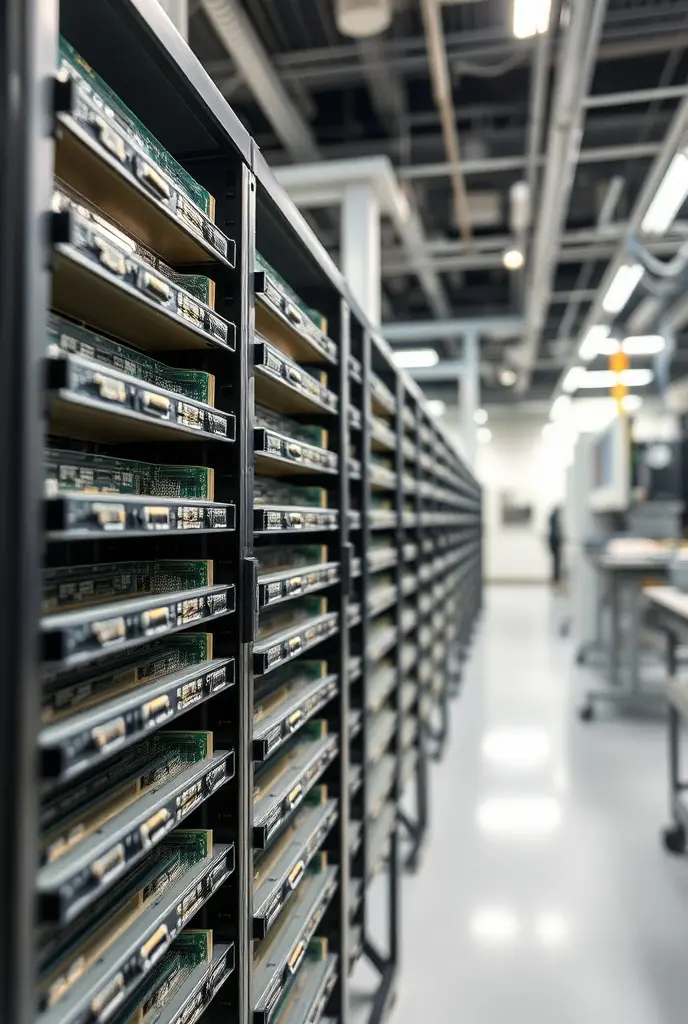
SMT Ekipmanları
Otomatik hatlar için anti-statik toplama kutuları ve rafları.

Depolama ve Lojistik
Devirdaim arabaları, raflar, kutular, tepsiler ve parça kapları.

İş İstasyonu ve KKD
Antistatik sandalyeler, matlar, bileklikler ve kişisel koruma.
Özel Geliştirme
Özel kalıp geliştirme ve özel anti-statik malzemeler.
OEM/ODM AVANTAJLARIMIZ

İleri Ar-Ge ve Malzeme İnovasyonu
Ulusal buluş patentlerine sahip ve 200℃'ye kadar ısı dayanımı bulunan, bünyemizde geliştirilmiş antistatik malzemeler. Biz sadece kalıplama yapmıyoruz; bileşikler formüle ediyoruz.

Tam Ölçekli Üretim Kapasitesi
Kararlı ve verimli tedarik için eksiksiz enjeksiyon kalıplama, granülasyon ve destekleyici işleme sistemlerine sahip 30.000 m²'lik tesis.

Uçtan Uca Özel Tasarım
Malzeme özdirenci, renk, boyut, logo, ambalaj ve sertifikalar; IEC61340-5-1, ANSI/ESD S20.20 veya askeri standartları karşılayacak şekilde özelleştirilebilir.

Sertifikalı Kalite ve Küresel Uyumluluk
“Sanwei, yarı iletken montaj hattımız için özel yüksek sıcaklığa dayanıklı, temiz doğal renkli tepsi üretimini başarıyla gerçekleştirerek ithal ürünlerin yerini almış, mükemmel ESD güvenliği sağlamış ve atölyenin yüksek temizlik gereksinimlerini karşılamıştır.”
KÜRESEL FORTUNE 500 ENDÜSTRİ LİDERLERİNİN GÜVENDİĞİ
Tescilli ESD çözümlerimiz, aşağıdakiler dahil olmak üzere dünya çapındaki seçkin üretim tesislerinde kullanılmaktadır: Intel, Motorola, Siemens, IBM, Panasonic, Nokia ve Dell.
Özel Ölçüler veya Toplu Toptan Fiyatlandırma mı arıyorsunuz?
Güçlü büro-içi Ar-Ge ekibimizin desteğiyle Sanwei; özel SMT üretim hatlarınıza veya depo yerleşiminize göre uyarlanmış eksiksiz OEM/ODM seçenekleri sunar. Özel kalıplar, renk kodlaması veya entegre 5S depolama danışmanlığı için uzmanlarımızla bugün iletişime geçin.
Sık Sorulan Sorular (SSS)
1. What materials are used for ESD safe storage of components?
ESD‑safe storage relies on materials with controlled electrical resistivity. Common materials include:
-
Conductive plastics – typically polypropylene (PP) or polyethylene (PE) loaded with carbon black or other conductive fillers, giving a surface resistivity below 10⁵ Ω/sq. These materials provide a low‑resistance path to ground.
-
Static‑dissipative plastics – such as PP, ABS, or PETG with resistivity in the range of 10⁵ to 10¹¹ Ω/sq. They dissipate static charge slowly and safely.
-
Anti‑static foams and films – pink polyethylene foam or bubble wrap that minimizes triboelectric charging (resistivity 10⁹–10¹² Ω/sq).
-
Metallised layers – some containers have metal coatings or embedded metal grids for extra shielding.
-
Humidity‑control materials – desiccants and moisture‑barrier bags are often used alongside ESD materials to prevent moisture‑related damage.
Storage cabinets, shelves, and bins are also made from these materials, and they are often grounded through a direct connection to the earth.
2. What is an ESD crate?
Bir ESD crate is a large, reusable, stackable box made from conductive or static‑dissipative plastic (usually black polypropylene with carbon additives). It is designed to transport and store bulk quantities of electronic components safely without generating or retaining static charges. ESD crates often have reinforced walls, stacking rims, and optional lids. They are widely used in closed‑loop logistics, warehouse storage, and assembly line buffering, and they meet ESD standards such as IEC 61340‑5‑1.
3. What is an ESD container?
Bir ESD container is a broad term covering any receptacle—from small bins and trays to large crates and cabinets—that is specifically manufactured from static‑control materials to protect ESD‑sensitive devices. The container may be conductive, static‑dissipative, or anti‑static, depending on the required protection level. Common features include built‑in grounding points, stackability, and compatibility with automated handling systems. Essentially, an ESD container ensures that stored components remain free from electrostatic damage throughout the entire supply chain.
4. What are ESD trays made of?
ESD trays are produced from a variety of engineered plastics, depending on the application:
-
Polypropylene (PP) – the most common material; it can be made permanently conductive or static‑dissipative by adding carbon black or other fillers. It is tough, chemical‑resistant, and reusable.
-
Polyethylene (PE) – often used for lightweight trays; similar filler additives provide ESD properties.
-
PETG – a clear, static‑dissipative material often used for thermoformed trays.
-
Polystyrene (PS) and ABS – cost‑effective options with good dimensional stability.
-
Thermoset polyester composites – with permanent conductive additives; they offer high heat resistance and chemical resistance.
-
Polycarbonate (PC) – used where transparency and impact resistance are needed.
Many trays are also available with a surface coating or a permanent anti‑static additive that does not wear off over time. The choice of material determines the tray’s resistivity, strength, temperature range, and price.