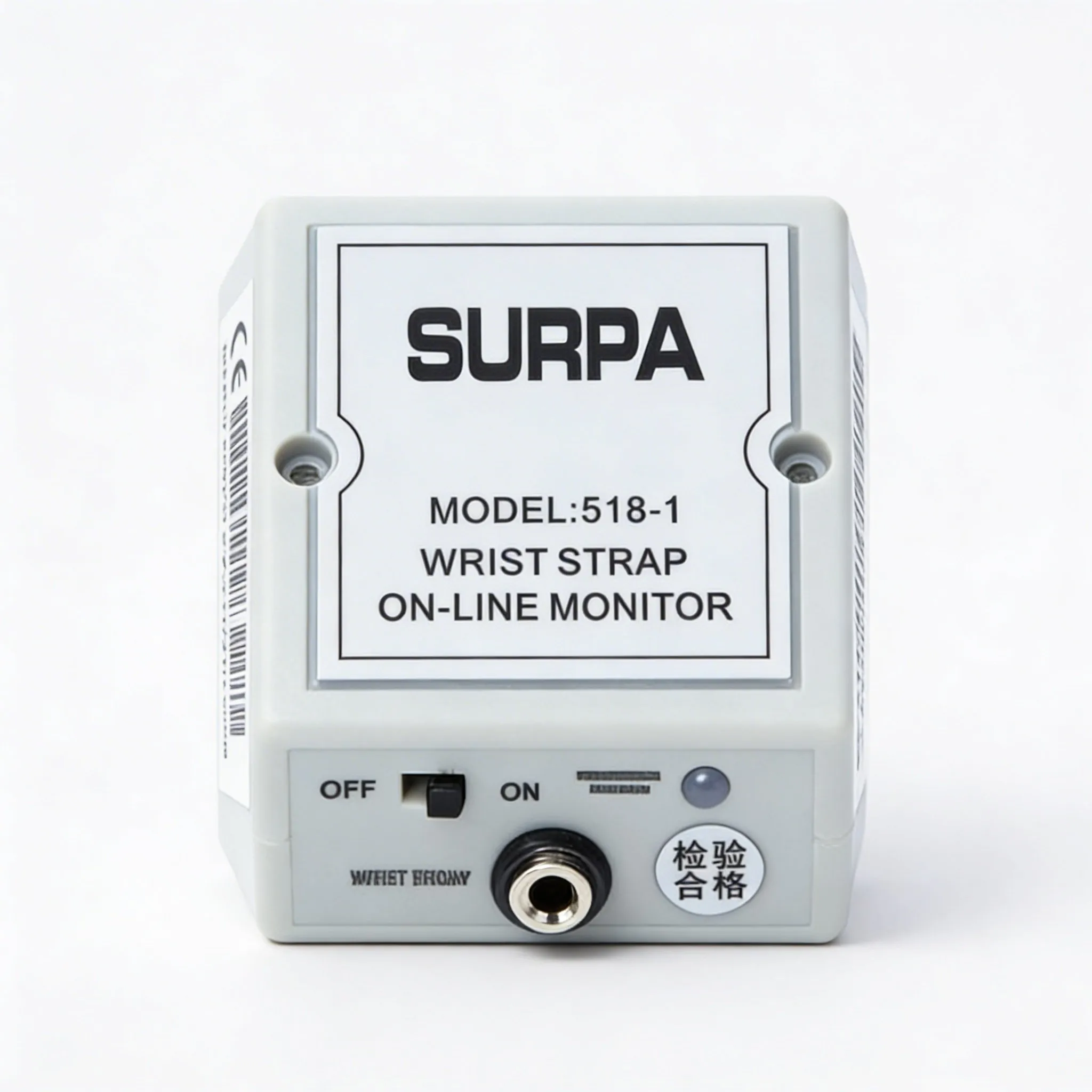
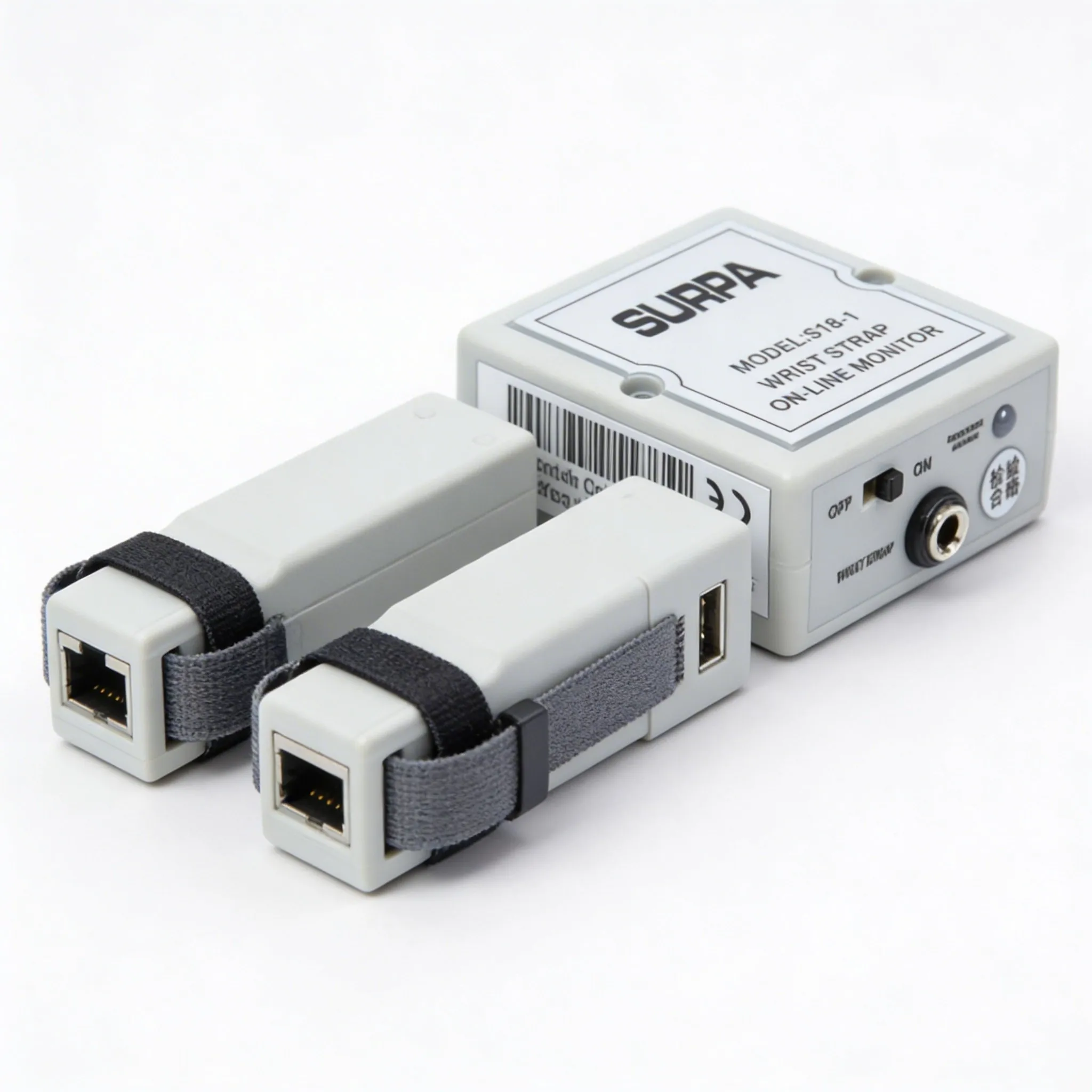
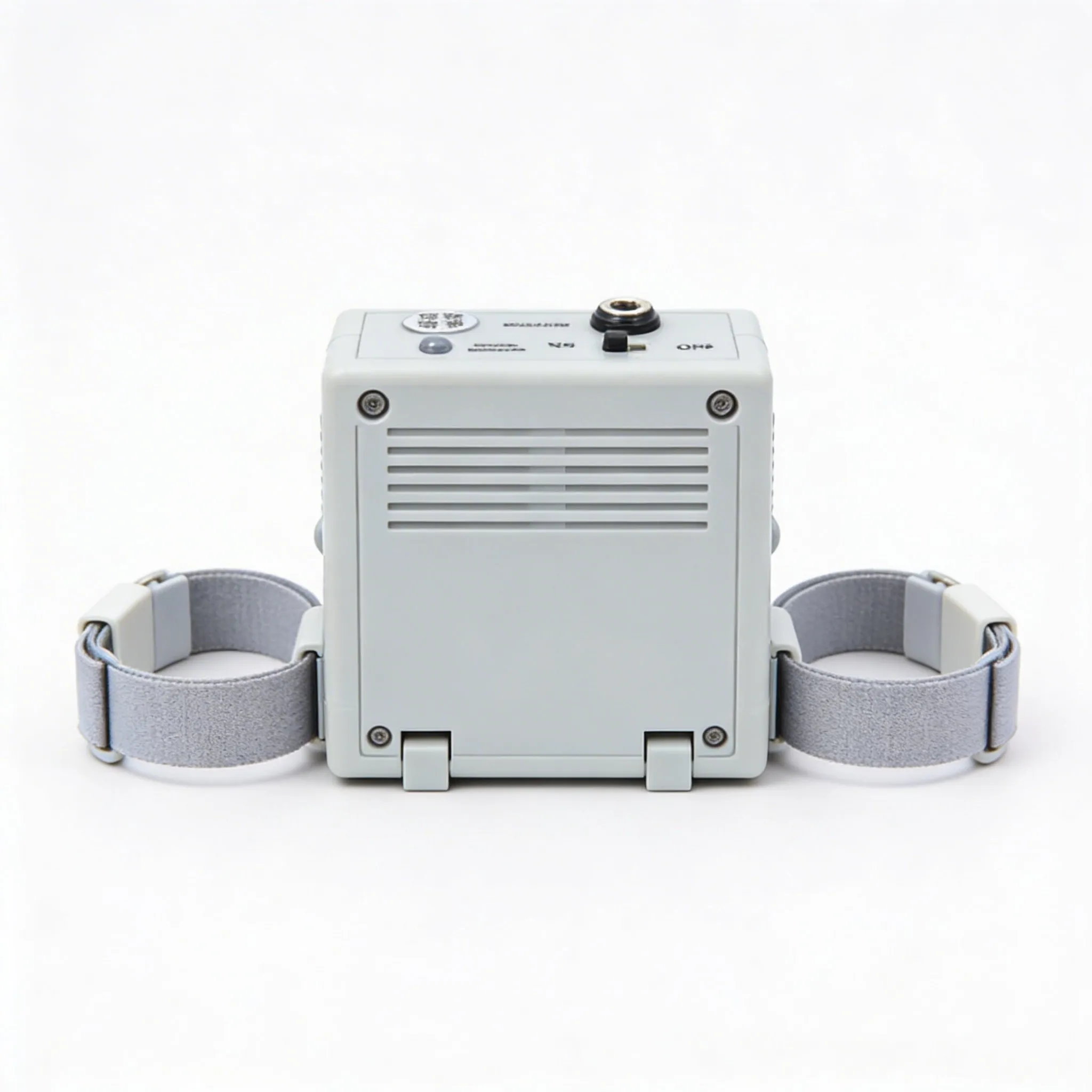
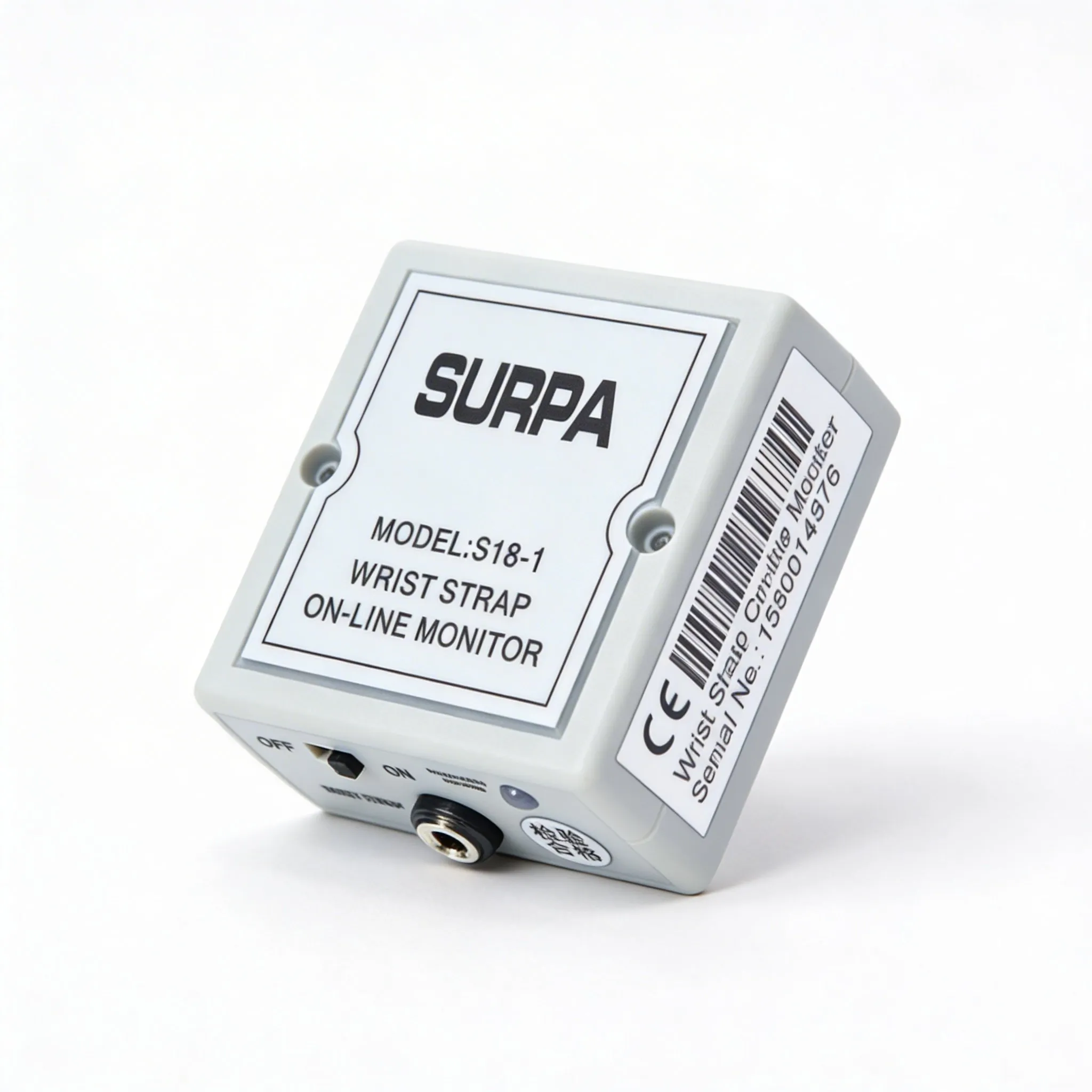
Wrist Strap Online Monitor SMT Cleanroom Anti Static Wrist Checker
Genel Bakış:
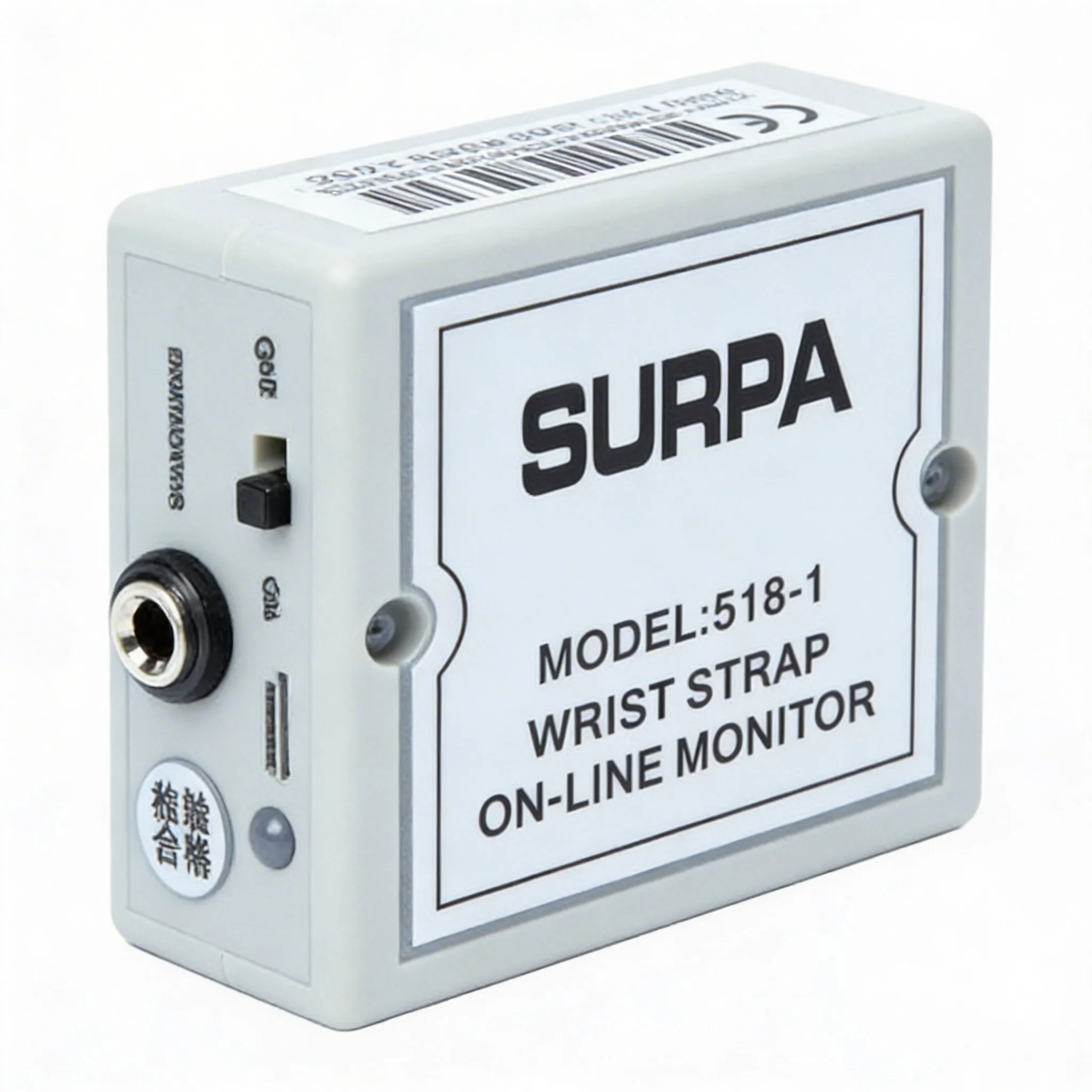
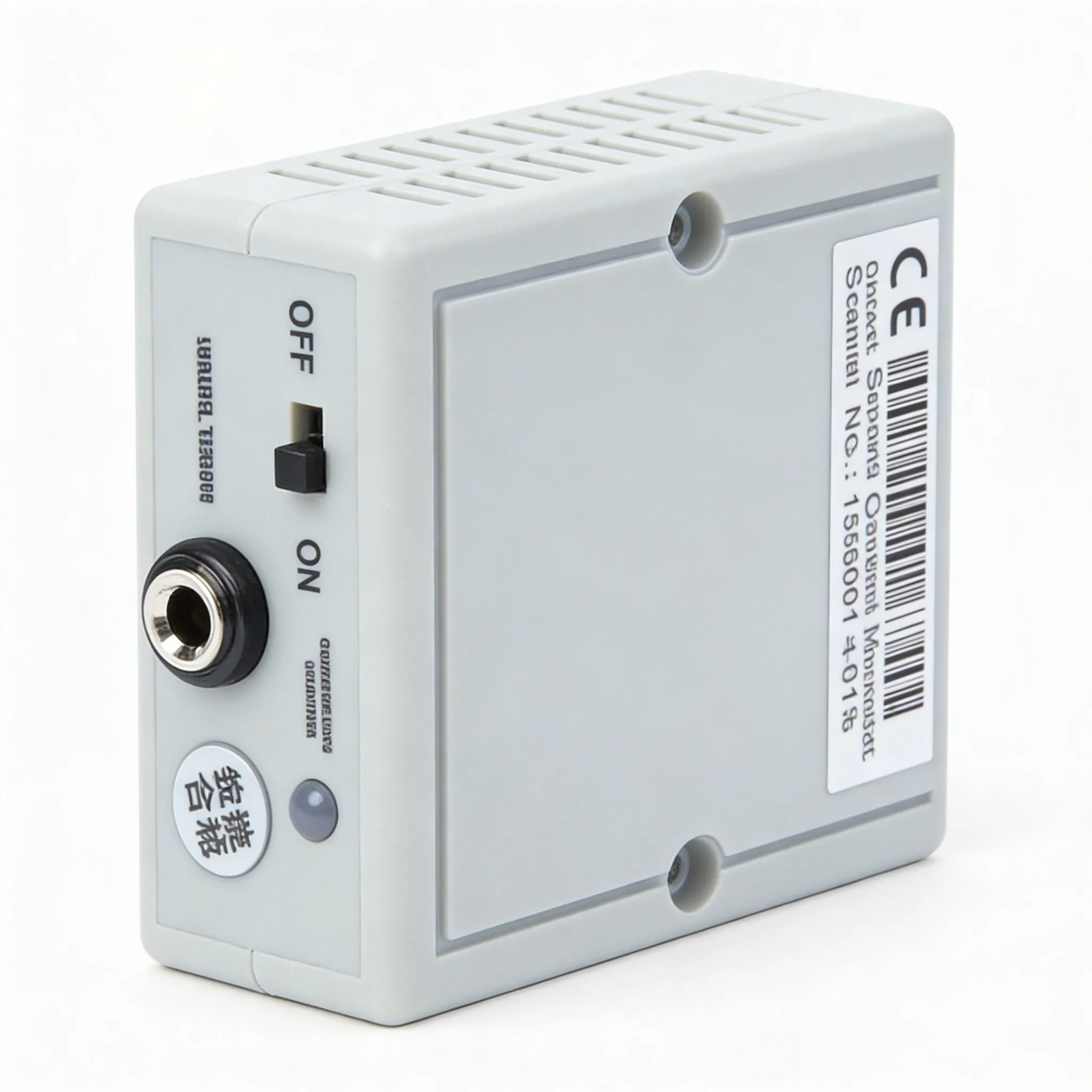
If you rely on wrist straps for ESD protection, you’ve probably wondered: how do I know it’s working right now, this very second? Periodic testing only tells you it was working at the time of the test—but what about the rest of the shift? That’s the gap a Bilek Kayışı Çevrim İçi Monitörü fills. It connects to your existing strap and continuously checks the ground path, instantly alerting you if the connection breaks, the cord fails, or skin contact becomes poor. Many operators appreciate that a Bilek Kayışı Çevrim İçi Monitörü removes the need for hourly self‑checks, freeing them to focus on the job.
For a more technical perspective, a Wrist Strap Continuous Monitor does exactly the same thing—the two names are often used interchangeably—but the idea is consistent: real‑time, uninterrupted supervision of the operator’s grounding integrity. With both audible and visual alarms, a Wrist Strap Continuous Monitor ensures that any fault is caught the moment it occurs, not during the next audit. Whether you call it an online monitor or a continuous monitor, the benefit is clear: it removes human error from the testing routine and gives you confidence that every minute of production is truly ESD‑safe.
Teknik Şartname
| Model | 3W-7851 One Service Position | 3W-7852 Double Service Position |
| İşlev | 1.4MΩ ±5% | 1.4MΩ ±5% |
| Power Supply | AC 6V, 0.3A | AC 6V, 0.3A |
| Power Consumption | 1.8W | 1.8W |
| Size (L×W×H) | 63×60×28 mm | 110×60×28 mm |
| Ağırlık | 250g | 310g |
Notice:Excluding Wrist Strap
Dünya Standartlarında ESD Üretim Kapasitesi
Sanwei'den tedarik yaptığınızda, sektör lideri bir OEM/ODM üreticisiyle doğrudan iş ortaklığı yapmış olursunuz. Son teknolojiye sahip bir tesis işletiyoruz. 70.000+ m² entegre üretim tesisi Zhejiang, Yueqing Merkez Endüstri Parkı'nda, tescilli malzeme formülasyonundan son yüksek hassasiyetli ürün kalıplamasına kadar her bir süreci yönetmektedir.
Entegre Terazi
70.000+ m² alana kurulu, istikrarlı teslimat süreleriyle toplu toptan siparişleri karşılamak için ağır hizmet tipi hassas enjeksiyon makineleriyle donatılmış gelişmiş üretim tesisi.
Uçtan Uca Kontrol
Tescilli anti-statik malzeme Ar-Ge'si, yapısal kalıp mühendisliği, otomasyonlu üretim ve hızlı küresel lojistik teslimatını kapsayan tamamen şirket içi kontrol.
Titiz Denetim
Üretim hattında gerçekleştirilen çok noktalı yüzey direnci ölçümleriyle birleştirilen sıkı hammadde testleri, 100% ürününün uluslararası ESD standart kılavuzlarına uygunluğunu garanti eder.
Antistatik Ürünler ve Çözümler
Tüm üretim ve operasyonel yaşam döngünüz boyunca kapsamlı elektrostatik koruma sağlıyoruz.
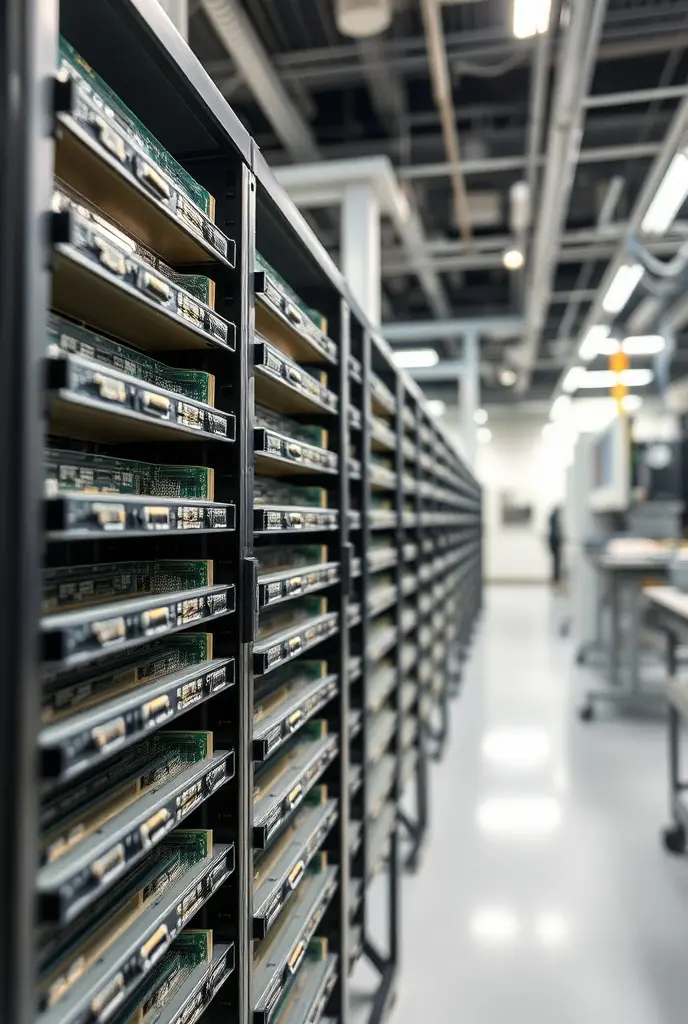
SMT Ekipmanları
Otomatik hatlar için anti-statik toplama kutuları ve rafları.

Depolama ve Lojistik
Devirdaim arabaları, raflar, kutular, tepsiler ve parça kapları.

İş İstasyonu ve KKD
Antistatik sandalyeler, matlar, bileklikler ve kişisel koruma.
Özel Geliştirme
Özel kalıp geliştirme ve özel anti-statik malzemeler.
OEM/ODM AVANTAJLARIMIZ

İleri Ar-Ge ve Malzeme İnovasyonu
Ulusal buluş patentlerine sahip ve 200℃'ye kadar ısı dayanımı bulunan, bünyemizde geliştirilmiş antistatik malzemeler. Biz sadece kalıplama yapmıyoruz; bileşikler formüle ediyoruz.

Tam Ölçekli Üretim Kapasitesi
Kararlı ve verimli tedarik için eksiksiz enjeksiyon kalıplama, granülasyon ve destekleyici işleme sistemlerine sahip 30.000 m²'lik tesis.

Uçtan Uca Özel Tasarım
Malzeme özdirenci, renk, boyut, logo, ambalaj ve sertifikalar; IEC61340-5-1, ANSI/ESD S20.20 veya askeri standartları karşılayacak şekilde özelleştirilebilir.

Sertifikalı Kalite ve Küresel Uyumluluk
“Sanwei, yarı iletken montaj hattımız için özel yüksek sıcaklığa dayanıklı, temiz doğal renkli tepsi üretimini başarıyla gerçekleştirerek ithal ürünlerin yerini almış, mükemmel ESD güvenliği sağlamış ve atölyenin yüksek temizlik gereksinimlerini karşılamıştır.”
KÜRESEL FORTUNE 500 ENDÜSTRİ LİDERLERİNİN GÜVENDİĞİ
Tescilli ESD çözümlerimiz, aşağıdakiler dahil olmak üzere dünya çapındaki seçkin üretim tesislerinde kullanılmaktadır: Intel, Motorola, Siemens, IBM, Panasonic, Nokia ve Dell.
Özel Ölçüler veya Toplu Toptan Fiyatlandırma mı arıyorsunuz?
Güçlü büro-içi Ar-Ge ekibimizin desteğiyle Sanwei; özel SMT üretim hatlarınıza veya depo yerleşiminize göre uyarlanmış eksiksiz OEM/ODM seçenekleri sunar. Özel kalıplar, renk kodlaması veya entegre 5S depolama danışmanlığı için uzmanlarımızla bugün iletişime geçin.
Sık Sorulan Sorular (SSS)
1. What is a wrist strap continuous monitor?
A wrist strap continuous monitor is a device that constantly checks the grounding integrity of an operator’s ESD wrist strap throughout the entire work shift. Unlike periodic testers that only check at the start of a shift, a continuous monitor provides real‑time, uninterrupted verification that the wrist strap and ground path remain intact. If any part of the loop fails—whether due to a broken cord, poor skin contact, or a loose connection—the monitor triggers an audible and visual alarm instantly.
2. What is the difference between a continuous monitor and a periodic wrist strap tester?
A periodic tester (often called a “touch tester”) checks wrist strap resistance at a single point in time—typically at the beginning of a shift. A continuous monitor, on the other hand, verifies the wrist strap and ground path in real time throughout the entire work shift. The key difference is that periodic testing can only tell you the strap was working at the moment of the test; a continuous monitor catches failures the instant they occur, eliminating the gap where a component could be exposed to ESD. ANSI/ESD S20.20 allows either approach, but continuous monitoring provides a higher level of protection for sensitive devices.
3. How does a wrist strap continuous monitor work?
A continuous monitor works by sending a low‑voltage signal through the wrist strap and the operator’s body to ground. It continuously observes the resistance (or impedance) of the loop, which consists of the monitor, the cord, the wristband, and the person. If any part of this loop opens—becoming disconnected or exceeding the acceptable resistance limit—the circuit detects the change and triggers an alarm. Different monitors use different technologies: capacitance‑based, impedance‑based (wave distortion), or resistance‑based (dual‑wire) systems.
4. What causes a wrist strap continuous monitor to alarm?
A continuous monitor typically alarms due to a faulty wrist strap cord, poor contact between the wristband and the operator’s skin, a loose worksurface mat connection, or a grounding/electrical wiring problem. Other causes can include dry skin, wearing the band incorrectly, or a failing solder connection in the cord. In some cases, an electrostatic field present in the environment can also trigger the alarm. The alarm is designed to alert the operator immediately so the issue can be corrected before any ESD‑sensitive components are exposed to risk.
5. Is a wrist strap continuous monitor compliant with ANSI/ESD S20.20?
Yes. Continuous monitors meet the continuous monitoring requirements of ANSI/ESD S20.20. Per ESD‑S1.1 Annex A.3, “Daily (wrist strap system) testing may be omitted if constant monitoring is used”. Additionally, continuous monitors satisfy the ISO and ANSI/ESD S20.20 test logging requirements by their very function—they eliminate the need for users to manually test wrist straps and log the results. This makes them a cost‑effective way to maintain compliance while providing superior protection.
6. What is the ParkSnap feature on a continuous monitor?
ParkSnap is a convenient feature that allows the operator to disconnect and “park” their wrist strap when leaving the workstation without triggering a false alarm. The operator touches the ParkSnap or park delay switch, and the monitor’s audible alarm disables for approximately 8 seconds—giving the operator enough time to remove the wrist strap and attach it to the ParkSnap connector. This places the monitor into standby mode while the operator is away, and the alarm automatically re‑activates when the wrist strap is reconnected. It eliminates the nuisance of false alarms during breaks or when operators need to temporarily leave their workstations.