- เทอร์โบ
- บล็อก
A cleanroom sticky mat removes loose particles from footwear and cart wheels at a controlled transition, but it cannot compensate for poor gowning, inadequate housekeeping, or uncontrolled material flow. Selection requires more than choosing a color and nominal size. Buyers should define the entry route, traffic, wheel geometry, floor finish, tack level, layer construction, packaging cleanliness, removal method, and evidence used to decide when a layer is spent. Placement and operator behavior then determine whether users make enough contact without creating a slip, trip, residue, or congestion problem. This guide provides a practical specification, installation, inspection, and replacement framework for electronics and clean manufacturing areas.
Map the transition and contamination route
Identify which doorway, airlock, pass-through or material entrance the mat supports and what crosses it. Footwear traffic differs from narrow cart wheels, pallet jacks or heavy equipment. Record direction of travel, peak traffic, available floor area, cleaning schedule and whether users can pause without blocking an exit.
A sticky mat collects only material that contacts its tacky surface and releases under the applied load. It is one control in a broader zoning plan. Keep gowning, hand hygiene, packaging, wheel cleaning, pressure differentials and room cleaning under their own procedures.

Select dimensions from stride and wheel contact
Choose length and width so normal users and approved carts make repeated full contact before entering the cleaner zone. A small mat that can be stepped over or avoided will not provide consistent control. Larger dimensions may improve coverage but can interfere with doors, turning paths or emergency access.
For carts, evaluate every wheel path and turning behavior. Narrow casters can concentrate load, tear a layer or track adhesive. Heavy equipment may require another engineered cleaning approach. Trial the real footwear and wheels rather than relying on a catalogue photograph.

Balance tack, release and surface compatibility
Higher tack is not automatically better. Excessive adhesion can pull shoe covers, affect gait, lift weak floor coatings, transfer residue or damage wheels. Too little tack may fail to retain loose particles. Request a representative sample and test under the actual temperature, humidity, traffic and cleaning conditions.
Review base adhesion and peel behavior separately from the exposed collection surface. The base must remain flat without leaving unacceptable residue when removed. Confirm compatibility with sealed concrete, epoxy, tile or other actual floor finish and with approved cleaning agents.

Install and peel layers without spreading debris
Prepare the floor using the approved procedure and let it dry. Position the mat square to travel, smooth it flat and keep every edge secure. Do not bridge joints, damaged flooring or moisture. Mark the intended crossing route where needed and train users not to jump over the mat.
When a layer is loaded, control the peel so captured particles remain on the removed sheet. Avoid snapping or shaking it. Fold the dirty surface inward, dispose of it under the facility waste rule and confirm the next layer is intact. Numbered layers support traceability but do not replace a condition-based rule.
Inspect performance and set replacement criteria
Check surface loading, tears, wrinkles, lifting edges, transferred residue, missed wheel paths and changes in user behavior. A dirty layer may still look tacky while redepositing particles; a visually clean layer may be damaged by a wheel. Define who can peel a layer and how that action is recorded.
Replace the entire mat when layers are exhausted, the base moves, edges remain unsafe, residue cannot be controlled, the product is contaminated outside its intended use, or performance no longer meets the approved observation method. Never promise a fixed number of crossings without trial evidence.
ตารางควบคุมภาคปฏิบัติ
| Selection field | Buyer decision | Qualification check |
|---|---|---|
| Location | Entry, airlock or material transition | Route observation |
| Traffic | People, carts and peak crossings | Representative trial |
| Size | Required foot and wheel contacts | Floor layout and crossing test |
| Tack | Particle pickup without unsafe pull | Footwear and wheel compatibility |
| Layers | Count, numbering and peel design | Controlled peel trial |
| Floor interface | Finish, cleaner and residue limit | Installation and removal test |
สร้างขั้นตอนการปฏิบัติงานที่มีการควบคุมและตัวอย่างการอนุมัติ
**ขั้นตอนการปฏิบัติงานในพื้นที่** * **ผู้รับผิดชอบ (Owner):** หัวหน้างานฝ่ายปฏิบัติการและผู้ควบคุมงาน * **วัสดุที่ได้รับการอนุมัติ (Approved Materials):** ตามรายการวัสดุและอุปกรณ์ที่ระบุในคู่มือผู้ผลิตและแบบแปลนที่ได้รับอนุมัติ (อ้างอิงชุดตัวอย่างหรือรูปถ่ายมาตรฐานที่ผ่านการอนุมัติแล้ว) * **ลำดับขั้นตอนการปฏิบัติงาน (Sequence):** 1. ตรวจสอบเส้นทางจริงและอุปกรณ์ให้พร้อมใช้งาน 2. ดำเนินการตามขั้นตอนการทำงานมาตรฐานโดยใช้ตัวอย่างหรือชุดภาพถ่ายที่อนุมัติเป็นแนวทาง 3. สังเกตการณ์รอบการทำงานปกติหลายๆ รอบหลังจากการฝึกอบรม * **เกณฑ์การผ่าน (Pass Criteria):** ผลงานต้องตรงตามรูปแบบและตำแหน่งที่ระบุในชุดภาพถ่ายหรือตัวอย่างที่ได้รับการอนุมัติ ปราศจากข้อบกพร่องด้านคุณภาพและความปลอดภัย * **เงื่อนไขการหยุดปฏิบัติงาน (Stop Conditions):** ให้หยุดการทำงานทันทีหากพบความผิดปกติของอุปกรณ์ สภาพแวดล้อมไม่ปลอดภัย หรือผลงานไม่เป็นไปตามเกณฑ์มาตรฐาน * **บันทึก (Records):** บันทึกผลการตรวจสอบ การฝึกอบรม และบันทึกการทำงานประจำวัน * **การแก้ไขปัญหา (Correction & Quarantine):** * **แก้ไขทันที:** ข้อผิดพลาดเล็กน้อยที่ผู้ปฏิบัติงานสามารถปรับแก้ให้ถูกต้องได้ทันทีตามคู่มือ * **กักกันและทบทวน (Quarantine & Review):** ความเสียหายหรือความไม่สอดคล้องที่เกินขีดจำกัดการแก้ไขเบื้องต้น ต้องทำการกักกันพื้นที่/ชิ้นงาน และส่งให้ผู้รับผิดชอบตรวจสอบและทบทวนก่อนดำเนินการต่อ.
แยกความปลอดภัย ความสะอาด การทำงานทางกล และการตรวจสอบ ESD ออกจากกัน การตรวจสอบด้วยสายตาครั้งเดียวไม่สามารถครอบคลุมทุกความเสี่ยงได้ และการอ่านค่าทางไฟฟ้าครั้งเดียวไม่สามารถพิสูจน์ความสะอาดหรือความสมบูรณ์ทางกลได้ เมื่อจำเป็นต้องมีการวัด ให้ระบุเครื่องมือ วิธีการ ตำแหน่ง สภาพแวดล้อม และขีดจำกัดการยอมรับ รักษาการสอบเทียบอุปกรณ์และการฝึกอบรมบุคลากรให้เป็นปัจจุบันภายใต้ระบบของโรงงาน.
การตรวจสอบรับเข้าและการควบคุมการเปลี่ยนแปลง
เมื่อรับสินค้า ให้ตรวจสอบรายการสินค้า จำนวน การแก้ไข รหัสล็อตของซัพพลายเออร์ และป้ายบรรจุภัณฑ์ให้ตรงกับใบสั่งซื้อ ตรวจสอบความเสียหาย การปนเปื้อน การระบุตัวตนที่ขาดหายไป และความผิดปกติที่ไม่คาดคิดในด้านสี พื้นผิว รูปทรง กลิ่น ฮาร์ดแวร์ หรือบรรจุภัณฑ์ สุ่มตัวอย่างขนาดและคุณลักษณะการทำงานตามแผนที่ตกลงกันไว้ แยกกักกันการเปลี่ยนแปลงที่อธิบายไม่ได้ แทนที่จะปล่อยให้แรงกดดันด้านการผลิตเปลี่ยนข้อยกเว้นให้เป็นการอนุมัติที่ไม่มีเอกสารประกอบ.
ต้องแจ้งให้ทราบล่วงหน้าก่อนการเปลี่ยนแปลงแหล่งวัสดุ สารเติมแต่ง กาว เครื่องมือ มิติข้อมูล น้ำยาทำความสะอาด โครงสร้าง หรือฮาร์ดแวร์สำคัญ การทบทวนคุณสมบัติใหม่ควรเน้นไปที่ฟังก์ชันที่ได้รับผลกระทบจากการเปลี่ยนแปลง แต่ก็ยังคงต้องตรวจสอบปฏิกิริยาระหว่างกันด้วย กาวที่แข็งแรงใหญ่อาจส่งผลต่อการลอกออก ล้อเลื่อนใหม่อาจส่งผลต่อการเคลื่อนที่และเส้นทางไฟฟ้า น้ำยาทำความสะอาดใหม่อาจส่งผลต่อฉลากและพฤติกรรมของพื้นผิว.
การทดสอบคุณสมบัติและสถิติ
ดำเนินการทดลองภายใต้สภาพแวดล้อมและการปฏิบัติงานที่เป็นตัวแทน บันทึกวันที่ สถานที่ ผู้ปฏิบัติงาน ตัวอย่าง หมายเลขล็อต อุปกรณ์ การเตรียมการทำความสะอาด เส้นทาง ข้อสังเกต และความเบี่ยงเบน ใส่รายการที่ได้รับการอนุมัติในปัจจุบันเป็นเกณฑ์มาตรฐานหากเป็นไปได้ อย่าซ่อนความล้มเหลวอย่างชัดเจนไว้ภายในคะแนนเฉลี่ย ข้อกำหนดด้านความปลอดภัย การปกป้องผลิตภัณฑ์ การปนเปื้อน การใช้งาน เอกสาร และ ESD จำเป็นต้องมีการตัดสินผลผ่านเป็นของตนเอง.
ตรวจสอบผลลัพธ์หลังจากผ่านรอบการทำงานที่เพียงพอจนเห็นความแปรปรวนตามปกติ การสาธิตที่ประสบความสำเร็จเพียงครั้งเดียวอาจมองไม่เห็นความแตกต่างของผู้ปฏิบัติงาน ช่วงเวลาที่มีปริมาณงานหนาแน่น การสึกหรอ ผลกระทบจากการบรรจุและการทำความสะอาด รายงานควรระบุข้อจำกัด ได้แก่ สิ่งที่ยังไม่ได้ทดสอบ ข้อกล่าวอ้างใดยังคงเป็นคำประกาศของผู้ขาย และข้อสรุปใดใช้ได้เฉพาะกับกำหนดค่าที่ผ่านการทดสอบเท่านั้น จัดเก็บหลักฐานไว้กับบันทึกรายการหรือกระบวนการ เพื่อให้ทีมงานในอนาคตสามารถเข้าใจพื้นฐานของการอนุมัติได้.
ตรวจสอบกระบวนการหลังการเผยแพร่
สังเกตกระบวนการระหว่างการทำงานปกติหลังการปล่อยใช้งาน ไม่ใช่เฉพาะในระหว่างการสาธิตที่วางแผนไว้เท่านั้น ยืนยันว่าผู้ใช้ปฏิบัติตามลำดับขั้นตอนที่ได้รับอนุมัติ วัสดุยังคงมีอยู่ ป้ายกำกับสามารถอ่านได้ และเข้าใจเงื่อนไขในการหยุดทำงาน สุ่มตัวอย่างบันทึกสำหรับผลลัพธ์ที่ขาดหายไป ความล้มเหลวที่เกิดขึ้นซ้ำๆ และการเปลี่ยนทดแทนที่ไม่มีคำอธิบาย สอบถามผู้ปฏิบัติงานว่าขั้นตอนใดมีความยากลำบาก เนื่องจากวิธีแก้ปัญหาเฉพาะหน้ามักจะเผยให้เห็นปัญหาเรื่องความเหมาะสม การเข้าถึง การจราจร หรือการฝึกอบรม ก่อนที่มันจะกลายเป็นข้อบกพร่องของผลิตภัณฑ์.
วิเคราะห์แนวโน้มความล้มเหลวตามรายการ สถานที่ กะ และล็อตของผู้จำหน่าย ในกรณีที่บันทึกที่มีอยู่สนับสนุนการวิเคราะห์ดังกล่าว ปัญหาที่เกิดขึ้นซ้ำควรทริกเกอร์ให้มีการทบทวนสาเหตุ ไม่ใช่แค่การเปลี่ยนบ่อยขึ้นเท่านั้น ปรับปรุงขั้นตอนให้เป็นปัจจุบันเมื่อผลิตภัณฑ์ พื้นที่ อุปกรณ์ สารทำความสะอาด เส้นทางการจราจร บรรจุภัณฑ์ หรือแผนการควบคุมเปลี่ยนแปลงไป รักษา วันที่แก้ไขให้มองเห็นได้และเพิกถอนสำเนาที่ล้าสมัย เพื่อให้รักษาวิธีการที่ได้รับการอนุมัติไว้โดยปราศจากความคลุมเครือ.
รายการตรวจสอบ RFQ สำหรับผู้ซื้อ
ระบุการใช้งานของแอปพลิเคชัน สภาพแวดล้อม มิติข้อมูล ส่วนติดต่อ การสร้าง ฟังก์ชันที่ต้องการ วิธีการทดสอบ เกณฑ์การยอมรับ ความสะอาด บรรจุภัณฑ์ การติดฉลาก ความสามารถในการสอบย้อนกลับ ปริมาณตัวอย่าง เอกสาร และการแจ้งเตือนการเปลี่ยนแปลง ทบทวน SWESD cleanroom sticky mat product และ ศูนย์ผลิตภัณฑ์ SWESD เป็นจุดเริ่มต้น; การอนุมัติขั้นสุดท้ายต้องตรงกับรายการที่จัดส่งและโปรแกรมควบคุมของผู้ซื้อเอง.
- อธิบายเส้นทางการใช้งานจริงและผลิตภัณฑ์ที่มีการป้องกัน.
- ระบุเกณฑ์การคัดออกเด็ดขาดและหลักฐานที่ยอมรับได้.
- ขอแบบวาด วัสดุ และผลการทดสอบที่สามารถสอบกลับได้ตามความเหมาะสม.
- กำหนดปริมาณตัวอย่างและชิ้นงานต้นแบบก่อนการผลิต.
- แสดงรายการสมมติฐานการทำความสะอาด การตรวจสอบ และการเปลี่ยนทดแทนที่ได้รับการอนุมัติแล้ว.
- ต้องมีการเปิดเผยข้อยกเว้นและการเปลี่ยนแปลงเป็นลายลักษณ์อักษร.
ทรัพยากร SWESD ที่เกี่ยวข้อง
- selecting a sticky roller for controlled surfaces
- planning sticky mat replacement frequency
- comparing sticky and tacky mat terminology
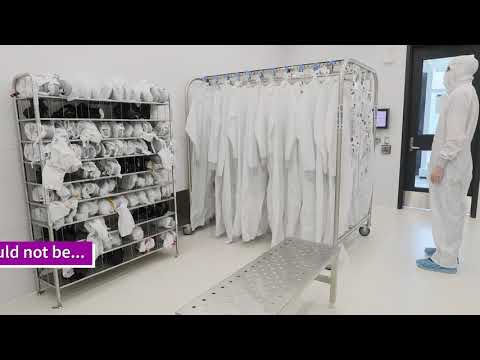
Educational video: MIT.nano Cleanroom Gowning Procedure
This neutral educational video from MIT.nano provides background for the controlled process. The written guide remains complete without it.
คำถามที่มักถูกถาม
How often should a sticky mat layer be changed?
Use observed loading and the approved facility rule. Traffic, contamination and wheel behavior make a universal time or crossing count unreliable.
Should a mat have the highest available tack?
No. Tack must collect particles without creating unsafe pull, residue, shoe-cover lift or wheel damage.
Can carts cross the same mat as people?
Only after a representative trial confirms size, load, wheel contact, layer durability and safe traffic flow.
Does a sticky mat replace cleanroom cleaning?
No. It is a transition control and must work with gowning, housekeeping and material-flow procedures.
แสดงความคิดเห็น