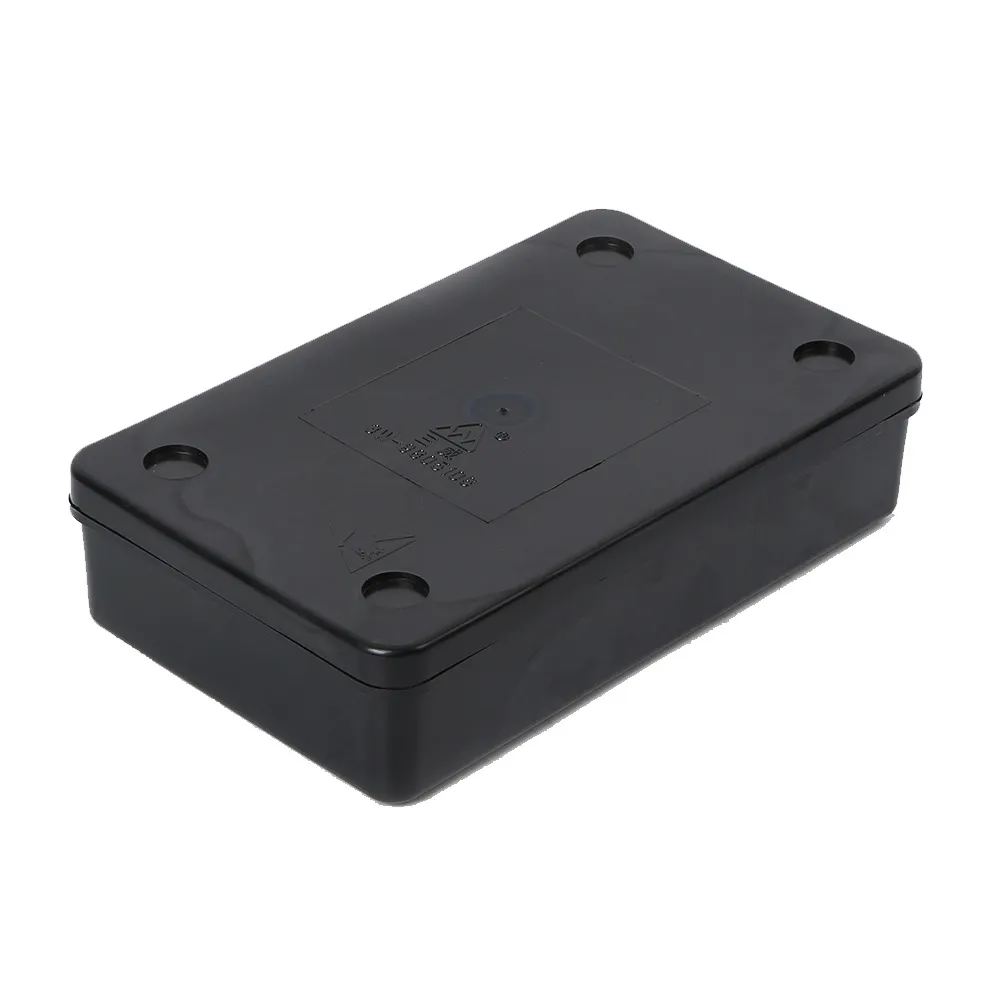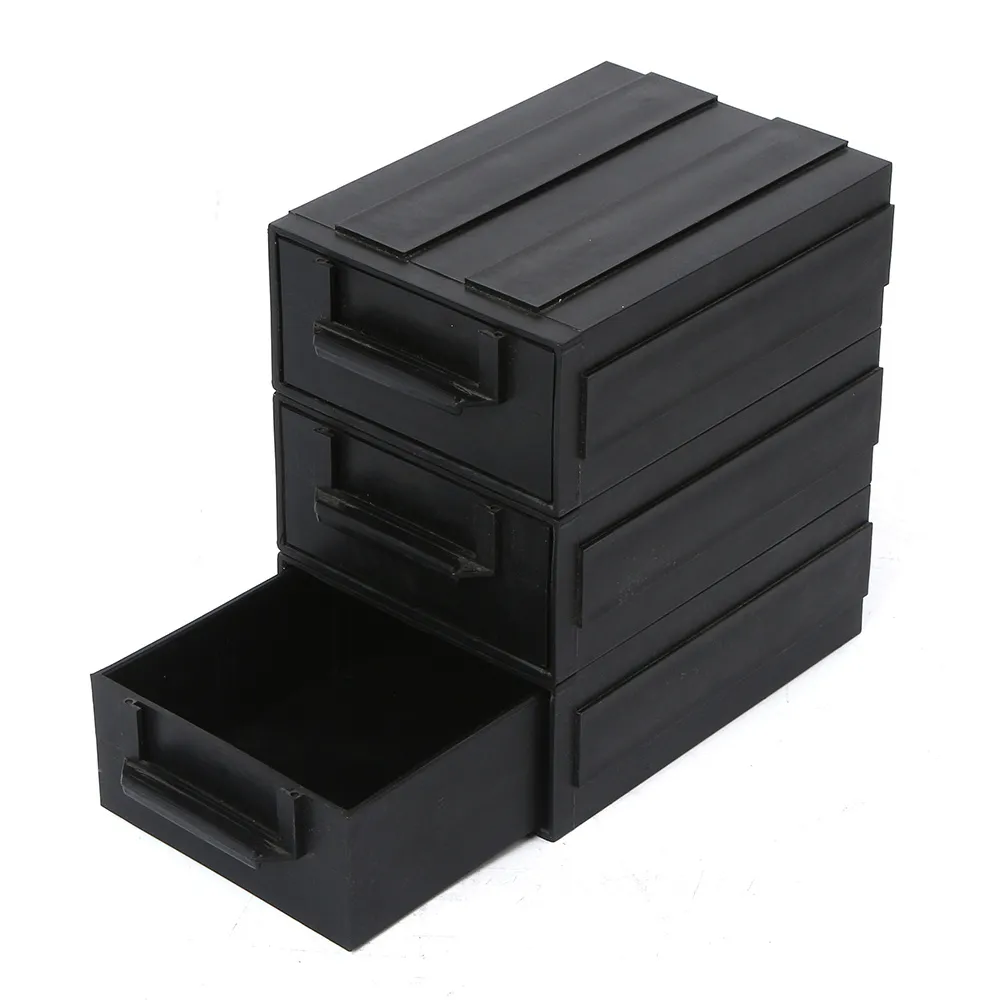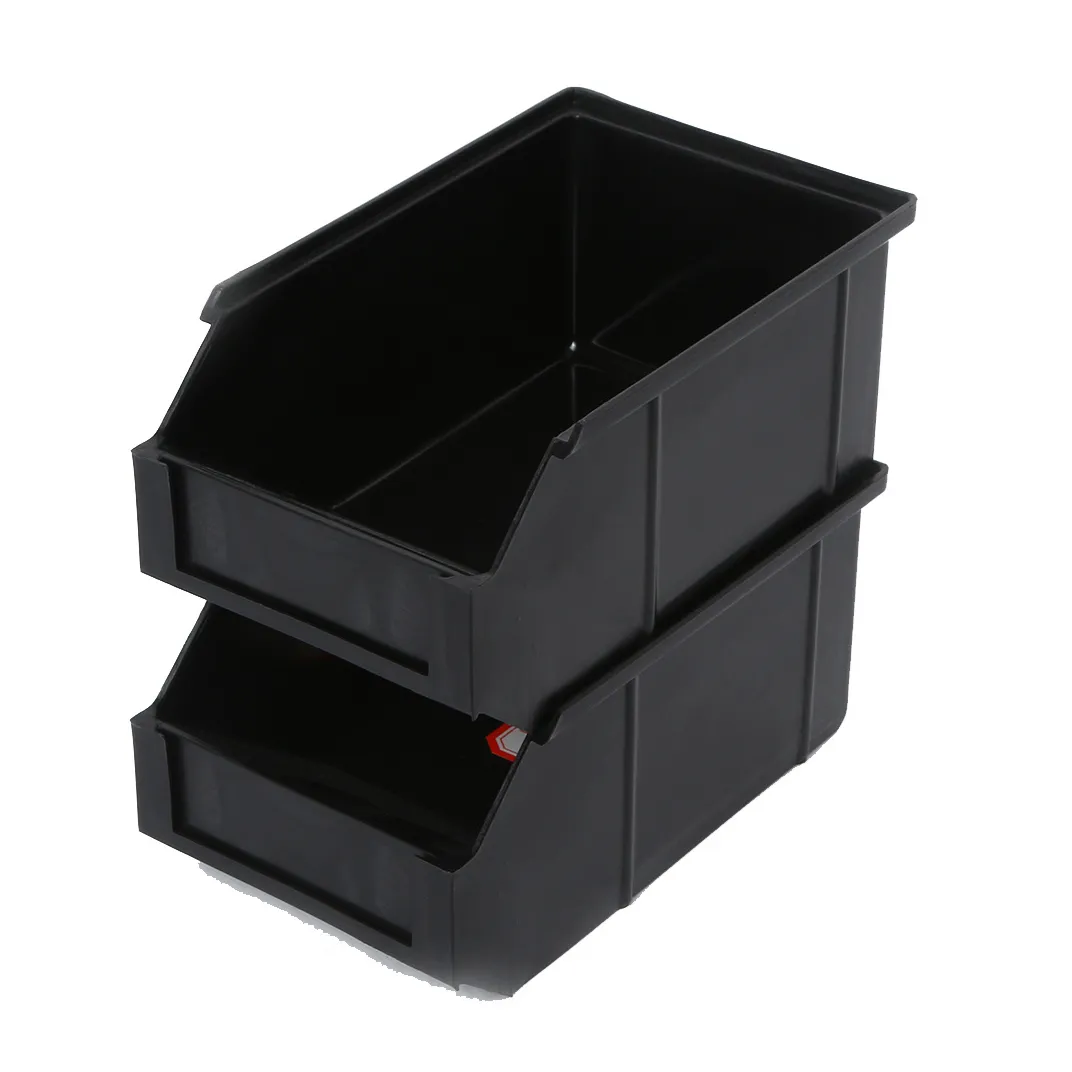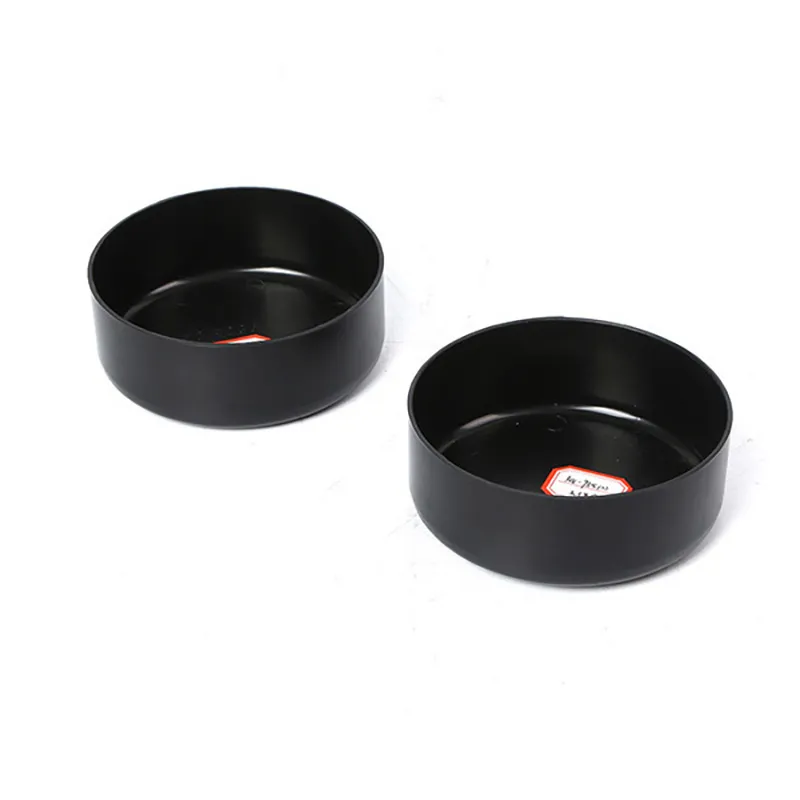
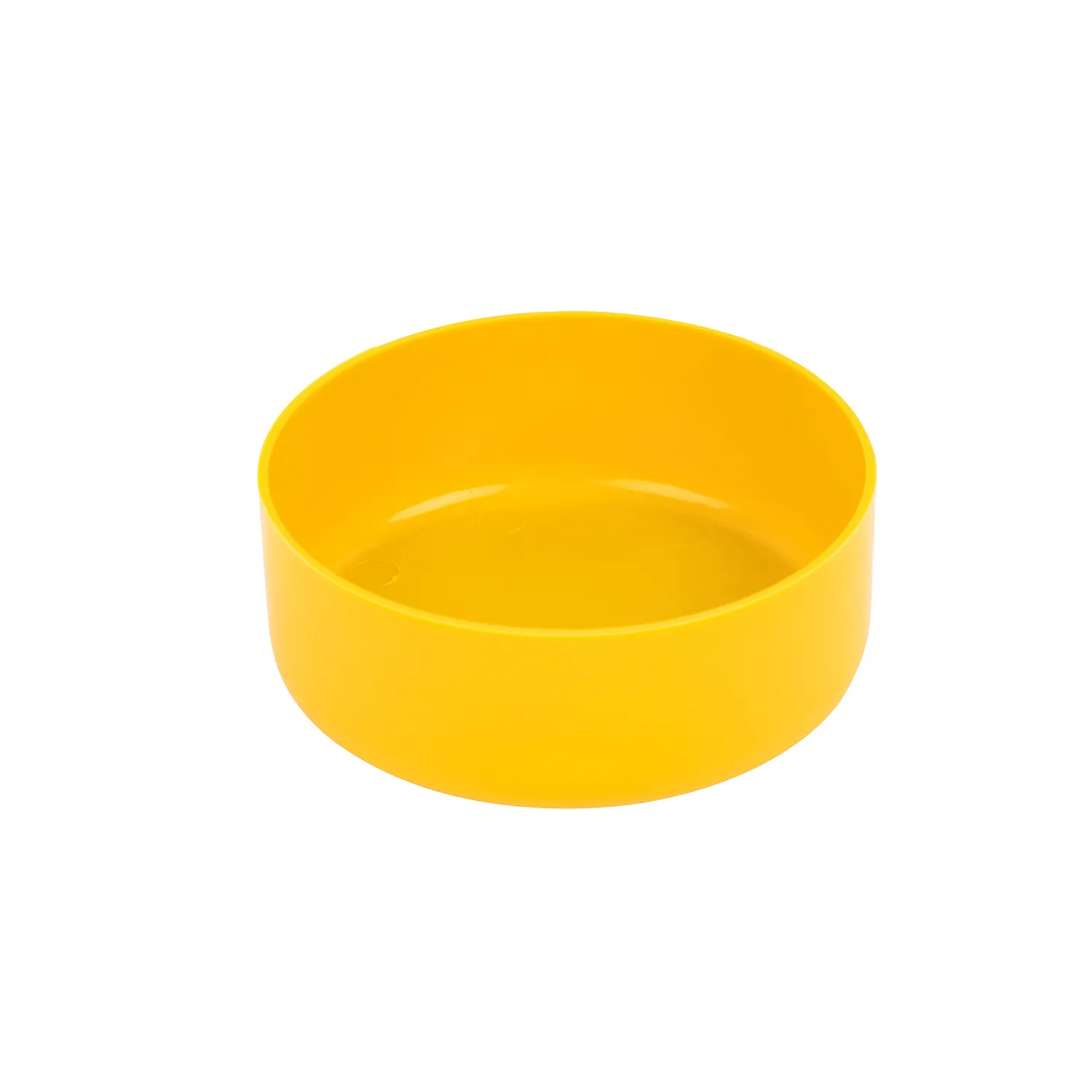


ESD Round Component Bin
ภาพรวม:
Anti-static component bin, also known as anti-static parts bin, is a container used to store electronic components and other items. It can prevent the generation and accumulation of static electricity, thereby protecting the stored items from damage by static electricity.
แนะนำสินค้า
ESD Round Component Bin, also known as an anti-static parts bin, is a specialized storage container designed for electronic components, precision parts, and industrial materials. As one type of ESD safe bins, it helps prevent the generation and accumulation of static electricity, effectively protecting sensitive components from electrostatic discharge (ESD) damage during storage, handling, and transportation.
Applications
ESD round component bins are widely used in electronics manufacturing, automotive, machinery, home appliances, light industry, and other industrial fields. They are suitable for various production processes, including component storage, material distribution, transportation, and circulation management.
These bins can be used together with logistics containers, shelves, workstations, and warehouse management systems, providing an efficient storage solution for factories, assembly lines, and electronic component handling areas.
Product Features
1. Excellent Anti-Static Performance
เดอะ ESD round component bin is designed with anti-static materials that effectively dissipate surface charges, preventing static electricity accumulation and reducing the risk of high-voltage differences that may damage sensitive electronic components.
2. Durable Material Properties
Made from high-quality engineering plastics, the bins feature excellent performance including:
-
Non-toxic and odorless characteristics
-
Moisture resistance and corrosion resistance
-
Lightweight design with high durability
-
High mechanical strength and impact resistance
-
Superior wear resistance for long-term industrial use
Certain material options can provide enhanced hardness, toughness, and flame-retardant properties to meet different application requirements.
3. Flexible and Space-Saving Design
ESD round component bins are available in various specifications, sizes, and colors to meet different storage needs. Customized options such as covers, identification labels, digital markings, and special structures are available.
The stackable design allows multiple bins to be securely combined, maximizing storage space and improving warehouse organization efficiency.
Classification
1. Classification by Application
According to different usage scenarios, ESD component bins can be classified into:
-
Anti-static component bins
-
Conductive component bins
-
Flame-retardant component bins
-
Spare parts component bins
-
IC component bins
-
General-purpose component bins
-
Red defective component bins
2. Classification by Structural Design
Based on structural characteristics, component bins include:
-
Stackable component bins
-
Hanging component bins
-
Flip-top component bins
-
Component bins with covers
-
Slanted-mouth component boxes
-
Flat-mouth component boxes
-
Drawer-type component boxes
-
Digital drawer component boxes
Different structures provide flexible solutions for production lines, warehouses, and electronic assembly environments.
3. Classification by Electrical Properties
According to surface resistance characteristics, ESD storage bins can be divided into:
-
Anti-static type: Surface resistance from 10⁶ to 10⁹ Ω
-
Conductive type: Surface resistance below 10⁶ Ω
-
Insulating type: Surface resistance above 10¹² Ω
With reliable static control performance and versatile designs, these ESD safe storage bins provide an ideal solution for protecting electronic components throughout manufacturing, storage, and logistics processes.
ข้อกำหนดทางเทคนิค
| ชื่อสินค้า | ถังขยะป้องกันไฟฟ้าสถิต | ||
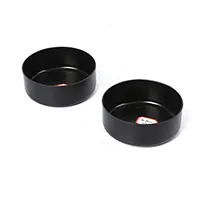
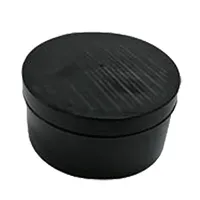
| รุ่นผลิตภัณฑ์ | 3W-9805102 | 3W-9805102-2 | |
 |
 |
||
| พารามิเตอร์ข้อกำหนดเฉพาะ | ●ขนาดภายนอก: | φ 120*45mm | Ø81*40mm |
| ●Inner rulerinch: | φ 116*42.5mm | Ø77*37mm | |
| ●Wall: | 2 มม. | 2 มม. | |
| ●Bottom wall: | 2 มม. | 2 มม. | |
| ●น้ำหนัก: | 0.1kg | 0.1kg | |
| รายละเอียดสินค้า | ◆Can be hung (material hanging board) | ||
| ◆Can be stacked, can be connected left and right | |||
| ◆ดัชนีคงที่: 10e4-10e8Ω | |||
| การปรับแต่งความทนทานต่ออุณหภูมิ | 口120°C 口150°C | ||
| การปรับแต่งสี | 口 口 口  口 口  คุณแม่ คุณแม่ |
||
| อุปกรณ์เสริมเพิ่มเติม | 口Anti-static label | ||
*Temperature resistance refers to the set temperature at which the product can enter the oven
กำลังการผลิต ESD ระดับโลก
เมื่อคุณจัดหาจากซานเหว่ย (Sanwei) คุณกำลังร่วมมือโดยตรงกับผู้ผลิต OEM/ODM ชั้นนำในอุตสาหกรรม เราดำเนินงานด้วยความทันสมัย โรงงานผลิตแบบครบวงจรขนาดกว่า 70,000 ตารางเมตร ในนิคมอุตสาหกรรมกลางเย่ว์ชิง มณฑลเจ้อเจียง จัดการทุกกระบวนการตั้งแต่การคิดค้นสูตรวัสดุที่เป็นกรรมสิทธิ์ ไปจนถึงการขึ้นรูปผลิตภัณฑ์ที่มีความแม่นยำสูงขั้นสุดท้าย.
ตาชั่งแบบบูรณาการ
ฐานการผลิตขั้นสูงขนาดกว่า 70,000 ตารางเมตร พร้อมด้วยเครื่องฉีดพลาสติกความแม่นยำสูงสำหรับงานหนัก เพื่อรองรับคำสั่งซื้อขายส่งจำนวนมากด้วยระยะเวลาจัดส่งที่เสถียร.
การควบคุมแบบเต็มวงจร
การควบคุมภายในองค์กรแบบครบวงจร ครอบคลุมตั้งแต่การวิจัยและพัฒนาวัสดุป้องกันไฟฟ้าสถิตที่เป็นกรรมสิทธิ์, การวิศวกรรมแม่พิมพ์โครงสร้าง, การผลิตอัตโนมัติ, ไปจนถึงการจัดส่งโลจิสติกส์ระดับโลกที่รวดเร็ว.
การตรวจสอบอย่างเข้มงวด
การตรวจสอบวัตถุดิบอย่างเคร่งครัด ร่วมกับการวัดค่าความต้านทานผิวแบบหลายจุด บนสายการผลิต ช่วยให้มั่นใจว่า 100% เป็นไปตามแนวทางมาตรฐาน ESD ระดับสากล.
ป้องกันไฟฟ้าสถิต ผลิตภัณฑ์และโซลูชัน
ให้บริการการป้องกันไฟฟ้าสถิตอย่างครอบคลุมตลอดวงจรการผลิตและการดำเนินงานทั้งหมดของคุณ.
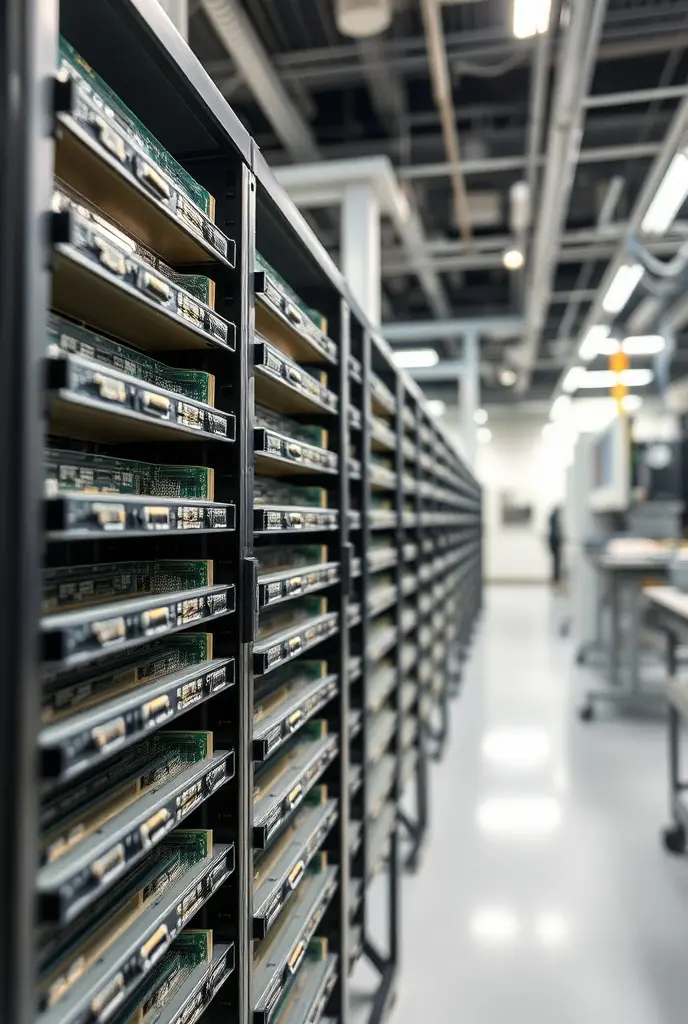
อุปกรณ์ SMT
กล่องและชั้นวางป้องกันไฟฟ้าสถิตสำหรับไลน์อัตโนมัติ.

การจัดเก็บและโลจิสติกส์
รถเข็นอเนกประสงค์ ชั้นวาง กล่อง ถาด และภาชนะบรรจุชิ้นส่วน.
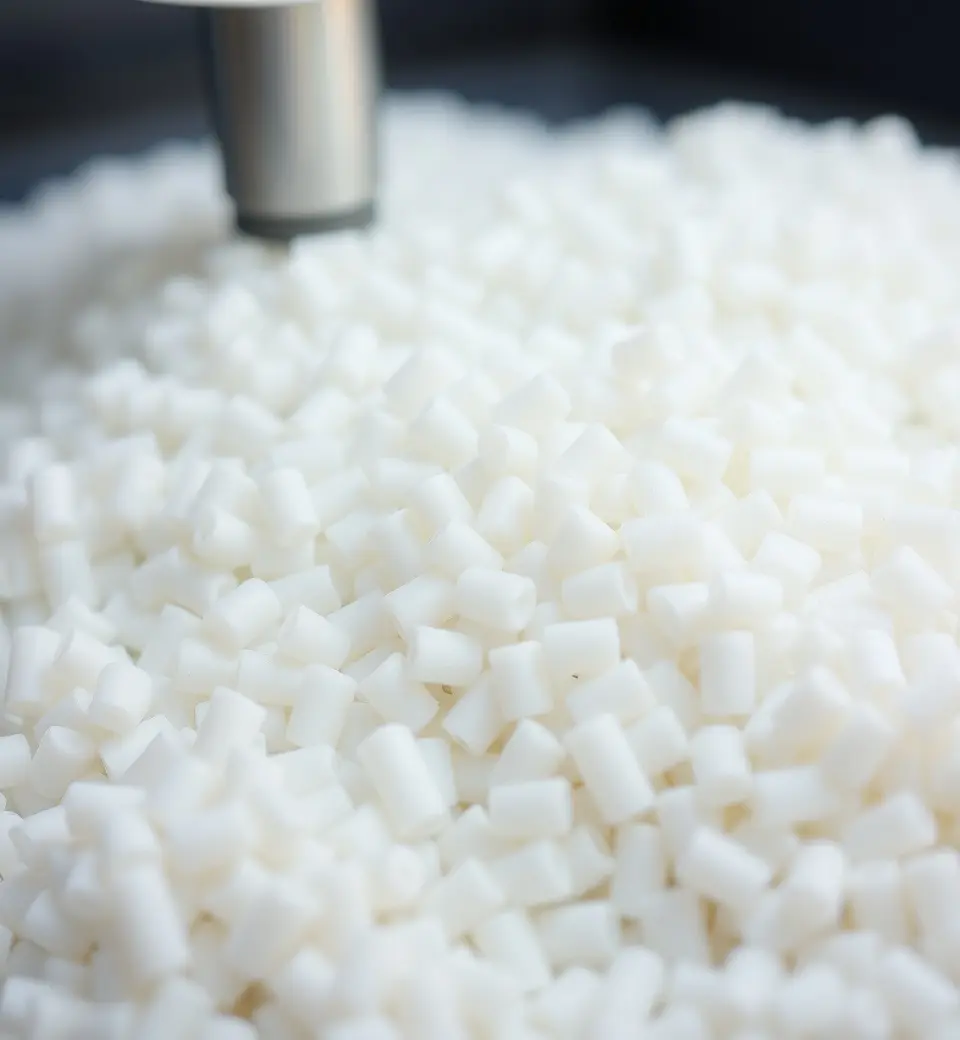
พื้นที่ทำงานและอุปกรณ์คุ้มครองความปลอดภัยส่วนบุคคล
เก้าอี้ป้องกันไฟฟ้าสถิต แผ่นรอง สายรัดข้อมือ และอุปกรณ์ป้องกันส่วนบุคคล.
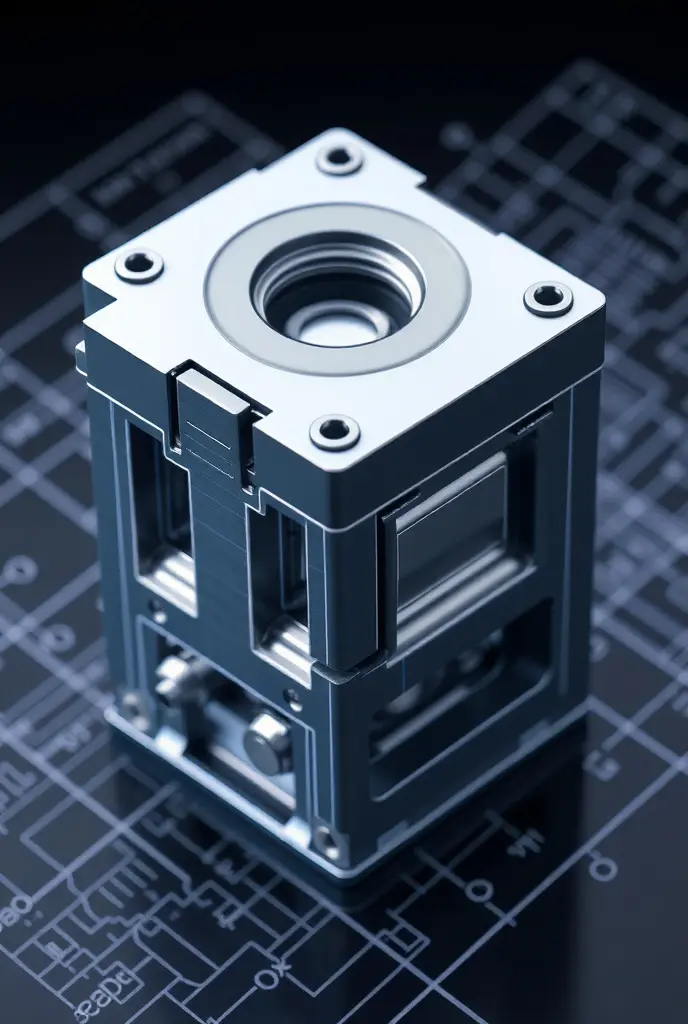
การพัฒนาแบบกำหนดเอง
การพัฒนาแม่พิมพ์แบบกำหนดเองและวัสดุป้องกันไฟฟ้าสถิตพิเศษ.
จุดเด่นด้านบริการ OEM/ODM ของเรา

การวิจัยและพัฒนาขั้นสูงและนวัตกรรมวัสดุ
วัสดุป้องกันไฟฟ้าสถิตที่พัฒนาขึ้นเองภายในบริษัท พร้อมสิทธิบัตรการประดิษฐ์ระดับชาติ และทนความร้อนได้สูงถึง 200°C เราไม่ใช่แค่ขึ้นรูป แต่เราคิดค้นและพัฒนาสูตรคอมปาวด์เอง.

กำลังการผลิตเต็มรูปแบบ
โรงงานขนาด 30,000 ตารางเมตร พร้อมระบบการขึ้นรูปด้วยการฉีด การทำเม็ดพลาสติก และระบบประมวลผลสนับสนุนที่ครบครัน เพื่อการจัดหาที่มั่นคงและมีประสิทธิภาพ.

การปรับแต่งแบบครบวงจร
ความต้านทานของวัสดุ, สี, ขนาด, โลโก้, บรรจุภัณฑ์ และใบรับรอง — สามารถปรับแต่งได้เพื่อให้เป็นไปตามมาตรฐาน IEC61340-5-1, ANSI/ESD S20.20 หรือมาตรฐานทางทหาร.

คุณภาพที่ได้รับการรับรองและการปฏิบัติตามกฎระเบียบระดับสากล
“ซานเหว่ยประสบความสำเร็จในการพัฒนาถาดสีธรรมชาติสะอาดทนอุณหภูมิสูงแบบกำหนดเองสำหรับสายการผลิตเซมิคอนดักเตอร์ของเรา โดยทดแทนผลิตภัณฑ์นำเข้า รับประกันความปลอดภัยด้าน ESD ที่ยอดเยี่ยม และตอบสนองความต้องการด้านความสะอาดสูงของโรงงาน”
ได้รับความไว้วางใจจากผู้นำอุตสาหกรรมระดับโลก FORTUNE 500
โซลูชัน ESD ที่เป็นกรรมสิทธิ์ของเราได้รับการติดตั้งในโรงงานผลิตระดับแนวหน้าทั่วโลก รวมถึง: อินเทล, โมโตโรล่า, ซีเมนส์, ไอบีเอM, พานาโซนิค, โนเกีย และเดลล์.
กำลังมองหาขนาดพิเศษหรือราคาขายส่งจำนวนมากใช่ไหม
ด้วยการสนับสนุนจากทีมวิจัยและพัฒนาภายในองค์กรที่มีความเชี่ยวชาญของเรา ซานเหว่ย (Sanwei) จึงมีบริการ OEM/ODM ครบวงจรที่ปรับแต่งให้เข้ากับสายการผลิต SMT หรือเลย์เอาต์คลังสินค้าเฉพาะของคุณโดยเฉพาะ ติดต่อผู้เชี่ยวชาญของเราวันนี้เพื่อรับบริการแม่พิมพ์สั่งทำ การกำหนดรหัสสี หรือคำปรึกษาด้านการจัดเก็บระบบ 5ส แบบครบวงจร.
คำถามที่พบบ่อย (FAQ)
1. What are ESD safe bins and why are they important?
ESD safe bins are specialized storage containers designed to protect sensitive electronic components from electrostatic discharge (ESD) damage. They are made from anti-static or conductive materials that help dissipate static charges and prevent voltage buildup on the surface of stored items.
These bins are widely used in electronics manufacturing, semiconductor production, automotive electronics, and industrial assembly environments where static control is critical.
2. What are ESD safe storage bins used for?
ESD safe storage bins are mainly used for storing, organizing, and transporting static-sensitive components such as IC chips, PCBs, semiconductors, connectors, and precision electronic parts.
They are commonly applied in:
-
Electronics assembly lines
-
SMT production workshops
-
Semiconductor factories
-
Electronic component warehouses
-
Repair and maintenance facilities
By providing reliable static protection and organized storage, ESD bins help reduce component failure caused by electrostatic discharge.
3. How do ESD component bins protect electronic components?
ESD component bins protect sensitive parts by controlling static electricity on the container surface. The anti-static material allows accumulated charges to safely dissipate, preventing sudden electrostatic discharge between the bin and electronic components.
Compared with ordinary plastic storage boxes, ESD safe bins provide better protection against:
-
Static charge accumulation
-
High-voltage discharge
-
Component damage during handling and transportation
4. What is the difference between anti-static, conductive, and insulating component bins?
The main difference is their electrical resistance range:
-
Anti-static bins: Surface resistance typically ranges from 10⁶ to 10⁹ Ω, preventing static generation and allowing controlled discharge.
-
Conductive bins: Surface resistance is below 10⁶ Ω, providing faster static dissipation.
-
Insulating bins: Surface resistance is above 10¹² Ω and generally do not provide static protection.
The right choice depends on the level of ESD protection required for your electronic components and manufacturing environment.
5. Can ESD safe bins be customized for different industrial applications?
Yes. ESD safe bins can be customized according to different storage and production requirements.
Customization options include:
-
Different sizes and specifications
-
Various colors for component classification
-
Covers and protective accessories
-
Digital labels and identification markings
-
Stackable or hanging designs
Customized ESD storage solutions help manufacturers improve warehouse organization and production efficiency.
6. How should I choose the right ESD bin for electronic component storage?
When selecting an ESD bin, consider factors such as component type, storage environment, required protection level, and handling method.
Important selection criteria include:
-
Surface resistance requirements
-
Bin size and capacity
-
Stackability and storage layout
-
Compatibility with shelves and workstations
-
Material durability and chemical resistance