- Turbo
- Blog
An understencil cleaning roll change is complete when the printer has advanced the new web as expected, the cleaning cycle has been observed and the designated first-print check has passed. Installing a roll that appears to fit is only one part of that release. A team that records these decisions separately can identify whether a restart issue arose during setup, cleaning or printing, and can avoid releasing boards while the result is still uncertain.
This guide describes a line-side release sequence for an already approved roll and printer combination. For a new supplier, material or format, use the site’s engineering approval process before introducing it into production. Every machine-specific action, including isolation, access, loading and cycle operation, belongs in the printer manual and approved site procedure.
Capture the last known good condition
Before taking the line out of its normal state, record the printer, program revision, stencil identity and last accepted inspection record. Note why the roll is being changed. A normal end-of-roll change presents a different investigation from replacing a torn web or responding to an alarm. If the printer was already producing uncertain results, keep that condition visible in the handoff. The new roll does not erase the earlier evidence.
Prepare the replacement and any required tools before opening the machine. Confirm the item against the controlled consumable list and keep the lot or package label accessible. If the job shares a printer with another product, verify the intended recipe rather than relying on what the screen showed during the previous shift. Record any concurrent change, such as stencil replacement or cleaning-fluid replenishment. Separate observations become more valuable when several events occurred together.
Confirm the replacement outside the machine
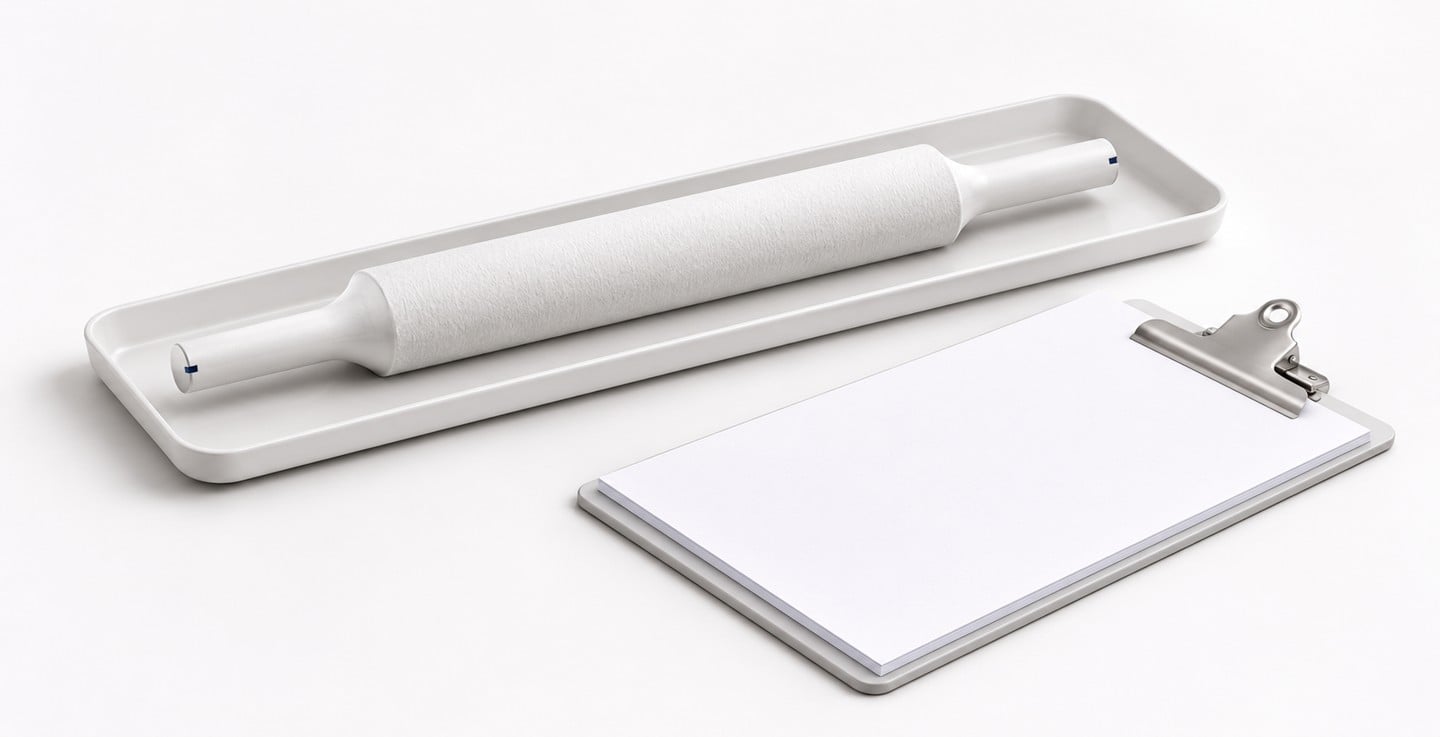
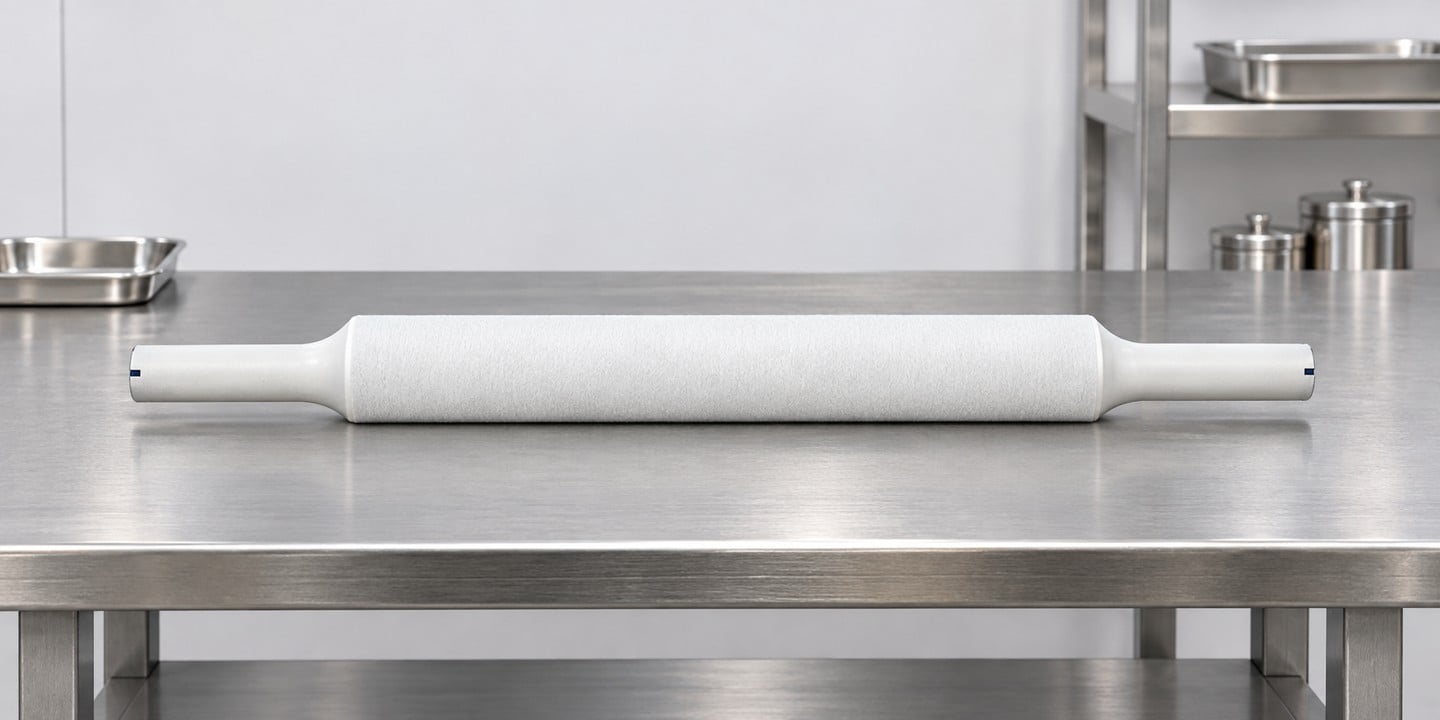
Match the supplier item, packaging identifier and physical format against the approved setup. The SWESD stencil wiper product page provides a starting point when identifying a candidate consumable. ASMPT’s process support consumables page shows why cleaning materials belong in a printer-specific process discussion. Ask for machine and cleaning-module applicability in writing when ordering. A photograph or a generic machine brand name is insufficient evidence of fit.
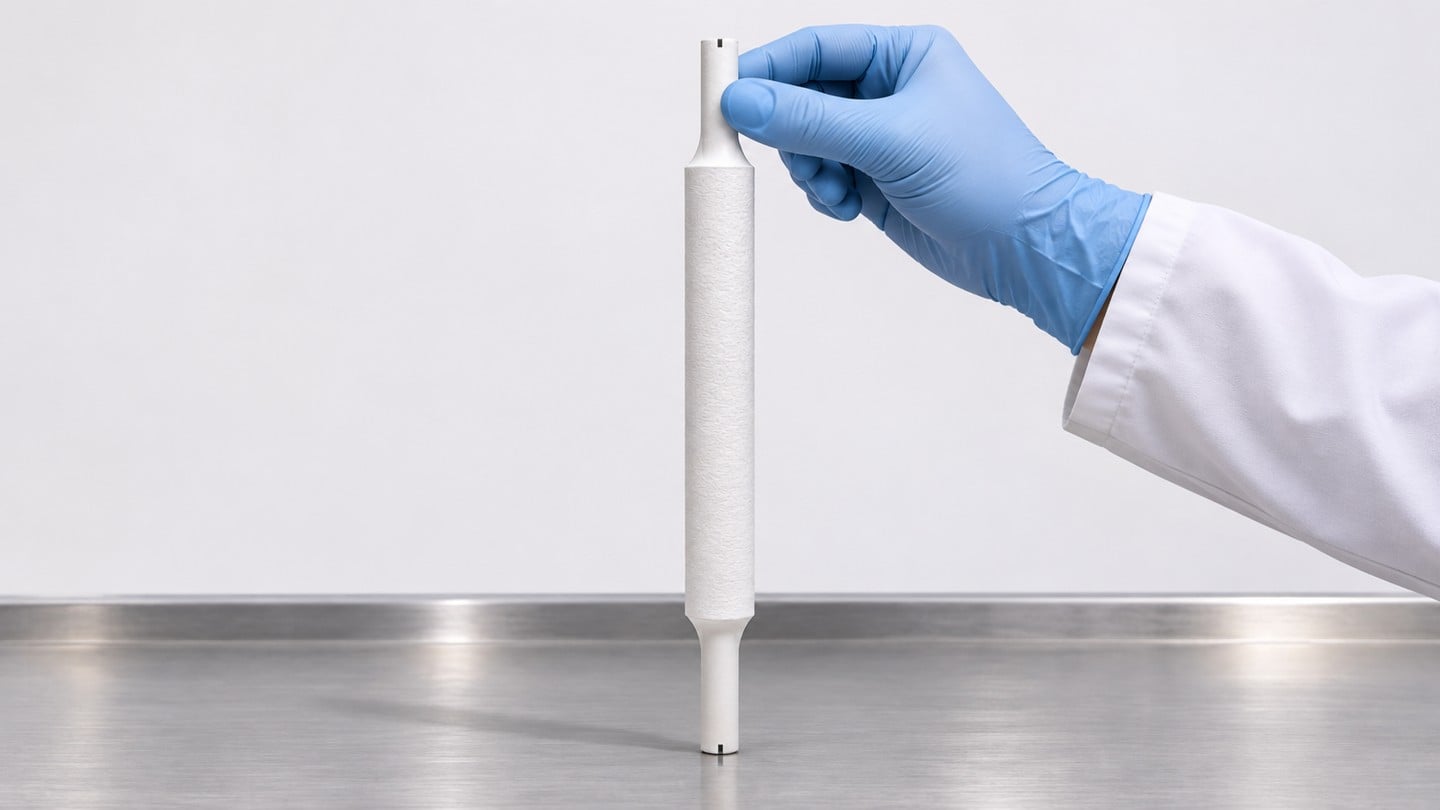
Do the inspection at a designated staging location, keeping the working web protected. Reject or hold a replacement that has an unapproved label, obvious damage or an unclear lot. If an end appears bent, pinched or contaminated, follow the site hold process instead of attempting to restore it with force. For separate identification checks, see the SWESD guides on roll winding direction i core damage inspection. The check here is whether this particular replacement can proceed to the controlled restart.
Observe web travel and cleaning separately
Load the consumable with the approved machine procedure and retain the previous roll or label if needed for traceability. Confirm that required guarding and controls are restored before running an approved observation cycle. Use the normal operator viewing position and never reach into the machine to correct a moving web. If the printer reports an error or a guard or sensor is uncertain, stop and route it through the site’s escalation procedure.
Where the machine and procedure allow it, observe the initial advance and the collection of spent web. The question is whether the web moves as the approved setup expects, without visible deviation, bunching or interruption. Record the message or location of a fault instead of repeatedly restarting the machine. A symptom that appears at the supply side may originate elsewhere in the route. Give maintenance the actual observation, the current setup and the item identification so they can inspect the permitted points safely.
Then confirm the intended cleaning sequence ran. Different configurations use different combinations of cleaning actions. ASMPT’s process support overview is a useful reference for the wider equipment and consumable context. Use the printer’s approved method to check cycle completion and examine the result, if your role permits it. A clean-looking web and a completed cycle message are different evidence. Neither substitutes for the line’s print inspection.
| Etap | Check before proceeding | Hold example |
|---|---|---|
| Staging | Approved roll and readable item and lot identification | Unknown replacement |
| Initial advance | Web follows approved route and take-up operates | Web bunching or machine alarm |
| Czyszczenie | Intended sequence completes under approved program | Interrupted cycle |
| First print | Designated board passes local inspection | Uncertain print result |
| Wydanie | Named owner records board and decision | No traceable approval |
Link the first print to the change
Hold the release board according to the site’s normal first-article workflow. The inspection record should identify the first print after the change rather than an arbitrary board from later in the shift. Check the approved print features and inspection outputs for that job. If the line uses solder paste inspection, apply the approved recipe and acceptance criteria. An unfamiliar pattern is a reason to review the data, not to assign a cause from a single board.
Compare with the last known good condition where it exists. If a result changes sharply after the roll change, identify which other variables changed at the same time before drawing conclusions. A staged return to a known approved condition may be part of an engineering investigation, but a production operator should follow the approved response. Keep suspect boards identified and segregated according to local procedure so that a later good print does not silently release an earlier questionable one.
cURL Too many subrequests by single Worker invocation. To configure this limit, refer to https://developers.cloudflare.com/workers/wrangler/configuration/#limits.
cURL Too many subrequests by single Worker invocation. To configure this limit, refer to https://developers.cloudflare.com/workers/wrangler/configuration/#limits
cURL Too many subrequests by single Worker invocation. To configure this limit, refer to https://developers.cloudflare.com/workers/wrangler/configuration/#limits.
cURL Too many subrequests by single Worker invocation. To configure this limit, refer to https://developers.cloudflare.com/workers/wrangler/configuration/#limits cURL Too many subrequests by single Worker invocation. To configure this limit, refer to https://developers.cloudflare.com/workers/wrangler/configuration/#limits cURL Too many subrequests by single Worker invocation. To configure this limit, refer to https://developers.cloudflare.com/workers/wrangler/configuration/#limits.
cURL Too many subrequests by single Worker invocation. To configure this limit, refer to https://developers.cloudflare.com/workers/wrangler/configuration/#limits.
cURL Too many subrequests by single Worker invocation. To configure this limit, refer to https://developers.cloudflare.com/workers/wrangler/configuration/#limits.
cURL Too many subrequests by single Worker invocation. To configure this limit, refer to https://developers.cloudflare.com/workers/wrangler/configuration/#limits
A restart can bring operators, open consumables and held boards together at the same station. Follow the site’s handling requirements throughout the change and first-print review. The ESD Association video below is general electronics handling background. The printer manual and the site’s controlled procedure specify the actual roll change and restart.
Często zadawane pytania
Czy rolka, która fizycznie pasuje, może zostać od razu użyta w produkcji?
Use an approved roll and verify the restart under the controlled procedure. Mechanical fit alone does not show correct travel, cleaning or print results.
Which board should be attached to the change record?
Reference the board designated by the local first-print workflow and identify it as the first inspected print following this specific change.
Does a normal first advance prove the stencil is clean?
The initial advance confirms one aspect of consumable handling. Check cleaning-cycle completion and the print result independently.
What should I record if the web bunches?
Record where the symptom appeared, the machine message, printer and module identity, item and lot. Follow the site escalation procedure before trying another run.
Can I change the recipe at the same time?
Follow the engineering change process. Record concurrent changes so the subsequent inspection can be interpreted and approved by the responsible person.
Napisz odpowiedź