- wp_kexun
- Blog
When a process engineer in Singapore loaded a generic cleanroom roll into an SMT printer, the roll fit the spindle and absorbed solvent. After several cycles, however, fibers appeared near apertures and the vacuum path lost consistency. The wipe was cleanroom marketed, but it had not been qualified as a machine-compatible stencil consumable.
Samenvatting: ESD wipes, cleanroom wipes, and SMT stencil wipes are not interchangeable. Buyers must compare lint, particle generation, absorbency, solvent compatibility, width, core, tensile strength, and electrostatic behavior. The safest route is a controlled sample on the actual printer, followed by inspection results and lot-level specifications.
What makes an ESD Wiper different
An ESD Wiper is selected for use around electrostatic-sensitive devices and controlled work areas. It should combine suitable particle performance with material and packaging choices that do not undermine the ESD control program. The exact requirement depends on whether it touches a bench, enclosure, tool, carrier, or board.
Cleanroom ESD wipes add contamination-control expectations, but the cleanroom grade alone does not define resistance or charge generation. Buyers should request both cleanliness data and the relevant ESD qualification.
Why SMT stencil wipes need machine-specific checks
SMT-stencilreinigingsdoekjes operate inside printer mechanisms. Width, roll diameter, core size, winding direction, tensile strength, vacuum compatibility, and solvent delivery can affect operation. A wipe that is excellent by hand can still telescope, tear, or feed poorly in a machine.
The qualification trial should run a representative cleaning sequence and inspect stencil underside, apertures, print quality, roll tracking, and waste. IPC process guidance can support cleanliness decisions, while the ESD plan controls use around ESDS items. Results should be retained for future supplier changes.
How lint, absorbency, and chemistry interact
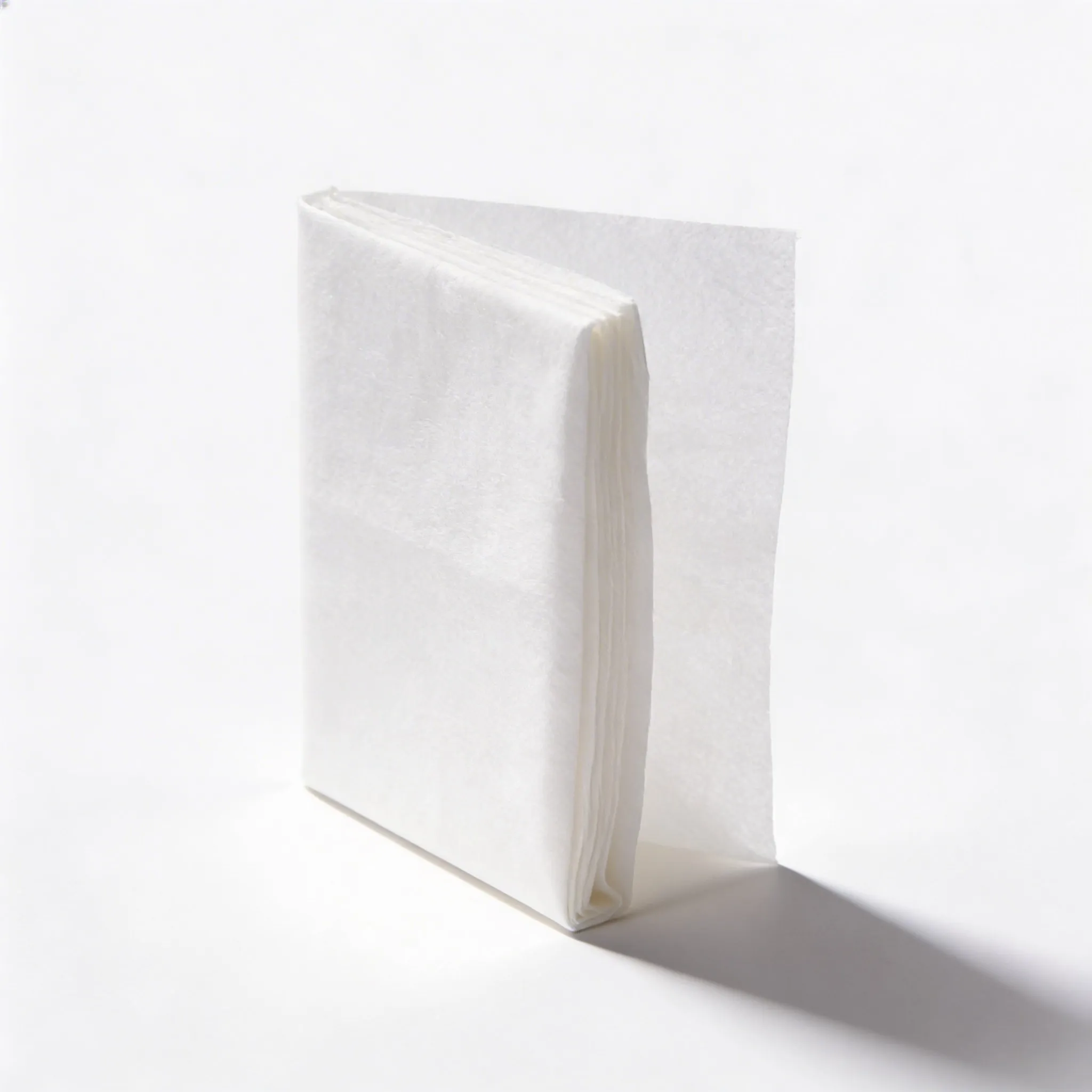
Low lint is essential, yet fiber structure also affects absorption and release. A highly absorbent wipe may retain solvent well but require more force; a smoother wipe may track well but leave more paste in apertures. The buyer should test the complete combination of wipe, solvent, vacuum, and cycle settings.
Chemistry compatibility should cover stencil, adhesive, labels, machine seals, and nearby polymer ESD-benodigdheden. Supplier declarations are a starting point; production evidence comes from controlled trials and residue inspection.
Where sticky rollers and floor controls fit
A Plakroller removes particles from accessible surfaces and garments; it does not replace under-stencil cleaning. Sticky mats and rubberized tape manage contamination or marking at the floor boundary, not paste on a stencil.
Separating these tools by use prevents cross-contamination. Each should have a storage location, change rule, and waste route so used cleaning materials never return to the clean side of the process.
ESD Wipes vs. Cleanroom Wipes vs. SMT Stencil Wipes
| Wipe type | Primary qualification | Typical SMT use |
|---|---|---|
| General ESD wipe | Charge behavior, lint, chemistry | Benches, tools, enclosures |
| Cleanroom ESD wipe | Particle/ionic data plus ESD suitability | Controlled areas and sensitive surfaces |
| SMT stencil wipe roll | Machine dimensions, strength, absorbency, lint | Automated underside cleaning |
| Ordinary industrial wipe | General cleaning data only | Keep outside ESDS and critical stencil use unless qualified |
How to Qualify Wipes on an SMT Printer
| Check | Sample acceptance evidence | Failure signal |
|---|---|---|
| Machine fit | Correct tracking through at least one representative roll segment | Tearing, telescoping, poor vacuum seal |
| Netheid | No unacceptable fibers or residue after cycle | Aperture debris, print defects |
| Chemistry | No swelling, transfer, or label damage | Residue, material attack |
| ESD suitability | Specified test result for the intended environment | Charge or resistance outside limit |
ESD and Cleanliness Standards for SMT Wipes
ANSI/ESD S20.20 and IEC 61340-5-1 govern the ESD control system; IPC process and cleanliness documents help frame stencil and assembly risks. A cleanroom classification does not automatically prove ESD suitability, and an ESD claim does not prove low lint or machine compatibility.

How to Choose the Right Wipe for Each Cleaning Task
- Match width, core, roll diameter, and winding to the printer.
- Test the wipe with the approved solvent and vacuum cycle.
- Separate hand wipes from machine stencil wipes.
- Specify lot traceability, packaging, and storage conditions.
- Define a single-use and waste route for contaminated wipes.
Sanwei levert ESD-materialen en -behandelingsproducten met ISO 9001-, ISO 14001:2015- en RoHS/SGS-documentatie, en ondersteuning voor programma's die zijn afgestemd op IEC 61340-5-1 en ANSI/ESD S20.20.
Veelgestelde vragen
Are ESD wipes the same as cleanroom wipes?
No. ESD wipes address electrostatic suitability, while cleanroom wipes focus on particle and contamination performance; some products are designed to meet both needs.
What are SMT stencil wipes made from?
Common constructions use polyester, cellulose blends, or engineered nonwovens; the correct choice depends on lint, strength, absorption, solvent, and printer compatibility.
Can any cleanroom wipe be used in an SMT printer?
No. The roll must match mechanical dimensions and withstand the printer cleaning cycle without tearing, tracking errors, or unacceptable residue.
How often should a stencil wipe roll be changed?
Change it at the machine-defined end point or earlier if tracking, saturation, contamination, or damage compromises cleaning.
Do stencil wipes need ESD testing?
If used within an ESD protected process, their suitability should be addressed in the site ESD control plan along with cleanliness and machine requirements.
Referenties
Het verschil zit niet alleen in een productlabel – het zit in de toetsbare beslissingen die elke overdracht binnen het beheersplan houden. Sanwei bouwt ESD-producten en materialshandling-oplossingen voor dat moment; neem contact op met het Sanwei-team om de aanvraag, het bewijsmateriaal en de aangepaste vereisten te beoordelen.
Plaats een reactie