- 터보
- 블로그
ESD trolley maintenance protects two different functions: safe material handling and the electrostatic-control role declared for the cart. Wheels, brakes, shelves, frames, fasteners, stops and handles must remain mechanically sound, while conductive or static-dissipative paths must be verified using the site-approved method. Dirt, oil, loose hardware, unauthorized paint, replacement casters and improvised repairs can alter both functions. A cart that still rolls is not necessarily fit for sensitive assemblies, and a resistance reading cannot prove that the loaded cart is mechanically safe. This checklist helps electronics factories establish daily inspections, planned cleaning, periodic verification, repair controls and retirement criteria for ESD trolleys.
Start from the approved trolley configuration
Keep a controlled record of model, asset number, drawing or supplier configuration, shelf count, caster type, brakes, grounding features, load rating and intended route. Photographs can help identify unauthorized changes, but they do not replace the approved technical record.
Define whether the trolley carries exposed assemblies, closed protective packaging, tools or general materials. This determines the required packaging boundary and verification. Do not assume the cart itself provides shielding or corrects uncontrolled packaging.
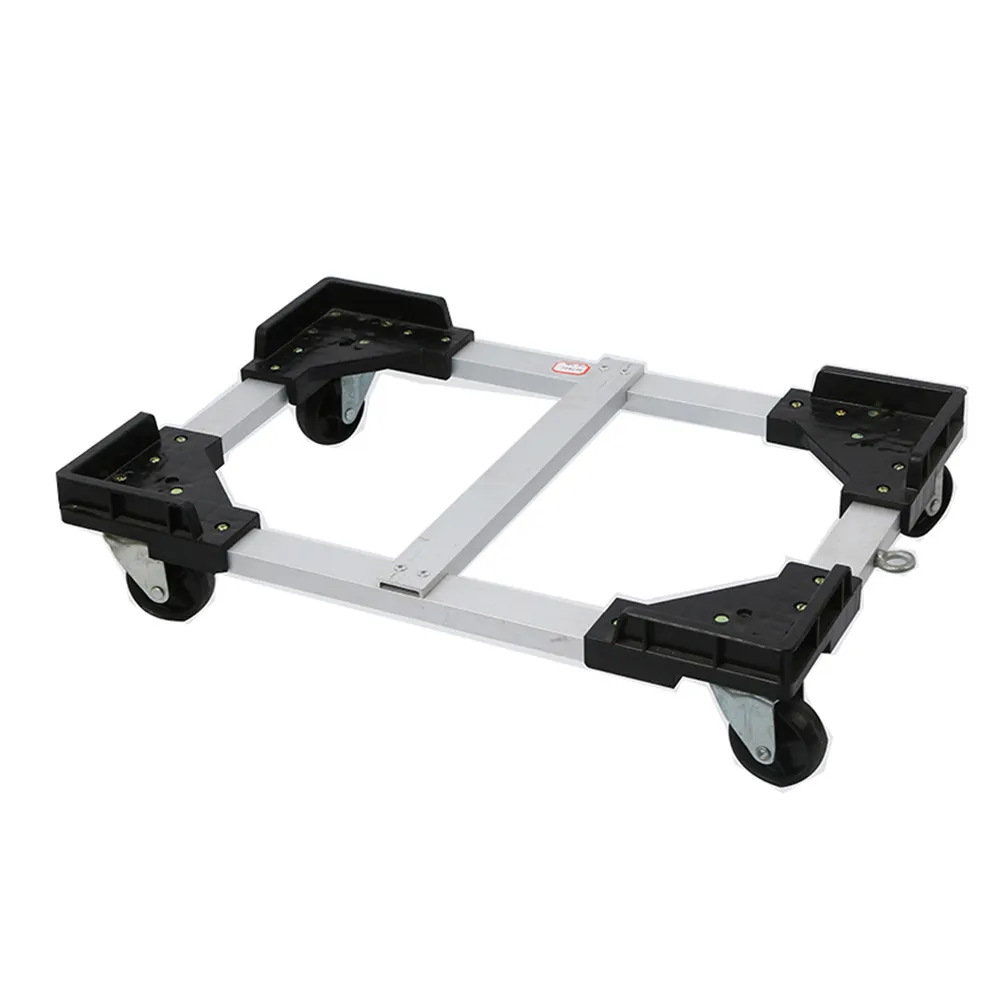
Perform a short inspection before every shift
Walk around the unloaded trolley. Look for bent frames, cracked welds, loose bolts, sharp edges, damaged shelves, missing stops, unstable handles, contaminated surfaces and illegible labels. Roll it slowly and listen for binding, flat spots, excessive noise or caster wobble. Apply each brake and confirm it holds on the approved test surface.
Remove a trolley from service if it tips, tracks unpredictably, has a failed brake, exposes a sharp edge or cannot retain the expected load. Use a visible quarantine method so another operator does not return it to the line before repair and release.
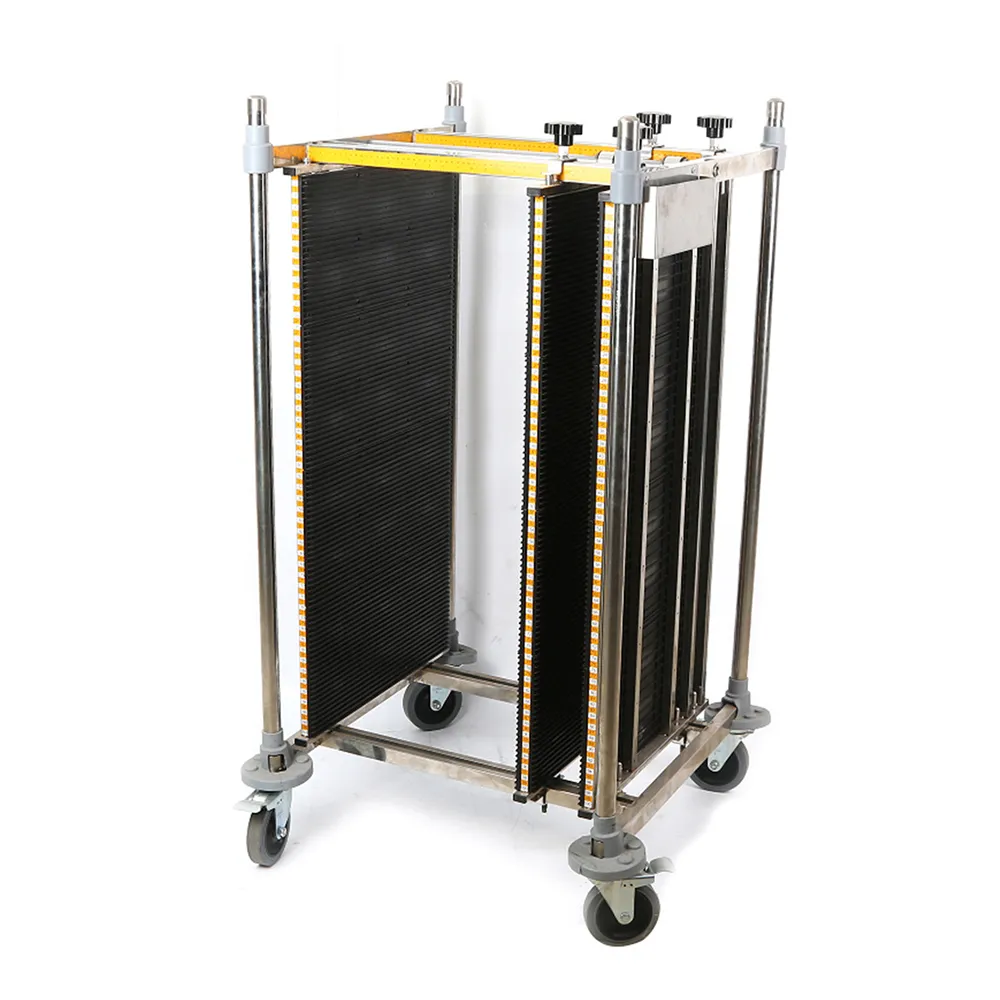
Clean without changing the electrical or mechanical system
Use only an approved cleaner and controlled wiping method. Residue-forming products can coat shelves or wheels, while aggressive chemicals can attack polymers, coatings, labels and adhesives. Prevent liquid from entering bearings or electrical monitoring hardware where fitted.
Clean wheels and caster pivots because fibers, tape and debris can impair steering and braking. Do not scrape surfaces with tools that expose metal, damage coatings or create loose particles. Record unusual contamination because repeated oil or solder-paste exposure may indicate a process problem.
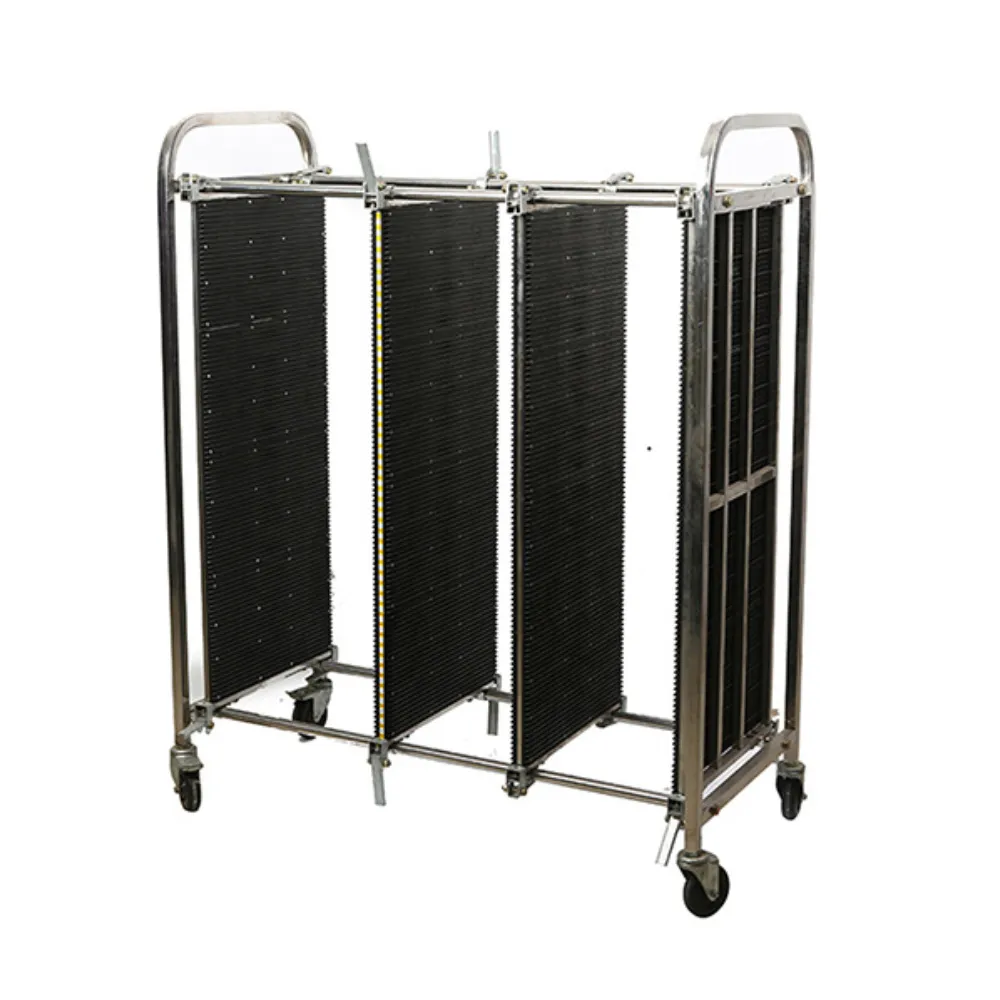
Verify declared ESD paths with a documented method
The ESD coordinator should identify what is measured: shelf surface, point-to-point path, frame, wheel-to-floor path or another declared feature. Use calibrated equipment, defined electrode placement, environmental conditions and acceptance limits from the site program or product specification.
Do not infer whole-cart behavior from one convenient spot. Replacement casters, shelf liners, coatings, fasteners and dirt can interrupt an intended path. When a cart is used with containers or racks, verify relevant interfaces in the actual loaded configuration if the control plan requires it.
Control repairs, parts and return to service
Require approved replacement casters, brakes, shelves, fasteners and grounding components. A wheel that matches diameter may still differ in load, tread, bearing, braking and electrical behavior. Record the old and new part, reason for change, repair date and responsible person.
After repair, repeat the relevant mechanical and ESD checks before release. Review caster alignment, fastener torque where specified, brake operation, stability, route clearance, labels and measurement results. Retire the cart when structural damage, recurring instability or unavailable controlled parts make reliable restoration impractical.
실용 제어표
| Frequency | Inspection item | Action on failure |
|---|---|---|
| Each use | Visible damage, cleanliness and labels | Quarantine if function is uncertain |
| Each shift | Wheels, tracking, brakes and shelf security | Remove from service for safety failure |
| Planned cleaning | Shelves, frame, wheels and handles | Use approved cleaner only |
| Periodic | Declared electrical path and records | Verify with approved method |
| After repair | Changed parts and affected functions | Retest before release |
| Annual review | Route, load, configuration and procedure | Update plan when use has changed |
통제된 절차 및 승인 샘플 구축
공급업체 지침과 계획 프레임워크를 바탕으로 한 현장 절차서는 다음과 같습니다. 1. 담당자 (Owner): - 공정 담당 작업자 및 현장 감독관 2. 승인된 자재 (Approved Materials): - 승인된 샘플 또는 사진 세트에 명시된 자재 및 장비 3. 작업 순서 (Sequence): - 실제 경로와 장비를 활용한 사전 교육 실시 - 정상적인 작업 사이클 수회 참관 및 검증 - 표준 작업 절차 수행 4. 합격 기준 (Pass Criteria): - 승인된 샘플 또는 사진 세트의 예상 구성과 일치할 것 5. 중단 조건 (Stop Conditions): - 승인된 구성과 불일치 발생 시, 안전 위험 감지 시, 장비 오작동 시 즉시 작업 중단 6. 기록 (Records): - 작업 및 검사 결과 기록서 보관 7. 조치 사항 (Correction & Quarantine): - 작업자가 즉시 수정할 수 있는 사항과 격리(Quarantine) 후 검토가 필요한 사항을 명확히 구분하여 규정 준수.
안전, 청결, 기계적 기능, 그리고 ESD 검증은 각각 분리하여 수행하십시오. 단 한 번의 육안 검사로 모든 위험을 커버할 수 없으며, 하나의 전기적 측정값만으로는 청결도나 기계적 무결성을 증명할 수 없습니다. 측정이 필요한 경우, 사용 장비, 측정 방법, 측정 위치, 주변 환경 및 허용 기준을 명시하십시오. 시설 시스템에 따라 장비 교정과 작업자 교육이 최신 상태로 유지되도록 관리하십시오.
수입 검사 및 변경 관리
입고 시 품목, 수량, 리비전, 공급업체 로트 및 포장 라벨을 구매 주문서와 대조하십시오. 손상, 오염, 식별 정보 누락, 그리고 색상, 질감, 형상, 냄새, 하드웨어 또는 포장에서의 예상치 못한 차이가 있는지 검사하십시오. 합의된 계획에 따라 치수와 기능적 특성을 샘플링하십시오. 생산 압박으로 인해 예외 사항이 문서화되지 않은 승인으로 변질되도록 방치하는 대신, 설명되지 않는 변경 사항은 격리 조치하십시오.
자재 소스, 첨가제, 접착제, 금형, 치수, 세척제, 구조 또는 주요 하드웨어의 변경 시 사전 통지가 필요합니다. 재인증은 변경의 영향을 받는 기능에 초점을 맞추어야 하지만 상호작용도 여전히 확인해야 합니다. 더 강력한 접착제는 제거에 영향을 미칠 수 있고, 새로운 캐스터는 주행 및 전기 경로에 영향을 미칠 수 있으며, 새로운 세척제는 라벨 및 표면 거동에 영향을 미칠 수 있습니다.
자격 심판 및 기록
대표적인 환경 및 작동 조건에서 시험을 실행하십시오. 날짜, 장소, 작업자, 시료, 로트 번호, 장비, 세척 준비, 경로, 관찰 사항 및 이탈 사항을 기록하십시오. 가능한 경우 현재 승인된 품목을 기준선으로 포함하십시오. 평균 점수 내에 심각한 결함을 숨기지 마십시오. 안전, 제품 보호, 오염, 사용성, 문서화 및 ESD 요구사항은 각각 독립적인 합격 판정을 받아야 합니다.
정상적인 변동이 나타날 수 있도록 충분한 주기를 거친 후의 검토 결과입니다. 단 한 번의 성공적인 시연으로는 운전자 간의 차이, 트래픽 피크, 마모, 하중 및 청소 효과를 놓칠 수 있습니다. 보고서에는 테스트되지 않은 사항, 공급업체의 선언으로 남는 주장, 그리고 테스트된 구성에만 적용되는 결론 등의 한계를 명시해야 합니다. 향후 팀이 승인 근거를 이해할 수 있도록 증거를 해당 품목 또는 공정 기록과 함께 보관하십시오.
릴리스 후 프로세스를 감사하세요
계획된 시연 때뿐만 아니라 릴리스 후 실제 정상 업무 중에도 과정을 관찰하십시오. 사용자가 승인된 절차를 준수하는지, 자재가 계속 제공되는지, 라벨을 읽을 수 있는지, 중단 조건이 이해되었는지 확인하십시오. 누락된 결과, 반복되는 실패, 그리고 설명되지 않는 대체 사항에 대한 기록을 샘플링하십시오. 작업자에게 절차가 어려운 부분이 어디인지 물어보십시오. 왜냐하면 임시 방편은 제품 결함으로 이어지기 전에 적합성, 접근성, 작업량 또는 교육 문제를 드러내는 경우가 많기 때문입니다.
사용 가능한 기록이 그러한 분석을 뒷받침하는 경우, 품목, 장소, 교대 근무 및 공급업체 로트별 트렌드 부적합 사항을 파악하십시오. 반복되는 문제는 단순한 빈번한 교체가 아니라 원인 검토로 이어져야 합니다. 제품, 현장, 장비, 세척제, 이동 경로, 포장 또는 관리 계획이 변경될 때 절차를 업데이트하십시오. 승인된 방법이 명확하게 유지되도록 개정일이 보이게 유지하고 구버전 사본은 회수하십시오.
구매자를 위한 견적요청서(RFQ) 체크리스트
상태 응용 프로그램, 환경, 치수, 인터페이스, 구조, 요구 기능, 시험 방법, 판정 기준, 청정도, 포장, 라벨링, 이력 추적성, 시료 수량, 문서화 및 변경 통보. 검토하시오. SWESD ESD trolley product 그리고 SWESD 제품 센터 시작점으로 삼아, 최종 승인은 제공된 품목 및 구매자의 자체 제어 프로그램과 일치해야 합니다.
- 실제 사용 경로와 보호된 제품을 설명하세요.
- 탈락 조건과 허용 가능한 증거를 식별하세요.
- 관련된 경우 도면, 자재 및 추적 가능한 시험 성적서를 요청하십시오.
- 생산 전에 샘플 및 초도품 수량을 정의하십시오.
- 승인된 세척, 검사 및 교체 가정 사항 목록.
- 예외 사항과 변경 사항은 서면으로 공개할 것을 요구합니다.
관련 SWESD 리소스
- defining ESD transport cart load requirements
- reviewing the role of an ESD trolley
- planning trolley, box and rack combinations
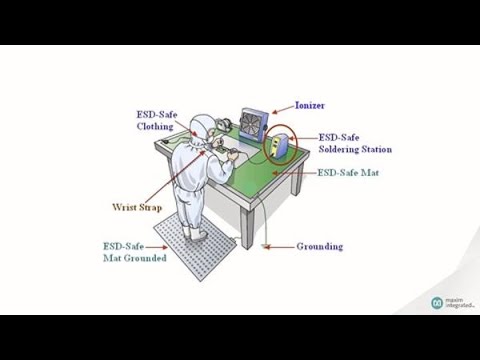
Educational video: Fundamentals of Electrostatic Discharge
This neutral educational video from Maxim Integrated provides background for the controlled process. The written guide remains complete without it.
자주 묻는 질문
How often should an ESD trolley be tested?
Set the interval from the facility control plan, risk, use, environment, repair history and verification results rather than a universal calendar.
Can ordinary replacement casters be used?
Only when the replacement meets the approved mechanical and electrical requirements and the affected functions are retested.
Is a resistance test enough to release a trolley?
No. Mechanical safety, load retention, brakes, wheels, cleanliness and configuration also need acceptance.
When should a trolley be quarantined?
Quarantine it after a safety failure, unexplained change, damage, contamination, failed verification or unauthorized repair.
공신력 있는 참고 문헌
최근 게시물
-
 ESD 박스 변형 검사: 출시 전 적합성 측정22 10월, 2026
-
 JEDEC 트레이 표면 저항 테스트: 기하학, 접촉 및 보고22 10월, 2026
-
 클린룸용 닦음용 용제 호환성: 완전한 닦음 프로세스 인증22 10월, 2026
댓글 남기기