- เทอร์โบ
- บล็อก
ESD trolley maintenance protects two different functions: safe material handling and the electrostatic-control role declared for the cart. Wheels, brakes, shelves, frames, fasteners, stops and handles must remain mechanically sound, while conductive or static-dissipative paths must be verified using the site-approved method. Dirt, oil, loose hardware, unauthorized paint, replacement casters and improvised repairs can alter both functions. A cart that still rolls is not necessarily fit for sensitive assemblies, and a resistance reading cannot prove that the loaded cart is mechanically safe. This checklist helps electronics factories establish daily inspections, planned cleaning, periodic verification, repair controls and retirement criteria for ESD trolleys.
Start from the approved trolley configuration
Keep a controlled record of model, asset number, drawing or supplier configuration, shelf count, caster type, brakes, grounding features, load rating and intended route. Photographs can help identify unauthorized changes, but they do not replace the approved technical record.
Define whether the trolley carries exposed assemblies, closed protective packaging, tools or general materials. This determines the required packaging boundary and verification. Do not assume the cart itself provides shielding or corrects uncontrolled packaging.
Perform a short inspection before every shift
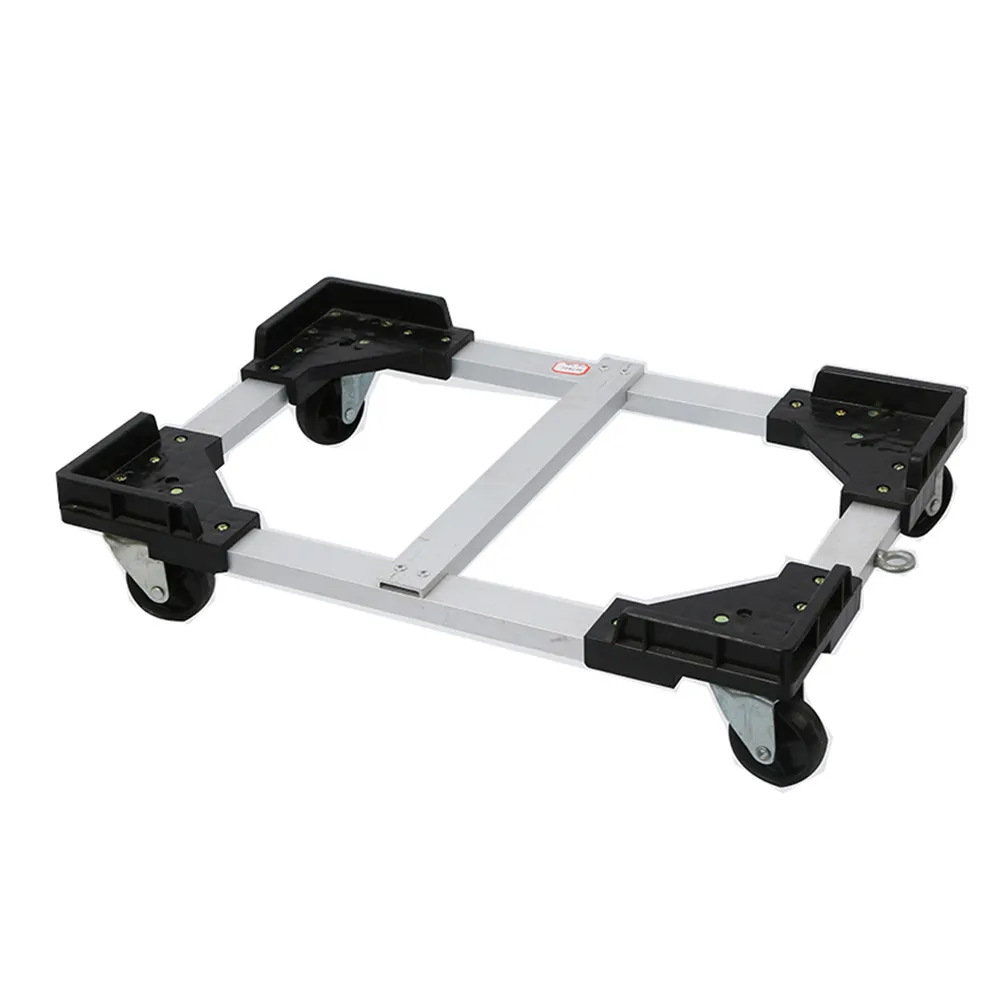
Walk around the unloaded trolley. Look for bent frames, cracked welds, loose bolts, sharp edges, damaged shelves, missing stops, unstable handles, contaminated surfaces and illegible labels. Roll it slowly and listen for binding, flat spots, excessive noise or caster wobble. Apply each brake and confirm it holds on the approved test surface.
Remove a trolley from service if it tips, tracks unpredictably, has a failed brake, exposes a sharp edge or cannot retain the expected load. Use a visible quarantine method so another operator does not return it to the line before repair and release.
Clean without changing the electrical or mechanical system
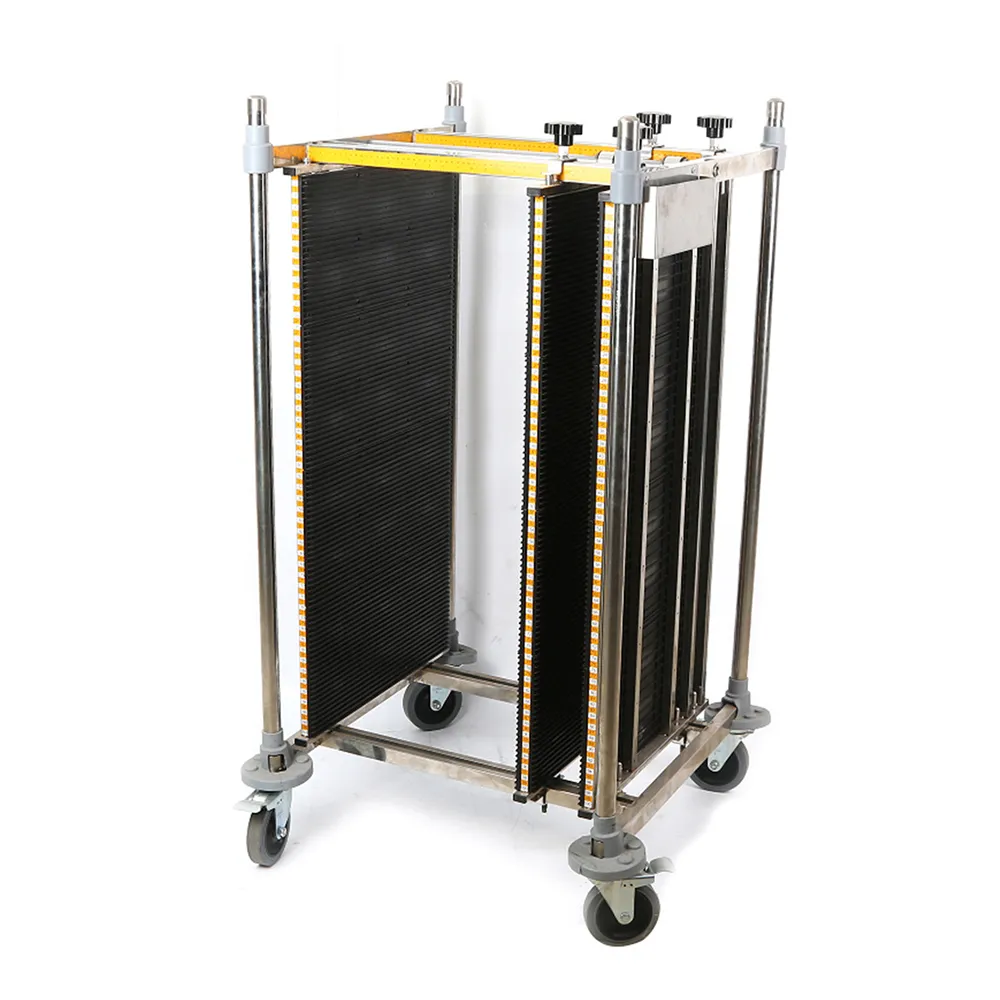
Use only an approved cleaner and controlled wiping method. Residue-forming products can coat shelves or wheels, while aggressive chemicals can attack polymers, coatings, labels and adhesives. Prevent liquid from entering bearings or electrical monitoring hardware where fitted.
Clean wheels and caster pivots because fibers, tape and debris can impair steering and braking. Do not scrape surfaces with tools that expose metal, damage coatings or create loose particles. Record unusual contamination because repeated oil or solder-paste exposure may indicate a process problem.
Verify declared ESD paths with a documented method
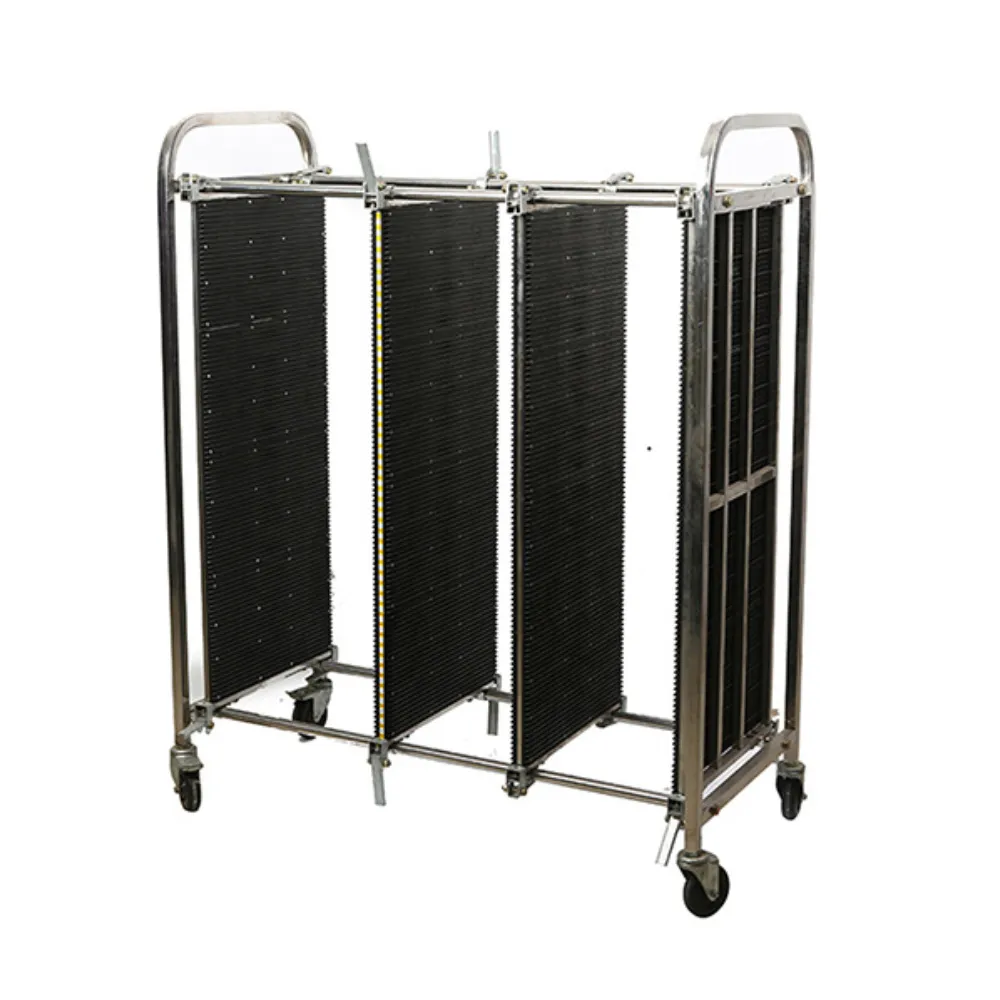
The ESD coordinator should identify what is measured: shelf surface, point-to-point path, frame, wheel-to-floor path or another declared feature. Use calibrated equipment, defined electrode placement, environmental conditions and acceptance limits from the site program or product specification.
Do not infer whole-cart behavior from one convenient spot. Replacement casters, shelf liners, coatings, fasteners and dirt can interrupt an intended path. When a cart is used with containers or racks, verify relevant interfaces in the actual loaded configuration if the control plan requires it.
Control repairs, parts and return to service
Require approved replacement casters, brakes, shelves, fasteners and grounding components. A wheel that matches diameter may still differ in load, tread, bearing, braking and electrical behavior. Record the old and new part, reason for change, repair date and responsible person.
After repair, repeat the relevant mechanical and ESD checks before release. Review caster alignment, fastener torque where specified, brake operation, stability, route clearance, labels and measurement results. Retire the cart when structural damage, recurring instability or unavailable controlled parts make reliable restoration impractical.
ตารางควบคุมภาคปฏิบัติ
| Frequency | Inspection item | Action on failure |
|---|---|---|
| Each use | Visible damage, cleanliness and labels | Quarantine if function is uncertain |
| Each shift | Wheels, tracking, brakes and shelf security | Remove from service for safety failure |
| Planned cleaning | Shelves, frame, wheels and handles | Use approved cleaner only |
| Periodic | Declared electrical path and records | Verify with approved method |
| After repair | Changed parts and affected functions | Retest before release |
| Annual review | Route, load, configuration and procedure | Update plan when use has changed |
สร้างขั้นตอนการปฏิบัติงานที่มีการควบคุมและตัวอย่างการอนุมัติ
**ขั้นตอนการปฏิบัติงานในพื้นที่** * **ผู้รับผิดชอบ (Owner):** หัวหน้างานฝ่ายปฏิบัติการและผู้ควบคุมงาน * **วัสดุที่ได้รับการอนุมัติ (Approved Materials):** ตามรายการวัสดุและอุปกรณ์ที่ระบุในคู่มือผู้ผลิตและแบบแปลนที่ได้รับอนุมัติ (อ้างอิงชุดตัวอย่างหรือรูปถ่ายมาตรฐานที่ผ่านการอนุมัติแล้ว) * **ลำดับขั้นตอนการปฏิบัติงาน (Sequence):** 1. ตรวจสอบเส้นทางจริงและอุปกรณ์ให้พร้อมใช้งาน 2. ดำเนินการตามขั้นตอนการทำงานมาตรฐานโดยใช้ตัวอย่างหรือชุดภาพถ่ายที่อนุมัติเป็นแนวทาง 3. สังเกตการณ์รอบการทำงานปกติหลายๆ รอบหลังจากการฝึกอบรม * **เกณฑ์การผ่าน (Pass Criteria):** ผลงานต้องตรงตามรูปแบบและตำแหน่งที่ระบุในชุดภาพถ่ายหรือตัวอย่างที่ได้รับการอนุมัติ ปราศจากข้อบกพร่องด้านคุณภาพและความปลอดภัย * **เงื่อนไขการหยุดปฏิบัติงาน (Stop Conditions):** ให้หยุดการทำงานทันทีหากพบความผิดปกติของอุปกรณ์ สภาพแวดล้อมไม่ปลอดภัย หรือผลงานไม่เป็นไปตามเกณฑ์มาตรฐาน * **บันทึก (Records):** บันทึกผลการตรวจสอบ การฝึกอบรม และบันทึกการทำงานประจำวัน * **การแก้ไขปัญหา (Correction & Quarantine):** * **แก้ไขทันที:** ข้อผิดพลาดเล็กน้อยที่ผู้ปฏิบัติงานสามารถปรับแก้ให้ถูกต้องได้ทันทีตามคู่มือ * **กักกันและทบทวน (Quarantine & Review):** ความเสียหายหรือความไม่สอดคล้องที่เกินขีดจำกัดการแก้ไขเบื้องต้น ต้องทำการกักกันพื้นที่/ชิ้นงาน และส่งให้ผู้รับผิดชอบตรวจสอบและทบทวนก่อนดำเนินการต่อ.
แยกความปลอดภัย ความสะอาด การทำงานทางกล และการตรวจสอบ ESD ออกจากกัน การตรวจสอบด้วยสายตาครั้งเดียวไม่สามารถครอบคลุมทุกความเสี่ยงได้ และการอ่านค่าทางไฟฟ้าครั้งเดียวไม่สามารถพิสูจน์ความสะอาดหรือความสมบูรณ์ทางกลได้ เมื่อจำเป็นต้องมีการวัด ให้ระบุเครื่องมือ วิธีการ ตำแหน่ง สภาพแวดล้อม และขีดจำกัดการยอมรับ รักษาการสอบเทียบอุปกรณ์และการฝึกอบรมบุคลากรให้เป็นปัจจุบันภายใต้ระบบของโรงงาน.
การตรวจสอบรับเข้าและการควบคุมการเปลี่ยนแปลง
เมื่อรับสินค้า ให้ตรวจสอบรายการสินค้า จำนวน การแก้ไข รหัสล็อตของซัพพลายเออร์ และป้ายบรรจุภัณฑ์ให้ตรงกับใบสั่งซื้อ ตรวจสอบความเสียหาย การปนเปื้อน การระบุตัวตนที่ขาดหายไป และความผิดปกติที่ไม่คาดคิดในด้านสี พื้นผิว รูปทรง กลิ่น ฮาร์ดแวร์ หรือบรรจุภัณฑ์ สุ่มตัวอย่างขนาดและคุณลักษณะการทำงานตามแผนที่ตกลงกันไว้ แยกกักกันการเปลี่ยนแปลงที่อธิบายไม่ได้ แทนที่จะปล่อยให้แรงกดดันด้านการผลิตเปลี่ยนข้อยกเว้นให้เป็นการอนุมัติที่ไม่มีเอกสารประกอบ.
ต้องแจ้งให้ทราบล่วงหน้าก่อนการเปลี่ยนแปลงแหล่งวัสดุ สารเติมแต่ง กาว เครื่องมือ มิติข้อมูล น้ำยาทำความสะอาด โครงสร้าง หรือฮาร์ดแวร์สำคัญ การทบทวนคุณสมบัติใหม่ควรเน้นไปที่ฟังก์ชันที่ได้รับผลกระทบจากการเปลี่ยนแปลง แต่ก็ยังคงต้องตรวจสอบปฏิกิริยาระหว่างกันด้วย กาวที่แข็งแรงใหญ่อาจส่งผลต่อการลอกออก ล้อเลื่อนใหม่อาจส่งผลต่อการเคลื่อนที่และเส้นทางไฟฟ้า น้ำยาทำความสะอาดใหม่อาจส่งผลต่อฉลากและพฤติกรรมของพื้นผิว.
การทดสอบคุณสมบัติและสถิติ
ดำเนินการทดลองภายใต้สภาพแวดล้อมและการปฏิบัติงานที่เป็นตัวแทน บันทึกวันที่ สถานที่ ผู้ปฏิบัติงาน ตัวอย่าง หมายเลขล็อต อุปกรณ์ การเตรียมการทำความสะอาด เส้นทาง ข้อสังเกต และความเบี่ยงเบน ใส่รายการที่ได้รับการอนุมัติในปัจจุบันเป็นเกณฑ์มาตรฐานหากเป็นไปได้ อย่าซ่อนความล้มเหลวอย่างชัดเจนไว้ภายในคะแนนเฉลี่ย ข้อกำหนดด้านความปลอดภัย การปกป้องผลิตภัณฑ์ การปนเปื้อน การใช้งาน เอกสาร และ ESD จำเป็นต้องมีการตัดสินผลผ่านเป็นของตนเอง.
ตรวจสอบผลลัพธ์หลังจากผ่านรอบการทำงานที่เพียงพอจนเห็นความแปรปรวนตามปกติ การสาธิตที่ประสบความสำเร็จเพียงครั้งเดียวอาจมองไม่เห็นความแตกต่างของผู้ปฏิบัติงาน ช่วงเวลาที่มีปริมาณงานหนาแน่น การสึกหรอ ผลกระทบจากการบรรจุและการทำความสะอาด รายงานควรระบุข้อจำกัด ได้แก่ สิ่งที่ยังไม่ได้ทดสอบ ข้อกล่าวอ้างใดยังคงเป็นคำประกาศของผู้ขาย และข้อสรุปใดใช้ได้เฉพาะกับกำหนดค่าที่ผ่านการทดสอบเท่านั้น จัดเก็บหลักฐานไว้กับบันทึกรายการหรือกระบวนการ เพื่อให้ทีมงานในอนาคตสามารถเข้าใจพื้นฐานของการอนุมัติได้.
ตรวจสอบกระบวนการหลังการเผยแพร่
สังเกตกระบวนการระหว่างการทำงานปกติหลังการปล่อยใช้งาน ไม่ใช่เฉพาะในระหว่างการสาธิตที่วางแผนไว้เท่านั้น ยืนยันว่าผู้ใช้ปฏิบัติตามลำดับขั้นตอนที่ได้รับอนุมัติ วัสดุยังคงมีอยู่ ป้ายกำกับสามารถอ่านได้ และเข้าใจเงื่อนไขในการหยุดทำงาน สุ่มตัวอย่างบันทึกสำหรับผลลัพธ์ที่ขาดหายไป ความล้มเหลวที่เกิดขึ้นซ้ำๆ และการเปลี่ยนทดแทนที่ไม่มีคำอธิบาย สอบถามผู้ปฏิบัติงานว่าขั้นตอนใดมีความยากลำบาก เนื่องจากวิธีแก้ปัญหาเฉพาะหน้ามักจะเผยให้เห็นปัญหาเรื่องความเหมาะสม การเข้าถึง การจราจร หรือการฝึกอบรม ก่อนที่มันจะกลายเป็นข้อบกพร่องของผลิตภัณฑ์.
วิเคราะห์แนวโน้มความล้มเหลวตามรายการ สถานที่ กะ และล็อตของผู้จำหน่าย ในกรณีที่บันทึกที่มีอยู่สนับสนุนการวิเคราะห์ดังกล่าว ปัญหาที่เกิดขึ้นซ้ำควรทริกเกอร์ให้มีการทบทวนสาเหตุ ไม่ใช่แค่การเปลี่ยนบ่อยขึ้นเท่านั้น ปรับปรุงขั้นตอนให้เป็นปัจจุบันเมื่อผลิตภัณฑ์ พื้นที่ อุปกรณ์ สารทำความสะอาด เส้นทางการจราจร บรรจุภัณฑ์ หรือแผนการควบคุมเปลี่ยนแปลงไป รักษา วันที่แก้ไขให้มองเห็นได้และเพิกถอนสำเนาที่ล้าสมัย เพื่อให้รักษาวิธีการที่ได้รับการอนุมัติไว้โดยปราศจากความคลุมเครือ.
รายการตรวจสอบ RFQ สำหรับผู้ซื้อ
ระบุการใช้งานของแอปพลิเคชัน สภาพแวดล้อม มิติข้อมูล ส่วนติดต่อ การสร้าง ฟังก์ชันที่ต้องการ วิธีการทดสอบ เกณฑ์การยอมรับ ความสะอาด บรรจุภัณฑ์ การติดฉลาก ความสามารถในการสอบย้อนกลับ ปริมาณตัวอย่าง เอกสาร และการแจ้งเตือนการเปลี่ยนแปลง ทบทวน SWESD ESD trolley product และ ศูนย์ผลิตภัณฑ์ SWESD เป็นจุดเริ่มต้น; การอนุมัติขั้นสุดท้ายต้องตรงกับรายการที่จัดส่งและโปรแกรมควบคุมของผู้ซื้อเอง.
- อธิบายเส้นทางการใช้งานจริงและผลิตภัณฑ์ที่มีการป้องกัน.
- ระบุเกณฑ์การคัดออกเด็ดขาดและหลักฐานที่ยอมรับได้.
- ขอแบบวาด วัสดุ และผลการทดสอบที่สามารถสอบกลับได้ตามความเหมาะสม.
- กำหนดปริมาณตัวอย่างและชิ้นงานต้นแบบก่อนการผลิต.
- แสดงรายการสมมติฐานการทำความสะอาด การตรวจสอบ และการเปลี่ยนทดแทนที่ได้รับการอนุมัติแล้ว.
- ต้องมีการเปิดเผยข้อยกเว้นและการเปลี่ยนแปลงเป็นลายลักษณ์อักษร.
ทรัพยากร SWESD ที่เกี่ยวข้อง
- defining ESD transport cart load requirements
- reviewing the role of an ESD trolley
- planning trolley, box and rack combinations
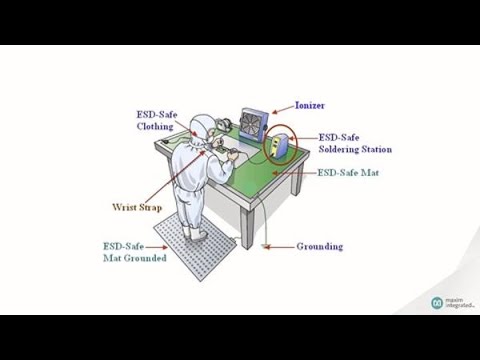
Educational video: Fundamentals of Electrostatic Discharge
This neutral educational video from Maxim Integrated provides background for the controlled process. The written guide remains complete without it.
คำถามที่มักถูกถาม
How often should an ESD trolley be tested?
Set the interval from the facility control plan, risk, use, environment, repair history and verification results rather than a universal calendar.
Can ordinary replacement casters be used?
Only when the replacement meets the approved mechanical and electrical requirements and the affected functions are retested.
Is a resistance test enough to release a trolley?
No. Mechanical safety, load retention, brakes, wheels, cleanliness and configuration also need acceptance.
When should a trolley be quarantined?
Quarantine it after a safety failure, unexplained change, damage, contamination, failed verification or unauthorized repair.



แสดงความคิดเห็น