- 터보
- 블로그
A cleanroom sticky mat removes loose particles from footwear and cart wheels at a controlled transition, but it cannot compensate for poor gowning, inadequate housekeeping, or uncontrolled material flow. Selection requires more than choosing a color and nominal size. Buyers should define the entry route, traffic, wheel geometry, floor finish, tack level, layer construction, packaging cleanliness, removal method, and evidence used to decide when a layer is spent. Placement and operator behavior then determine whether users make enough contact without creating a slip, trip, residue, or congestion problem. This guide provides a practical specification, installation, inspection, and replacement framework for electronics and clean manufacturing areas.
Map the transition and contamination route
Identify which doorway, airlock, pass-through or material entrance the mat supports and what crosses it. Footwear traffic differs from narrow cart wheels, pallet jacks or heavy equipment. Record direction of travel, peak traffic, available floor area, cleaning schedule and whether users can pause without blocking an exit.
A sticky mat collects only material that contacts its tacky surface and releases under the applied load. It is one control in a broader zoning plan. Keep gowning, hand hygiene, packaging, wheel cleaning, pressure differentials and room cleaning under their own procedures.

Select dimensions from stride and wheel contact
Choose length and width so normal users and approved carts make repeated full contact before entering the cleaner zone. A small mat that can be stepped over or avoided will not provide consistent control. Larger dimensions may improve coverage but can interfere with doors, turning paths or emergency access.
For carts, evaluate every wheel path and turning behavior. Narrow casters can concentrate load, tear a layer or track adhesive. Heavy equipment may require another engineered cleaning approach. Trial the real footwear and wheels rather than relying on a catalogue photograph.

Balance tack, release and surface compatibility
Higher tack is not automatically better. Excessive adhesion can pull shoe covers, affect gait, lift weak floor coatings, transfer residue or damage wheels. Too little tack may fail to retain loose particles. Request a representative sample and test under the actual temperature, humidity, traffic and cleaning conditions.
Review base adhesion and peel behavior separately from the exposed collection surface. The base must remain flat without leaving unacceptable residue when removed. Confirm compatibility with sealed concrete, epoxy, tile or other actual floor finish and with approved cleaning agents.

Install and peel layers without spreading debris
Prepare the floor using the approved procedure and let it dry. Position the mat square to travel, smooth it flat and keep every edge secure. Do not bridge joints, damaged flooring or moisture. Mark the intended crossing route where needed and train users not to jump over the mat.
When a layer is loaded, control the peel so captured particles remain on the removed sheet. Avoid snapping or shaking it. Fold the dirty surface inward, dispose of it under the facility waste rule and confirm the next layer is intact. Numbered layers support traceability but do not replace a condition-based rule.
Inspect performance and set replacement criteria
Check surface loading, tears, wrinkles, lifting edges, transferred residue, missed wheel paths and changes in user behavior. A dirty layer may still look tacky while redepositing particles; a visually clean layer may be damaged by a wheel. Define who can peel a layer and how that action is recorded.
Replace the entire mat when layers are exhausted, the base moves, edges remain unsafe, residue cannot be controlled, the product is contaminated outside its intended use, or performance no longer meets the approved observation method. Never promise a fixed number of crossings without trial evidence.
실용 제어표
| Selection field | Buyer decision | Qualification check |
|---|---|---|
| Location | Entry, airlock or material transition | Route observation |
| Traffic | People, carts and peak crossings | Representative trial |
| Size | Required foot and wheel contacts | Floor layout and crossing test |
| Tack | Particle pickup without unsafe pull | Footwear and wheel compatibility |
| Layers | Count, numbering and peel design | Controlled peel trial |
| Floor interface | Finish, cleaner and residue limit | Installation and removal test |
통제된 절차 및 승인 샘플 구축
공급업체 지침과 계획 프레임워크를 바탕으로 한 현장 절차서는 다음과 같습니다. 1. 담당자 (Owner): - 공정 담당 작업자 및 현장 감독관 2. 승인된 자재 (Approved Materials): - 승인된 샘플 또는 사진 세트에 명시된 자재 및 장비 3. 작업 순서 (Sequence): - 실제 경로와 장비를 활용한 사전 교육 실시 - 정상적인 작업 사이클 수회 참관 및 검증 - 표준 작업 절차 수행 4. 합격 기준 (Pass Criteria): - 승인된 샘플 또는 사진 세트의 예상 구성과 일치할 것 5. 중단 조건 (Stop Conditions): - 승인된 구성과 불일치 발생 시, 안전 위험 감지 시, 장비 오작동 시 즉시 작업 중단 6. 기록 (Records): - 작업 및 검사 결과 기록서 보관 7. 조치 사항 (Correction & Quarantine): - 작업자가 즉시 수정할 수 있는 사항과 격리(Quarantine) 후 검토가 필요한 사항을 명확히 구분하여 규정 준수.
안전, 청결, 기계적 기능, 그리고 ESD 검증은 각각 분리하여 수행하십시오. 단 한 번의 육안 검사로 모든 위험을 커버할 수 없으며, 하나의 전기적 측정값만으로는 청결도나 기계적 무결성을 증명할 수 없습니다. 측정이 필요한 경우, 사용 장비, 측정 방법, 측정 위치, 주변 환경 및 허용 기준을 명시하십시오. 시설 시스템에 따라 장비 교정과 작업자 교육이 최신 상태로 유지되도록 관리하십시오.
수입 검사 및 변경 관리
입고 시 품목, 수량, 리비전, 공급업체 로트 및 포장 라벨을 구매 주문서와 대조하십시오. 손상, 오염, 식별 정보 누락, 그리고 색상, 질감, 형상, 냄새, 하드웨어 또는 포장에서의 예상치 못한 차이가 있는지 검사하십시오. 합의된 계획에 따라 치수와 기능적 특성을 샘플링하십시오. 생산 압박으로 인해 예외 사항이 문서화되지 않은 승인으로 변질되도록 방치하는 대신, 설명되지 않는 변경 사항은 격리 조치하십시오.
자재 소스, 첨가제, 접착제, 금형, 치수, 세척제, 구조 또는 주요 하드웨어의 변경 시 사전 통지가 필요합니다. 재인증은 변경의 영향을 받는 기능에 초점을 맞추어야 하지만 상호작용도 여전히 확인해야 합니다. 더 강력한 접착제는 제거에 영향을 미칠 수 있고, 새로운 캐스터는 주행 및 전기 경로에 영향을 미칠 수 있으며, 새로운 세척제는 라벨 및 표면 거동에 영향을 미칠 수 있습니다.
자격 심판 및 기록
대표적인 환경 및 작동 조건에서 시험을 실행하십시오. 날짜, 장소, 작업자, 시료, 로트 번호, 장비, 세척 준비, 경로, 관찰 사항 및 이탈 사항을 기록하십시오. 가능한 경우 현재 승인된 품목을 기준선으로 포함하십시오. 평균 점수 내에 심각한 결함을 숨기지 마십시오. 안전, 제품 보호, 오염, 사용성, 문서화 및 ESD 요구사항은 각각 독립적인 합격 판정을 받아야 합니다.
정상적인 변동이 나타날 수 있도록 충분한 주기를 거친 후의 검토 결과입니다. 단 한 번의 성공적인 시연으로는 운전자 간의 차이, 트래픽 피크, 마모, 하중 및 청소 효과를 놓칠 수 있습니다. 보고서에는 테스트되지 않은 사항, 공급업체의 선언으로 남는 주장, 그리고 테스트된 구성에만 적용되는 결론 등의 한계를 명시해야 합니다. 향후 팀이 승인 근거를 이해할 수 있도록 증거를 해당 품목 또는 공정 기록과 함께 보관하십시오.
릴리스 후 프로세스를 감사하세요
계획된 시연 때뿐만 아니라 릴리스 후 실제 정상 업무 중에도 과정을 관찰하십시오. 사용자가 승인된 절차를 준수하는지, 자재가 계속 제공되는지, 라벨을 읽을 수 있는지, 중단 조건이 이해되었는지 확인하십시오. 누락된 결과, 반복되는 실패, 그리고 설명되지 않는 대체 사항에 대한 기록을 샘플링하십시오. 작업자에게 절차가 어려운 부분이 어디인지 물어보십시오. 왜냐하면 임시 방편은 제품 결함으로 이어지기 전에 적합성, 접근성, 작업량 또는 교육 문제를 드러내는 경우가 많기 때문입니다.
사용 가능한 기록이 그러한 분석을 뒷받침하는 경우, 품목, 장소, 교대 근무 및 공급업체 로트별 트렌드 부적합 사항을 파악하십시오. 반복되는 문제는 단순한 빈번한 교체가 아니라 원인 검토로 이어져야 합니다. 제품, 현장, 장비, 세척제, 이동 경로, 포장 또는 관리 계획이 변경될 때 절차를 업데이트하십시오. 승인된 방법이 명확하게 유지되도록 개정일이 보이게 유지하고 구버전 사본은 회수하십시오.
구매자를 위한 견적요청서(RFQ) 체크리스트
상태 응용 프로그램, 환경, 치수, 인터페이스, 구조, 요구 기능, 시험 방법, 판정 기준, 청정도, 포장, 라벨링, 이력 추적성, 시료 수량, 문서화 및 변경 통보. 검토하시오. SWESD cleanroom sticky mat product 그리고 SWESD 제품 센터 시작점으로 삼아, 최종 승인은 제공된 품목 및 구매자의 자체 제어 프로그램과 일치해야 합니다.
- 실제 사용 경로와 보호된 제품을 설명하세요.
- 탈락 조건과 허용 가능한 증거를 식별하세요.
- 관련된 경우 도면, 자재 및 추적 가능한 시험 성적서를 요청하십시오.
- 생산 전에 샘플 및 초도품 수량을 정의하십시오.
- 승인된 세척, 검사 및 교체 가정 사항 목록.
- 예외 사항과 변경 사항은 서면으로 공개할 것을 요구합니다.
관련 SWESD 리소스
- selecting a sticky roller for controlled surfaces
- planning sticky mat replacement frequency
- comparing sticky and tacky mat terminology
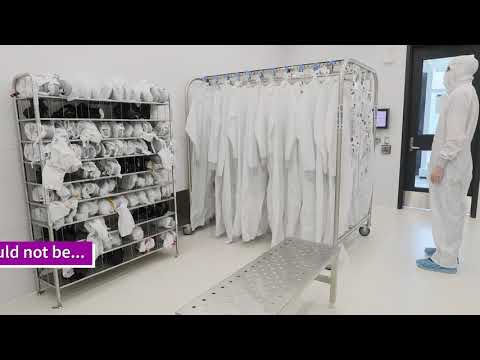
Educational video: MIT.nano Cleanroom Gowning Procedure
This neutral educational video from MIT.nano provides background for the controlled process. The written guide remains complete without it.
자주 묻는 질문
How often should a sticky mat layer be changed?
Use observed loading and the approved facility rule. Traffic, contamination and wheel behavior make a universal time or crossing count unreliable.
Should a mat have the highest available tack?
No. Tack must collect particles without creating unsafe pull, residue, shoe-cover lift or wheel damage.
Can carts cross the same mat as people?
Only after a representative trial confirms size, load, wheel contact, layer durability and safe traffic flow.
Does a sticky mat replace cleanroom cleaning?
No. It is a transition control and must work with gowning, housekeeping and material-flow procedures.
공신력 있는 참고 문헌
최근 게시물
-
 ESD 박스 변형 검사: 출시 전 적합성 측정22 10월, 2026
-
 JEDEC 트레이 표면 저항 테스트: 기하학, 접촉 및 보고22 10월, 2026
-
 클린룸용 닦음용 용제 호환성: 완전한 닦음 프로세스 인증22 10월, 2026
댓글 남기기