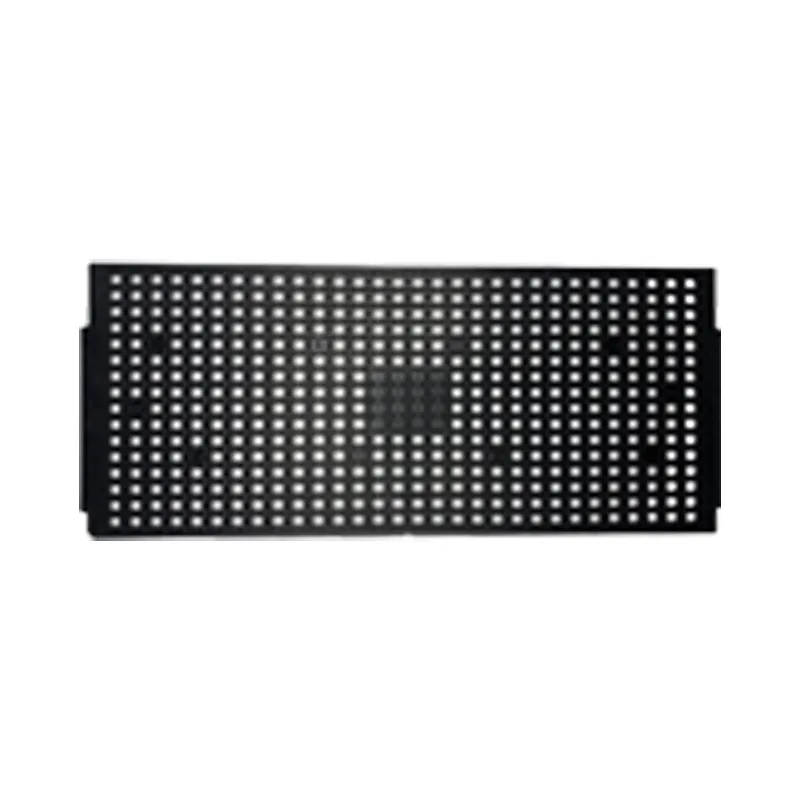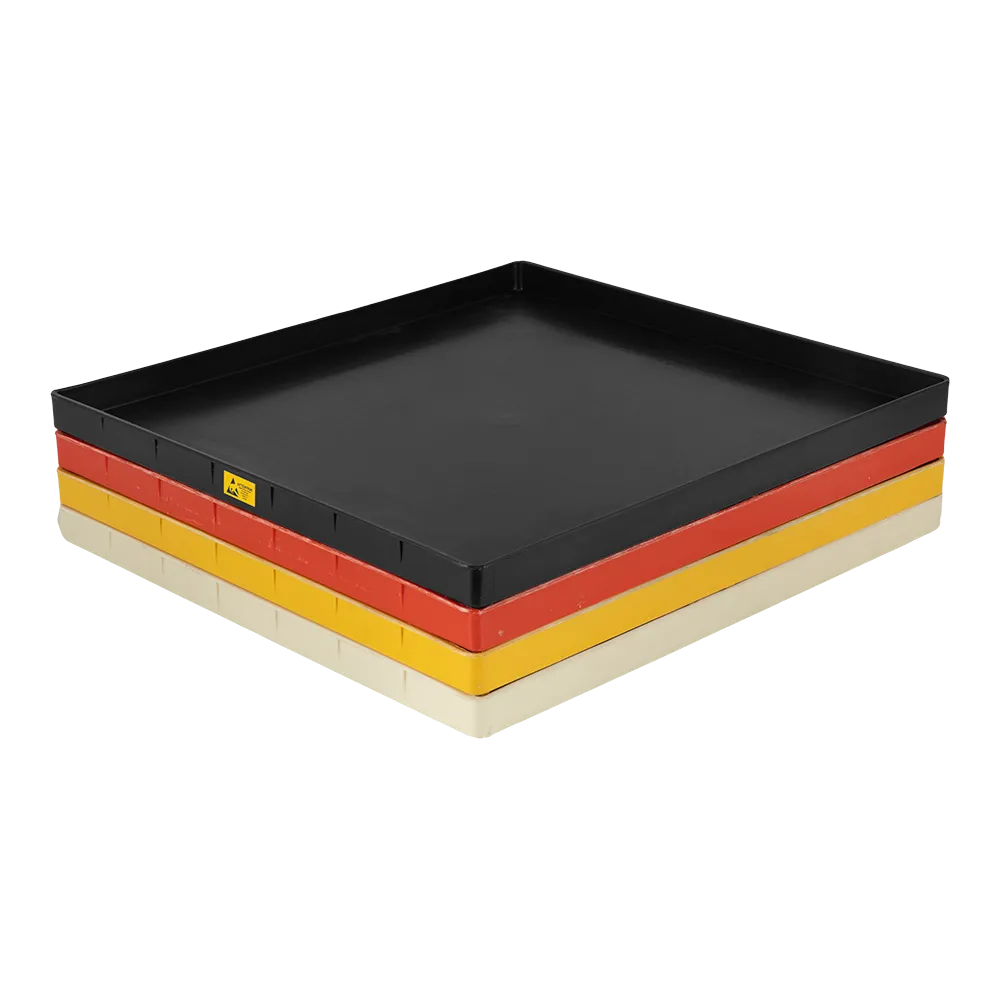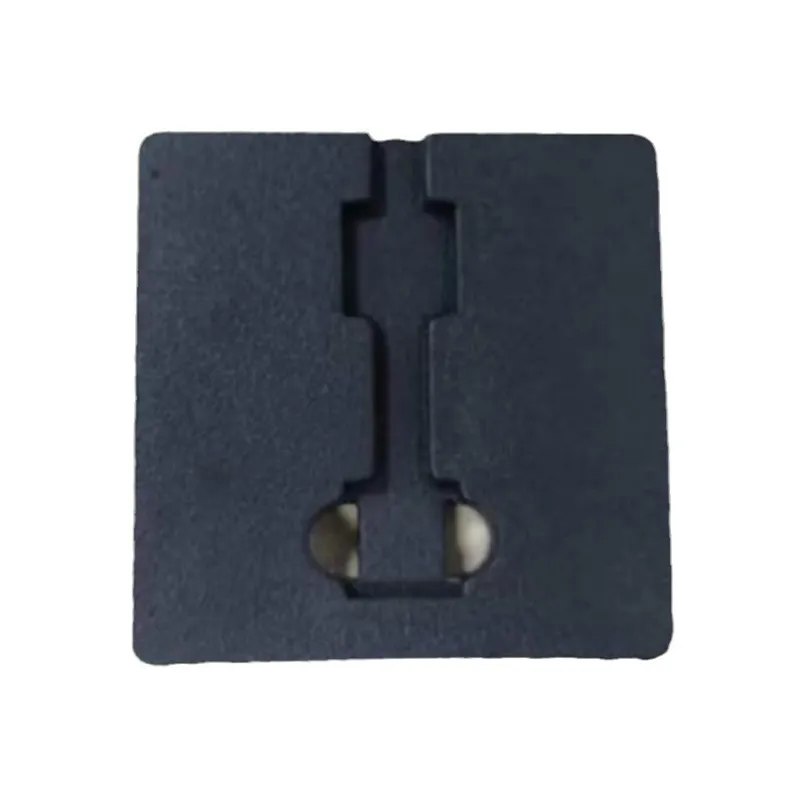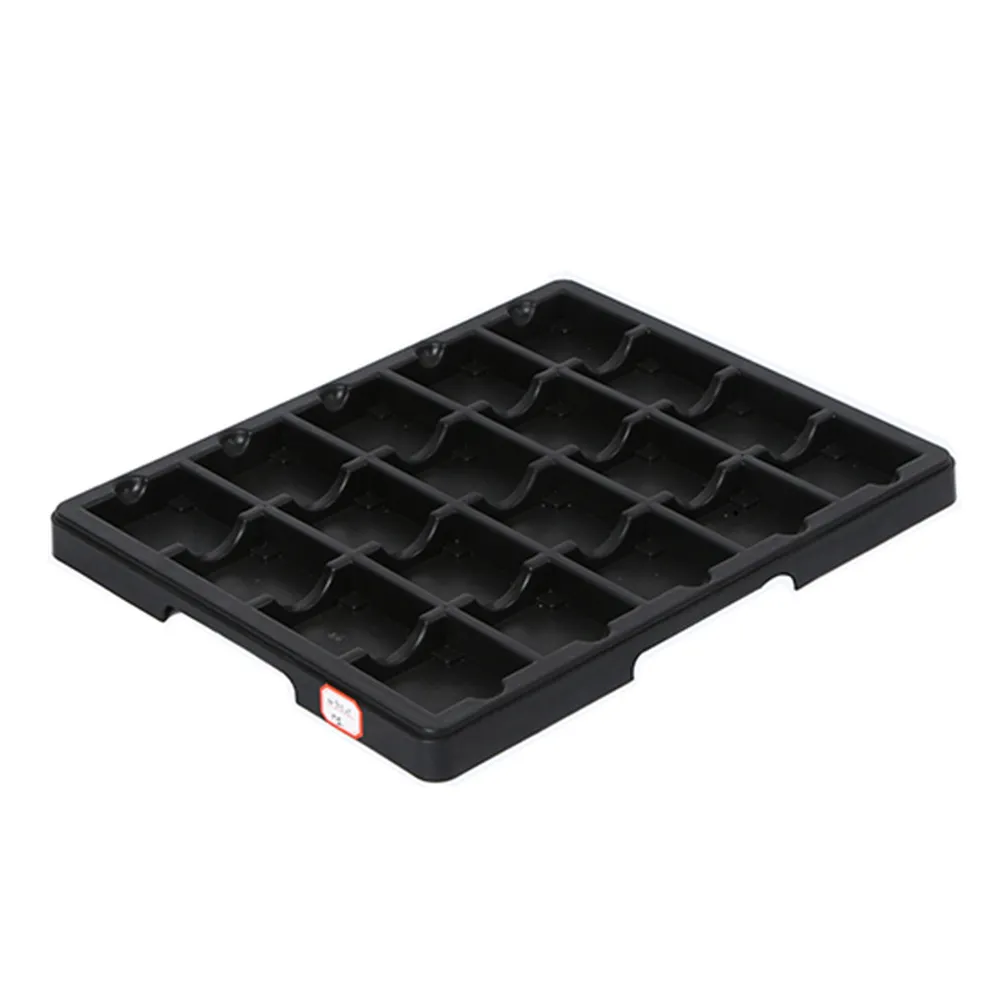
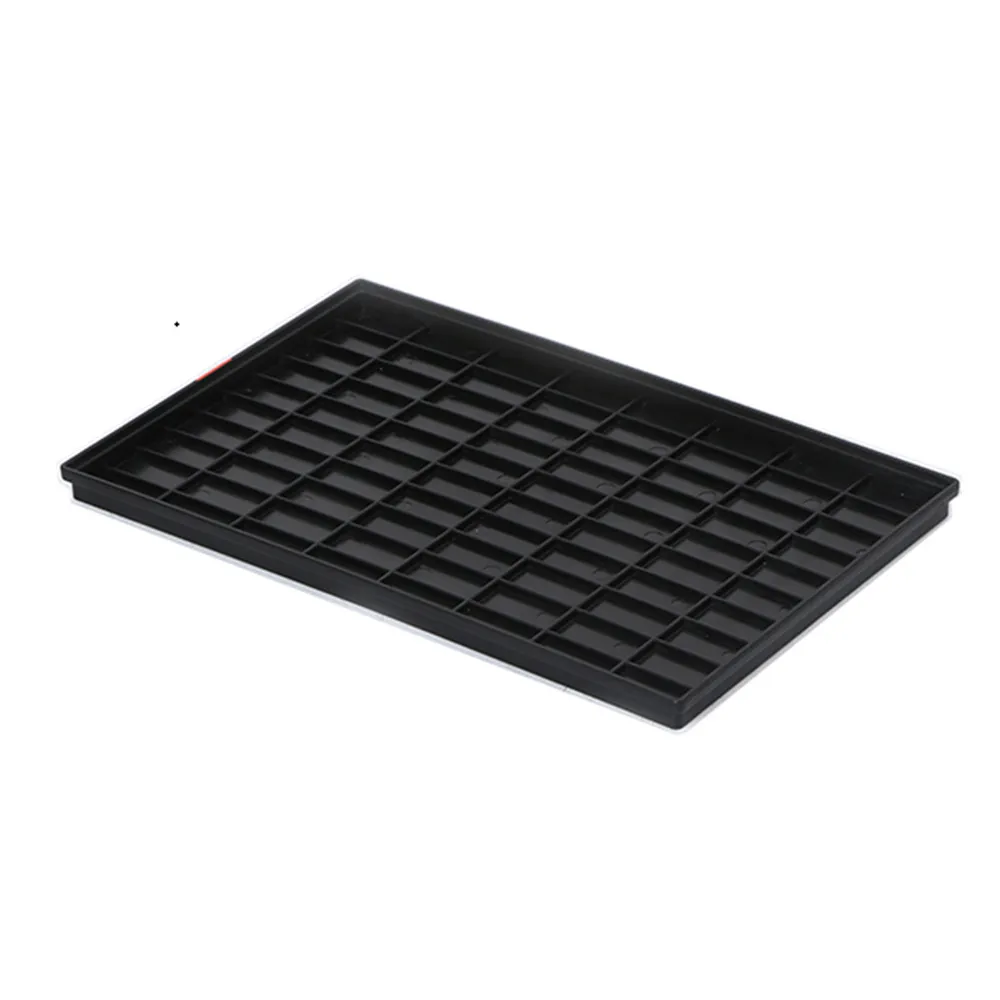
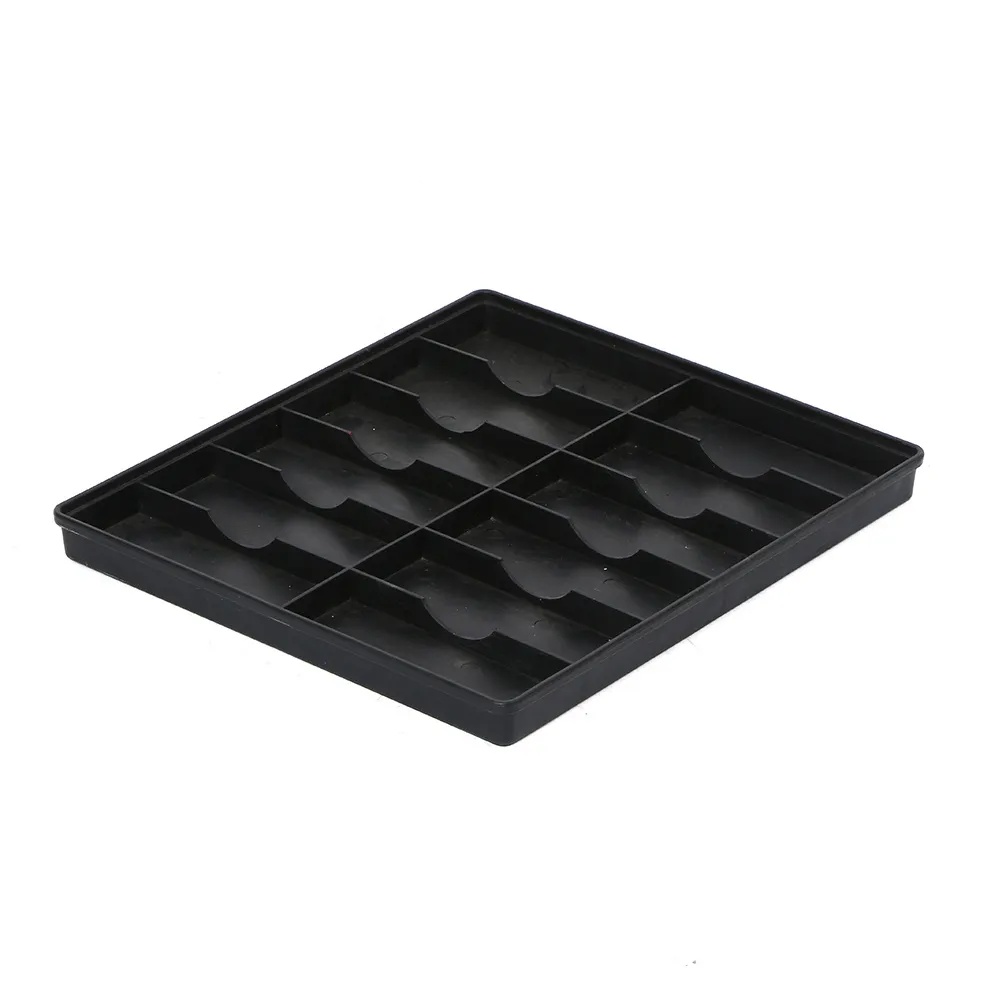
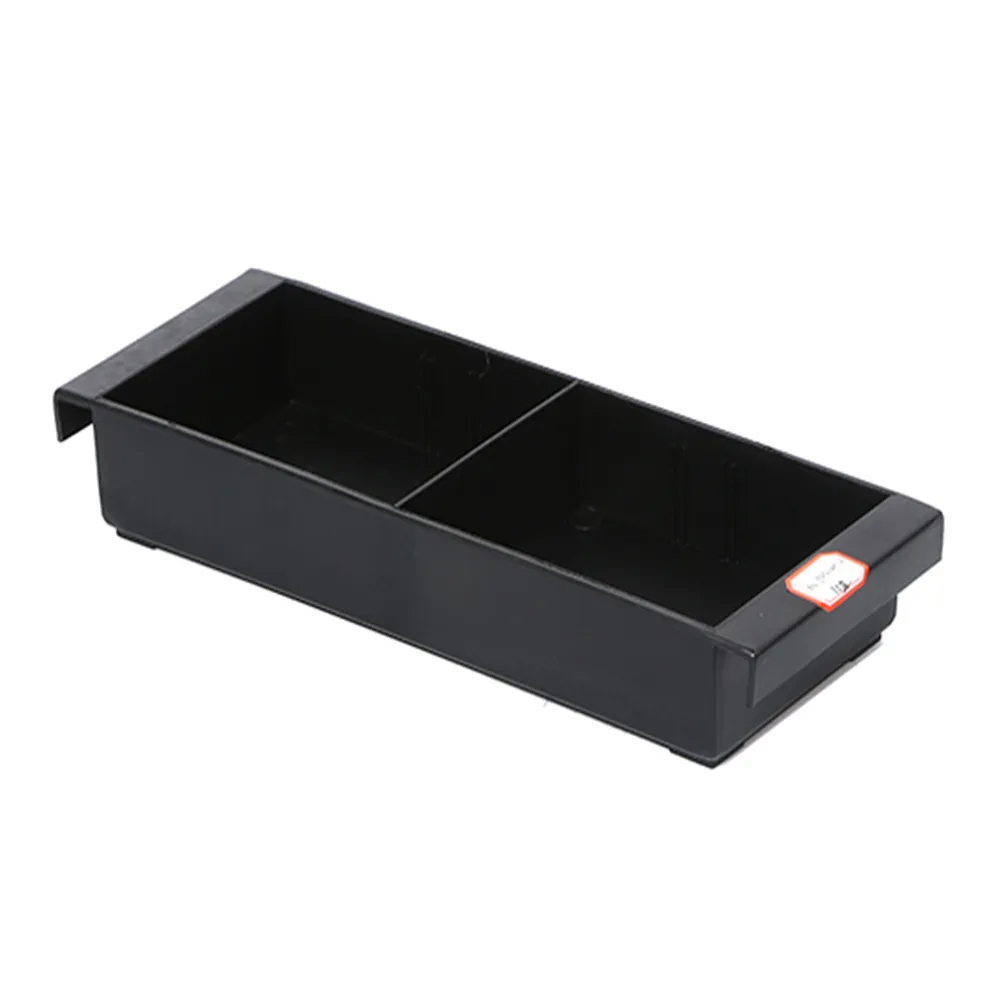
Baki ESD dengan Kisi Kisi yang Dapat Dilepas Baki Penyimpanan Komponen Anti-Statis
Ikhtisar:
Product Introduction
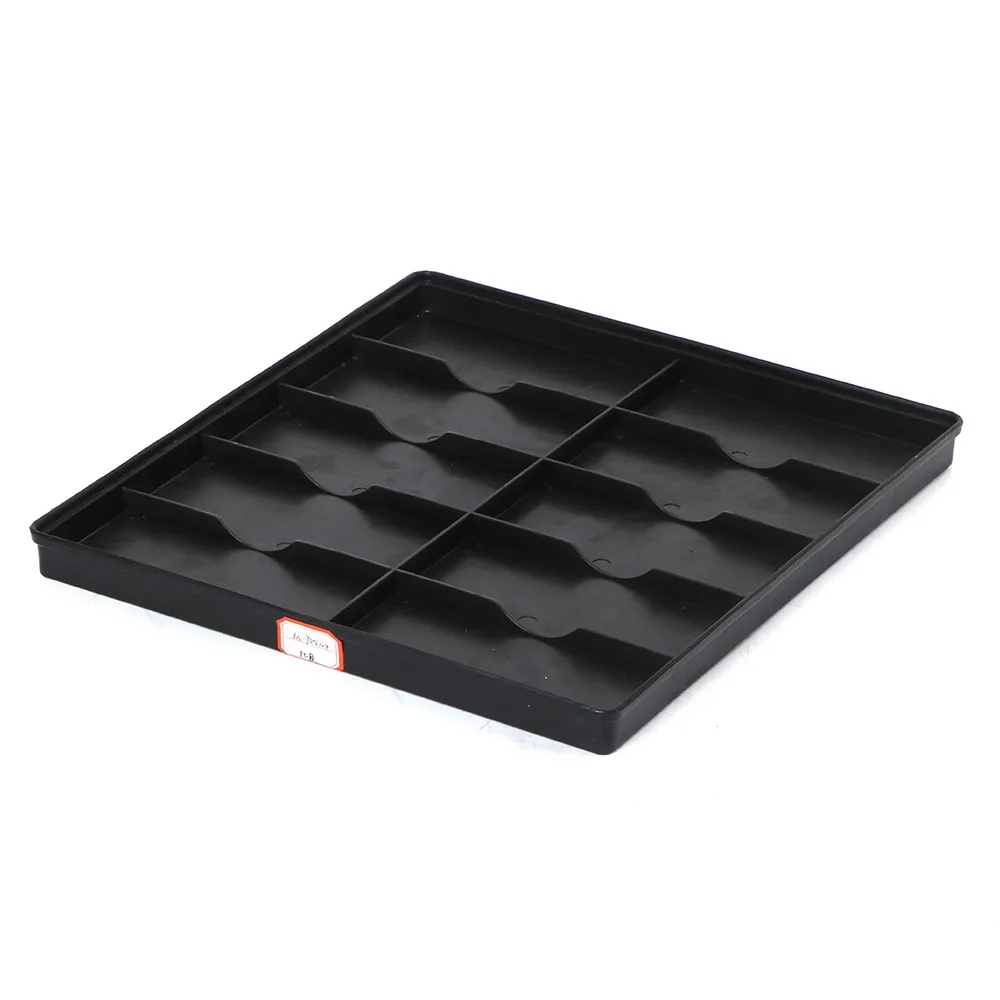
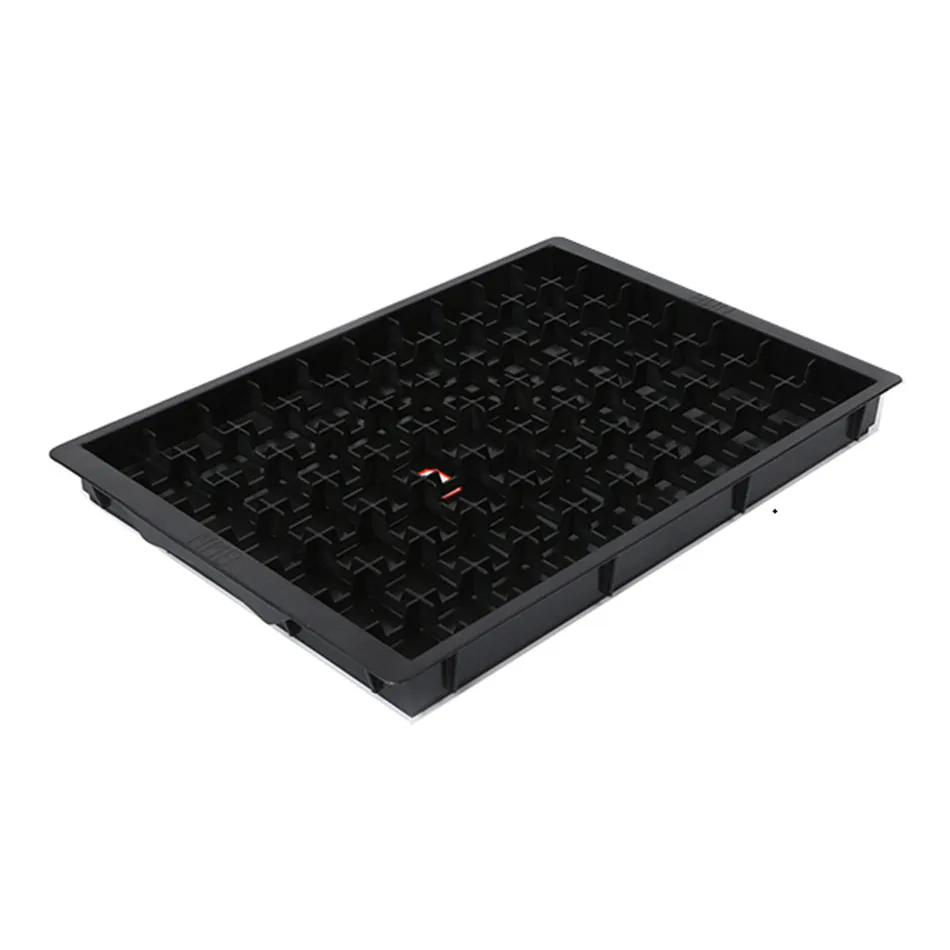
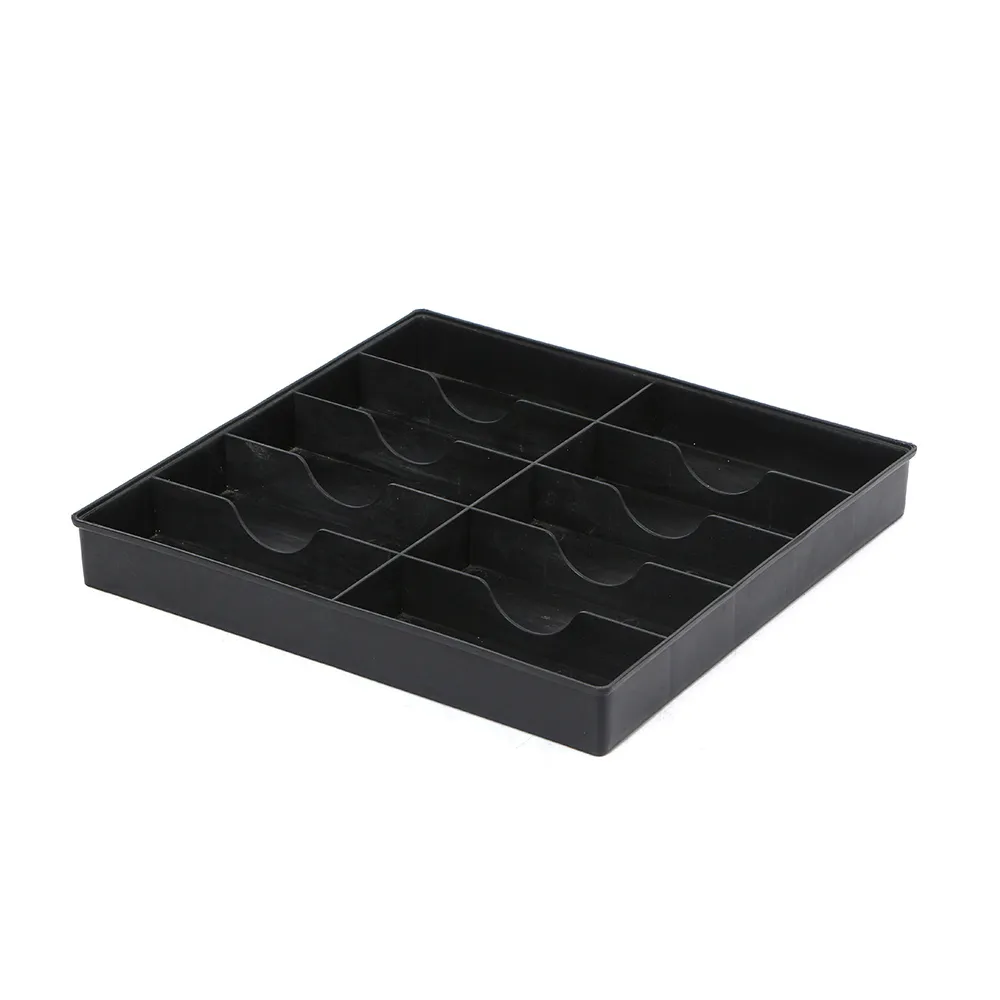
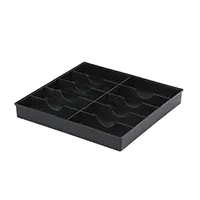
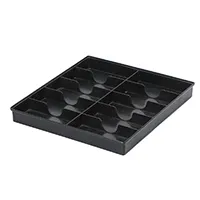
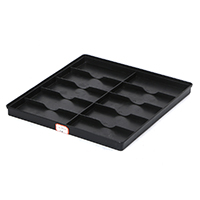
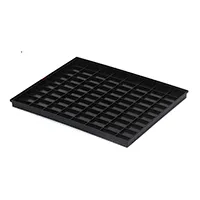
Itu grid-shaped anti-static tray is a tray made of special conductive material. Its surface has excellent conductive properties and can quickly release the static charge accumulated on the surface of objects, thereby preventing electrostatic discharge (ESD) from damaging electronic equipment and precision instruments. The grid design on the tray can separate different items or electronic components, play a role in classified storage, prevent collision and friction, and also facilitate sorting and counting.
Features
Excellent anti-static performance:
By using conductive PP materials or surface treatment technology, static charges can be quickly introduced into the ground to prevent charge accumulation and excessive potential difference, effectively avoid the occurrence of electrostatic discharge, and provide reliable protection for electrostatic sensitive components.
Sturdy and durable:
Made of high-strength materials, it has a solid structure and can withstand heavy weight and impact. At the same time, its surface is wear-resistant and corrosion-resistant, and it can maintain stable performance in various harsh environments and has a long service life.
Easy to clean:
The surface is smooth and flat, not easy to be stained with dust and dirt, and it is very convenient to clean. Just use clean water or special detergent to easily remove stains, keep the surface of the tray clean and hygienic, and help maintain a good working environment.
A variety of sizes and specifications are available:
A variety of external dimensions and grid sizes are available to meet the needs of different equipment, components and occasions. Users can choose the appropriate pallet size, grid number and load-bearing capacity according to their actual needs, with high flexibility.
Economic and environmentally friendly:
Made of environmentally friendly materials, it complies with relevant national standards and regulations. Its long life and easy maintenance also reduce the cost of use, reduce the cost of frequent pallet replacement and resource waste, and bring higher economic benefits to users
Spesifikasi Teknis
| Product name | Baki ESD | |||||
| Product model | 3W-9805112 | 3W-9805120-2 | 3W-9805121 | 3W-9805122 | 3W-9805123 | |
 |
 |
 |
 |
 |
||
| Specification parameters | ●External dimensions: | 457*312*39mm | 340*123*54mm | 350*340*44mm | 315*290*34mm | 290*260*24mm |
| ●Inner size: | 417*292*30mm | 295*112*48mm | 168*64*36 mm | 305*278*27mm | 278*250*20mm | |
| ●Wall: | 2mm | 3.5mm | 3mm | 2.5mm | 2.5mm | |
| ●Bottom wall: | 3mm | 2.5mm | 3mm | 3mm | 3mm | |
| ●Weight: | 0.73Kg | 0.37Kg | 0.8Kg | 0.5Kg | 0.37Kg | |
| Product description | ◆The grid is detachable, divided into 70 grids | \ | ||||
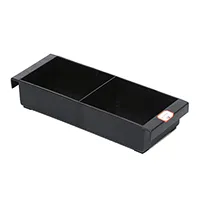
| ◆Static index: 10e4-10e8 | ◆It is divided into two grids, with slots on the long side | ◆Static index: 10e4-10e8 | ●Internally divided into ten grids, each grid: 137*57*23m | ◆Internally divided into twelve grids, each grid: 122*44*1 5mm | ||
| \ | ◆Box cover can be equipped | \ | ◆Static index: 10e4-10e8 | ◆Static index: 10e4-10e8 | ||
| Temperature resistance customization | □120°C □150°C | |||||
| Color customization | □  □ □  □ □  □other □other |
|||||
| Remarks | \ | \ | Internally divided into ten grids, each grid: 168*64*28mm | \ | \ | |
| Optional accessories | □Anti-static label | □Anti-static label | □Anti-static label | □Anti-static label | Anti-static label | |
| □Silk screen printing | □Anti-static partition | □Anti-static partition | □Screen printing | mouth screen printing | ||
| \ | □Screen printing | □Screen printing | \ | \ | ||
| Product name | Baki ESD | ||||
| Product model | 3W-9805124 | 3W-9805127 | 3W-9805128 | 3W-9805129 | |
 |
 |
 |
 |
||
| Specification parameters | ●External dimensions: | 315*290*23mm | 400*325*29mm | 315*202* 16mm | 356*282*20mm |
| ●Inner size: | 300*27 7*18mm | 400*325*29mm | 300* 190* 12mm | 345*270*15mm | |
| ●Wall: | 2.5mm | 3mm | 3mm | 3mm | |
| ●Bottom wall: | 3mm | 4mm | 2.5mm | 2.5mm | |
| ●Weight: | 0.4Kg | 0.74Kg | 0.29Kg | 0.5Kg | |
| Product description | ◆Internally divided into ten grids, each grid: 136*56*15mm | ◆Internally divided into 20 grids, each grid: 65*65*25mm | ◆Internally divided into 80 grids, each grid: 36*18*4mm | ◆Internally divided into 80 grids, each grid: 40*24*5mm | |
| ◆Static index: 10e4-10e8Ω | ◆Static index: 10e4-10e8Ω | ◆Static index: 10e4-10e8Ω | ◆Static index: 10e4-10e8Ω | ||
| Temperature resistance customization | □120°C □150°C | ||||
| Color customization | □ □ □ □other |
||||
| Optional accessories | □Anti-static label | □Anti-static label | □Anti-static label | □Anti-static label | |
| □Screen printing | □Screen printing | □Screen printing | □Screen printing | ||
*Temperature resistance refers to the maximum temperature that the collection rack can withstand the PCB board
Kapasitas Manufaktur ESD Kelas Dunia
Saat Anda bermitra dengan Sanwei, Anda bekerja sama secara langsung dengan produsen OEM/ODM terkemuka di industri ini. Kami mengoperasikan fasilitas mutakhir Fasilitas produksi terintegrasi seluas 70.000+ m² di Taman Industri Pusat Yueqing, Zhejiang, mengelola setiap proses mulai dari formulasi bahan milik sendiri hingga pencetakan produk presisi tinggi akhir.
Skala Terintegrasi
Basis pabrik canggih seluas 70.000+ m² yang dilengkapi dengan mesin cetak suntik presisi tugas berat untuk menangani pesanan grosir massal dengan waktu tunggu yang stabil.
Kontrol Rantai Penuh
Pengendalian penuh di dalam perusahaan yang mencakup penelitian dan pengembangan material antistatis milik sendiri, rekayasa cetakan struktural, manufaktur otomatis, dan pengiriman logistik global yang cepat.
Inspeksi Ketat
Pengujian bahan baku yang ketat, dikombinasikan dengan pengukuran resistivitas permukaan multi-titik di jalur produksi, memastikan kepatuhan 100% terhadap pedoman standar ESD internasional.
Antistatis Produk dan Solusi
Menyediakan perlindungan elektrostatik yang komprehensif di seluruh siklus hidup manufaktur dan operasional Anda.
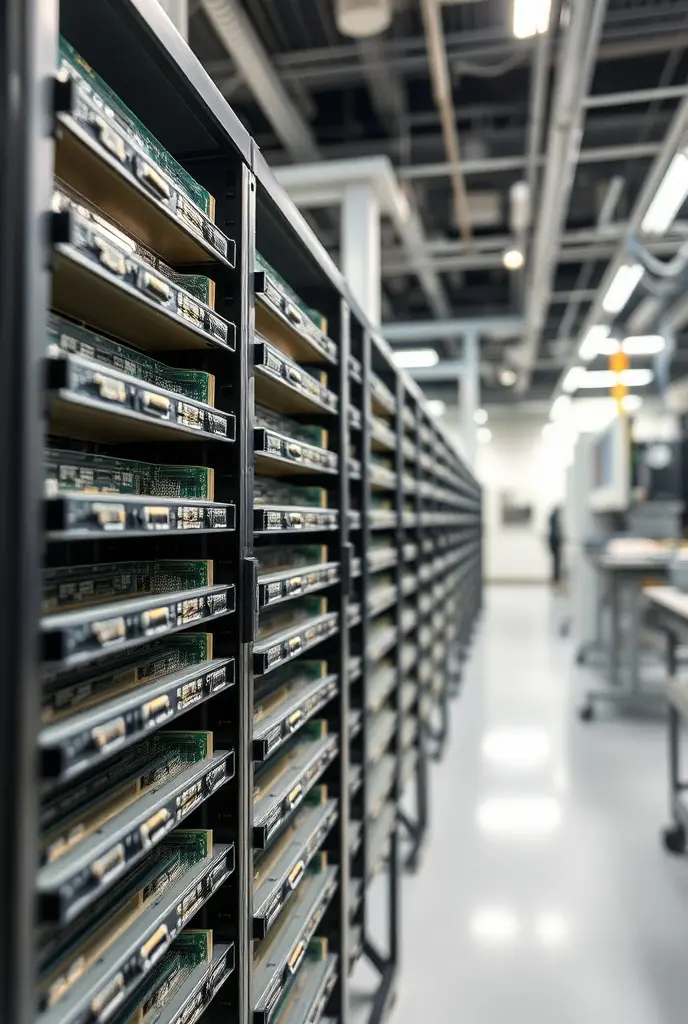
Peralatan SMT
Kotak dan rak pengumpul anti-statis untuk jalur otomatis.

Penyimpanan & Logistik
Kereta dorong pemindah barang, rak, kotak, nampan, dan wadah komponen.
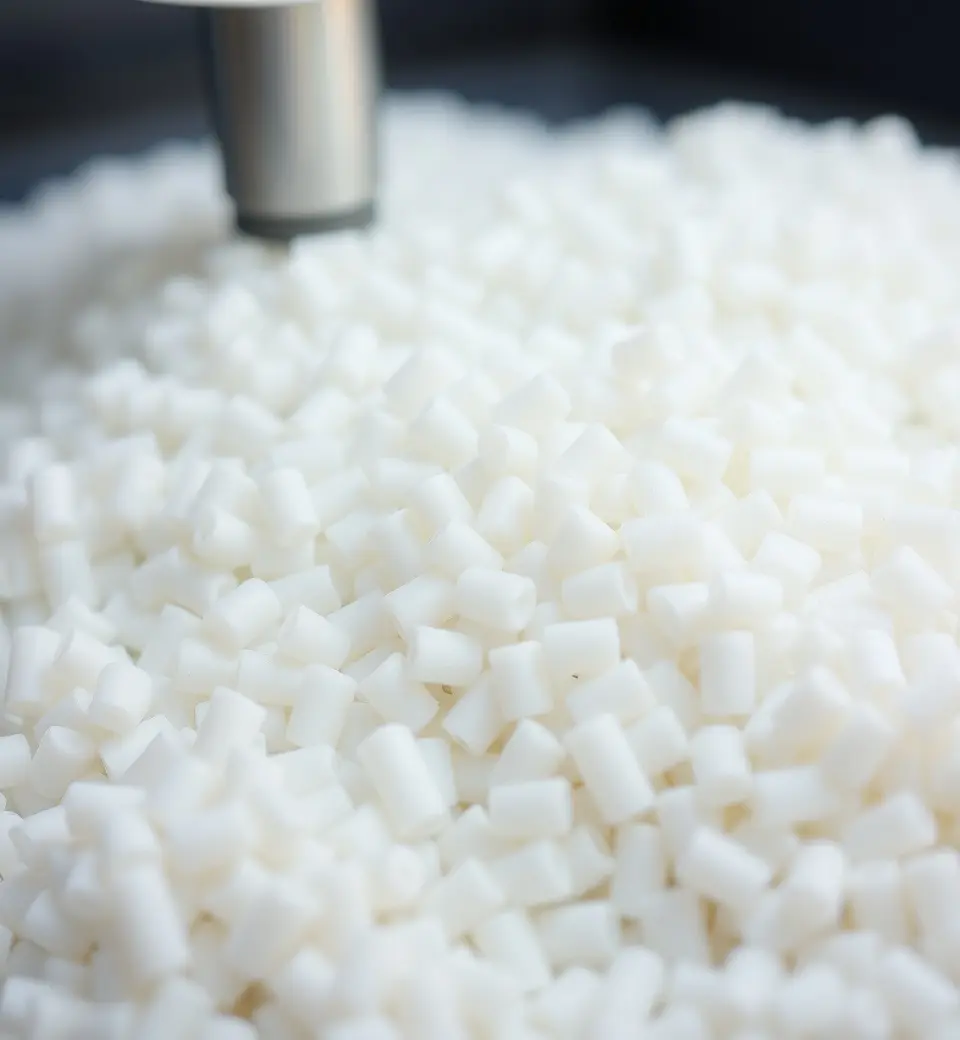
Stasiun Kerja & APD
Kursi anti-statis, tikar, tali pergelangan tangan, dan perlindungan diri.
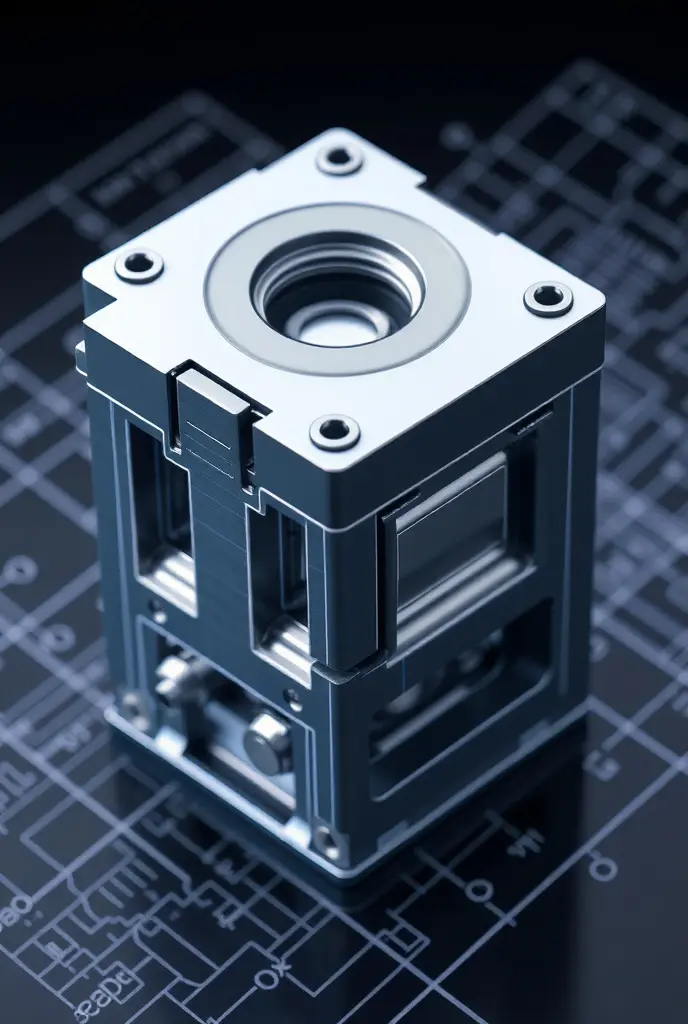
Pengembangan Kustom
Pengembangan cetakan khusus dan bahan anti-statis khusus.
KEUNGGULAN OEM/ODM KAMI

R&D Lanjutan & Inovasi Material
Material anti-statis yang dikembangkan secara internal dengan paten penemuan nasional dan ketahanan panas hingga 200℃. Kami tidak hanya mencetak — kami memformulasikan senyawa.

Kapasitas Produksi Skala Penuh
Pabrik seluas 30.000㎡ dengan sistem pengecoran injeksi, granulasi, dan pemrosesan pendukung yang lengkap untuk pasokan yang stabil dan efisien.

Kustomisasi Proses Penuh
Resistivitas material, warna, ukuran, logo, kemasan, dan sertifikasi — dapat disesuaikan untuk memenuhi standar IEC61340-5-1, ANSI/ESD S20.20, atau standar militer.

Kualitas Bersertifikat & Kepatuhan Global
“Sanwei berhasil mengembangkan baki warna alami bersih tahan suhu tinggi khusus untuk lini perakitan semikonduktor kami, menggantikan produk impor, memastikan keamanan ESD yang sangat baik, dan memenuhi persyaratan kebersihan yang tinggi di area kerja.”
DIPERCAYA OLEH PEMIMPIN INDUSTRI FORTUNE 500 GLOBAL
Solusi ESD hak milik kami diterapkan di fasilitas produksi elit di seluruh dunia, termasuk: Intel, Motorola, Siemens, IBM, Panasonic, Nokia, dan Dell.
Mencari Ukuran Kustom atau Harga Grosir dalam Jumlah Besar?
Didukung oleh tim R&D internal kami yang tangguh, Sanwei menyediakan opsi OEM/ODM lengkap yang disesuaikan dengan lini produksi SMT atau tata letak gudang spesifik Anda. Hubungi spesialis kami hari ini untuk cetakan kustom, kode warna, atau konsultasi penyimpanan 5S terintegrasi.
Pertanyaan yang Sering Diajukan (FAQ)
1. What materials are used for ESD safe storage of components?
ESD‑safe storage relies on materials with controlled electrical resistivity. Common materials include:
-
Conductive plastics – typically polypropylene (PP) or polyethylene (PE) loaded with carbon black or other conductive fillers, giving a surface resistivity below 10⁵ Ω/sq. These materials provide a low‑resistance path to ground.
-
Static‑dissipative plastics – such as PP, ABS, or PETG with resistivity in the range of 10⁵ to 10¹¹ Ω/sq. They dissipate static charge slowly and safely.
-
Anti‑static foams and films – pink polyethylene foam or bubble wrap that minimizes triboelectric charging (resistivity 10⁹–10¹² Ω/sq).
-
Metallised layers – some containers have metal coatings or embedded metal grids for extra shielding.
-
Humidity‑control materials – desiccants and moisture‑barrier bags are often used alongside ESD materials to prevent moisture‑related damage.
Storage cabinets, shelves, and bins are also made from these materials, and they are often grounded through a direct connection to the earth.
2. What is an ESD crate?
Sebuah ESD crate is a large, reusable, stackable box made from conductive or static‑dissipative plastic (usually black polypropylene with carbon additives). It is designed to transport and store bulk quantities of electronic components safely without generating or retaining static charges. ESD crates often have reinforced walls, stacking rims, and optional lids. They are widely used in closed‑loop logistics, warehouse storage, and assembly line buffering, and they meet ESD standards such as IEC 61340‑5‑1.
3. What is an ESD container?
Sebuah ESD container is a broad term covering any receptacle—from small bins and trays to large crates and cabinets—that is specifically manufactured from static‑control materials to protect ESD‑sensitive devices. The container may be conductive, static‑dissipative, or anti‑static, depending on the required protection level. Common features include built‑in grounding points, stackability, and compatibility with automated handling systems. Essentially, an ESD container ensures that stored components remain free from electrostatic damage throughout the entire supply chain.
4. What are ESD trays made of?
ESD trays are produced from a variety of engineered plastics, depending on the application:
-
Polypropylene (PP) – the most common material; it can be made permanently conductive or static‑dissipative by adding carbon black or other fillers. It is tough, chemical‑resistant, and reusable.
-
Polyethylene (PE) – often used for lightweight trays; similar filler additives provide ESD properties.
-
PETG – a clear, static‑dissipative material often used for thermoformed trays.
-
Polystyrene (PS) and ABS – cost‑effective options with good dimensional stability.
-
Thermoset polyester composites – with permanent conductive additives; they offer high heat resistance and chemical resistance.
-
Polycarbonate (PC) – used where transparency and impact resistance are needed.
Many trays are also available with a surface coating or a permanent anti‑static additive that does not wear off over time. The choice of material determines the tray’s resistivity, strength, temperature range, and price.