- hanqi
- Blog
An ESD surface tester checks a defined electrical property using a specified instrument, electrode arrangement and procedure. It does not measure every aspect of ESD protection, and a green indicator alone is not a complete acceptance record. Begin by identifying whether the task concerns point-to-point resistance, resistance to a defined groundable point, another system measurement or surface resistivity under a particular method. Select the equipment and interpret the result against the site’s approved requirement. This guide explains the workflow without inventing universal resistance limits, instrument capabilities or calibration intervals.
Identify the measurement before choosing a meter
Resistance and resistivity are related but are not interchangeable labels. A resistance measurement depends on the defined contacts and sample arrangement. A resistivity result involves the geometry and conversion specified by the applicable method. Do not copy a value labeled ohms per square into a point-to-point resistance report without identifying what the instrument actually measures and how its result is derived.
Also distinguish material measurements from system measurements. A surface between two test contacts, a surface relative to an approved groundable point and a personnel system are different arrangements. The EOS/ESD Association’s standards resources provide the framework for selecting the applicable procedure. Use the current method and the site plan rather than combining convenient parts of unrelated tests.
| Question | Measurement boundary | What must be confirmed |
|---|---|---|
| How does current pass across the surface? | Two defined contacts on the sample | Point-to-point method, electrode positions and relevant test conditions |
| How does the surface connect to its groundable point? | Defined surface contact to the specified groundable point | System boundary, approved connection and applicable procedure |
| Is a material resistivity result required? | Geometry and calculation defined by that method | Supported electrodes, geometry factor, units and the exact instrument capability |
Contact spacing, applied voltage, dwell time and acceptance limits come from the selected current method and equipment instructions. This comparison does not assign universal settings or certify that every handheld tester supports all three arrangements.
Match instrument capability to the required procedure
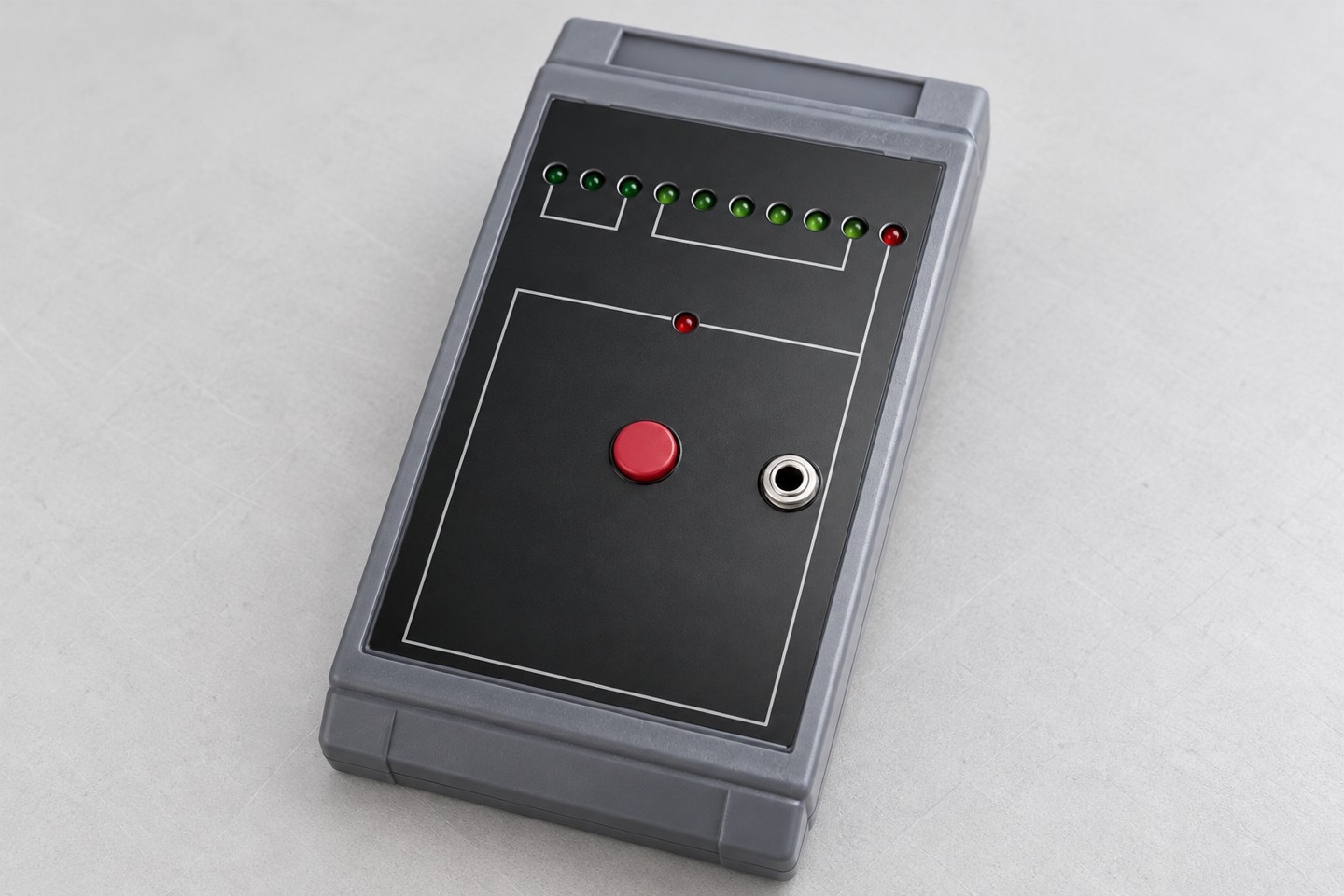
Ask the instrument supplier which measurement types the exact model supports, which accessories are required and what range, test conditions and uncertainty information are documented. A compact indicator can serve a different purpose from a laboratory instrument with specified electrodes and controls. Do not infer precision, test voltage or supported methods from the number of lamps on its face.
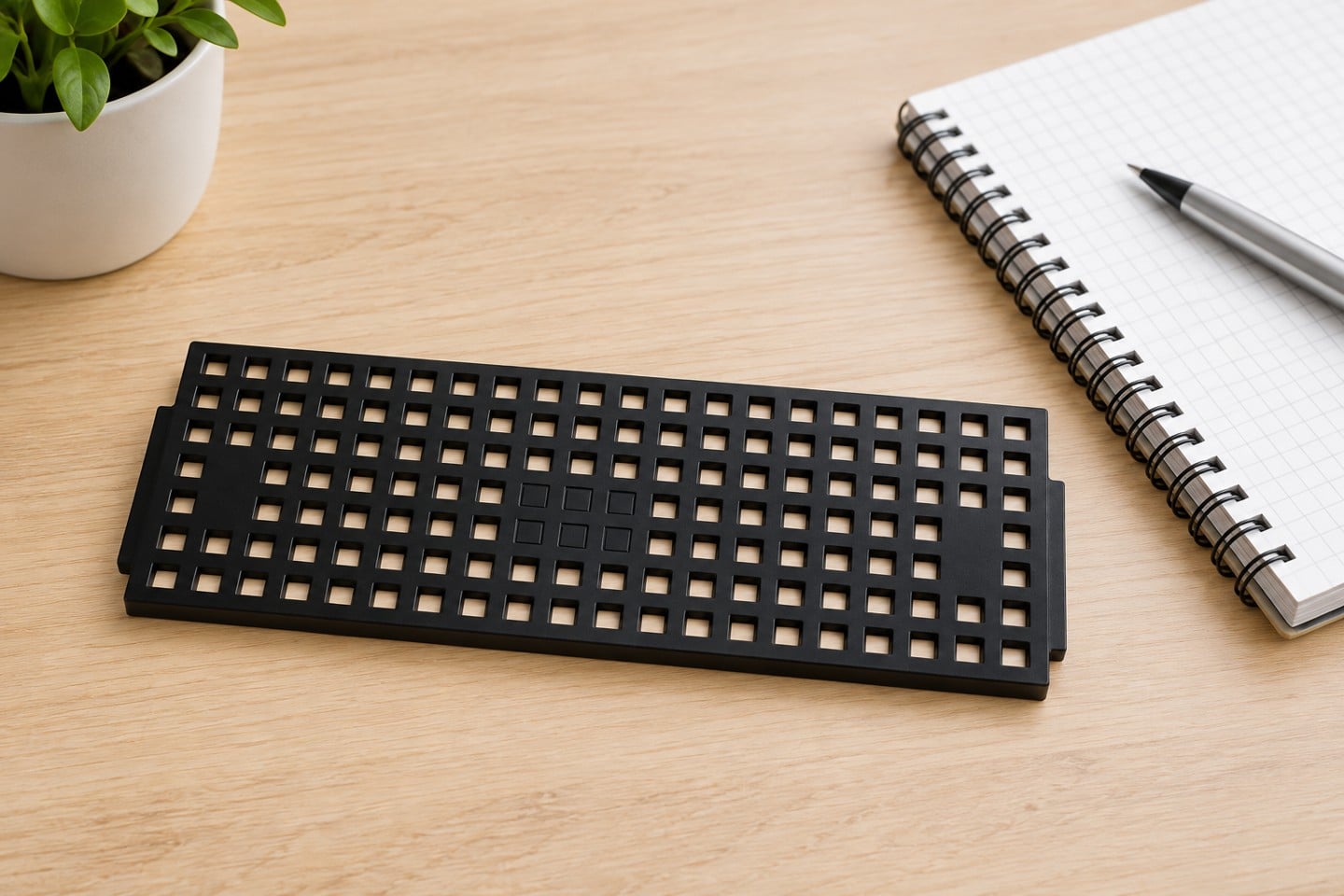
For a product reference, review the SWESD surface resistance tester and request its current instructions and evidence for the intended application. The illustration shows the device form and does not display a measured result. Purchasing should compare documented capabilities with the required procedure before selecting equipment. An instrument described generally as an ESD tester is not automatically suitable for every packaging, worksurface or grounding measurement.
Define what must appear in the record
The table below is a reporting checklist. It supplies no numeric pass limit or test setup. Those inputs must come from the applicable procedure, the instrument instructions and the approved site requirement. An unexplained number or pass lamp leaves too much information missing for a reliable comparison.
| Record field | Information needed | Why it matters |
|---|---|---|
| Sample identity | Material, model, surface and actual service condition | Avoid comparing results from different or substituted items |
| Measurement method | Property, contacts, placement and applicable procedure | Keep resistance, resistivity and system measurements distinguishable |
| Instrument | Model, identity, supported method and applicable status | Do not assume every indicator supports the same procedure |
| Preparation and environment | Conditions required by the selected method | Make the result reproducible and the comparison meaningful |
| Reported result | Actual value, range or indication with units | Do not invent precision beyond the instrument output |
| Acceptance and action | Relevant site requirement and release decision | Connect the measurement with the tested item and corrective action |
Retain the result in its actual reported form. If an instrument indicates a range rather than a precise value, do not invent extra digits. Record units and whether a limit, range or out-of-range condition was displayed. The report should allow another qualified person to understand what was tested and reproduce the accepted procedure, not merely show that someone pressed a button.
Prepare the sample and environment consistently
Identify the material, model, surface and service condition. Determine the required preparation and environmental conditioning under the applicable method. Humidity, contamination and surface treatment can affect relevant material behavior, so do not compare measurements taken under undocumented conditions as if they were identical. Record the actual conditions required by the procedure without inventing a universal environmental setting.
If a container is being tested after cleaning, define whether drying and any required conditioning are complete before measurement. Do not clean the sample differently each time because one method produces a more convenient result. The box cleaning-validation guide addresses the separate process-control question. Keep the electrical test tied to the accepted cleaned configuration and the stated preparation.
Use the specified contacts and placement
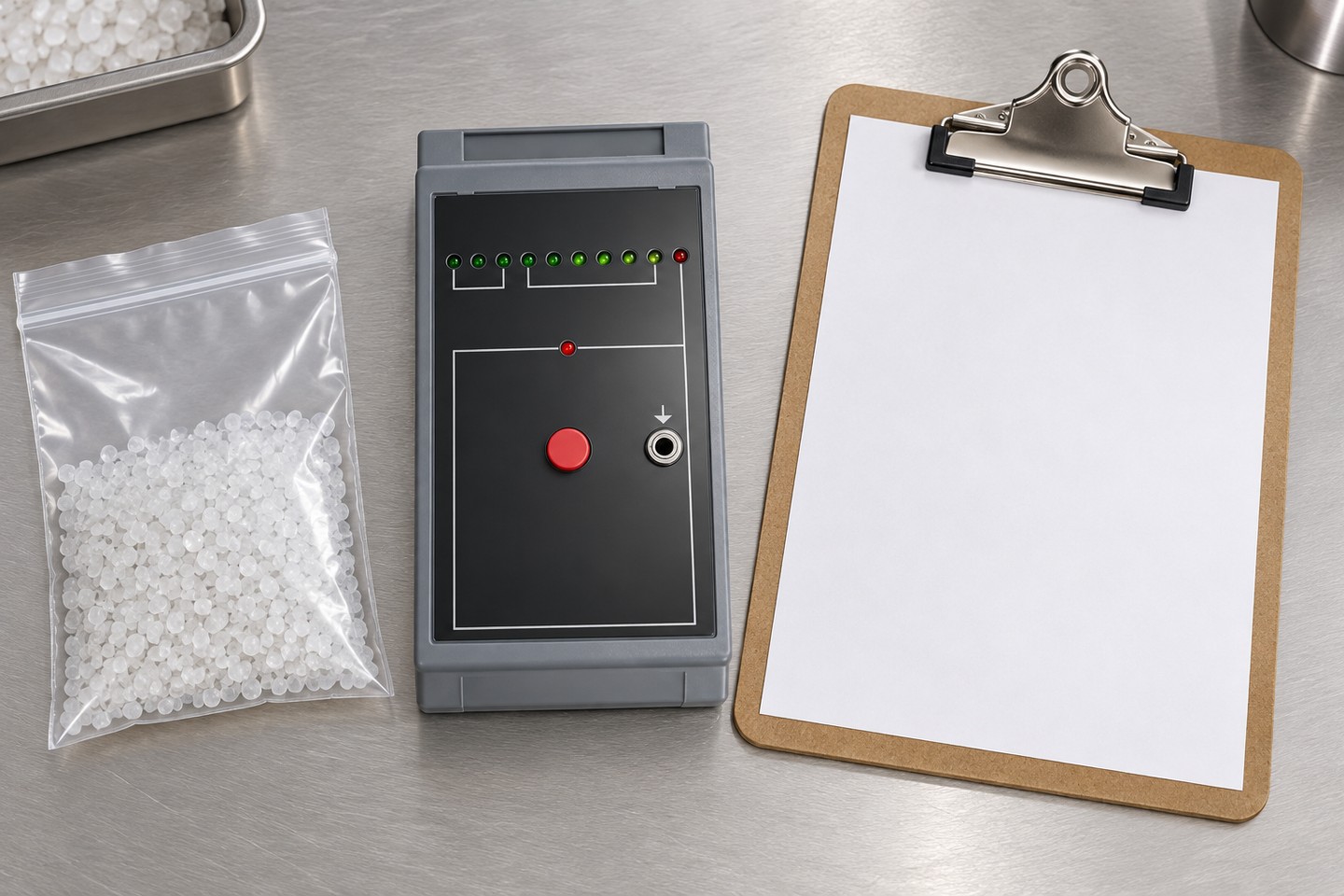
Follow the approved electrode arrangement, contact requirements, spacing and measurement locations. The chosen procedure determines these details. A casual handheld contact on a curved wall may not be equivalent to a defined electrode method on a flat sample. Where the product geometry makes a method unsuitable, obtain an appropriate alternative from the responsible expert rather than improvising and labeling the result compliant.
Check leads, contacts and required accessories using the instrument instructions. Do not add weights, probes or cable arrangements that the model does not support. A poor contact or unintended current path can affect the reading. Treat unexpected results as a reason to inspect the setup and procedure, not as permission to change placement until the indicator becomes green.
Keep grounding measurements within approved procedures
When the task involves a groundable point, identify the permitted reference and connection under the site’s electrical and ESD requirements. Qualified personnel should establish the arrangement. Do not use an arbitrary nearby metal object or improvise a connection to electrical wiring. This guide does not provide instructions for modifying mains outlets or bypassing electrical safety requirements.
The EOS/ESD Association’s basic procedures and materials guidance explains grounding in the context of a complete control program. A material resistance measurement does not prove that a rack or trolley is installed correctly. Verify the relevant system and its intended use separately, including any floor, contacts or accessories that participate in the accepted arrangement.
Interpret acceptance limits by the actual control item
Use the requirement for the item and method being assessed. Packaging, worksurfaces and other control elements do not necessarily share one universal range. Product qualification and routine compliance verification may also have different purposes and conditions. Do not publish a simple conductive, dissipative and insulating chart as if it were a complete pass decision for every test.
The EOS/ESD Association’s training and auditing guidance emphasizes defined requirements and verification. Retain the site criterion with the result so future staff can determine whether it applied to that sample and procedure. If the required limit or method is unclear, resolve it before releasing the tested item rather than treating the instrument’s color band as authority.
Handle unexpected readings systematically
First verify sample identity, environmental preparation, instrument status and the actual connection or contact arrangement. Compare the setup with the approved instruction and record deviations. Where the procedure permits repeated readings, retain the relevant results and explanation. Do not discard an inconvenient failure or average it away without a defined method that supports that treatment.
If the item is outside the accepted requirement, isolate it and investigate the cause. Possible questions include contamination, damage, an unapproved material substitution or a changed installed arrangement. The corrective action should address the identified cause and be followed by the required verification. A repeated passing measurement under a different setup is not proof that the original problem has been solved.
Distinguish calibration from checks between calibrations
Calibration and routine instrument checks serve different purposes. Follow the supplier’s instructions and the organization’s quality system for each one. Confirm the equipment identity and the applicable calibration status before testing. Establish any required intermediate checks with approved references or methods rather than inventing a universal interval or claiming a self-check button proves full accuracy.
Keep the associated records available to the people interpreting results. If an instrument is found unsuitable or outside its accepted status, have the responsible quality team assess the affected measurements and required action. A certificate should identify what was covered; it does not automatically establish suitability for every electrode arrangement or test application the factory may use.
Connect test findings with the actual product decision
For packaging materials, review the required functions separately. Resistance is not a complete measurement of charge generation or discharge shielding. The material selection guide explains why the material description and route matter, while the ESD tray selection guide addresses carrier procurement. Do not claim the entire package protects a device solely from one resistance result.
Release the item only after the applicable requirements and the record are complete. Identify the sample, procedure, equipment, conditions, results and decision. Link any corrective action to the same configuration and preserve the evidence. This makes the tester useful for practical verification while keeping its limits clear to purchasing, production and quality staff.
Further learning: ESD control principles
The EOS/ESD Association educational lecture below explains the broader control program. It provides context for resistance measurements without replacing the instrument instructions, current method or site’s acceptance requirement.
Educational video: Introduction to ESD as part of University Lectures, EOS/ESD Association, Inc..
Frequently asked questions
Does a green indicator prove an item is ESD safe?
It is an instrument indication under a particular setup. Acceptance still requires the relevant method, conditions, requirement and complete record.
Are surface resistance and surface resistivity interchangeable?
No. Identify the measured property and electrode geometry, and use the conversion or reporting rule specified by the applicable procedure.
Can one resistance range approve every ESD control item?
No. Use the requirement for the actual material, system and test method rather than a universal classification chart.
Does resistance testing prove discharge shielding?
No. Packaging functions require their applicable evidence; one resistance result does not establish the complete package performance.
How often should the instrument be calibrated?
Follow the instrument instructions and the organization's quality requirements. Calibration and checks between calibrations have different purposes.

Leave a Reply