- Turbo
- Blog
Finger cot consumption planning starts with the approved task coverage and the events that require fresh cots. Count actual issue events, separate complete sets from individual replacements, and convert the result into the confirmed units supplied per pack. Do not reduce the forecast by assuming removed disposable cots can be reused. For an electronics workstation, a useful plan connects operator demand, accepted sizes, released stock and replenishment time. It should explain why the next delivery quantity is needed without changing contamination-control rules to fit the purchasing budget.
Define the approved task before counting pieces
List the operation and the accepted hand-coverage arrangement. The number of covered fingers is a process input, not a purchasing preference. A planner should not choose fewer cots because a small trial used less stock. Ask the process owner to identify the current instruction and the people or shifts to which it applies.
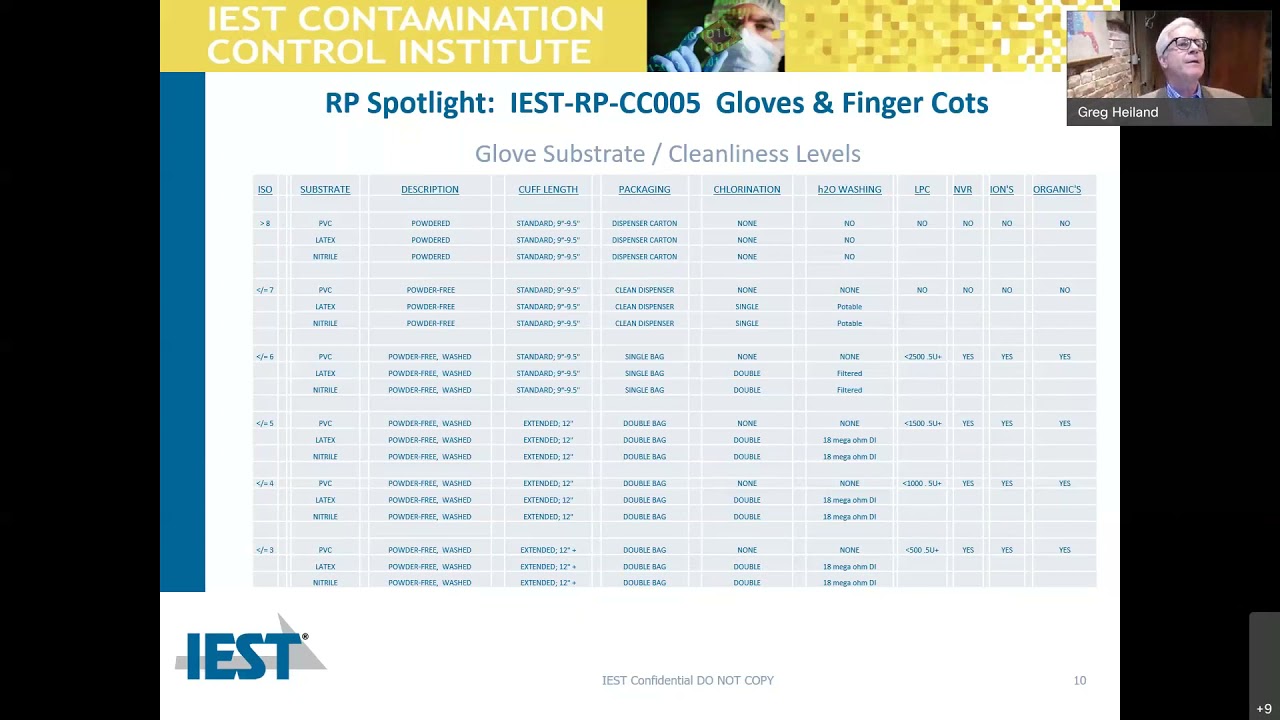
The IEST glove and finger-cot recommended practice overview describes product evaluation topics. It does not publish a universal consumption rate. Use it as context for keeping product suitability separate from a stock calculation. A forecast cannot approve a cot for an application that has not accepted it.
The SWESD finger cot product page identifies a real supply item for the inquiry. Confirm its available sizes and delivered packaging units directly. Photographs of loose samples cannot establish how many pieces are in an inner pack or carton, nor do they establish a cleanroom or medical classification.
Map issue events through one representative shift
Observe when operators begin the task, leave and return, change operations or replace damaged coverage. Record each event according to the accepted instruction. An entry event might require a complete new issue, while another event might require an individual replacement. The planner must know which quantity is being counted before adding the records together.
Use representative production rather than a single unusually quiet hour. Include different shift patterns, product mixes and planned training. Record the observation period and any unusual event, such as a trial batch or workstation move. A rate based on an abnormal week can be useful, but it needs a label that prevents it from becoming the permanent baseline accidentally.
Keep the method proportionate. A simple shift sheet can record operator count, routine issues and extra replacements. Avoid personal performance rankings from raw consumption data: high use might reflect more difficult work, additional approved changes or a fit problem. Investigate the process context before treating the difference as waste.
Calculate demand with units that cannot be confused
For a stable task, define O as the number of operators per shift, F as cots per complete issue, and E as complete issue events per operator per shift. Let R be additional individual cots replaced across that shift, excluding anything already included in E. Planned shift demand is O × F × E + R, measured in individual cots per shift.
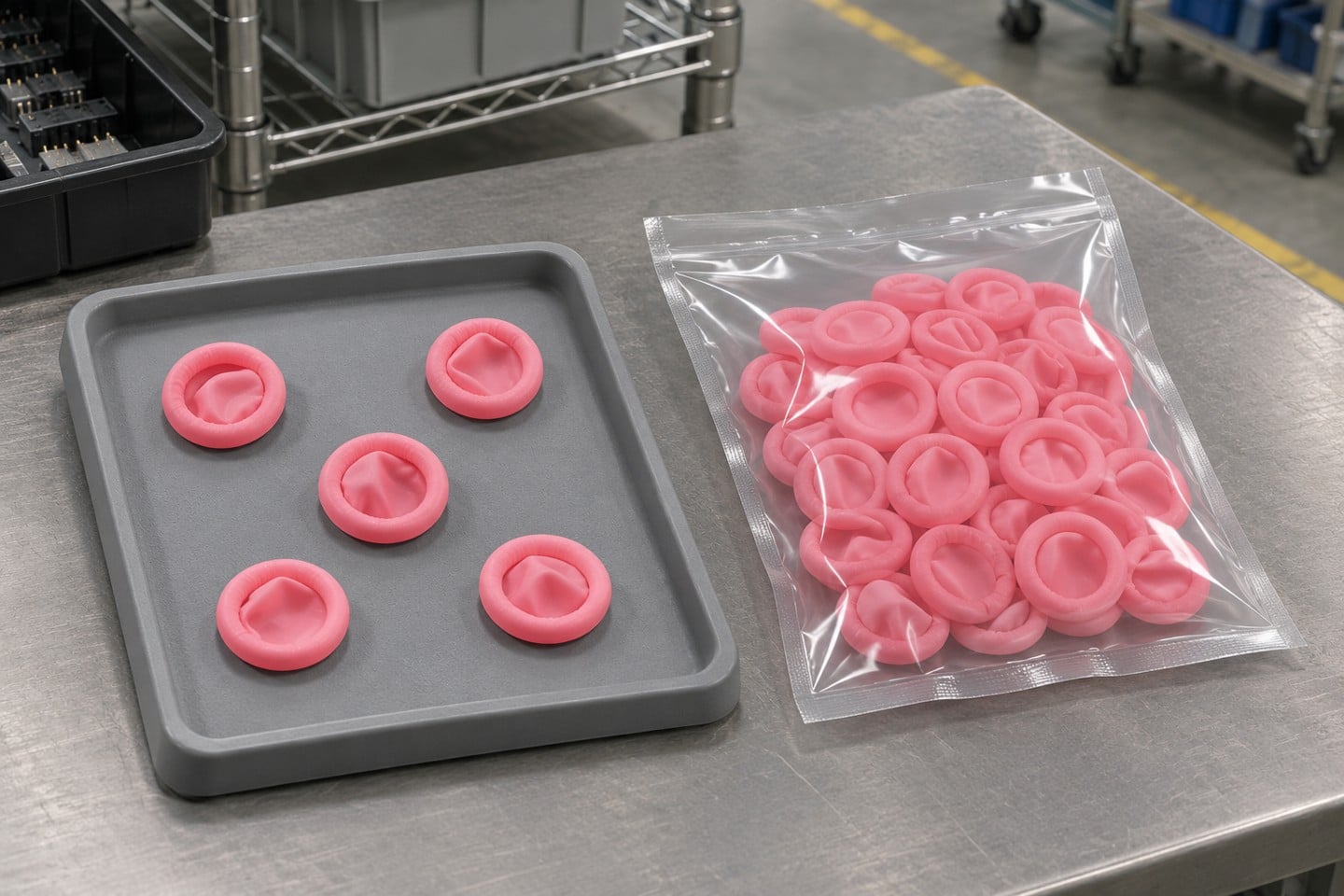
Consider a hypothetical workstation group with 8 operators, an approved issue of 4 cots, 3 complete issues per operator during a shift and 16 additional individual replacements. Demand is 8 × 4 × 3 + 16 = 112 cots per shift. These invented planning inputs illustrate arithmetic only. They are not a coverage recommendation, change interval, measured factory result or SWESD packaging specification.
If the supplier-confirmed hypothetical inner pack contains 100 cots, the total represents 1.12 packs of consumption. Purchasing or replenishment may require rounding to 2 whole packs, but the balance remains usable stock only under the approved handling conditions. Rounding an order does not mean the workstation consumed all 200 pieces. Keep consumption, issue and order quantities separate.
For mixed sizes or different tasks, calculate each approved item separately and then total only quantities that share the same stock identity. Do not combine small and large cots into one available balance when operators cannot use them interchangeably. Record any assumptions about staffing or issue events beside the result.
Distinguish actual consumption from stock movements
A pack transferred from the main store to a workstation has moved; it has not necessarily been consumed. If both locations report that transfer as usage, the forecast will count it twice. Define the point where the organization recognizes consumption and use the same definition in the stock system and the observation sheet.
Track discarded damaged or contaminated unused items separately when the process can do so without unsafe handling. That information can identify packaging, withdrawal or fit problems. It should not encourage operators to retain suspect pieces for counting or return them to fresh supply. Use approved records rather than physically sorting used cots at the end of a shift.
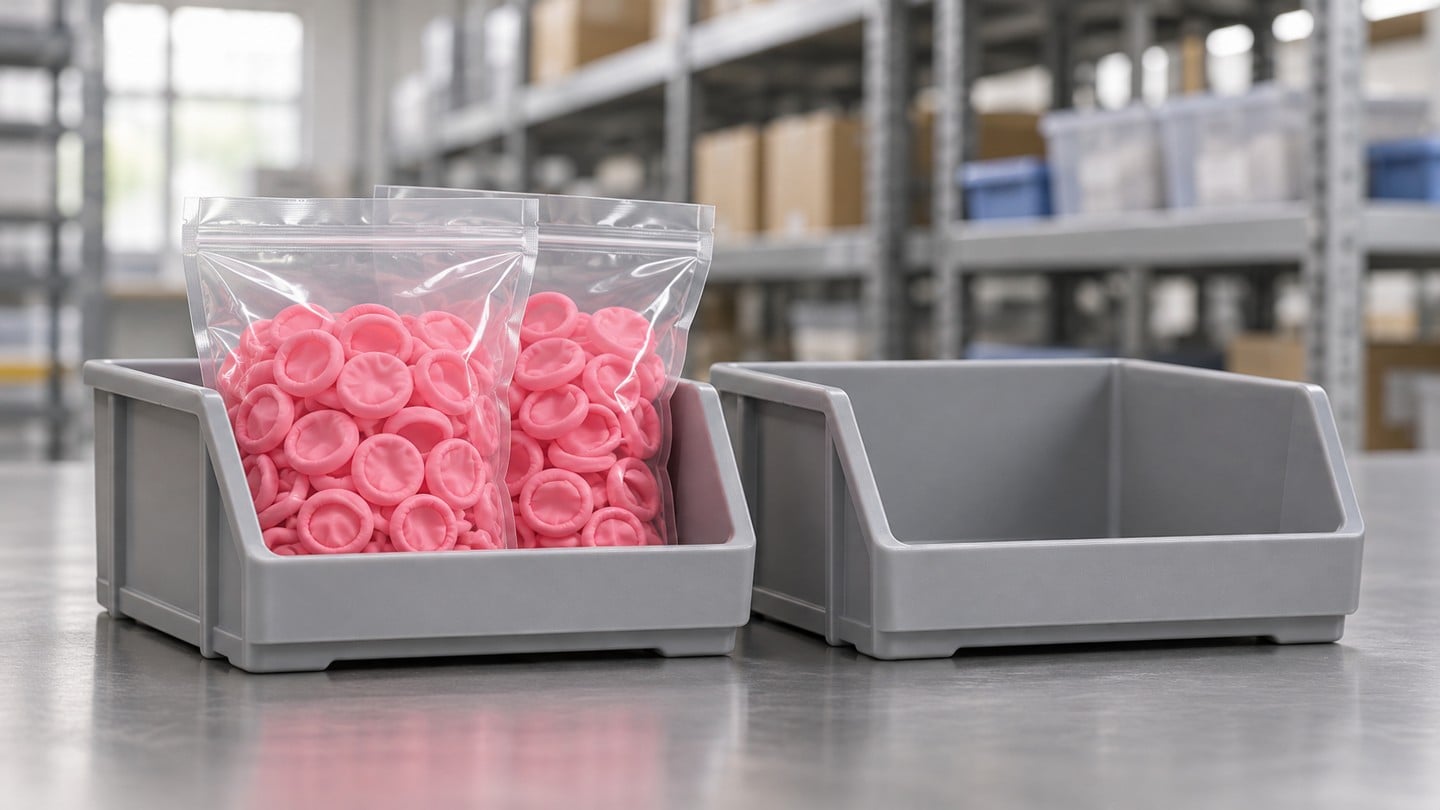
The finger cot storage review addresses upstream stock status. Held, unidentified or expired stock must not make the replenishment balance appear healthier than it is. Count only material released for the actual task and retain size and lot identity through issue.
Build the replenishment inputs from evidence
The table is a planning worksheet, not a product specification. Its inputs should come from approved instructions, verified stock units and observed demand. Where an input is missing, show the uncertainty explicitly instead of hiding it inside an unexplained percentage allowance.
| Input | Unit to record | Source |
|---|---|---|
| Approved coverage | Cots per complete issue event | Accepted task instruction |
| Routine events | Complete issues per operator per shift | Observed entries and transitions |
| Additional replacements | Individual cots or complete sets | Logged damage and contact events |
| Stock conversion | Cots per inner pack and packs per case | Confirmed supplied item |
| Supply exposure | Working days of demand before receipt | Actual approved lead time |
| Usable supply | Released units available for this task | Lot and size stock record |
The National Property Management Association consumption-program discussion provides general context for identifying requirements, reviewing changes and maintaining reliable issue information. It is not a finger-cot usage standard. The equations and examples here are proposed local planning aids whose assumptions must be replaced with actual site data.
A basic reorder-point model is expected demand during replenishment lead time plus an agreed buffer. If daily demand is measured in individual cots, lead time must be expressed in the corresponding working days. When suppliers quote calendar days, convert using the actual receiving and production schedule. Document the buffer rationale and review it when variability changes.
Separate routine demand from avoidable losses
A rise in consumption can reflect more production, more operators or a revised approved change rule. Normalize the comparison before looking for waste. Compare equivalent shifts or express demand per defined production activity, while remembering that product quantity alone may not capture handling complexity. Do not use a simplistic pieces-per-board target to override contamination controls.
Additional replacement events can point to a correctable issue. Record whether cots tear during application, slip during the task or are discarded after contact with an uncontrolled surface. The finger cot fit trial guide helps address fit as a separate approval decision. A change of size or model needs that assessment rather than an informal substitution to reduce the count.
The finger cot donning guide covers contact and replacement triggers. Preserve those controls while improving the supply layout or training. Lower consumption is beneficial only when the process still meets its accepted requirements; a reduced issue record alone does not demonstrate better performance.
Keep replacement rules outside the savings calculation
The historical IEC TR 62258-3:2010 preview includes finger-cot handling guidance for its bare-die context, including replacement after damage and avoiding reuse. Its context and date matter. It does not define one modern rate for every electronics operation, and the site must use its applicable current requirements.
Do not assume that a cot may remain in use for an entire shift because the purchasing forecast was expressed per shift. A planning interval and an allowed wear interval are different things. Likewise, the calculation’s number of covered fingers is an input from an approved task, not permission to transfer that arrangement to another product or workstation.
If a supply shortage threatens an approved replacement rule, escalate before stock runs out. The response might involve a qualified alternate supply or a production decision by the responsible owner. Extending use, washing disposable cots or returning removed items to fresh stock should not become an undocumented purchasing workaround.
Send a replenishment inquiry that can be confirmed
State the exact approved product, accepted sizes, forecast period and required arrival window. Ask the supplier to confirm individual pieces per inner pack, inner packs per case, any order multiple and current delivery information. Keep a quoted lead time dated; it can change, and a historical delivery does not guarantee the next one.
Provide expected demand by size and distinguish a routine replenishment from a temporary launch or training requirement. Request the product and packaging identification needed to connect the shipment to the approved stock item. Where supplier stock changes, obtain the change details before accepting a visually similar substitute.
Review the plan after the first replenishment cycle. Compare predicted use with actual consumption, explain differences and retain the revised assumptions. The result should be a defensible stock decision that protects the accepted work method and gives purchasing a quantity it can reconcile to real supply units.
Educational background on finger-cot evaluation
This IEST presentation introduces glove and finger-cot evaluation. It provides product-selection context and does not prescribe workstation consumption, pack quantity or a universal replacement schedule. Use the locally approved task instruction for those inputs.
Frequently asked questions
Is there a universal number of finger cots per worker?
No. Use the approved coverage and actual replacement events for the specific task.
Can consumption be reduced by reusing removed disposable cots?
No. Preserve the approved replacement rules and investigate avoidable waste separately.
Should held stock count as available supply?
No. Keep held, expired, unidentified or unapproved stock outside the usable quantity.
Does the worked example specify SWESD pack quantities?
No. Its numbers are hypothetical and must be replaced with confirmed item-specific units.
Can a large size substitute for a missing approved size?
Not automatically. Obtain fit and process approval before changing the supplied item.

Leave a Reply